The scaling root planing cost vietnam typically ranges from 1,000,000 to 1,500,000 VND ($40 to $60 USD) per quadrant. This essential deep cleaning procedure removes hidden subgingival calculus and bacterial toxins, effectively halting periodontal disease while offering international patients substantial savings compared to Western dental fees.
Clinical Summary:
Scaling and root planing (SRP) is the gold standard non-surgical intervention for periodontitis. The procedure involves meticulous debridement of the root surfaces below the gumline to remove mineralized calculus and bacterial biofilm. Advanced clinics utilize a dual scaler approach—combining piezoelectric and magnetostrictive technologies—alongside the Swiss EMS Guided Biofilm Therapy (GBT) protocol. By leveraging low-abrasive erythritol powder and high-frequency ultrasonic cavitation, clinicians can eradicate subgingival pathogens while preserving enamel integrity. Understanding the pricing structure per quadrant and the biological necessity of this treatment is crucial for patients seeking to prevent irreversible bone loss and costly surgical interventions.
Key Takeaways:
- Targeted Therapy: SRP treats active gum disease by cleaning deep periodontal pockets that regular brushing cannot reach.
- Advanced Technology: The integration of piezoelectric scalers and Guided Biofilm Therapy ensures thorough, minimally invasive debridement.
- Cost Efficiency: Deep cleaning in Vietnam costs approximately $40 to $60 per quadrant, representing a fraction of international prices.
- Preventive Value: Timely root planing halts bone loss, preventing the need for expensive flap surgeries or dental implants.
- Patient Comfort: Procedures are performed under local anesthesia, ensuring a painless experience during subgingival instrumentation.
Understanding Plaque, Tartar, and the Need for Deep Cleaning
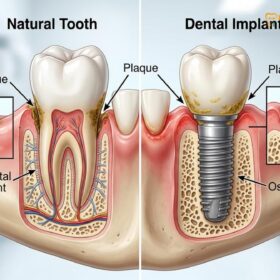
Plaque accumulation inevitably leads to tartar formation, triggering gingival inflammation and deep periodontal pockets that require professional subgingival intervention to resolve.
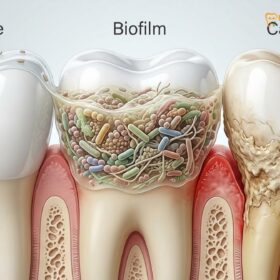
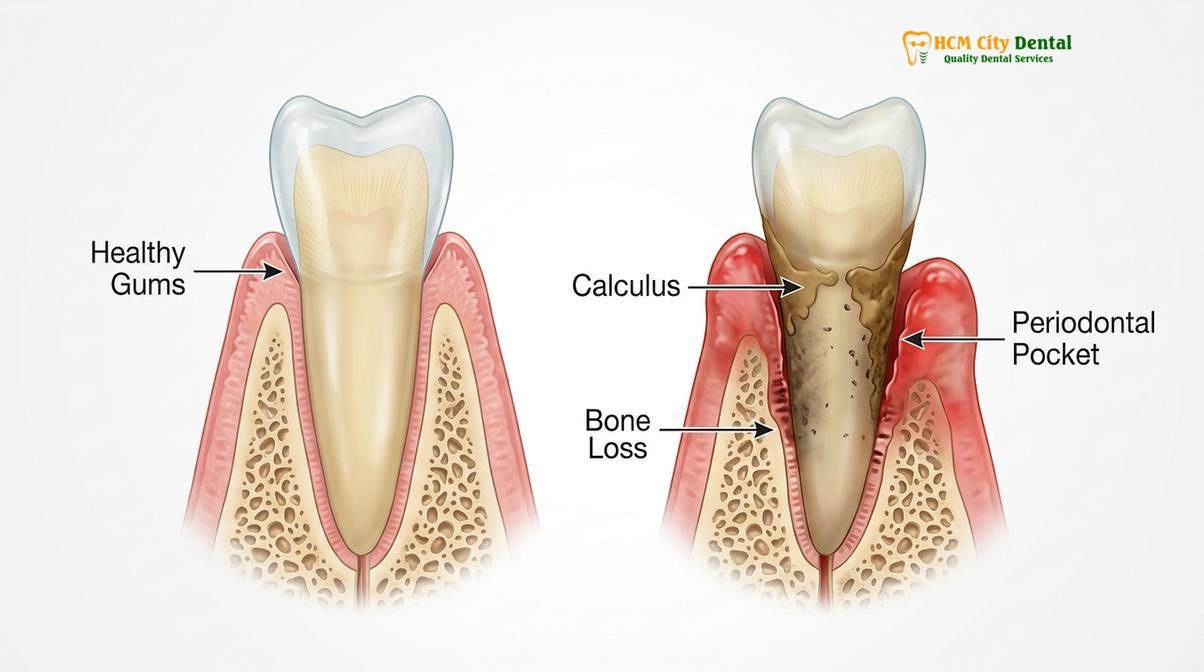
The oral cavity is a complex ecosystem where bacteria constantly colonize the tooth surfaces. Within minutes of brushing, a protein-rich salivary pellicle forms on the enamel, providing a substrate for bacterial attachment. If not disrupted by effective oral hygiene, these bacteria multiply and secrete an extracellular matrix, forming a sticky, colorless biofilm known as dental plaque. Over time, minerals from saliva—primarily calcium and phosphate—precipitate into the plaque matrix, calcifying it into a hardened substance called calculus, or tartar.
Calculus cannot be removed by at-home brushing techniques, regardless of how rigorous they are. Its rough, porous surface acts as an ideal retention site for further bacterial accumulation. When calculus forms below the gumline (subgingival calculus), it initiates a chronic inflammatory response. The body’s immune system, attempting to fight the bacterial endotoxins, releases inflammatory mediators that inadvertently destroy the gingival connective tissue and alveolar bone. This condition, known as periodontitis, is the primary cause of adult tooth loss worldwide [1].
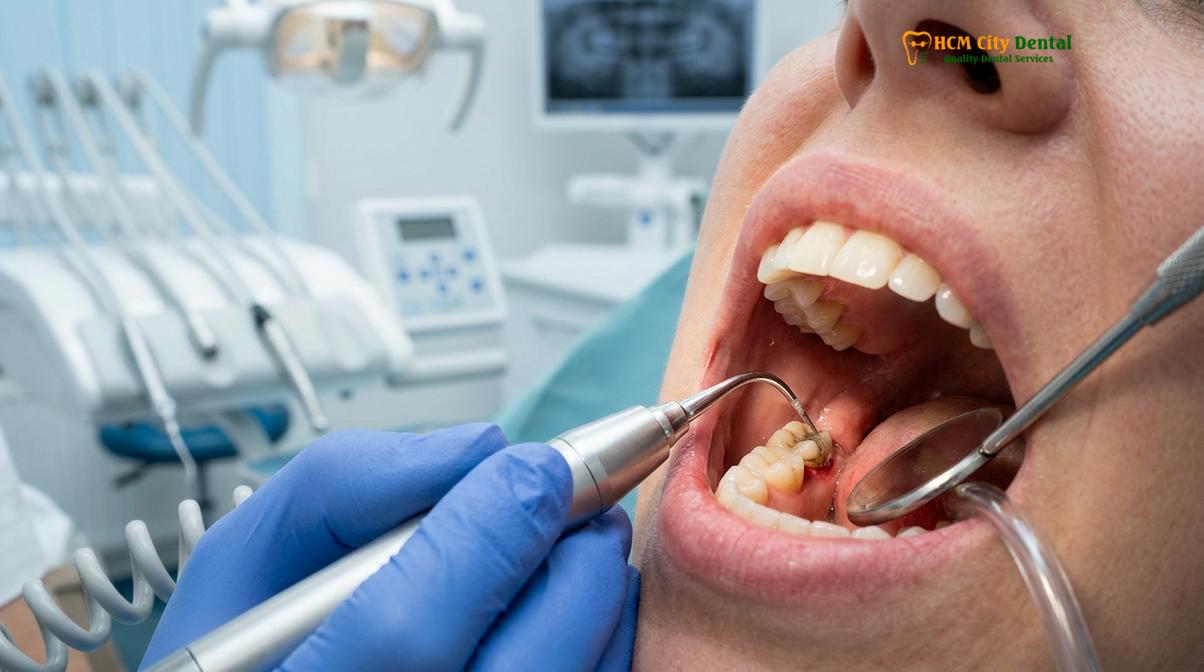
Patients often present with several clinical warning signs before a formal diagnosis is made. Chronic bad breath (halitosis) is frequently caused by volatile sulfur compounds produced by anaerobic bacteria thriving in deep periodontal pockets. Bleeding gums during brushing or flossing indicate an ulcerated sulcular epithelium, a hallmark of plaque-induced gingivitis. Furthermore, teeth staining habits—such as the frequent consumption of coffee, tea, or tobacco—can heavily pigment the calculus, making it visually apparent and aesthetically displeasing.
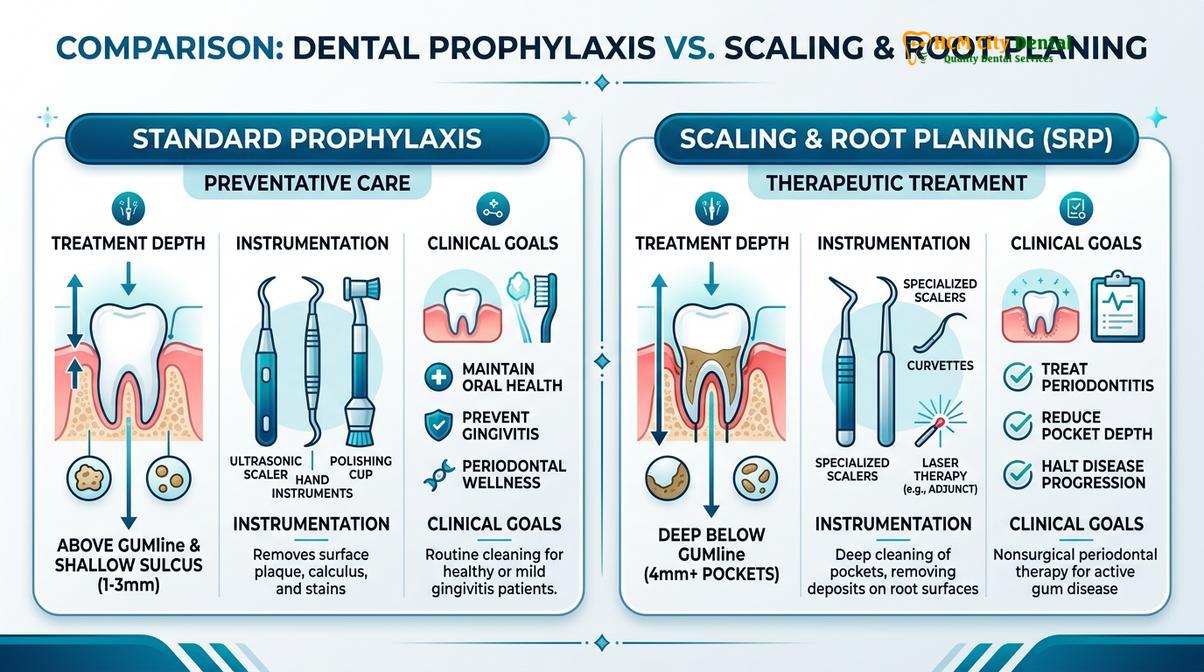
While proper brushing techniques, such as the Modified Bass method, are excellent for supragingival plaque control, they cannot penetrate periodontal pockets deeper than 3 millimeters. When pocket depths reach 4 to 6 millimeters, standard prophylaxis is insufficient. This is where comprehensive dental cleaning and deep root planing become biologically necessary. Seeking gum disease treatment affordable options in Southeast Asia has become a viable solution for patients requiring extensive periodontal rehabilitation without the prohibitive costs found in their home countries.
The Clinical Workflow: Dual Scaler Advantage and GBT
Advanced periodontal therapy utilizes both piezoelectric and magnetostrictive scalers, followed by the Guided Biofilm Therapy protocol for optimal, minimally invasive subgingival debridement.
Modern periodontal therapy has evolved significantly from the days of relying solely on manual hand curettes. Today, the cornerstone of effective scaling and root planing is the strategic application of ultrasonic technology. At specialized centers like HCMC Dental Clinic in Ho Chi Minh City, clinicians employ a “Dual Scaler Advantage” to customize the treatment based on the specific density and location of the calculus.
Piezoelectric Scalers (e.g., Acteon/Satelec): These devices utilize ceramic crystals that expand and contract when electrical energy is applied, producing a linear back-and-forth motion at the tip. Operating at frequencies up to 32 kHz, piezoelectric scalers generate minimal heat and require less water coolant. The linear motion means that only the lateral sides of the tip are active, allowing for precise, gentle debridement. This technology is highly preferred for patients with sensitive teeth, pediatric patients, and those undergoing orthodontic treatment.
Magnetostrictive Scalers (e.g., Dentsply Cavitron): These scalers use a stack of metal strips that change dimension under a magnetic field, creating an elliptical or figure-eight motion at the tip. Because all surfaces of the tip (back, face, and sides) are active, magnetostrictive scalers are exceptionally efficient at breaking down heavy, tenacious calculus and performing full mouth debridement. The rapid vibration also creates a powerful cavitation effect—microscopic bubbles in the water coolant implode, releasing energy that lyses bacterial cell walls and flushes toxins from the periodontal pocket [2].
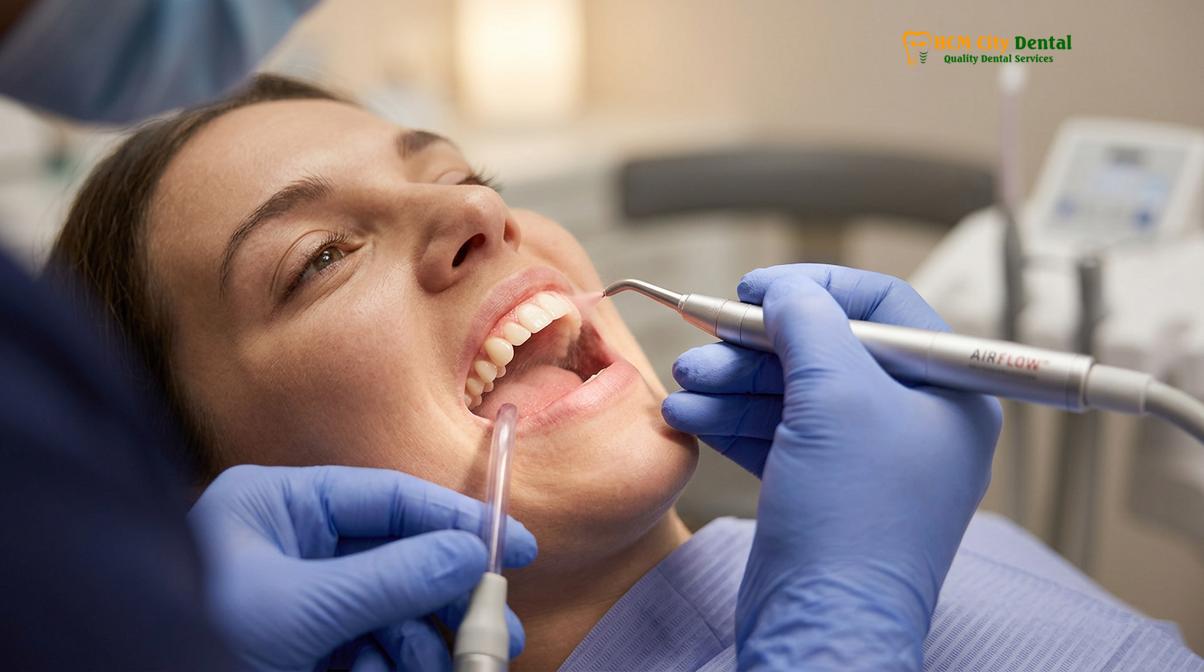
Following the removal of hard deposits, the clinical workflow transitions to the management of the microscopic biofilm. This is achieved through Guided Biofilm Therapy (GBT), a premium protocol developed by Swiss EMS. The GBT 8-step protocol represents a paradigm shift in periodontal maintenance. Instead of using abrasive prophy pastes and rubber cups that can scratch restorative materials, GBT utilizes an Airflow device.
The Airflow system delivers a precise mixture of warm water and low-abrasive erythritol powder. With a microscopic grain size of just 25μm, erythritol is incredibly gentle. It effectively removes biofilm, early calculus, and extrinsic stains painlessly, without scratching natural enamel, titanium implants, porcelain crowns, or delicate veneers. Dr. Nguyen Van Cuong emphasizes that strict adherence to the GBT protocol verification ensures that the subgingival environment is thoroughly detoxified while maximizing patient comfort and preserving the structural integrity of the teeth.
How SRP is Priced (Per Quadrant)
Deep cleaning fees are calculated per quadrant, reflecting the extensive clinical time, specialized instrumentation, and anesthesia required to eradicate deep subgingival calculus.
When evaluating the scaling root planing cost vietnam, it is important to understand why the procedure is billed differently than a standard dental cleaning. The human mouth is divided into four quadrants: upper right, upper left, lower right, and lower left. Because scaling and root planing is a meticulous, time-intensive procedure that requires navigating complex root anatomies blindly beneath the gumline, it is standard global practice to price and perform the treatment per quadrant.
According to the latest clinic fee schedule, the pricing structure for periodontal therapies is highly competitive, especially when factoring in the advanced technology utilized:
- Standard Ultrasonic Scaling & Polishing: 500,000 to 800,000 VND (~$20 to $32 USD). For walk-in patients without prior booking, this ranges from 800,000 to 1,300,000 VND.
- Airflow Prophylaxis / Guided Biofilm Therapy (GBT): 1,500,000 to 2,000,000 VND (~$60 to $80 USD). Walk-in rates are 2,500,000 to 3,300,000 VND.
- Scaling & Root Planing (SRP deep cleaning per quadrant): 1,000,000 to 1,500,000 VND (~$40 to $60 USD). Walk-in rates are 1,600,000 to 2,500,000 VND.
Patients who utilize the online booking system can often secure a -40% WhatsApp booking discount, making the root planing per quadrant price exceptionally accessible. To illustrate the differences in scope and cost, the following table compares standard prophylaxis with deep root planing:
| Clinical Parameter | Standard Scaling & Polishing | Scaling and Root Planing (SRP) |
|---|---|---|
| Target Area | Supragingival (above the gumline) | Subgingival (deep within periodontal pockets) |
| Primary Goal | Preventive maintenance, stain removal | Disease treatment, halting bone loss |
| Anesthesia | Rarely required | Local anesthesia typically required |
| Clinical Time | 30 to 45 minutes (full mouth) | 45 to 60 minutes (per quadrant) |
| Estimated Cost | $20 – $32 USD (Full Mouth) | $40 – $60 USD (Per Quadrant) |
This transparent pricing model ensures that patients only pay for the specific level of intervention their clinical diagnosis demands, avoiding hidden fees while receiving international-standard care.
Full Mouth SRP Breakdown
Comprehensive periodontal therapy for all four quadrants provides a complete reset for gingival health, often combined with full mouth debridement for cases of heavy tartar.
For patients diagnosed with generalized periodontitis, treating all four quadrants is necessary to arrest the disease globally. Leaving one quadrant untreated allows pathogenic bacteria to quickly recolonize the newly cleaned areas, undermining the entire therapy. A full mouth SRP is a comprehensive intervention designed to reset the oral microbiome and facilitate tissue reattachment.
When calculating the total periodontal treatment pricing, a full mouth SRP (four quadrants) typically ranges from 4,000,000 to 6,000,000 VND ($160 to $240 USD) under the discounted booking rates. In cases where a patient presents with extreme calculus buildup that obscures the clinical crown and prevents an accurate periodontal probing, a preliminary procedure is required. This is known as a Full Mouth Debridement (Heavy Tartar Removal), priced between 2,000,000 to 3,000,000 VND (~$80 to $120 USD), with walk-in rates at 3,300,000 to 5,000,000 VND. The debridement removes the gross deposits, allowing the tissues to undergo initial healing before the fine subgingival root planing is performed.
Clinical Case Review: Comprehensive Periodontal Rehabilitation
A 45-year-old expatriate visited HCMC Dental Clinic in Ho Chi Minh City presenting with generalized gingival bleeding, halitosis, and probing depths of 5-6mm. The patient had avoided dental care for five years due to cost concerns in their home country. A comprehensive treatment plan was initiated, starting with a full mouth debridement to remove heavy supragingival calculus. One week later, the patient underwent scaling and root planing for all four quadrants over two sessions, utilizing piezoelectric scalers and local anesthesia. The total SRP cost vietnam for this extensive therapy was under $250 USD. At the 6-week re-evaluation, probing depths had reduced to a healthy 2-3mm, bleeding upon probing was eliminated, and the gingival tissues exhibited a firm, stippled appearance.
The staging of a full mouth SRP is carefully managed to optimize patient comfort. Clinicians generally prefer to treat one side of the mouth (upper and lower quadrants) in a single appointment. This approach allows the patient to chew comfortably on the untreated side while the treated side undergoes the initial phases of healing. The second half is then completed a few days to a week later.
Local Anesthesia Fees
To ensure absolute patient comfort during deep subgingival instrumentation, local anesthesia is administered, with costs typically integrated into the overall quadrant fee.
A common concern among patients facing periodontal therapy is the potential for pain. Because scaling and root planing involves inserting instruments into inflamed periodontal pockets and scraping the sensitive root dentin, performing the procedure without anesthesia is often intolerable and prevents the clinician from achieving a thorough debridement.
To ensure a painless experience, local anesthesia is a standard protocol. Dentists utilize highly effective anesthetic agents, such as lidocaine or articaine with epinephrine, to achieve profound numbness in the targeted quadrant. Depending on the location, the clinician may use infiltration techniques (numbing individual teeth) or regional nerve blocks (numbing an entire quadrant, such as the inferior alveolar nerve block for the lower jaw) [3].
“Achieving profound local anesthesia is not merely about patient comfort; it is a clinical necessity. It allows the practitioner to instrument to the base of the periodontal pocket without causing distress, ensuring that all calculus and endotoxins are completely eradicated.”
In terms of pricing, the cost of local anesthesia is generally bundled into the root planing per quadrant price at reputable clinics. This transparent approach means patients do not face unexpected line-item charges for the anesthetic carpules or the administration process. The focus remains entirely on delivering effective, comfortable care.
Post-Op Medications
Following intensive root planing, adjunctive medications such as antimicrobial rinses or localized fluoride varnishes may be prescribed to support tissue healing and reduce sensitivity.
The success of scaling and root planing extends beyond the clinic chair; the postoperative healing phase is critical. Immediately following the procedure, the gingival tissues will be tender, and the newly exposed root surfaces may exhibit transient dentinal hypersensitivity to cold or sweet stimuli. This occurs because the removal of calculus uncovers the microscopic dentinal tubules.
To manage this and promote optimal healing, clinicians often prescribe or apply specific post-op medications. A chlorhexidine gluconate 0.12% oral rinse is frequently recommended for short-term use (typically one to two weeks). Chlorhexidine is a powerful broad-spectrum antimicrobial agent that significantly reduces bacterial load, allowing the gingival tissues to reattach to the clean root surface without interference from new plaque formation [4].
To combat sensitivity, the application of a professional fluoride varnish is highly effective. The varnish occludes the open dentinal tubules and promotes enamel remineralization, providing immediate relief. Patients are also advised to use desensitizing toothpastes containing potassium nitrate at home.
Important Post-Operative Advisory
Patients must strictly avoid smoking and the use of tobacco products for at least 48 to 72 hours following scaling and root planing. Tobacco smoke introduces toxins that severely impair blood flow to the gingival tissues, delaying the healing process, increasing the risk of postoperative infection, and significantly reducing the overall success rate of the periodontal therapy.
How SRP Prevents Expensive Gum Surgery
Timely non-surgical periodontal therapy halts bone loss and reduces pocket depths, effectively preventing the need for costly and invasive flap surgeries or tooth extractions.
The primary biological objective of scaling and root planing is to alter the subgingival ecological environment. By removing the calculus and disrupting the biofilm, the inflammatory cascade is halted. Over the following weeks, the swelling subsides, and the gingival tissue tightens around the tooth, forming a long junctional epithelium. This healing process physically reduces the depth of the periodontal pockets, making them easier for the patient to clean at home.
When periodontitis is left untreated and pocket depths exceed 6 to 7 millimeters, non-surgical SRP alone may no longer be sufficient. At this advanced stage, the clinician cannot physically reach the base of the pocket with hand or ultrasonic instruments. The required treatment then escalates to osseous surgery or periodontal flap surgery. During these invasive procedures, the gums are surgically reflected back to expose the bone, the roots are cleaned under direct vision, and the bone may be recontoured or grafted before the gums are sutured back into place.
Periodontal surgeries are highly invasive, require extended recovery times, and are financially burdensome, often costing thousands of dollars per quadrant in Western countries. By proactively investing in the SRP cost vietnam, patients effectively intercept the disease process. From a clinical perspective on enamel preservation safety and tissue management, Dr. Cuong notes that early intervention with GBT and ultrasonic scaling is the most predictable way to preserve the natural dentition and avoid the surgical chair.
“Non-surgical periodontal therapy is the definitive first line of defense. By meticulously debriding the root surfaces early in the disease process, we can facilitate tissue repair, stabilize bone levels, and spare the patient from the physical and financial toll of advanced periodontal surgery.”
Following successful SRP, patients are placed on a strict periodontal maintenance schedule, typically requiring professional cleanings every three to four months. This frequency is necessary because pathogenic bacteria can recolonize a periodontal pocket to destructive levels within 90 to 120 days [5]. Consistent maintenance ensures that the results achieved through deep cleaning are sustained long-term.
When to See a Doctor
While mild gingivitis can sometimes be reversed with improved home care, periodontitis requires professional medical intervention. You should schedule a clinical evaluation immediately if you experience any of the following red flags:
- Tooth Mobility: Teeth that feel loose or shift position when biting indicate severe loss of the supporting alveolar bone.
- Purulent Exudate: The presence of pus squeezing from the gums around the teeth is a sign of an active, acute periodontal infection.
- Severe Gum Recession: Rapidly receding gums that expose the yellow root surfaces and cause severe sensitivity.
- Persistent Bleeding: Gums that bleed profusely not just during brushing, but spontaneously throughout the day.
- Changes in Bite: A noticeable change in the way your upper and lower teeth fit together, which can result from teeth drifting due to compromised periodontal support.
Early diagnosis through comprehensive periodontal probing and radiographic imaging is critical for developing an effective, conservative treatment plan.
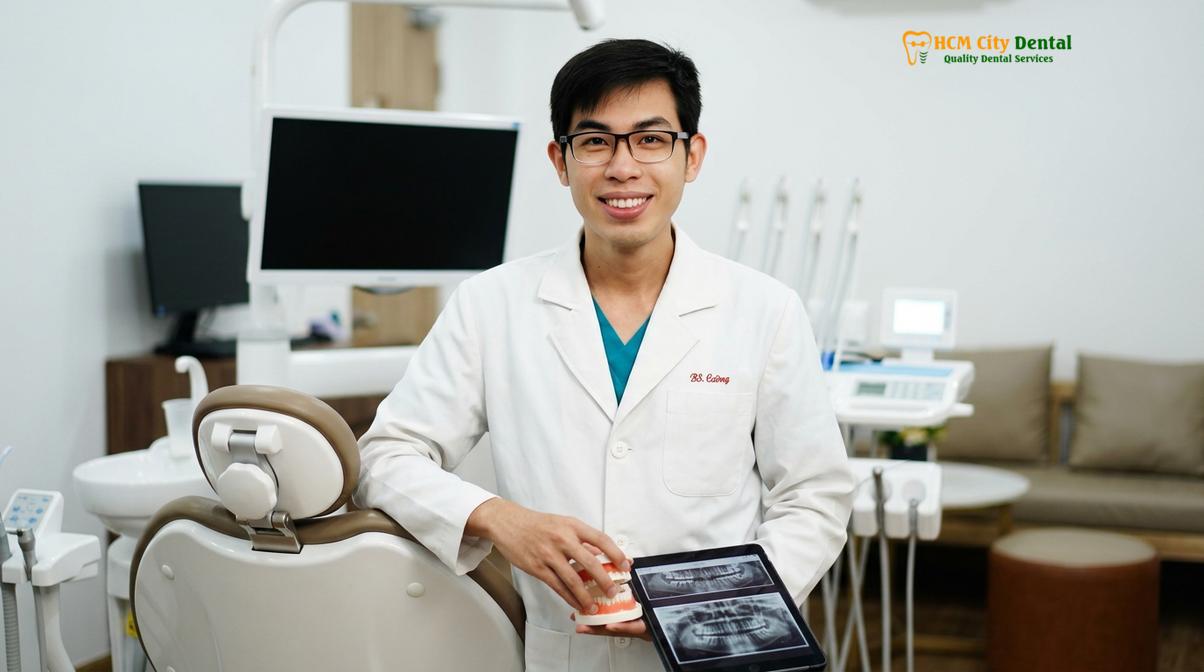
Frequently Asked Questions
Why does scaling and root planing cost more than regular scaling?
Scaling and root planing requires significantly more clinical time, specialized subgingival instrumentation, and local anesthesia compared to a standard prophylaxis. While a regular cleaning only removes supragingival plaque and tartar above the gumline, root planing meticulously cleans the root surfaces deep within periodontal pockets to halt disease progression. The complexity of navigating root anatomy blindly beneath the gums justifies the higher fee.
Is local anesthesia required for root planing?
Yes, local anesthesia is typically required for scaling and root planing to ensure patient comfort. Because the clinician must use ultrasonic and hand instruments deep below the gumline to remove hardened subgingival calculus and smooth the root surfaces, numbing the area prevents pain and allows for a thorough debridement. Without anesthesia, the procedure would be too uncomfortable to complete effectively.
How many sessions are needed for a full SRP?
A full mouth scaling and root planing is usually completed in two to four sessions. Clinicians often treat one half of the mouth (two quadrants) per visit to minimize the amount of local anesthesia administered at one time and to allow the patient to chew comfortably on the untreated side during the initial healing phase. In some cases, it can be completed in a single extended session if the patient prefers.
What is the difference between standard scaling and Guided Biofilm Therapy (GBT)?
Standard scaling primarily uses ultrasonic instruments and abrasive pastes to remove tartar and stains, which can sometimes cause sensitivity. Guided Biofilm Therapy (GBT) is a premium, minimally invasive protocol using warm water and low-abrasive erythritol powder to comfortably eradicate biofilm and early calculus without scratching the enamel or dental restorations. GBT is highly effective, faster, and significantly more comfortable for the patient.
How long does it take for gums to heal after deep cleaning?
Initial gum healing after a deep cleaning typically takes about one to two weeks. During this time, inflammation subsides, bleeding stops, and the gingival tissues begin to reattach to the smoothed root surfaces. Complete maturation of the connective tissue and reduction of periodontal pocket depths may take several months of proper maintenance, requiring excellent home care and adherence to follow-up appointments.
References
- Journal of Clinical Periodontology. Efficacy of subgingival ultrasonic debridement in periodontal therapy. (2021).
- International Journal of Dental Hygiene. Guided Biofilm Therapy using erythritol powder: A clinical review. (2020).
- Journal of Periodontology. Non-surgical periodontal therapy and pocket depth reduction. (2019).
- Clinical Oral Investigations. Local anesthesia protocols in scaling and root planing. (2022).
- Journal of the American Dental Association. Long-term outcomes of periodontal maintenance and disease prevention. (2018).