Yes, you can generally eat immediately after a standard dental cleaning, provided no specialized topical treatments were applied. However, if your periodontal therapy included the application of a professional fluoride varnish, advanced air polishing, or deep subgingival scaling, you must adhere to specific dietary restrictions. Depending on the clinical protocols utilized, you may need to wait anywhere from 30 minutes to 4 hours before consuming certain foods or colored beverages to ensure optimal enamel remineralization, prevent premature extrinsic staining, and protect healing gingival tissues.
Clinical Summary:
The precise timeline for eating after a dental prophylaxis depends entirely on the specific clinical interventions performed during your appointment. Following a basic ultrasonic scaling, patients can typically resume eating soft, temperature-neutral foods immediately, provided any localized topical anesthesia has completely worn off to prevent accidental soft tissue trauma. Conversely, the application of a concentrated fluoride varnish necessitates a strict 30-minute fasting window to allow fluoride ions to chemically integrate with the enamel matrix. Furthermore, advanced stain-removal techniques, such as Guided Biofilm Therapy (GBT) using erythritol powder, temporarily strip away the acquired pellicle—a protective salivary protein layer on the teeth. Until this microscopic layer naturally reforms, patients must strictly adhere to a “white diet,” avoiding highly pigmented foods and beverages like coffee, tea, and red wine for several hours to prevent rapid and stubborn restaining.
Key Takeaways:
- Standard cleanings without fluoride application allow for the immediate consumption of soft, neutral-temperature foods.
- Professional fluoride varnish treatments require a strict 30-minute wait before eating or drinking anything, including water, to ensure chemical bonding.
- Airflow polishing removes the protective salivary pellicle layer, requiring a 2 to 3-hour “white diet” to prevent immediate extrinsic staining.
- Spicy, crunchy, and highly acidic foods should be avoided for 24 to 48 hours to protect healing gingival tissues and prevent micro-abrasions.
- Transient temperature sensitivity is a normal physiological response after heavy calculus removal and usually subsides within a few days as the dentinal tubules adapt.
The Clinical Reality: Can You Eat After Dental Cleaning?
While the mechanical act of eating is permissible after a basic cleaning, your immediate dietary choices must carefully account for temporary enamel porosity and gingival sensitivity caused by the removal of hardened calculus.
To fully understand the dietary restrictions following a professional prophylaxis, it is essential to comprehend the biological and mechanical changes that occur in the oral cavity during the procedure. A comprehensive dental cleaning is not merely a cosmetic enhancement designed to brighten your smile; it is a critical medical intervention designed to halt the progression of periodontal disease, eradicate pathogenic biofilms, and restore optimal gingival health[1]. The way your teeth and gums react to food immediately after this procedure is directly tied to the physical alterations made to the tooth surfaces.
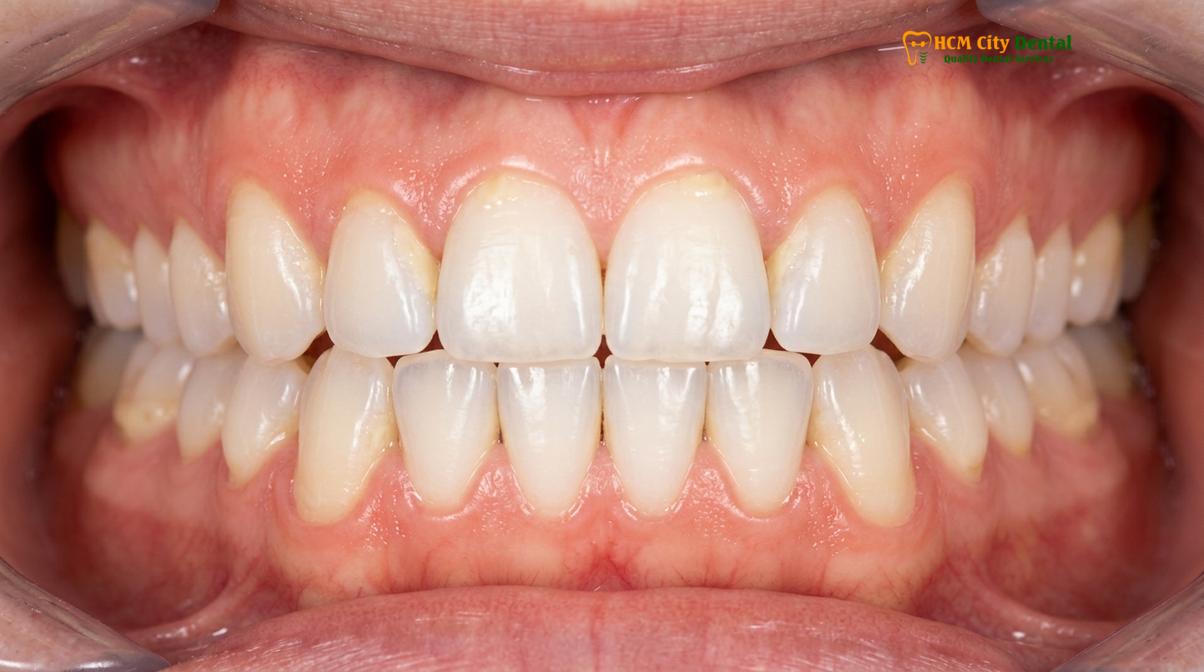
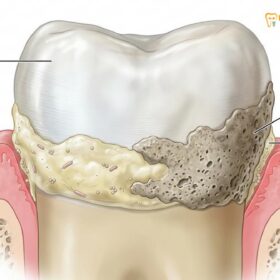
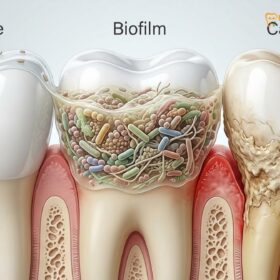
Throughout the day, a sticky, colorless film of bacteria known as plaque constantly forms on your teeth. When plaque is not adequately removed through meticulous daily brushing and flossing, it absorbs calcium and phosphate ions from your saliva, mineralizing into a hardened, porous substance called calculus (commonly known as tartar). This calculus cannot be removed by a standard toothbrush at home; it requires professional instrumentation. The presence of subgingival calculus acts as a chronic, rough irritant to the delicate gum tissues, triggering an inflammatory immune response known as plaque-induced gingivitis, which can progress to severe periodontitis if left untreated.
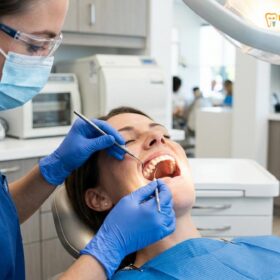
During a professional cleaning, dental hygienists and periodontists utilize specialized ultrasonic scalers and precision hand instruments to meticulously debride the tooth surfaces. This process removes the hardened calculus that has been insulating the tooth roots and harboring destructive anaerobic bacteria. The removal of this calculus barrier often exposes microscopic dentin tubules that were previously covered and insulated by the tartar buildup. According to the hydrodynamic theory of tooth sensitivity, fluid movement within these newly exposed tubules stimulates the nerve endings inside the dental pulp. This sudden exposure is the primary reason patients experience transient dentinal hypersensitivity immediately following a thorough scaling procedure. Therefore, while eating is allowed, the biological state of your teeth dictates a highly cautious approach to the temperature, texture, and chemical composition of your meals.
Wait Time After Fluoride (30min-4hr)
If your cleaning protocol included a topical fluoride varnish, you must strictly avoid eating, drinking, or rinsing for at least 30 minutes to allow for proper enamel remineralization and chemical bonding.
Fluoride application is a cornerstone of modern preventive dentistry, frequently administered at the conclusion of a dental cleaning to fortify the teeth against decay. Understanding the underlying biochemical mechanism of fluoride explains exactly why eating after a fluoride treatment requires a specific and non-negotiable waiting period. Human tooth enamel is primarily composed of tightly packed hydroxyapatite crystals. When exposed to acidic byproducts generated by oral bacteria metabolizing dietary sugars, these crystals undergo demineralization, weakening the structural integrity of the tooth and predisposing it to dental caries.
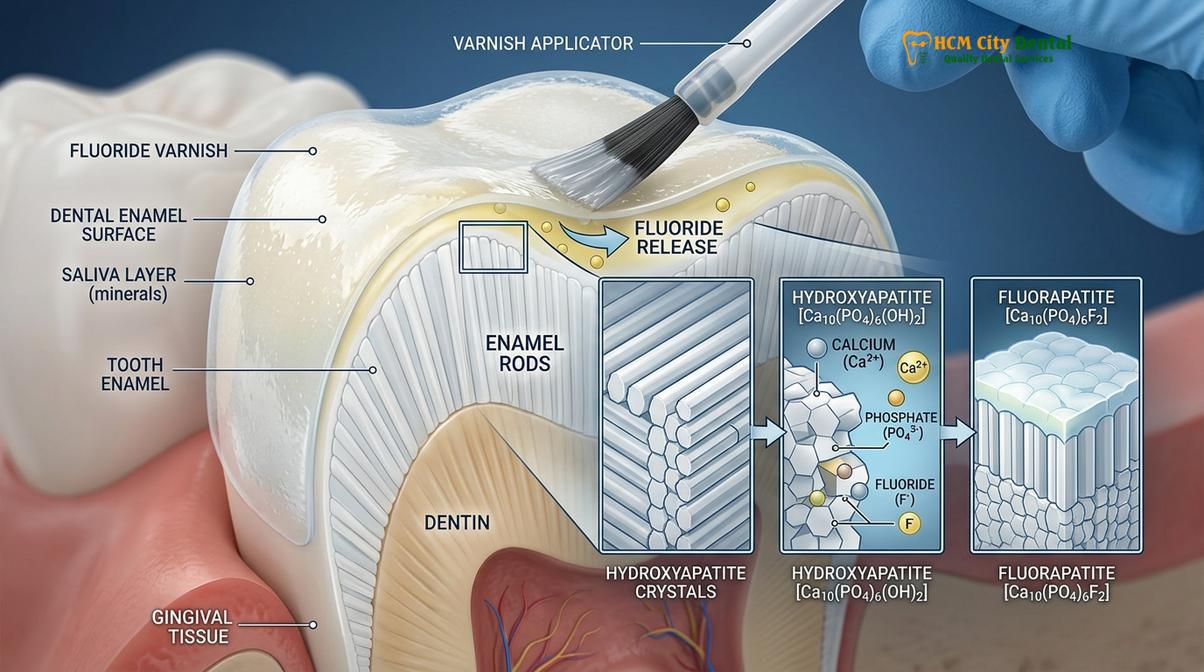
When a highly concentrated professional fluoride varnish is painted onto the dried surfaces of the teeth, it initiates a critical chemical reaction. The fluoride ions actively replace the vulnerable hydroxyl ions within the enamel matrix, converting the hydroxyapatite into a much stronger compound called fluorapatite. Fluorapatite is significantly more resistant to acid attacks, effectively lowering the critical pH at which enamel dissolves. This remarkable process actively repairs microscopic areas of early decay and fortifies the tooth against future bacterial assaults[2].
“The clinical efficacy of topical fluoride varnish is directly proportional to its undisturbed contact time with the enamel surface. Premature consumption of food or liquids disrupts the chemical bonding process, drastically reducing the therapeutic and preventive benefits of the treatment.”
To maximize this chemical integration, the varnish must remain completely undisturbed on the teeth. Consuming food, drinking water, or chewing gum within the first 30 minutes will physically wipe away the varnish before the fluoride ions have had sufficient time to penetrate the enamel rods. For optimal, long-lasting results, many clinical guidelines suggest extending this fasting window to 4 hours if possible, or at the very least, avoiding hot beverages, alcoholic mouthwashes, and sticky foods that could melt or pull the varnish away from the tooth surface prematurely.
Soft Cool Foods for Immediate Post-Cleaning Diet
To minimize discomfort from transient dentinal hypersensitivity and protect healing gums, your immediate post-cleaning diet should consist exclusively of soft, temperature-neutral, and nutrient-dense foods.
Once the mandatory waiting period for fluoride or other topical treatments has elapsed, transitioning back to a normal diet should be done thoughtfully and gradually. The mechanical debridement of calculus, particularly during deep subgingival scaling and root planing, can leave the gingival margins slightly edematous (swollen) and tender. Additionally, the newly exposed enamel and root surfaces may be hyper-responsive to thermal stimuli. Therefore, the ideal post-cleaning diet prioritizes foods that require minimal mastication (chewing force) and do not provoke temperature shocks to the sensitive dental pulp[3].
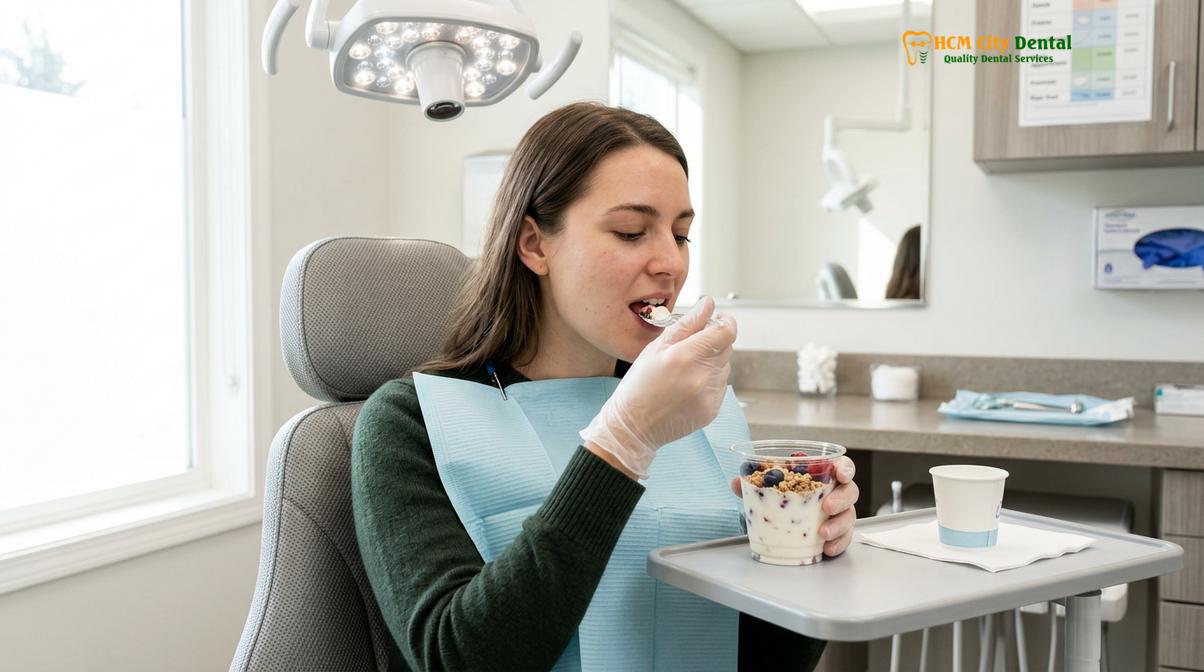
Clinical recommendations for the first 12 to 24 hours following a comprehensive prophylaxis include focusing on foods that are gentle on the oral mucosa while providing adequate nutrition to support tissue healing. Excellent dietary choices include:
- Yogurt and Kefir: These dairy products are excellent choices as they are soft, cool, and contain beneficial probiotics that support a healthy oral microbiome. The calcium and phosphate content also aids in natural remineralization.
- Smoothies and Protein Shakes: Blended beverages provide essential, easily digestible nutrition without requiring any chewing. Ensure they are consumed at a cool, rather than freezing cold, temperature to avoid triggering sharp nerve pain.
- Mashed Potatoes and Sweet Potatoes: These complex carbohydrates are incredibly gentle on the gums, filling, and easy to swallow without irritating the gingival sulcus.
- Scrambled Eggs: A high-protein option that is exceptionally soft and easy to consume without stressing the periodontal tissues or requiring heavy bite force.
- Lukewarm Soups and Bone Broths: Nutrient-dense broths support systemic healing and hydration, provided they are served lukewarm rather than at boiling temperatures that could burn sensitive tissues.
Dietary Contraindications: Foods to Avoid
For at least 24 to 48 hours post-cleaning, patients must strictly avoid hard, sticky, spicy, and highly acidic foods to prevent gingival trauma, severe irritation, and rapid enamel erosion.
Just as important as knowing what is safe to eat is understanding what must be strictly excluded from your diet immediately following a dental prophylaxis. The oral environment is in a state of acute recovery. The gums may be slightly inflamed from the removal of subgingival tartar, and the enamel is temporarily deprived of its protective salivary pellicle layer. Introducing the wrong types of food during this vulnerable window can lead to unnecessary pain, prolonged inflammation, and potential damage to the freshly cleaned and polished surfaces.
| Food Category to Avoid | Common Examples | Clinical Rationale Post-Cleaning |
|---|---|---|
| Highly Acidic Foods | Citrus fruits, tomatoes, vinegar, pickles | Lowers oral pH rapidly. Without the protective pellicle, bare enamel is highly susceptible to acid erosion and demineralization. |
| Spicy Foods | Chili peppers, hot sauce, curries | Capsaicin acts as a severe chemical irritant to healing gingival tissues, triggering acute neurogenic inflammation and burning sensations. |
| Hard & Crunchy Foods | Nuts, popcorn, hard candies, chips | Sharp edges can easily lacerate tender gingival margins, causing bleeding, physical trauma, and disrupting the reattachment of gums to teeth. |
| Sticky & Chewy Foods | Caramel, taffy, chewing gum, dried fruit | Can physically pull applied fluoride varnish off the enamel and adhere to newly exposed root surfaces, trapping cariogenic bacteria. |
Safe Beverages After Dental Cleaning
Hydration is crucial for oral recovery, but selecting the right beverages ensures you do not compromise newly treated enamel or irritate sensitive gingival tissues.
Water is universally the most highly recommended beverage following any periodontal therapy. It helps flush away residual debris, stimulates healthy salivary flow, and maintains a neutral oral pH. However, if you received a professional fluoride treatment, you must wait the prescribed 30 minutes before drinking even plain water to allow the minerals to bond. Milk is another excellent, non-acidic option rich in calcium and phosphate, which actively supports the natural remineralization process of the teeth.
Conversely, you should strictly avoid carbonated sodas, sports drinks, and acidic fruit juices for at least 24 hours. The temporary absence of the protective salivary pellicle leaves your teeth highly vulnerable to acid erosion. Furthermore, consuming sugary beverages immediately after plaque removal provides an instant food source for residual oral bacteria, rapidly restarting the cycle of acid production and plaque formation.
“White Diet” After Airflow and Guided Biofilm Therapy
Following Guided Biofilm Therapy or Airflow polishing, patients must adhere to a strict “white diet” for 2 to 3 hours to prevent immediate extrinsic staining of the highly porous enamel.
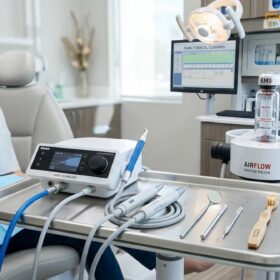
Modern dental cleanings frequently utilize advanced air-polishing systems, such as the Swiss EMS Guided Biofilm Therapy (GBT) protocol. This state-of-the-art technology uses a precise, pressurized mixture of warm water, compressed air, and ultra-fine erythritol powder to gently and effectively eradicate pathogenic biofilm, early calculus, and stubborn extrinsic stains. Unlike traditional rubber cup polishing with coarse, abrasive prophy paste, which can microscopically scratch the enamel surface, GBT is minimally invasive, highly comfortable, and preserves the structural integrity of the tooth[4].
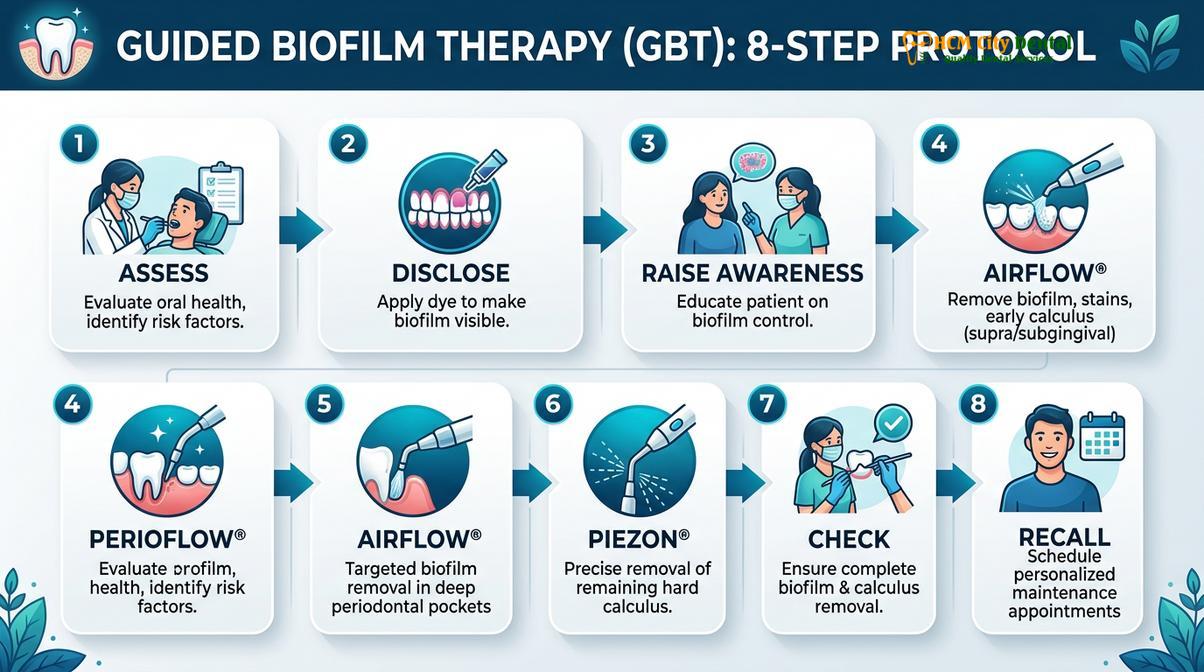
However, the sheer effectiveness of Airflow polishing means that the teeth are left immaculately clean—completely devoid of plaque, stains, and the acquired pellicle. The acquired pellicle is a microscopic layer of salivary glycoproteins that coats the teeth. While it provides a surface for bacteria to attach to, it also acts as a crucial semi-permeable barrier against pigment absorption and acid attacks. Until the salivary proteins have sufficient time to reconstruct this protective layer, the enamel is highly porous and acts much like a dry sponge, ready to rapidly absorb any dark colors or chromogens it encounters.
“The temporary absence of the salivary pellicle following advanced air polishing leaves the enamel highly vulnerable to chromogenic agents. Strict adherence to a non-pigmented diet is essential to prevent immediate and stubborn extrinsic restaining.”
To protect your newly brightened smile and ensure the longevity of the cleaning, dental professionals mandate a strict “white diet” immediately following an Airflow treatment. During this critical 2 to 3-hour window, you must absolutely avoid coffee, black tea, red wine, dark sodas, soy sauce, berries, and tomato-based sauces. Instead, focus on consuming light-colored or white foods, such as plain yogurt, white rice, boiled chicken, milk, and water. Adhering to this protocol prevents the immediate restaining of the teeth while the pellicle regenerates.
Clinical Case Study: Post-Cleaning Care in Ho Chi Minh City
A recent clinical case highlights the importance of adhering to post-procedural dietary guidelines to ensure optimal healing and maintain aesthetic results.
Patient Profile: A 34-year-old patient visited HCMC Dental Clinic in Ho Chi Minh City for comprehensive periodontal maintenance. The patient presented with moderate calculus buildup, localized gingival inflammation, and heavy coffee stains.
Clinical Intervention: The clinical team performed a thorough ultrasonic scaling followed by Guided Biofilm Therapy to remove all supragingival and subgingival deposits without damaging the underlying enamel.
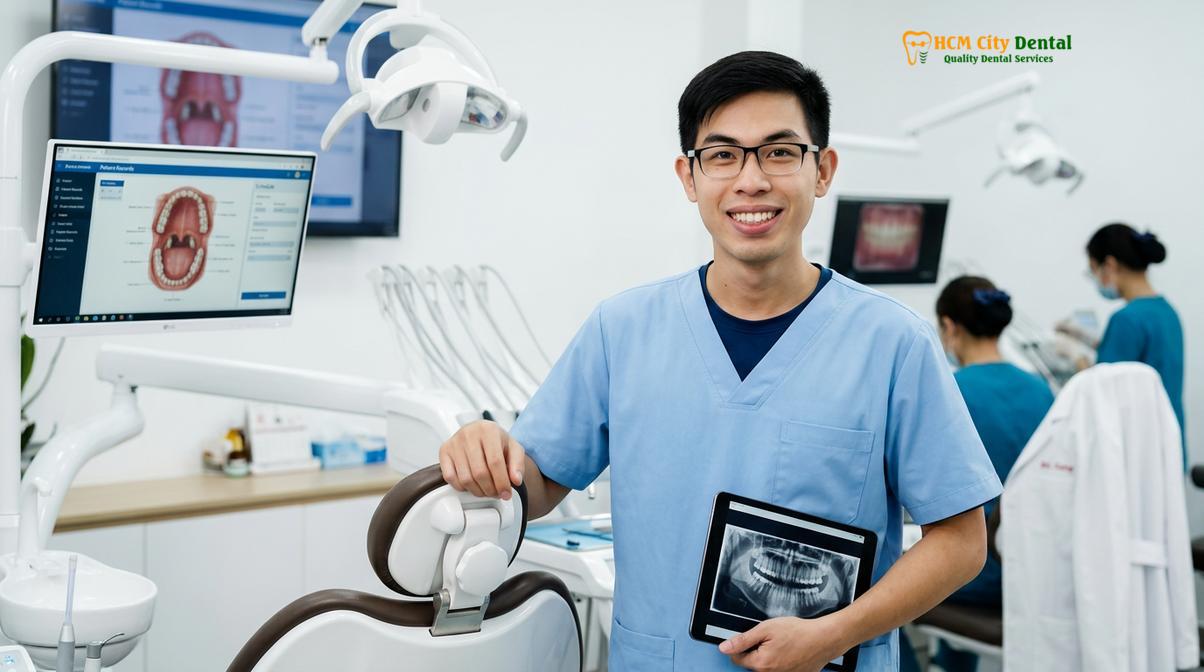
Dr. Nguyen Van Cuong, a leading specialist at HCMC Dental Clinic, emphasizes that post-treatment dietary compliance is just as vital as the clinical procedure itself. He routinely educates patients on how the temporary removal of the acquired pellicle affects enamel porosity and gingival health. By following his tailored nutritional guidance, patients experience minimal sensitivity and prolonged aesthetic results[5].
The patient strictly adhered to a soft, temperature-neutral diet for the first 24 hours and observed the mandatory “white diet” protocol following the Airflow polishing. As a result, the patient reported zero instances of acute dentinal hypersensitivity and maintained a bright, stain-free smile. This outcome aligns perfectly with the national guidelines on periodontal maintenance and post-scaling care established by the Vietnam Odonto-Stomatology Association (VOSA), which strongly advocates for temporary dietary modifications to protect healing oral tissues[6].
When to Consult a Dentist
While mild, transient sensitivity is a normal physiological response after a thorough dental cleaning, certain symptoms warrant immediate professional evaluation.
It is entirely normal to experience slight tenderness along the gumline or brief twinges of sensitivity when consuming cold foods for a few days following a deep cleaning. However, if you experience severe, throbbing pain that radiates through the jaw, prolonged bleeding that does not subside with gentle pressure, or noticeable swelling of the facial tissues, you should contact your dental provider promptly. These are not typical side effects of a routine prophylaxis and may indicate an underlying infection, an adverse reaction to a topical agent, or the need for further periodontal intervention.
References
- Journal of Clinical Periodontology. Guided Biofilm Therapy clinical efficacy and patient comfort. (2021).
- International Journal of Dental Hygiene. Ultrasonic scaling vs hand scaling in periodontal maintenance. (2020).
- Journal of Periodontology. Scaling and root planing for plaque-induced gingivitis and periodontitis. (2019).
- Clinical Oral Investigations. Erythritol air-polishing powder safety on enamel and restorations. (2022).
- Journal of the American Dental Association. Professional cleaning recall intervals and fluoride varnish efficacy. (2018).
- Vietnam Odonto-Stomatology Association (VOSA). National guidelines on periodontal maintenance and post-scaling care. (2023).
For personalized dietary advice following your procedure, or to schedule your next Dental Cleaning tại HCMC Dental Clinic, please contact our dedicated clinical team in Ho Chi Minh City today.