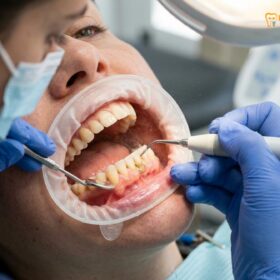
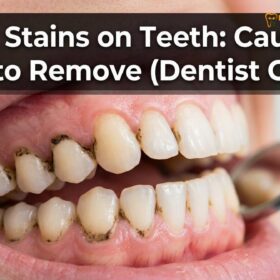
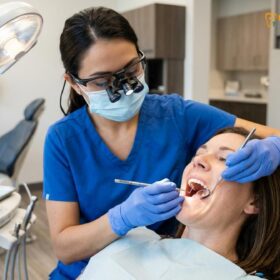
Guided biofilm therapy EMS is an advanced, minimally invasive dental cleaning protocol that utilizes warm water, air, and ultra-fine erythritol powder to remove plaque and stains. This evidence-based approach ensures a highly effective, comfortable experience while preserving natural enamel and gingival tissues. By shifting the focus from aggressive mechanical scraping to precise, biochemically guided disruption of bacterial colonies, modern dentistry has fundamentally transformed the patient experience during routine prophylaxis.
Clinical Summary:
Guided Biofilm Therapy (GBT) developed by EMS represents a significant paradigm shift in professional dental prophylaxis. By employing a systematic, evidence-based 8-step protocol that includes precise biofilm disclosure and advanced Airflow technology, clinicians can eradicate subgingival biofilm and calculus with unprecedented accuracy. This modern methodology significantly reduces patient discomfort compared to traditional aggressive hand scaling, making it a superior choice for routine periodontal maintenance, orthodontic care, and the long-term preservation of dental implants and delicate restorative prosthetics. The integration of temperature-controlled water and ultra-fine erythritol powder ensures that the procedure is not only highly effective at preventing periodontal disease but also exceptionally gentle on the natural tooth structure.
Key Takeaways:
- The protocol utilizes a specialized biofilm indicator dye to visually map bacterial colonies before removal, ensuring no areas are missed.
- Ultra-fine 25μm erythritol powder provides safe, low-abrasive polishing that protects enamel integrity and delicate restorative materials.
- Temperature-controlled warm water irrigation minimizes dentinal hypersensitivity, providing a comfortable experience for patients with sensitive teeth.
- Dual scaler technology allows for customized calculus removal based on specific patient diagnostics, reducing unnecessary tissue trauma.
- The treatment is highly effective for maintaining complex orthodontic appliances, dental implants, and natural dentition without causing micro-scratches.
Understanding Swiss EMS GBT
Swiss EMS GBT is a comprehensive prophylaxis system designed to target and remove bacterial biofilm before it calcifies into stubborn tartar. This proactive approach helps prevent plaque-induced gingivitis and addresses the root causes of bad breath and bleeding gums.
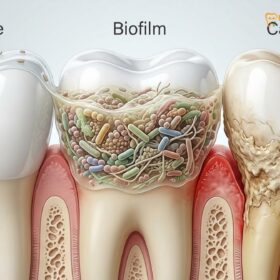
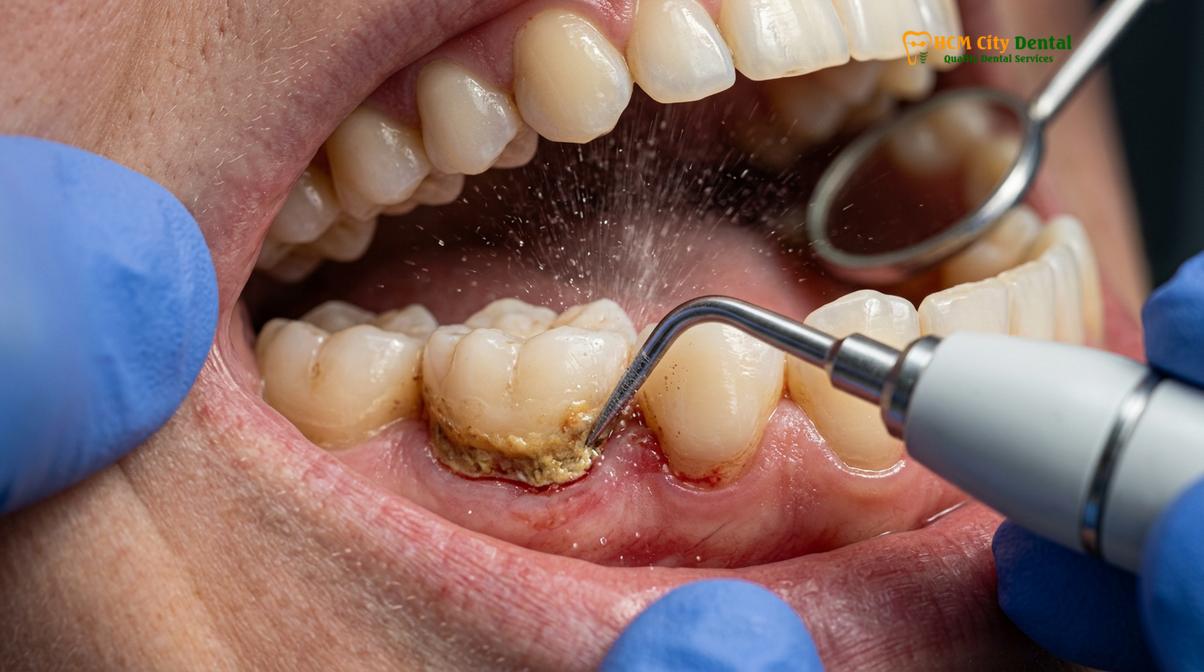
The foundation of optimal oral health lies in the continuous and meticulous management of the oral microbiome. Every single day, a sticky, colorless matrix of bacteria known as dental plaque forms on the surfaces of the teeth, particularly along the gingival margin and in the interproximal spaces between the teeth. This biofilm is a complex, highly organized microbial community that adheres strongly to the acquired pellicle of the enamel. When this soft biofilm is not adequately disrupted through daily brushing and flossing, it begins to absorb calcium and phosphate ions from the saliva. Over time, this biochemical process causes the soft plaque to gradually mineralize into a hardened, porous substance known as calculus, or tartar.
Unlike soft plaque, calculus cannot be removed by a standard toothbrush or dental floss; it requires professional clinical intervention. The accumulation of these calcified bacterial deposits is the primary etiological factor in the development of plaque-induced gingivitis, a reversible inflammatory condition characterized by red, swollen, and bleeding gums. If left untreated, this inflammation can progress deeper into the periodontium, leading to irreversible bone loss and eventual tooth mobility.
Furthermore, the metabolic byproducts of these anaerobic bacteria, specifically volatile sulfur compounds, are the leading cause of chronic halitosis, or bad breath. Traditional prophylaxis methods have historically relied heavily on the mechanical scraping of teeth using sharp metal hand instruments like curettes and sickle scalers. While effective at removing large chunks of calculus, this process can be highly uncomfortable for the patient and occasionally damaging to the microscopic structure of the tooth, potentially leaving behind micro-scratches where new bacteria can easily colonize. The introduction of EMS Swiss technology has revolutionized this entire process. By shifting the clinical focus from reactive calculus removal to proactive biofilm management, dental professionals can intercept the disease process at a much earlier stage, promoting better long-term periodontal stability and significantly enhancing patient comfort[1].
The 8 Steps Protocol
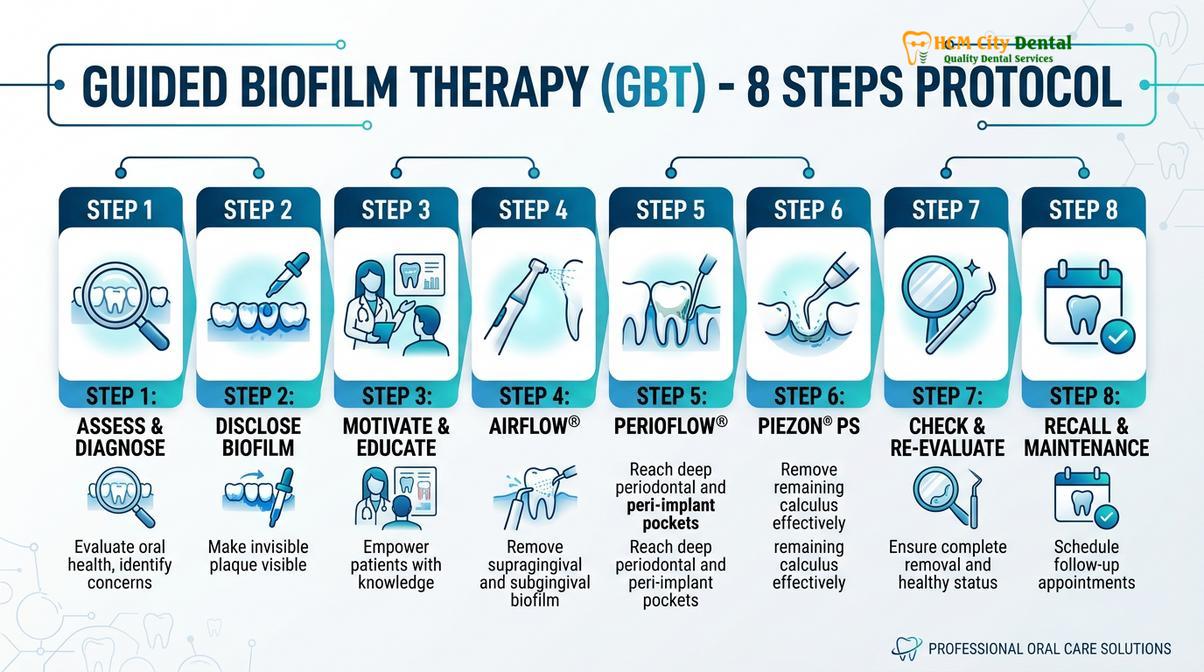
The GBT workflow consists of eight systematic steps, beginning with a thorough diagnostic assessment and concluding with targeted recall scheduling. This structured methodology ensures no area of the oral cavity is overlooked during the prophylactic treatment.
The clinical efficacy and global success of Guided Biofilm Therapy are deeply rooted in its strict adherence to a standardized, scientifically validated eight-step protocol. This systematic approach ensures consistent, high-quality outcomes across all patient demographics, eliminating the variability often seen in traditional cleaning methods. The process begins with a comprehensive Assessment. During this initial phase, the clinician meticulously evaluates the patient’s medical and dental history, probes periodontal pocket depths to assess attachment loss, checks for bleeding on probing (BOP) as an indicator of active inflammation, and identifies any carious lesions or defective restorations. This diagnostic phase is crucial as it dictates the specific parameters and customized approach of the subsequent treatment.
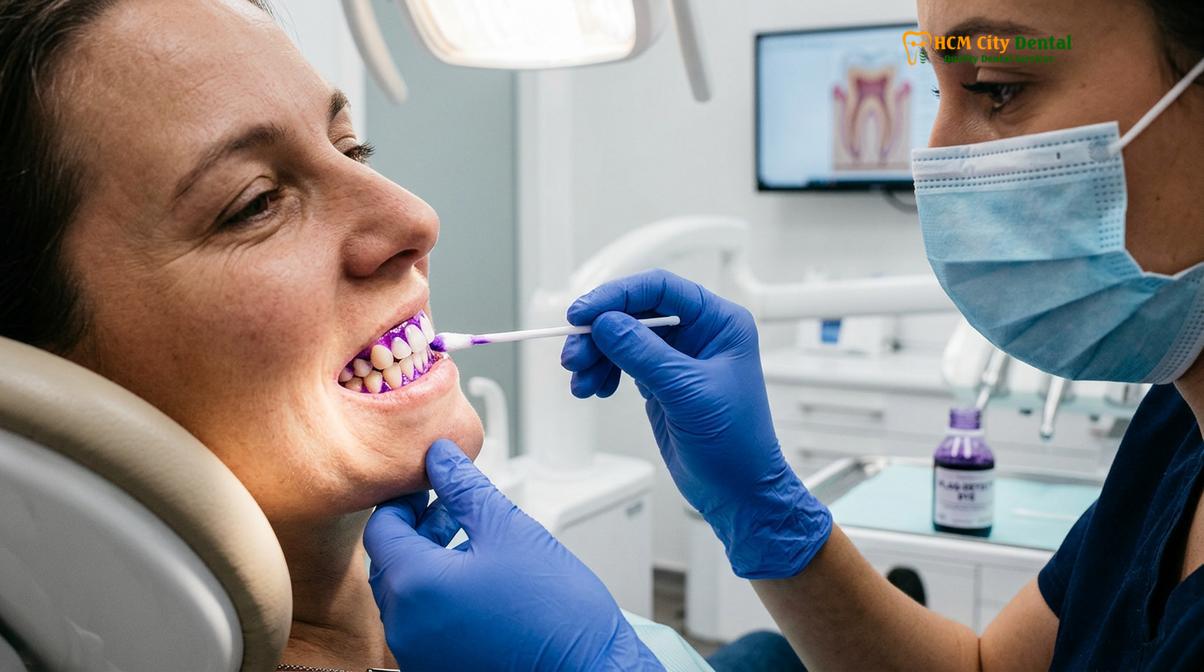
Following the assessment, the Disclose step is initiated. A specialized, non-toxic dye is applied to all tooth surfaces to make the invisible biofilm visible. This leads directly into the Motivate phase, where the clinician uses the newly disclosed plaque as a powerful visual aid to educate the patient. By pointing out the exact areas where biofilm has accumulated, the clinician can provide highly personalized instruction on brushing techniques and the proper use of interdental cleaning aids, fostering better home care habits that are essential for long-term success.
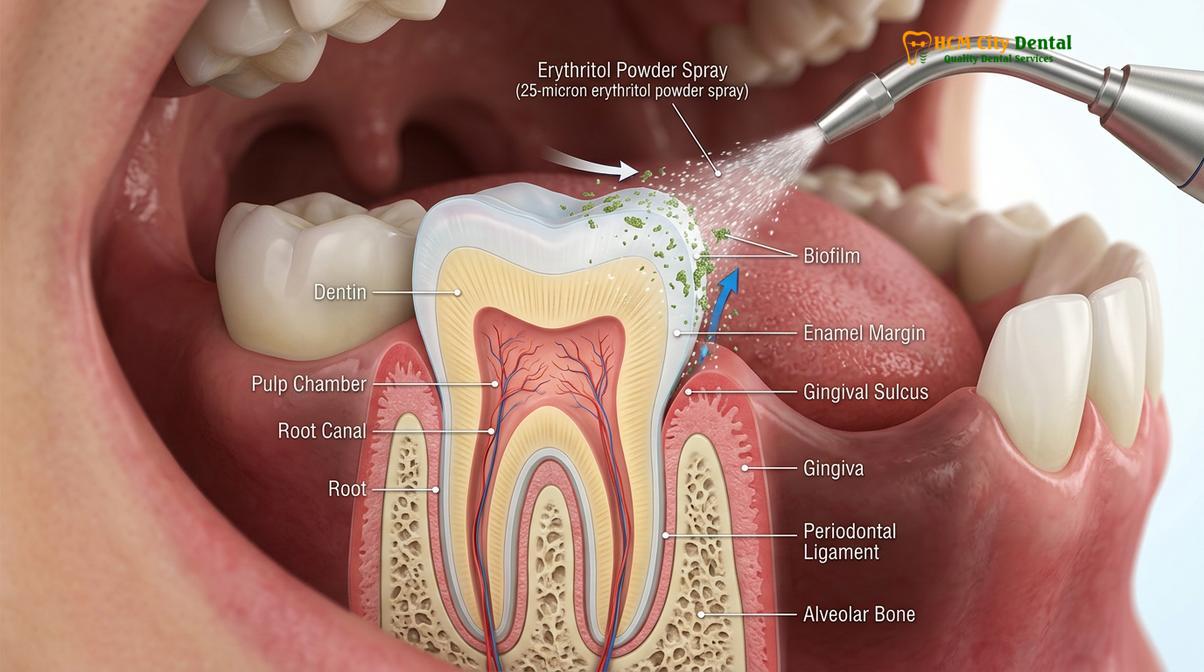
The core cleaning phase begins with the Airflow step. This utilizes a precise, pressurized mixture of warm water, compressed air, and ultra-fine powder to gently and efficiently remove the disclosed biofilm, early calculus, and extrinsic stains from the supragingival surfaces and shallow pockets up to 4mm deep. For deeper periodontal pockets, the Perioflow step is employed, using a specialized flexible nozzle to safely deliver the powder subgingivally, disrupting the anaerobic bacteria responsible for periodontitis. Once the soft biofilm is completely eradicated, the Piezon step utilizes advanced ultrasonic technology to remove any remaining hard calculus deposits. The procedure concludes with Quality Control, where the clinician verifies that all deposits have been removed and applies a fluoride treatment if necessary, followed by the Recall step, which establishes a customized schedule for the patient’s next visit based on their individual risk profile[2].
Biofilm Disclosure Dye
Applying a specialized disclosing solution temporarily stains bacterial colonies, allowing both the clinician and patient to visualize areas requiring targeted intervention. This step transforms invisible plaque into a clear, color-coded map for precise removal.
The use of a biofilm indicator dye is a critical differentiator between the GBT protocol and conventional dental cleaning methods. In its natural state, dental biofilm is translucent and closely matches the color of the underlying tooth structure. This makes it exceedingly difficult to detect with the naked eye, even under bright clinical lighting and for highly experienced dental professionals. By applying a specialized disclosing solution, the biofilm absorbs the dye and becomes vividly apparent. Modern disclosing agents often utilize a sophisticated two-tone or three-tone system. These advanced dyes not only highlight the presence of plaque but also differentiate between newly formed, immature biofilm (often stained pink or red) and mature, highly pathogenic biofilm that has been present for several days (often stained blue or purple).
“Protocol verification using disclosing dye is the most critical step in modern prophylaxis. It shifts the dynamic from a blind mechanical scraping to a precise, visually guided eradication of disease-causing bacteria, ensuring a truly comprehensive clean while preserving healthy tissue.”
This visual mapping serves a profound dual purpose in the clinical setting. Clinically, it acts as a precise, color-coded guide for the hygienist or dentist. It ensures that the air-polishing spray is directed exactly where it is needed, thereby preventing the over-instrumentation of already clean enamel surfaces and ensuring that absolutely no bacterial colonies are left behind to recolonize the area. Educationally, it is an unparalleled motivational tool. When patients can clearly look in a mirror and see the exact areas they are missing during their daily oral hygiene routine, the abstract concept of “plaque” becomes a tangible reality. They are much more likely to adopt improved brushing techniques and commit to regular interdental cleaning, which significantly improves their overall oral health outcomes and reduces their risk of future decay[3].
Warm Water & Erythritol
The combination of temperature-controlled water and 25μm erythritol powder creates a synergistic cleaning action that is exceptionally gentle on oral tissues. This formulation effectively eradicates stains and biofilm without scratching enamel or restorative materials.
The technological marvel of the Airflow system lies in its precise combination of kinetic energy, fluid dynamics, and advanced materials science. The system propels a carefully controlled stream of air, water, and powder against the tooth surface to disrupt the biofilm matrix. A key factor in maximizing patient comfort during this phase is the use of temperature-controlled warm water. Traditional ultrasonic scalers and older air-polishing units often utilize cold tap water for cooling the instrument tips. This cold water can trigger severe dentinal hypersensitivity, especially in patients who suffer from gum recession, exposed root surfaces, or enamel erosion. By heating the water to a comfortable body temperature (typically around 40 degrees Celsius), the GBT system provides a soothing, virtually painless dental cleaning experience that alleviates patient anxiety.
The choice of powder used in the system is equally critical to the success and safety of the procedure. Historically, air-polishing systems utilized sodium bicarbonate powder. While highly effective at removing heavy extrinsic stains caused by coffee, tea, or tobacco, sodium bicarbonate has a relatively large particle size (around 65 microns) and a sharp, crystalline structure. This makes it highly abrasive to exposed dentin, cementum, and delicate restorative materials like composite resins or porcelain veneers. The modern EMS protocol utilizes erythritol powder, a naturally occurring, biocompatible sugar alcohol. Erythritol boasts an ultra-fine grain size of just 14 to 25 microns. This microscopic particle size ensures that the powder is incredibly soft and minimally abrasive, protecting the integrity of the natural tooth structure while still effectively disrupting the sticky biofilm matrix[4].
The Dual Scaler Advantage
Utilizing both piezoelectric and magnetostrictive ultrasonic scalers allows clinicians to adapt the vibrational frequency and tip motion to the specific density of the patient’s calculus. This dual approach maximizes cleaning efficacy while minimizing tissue trauma.
While the Airflow step is incredibly effective at managing soft biofilm, early mineralization, and extrinsic stains, the removal of mature, hardened calculus requires the mechanical power of ultrasonic scaling. Advanced dental clinics employ a dual scaler advantage, utilizing both Piezoelectric and Magnetostrictive technologies to customize the treatment based on the patient’s specific clinical presentation. Understanding the physics and mechanical engineering behind these two distinct modalities is essential for optimizing periodontal outcomes and ensuring patient comfort.
Piezoelectric scalers operate by passing an alternating electrical current through crystalline structures located within the handpiece. This electrical stimulation causes the crystals to rapidly expand and contract, producing a linear, back-and-forth vibrational motion at the tip of the instrument, typically operating between 25,000 and 36,000 cycles per second. Because the motion is strictly linear, only the lateral sides of the tip are active and effective at removing calculus. This allows for highly precise, gentle adaptation to the tooth surface, making piezoelectric scaling the preferred choice for sensitive teeth, pediatric patients, and the meticulous removal of light to moderate subgingival calculus without causing unnecessary trauma to the surrounding gingival tissues.
Conversely, magnetostrictive scalers utilize a stack of metal strips inside the handpiece that expand and contract when subjected to a magnetic field. This creates an elliptical or figure-eight motion at the tip, meaning all surfaces of the tip (front, back, and sides) are active. This multi-directional energy is highly effective for rapidly breaking up heavy, tenacious calculus bridges. Both systems utilize a continuous flow of water to cool the tip and flush away debris. More importantly, the rapid vibration of the tip in the water creates a phenomenon known as cavitation—the formation and implosion of microscopic bubbles. The energy released by these imploding bubbles creates acoustic microstreaming, which physically disrupts the cell walls of periodontal pathogens, providing an antimicrobial effect that extends beyond the physical reach of the scaler tip itself.
Who Benefits Most?
Guided Biofilm Therapy is a highly versatile protocol that can be adapted to meet the unique needs of diverse patient populations. From young children to adults with complex dental restorations, the gentle nature of GBT provides universal benefits.
The minimally invasive nature of the GBT protocol makes it the gold standard of care for virtually all patients seeking professional prophylaxis. However, certain patient demographics experience profound, life-changing benefits from this advanced technology. Traditional scaling methods often fall short when dealing with complex dental anatomy or delicate restorative materials, whereas the fluid dynamics of the Airflow system can safely navigate these challenges.
For instance, patients undergoing active orthodontic treatment face immense challenges in maintaining proper oral hygiene. The intricate architecture of brackets, bands, and archwires creates numerous stagnation areas where biofilm rapidly accumulates, significantly increasing the risk of enamel decalcification (white spot lesions) and gingival hyperplasia. GBT effortlessly cleans around these appliances without the risk of dislodging them. Similarly, patients with dental implants require meticulous maintenance to prevent peri-implantitis, an inflammatory condition that can lead to implant failure. The ultra-fine erythritol powder safely eradicates biofilm without scratching the delicate titanium surface of the implant, which is crucial for long-term stability.
| Patient Profile | Primary Challenge | GBT Clinical Benefit |
|---|---|---|
| Orthodontic Patients | Complex brackets and wires trap heavy biofilm, leading to white spot lesions. | Airflow spray easily navigates around hardware without causing damage or dislodging brackets. |
| Implant Patients | Titanium surfaces are easily scratched by metal hand instruments, inviting bacteria. | Erythritol powder safely removes plaque without altering the microscopic surface of the implant. |
| Periodontal Patients | Deep subgingival pockets harbor aggressive anaerobic bacteria causing bone loss. | Perioflow nozzle delivers antimicrobial powder deep into pockets to disrupt pathogenic colonies. |
| Pediatric Patients | High anxiety and fear of pain associated with traditional scraping and cold water. | Warm water and gentle powder spray provide a painless, fear-free introduction to dental care. |
Clinical Case Study: Orthodontic Maintenance
Patients undergoing orthodontic treatment face unique challenges in maintaining oral hygiene. GBT offers a superior solution for navigating complex bracket systems without causing damage or discomfort.
A recent clinical observation highlights a 28-year-old patient visiting HCMC Dental Clinic in Ho Chi Minh City for routine maintenance while wearing traditional metal braces. The intricate architecture of the brackets and wires had created numerous stagnation areas where biofilm rapidly accumulated, increasing the risk of enamel decalcification and severe gingival inflammation. Traditional scaling methods had previously proved cumbersome and highly uncomfortable for the patient, with metal instruments often catching on the orthodontic hardware and causing anxiety.
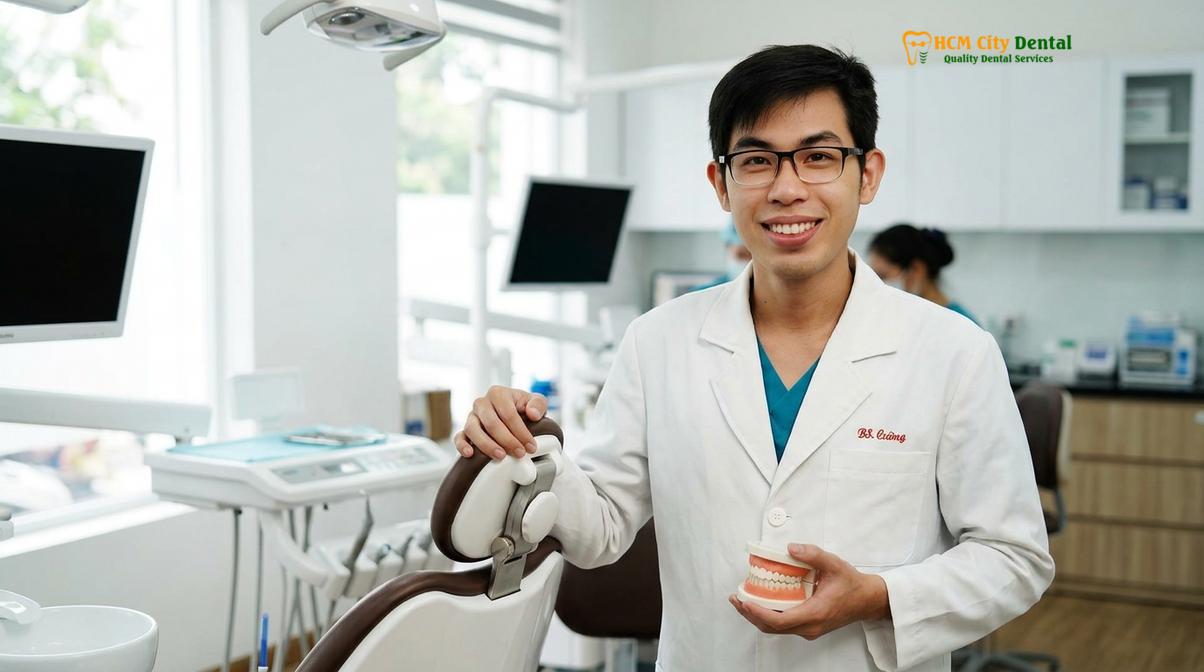
Dr. Nguyen Van Cuong, a leading specialist in preventive care, emphasizes that modern prophylaxis must prioritize enamel preservation, especially for orthodontic patients who are already at a higher risk for caries. Dr. Cuong regularly utilizes the GBT protocol to ensure patients receive thorough, comfortable care. By employing the ultra-fine erythritol powder spray, the clinical team was able to effortlessly navigate around the complex structures, thoroughly cleaning the brackets, wires, and underlying enamel without the risk of dislodging the appliances or causing undue stress to the patient. The disclosing dye also provided the patient with a clear visual understanding of where their home brushing technique needed improvement.
When to Consult a Professional
Recognizing the early signs of periodontal distress is crucial for preventing irreversible damage to the gums and supporting bone structure. Regular professional assessments are the cornerstone of preventive dentistry.
According to preventive guidelines aligned with the Vietnam Odonto-Stomatology Association (VOSA) and international health standards, patients should seek immediate professional periodontal evaluation if they experience persistent bleeding gums when brushing, chronic halitosis, receding gum lines, or visible calculus buildup. These symptoms often indicate that the oral microbiome has shifted towards a pathogenic state, requiring immediate clinical intervention to restore balance and health.
“Early intervention through advanced biofilm management not only halts the progression of localized gingival disease but also significantly reduces the systemic inflammatory burden associated with chronic periodontitis, supporting overall cardiovascular and metabolic health.”
Establishing a customized recall schedule is the final, vital step in the GBT protocol. Depending on the individual’s caries risk, periodontal status, and systemic health factors (such as diabetes or immune compromise), professional cleanings may be recommended every three to six months. Adhering to these personalized intervals ensures that biofilm is consistently managed before it can calcify and cause structural damage to the periodontium[5].
References
- Journal of Clinical Periodontology. Guided Biofilm Therapy clinical efficacy and patient perception. (2021).
- International Journal of Dental Hygiene. Ultrasonic scaling versus hand scaling in periodontal maintenance. (2020).
- Journal of Periodontology. Scaling and root planing protocols for chronic periodontitis management. (2019).
- Clinical Oral Investigations. Erythritol air-polishing powder safety on enamel and restorative materials. (2022).
- Journal of the American Dental Association. Professional cleaning recall intervals and oral health outcomes. (2018).
For personalized periodontal care and to experience the unparalleled comfort and effectiveness of this advanced protocol, schedule your Dental Cleaning tại HCMC Dental Clinic. Our dedicated team is committed to providing the highest standard of oral hygiene and preventive care at our state-of-the-art facility in Ho Chi Minh City.