To prevent tartar buildup, you must disrupt bacterial plaque every 12 to 24 hours before it calcifies. A strict regimen combining oscillating electric brushing, daily interdental cleaning, tartar-control toothpaste, and bi-annual professional ultrasonic scaling is essential to stop this mineralization process and protect your periodontal health.
Clinical Summary:
Tartar (dental calculus) is the hardened, calcified form of dental plaque biofilm. Prevention requires mechanical disruption of the biofilm before salivary minerals (calcium and phosphate) trigger calcification. Effective plaque control techniques involve targeted interproximal cleaning, pH-balancing dietary habits, and the use of active ingredients like pyrophosphates. Once calcified, tartar cannot be removed at home and requires professional intervention using advanced ultrasonic scaling or Guided Biofilm Therapy (GBT) to safely debride the tooth surfaces and subgingival pockets without damaging the enamel.
Key Takeaways:
- Plaque begins calcifying into tartar within 24 to 72 hours if left undisturbed.
- Standard manual brushing typically misses up to 40% of tooth surfaces, particularly interproximal areas.
- Tartar-control toothpastes use pyrophosphates to inhibit the crystallization of calcium phosphate.
- Professional removal utilizes dual ultrasonic scalers (Piezoelectric and Magnetostrictive) for targeted, safe debridement.
- Guided Biofilm Therapy (GBT) offers a minimally invasive, painless approach to biofilm eradication.
Science of Plaque Control
Plaque control relies on mechanically disrupting the sticky bacterial biofilm before salivary minerals can crystallize it into hardened tartar.
The oral cavity is a highly dynamic ecosystem where bacteria constantly interact with the surfaces of the teeth and gingival tissues. To successfully prevent dental calculus, one must first understand the biological lifecycle of dental plaque. The process begins mere minutes after brushing, with the formation of the acquired pellicle. This thin, acellular film is composed of salivary glycoproteins, mucins, and enzymes. While the pellicle serves a protective function for the enamel, it also acts as a biological adhesive, providing receptor sites for initial bacterial colonization.
Primary colonizers, predominantly Gram-positive cocci such as Streptococcus sanguinis and Streptococcus mutans, attach to the pellicle and begin to multiply. As they metabolize carbohydrates, they excrete extracellular polymeric substances (EPS), creating a sticky, protective matrix. This matrix shields the bacteria from the body’s immune response and from antimicrobial agents. Within 24 to 48 hours, secondary colonizers—often Gram-negative anaerobic bacteria—join the biofilm, increasing its complexity and pathogenicity[1].
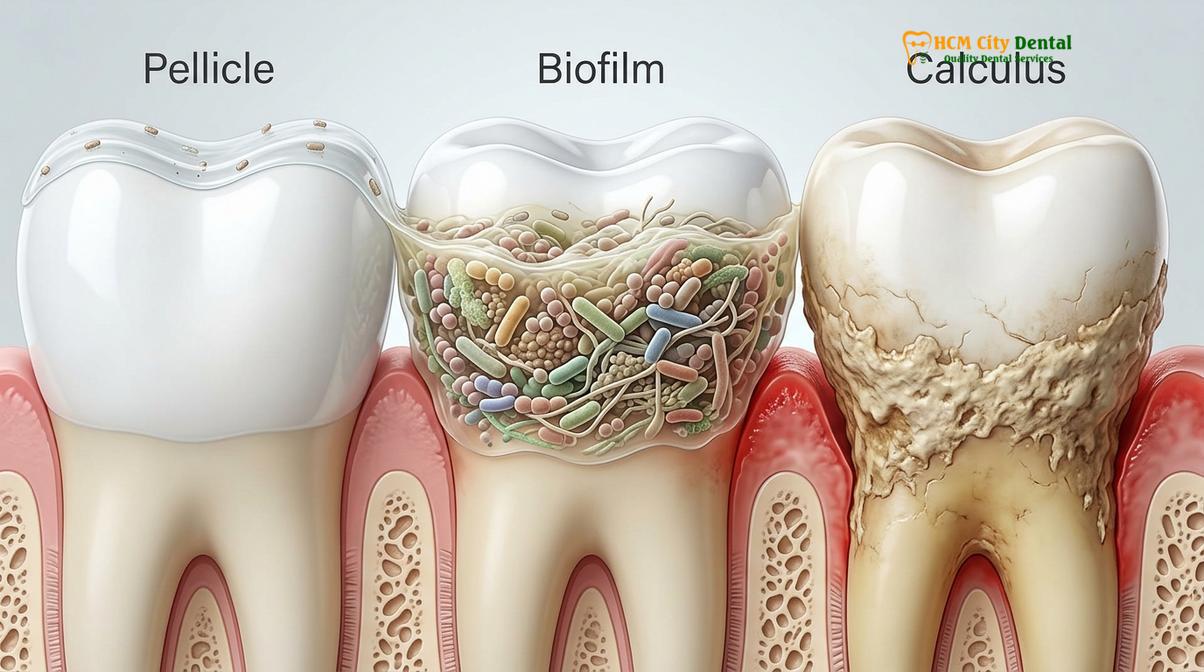
If this mature biofilm is not mechanically disrupted, the mineralization process begins. Saliva is naturally supersaturated with calcium and phosphate ions, which are essential for enamel remineralization. However, these same ions precipitate into the plaque matrix. The pH of the plaque fluid plays a critical role; as the biofilm matures, localized alkaline environments facilitate the crystallization of these minerals into hydroxyapatite and octacalcium phosphate. This calcification transforms the soft, easily removable plaque into a porous, rock-hard substance known as tartar or dental calculus. Because tartar is highly porous, it provides an ideal, rough surface for even more plaque to accumulate, creating a destructive cycle that inevitably leads to plaque-induced gingivitis and deeper periodontal tissue destruction.
Why Toothbrushes Leave 40% Behind
Standard brushing primarily cleans smooth facial and lingual surfaces, leaving the critical interproximal spaces and subgingival margins vulnerable to plaque accumulation.
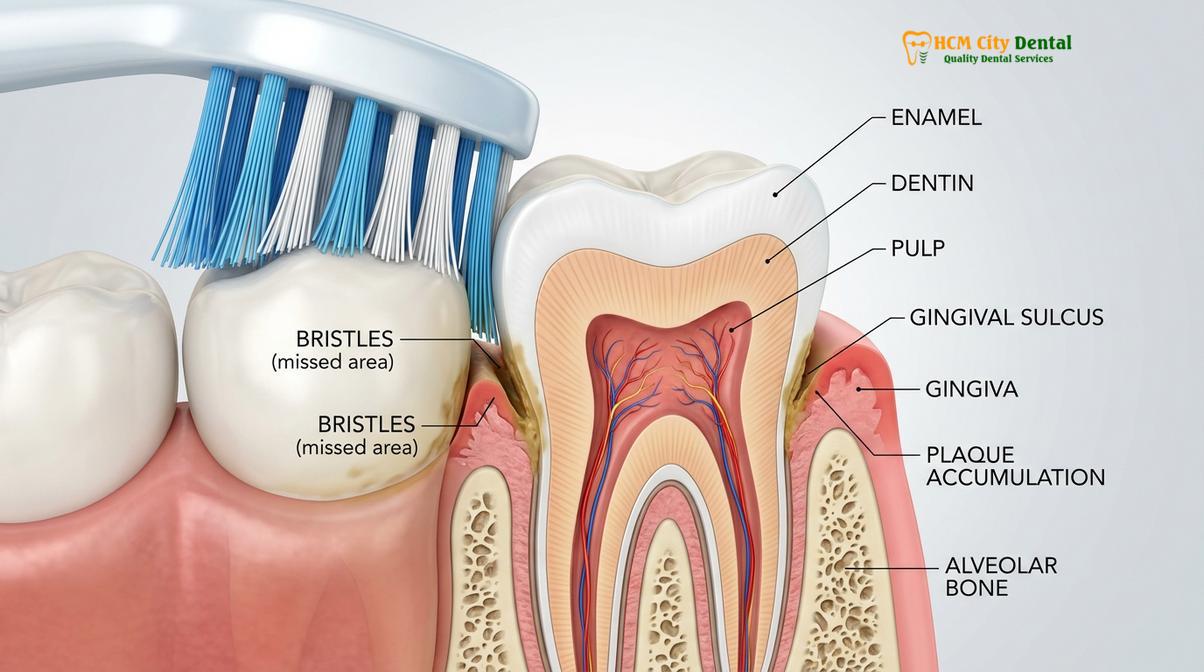
A common clinical misconception is that vigorous brushing alone is sufficient to maintain optimal oral hygiene. However, dental anatomy presents significant challenges to standard nylon bristles. A human tooth has five exposed surfaces, but a toothbrush effectively reaches only three: the buccal (cheek-facing), lingual (tongue-facing), and occlusal (biting) surfaces. The remaining two surfaces—the mesial and distal interproximal areas—account for approximately 40% of the total tooth structure. These tight contact points and the underlying gingival col are inaccessible to even the most advanced toothbrush bristles.
Furthermore, the gingival sulcus—the shallow V-shaped crevice between the tooth and the unattached gingiva—is a prime sanctuary for anaerobic bacteria. In a healthy state, this sulcus is 1 to 3 millimeters deep. When brushing, bristles often sweep over the gingival margin without penetrating the sulcus, allowing subgingival biofilm to mature undisturbed. This hidden plaque is particularly dangerous because it calcifies into subgingival calculus, which is darker, harder, and more firmly attached to the root surface than supragingival tartar[2].
“Patients often present with pristine facial enamel but significant interproximal calculus and localized gingival inflammation. The reality is that without dedicated interdental cleaning, you are only doing half the job. The architecture of the interdental papilla demands specific tools to disrupt the biofilm where periodontal disease almost always originates.”
— Dr. Nguyen Van Cuong, Clinical Director
The fluid dynamics of brushing also play a role. While the mechanical sweeping motion removes bulk plaque, the shear forces generated by manual brushing are rarely sufficient to dislodge the sticky EPS matrix in hard-to-reach concavities. This highlights the absolute necessity of incorporating comprehensive plaque control techniques that go beyond the standard toothbrush.
Tartar-Control Toothpastes
These specialized toothpastes contain active chemical agents like pyrophosphates and zinc citrate that actively inhibit the calcification of plaque into tartar.
While mechanical disruption remains the gold standard for biofilm management, chemical adjuncts play a vital supportive role. Tartar-control toothpastes are specifically formulated to interfere with the mineralization phase of calculus formation. It is crucial to understand that these products cannot dissolve existing tartar; their mechanism of action is strictly preventive.
The primary active ingredients in these formulations are soluble pyrophosphates (such as tetrasodium pyrophosphate). Pyrophosphates work by binding to the calcium ions present in saliva and the plaque fluid. By chelating these ions, they effectively inhibit the crystal growth of calcium phosphate, keeping the plaque in a softer, uncalcified state for a longer period, thereby allowing more time for mechanical removal during your next brushing session. Clinical studies have demonstrated that the regular use of pyrophosphate-containing dentifrices can reduce supragingival calculus formation by up to 30%[3].
In addition to pyrophosphates, many premium formulations include zinc citrate or zinc chloride. Zinc ions possess inherent antimicrobial properties, reducing the overall bacterial load and slowing down the metabolic rate of the biofilm. Furthermore, these toothpastes almost universally contain fluoride—either sodium fluoride or stannous fluoride. Stannous fluoride, in particular, offers a dual benefit: it provides excellent enamel remineralization while also exhibiting broad-spectrum antibacterial effects that reduce gingival inflammation. When combined with professional fluoride varnish applications during routine visits, the resistance of the enamel to acid attacks is significantly enhanced.
Dietary Habits
Limiting fermentable carbohydrates and acidic foods prevents rapid pH drops in the mouth, reducing bacterial proliferation and subsequent plaque formation.
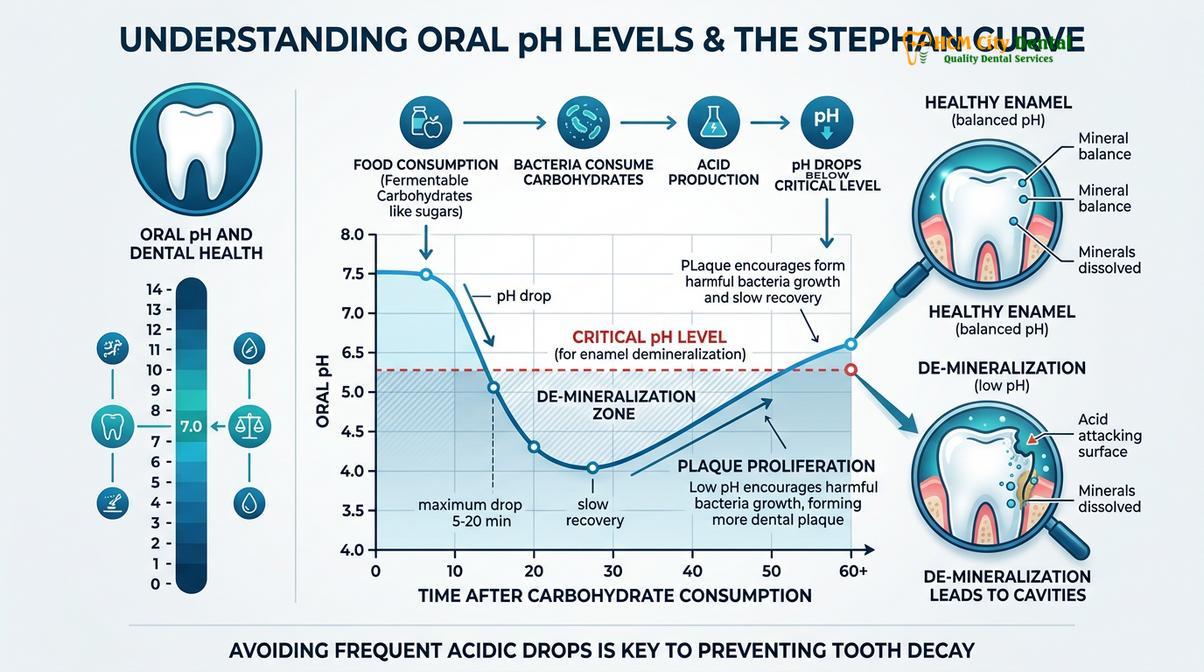
The composition of your diet directly dictates the metabolic activity of your oral microbiome. Dietary plaque prevention is a cornerstone of long-term oral health. When you consume fermentable carbohydrates—such as sucrose, fructose, and highly refined starches—the cariogenic bacteria in your mouth rapidly metabolize these sugars. The byproduct of this metabolic process is lactic acid.
This acid production causes an immediate drop in the pH of the oral cavity, a phenomenon graphically represented by the Stephan curve. When the pH drops below the critical threshold of 5.5, the enamel begins to demineralize, and the environment becomes highly conducive to rapid biofilm proliferation. If the frequency of sugar intake is high, the saliva does not have sufficient time to buffer the acids and restore a neutral pH, leading to a thicker, more aggressive plaque matrix[4].
| Dietary Category | Impact on Plaque & Tartar Formation | Clinical Recommendation |
|---|---|---|
| Fermentable Carbohydrates (Candy, pastries, white bread) | Rapidly metabolized into lactic acid; fuels explosive biofilm growth and thickens the EPS matrix. | Limit frequency of intake; consume as part of a main meal rather than grazing throughout the day. |
| Acidic Beverages (Sodas, sports drinks, citrus juices) | Lowers oral pH instantly, causing enamel demineralization and creating a rough surface for plaque adherence. | Consume through a straw to bypass teeth; rinse with plain water immediately after consumption. |
| Fibrous Vegetables (Celery, carrots, apples) | Stimulates heavy salivary flow; provides a mild mechanical cleansing effect on smooth tooth surfaces. | Excellent snacks that naturally buffer oral pH and dilute bacterial toxins. |
| Dairy Products (Cheese, plain yogurt, milk) | Rich in calcium and phosphate; casein proteins help neutralize acids and promote enamel remineralization. | Highly recommended for dietary plaque prevention and stabilizing the oral microbiome. |
Saliva is your body’s primary defense mechanism against tartar buildup. It contains bicarbonate ions that neutralize acids, as well as the calcium and phosphate needed to repair microscopic enamel damage. Therefore, maintaining optimal hydration by drinking plenty of water is essential. Water not only ensures adequate salivary flow but also acts as a mechanical lavage, washing away loose food debris and unattached bacteria before they can integrate into the biofilm.
Home Tools That Support
Integrating electric toothbrushes, water flossers, and interdental brushes into your daily routine significantly enhances mechanical plaque removal compared to manual brushing alone.
To effectively prevent tartar buildup, your home care arsenal must be capable of addressing the complex topography of your dentition. The transition from manual to advanced mechanical tools is often the most impactful change a patient can make.
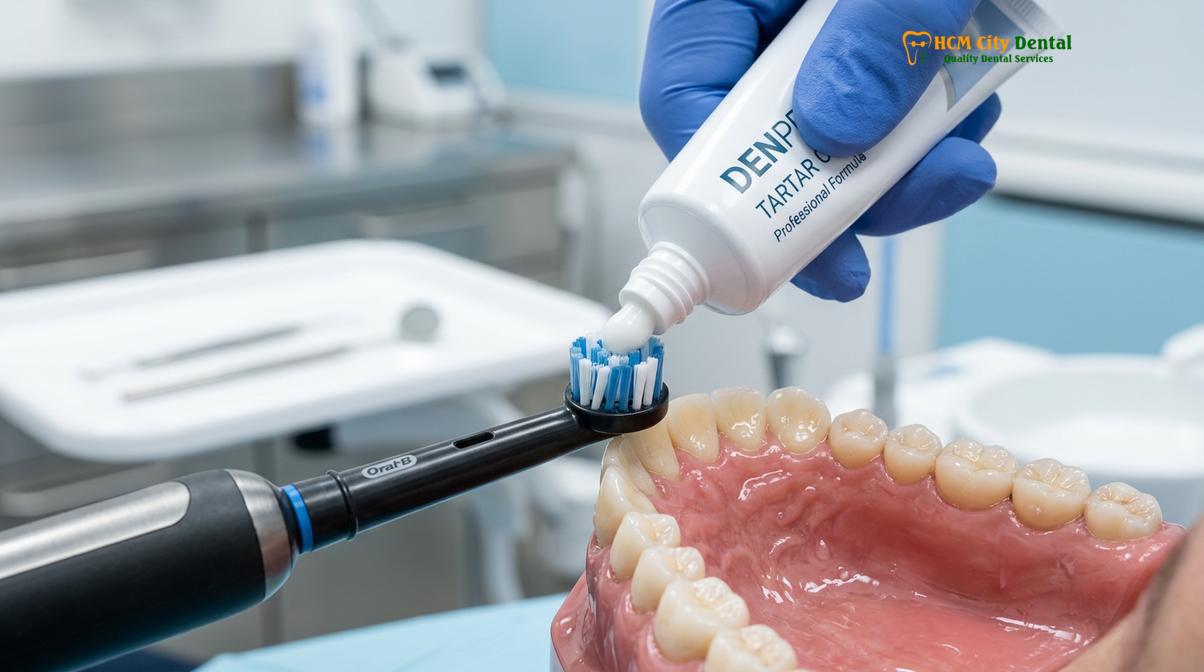
Electric Toothbrushes: Modern electric toothbrushes, specifically those utilizing oscillating-rotating or sonic technology, vastly outperform manual brushes. Oscillating heads cup each tooth, physically breaking the plaque bonds, while sonic brushes vibrate at frequencies high enough (often over 30,000 strokes per minute) to create a cavitation effect. This fluid dynamic forces microbubbles deep into the interproximal spaces and slightly below the gingival margin, disrupting the biofilm even where the bristles do not physically touch.
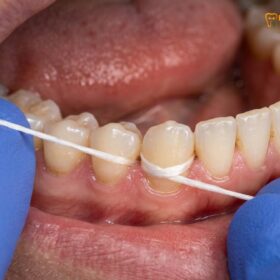
Interdental Brushes: For the 40% of the tooth surface missed by brushing, interdental brushes are the clinical gold standard. Unlike traditional string floss, which can sometimes glide over concave root surfaces without cleaning them, the cylindrical bristles of an interdental brush expand to fill the embrasure space, physically scrubbing the mesial and distal surfaces. They must be sized correctly to ensure slight resistance without causing tissue trauma.
Water Flossers: Oral irrigators utilize targeted hydrokinetics—a combination of water pulsation and pressure—to flush out food debris and disrupt loosely attached subgingival biofilm. While they do not replace the mechanical friction of interdental brushes or string floss, they are exceptionally beneficial for patients with deep periodontal pockets, orthodontic appliances, or complex restorative work like dental implants.
Professional Intervention: The Dual Scaler Advantage & GBT
When home care falls short, professional clinical protocols using advanced ultrasonic technology and air-polishing are required to safely eradicate calcified deposits.
Despite the most meticulous home care routines, microscopic amounts of plaque will inevitably evade removal and calcify. Once tartar forms, it bonds tenaciously to the enamel and root cementum. At this stage, home tools are entirely ineffective, and professional dental cleaning is mandatory. At HCMC Dental Clinic, we employ a sophisticated, multi-tiered approach to calculus removal, ensuring maximum efficacy while preserving the integrity of your natural tooth structure.
The Dual Scaler Advantage
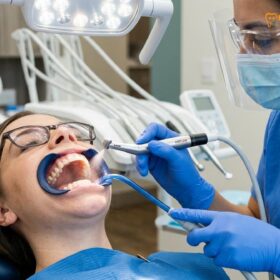
Not all tartar is created equal, and therefore, a one-size-fits-all approach to scaling is clinically inadequate. We utilize a “Dual Scaler Advantage,” incorporating both Piezoelectric and Magnetostrictive ultrasonic technologies to customize the treatment to the specific density and location of the calculus:
- Piezoelectric Scalers (e.g., Acteon/Satelec): These devices utilize ceramic discs that expand and contract, creating a linear, back-and-forth motion at the tip. Operating at frequencies up to 32 kHz, piezoelectric scalers generate significantly less heat and require less water coolant. The linear motion is exceptionally gentle on the tooth surface, making it the preferred modality for patients with sensitive teeth, pediatric patients, and those undergoing orthodontic treatment.
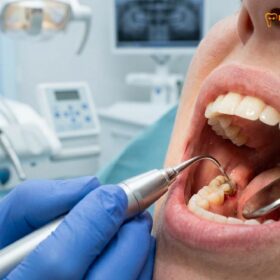
- Magnetostrictive Scalers (e.g., Dentsply Cavitron): These units use a stack of metal strips that vibrate in a magnetic field, producing an elliptical motion that activates all sides of the scaler tip. This robust, multi-directional energy is ideal for shattering heavy, tenacious calculus bridges, performing deep subgingival debridement, and executing full mouth scaling for advanced periodontal cases.
Guided Biofilm Therapy (GBT)
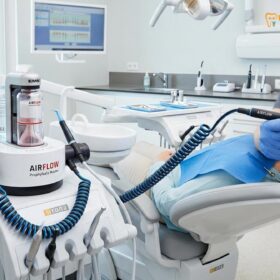
For the ultimate in preventive care and maintenance, we feature the premium Swiss EMS Guided Biofilm Therapy (GBT) protocol. This revolutionary 8-step workflow shifts the paradigm from traditional scraping to minimally invasive biofilm eradication. GBT utilizes warm water and a highly specialized, low-abrasive erythritol powder (with a microscopic grain size of just 25μm). This combination is delivered via the Airflow device to painlessly blast away biofilm, early plaque, and extrinsic stains.
Because erythritol is so fine, it is completely safe for use on natural enamel, exposed dentin, titanium implants, porcelain crowns, and delicate veneers without causing micro-scratches. Dr. Nguyen Van Cuong strictly oversees the GBT protocol verification at our facility, ensuring that every step—from initial disclosing of the plaque to the final targeted Piezon scaling—is executed with absolute precision.
Clinical Case Review: A 34-year-old patient visited HCMC Dental Clinic in Ho Chi Minh City presenting with heavy lingual calculus and generalized gingival bleeding. Traditional scaling had previously caused the patient severe anxiety due to sensitivity. By utilizing the EMS GBT protocol with warm water and erythritol powder, followed by targeted Piezoelectric scaling, the clinical team achieved complete full mouth debridement with zero reported discomfort. The patient’s gingival tissues showed complete resolution of inflammation at the two-week follow-up.
Transparent Pricing Structure
Understanding the investment in your oral health is crucial. According to the latest clinic fee schedule, our professional cleaning services are structured to accommodate varying clinical needs (Note: A special -40% WhatsApp booking discount is available for scheduled appointments):
- Standard Ultrasonic Scaling & Polishing: 500,000 to 800,000 VND (~$20 to $32 USD). (Walk-in rate: 800,000 to 1,300,000 VND).
- Airflow Prophylaxis / Guided Biofilm Therapy (GBT): 1,500,000 to 2,000,000 VND (~$60 to $80 USD). (Walk-in rate: 2,500,000 to 3,300,000 VND).
- Scaling & Root Planing (SRP deep cleaning per quadrant): 1,000,000 to 1,500,000 VND (~$40 to $60 USD). (Walk-in rate: 1,600,000 to 2,500,000 VND).
- Full Mouth Debridement (Heavy Tartar Removal): 2,000,000 to 3,000,000 VND (~$80 to $120 USD). (Walk-in rate: 3,300,000 to 5,000,000 VND).
When to See a Doctor
Immediate professional evaluation is necessary if you experience persistent bleeding, swollen gums, or visible hard deposits that cannot be brushed away.
While diligent home care is the foundation of General & Preventive Dentistry, there are distinct clinical signs that indicate your plaque control regimen has failed and professional intervention is urgently required. Gingival bleeding during brushing or flossing is never normal; it is an acute sign of plaque-induced gingivitis or early periodontitis. Furthermore, if you notice yellow, brown, or black hard deposits along the gumline or on the lingual surfaces of your lower front teeth, you have calcified tartar that must be professionally removed.
Important Clinical Warning: Do not attempt to purchase and use metal dental scalers at home. DIY tartar removal frequently results in severe enamel gouging, irreversible gingival lacerations, and the accidental pushing of virulent bacteria deeper into the periodontal pockets, which can trigger acute periodontal abscesses.

“The frequency of professional cleanings should never be dictated by a generic calendar, but rather by the patient’s biological rate of calculus formation. While a six-month recall is standard, patients with a high susceptibility to tartar, deep periodontal pockets, or systemic conditions like diabetes may require periodontal maintenance every three to four months to prevent irreversible bone loss.”
— Dr. Nguyen Van Cuong, Clinical Director
If you are experiencing chronic bad breath (halitosis), receding gums, or increased tooth mobility, these are advanced signs that subgingival calculus is actively destroying the supporting alveolar bone. A comprehensive periodontal evaluation, including periodontal probing and radiographic imaging, is necessary to determine the appropriate scope of treatment, whether it be standard scaling or deep Scaling and Root Planing (SRP)[5].
Frequently Asked Questions
Can special toothpaste dissolve tartar?
No, toothpaste cannot dissolve tartar once it has fully calcified on the teeth. Tartar-control toothpastes are designed strictly as a preventive measure; they use active ingredients like pyrophosphates to stop new plaque from hardening, but existing calculus requires professional ultrasonic scaling for safe removal. Attempting to brush away hardened tartar will only result in aggressive enamel wear and potential gum recession without actually removing the calcified deposit.
How quickly does plaque calcify?
Dental plaque begins to calcify into hardened tartar within 24 to 72 hours if it is not mechanically removed. The minerals in your saliva, primarily calcium and phosphate, continuously deposit into the sticky bacterial biofilm, initiating the crystallization process that forms calculus. This rapid mineralization timeline is exactly why brushing twice daily and flossing at least once every 24 hours is the absolute minimum requirement to disrupt the biofilm before it turns to stone.
What foods cause the most plaque?
Foods high in fermentable carbohydrates and refined sugars, such as sticky candies, white bread, pastries, and sweetened beverages, cause the most plaque. These carbohydrates are rapidly metabolized by oral bacteria to produce acids, accelerating biofilm proliferation and increasing the risk of tartar formation. Sticky foods are particularly detrimental because they adhere to the tooth surface for prolonged periods, providing a continuous food source for cariogenic bacteria and sustaining a low, acidic pH environment.
Is it safe to scrape tartar off my teeth at home?
It is absolutely not safe to use metal dental picks or scrapers at home to remove tartar. Attempting DIY scaling can cause irreversible damage to your tooth enamel, severe lacerations to your gingival tissues, and can inadvertently push bacteria deeper into the periodontal pockets. Professional dental hygienists and dentists undergo years of training to understand the precise angulation, pressure, and anatomical landmarks required to safely debride teeth without causing iatrogenic harm.
Does drinking water help prevent tartar?
Yes, drinking plenty of water throughout the day significantly helps prevent tartar buildup. Water acts as a natural mechanical cleanser, washing away loose food debris and neutralizing bacterial acids, while also maintaining optimal salivary flow which is essential for buffering the oral pH. A dry mouth (xerostomia) creates a highly acidic, stagnant environment where plaque thrives and calcifies rapidly, making hydration a critical, yet often overlooked, component of preventive dental care.
References
- Journal of Clinical Periodontology. Mechanisms of dental plaque formation and calcification. (2021).
- International Journal of Dental Hygiene. Efficacy of interdental cleaning devices in plaque removal. (2020).
- Journal of Periodontology. Chemical agents in tartar-control dentifrices. (2019).
- Clinical Oral Investigations. Dietary influences on oral biofilm proliferation. (2022).
- Journal of the American Dental Association. Professional ultrasonic scaling and Guided Biofilm Therapy protocols. (2018).