Metal free crowns benefits include superior biocompatibility, the elimination of dark gum-line margins, and lifelike light transmission. By utilizing advanced ceramics like zirconia and lithium disilicate, these restorations provide exceptional strength while preventing allergic reactions and thermal sensitivity associated with traditional metal-based dental prosthetics.
Clinical Summary:
The transition from traditional porcelain-fused-to-metal (PFM) restorations to all-ceramic solutions represents a significant advancement in modern prosthodontics. Metal-free crowns, fabricated from high-strength materials such as yttria-stabilized zirconia and lithium disilicate (e.max), offer profound clinical advantages. These biocompatible dental restorations eliminate the risk of metal hypersensitivity, prevent the formation of unsightly gray margins at the gingival line, and provide excellent thermal insulation to protect underlying pulpal tissues. Furthermore, the integration of CAD/CAM milling and digital intraoral scanners (such as the iTero and Medit i700) ensures microscopic marginal precision, reducing the risk of microleakage and secondary caries. For patients seeking comprehensive smile makeovers or durable posterior restorations, metal-free options deliver an optimal balance of biomechanical resilience and unparalleled aesthetic integration, supporting both long-term oral function and systemic health.
Key Takeaways:
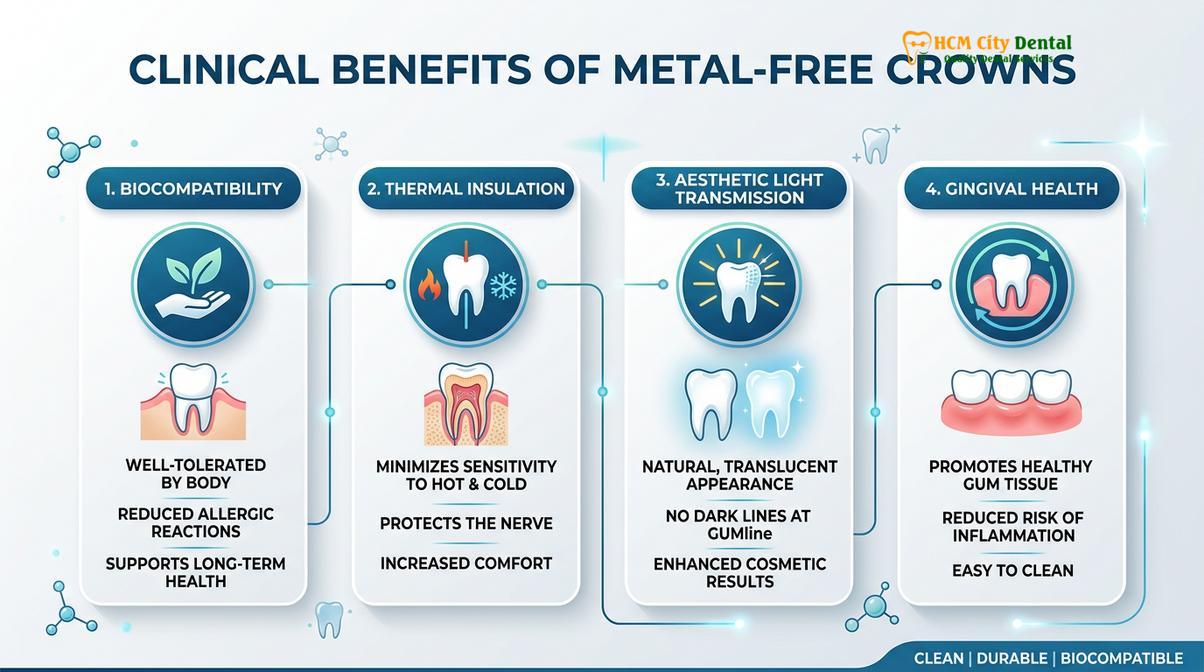
- Biocompatibility: All-ceramic materials are chemically inert, eliminating the risk of metal allergies and localized tissue inflammation.
- Aesthetic Excellence: Advanced ceramics mimic the natural translucency and light-scattering properties of human enamel.
- Thermal Comfort: Non-metallic crowns act as insulators, significantly reducing post-operative sensitivity to hot and cold stimuli.
- Gingival Health: The absence of a metal substructure prevents the appearance of dark lines at the gum margins and supports optimal biologic width.
- Digital Precision: Fabricated using CAD/CAM technology and digital scans for a flawless, custom fit.
The Shift Away from Metal Restorations
Modern dentistry has largely transitioned from traditional metal-based crowns to all-ceramic solutions to overcome aesthetic limitations, structural vulnerabilities, and potential biocompatibility issues.
For decades, the porcelain-fused-to-metal (PFM) crown was the gold standard in restorative dentistry. PFM crowns combined the mechanical strength of a cast metal substructure with the aesthetic appeal of a layered porcelain overlay. However, while functional, this dual-layer design presented several inherent clinical challenges. The underlying metal core is inherently opaque, blocking the natural transmission of light and often resulting in a dull, artificial appearance. Furthermore, as patients age and natural gum recession occurs, the metallic margin of a PFM crown frequently becomes exposed, creating an unsightly gray or black line at the base of the tooth.
The evolution of material science has introduced high-performance non metallic dental materials that render the metal substructure obsolete. The development of yttria-stabilized tetragonal zirconia polycrystal (Y-TZP) and lithium disilicate glass-ceramics has revolutionized the way prosthodontists approach tooth restoration. These materials possess flexural strengths that rival, and in some cases exceed, traditional metal alloys, allowing for the fabrication of monolithic (single-block) restorations that are highly resistant to fracture and chipping [1].
The CAD/CAM Milling Revolution
The shift toward metal-free dentistry is intrinsically linked to the advent of Computer-Aided Design and Computer-Aided Manufacturing (CAD/CAM) technology. Traditional metal crowns required a labor-intensive lost-wax casting process, which was susceptible to dimensional inaccuracies due to the expansion and contraction of materials. Today, the workflow for metal-free dental crowns relies on sophisticated digital protocols.
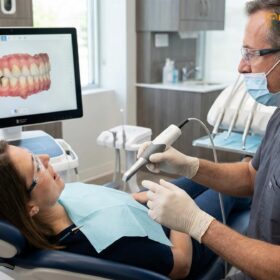
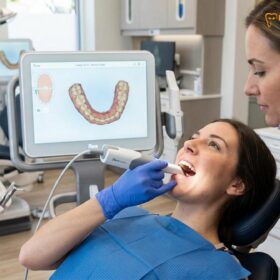
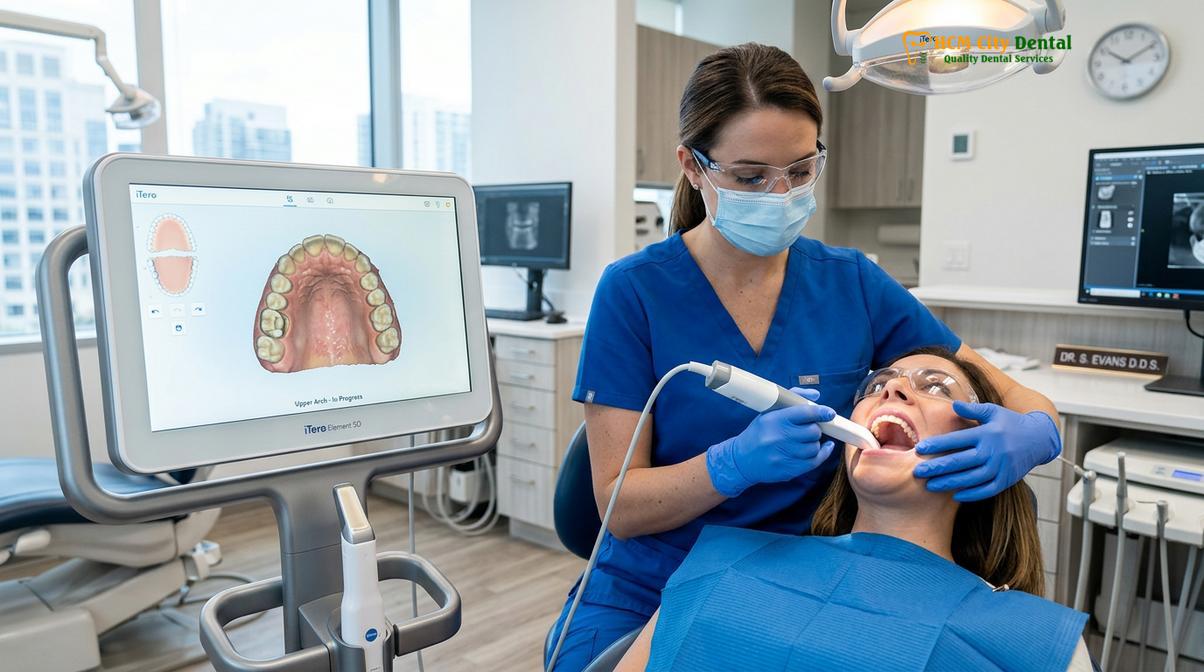
Utilizing state-of-the-art digital scanning technology, such as the iTero and Medit i700 Intraoral Scanners, clinicians can capture highly accurate 3D topographies of the prepared tooth. This eliminates the need for messy, uncomfortable traditional silicone impressions. The digital file is then transmitted to a milling unit, where the crown is carved from a solid block of ceramic with microscopic precision. This ensures an intimate marginal fit, which is critical for preventing bacterial microleakage and ensuring the long-term success of the restoration.
“The integration of intraoral scanning and 5-axis CAD/CAM milling has elevated the marginal adaptation of all-ceramic restorations to a level previously unattainable with traditional casting methods, significantly enhancing the longevity of the underlying tooth structure.”
Biomechanical Considerations in Tooth Preparation
Transitioning to metal-free materials also alters the clinical approach to tooth preparation. While traditional PFM crowns often required aggressive tooth reduction to accommodate both the metal core and the porcelain veneer, modern monolithic zirconia allows for more conservative preparation. A precise chamfer or modified shoulder margin is typically prepared to provide adequate bulk for the ceramic material while preserving maximum healthy dentin. This conservative approach is vital for maintaining the structural integrity of the tooth, particularly in cases involving a root canal post/core buildup where the remaining tooth structure may be compromised.
Metal Allergies and Biocompatibility
Non-metallic dental materials eliminate the risk of adverse immunological responses, ensuring the restoration integrates harmoniously with surrounding oral tissues without triggering hypersensitivity.
One of the most compelling metal free crowns benefits is their exceptional biocompatibility. Traditional PFM crowns and base-metal alloys frequently contain elements such as nickel, beryllium, chromium, and cobalt. A significant portion of the population exhibits a genetic predisposition to metal hypersensitivity, particularly to nickel. When these metals are placed in the hostile, moisture-rich environment of the oral cavity, they can undergo galvanic corrosion, releasing metallic ions into the saliva and surrounding soft tissues.
For sensitive individuals, this ion release can trigger a Type IV delayed hypersensitivity reaction. Nickel metal sensitivity dental symptoms often manifest as chronic gingival erythema (redness), localized swelling, bleeding upon probing, and a persistent metallic taste. In severe cases, this chronic inflammatory response can contribute to the breakdown of periodontal attachment and subsequent bone loss.
The Inert Nature of Advanced Ceramics
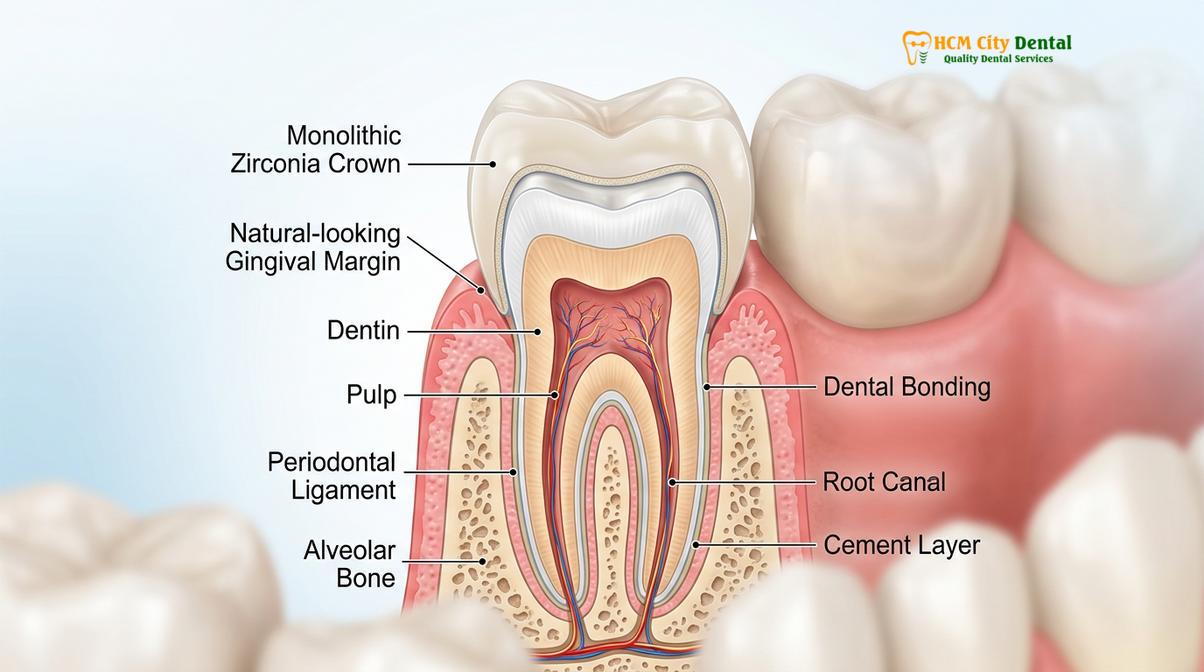
In stark contrast, materials like zirconia and lithium disilicate are highly biocompatible dental restorations. Zirconia, while technically a transitional metal oxide (zirconium dioxide), exists in a stabilized crystalline lattice that is chemically inert. It does not corrode, it does not conduct galvanic currents, and it does not release ions into the oral environment [2]. Consequently, zirconia allergy symptoms are virtually non-existent in clinical literature, making it the material of choice for patients with known systemic sensitivities or those pursuing a holistic approach to their dental care.
Clinical Warning: Patients with a known history of contact dermatitis from inexpensive jewelry or watchbands should explicitly inform their dentist prior to restorative treatment. In such cases, all-ceramic, metal-free restorations are strongly recommended to prevent localized oral allergic reactions and chronic gingival inflammation.
Systemic Health and Implant Dentistry
The benefits of biocompatibility extend beyond natural tooth restorations into the realm of implantology. When restoring a dental implant, the choice between a screw-retained vs. cement-retained implant crown must be paired with careful material selection. Utilizing a metal-free zirconia crown over a titanium or zirconia implant abutment ensures excellent soft-tissue integration. The gingival fibers adhere more favorably to highly polished ceramic surfaces than to metal, creating a robust biological seal that protects the underlying crestal bone from peri-implantitis.
Thermal Sensitivity and Comfort
Ceramic materials act as excellent thermal insulators, significantly reducing the transmission of hot and cold stimuli to the underlying tooth structure and enhancing patient comfort.
Post-operative thermal sensitivity is a common clinical challenge associated with traditional metallic restorations. Metals are excellent conductors of thermal energy. When a patient with a metal-based crown consumes hot coffee or ice cream, the rapid temperature change is quickly transmitted through the metal substructure, across the luting cement, and into the underlying dentinal tubules. According to the hydrodynamic theory of tooth sensitivity, this thermal shock causes the fluid within the dentinal tubules to expand or contract rapidly, stimulating the nerve endings within the dental pulp and causing sharp, acute pain.
This thermal conductivity is particularly problematic for vital teeth (teeth that have not undergone root canal therapy) that have required extensive preparation. The closer the metal restoration is to the pulp chamber, the more pronounced the thermal shock.
The Insulating Properties of Ceramics
Metal-free crowns provide a profound advantage in this regard. Ceramics, by their physical nature, are excellent thermal insulators. Materials like lithium disilicate and zirconia possess a very low coefficient of thermal conductivity [3]. When exposed to extreme temperature variations in the oral cavity, these materials absorb and dissipate the thermal energy slowly, shielding the underlying vital pulp from sudden shocks.
This insulating property drastically improves the patient’s daily comfort and quality of life. Patients who receive metal-free restorations frequently report a complete absence of the temperature sensitivity that often plagues those with large amalgam fillings or traditional PFM crowns.
Cementation Protocols and Post-Operative Comfort
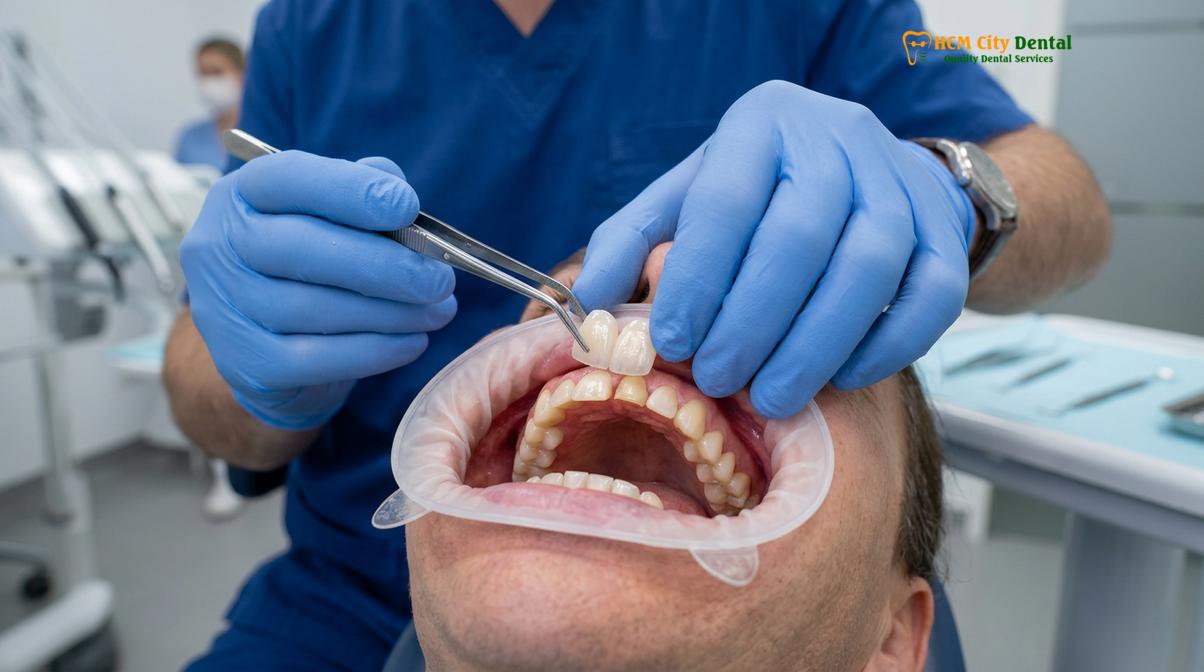
The comfort provided by metal-free crowns is also enhanced by modern adhesive cementation protocols. Unlike traditional metal crowns, which rely primarily on mechanical retention and conventional luting cements (like zinc phosphate or glass ionomer), glass-ceramics such as e.max can be chemically bonded to the tooth structure. The tooth is etched, and a resin cement is utilized to create a micromechanical and chemical bond. This adhesive layer acts as an additional hybrid zone that seals the dentinal tubules, further preventing fluid movement and virtually eliminating post-operative sensitivity.
During the interim phase of treatment, while the final ceramic restoration is being milled, a high-quality temporary crown is fabricated. This provisional restoration protects the prepared dentin, maintains the occlusal space, and allows the clinician to evaluate the bite adjustment before the final metal-free crown is permanently cemented.
Esthetics: Light Transmission and Natural Shading
Advanced ceramics replicate the optical properties of natural enamel, allowing light to scatter and reflect for a virtually seamless and highly aesthetic smile makeover.
The most visually striking benefit of metal-free crowns is their unparalleled aesthetic potential. Natural human teeth are not opaque; they possess a complex optical structure. The inner dentin provides the core color and chroma, while the outer enamel is highly translucent, allowing light to penetrate, scatter, and reflect. This interplay of light gives natural teeth their characteristic opalescence and vitality.
Traditional PFM crowns fail to replicate this optical depth because the underlying metal core acts as an absolute barrier to light transmission. To mask the dark metal, dental technicians must apply a highly opaque layer of masking porcelain before adding the final tooth-colored layers. This often results in a restoration that looks flat, dense, and distinctly artificial under certain lighting conditions, such as natural sunlight or ultraviolet light.
Lithium Disilicate vs. High-Translucency Zirconia
Metal-free materials are engineered to mimic the light-transmitting properties of natural enamel. At the forefront of aesthetic dentistry are two primary materials:
- E.max (Lithium Disilicate): Manufactured by Ivoclar (Liechtenstein), e.max is widely considered the premier material for anterior (front) teeth. It offers outstanding lifelike aesthetics, high translucency, and a natural fluorescence that blends seamlessly with adjacent teeth [4].
- Zirconia HT (High Translucency): Manufactured by brands like Cercon (Germany), modern highly translucent zirconia combines the immense flexural strength required for posterior (back) teeth with improved optical properties. While slightly less translucent than e.max, Zirconia HT is vastly superior to traditional opaque zirconia and PFM crowns.
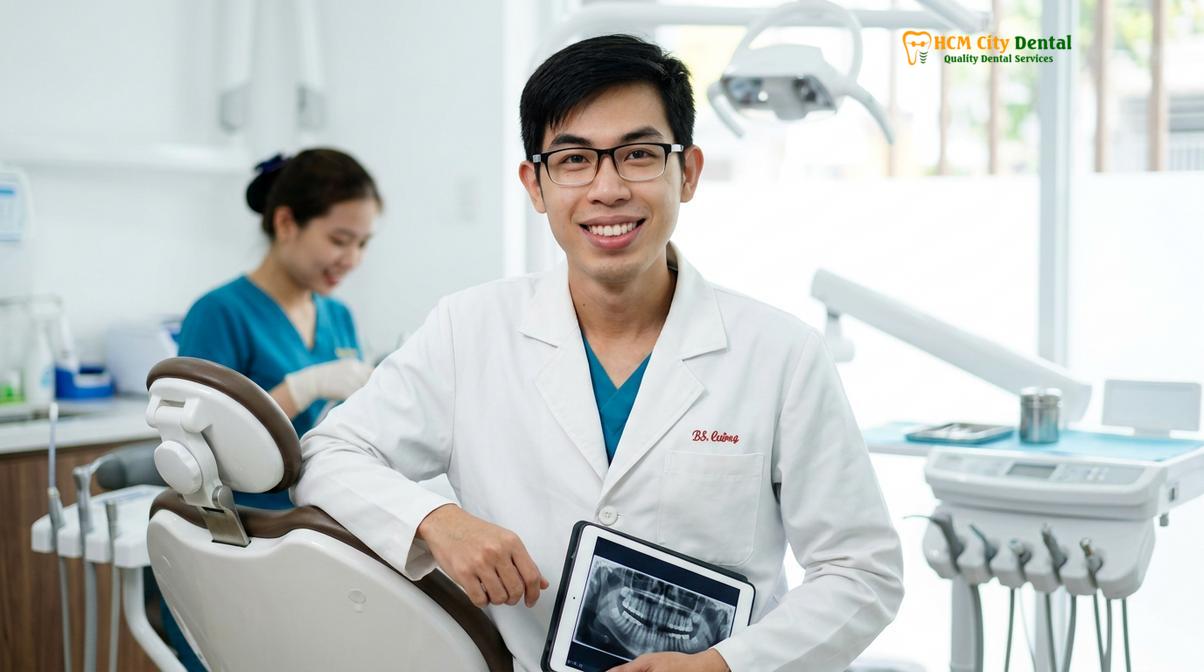
Dr. Nguyen Van Cuong, a leading expert in restorative prosthodontics, emphasizes the clinical perspective on cosmetic material selection: “The choice between lithium disilicate and high-translucency zirconia is dictated by a careful analysis of the patient’s functional bite forces and aesthetic demands. By eliminating the metal substructure, we can manipulate light transmission to achieve a restoration that is indistinguishable from the natural dentition.”
Clinical Case Example: A 34-year-old patient presented to HCMC Dental Clinic in Ho Chi Minh City with a failing, aesthetically displeasing PFM crown on a central incisor, characterized by a dark gingival margin. The treatment plan involved the careful removal of the old restoration, conservative re-preparation of the tooth, and the delivery of a custom-shaded E.max lithium disilicate crown. The final result demonstrated flawless light transmission, complete elimination of the dark margin, and perfect integration with the patient’s natural smile.
Custom Shade Matching and Characterization
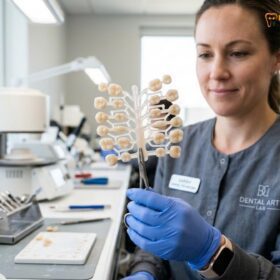
Achieving a perfect aesthetic result requires meticulous shade matching. Modern dental laboratories utilize digital spectrophotometers and high-resolution clinical photography to communicate the exact hue, value, and chroma of the adjacent teeth to the ceramist. The ceramist can then apply custom surface stains and glazes to the metal-free crown, replicating subtle natural imperfections such as mamelons, enamel cracks, or slight incisal translucency.
Long-Term Health of Gums and Surrounding Tissue
Metal-free margins promote optimal gingival health by preventing localized inflammation, plaque retention, and the disruption of the biologic width.
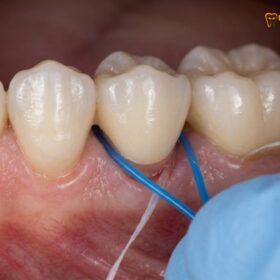
The health of the periodontium (the gums and supporting bone) is inextricably linked to the quality and material of the dental restorations placed within it. One of the most significant drawbacks of traditional metal-based crowns is their negative impact on gingival tissues over time. The junction where the crown meets the tooth—the margin—is a critical area. If a metal margin is placed subgingivally (below the gum line) to hide the dark metal collar, it frequently impinges on the biologic width.
The biologic width is the natural dimension of soft tissue attached to the portion of the tooth above the crestal bone. When a bulky metal margin violates this space, the body responds with chronic inflammation, leading to persistent gingivitis, bleeding, and eventual localized bone loss and gum recession [5]. This recession ironically exposes the very metal margin the dentist was attempting to hide.
Surface Smoothness and Plaque Resistance
Metal-free crowns, particularly highly polished zirconia and glazed lithium disilicate, offer superior soft-tissue compatibility. These ceramic materials can be milled to incredibly precise, thin margins (such as a feather-edge or light chamfer), allowing the restoration to emerge naturally from the gingival sulcus without bulky over-contouring. This respects the biologic width and promotes a healthy, tight gingival cuff.
Furthermore, the surface topography of glazed ceramics is exceptionally smooth and highly resistant to plaque accumulation. Bacteria and biofilm have a much harder time adhering to a polished ceramic surface compared to the slightly porous or easily scratched surface of a metal alloy or older composite resin. This reduction in plaque retention directly translates to healthier gums, less bleeding upon probing, and a reduced risk of secondary caries developing at the crown margin.
Crown Lengthening and Tissue Management
In cases where a tooth has fractured at or below the gum line, a functional crown lengthening procedure may be required before a metal-free crown can be placed. This minor surgical procedure adjusts the gingival and bone levels to expose more healthy tooth structure, ensuring that the new ceramic margin can be placed on sound dentin without violating the biologic width. The combination of precise tissue management and biocompatible ceramic materials ensures a highly predictable and stable long-term outcome.
Clinical Workflows and Advanced Technology
Utilizing digital intraoral scanners and direct laboratory partnerships ensures precise marginal adaptation and rapid fabrication of custom ceramic restorations.
The delivery of premium metal-free crowns relies heavily on a sophisticated, digitally driven clinical workflow. The process begins with a comprehensive diagnostic evaluation, including digital radiography and a thorough assessment of the patient’s occlusion (bite). Once the tooth is prepared, the traditional, gag-inducing silicone impression material is entirely bypassed.
Instead, clinicians utilize state-of-the-art digital scanning technology, such as the iTero and Medit i700 Intraoral Scanners. These devices capture thousands of images per second, stitching them together to create a flawless, high-resolution 3D model of the patient’s mouth. Dr. Nguyen Van Cuong notes that this digital approach not only guarantees microscopic precision for the crown design but also drastically improves patient comfort during the diagnostic phase.
Direct Lab Partnership and Material Certification
The digital impression is instantly transmitted to a specialized dental laboratory. A Direct Lab Partnership in Ho Chi Minh City enables complete quality control and direct, real-time collaboration between the prosthodontist and the master ceramist. This synergy is crucial for complex cases, such as designing a 3-unit or 4-unit dental bridge, where pontic design and connector strength must be meticulously calculated.
Material authenticity is paramount. Reputable clinics use only authentic, certified materials to guarantee the structural integrity and safety of the restoration. For instance, Zirconia HT (Cercon HT, Germany) is utilized for ultimate strength and high translucency in posterior regions, while E.max (Ivoclar, Liechtenstein) lithium disilicate is selected for outstanding lifelike aesthetics on front teeth.
| Material Type | Primary Indication | Aesthetic Quality | Biocompatibility | Flexural Strength |
|---|---|---|---|---|
| E.max (Lithium Disilicate) | Anterior (Front) Teeth | Exceptional (High Translucency) | Excellent (Metal-Free) | ~400 – 500 MPa |
| Zirconia HT (Cercon HT) | Posterior (Back) Teeth & Bridges | Very Good (Lifelike) | Excellent (Metal-Free) | ~1,000 – 1,200 MPa |
| Traditional PFM | Budget Posterior Restorations | Fair (Opaque, Dark Margins) | Moderate (Risk of Allergy) | Variable (Metal Core is Strong) |
“The transition to a fully digital workflow, combined with authentic European ceramics, allows us to deliver restorations that are not only biologically sound but mechanically superior to anything previously available in restorative dentistry.”
Pricing, Turnaround, and Dental Tourism in Ho Chi Minh City
International patients benefit from premium certified materials, rapid treatment timelines, and transparent pricing structures that make full smile restorations highly accessible.
The integration of advanced digital workflows and direct laboratory partnerships has made high-end restorative dentistry more efficient than ever. This efficiency translates into significant benefits for patients, particularly those engaging in dental tourism. An Express 3-5 Day Turnaround is specifically tailored for dental tourists and expats, allowing complete smile makeovers or multiple crowns and bridges to be fabricated and fitted within a single week.
At HCMC Dental Clinic, patients receive world-class care utilizing the exact same German and Liechtenstein-certified materials found in top clinics in North America and Europe, but at a fraction of the cost. The clinic offers a transparent pricing structure, heavily incentivizing patients who plan their treatment in advance.
Transparent Pricing Structure
By utilizing the WhatsApp pre-booking system, international and local patients can secure a 40% discount on premium restorative treatments. The current fee schedule reflects this exceptional value:
- PFM Crown: Walk-in: ~$140 (3.5M VND) | WhatsApp pre-booking discount: From $84 (2.1M VND) (-40%).
- Zirconia Crown (Cercon): Walk-in: ~$200 (5.0M VND) | WhatsApp pre-booking discount: From $120 (3.0M VND) (-40%).
- Zirconia HT Crown (Cercon HT): Walk-in: ~$260 (6.5M VND) | WhatsApp pre-booking discount: From $156 (3.9M VND) (-40%).
- E.max Crown (Ivoclar): Walk-in: ~$280 (7.0M VND) | WhatsApp pre-booking discount: From $168 (4.2M VND) (-40%).
- 3-Unit Bridge (Zirconia HT): Walk-in: ~$480 (12.0M VND) | WhatsApp pre-booking discount: From $288 (7.2M VND) (-40%).
- 4-Unit Bridge (Zirconia HT): Walk-in: ~$640 (16.0M VND) | WhatsApp pre-booking discount: From $384 (9.6M VND) (-40%).
- Inlay / Onlay (Sứ Lab): Walk-in: ~$180 (4.5M VND) | WhatsApp pre-booking discount: From $108 (2.7M VND) (-40%).
To ensure long-term peace of mind, these restorations are backed by a comprehensive Global warranty policy with remote follow-up support via WhatsApp, utilizing strict photo and video assessment protocols. For patients requiring extensive rehabilitation, 0% interest monthly credit card installment plans are also available. For more details on restoring your smile, explore our comprehensive dental crown and bridge treatments.
When to See a Doctor for Crown Evaluation
While metal-free crowns are highly durable, regular clinical monitoring is essential. You should schedule an evaluation with a prosthodontist if you experience any of the following:
- Signs of Failing PFM Crowns: If you notice a dark, gray, or black line appearing at the gum margin of an old crown, it may indicate gum recession and the need for a biocompatible replacement.
- Localized Gingival Inflammation: Persistent redness, swelling, or bleeding around a specific crowned tooth can be a sign of a biologic width violation, microleakage, or a metal allergy.
- Emergency Loose Crown: If a crown feels mobile or completely dislodges, seek immediate emergency loose crown recementation or replacement to protect the underlying vulnerable dentin from decay and thermal shock.
- Bite Discomfort: Pain upon chewing may indicate that the crown requires a minor bite adjustment or that the underlying tooth structure has been compromised.
A comprehensive clinical examination, supported by digital radiography, is necessary to determine the exact cause of discomfort and to formulate an appropriate, personalized treatment plan.
Frequently Asked Questions
Are metal-free crowns safer for health?
Yes, metal-free crowns are highly biocompatible and eliminate the risk of metal-induced allergic reactions. By utilizing inert ceramics like zirconia and lithium disilicate, these restorations interact harmoniously with oral tissues, reducing localized inflammation and supporting long-term systemic wellness without releasing metallic ions into the bloodstream. They are the preferred choice for patients prioritizing holistic health.
Can I be allergic to a metal crown?
Yes, traditional porcelain-fused-to-metal (PFM) crowns often contain base metals such as nickel, beryllium, or chromium, which can trigger Type IV hypersensitivity reactions. Symptoms may include chronic gum inflammation, redness, swelling, or a metallic taste, making non-metallic alternatives a safer choice for sensitive patients. If you have a history of skin reactions to cheap jewelry, you are at a higher risk.
Do zirconia crowns contain metal?
No, zirconia crowns do not contain traditional metallic alloys, though zirconia itself is a transitional metal oxide (zirconium dioxide). In its stabilized crystalline form used in dentistry, it behaves entirely as an inert ceramic, offering the strength of metal without the thermal conductivity, opacity, or allergenic risks associated with traditional dental metals.
How long do metal-free dental crowns last?
With proper clinical execution and diligent patient maintenance, metal-free crowns can last 10 to 15 years, and often much longer. The longevity depends on factors such as the specific material used (e.g., monolithic zirconia vs. layered porcelain), the patient’s bite forces, and adherence to daily oral hygiene practices, including regular professional cleanings.
Are metal-free crowns strong enough for back teeth?
Absolutely. Modern monolithic zirconia crowns possess exceptional flexural strength, often exceeding 1,000 MPa, making them highly resistant to the heavy masticatory forces exerted on molars. They provide a durable, fracture-resistant alternative to traditional metal crowns for posterior restorations, ensuring long-term functional stability without compromising aesthetics.
References
- Journal of Prosthodontic Research. Flexural strength and fracture toughness of monolithic zirconia. (2021).
- International Journal of Dentistry. Biocompatibility and immunological responses to dental ceramics. (2020).
- Journal of Endodontics. Thermal conductivity of dental restorative materials and pulpal health. (2019).
- Journal of Esthetic and Restorative Dentistry. Optical properties and translucency of lithium disilicate. (2022).
- American Academy of Periodontology. The impact of restorative margins on the biologic width. (2018).