When choosing between flexible partials and traditional acrylic dentures, the decision fundamentally rests on balancing esthetics, structural rigidity, and long-term tissue health. Flexible partials utilize thermoplastic nylon for a lightweight, metal-free appearance, whereas acrylic dentures rely on rigid polymethyl methacrylate (PMMA) to provide superior occlusal support and easy adjustability.
Clinical Summary:
The clinical selection between flexible partials and acrylic dentures requires a thorough evaluation of the patient’s biomechanical needs, remaining dentition, and periodontal health. Thermoplastic nylon offers exceptional esthetics through gum-shaded clasps and high flexibility, making it an excellent choice for patients prioritizing comfort and a metal-free restoration. However, because it is entirely tissue-borne, it may accelerate ridge resorption if not carefully monitored. Conversely, PMMA acrylic dentures provide a rigid, tooth-borne foundation that distributes chewing forces more evenly across the dental arch. While acrylic is bulkier and more prone to fracture upon impact, its primary clinical advantage lies in its repairability; it can be easily relined, adjusted, or modified with additional teeth as the patient’s oral anatomy changes over time. Ultimately, the optimal prosthetic material is determined through comprehensive diagnostic imaging and personalized treatment planning.
Key Takeaways:
- Material Composition: Flexible partials are crafted from injection-molded thermoplastic nylon, while traditional dentures use chemically cured PMMA acrylic.
- Esthetics vs. Support: Nylon offers superior, metal-free esthetics with translucent clasps, whereas acrylic provides rigid, load-bearing support.
- Adaptability: Acrylic dentures can be easily relined and repaired chairside or in the lab; flexible partials generally require a complete remake.
- Biocompatibility: Thermoplastic nylon is completely monomer-free, making it the preferred hypoallergenic option for patients with acrylic sensitivities.
- Clinical Indication: Flexible materials are strictly for partial tooth replacement, while acrylic can be used for both partial and complete arch restorations.
Thermoplastic Nylon vs. Polymethyl Methacrylate (PMMA)
Thermoplastic nylon offers a flexible, gingiva-borne base that adapts to tissue contours, whereas PMMA provides a rigid, tooth-borne foundation essential for distributing heavy occlusal forces.
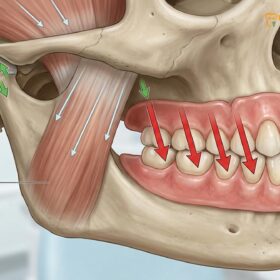
Understanding the fundamental material science behind removable dental prosthetics is critical for predicting long-term clinical success. For decades, polymethyl methacrylate (PMMA) has served as the gold standard in denture fabrication. PMMA acrylic is a rigid polymer formed through the chemical reaction of a liquid monomer and a powder polymer. This chemical curing process creates a dense, hard base that can be precisely adapted to the patient’s oral anatomy. The inherent rigidity of PMMA acrylic is its greatest biomechanical asset. It allows the prosthesis to incorporate cast metal frameworks or wrought wire clasps, enabling the creation of a tooth-borne restoration. By utilizing occlusal rests on the remaining natural teeth, a PMMA partial denture effectively transfers the forces of mastication down the long axis of the abutment teeth, thereby protecting the underlying edentulous ridge from excessive compressive stress[1].
In stark contrast, thermoplastic nylon represents a distinct class of dental materials. Introduced to overcome the esthetic and functional limitations of rigid acrylic, thermoplastic nylon is a pre-polymerized resin that is heated and injected into a mold under high pressure. The resulting prosthesis is highly flexible, exceptionally resilient, and entirely devoid of metal components. However, this flexibility fundamentally alters the biomechanics of the restoration. Because thermoplastic nylon cannot rigidly support occlusal rests, the resulting partial denture is almost exclusively mucosa-borne (tissue-borne). This means that the entire force of chewing is directed onto the underlying gums and alveolar bone[2].
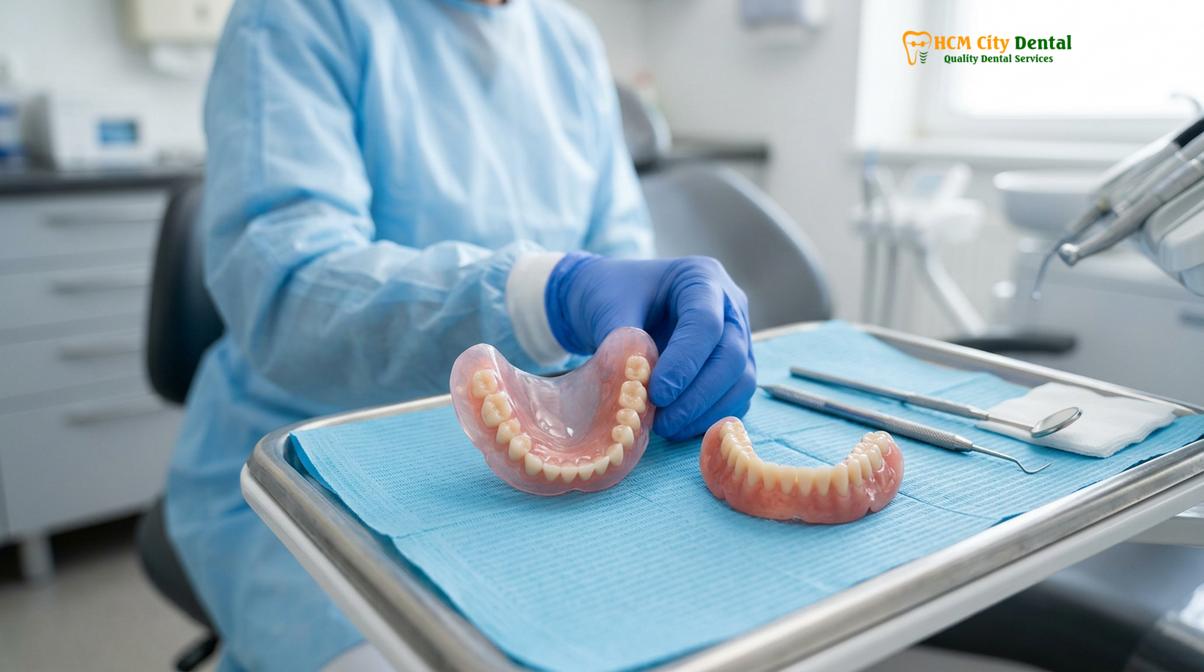
“The selection of a denture base material is not merely an esthetic preference; it is a biomechanical prescription. We must balance the patient’s desire for a seamless smile with the physiological imperative to preserve their remaining alveolar bone.”
Furthermore, the fabrication workflows differ significantly. PMMA acrylic allows for a wax try-in stage, where the dentist can evaluate the bite, tooth arrangement, and facial support before the final processing. This step is crucial for ensuring optimal phonetics and occlusion. Thermoplastic nylon, due to its injection-molding process, often bypasses the traditional wax try-in for the base itself, requiring absolute precision in the initial master impressions and bite registration to ensure a passive, comfortable fit upon delivery.
Esthetic Differences: Metal Clasps vs. Gum-Colored Translucent Clasps
Flexible partials utilize gum-shaded clasps that blend seamlessly with natural tissue, eliminating the highly visible metal hooks often required by traditional acrylic frameworks.
The primary driving force behind the rising popularity of metal-free partial dentures is their superior esthetic integration. For patients missing teeth in the anterior (front) or premolar regions, the visual impact of a dental prosthesis is often their paramount concern. Traditional PMMA acrylic partials, while structurally sound, typically rely on metal components for retention. These may be cast cobalt-chrome clasps or bent wrought wire hooks that encircle the abutment teeth. Regardless of the clinician’s skill in designing the framework, these metal elements are frequently visible when the patient smiles, speaks, or laughs, which can significantly detract from their self-confidence.
Thermoplastic nylon revolutionizes the esthetic outcome by eliminating metal entirely. Instead of rigid hooks, flexible partials utilize tissue-colored extensions of the nylon base material that gently flex and engage the natural undercuts of the remaining teeth and gums. These gum-shaded clasps are inherently translucent, allowing the natural color of the patient’s underlying gingival tissue to show through. This “chameleon effect” ensures that the clasps virtually disappear within the mouth, creating a seamless transition between the prosthesis and the natural oral environment.
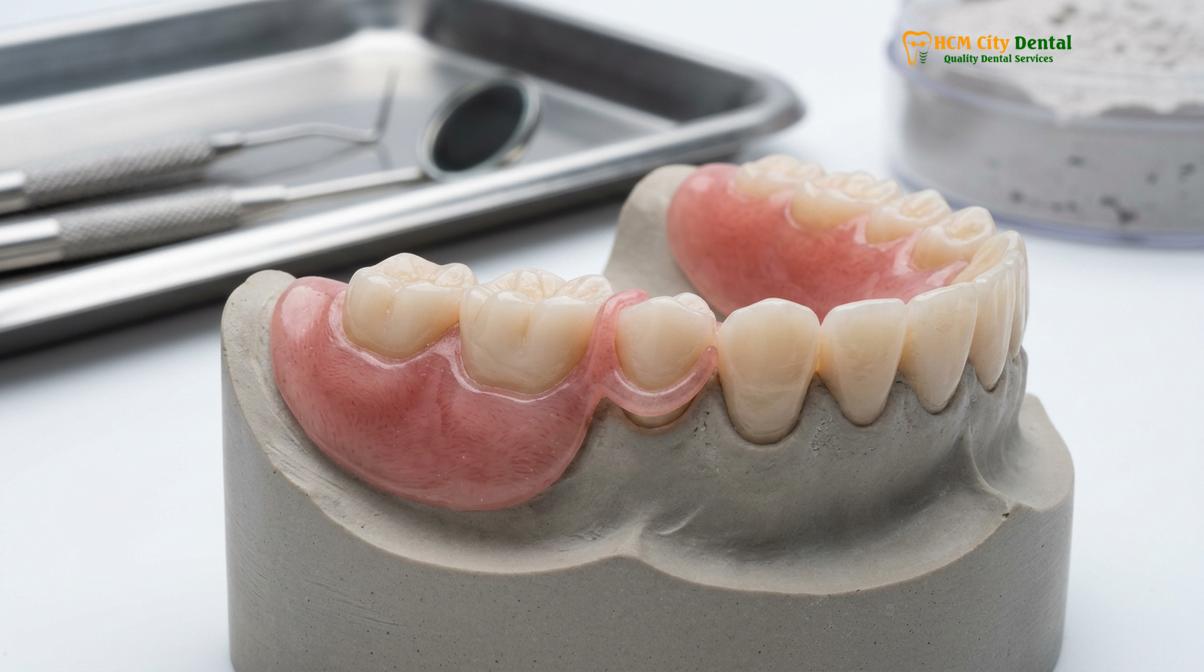
Moreover, the acrylic base of a traditional denture is opaque. While high-quality PMMA can be characterized with artificial veining to mimic capillaries, it still lacks the natural vitality of living tissue. Thermoplastic nylon’s translucency provides a much more lifelike appearance, particularly in areas where the flange of the denture meets the natural mucosa. When patients seek to replace missing teeth without compromising their smile, these highly esthetic, metal-free solutions are frequently discussed as a premium option for anterior restorations.
Patient Comfort: Weight, Thickness, and Adaptability
Nylon prosthetics are significantly thinner and lighter than traditional PMMA, offering superior initial comfort and faster phonetic adaptation for most patients.
Patient compliance and satisfaction with custom removable prosthetics are heavily influenced by the initial comfort and the physical bulk of the appliance. The oral cavity is exquisitely sensitive to foreign objects; even a millimeter of excess thickness can disrupt speech patterns, alter taste perception, and trigger the gag reflex. In this regard, the physical properties of the chosen material play a decisive role in the patient’s adaptation period.
Denture weight is a frequent complaint among patients transitioning to removable prosthetics for the first time. PMMA acrylic, by its chemical nature, requires a certain degree of bulk to maintain its structural integrity and resist the flexing forces of mastication. If an acrylic base is fabricated too thinly, it becomes highly susceptible to fatigue fractures. Consequently, traditional acrylic dentures are inherently heavier and occupy more volume within the mouth. This bulk can encroach upon the tongue space, leading to a prolonged period of phonetic adaptation as the patient learns to articulate sounds around the new prosthesis.
Thermoplastic nylon offers a distinct advantage in terms of weight and thickness. Because the material possesses exceptional flexural strength, it can be injection-molded into much thinner cross-sections than PMMA without compromising its resistance to breakage. A flexible partial is remarkably lightweight, often feeling less intrusive to the patient. The reduced thickness across the palate or along the lingual (tongue) surfaces of the lower jaw allows for more natural tongue movement, significantly shortening the time required to regain normal speech patterns.
| Clinical Parameter | Thermoplastic Nylon (Flexible) | PMMA Acrylic (Traditional) |
|---|---|---|
| Base Thickness | 1.0mm – 1.5mm (Ultra-thin) | 2.0mm – 3.0mm (Requires bulk) |
| Denture Weight | Exceptionally lightweight | Moderate to heavy |
| Flexibility | High (Adapts to tissue movement) | Rigid (Zero flexibility) |
| Retention Mechanism | Tissue undercuts (Gingiva-borne) | Metal clasps/rests (Tooth-borne) |
| Thermal Conductivity | Poor (Insulates tissue) | Poor (Unless metal base is used) |
Durability and Breakage: Which Material Stands Up to Impact?
While PMMA acrylic is prone to fracturing under high impact or dropping, thermoplastic nylon is virtually unbreakable due to its high flexural strength and shock-absorbing properties.
The longevity of a dental prosthesis is a primary concern for both the clinician and the patient. Removable dentures are subjected to a harsh environment, enduring constant cyclic loading from chewing, exposure to varying temperatures, and the chemical challenges of the oral microbiome. Furthermore, they are handled daily for cleaning, making them vulnerable to accidental drops.
PMMA acrylic, despite its rigidity and excellent load-bearing capacity, is a brittle material. Over time, the constant stress of mastication can induce micro-fractures within the polymer matrix. These micro-fractures can propagate, eventually leading to a catastrophic failure of the denture base. More commonly, acrylic dentures suffer from impact fractures. If a patient accidentally drops their rigid acrylic partial into a porcelain sink during routine cleaning, the material is highly likely to crack or shatter into multiple pieces[3]. This brittleness necessitates careful handling and the recommendation to always clean the prosthesis over a basin filled with water or a soft towel.
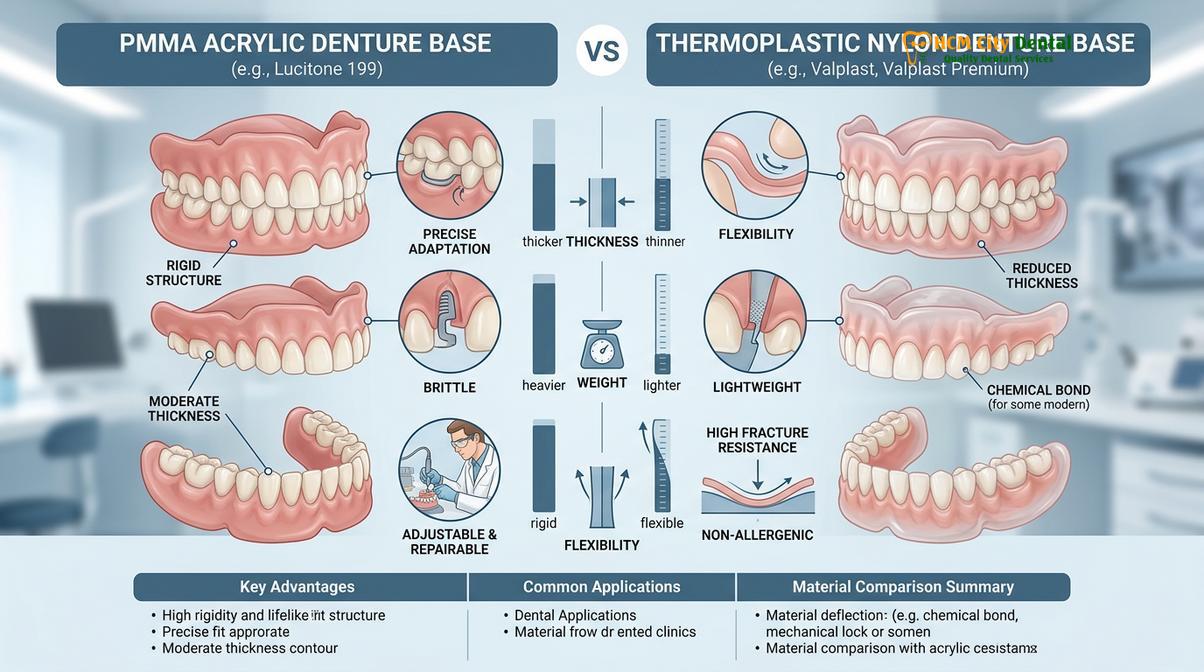
Thermoplastic nylon excels in the realm of impact resistance. The material’s molecular structure allows it to absorb and dissipate kinetic energy without fracturing. A flexible partial can be dropped, bent, or subjected to significant torsional stress without breaking. This virtual unbreakability makes thermoplastic nylon an excellent choice for patients with limited manual dexterity, neurological conditions that cause tremors, or those who have a history of frequently dropping their dental appliances.
Repairability and Relining Options: Future-Proofing Your Prosthesis
Acrylic dentures can be easily relined, repaired, or modified with new teeth, whereas flexible partials generally require a complete remake if the patient’s oral anatomy changes.
The human mouth is not static. Following tooth extraction, the alveolar bone undergoes a continuous, lifelong process of remodeling and resorption. As the bone shrinks, the overlying gum tissue changes shape, causing a once perfectly fitting denture to become loose, unstable, and prone to trapping food. Addressing these inevitable anatomical changes highlights the most significant clinical divergence between PMMA acrylic and thermoplastic nylon.
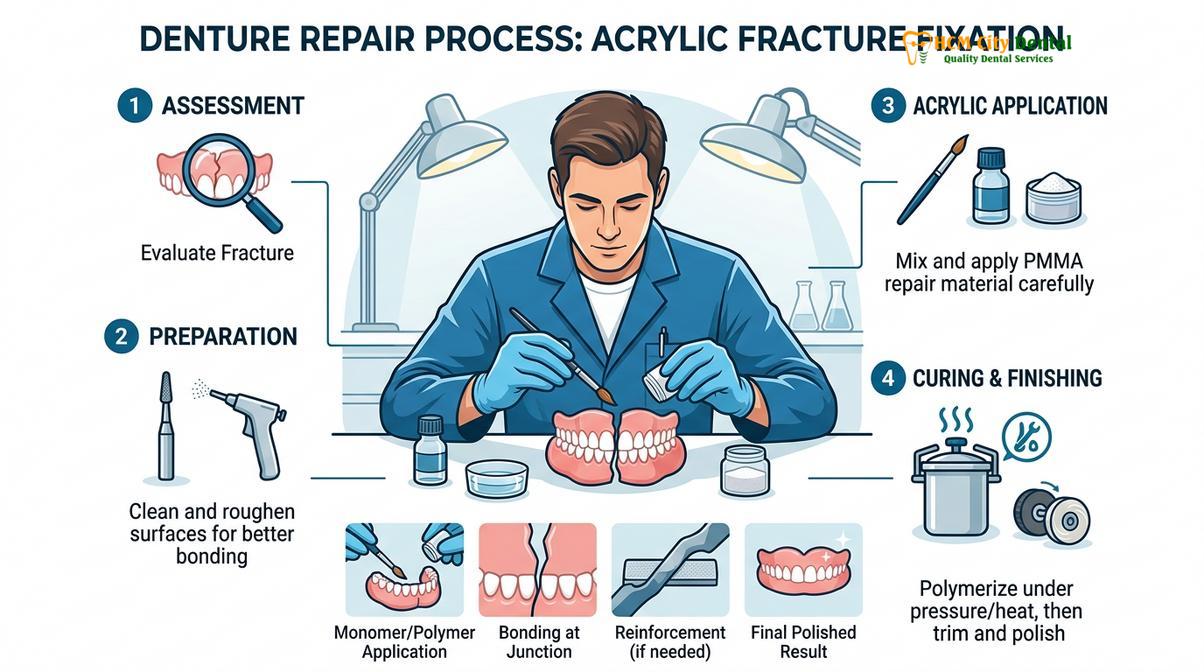
PMMA acrylic is highly versatile and future-proof. Because it is a chemically cured polymer, new liquid monomer and powder polymer can be applied to an existing acrylic base to create a strong, seamless chemical bond. This allows for straightforward broken denture repair if a flange chips or a tooth debonds. More importantly, it allows for relining. When a patient’s gums shrink, the dentist can take a new impression inside the existing acrylic denture. The dental laboratory then replaces this impression material with new acrylic, filling in the gaps and restoring a precise, intimate fit against the tissue.
“Because alveolar bone undergoes continuous remodeling after tooth loss, the ability to reline a prosthesis is often the deciding factor for long-term clinical success.”
Thermoplastic nylon, conversely, is notoriously difficult to modify. Because it is an injection-molded material, it does not chemically bond to standard cold-cure or heat-cure acrylic resins used for relining and repairs. If a flexible partial becomes loose due to bone resorption, or if a patient loses an additional natural tooth, the prosthesis typically cannot be adapted. In the vast majority of cases, the patient will require a completely new denture to be fabricated from scratch[4].
Allergic Considerations: Monomer-Free Alternatives for Sensitive Gums
Thermoplastic nylon is completely free of methyl methacrylate monomers, making it the safest alternative for patients with documented acrylic allergies.
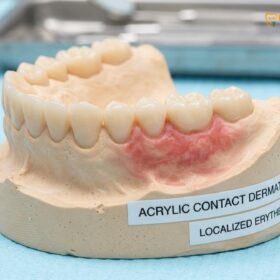
While PMMA acrylic is generally well-tolerated by the majority of the population, a small percentage of patients exhibit hypersensitivity or allergic contact stomatitis in response to the residual unreacted monomer (methyl methacrylate) present in the denture base. Symptoms of an acrylic allergy can range from mild tissue redness and burning sensations to severe ulceration and swelling of the oral mucosa. For these individuals, traditional acrylic dentures are strictly contraindicated.
Thermoplastic nylon provides an excellent hypoallergenic alternative. The injection-molding process utilizes a pre-polymerized resin that contains absolutely no liquid monomer. Consequently, flexible partials are highly biocompatible and eliminate the risk of monomer-induced allergic reactions, significantly improving the oral health-related quality of life for sensitive patients[5].
Clinical Case Study: Restoring Function and Esthetics in Saigon
A personalized approach to material selection ensures that patients receive a prosthesis tailored to their specific anatomical and esthetic requirements.
Case Study: Seamless Anterior Restoration
A recent patient visiting HCMC Dental Clinic in Ho Chi Minh City presented with multiple missing anterior teeth and a strong desire to avoid visible metal clasps. After a thorough clinical and radiographic examination, it was determined that the patient had excellent bone density but required a lightweight solution that would blend seamlessly with their natural smile.
In this case, a thermoplastic flexible partial was prescribed. The translucent, gum-shaded clasps engaged the natural undercuts of the adjacent premolars, providing excellent retention without compromising the esthetics of the patient’s smile. The patient reported immediate comfort and rapid phonetic adaptation, highlighting the clinical benefits of flexible materials when appropriately indicated.
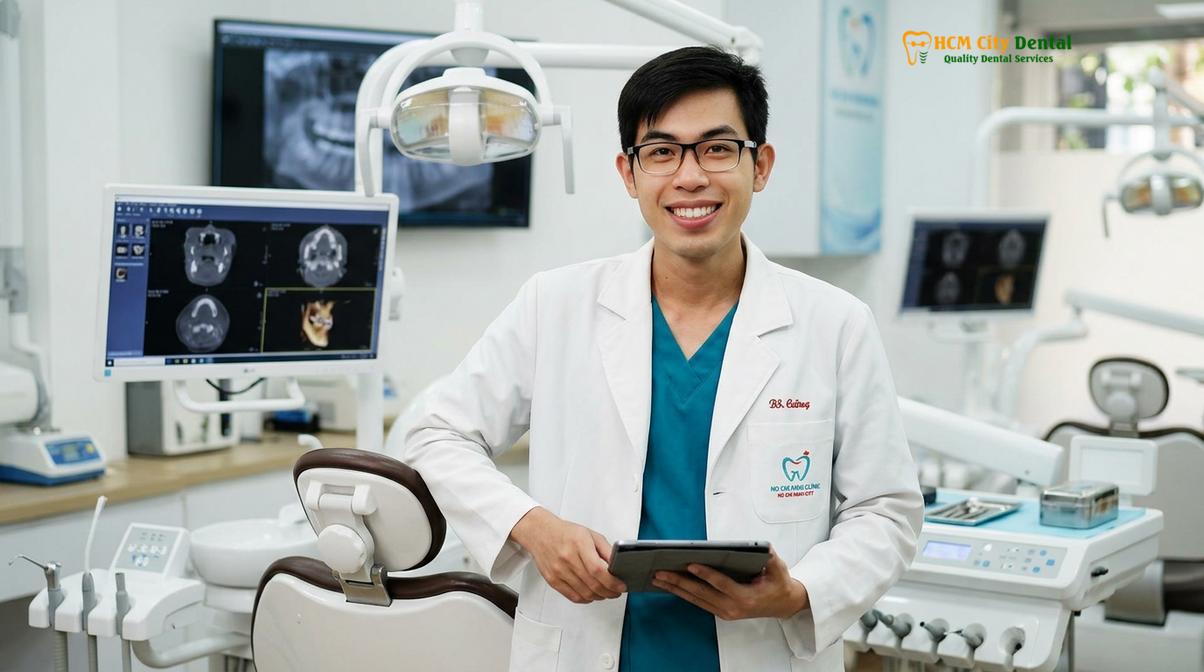
Dr. Nguyen Van Cuong, a leading specialist at HCMC Dental Clinic, emphasizes the importance of comprehensive diagnostics in general dentistry. Dr. Cuong carefully evaluates each patient’s periodontal health and bone density before recommending a specific denture base material. His meticulous approach ensures that the final prosthesis not only looks natural but also preserves the underlying oral structures for long-term stability.
When to Consult a Prosthodontist: Important Considerations
Regular dental evaluations are crucial to monitor the fit of your removable prosthesis and the health of your supporting oral tissues.
Adapting to any new dental prosthesis requires patience and professional guidance. While minor soreness is common during the first few weeks of wearing a new partial denture, persistent pain or significant difficulty chewing should never be ignored. According to the guidelines established by the Vietnam Odonto-Stomatology Association (VOSA), patients utilizing removable prosthetics should undergo professional evaluation at least once a year to assess tissue response and material integrity[6].
Patients should consult their dentist if they notice the denture becoming loose, if cracks appear in the acrylic base, or if the flexible clasps lose their retentive grip. Early intervention allows the clinician to perform necessary adjustments or relines, preventing more severe complications such as traumatic ulcers or accelerated alveolar bone resorption.
Frequently Asked Questions
Do flexible dentures stain easier than acrylic ones?
Yes, flexible dentures are more prone to staining and odor retention due to their micro-porous surface if not meticulously cleaned. Patients must use specialized non-abrasive cleaners, as standard toothpaste creates micro-scratches that trap pigments from coffee, tea, and food.
Can you adjust or reline a Valplast flexible partial?
No, traditional relining is generally not possible with Valplast flexible partials, as the thermoplastic material does not chemically bond to standard reline resins. If the underlying bone and tissue resorb significantly, the flexible prosthesis typically requires a complete remake.
Is a flexible denture suitable for replacing all teeth on an arch?
No, flexible materials lack the necessary rigidity to function as a complete denture and are strictly indicated for partial tooth replacement. A full arch requires a rigid base, such as PMMA acrylic, to properly distribute occlusal forces and maintain a peripheral seal.
How long does it take to get used to a new partial denture?
Most patients require two to four weeks to fully adapt to a new partial denture, during which speech and chewing gradually normalize. Thinner flexible partials often have a slightly shorter adaptation period compared to bulkier traditional acrylic frameworks.
Are metal-free partial dentures more expensive than traditional acrylic?
Yes, metal-free thermoplastic partials typically cost more than standard acrylic dentures due to the specialized injection-molding fabrication process. However, the exact cost difference depends on the number of missing teeth and the specific brand of thermoplastic resin utilized.
References
- Journal of Prosthetic Dentistry. Biomechanical evaluation of thermoplastic vs. PMMA removable partial dentures.
- International Journal of Prosthodontics. Tissue response and bone resorption rates under mucosa-borne prosthetics.
- Clinical Oral Investigations. Flexural strength and impact resistance of modern denture base materials.
- Journal of the American Dental Association. Hypersensitivity reactions to residual methyl methacrylate monomers.
- British Dental Journal. Patient satisfaction and oral health-related quality of life with flexible partials.
- Vietnam Odonto-Stomatology Association (VOSA). National Guidelines on Removable Prosthodontics and Material Selection.
If you are considering replacing missing teeth and want to explore the best prosthetic options for your unique smile, schedule a consultation with our specialists at HCMC Dental Clinic in Ho Chi Minh City. Our team is dedicated to providing comfortable, highly esthetic solutions tailored to your needs.
For pricing, booking, and a free clinical assessment, visit our Dentures & Removable Prosthetics service page at HCMC Dental Clinic in Ho Chi Minh City.
Acrylic Partial Denture vs Flexible Resin: Material Differences
Comparing an acrylic partial denture vs flexible partial dentures reveals differences in comfort, aesthetics, and adaptability. Acrylic dentures utilize a rigid, pink polymethyl methacrylate (PMMA) base, which is highly durable and allows for easy additions of new teeth if future extractions are needed. However, they require metal clasps for retention, which can be visible. Flexible dentures (like Valplast) are made of a thin, biocompatible nylon material that flexes to fit the patient’s contours, eliminating metal clasps for superior comfort and aesthetics. However, they cannot be modified or repaired if they fracture.