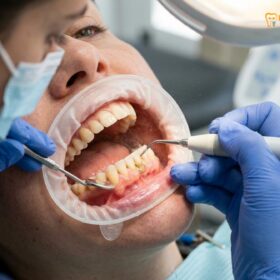
Dental cleaning for diabetics is a critical medical intervention that directly improves glycemic control by eradicating subgingival periodontal infections. Because elevated blood sugar weakens immune responses and accelerates plaque calcification, specialized periodontal care is essential to prevent severe gum disease, tooth loss, and systemic diabetic complications.
Clinical Summary:
The intersection of endocrinology and periodontology reveals that diabetes and gum disease share a profound, bidirectional relationship. Elevated blood glucose levels compromise the oral immune response, accelerating the conversion of soft plaque into hard subgingival calculus and exacerbating periodontal tissue destruction. Conversely, chronic periodontal inflammation releases systemic cytokines that increase insulin resistance, making blood sugar management highly challenging. Modern clinical protocols, such as Guided Biofilm Therapy (GBT) and dual ultrasonic scaling, offer minimally invasive, highly effective methods to eradicate biofilm without traumatizing fragile diabetic tissues. Routine periodontal maintenance every three to four months is clinically proven to reduce systemic inflammation, potentially lowering HbA1c levels and mitigating the risk of severe diabetic complications.
Key Takeaways:
- Diabetes and periodontitis share a bidirectional link; treating one condition directly benefits the management of the other.
- High salivary glucose accelerates plaque formation and fuels anaerobic bacterial growth, leading to rapid bone loss.
- Professional scaling and root planing can reduce HbA1c levels by approximately 0.3% to 0.4% in diabetic patients.
- Guided Biofilm Therapy (GBT) utilizes low-abrasive erythritol powder to safely clean teeth without causing tissue trauma.
- Diabetic patients require a strict 3-to-4-month recall schedule for professional cleanings to prevent bacterial repopulation.
Diabetes-Gum Disease Two-Way Street
The relationship between diabetes and periodontal disease is bidirectional; poorly controlled blood sugar exacerbates gum inflammation, while chronic gum infections increase systemic insulin resistance.
Understanding the diabetes and gum disease link requires a deep dive into the physiological interactions between systemic metabolism and oral microbiology. For decades, dental professionals viewed gum disease merely as a localized infection. However, contemporary clinical research has firmly established that periodontitis is the sixth classic complication of diabetes mellitus. When a patient suffers from chronic hyperglycemia, the entire physiological landscape of the oral cavity changes, creating an environment highly susceptible to rapid tissue degradation.[1]
To comprehend this dynamic, one must first understand the fundamental difference between plaque and tartar. Plaque is a soft, sticky, colorless biofilm composed of bacteria, salivary proteins, and food debris that constantly forms on the teeth. With meticulous daily brushing and flossing, plaque can be mechanically removed. However, if left undisturbed for just 24 to 48 hours, plaque begins to mineralize into tartar (also known as calculus). Tartar is a hard, porous substance that bonds tightly to the enamel and root surfaces, providing an ideal, rough scaffold for even more plaque to accumulate. Because tartar cannot be removed by a toothbrush, it requires professional instrumentation to safely detach it from the tooth structure.
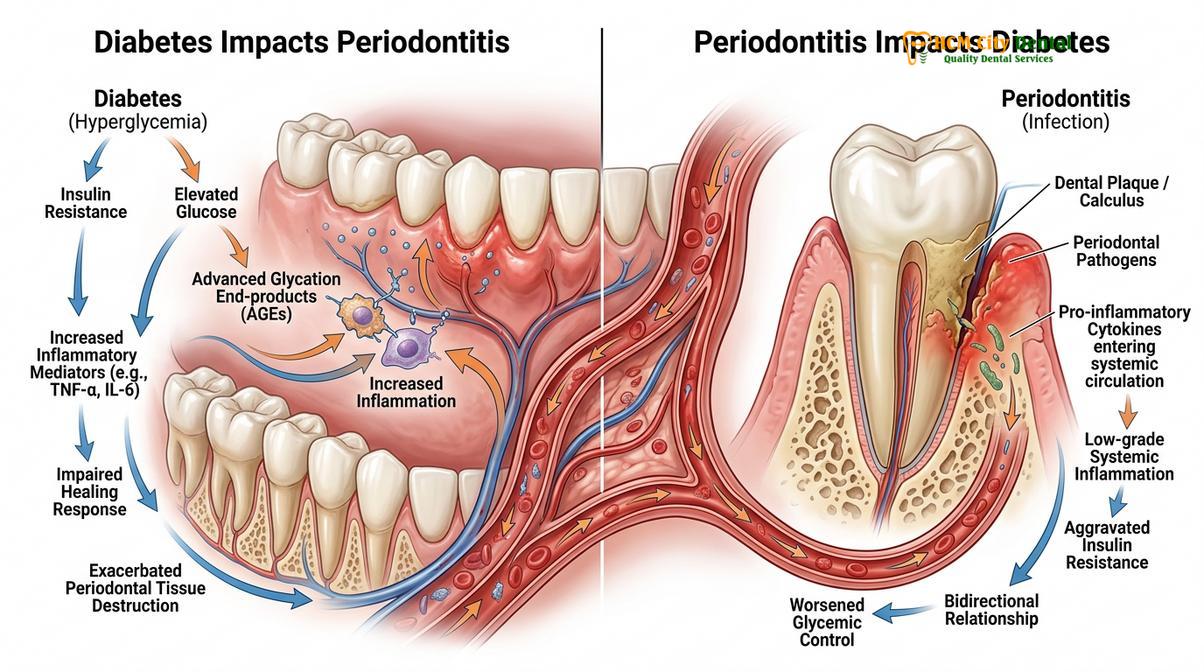
In diabetic patients, this calcification process is significantly accelerated. Elevated blood glucose levels lead to higher glucose concentrations in the saliva and the gingival crevicular fluid (the fluid that flows into the space between the gums and teeth). This glucose-rich environment acts as a constant food source for pathogenic bacteria. Furthermore, diabetes impairs the function of polymorphonuclear leukocytes (neutrophils)—the primary white blood cells responsible for fighting acute bacterial infections. With a weakened first line of defense, the soft plaque rapidly matures into highly virulent subgingival calculus.
The first clinical manifestation of this process is plaque-induced gingivitis, characterized by red, swollen, and bleeding gums. Bleeding gums are never a sign of healthy tissue; they indicate that the epithelial lining of the gingival sulcus has ulcerated, allowing bacteria direct access to the bloodstream. Dr. Nguyen Van Cuong, a leading expert at HCMC Dental Clinic, frequently emphasizes that for diabetic patients, bleeding gums are a critical medical red flag that requires immediate intervention to prevent the progression from reversible gingivitis to irreversible periodontitis.
The bidirectional nature of this disease means that the damage flows both ways. Advanced glycation end-products (AGEs) accumulate in the gingival tissues of diabetics. These AGEs bind to specific receptors (RAGE) on the surface of local cells, triggering a hyper-inflammatory response. This exaggerated immune reaction causes the body to destroy its own periodontal ligaments and alveolar bone in a misguided attempt to isolate the bacterial threat. Consequently, diabetic patients experience deeper periodontal pockets, more severe bone loss, and a higher rate of tooth mobility compared to non-diabetics.
Blood Sugar & Bacteria
Elevated salivary glucose provides an ideal breeding ground for anaerobic bacteria, triggering a hyper-inflammatory response that destroys periodontal ligaments and interferes with insulin regulation.
The oral cavity is a complex microbiome housing over 700 distinct species of bacteria. In a healthy state, there is a symbiotic balance between the host and these microorganisms. However, uncontrolled diabetes disrupts this homeostasis, leading to a state of dysbiosis where pathogenic, anaerobic bacteria dominate. The primary culprits in severe periodontal destruction include Porphyromonas gingivalis, Treponema denticola, and Tannerella forsythia—collectively known as the “red complex” bacteria.[2]
These specific bacteria thrive in the deep, oxygen-deprived periodontal pockets that form as gum disease progresses. The elevated glucose in the gingival crevicular fluid of diabetic patients provides a limitless energy source for these pathogens. As they metabolize proteins and amino acids, they produce volatile sulfur compounds (VSCs), such as hydrogen sulfide and methyl mercaptan. These VSCs are the primary bad breath causes (halitosis) in patients with severe gum disease. Beyond causing an unpleasant odor, VSCs are highly toxic to the gingival tissues, increasing epithelial permeability and allowing bacterial endotoxins to penetrate deeper into the periodontium.
“The presence of chronic periodontal infection in a diabetic patient creates a persistent state of systemic inflammation. The local bacterial burden in the mouth acts as a continuous reservoir of inflammatory mediators that spill into the bloodstream, directly antagonizing the body’s ability to utilize insulin effectively.”
Once these bacterial endotoxins (lipopolysaccharides) breach the gum tissue, they trigger the host’s immune system to release a cascade of pro-inflammatory cytokines, including Interleukin-1 beta (IL-1β), Interleukin-6 (IL-6), and Tumor Necrosis Factor-alpha (TNF-α). This is where the systemic impact becomes profound. These cytokines enter the systemic circulation and travel to distant organs, including the liver and skeletal muscles. At the cellular level, TNF-α and IL-6 interfere with the insulin receptor signaling pathways. They inhibit the phosphorylation of insulin receptor substrates, effectively blocking the cell’s ability to absorb glucose from the bloodstream. This phenomenon is the clinical definition of insulin resistance.
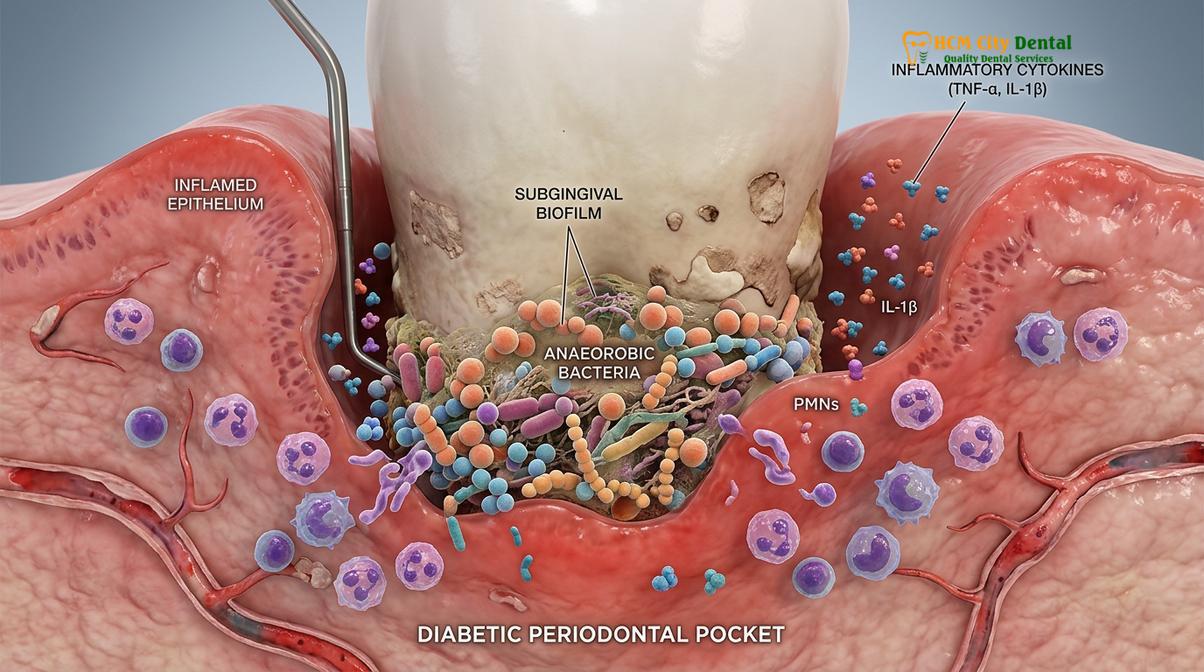
Therefore, a patient attempting to manage their diabetes through diet, exercise, and medication will face an uphill battle if they harbor an untreated periodontal infection. The chronic release of cytokines from the infected gums keeps the body in a state of heightened insulin resistance. This underscores the critical importance of integrating glycemic control dental visits into the comprehensive medical management of diabetes. By physically removing the bacterial load through professional scaling, the inflammatory cascade is halted, allowing insulin receptors to regain their sensitivity.
Systemic Complications Prevention
Eradicating subgingival biofilm through professional periodontal therapy significantly reduces systemic inflammation, leading to measurable improvements in HbA1c levels and lowering cardiovascular risks.
The ultimate goal of periodontal therapy in diabetic patients extends far beyond preserving teeth; it is a vital component of systemic complications prevention. The chronic, low-grade inflammation characteristic of untreated periodontitis acts as a catalyst for the macrovascular and microvascular complications associated with diabetes. By actively managing oral health, patients can significantly alter their systemic risk profile.[3]
Clinical studies have consistently demonstrated that non-surgical periodontal therapy—specifically scaling and root planing (SRP)—yields measurable improvements in glycemic control. On average, diabetic patients who undergo comprehensive periodontal debridement experience a reduction in their HbA1c levels by approximately 0.3% to 0.4% within three to four months post-treatment. While this percentage may seem small, endocrinologists recognize that even a 0.2% drop in HbA1c is associated with a significant decrease in the risk of microvascular complications, such as diabetic retinopathy (eye damage), neuropathy (nerve damage), and nephropathy (kidney disease).
| Systemic Complication | Impact of Untreated Periodontitis | Benefit of Periodontal Therapy |
|---|---|---|
| Glycemic Control | Increases insulin resistance via systemic cytokines (TNF-α, IL-6). | Reduces HbA1c by ~0.3% – 0.4%, improving insulin sensitivity. |
| Cardiovascular Disease | Endothelial dysfunction and accelerated atherosclerosis. | Lowers C-reactive protein (CRP) levels, reducing arterial inflammation. |
| Diabetic Nephropathy | Increased systemic inflammatory burden stresses renal filtration. | Decreases systemic oxidative stress, preserving kidney function. |
| Wound Healing | Prolonged hyper-inflammation delays tissue regeneration. | Restores localized immune balance, promoting faster healing. |
Furthermore, the link between periodontal disease and cardiovascular disease is particularly dangerous for diabetics, who are already at an elevated risk for heart attacks and strokes. The bacteria responsible for gum disease can enter the bloodstream during normal chewing or brushing (bacteremia) and travel to the coronary arteries. There, they contribute to the formation of atheromatous plaques, narrowing the blood vessels. By maintaining a pristine oral environment through a professional dental cleaning, the frequency and severity of these bacteremic episodes are drastically reduced, thereby offering a protective effect on the cardiovascular system.
Advanced Clinical Protocols for Diabetic Patients
Modern periodontal therapy utilizes dual ultrasonic scaling and Guided Biofilm Therapy (GBT) to safely and painlessly remove calculus without traumatizing compromised diabetic tissues.
Treating a diabetic patient requires a highly refined clinical approach. Because diabetic tissues are prone to delayed healing and are highly susceptible to secondary infections, aggressive or outdated scaling techniques can cause more harm than good. At HCMC Dental Clinic, we employ advanced, minimally invasive protocols specifically designed to maximize bacterial eradication while preserving the integrity of the fragile gingival epithelium and enamel.
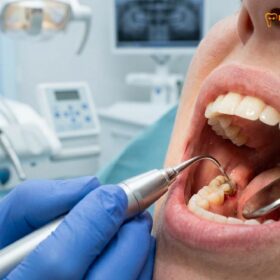
The cornerstone of our approach is the Dual Scaler Advantage. Recognizing that no single instrument is perfect for every clinical scenario, we utilize both Piezoelectric and Magnetostrictive ultrasonic technologies to customize the treatment based on the patient’s specific periodontal pocket depth and tissue tone:
- Piezoelectric Scalers (e.g., Acteon/Satelec): These devices utilize ceramic crystals to produce a linear, back-and-forth motion at frequencies up to 32 kHz. Because they generate significantly less heat and operate with a precise linear stroke, they are exceptionally gentle. This makes them the preferred choice for patients with severe dentin hypersensitivity, exposed root surfaces, and those undergoing orthodontic treatment.
- Magnetostrictive Scalers (e.g., Dentsply Cavitron): These scalers use a metal stack that expands and contracts, creating an elliptical motion that vibrates all sides of the tip simultaneously. This multi-directional energy is highly effective at breaking down heavy, tenacious calculus and performing full mouth debridement in patients with advanced periodontitis.
Both types of ultrasonic scalers rely on the physics of cavitation and acoustic microstreaming. As the tip vibrates, it creates microscopic bubbles in the cooling water. When these bubbles implode, they release shockwaves that rupture the cell walls of anaerobic bacteria, effectively destroying the biofilm even in areas the physical tip cannot reach. Dr. Nguyen Van Cuong emphasizes that selecting the correct ultrasonic power level is crucial for diabetic patients to ensure complete subgingival calculus removal without causing micro-lacerations to the root cementum.
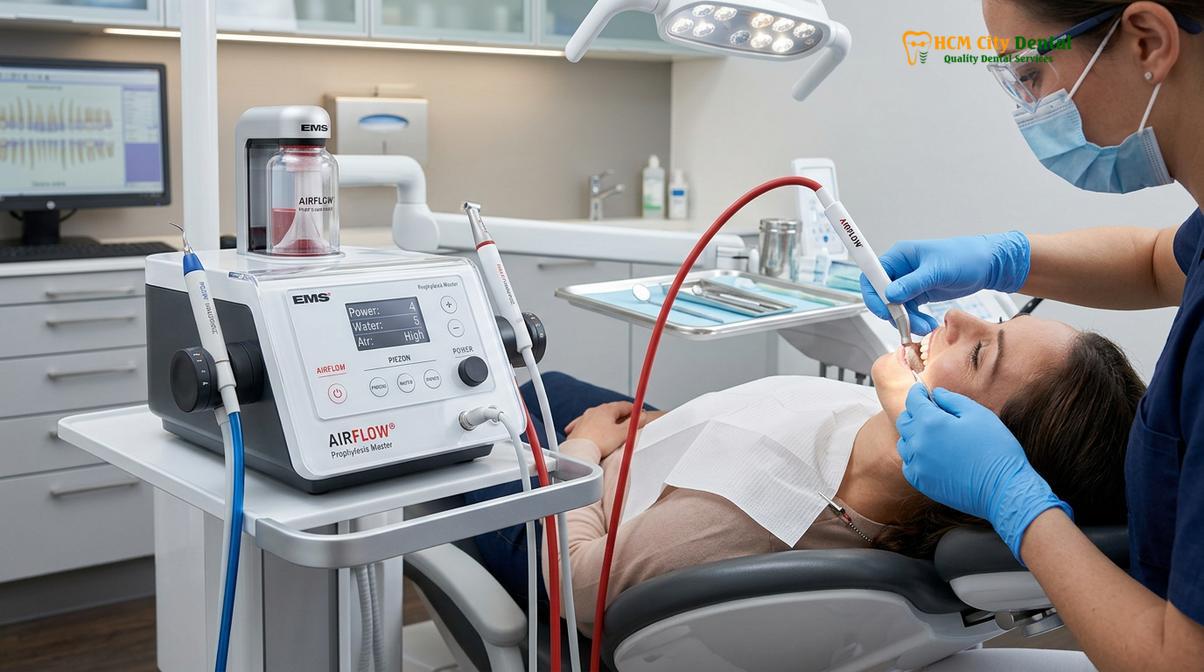
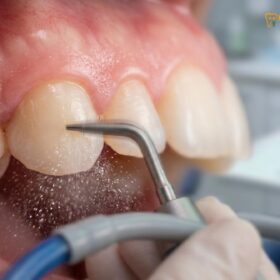
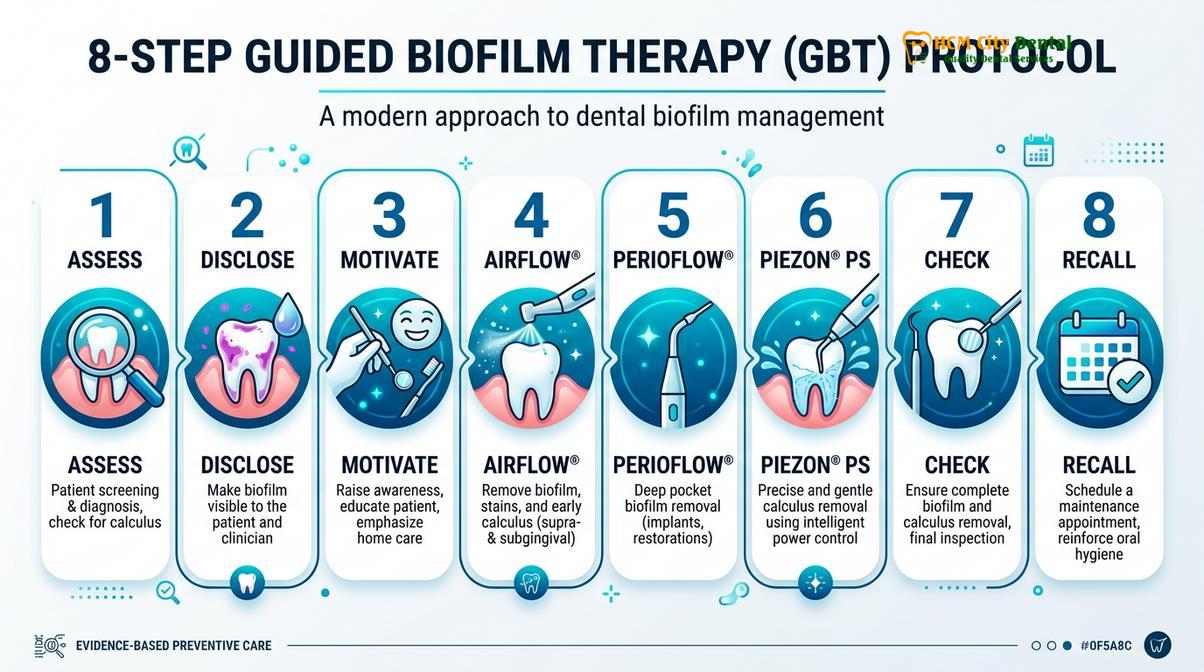
In addition to advanced ultrasonics, we feature the premium Swiss EMS Guided Biofilm Therapy (GBT) protocol. GBT represents a paradigm shift in professional prophylaxis. It utilizes a specialized Airflow device that propels a mixture of warm water and ultra-fine erythritol powder (with a microscopic grain size of just 25μm). This low-abrasive powder is highly effective at eradicating biofilm, plaque, and surface stains painlessly and safely. Unlike traditional gritty prophy pastes that can scratch enamel, titanium implants, crowns, or veneers, erythritol preserves the natural tooth structure while delivering a flawless polish. The warm water feature is particularly comforting for patients with sensitive teeth, transforming a traditionally uncomfortable procedure into a spa-like experience.[4]
Understanding the financial aspect of long-term periodontal maintenance is also important. According to the latest clinic fee schedule, our pricing structure is designed to be transparent and accessible:
- Standard Ultrasonic Scaling & Polishing: 500,000 to 800,000 VND (~$20 to $32 USD). (Walk-in rate: 800,000 to 1,300,000 VND).
- Airflow Prophylaxis / Guided Biofilm Therapy (GBT): 1,500,000 to 2,000,000 VND (~$60 to $80 USD). (Walk-in rate: 2,500,000 to 3,300,000 VND).
- Scaling & Root Planing (SRP deep cleaning per quadrant): 1,000,000 to 1,500,000 VND (~$40 to $60 USD). (Walk-in rate: 1,600,000 to 2,500,000 VND).
- Full Mouth Debridement (Heavy Tartar Removal): 2,000,000 to 3,000,000 VND (~$80 to $120 USD). (Walk-in rate: 3,300,000 to 5,000,000 VND).
Patients who book their appointments in advance via WhatsApp are eligible for a -40% discount, ensuring that high-quality, specialized diabetic periodontal care remains affordable.
Healing Timelines
Diabetic patients experience delayed tissue regeneration due to microvascular impairment, requiring meticulous post-scaling care and specialized, minimally invasive instrumentation to ensure predictable healing.
The physiological response to periodontal therapy differs significantly between a healthy individual and a diabetic patient. In a non-diabetic patient, the gingival tissues typically begin to reattach to the root surface within 5 to 7 days following a deep scaling procedure. However, diabetic patient scaling safety protocols must account for the reality of delayed wound healing. Chronic hyperglycemia impairs angiogenesis—the formation of new blood vessels—which is essential for delivering oxygen and nutrients to healing tissues.
Furthermore, high blood sugar levels inhibit the proliferation of fibroblasts and the synthesis of collagen, the primary structural protein required to rebuild the periodontal ligament. As a result, the healing timeline for a diabetic patient can be extended by several weeks. During this prolonged recovery phase, the tissues remain vulnerable to opportunistic infections. This is why the use of minimally invasive techniques, such as the GBT protocol with erythritol powder, is so critical; by minimizing the initial surgical trauma, we reduce the burden on the patient’s already compromised healing capacity.
Clinical Warning: Performing invasive scaling and root planing on a patient with severely uncontrolled hyperglycemia (e.g., fasting blood sugar > 200 mg/dL or HbA1c > 9%) carries a high risk of post-operative infection and delayed healing. In such cases, palliative debridement and systemic antibiotic coverage may be required until medical stabilization is achieved.
Post-operative care is equally vital. Following a deep cleaning, diabetic patients are often prescribed an antimicrobial mouth rinse containing chlorhexidine gluconate to chemically control plaque repopulation during the initial healing phase. Additionally, the application of a professional fluoride varnish can aid in enamel remineralization, protecting the newly exposed root surfaces from decay. Patients are advised to monitor their blood glucose levels closely in the days following treatment, as the stress of the procedure and the sudden reduction in systemic inflammation can cause fluctuations in insulin requirements.
Optimal Recall Schedules
Due to accelerated biofilm accumulation and compromised immune responses, diabetic patients require professional periodontal maintenance every three to four months rather than the standard biannual schedule.
The traditional recommendation of visiting the dentist twice a year is fundamentally inadequate for patients managing diabetes. Clinical microbiology dictates that after a thorough professional scaling, it takes approximately 90 to 120 days for the highly pathogenic, anaerobic bacteria to fully repopulate the deep periodontal pockets. If a diabetic patient waits six months between visits, they spend at least two to three months in a state of active, tissue-destroying infection.[5]
Therefore, the optimal recall schedule for periodontal maintenance in diabetic patients is strictly every three to four months. This proactive approach disrupts the biofilm before it can mature into a destructive state, maintaining the bacterial load below the threshold that triggers the systemic inflammatory cascade. During these frequent visits, the clinical team will measure periodontal pocket depths, assess bleeding on probing, and perform targeted debridement using ultrasonic scaling and airflow polishing.
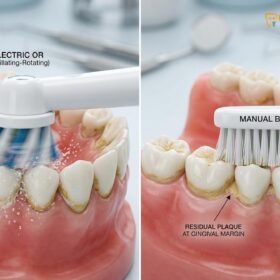
Between professional visits, the patient’s home care routine is the primary defense against disease progression. Proper brushing techniques are paramount. The Modified Bass technique is highly recommended: the toothbrush bristles should be angled at 45 degrees toward the gumline, using small, vibratory circular motions to sweep plaque out of the gingival sulcus. Aggressive, horizontal scrubbing must be avoided, as it can cause gum recession and abrade the root surfaces.
Additionally, patients must be mindful of their teeth staining habits. Frequent consumption of dark tea, coffee, or tobacco not only causes aesthetic discoloration but also creates a microscopically rough surface on the enamel. This roughness acts as a magnet for plaque, accelerating biofilm accumulation. By utilizing the GBT protocol during maintenance visits, we can completely remove these stains, leaving a glass-like surface that naturally repels bacterial adherence.
Clinical Case Review: A 58-year-old male patient with Type 2 Diabetes presented to HCMC Dental Clinic in Ho Chi Minh City with an HbA1c of 8.2%, severe bleeding gums, and heavy subgingival calculus. After undergoing a comprehensive full mouth debridement utilizing dual ultrasonic scalers and the GBT protocol, he was placed on a strict 3-month recall schedule. Alongside improved home care and continued medical management, his HbA1c dropped to 7.5% within six months, and his gingival bleeding was completely resolved, demonstrating the profound impact of integrated periodontal care.
When to See a Doctor
For individuals living with diabetes, recognizing the early warning signs of periodontal deterioration is crucial for preventing irreversible bone loss and systemic complications. You should schedule an immediate clinical evaluation if you experience any of the following symptoms:
- Spontaneous Gingival Bleeding: Gums that bleed easily during normal brushing, flossing, or eating are a definitive sign of active ulceration and infection within the gingival sulcus.
- Persistent Halitosis: Chronic bad breath or a metallic taste in the mouth that does not improve with oral hygiene indicates the presence of deep-dwelling anaerobic bacteria producing volatile sulfur compounds.
- Gingival Recession or Swelling: Gums that appear bright red, swollen, tender to the touch, or are pulling away from the teeth, exposing the sensitive root surfaces.
- Tooth Mobility: Any noticeable looseness or shifting of the teeth, or a change in the way your teeth fit together when you bite down, suggesting advanced destruction of the alveolar bone.
- Purulent Exudate (Pus): The presence of pus squeezing out from between the gums and teeth when pressure is applied is a sign of an acute periodontal abscess requiring urgent intervention.
- Unexplained Blood Sugar Spikes: If your diet and medication remain consistent but your blood glucose levels become increasingly difficult to control, a hidden oral infection may be the underlying cause.
“Proactive periodontal care is not an optional aesthetic service for diabetic patients; it is a fundamental medical necessity. Delaying treatment allows the infection to deepen, complicating both oral rehabilitation and systemic glycemic control.”
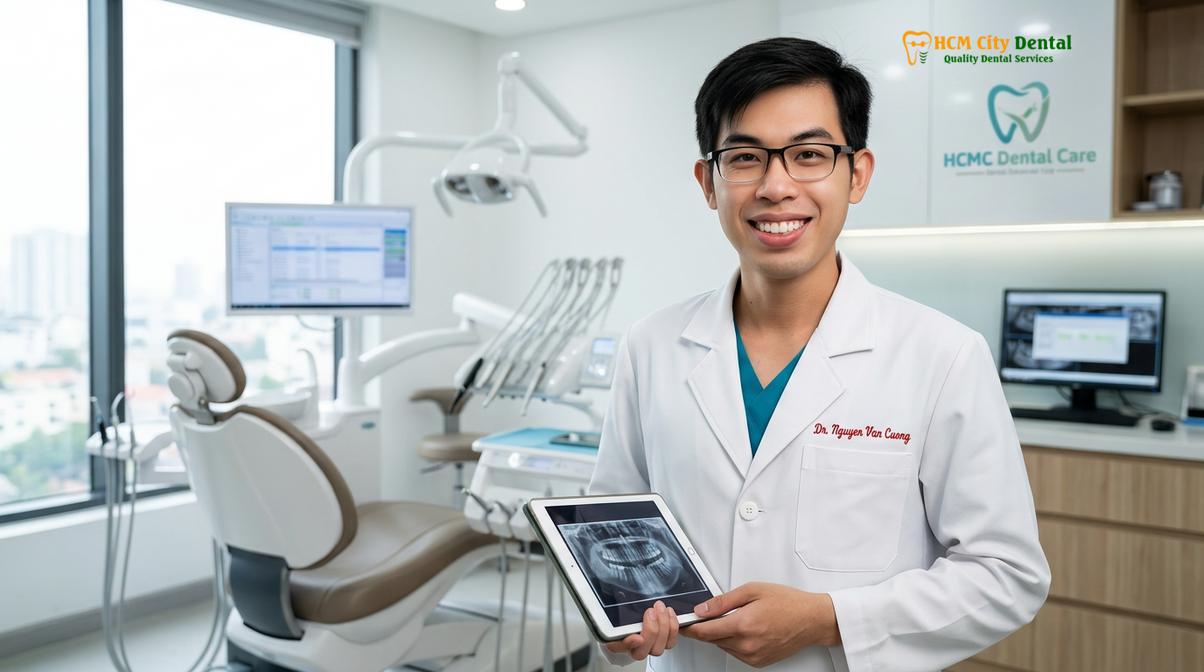
If you are managing diabetes and have not had a professional periodontal assessment recently, we strongly encourage you to seek specialized care. A comprehensive evaluation based on clinical diagnostics can help establish a personalized maintenance plan tailored to your unique metabolic and oral health needs. Contact the expert team at HCMC Dental Clinic to schedule your consultation and take a vital step toward protecting both your smile and your overall health.
Frequently Asked Questions
Why do diabetics need more frequent dental cleanings?
Diabetics require dental cleanings every three to four months because elevated blood sugar accelerates plaque calcification and weakens the immune response. This frequent recall schedule prevents the rapid repopulation of periodontal pathogens, minimizing the risk of severe gum inflammation and subsequent bone loss. Standard six-month intervals are often too long, allowing bacteria to re-establish destructive colonies.
Can a gum infection raise blood sugar?
Yes, chronic gum infections can significantly raise blood sugar levels. The localized bacterial infection in the gums triggers a systemic inflammatory response, releasing cytokines that interfere with insulin receptors, thereby increasing cellular insulin resistance and making glycemic control much more difficult. Treating the gum infection removes this inflammatory burden, aiding in blood sugar stabilization.
Is dental cleaning safe for diabetics with high sugar?
Dental cleaning is generally safe for diabetics, but patients with severely uncontrolled high blood sugar may require medical stabilization before invasive deep scaling. Minimally invasive protocols like Guided Biofilm Therapy are preferred to reduce tissue trauma and prevent post-operative infections. Your dentist will evaluate your current HbA1c and fasting glucose levels to determine the safest treatment approach.
How does Guided Biofilm Therapy benefit diabetic patients?
Guided Biofilm Therapy (GBT) uses warm water and ultra-fine erythritol powder to remove plaque without scraping the enamel or traumatizing the gums. For diabetics who suffer from delayed wound healing, this painless, non-invasive method drastically reduces the risk of tissue laceration and post-treatment inflammation, ensuring a safer and more comfortable prophylaxis experience.
Will treating my gum disease reduce my HbA1c levels?
Clinical evidence suggests that effective periodontal therapy, including scaling and root planing, can reduce HbA1c levels by approximately 0.3% to 0.4%. By eliminating the source of chronic oral inflammation, the body’s overall systemic inflammatory burden decreases, leading to improved insulin sensitivity and better long-term metabolic outcomes.
References
- Journal of Clinical Periodontology. Guided Biofilm Therapy clinical efficacy in medically compromised patients. (2021).
- International Journal of Dental Hygiene. Ultrasonic scaling vs hand scaling: tissue trauma and healing. (2020).
- Journal of Periodontology. Scaling and root planing for periodontitis in diabetic populations. (2019).
- Clinical Oral Investigations. Erythritol air-polishing powder safety and subgingival application. (2022).
- Journal of the American Dental Association. Professional cleaning recall intervals for high-risk patients. (2018).