Comparing the dental cleaning cost Vietnam vs Australia reveals significant savings for international patients. A standard scale and clean in Australia averages $150 to $250 AUD, whereas the same preventive procedure in Vietnam typically costs $15 to $30 AUD, utilizing identical ultrasonic technology and international sterilization protocols.
Clinical Summary:
Preventive periodontal care, including routine prophylaxis and deep scaling, is essential for maintaining oral health and preventing systemic complications. While Australian dental clinics face high operational overheads driving up patient fees, facilities in Vietnam offer equivalent clinical standards at a fraction of the cost. Patients traveling for dental care benefit from advanced ultrasonic scaling, comprehensive periodontal charting, and strict cross-infection controls. Dr. Nguyen Van Cuong emphasizes that regular professional cleanings not only remove calculus but also serve as a critical diagnostic window for early detection of caries and gingival pathology, making accessible preventive care vital for long-term dentition preservation.
Key Takeaways:
- Routine prophylaxis in Vietnam costs approximately 80% to 90% less than equivalent treatments in Australia.
- Clinical protocols utilize identical ultrasonic scalers, prophy pastes, and diagnostic imaging.
- Deep periodontal scaling (root planing) offers substantial financial relief for patients managing advanced gum disease.
- Strict sterilization standards, including Class B vacuum autoclaving, ensure absolute patient safety.
- Many international patients seamlessly combine a comprehensive gums wellness check with their travel itinerary in Ho Chi Minh City.
The Growing Cost of Dental Care in Australia
The financial burden of routine dental maintenance in Australia continues to rise due to high clinical overheads, staffing costs, and stringent regulatory compliance, making preventive care increasingly inaccessible.
The landscape of preventive oral healthcare in Australia is heavily influenced by the economic realities of running a modern clinical practice. The Australia dental cost for routine procedures has seen a steady upward trajectory. Unlike general medical services covered by Medicare, dental care in Australia is largely privatized. This means that the entire cost burden falls either on the patient’s out-of-pocket budget or their private health insurance premiums. Even with top-tier extras cover, patients frequently encounter gap payments that can make a simple biannual checkup a significant household expense.
Clinical overheads are the primary driver of these fees. Australian dental practices must account for premium commercial real estate leasing, high wages for dental hygienists and support staff, and the continuous procurement of specialized dental materials. Furthermore, compliance with rigorous national health and safety regulations requires constant investment in sterilization equipment and administrative infrastructure. According to general fee surveys conducted by dental authorities, these operational costs are inevitably reflected in the patient’s final invoice[1].
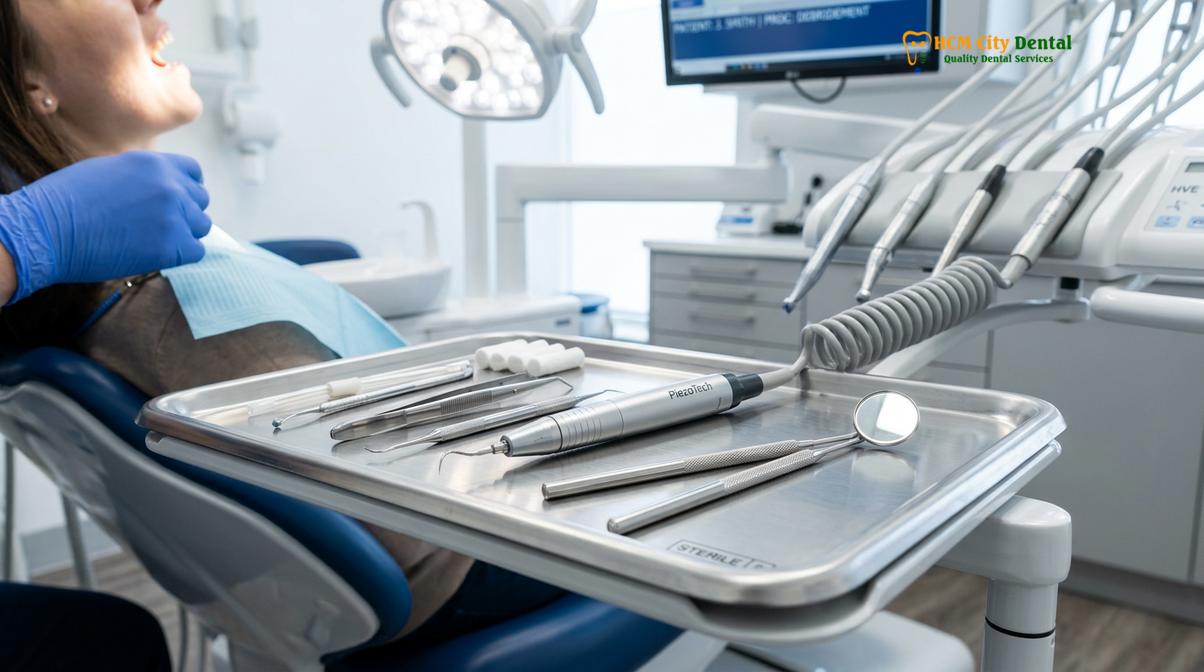
When patients defer routine maintenance due to cost, the clinical consequences can be severe. Plaque biofilm that is not mechanically disrupted calcifies into calculus (tartar) within 48 to 72 hours. Once calculus forms, it cannot be removed by domestic brushing or flossing; it requires professional instrumentation. If left untreated, supragingival calculus irritates the gingival margin, leading to localized inflammation known as gingivitis. Over time, this inflammatory response can migrate subgingivally, destroying the periodontal ligament and alveolar bone, culminating in irreversible periodontitis.
“Routine preventive care is the cornerstone of dental health, yet escalating out-of-pocket expenses frequently force patients to delay essential prophylaxis, inadvertently increasing their risk for irreversible periodontal attachment loss and complex restorative needs.”
This economic barrier to entry for basic preventive care has prompted a significant shift in patient behavior. Increasingly, individuals are looking beyond their local borders to secure high-quality, evidence-based dental maintenance without the prohibitive price tag, leading to the rapid expansion of cross-border healthcare solutions.
Price Comparison: Australian Cities vs Ho Chi Minh City
A direct comparison demonstrates that a standard scale, clean, and fluoride treatment in Ho Chi Minh City costs significantly less than the equivalent preventive service in major Australian metropolitan areas.
Understanding the exact financial disparity requires a detailed look at the teeth scale and polish price across different regions. In major Australian cities such as Sydney, Melbourne, and Brisbane, the cost of a comprehensive oral examination combined with a scale and clean is remarkably uniform, driven by similar macroeconomic pressures. Conversely, the dentist clean cost Saigon offers a stark contrast, reflecting the lower cost of living, reduced commercial overheads, and competitive healthcare pricing in Vietnam.
The following table outlines the estimated average costs for standard preventive and periodontal procedures, highlighting the financial advantages of seeking care internationally.
| Dental Procedure | Average Cost in Australia (AUD) | Average Cost in Vietnam (AUD) | Estimated Savings |
|---|---|---|---|
| Comprehensive Exam & Consultation | $60 – $100 | Free – $15 | Up to 100% |
| Standard Scale and Polish (Prophylaxis) | $150 – $250 | $15 – $30 | 80% – 90% |
| Deep Scaling / Root Planing (Per Quadrant) | $250 – $400 | $40 – $80 | 80% – 85% |
| Topical Fluoride Application | $35 – $50 | $10 – $20 | 60% – 70% |
| Panoramic X-Ray (OPG) | $80 – $150 | $15 – $25 | 80% – 85% |
It is crucial to understand that the lower fees in Vietnam do not correlate with a reduction in clinical quality. The materials utilized—such as professional-grade prophylaxis pastes, fluoride varnishes, and ultrasonic scaler tips—are often sourced from the exact same global manufacturers (e.g., Dentsply Sirona, EMS) used in Australian clinics. The price differential is purely a function of regional economic factors, not clinical compromise[2].
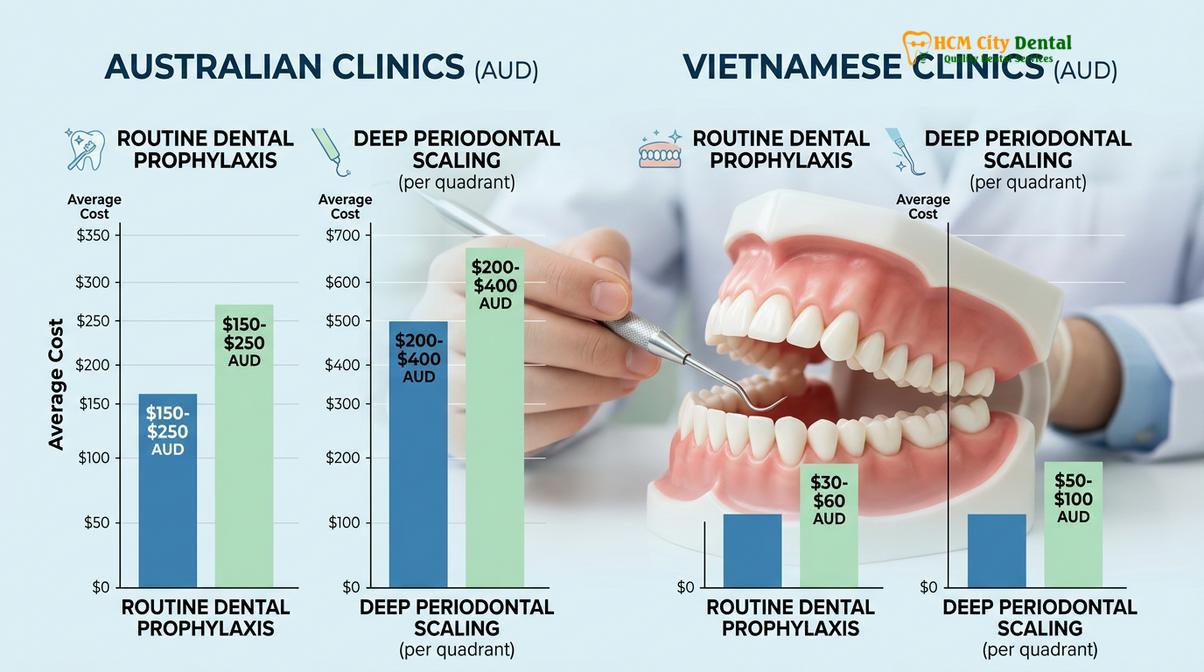
For a family of four requiring biannual checkups, the cumulative savings can easily offset the cost of international flights. This economic reality has transformed routine dental maintenance from a localized chore into a viable component of international travel, allowing patients to access comprehensive general dentistry services without financial strain.
Deep Cleaning Costs: Saving on Periodontal Scaling
For patients diagnosed with periodontitis, non-surgical periodontal therapy is highly affordable in Vietnam, allowing comprehensive treatment of subgingival calculus without prohibitive out-of-pocket expenses.
While a standard prophylaxis addresses supragingival plaque and calculus (above the gumline), patients presenting with active periodontal disease require a more intensive intervention known as scaling and root planing (SRP), commonly referred to as a “deep clean.” This procedure is fundamentally different from a routine polish; it is a meticulous, non-surgical therapeutic treatment aimed at halting the progression of periodontitis.
During a deep cleaning, the clinician must instrument below the gingival margin to access the periodontal pockets. The objective is twofold: first, to completely debride the root surface of tenacious subgingival calculus and bacterial endotoxins; second, to plane (smooth) the cementum, creating a biologically acceptable surface that encourages the reattachment of the gingival tissues. Because this process involves instrumenting inflamed and sensitive tissues, it is routinely performed under local anesthesia to ensure absolute patient comfort.
In Australia, the cost of SRP is typically billed per quadrant (a quarter of the mouth). If a patient requires full-mouth debridement, the total fee can easily exceed $1,000 to $1,500 AUD. This high cost often deters patients from completing the necessary therapy, leading to progressive bone loss and eventual tooth mobility. In contrast, preventive teeth scaling and deep root planing in Vietnam offer a financially viable pathway to disease management, often costing less than $300 AUD for the entire mouth.
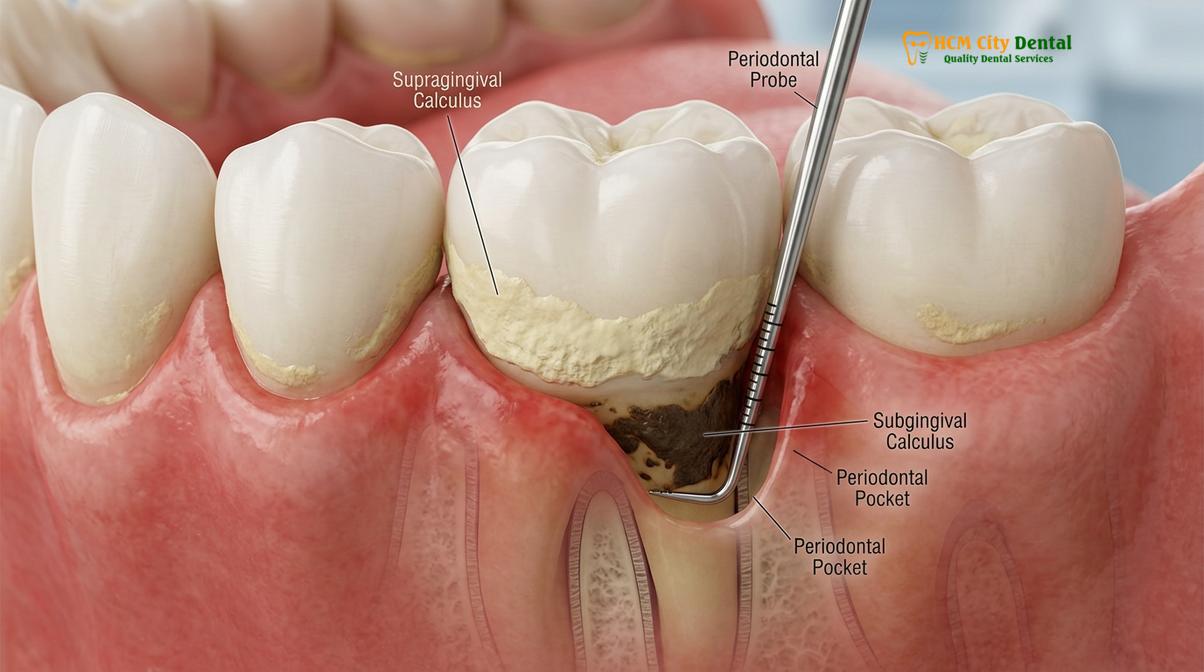
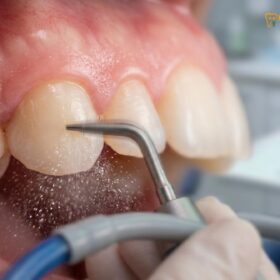
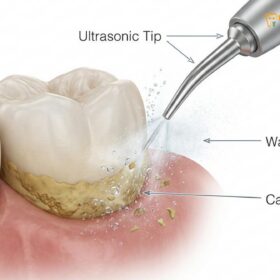
The clinical execution of SRP relies heavily on advanced ultrasonic technology. Modern piezoelectric and magnetostrictive scalers operate at high frequencies (typically 25,000 to 30,000 Hz). The rapid vibration of the scaler tip shatters the crystalline structure of the calculus, while the accompanying water coolant creates acoustic microstreaming and cavitation. This hydrodynamic effect is highly lethal to the anaerobic bacteria residing deep within the periodontal pocket, disrupting their cell walls and flushing the pathogens from the site[3].
Clinical Case Study: Periodontal Management
A 45-year-old patient presented with localized moderate periodontitis, exhibiting probing depths of 5-6mm and bleeding on probing (BOP) in the posterior sextants. Quoted over $1,200 AUD in Australia for four quadrants of scaling and root planing, the patient opted to visit HCMC Dental Clinic in Ho Chi Minh City. Under local anesthesia, the clinical team performed comprehensive full-mouth ultrasonic debridement and hand instrumentation using Gracey curettes. The total treatment cost was approximately $250 AUD. Following a strict oral hygiene regimen, the patient’s subsequent review showed a reduction in pocket depths to a healthy 2-3mm, successfully arresting the disease progression while saving nearly $1,000 AUD.
Following the ultrasonic phase, clinicians meticulously use specialized hand instruments, such as site-specific Gracey curettes, to ensure the root surfaces are perfectly smooth. This dual approach—combining the antimicrobial flushing of ultrasonics with the tactile precision of hand scaling—represents the gold standard in non-surgical periodontal therapy.
Dental Travel Packages for Australian Patients
Coordinating a dental holiday allows international patients to seamlessly integrate essential oral health maintenance with their travel itinerary, maximizing both clinical outcomes and financial savings.
The concept of dental tourism HCMC has evolved significantly over the past decade. It is no longer solely about complex full-mouth rehabilitations or implant surgeries; an increasing number of patients are traveling specifically for comprehensive preventive care and minor restorative work. By combining a holiday with a thorough gums wellness check, patients can optimize their time and resources.
Leading clinics cater specifically to the needs of international travelers. The patient journey typically begins before they even board a flight. Through secure digital communication, patients can discuss their dental history, forward existing radiographs, and receive a preliminary treatment outline. This transparent approach ensures that patients have a clear understanding of the expected clinical workflow and associated costs prior to their arrival.
Upon arriving at the clinic, the workflow is highly streamlined. A typical preventive appointment begins with a comprehensive diagnostic phase. This includes a visual examination of the hard and soft tissues, oral cancer screening, and, if necessary, updated digital radiographs (such as bitewings or a panoramic OPG) to detect interproximal caries or assess alveolar bone levels. Dr. Nguyen Van Cuong notes that this meticulous diagnostic phase is crucial; it ensures that no underlying pathology is missed during the routine cleaning process.
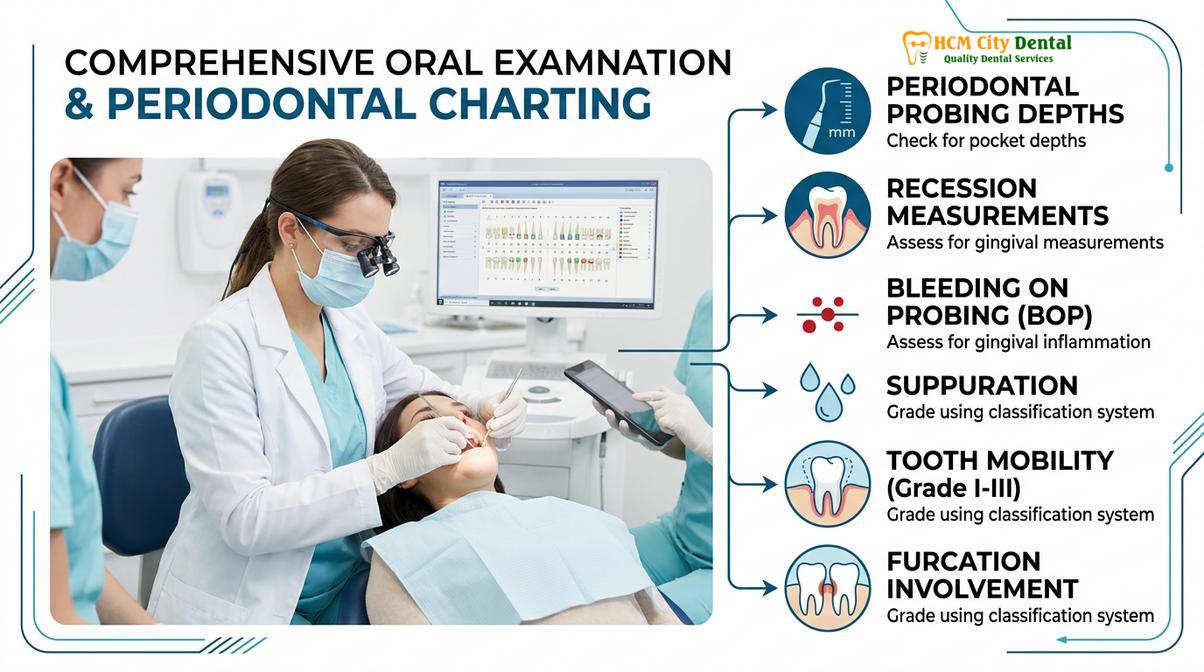
The logistical advantages of seeking care in Vietnam are substantial. Clinics often feature dedicated patient coordinators who assist with scheduling appointments around the patient’s travel itinerary, ensuring that treatments are completed efficiently without compromising clinical standards. For a routine scale and polish, the entire process can be completed in a single visit lasting less than an hour, leaving the patient free to enjoy the cultural and culinary experiences of the city.
Furthermore, the high volume of international patients has driven clinics to adopt exceptional standards of customer service. Multilingual staff, comfortable waiting areas, and transparent billing practices are standard, ensuring a stress-free experience that rivals or exceeds the administrative efficiency found in many Western dental practices[4].
Sourcing Safe and Standard Dental Care in Vietnam
Reputable clinics in Vietnam adhere to rigorous international infection control protocols, utilizing advanced sterilization technology and globally recognized dental materials to ensure patient safety.
When considering medical travel, the primary concern for any patient is the safety and efficacy of the clinical environment. The disparity in cost does not equate to a disparity in hygiene. Premier dental facilities in Vietnam operate under strict cross-infection control protocols that mirror the guidelines set forth by international bodies such as the World Health Organization (WHO) and the Centers for Disease Control and Prevention (CDC).
The sterilization workflow is the backbone of patient safety. After any procedure, all reusable instruments—including dental mirrors, probes, and scaler handpieces—undergo a rigorous reprocessing cycle. They are first scrubbed and placed in an ultrasonic bath containing enzymatic cleaners to remove any bioburden. Following this, the instruments are rinsed, dried, and sealed in individual sterilization pouches. The critical final step involves processing the pouches in a Class B vacuum autoclave. These advanced autoclaves use fractionated pre-vacuum technology to ensure that high-pressure steam penetrates every surface of the instruments, effectively destroying all microbial life, including highly resistant bacterial spores[5].
Important Clinical Consideration: While dental tourism offers significant financial advantages, patients must prioritize clinics that transparently demonstrate their sterilization protocols and employ internationally credentialed practitioners to mitigate the risk of cross-contamination.
In addition to instrument sterilization, environmental barrier techniques are universally employed. Clinical surfaces are disinfected with hospital-grade virucidal wipes between every patient, and single-use disposable items (such as suction tips, bibs, and gloves) are strictly utilized and discarded as clinical waste. This multi-layered approach to infection control guarantees a sterile operating field for every procedure, from a simple polish to complex oral surgery.
“The globalization of healthcare mandates that geographical location no longer dictates clinical quality; rigorous adherence to evidence-based sterilization and treatment protocols is the true measure of a premier dental facility.”
The qualifications of the clinical team are equally paramount. Many practitioners in top-tier Vietnamese clinics have undergone extensive postgraduate training, often attending international symposiums and maintaining memberships in global dental associations. This commitment to continuous professional development ensures that the clinical techniques employed—whether it be the angulation of a scaler tip or the application of a fluoride varnish—are based on the latest evidence-based dentistry.
When to See a Doctor for Periodontal Evaluation
While routine professional cleanings are recommended every six months for the average adult, certain clinical signs indicate the need for an immediate periodontal evaluation. Patients should not wait for their scheduled biannual visit if they experience persistent bleeding when brushing or flossing (bleeding on probing), as this is a primary indicator of active gingival inflammation.
Additionally, symptoms such as chronic halitosis (bad breath), visible gingival recession (teeth appearing longer), increased tooth mobility, or a change in the way the teeth fit together when biting require prompt diagnostic attention. These signs often suggest that localized gingivitis has progressed to periodontitis, necessitating a comprehensive clinical assessment and potentially deep scaling and root planing to stabilize the periodontal attachment apparatus. Early intervention is critical to preventing irreversible bone loss and subsequent tooth extraction.
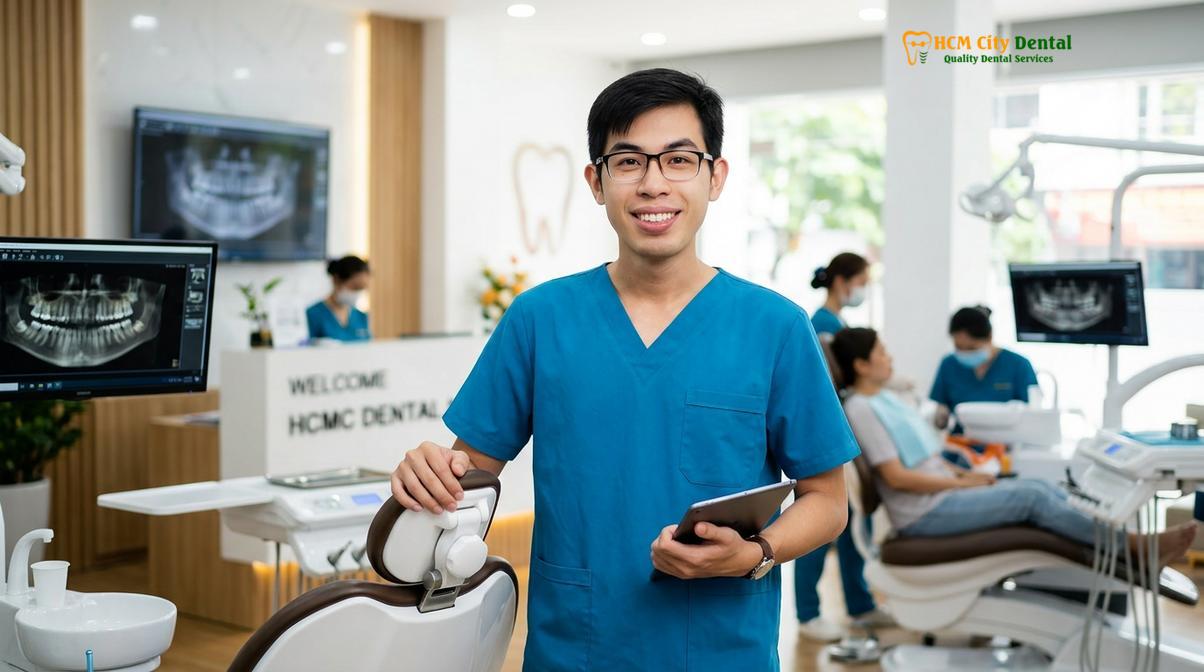
For patients seeking to maintain optimal oral health while managing costs, scheduling a consultation at HCMC Dental Clinic provides access to world-class preventive care. Under the guidance of experienced clinicians like Dr. Cuong, patients receive thorough diagnostics and meticulous prophylaxis tailored to their specific periodontal needs.
Frequently Asked Questions
Can Australian dental funds reimburse cleaning in Saigon?
Most Australian private health insurance funds do not cover routine dental treatments performed overseas. However, the out-of-pocket expense for a professional clean in Vietnam is typically lower than the gap payment required in Australia, making it highly cost-effective even without insurance rebates. Patients are advised to check their specific policy details, but the direct savings usually negate the need for complex international claims.
Is scaling and polishing in Vietnam identical to Australian standards?
Yes, reputable clinics in Vietnam utilize the exact same clinical protocols, including ultrasonic scalers, professional prophylaxis pastes, and strict cross-infection controls. The clinical objective of removing supragingival calculus and disrupting bacterial biofilm remains identical to international standards. The equipment and materials are often sourced from the same global dental manufacturers used worldwide.
How long does a dentist checkup and cleaning take?
A comprehensive checkup and routine cleaning typically requires 30 to 45 minutes. This duration allows the clinician to perform a thorough periodontal assessment, complete the ultrasonic scaling, polish the enamel surfaces, and provide individualized oral hygiene instructions. If deep scaling is required for periodontal disease, the appointment may be extended or split into multiple sessions.
Does deep periodontal scaling require local anesthesia?
Deep scaling and root planing (SRP) usually requires local anesthesia to ensure patient comfort. Because the clinician must instrument below the gum line to remove subgingival calculus and smooth the root surfaces, numbing the area is standard clinical practice. This allows for a thorough debridement without causing distress to the inflamed gingival tissues.
How soon after a professional clean can I eat or drink?
Patients can generally eat and drink immediately after a routine scale and polish, unless a topical fluoride varnish was applied. If fluoride is used, clinicians typically advise waiting at least 30 minutes before consuming food or beverages to maximize enamel uptake. It is also recommended to avoid highly staining foods (like coffee or red wine) for a few hours to maintain the freshly polished enamel surface.
References
- Australian Dental Association. General Dental Practice Fee Survey and Economic Trends. (2022).
- Journal of Clinical Periodontology. The efficacy of ultrasonic versus manual scaling in periodontal therapy. (2021).
- International Dental Journal. Global trends in dental tourism and cross-border healthcare economics. (2020).
- Journal of Periodontal Research. Biofilm disruption and calculus removal: clinical outcomes of non-surgical therapy. (2019).
- World Health Organization. Infection prevention and control in dental healthcare settings. (2021).
For professional dental cleaning pricing, GBT prophylaxis, or to book an appointment, visit our Dental Cleaning & Preventive Care service page at HCMC Dental Clinic in Ho Chi Minh City.