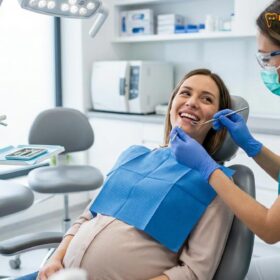
For most expatriates living in Vietnam, professional dental cleanings are recommended every six months. However, due to dietary shifts, local water composition, and climate-induced hydration changes, many expats benefit from a customized schedule of every three to four months to prevent accelerated plaque buildup.
Clinical Summary:
Determining the optimal frequency for dental cleanings requires evaluating individual biological responses to a new environment. While the standard baseline remains twice a year, expatriates in Southeast Asia frequently encounter unique variables—such as increased consumption of acidic tropical fruits, hidden sugars in local beverages, and climate-related dehydration—that can alter the oral microbiome. A proactive approach to preventive care is essential. By adjusting the cleaning interval based on clinical assessments of plaque accumulation and gingival health, patients can effectively mitigate the risks of periodontal disease and maintain long-term oral stability while living abroad.
Key Takeaways:
- The universal baseline for professional dental cleanings is every six months, designed to disrupt calculus formation.
- Tropical diets rich in hidden sugars and acidic fruits can accelerate enamel demineralization and plaque growth.
- Chronic dehydration in hot climates reduces salivary flow, diminishing the mouth’s natural buffering capacity.
- Patients with a history of gum disease or rapid tartar buildup should transition to a 3-to-4-month maintenance schedule.
- Combining professional scaling with optimized at-home hygiene is critical for long-term dental health in Vietnam.
The Standard Rule: Why 6-Month Cleanings are Recommended
The universal six-month cleaning interval is based on the average biological timeline required for soft plaque to calcify into porous tartar, which cannot be removed by standard at-home brushing.
The foundation of preventive dentistry worldwide is built upon the concept of regular, professional intervention to disrupt the pathogenesis of dental diseases. For decades, the standard recommendation has been to undergo a professional dental cleaning and comprehensive examination every six months. This interval is not arbitrary; it is deeply rooted in the biological lifecycle of oral bacteria and the biochemical process of calculus (tartar) formation. When a patient adheres to a schedule of routine dental cleanings, they are actively preventing the progression of gingivitis into more severe periodontal conditions.
The oral cavity is a complex ecosystem hosting hundreds of bacterial species. Within minutes after brushing, a glycoprotein pellicle forms over the enamel surface, providing a substrate for primary bacterial colonizers. If not mechanically removed through effective daily brushing and flossing, these bacteria multiply, creating a sticky biofilm known as plaque. Over a period of 48 to 72 hours, minerals from saliva—primarily calcium and phosphate—begin to precipitate into this biofilm, initiating the calcification process. Once plaque hardens into calculus, it becomes highly porous, acting as a permanent reservoir for pathogenic bacteria that continuously irritate the gingival tissues[1].
“The six-month recall interval is a highly effective population-level strategy. It allows clinicians to intercept early signs of demineralization and gingival inflammation before they require invasive restorative or surgical interventions.”
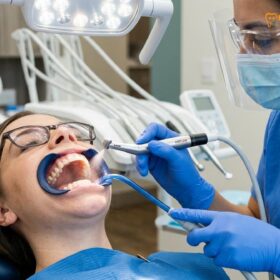
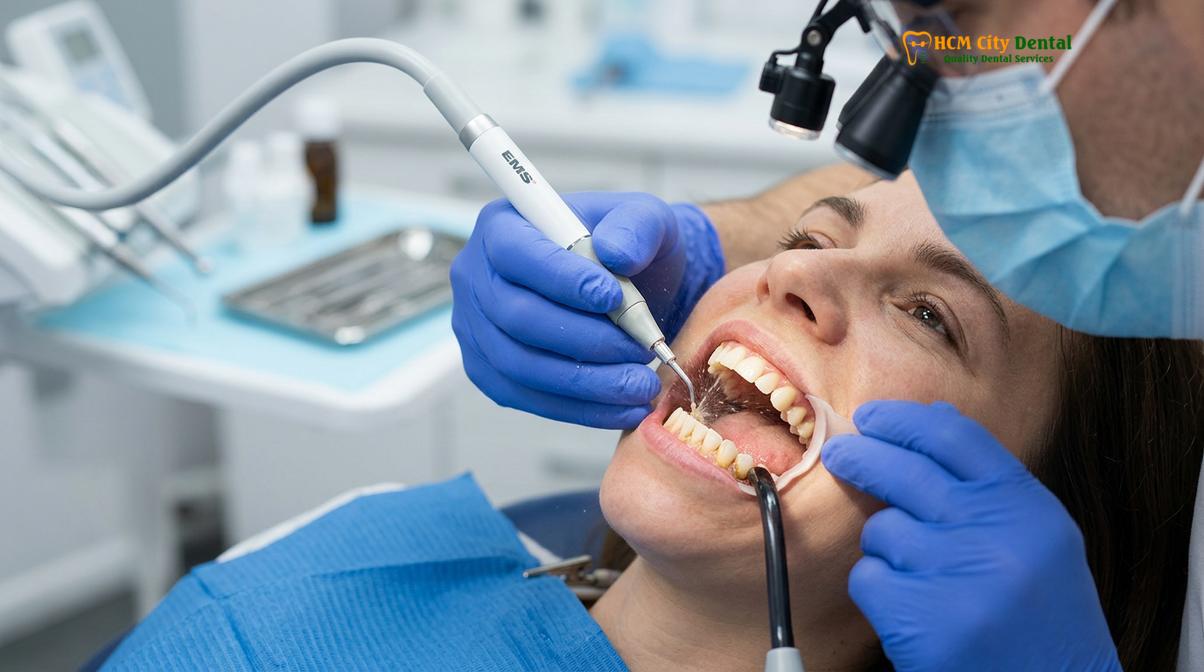
For the average healthy adult, it takes approximately six months for this calculus accumulation to reach a critical mass that begins to cause clinically significant gingival inflammation. Therefore, routine bi-annual dental scaling is designed to physically remove these hardened deposits before they trigger a destructive immune response. During a professional cleaning, a dental hygienist or dentist utilizes specialized instruments, such as ultrasonic scalers. These devices use high-frequency vibrations combined with a cooling water spray to effectively shatter the calculus and disrupt the bacterial cell walls, thoroughly debriding the tooth surface and subgingival pockets.
Expat Lifestyle Factors: Tropical Diet, Sugar, and Alcohol
Transitioning to a tropical lifestyle often introduces higher consumption of acidic fruits, hidden sugars in street food, and increased alcohol intake, all of which rapidly alter the oral microbiome.
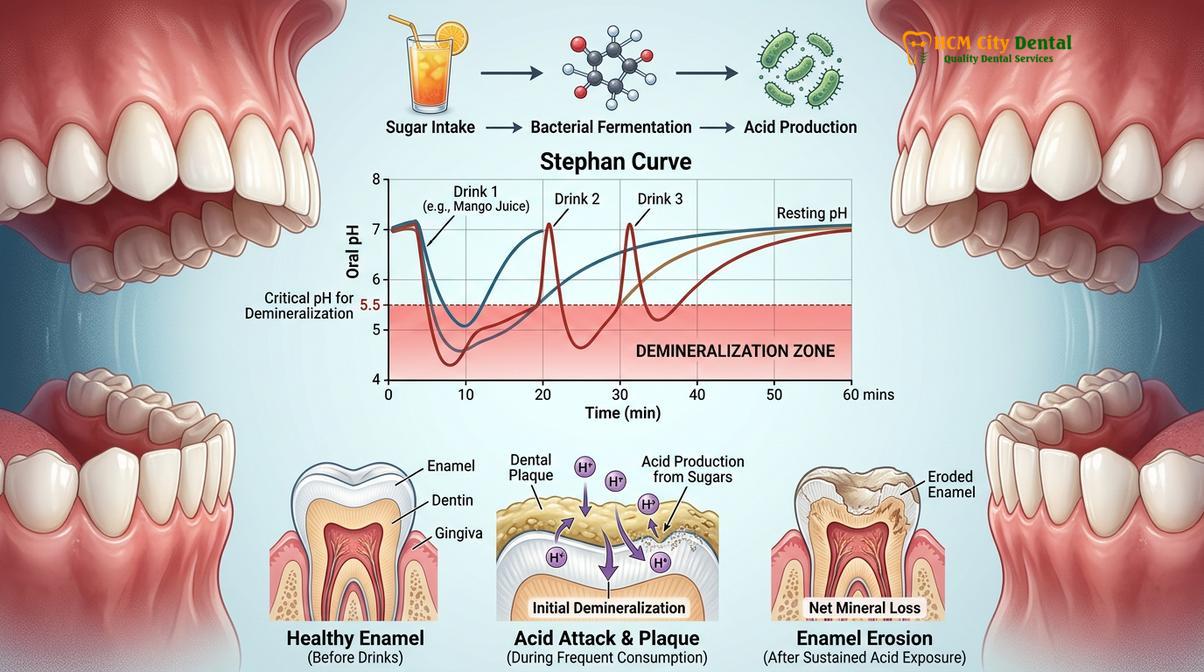
Relocating to Southeast Asia offers an exciting culinary adventure, but it also introduces profound changes to an individual’s daily dietary intake. For many expatriates, the shift in diet is one of the most significant factors influencing their oral health. The local cuisine, while fresh and vibrant, often contains hidden elements that can dramatically accelerate the rate of dental decay and periodontal inflammation. Understanding these dietary nuances is essential for adapting oral hygiene habits to protect your smile.
One of the primary culprits is the frequent consumption of hidden sugars. Traditional Vietnamese beverages, such as the beloved iced milk coffee, are heavily sweetened with condensed milk. Furthermore, many savory street foods and marinades utilize sugar to balance flavor profiles. When sucrose is introduced into the oral cavity, cariogenic bacteria rapidly metabolize it, producing lactic acid as a byproduct. This acid causes an immediate drop in the pH of the mouth. When the pH falls below the critical threshold, the enamel begins to demineralize, losing essential calcium and phosphate ions[2].
In addition to hidden sugars, the abundance of fresh tropical fruits presents a double-edged sword. While highly nutritious, these fruits are naturally acidic and contain high levels of fructose. Frequent snacking on these fruits keeps the oral environment in a prolonged state of acidity. Over time, this chronic acid exposure softens the enamel, making it more susceptible to mechanical wear from brushing and increasing overall tooth sensitivity.
Furthermore, the expatriate lifestyle often involves an active social scene, leading to an increased intake of alcohol. Alcohol acts as a systemic diuretic and a local astringent, significantly reducing salivary flow and causing dry mouth. Saliva is the mouth’s primary defense mechanism; it washes away food debris, buffers bacterial acids, and provides the minerals necessary for enamel remineralization. When salivary flow is compromised, the protective benefits are lost, allowing plaque to accumulate rapidly.
The Impact of Local Water Quality and Hydration on Saliva
The mineral composition of local tap water and chronic dehydration from the tropical heat can reduce salivary flow, accelerating the calcification of plaque into stubborn calculus.
Beyond diet, the physical environment and climate of Vietnam play a critical, often overlooked role in oral health. The tropical climate, characterized by high temperatures and intense humidity, induces a constant state of fluid loss through perspiration. Many expatriates, especially those newly arrived, underestimate the amount of water required to maintain adequate systemic hydration in this environment. Chronic, low-grade dehydration directly impacts the function of the salivary glands, leading to a reduction in both the volume and the quality of saliva produced.
Saliva is a complex biological fluid composed of water, electrolytes, mucus, antibacterial compounds, and various enzymes. It is essential for maintaining the ecological balance of the oral cavity. When a person is dehydrated, the saliva becomes highly viscous and its flow rate drops significantly. This reduction in salivary clearance means that dietary sugars and bacterial acids linger on the teeth for much longer periods. Moreover, the lack of sufficient saliva diminishes its buffering capacity, allowing the oral pH to remain dangerously low, which accelerates the precipitation of calcium phosphate into the plaque matrix[3].
Clinical Observation: A 35-year-old expat patient presented to HCMC Dental Clinic in Ho Chi Minh City with complaints of heavy calculus accumulation despite brushing twice daily. Clinical review revealed chronic dehydration due to outdoor athletic activities and exclusive consumption of non-fluoridated bottled water. The reduced salivary flow significantly accelerated their calculus formation, necessitating a shift to a 4-month cleaning interval.
Another crucial factor is the source of drinking water. In Vietnam, it is universally recommended to avoid drinking directly from the tap. Consequently, expats rely almost exclusively on bottled or heavily filtered water. While this is necessary for gastrointestinal safety, it has unintended consequences for dental health. Most commercially available bottled waters lack systemic fluoride, a mineral critical for strengthening enamel and making it more resistant to acid attacks. The absence of fluoridated drinking water removes a passive layer of daily dental protection that many expats from Western countries take for granted.
When Should You Increase Cleanings to Every 3 to 4 Months?
Patients with a history of periodontal disease, heavy smokers, orthodontic patients, or those exhibiting a high plaque accumulation rate should transition to a three-to-four-month maintenance schedule.
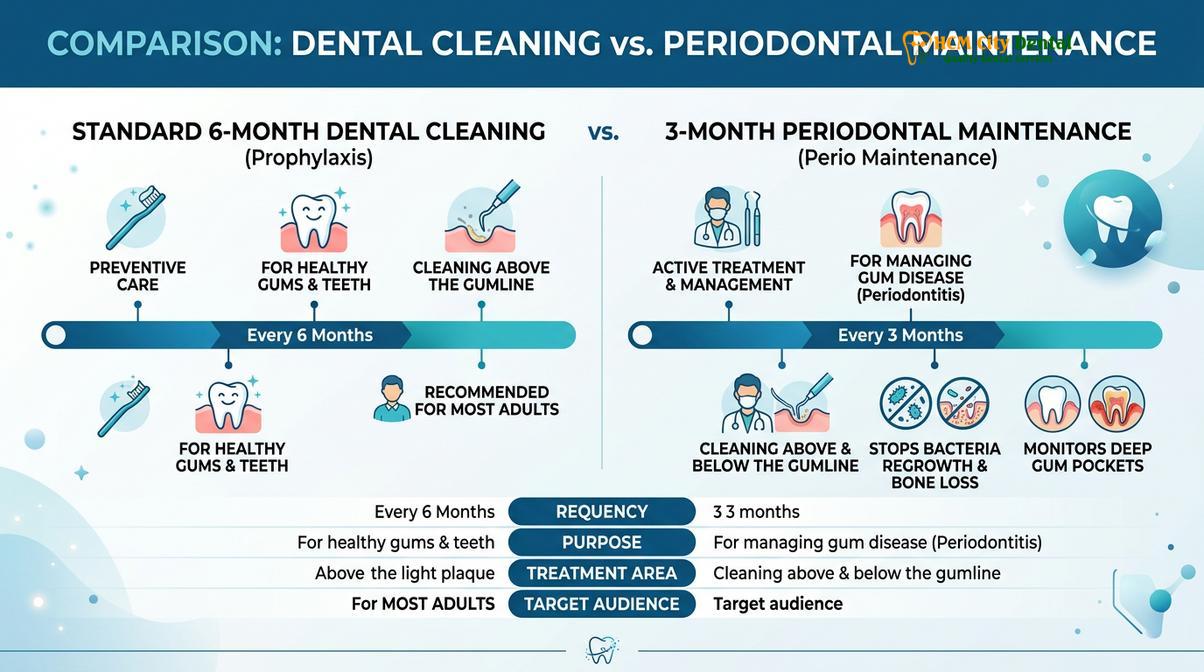
While bi-annual dental scaling is sufficient for the general population, a significant subset of patients requires a more aggressive, accelerated approach to preventive care. Transitioning from a six-month recall to a three-to-four-month periodontal maintenance schedule is a clinical decision based on specific risk factors and diagnostic findings. This accelerated timeline is a targeted medical strategy designed to disrupt bacterial repopulation before it can cause irreversible tissue damage.
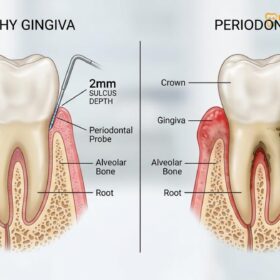
The primary indication for a three-month cleaning schedule is a history of periodontal disease. Periodontitis is a chronic inflammatory condition that destroys the alveolar bone and connective tissues supporting the teeth. Even after successful initial treatment, deep periodontal pockets often remain. Clinical studies demonstrate that the highly pathogenic anaerobic bacteria responsible for periodontitis take approximately 90 to 120 days to fully repopulate these pockets and reach destructive levels[4]. Therefore, cleaning the teeth every three months physically disrupts this bacterial colony just before it can trigger further bone loss.
| Clinical Profile | Recommended Interval | Primary Clinical Rationale |
|---|---|---|
| Healthy gingiva, low caries risk, excellent home care | Every 6 Months | Standard disruption of normal calculus formation; routine monitoring. |
| Orthodontic patients (braces/aligners) | Every 3-4 Months | High risk of plaque retention around brackets; prevention of decalcification. |
| History of Periodontitis / Deep Pockets | Every 3 Months | Disruption of pathogenic anaerobic bacteria before they trigger bone loss. |
| Heavy smokers / Systemic conditions (Diabetes) | Every 3-4 Months | Compromised immune response; higher susceptibility to rapid tissue breakdown. |
Beyond periodontal history, several other factors dictate a higher frequency of cleanings. Individuals who smoke or use tobacco products experience reduced blood flow to the gingival tissues, masking the early warning signs of bleeding and accelerating bone loss. Orthodontic patients face immense challenges in maintaining adequate hygiene, leading to a drastically increased plaque accumulation rate. Additionally, patients with systemic conditions like diabetes, which impairs the immune response and wound healing, are highly susceptible to rapid periodontal breakdown and require close monitoring.
Establishing a Preventive Dental Routine in Saigon
Adapting your daily oral hygiene habits to the realities of living in a bustling tropical metropolis is essential for minimizing the need for invasive dental treatments.
Living in Saigon presents a unique set of environmental and lifestyle variables that require a proactive approach to daily dental care. To counteract the effects of a high-sugar diet and non-fluoridated water, expats must elevate their at-home hygiene routines. Brushing twice a day with a fluoridated toothpaste is non-negotiable, as it provides the topical fluoride necessary to remineralize enamel that has been softened by acidic foods. Incorporating an antimicrobial mouthwash can also help reduce the overall bacterial load in the oral cavity.
Important Note: Do not brush your teeth immediately after consuming highly acidic tropical fruits or sugary beverages. The acid temporarily softens the enamel, and immediate brushing can cause mechanical abrasion. Wait at least 30 minutes to allow your saliva to neutralize the pH before brushing.
Flossing daily is equally critical, as a toothbrush cannot reach the interproximal spaces where plaque frequently stagnates and calcifies. For expats who find traditional flossing challenging, water flossers are an excellent adjunct, particularly for those with orthodontic appliances or dental implants. Furthermore, consciously increasing daily water intake—specifically choosing mineral-rich bottled water when possible—will support healthy salivary flow and naturally wash away food debris throughout the day.
When to See a Dentist: Important Clinical Signs
Recognizing the early warning signs of oral disease allows expats to seek timely professional intervention before minor issues escalate into complex dental emergencies.
Even if you are strictly adhering to a six-month cleaning schedule, certain clinical symptoms warrant an immediate visit to the dentist. The transition to a new environment can sometimes trigger rapid changes in oral health that outpace your scheduled appointments. Being vigilant about these signs is a crucial aspect of proactive healthcare.
“Recognizing the early signs of gingival inflammation allows for conservative interventions, preventing the need for extensive periodontal therapy down the line.”
You should schedule an evaluation if you notice persistent bleeding when brushing or flossing. Healthy gums do not bleed. Bleeding is the primary indicator of gingivitis, signaling that bacterial plaque has accumulated along the gumline and is provoking an inflammatory response. Additionally, chronic bad breath (halitosis) that does not improve with oral hygiene can indicate hidden periodontal pockets or active decay. Sudden tooth sensitivity to hot, cold, or sweet stimuli is another red flag, often pointing to enamel erosion from acidic tropical diets or the early stages of a cavity. Seeking prompt care for these symptoms aligns with the recommendations from the Vietnam Odonto-Stomatology Association (VOSA) regarding preventive periodontal care[5].
Dr. Nguyen Van Cuong, a leading specialist at HCMC Dental Clinic, emphasizes that preventive care is the cornerstone of long-term oral health for expatriates. He frequently advises patients to monitor their unique biological responses to the local environment and adjust their hygiene routines accordingly. By partnering with an experienced clinician, expats can effectively navigate these transitions and maintain optimal dental wellness.
Conclusion: Protecting Your Smile in Vietnam
Maintaining excellent oral health as an expat in Vietnam requires a blend of diligent home care and adaptable professional oversight. While the standard six-month cleaning interval serves as a solid foundation, the realities of a tropical diet, climate-induced dehydration, and reliance on non-fluoridated bottled water often necessitate a more frequent recall schedule. By understanding how these local factors influence plaque accumulation and enamel health, you can make informed decisions about your preventive care.
If you are due for a check-up or experiencing rapid tartar buildup, scheduling a professional Dental Cleaning tại HCMC Dental Clinic is the best proactive step you can take. Comprehensive general dentistry services ensure that your smile remains healthy and resilient. Contact HCMC Dental Clinic in Ho Chi Minh City today to establish a personalized preventive care plan tailored to your expat lifestyle.
References
- Journal of Clinical Periodontology. The pathogenesis of dental plaque and calculus formation.
- International Dental Journal. Dietary impacts on the oral microbiome in transitioning populations.
- Journal of the American Dental Association. Salivary flow rates and their impact on oral health.
- Periodontology 2000. Rationale for periodontal maintenance therapy and recall intervals.
- Vietnam Odonto-Stomatology Association (VOSA). National guidelines on preventive periodontal care and scaling frequency.