Comparing dentures cost Vietnam vs USA reveals a significant financial advantage for international patients, with savings often exceeding 60% on premium prosthetics. This cost differential is driven by lower operational overhead in Southeast Asia, allowing patients to access identical high-grade materials and expert clinical care at a fraction of American prices.
Clinical Summary:
Patients evaluating removable prosthetics frequently discover that traveling to Southeast Asia offers substantial economic benefits without compromising clinical quality. Advanced fabrication techniques, including Swiss BPS and flexible thermoplastics, are utilized globally. The primary price variance stems from clinical overhead, laboratory labor rates, and administrative costs rather than material discrepancies. Comprehensive treatment planning ensures functional and aesthetic rehabilitation while maintaining strict adherence to international prosthodontic standards.
Key Takeaways:
- Premium removable prosthetics in Vietnam cost significantly less than in North America due to reduced clinical and laboratory overhead.
- Materials utilized, such as Swiss BPS acrylics and flexible thermoplastics, are identical to those used in top-tier international clinics.
- Comprehensive treatment packages often offset the cost of international travel and accommodation for patients requiring full-mouth rehabilitation.
- Patients can frequently submit itemized international dental receipts for out-of-network insurance reimbursement.
- Thorough clinical diagnostics and digital impressions ensure precise fit, retention, and long-term masticatory function.
Why US Dental Overhead Explodes Removable Prosthetics Pricing
The high cost of removable prosthetics in the United States is primarily driven by exorbitant clinic overhead, expensive domestic laboratory fees, and complex administrative insurance burdens.
To understand the vast discrepancy in international dental fees, one must examine the underlying economic structures of healthcare delivery. The USA dental pricing model is heavily influenced by factors entirely unrelated to the physical materials placed in a patient’s mouth. In North America, a dental practice must account for soaring commercial real estate leases, high malpractice insurance premiums, and the substantial salaries required for clinical and administrative staff. These fixed operational costs are inevitably factored into the final fee presented to the patient.
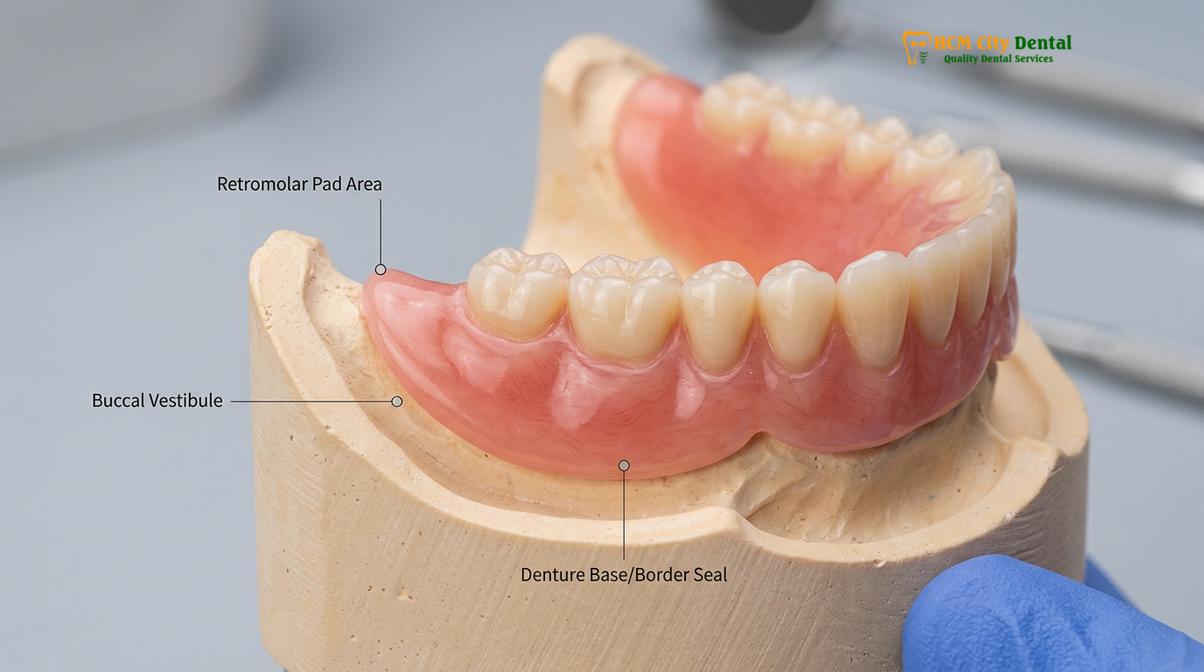
Furthermore, the fabrication of custom removable prosthetics is a highly labor-intensive process. It requires the expertise of skilled dental technicians who meticulously set prosthetic teeth in wax, process the acrylic resin, and polish the final appliance. In the United States, domestic dental laboratories charge premium rates for this specialized labor. When a dentist quotes the average denture cost US, a significant portion of that fee is simply the laboratory bill passed on to the consumer. In contrast, Southeast Asia boasts a robust infrastructure of highly trained dental technicians operating within a much lower cost-of-living economy, allowing for the same meticulous craftsmanship at a significantly reduced price point.
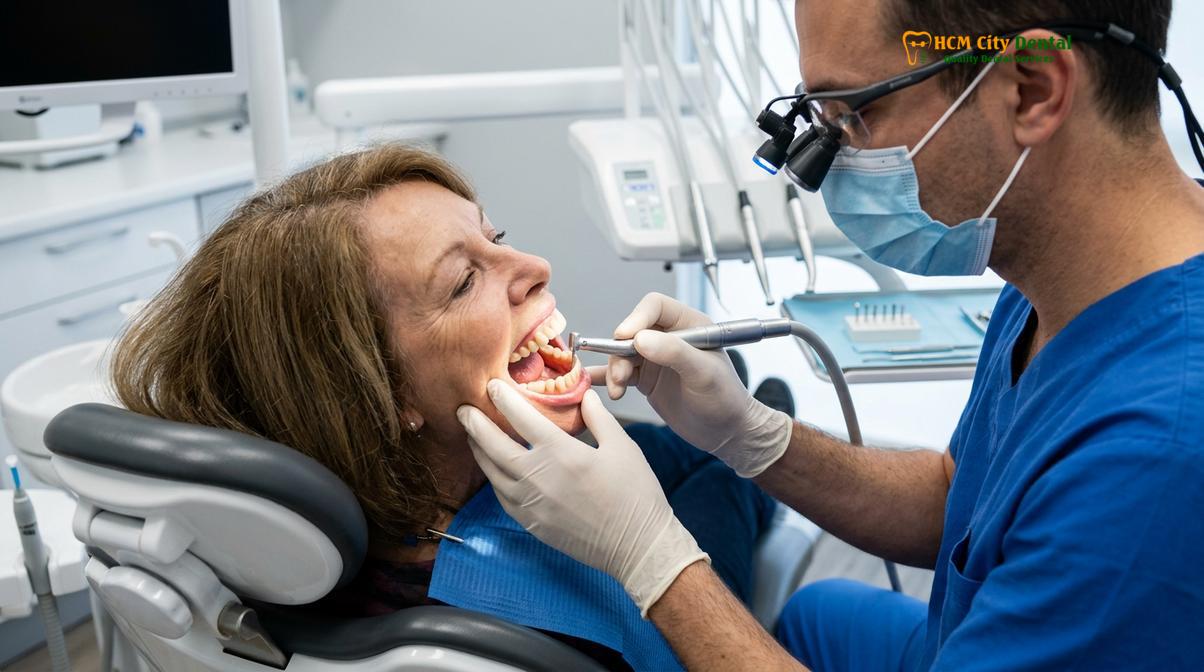
Dr. Nguyen Van Cuong, a leading prosthodontic specialist, frequently addresses this economic disparity during initial patient consultations. He notes that the globalization of dental supply chains has leveled the playing field regarding material access, making the cost difference almost entirely a matter of geography and local economics.
“The clinical protocols for achieving a stable, retentive prosthesis are universal. We utilize the same impression materials, the same articulators, and the same imported acrylics as top clinics in New York or Los Angeles. The financial advantage our international patients experience is a direct reflection of our streamlined operational overhead, not a reduction in clinical excellence or material integrity.” — Dr. Nguyen Van Cuong
Another critical factor inflating costs in the US is the administrative burden of the dental insurance system. Clinics must employ dedicated billing specialists to navigate complex coding, pre-authorizations, and claim denials. This administrative bloat adds a hidden layer of expense to every procedure. In Vietnam, the model is predominantly fee-for-service, which eliminates this bureaucratic friction and allows clinics to offer transparent, straightforward pricing. This efficiency is a cornerstone of comprehensive general dentistry in the region, ensuring that resources are directed toward patient care rather than administrative overhead [1].
Comparison Table: US Cities (LA, NY, Houston) vs. Ho Chi Minh City
Patients traveling to Ho Chi Minh City can expect to pay a fraction of the fees quoted in major American metropolitan areas for identical prosthetic treatments.
When evaluating the financial viability of dental tourism, a direct side-by-side comparison of specific treatments provides the clearest perspective. The following table illustrates the stark contrast in pricing for various removable and implant-assisted prosthetics across major US markets compared to the premier facilities in Vietnam.
| Prosthetic Treatment Type | Los Angeles, CA (Est.) | New York, NY (Est.) | Houston, TX (Est.) | Ho Chi Minh City (Est.) |
|---|---|---|---|---|
| Conventional Full Acrylic Denture (Per Arch) | $1,800 – $3,200 | $2,000 – $3,500 | $1,500 – $2,800 | $300 – $600 |
| Premium BPS Biofunctional Denture (Per Arch) | $3,500 – $5,000 | $4,000 – $6,000 | $3,000 – $4,500 | $800 – $1,200 |
| Flexible Partial (Valplast/Thermoplastic) | $1,500 – $2,500 | $1,800 – $2,800 | $1,200 – $2,200 | $350 – $550 |
| Cast Metal Framework Partial Denture | $2,000 – $3,500 | $2,200 – $3,800 | $1,800 – $3,000 | $400 – $700 |
| 2-Implant Locator Overdenture (Lower Arch) | $6,000 – $9,000 | $7,000 – $11,000 | $5,500 – $8,500 | $2,500 – $3,800 |
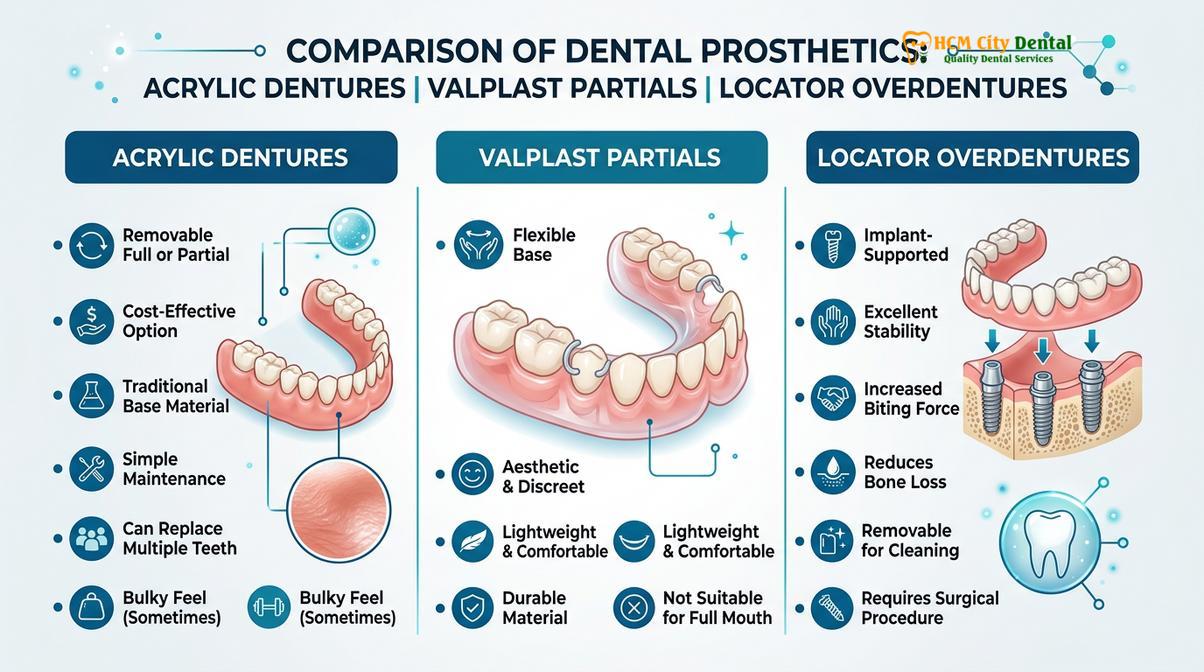
The data clearly demonstrates that the financial benefits extend across all tiers of prosthetic care. For patients requiring extensive rehabilitation, the implant overdenture savings alone can amount to tens of thousands of dollars. An implant-supported overdenture utilizes titanium fixtures surgically placed into the jawbone, which then connect to the removable prosthesis via specialized attachments (such as Locator abutments). This configuration provides unparalleled stability, preventing the appliance from lifting or shifting during mastication and speech [2].
At HCMC Dental Clinic, the workflow for these advanced prosthetics involves state-of-the-art 3D Cone Beam Computed Tomography (CBCT) imaging to assess bone volume and density prior to implant placement. This ensures that the surgical phase is meticulously planned, minimizing risks and optimizing the biomechanical support for the final prosthesis. The ability to access this level of sophisticated diagnostic technology at a lower price point is a primary driver for international patients seeking full and partial arch replacements in Ho Chi Minh City.
Quality of Materials: Identical Swiss BPS & USA Valplast in HCMC
Reputable clinics in Vietnam utilize the exact same imported, FDA-approved materials—such as Swiss BPS acrylics and flexible thermoplastics—as their American counterparts.
A common misconception regarding international dentistry is that lower costs equate to inferior materials. In the realm of modern prosthodontics, this is demonstrably false. The dental supply market is highly globalized. Clinics in Southeast Asia import their clinical and laboratory materials from the same multinational corporations that supply North American and European practices. Consequently, the physical composition of the prosthesis delivered in Vietnam is identical to one fabricated in the United States.
Consider the Biofunctional Prosthetic System (BPS), developed by Ivoclar Vivadent in Liechtenstein (Switzerland). BPS is widely regarded as the gold standard for conventional removable prosthetics. The system utilizes a proprietary continuous injection molding process during the polymerization of the PMMA (polymethyl methacrylate) resin. Conventional heat-cured acrylics are prone to volumetric shrinkage during processing, which can lead to microscopic inaccuracies in the fit of the denture base against the mucosal tissues. The BPS injection system compensates for this shrinkage by continuously feeding resin into the flask under pressure as it cures, resulting in an exceptionally precise tissue adaptation and superior retention [3].
When analyzing the BPS cost Vietnam, patients find that they can afford this premium, highly accurate system for less than the price of a basic, conventionally packed acrylic denture in the US. The clinical workflow for BPS requires specialized training, including the use of the Stratos articulator and specific facebow transfer techniques to capture the patient’s exact jaw relationship and functional movements. Clinicians in top-tier Vietnamese practices are rigorously trained in these exact protocols.
Clinical Case Review: Premium Thermoplastic Rehabilitation
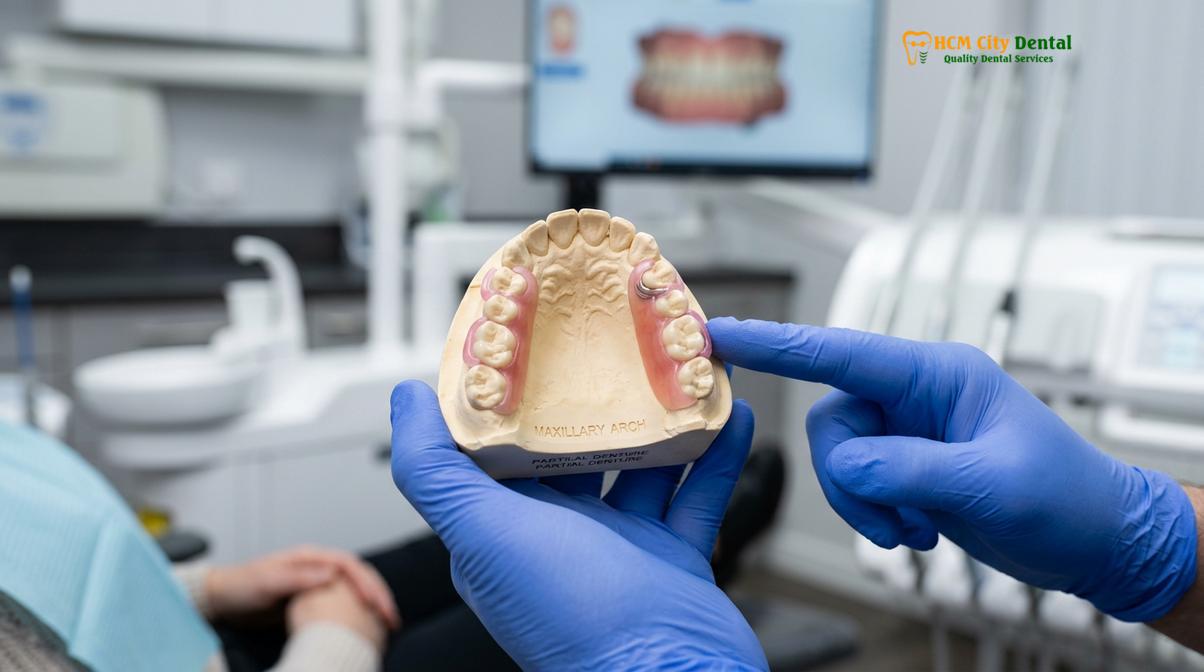
A 58-year-old patient presented to HCMC Dental Clinic with multiple missing posterior teeth in the mandibular arch, seeking a non-surgical replacement option. The patient had previously received a quote in the US that was financially prohibitive. After a comprehensive clinical evaluation, a flexible thermoplastic partial was recommended. The prosthesis was fabricated using imported, biocompatible nylon resin, providing excellent tissue adaptation and eliminating the need for visible metal clasps. The patient reported immediate comfort and restored masticatory function, achieving a highly aesthetic result at a fraction of the anticipated domestic cost.
Similarly, for patients requiring partial tooth replacement, flexible thermoplastics (often referred to by brand names like Valplast) offer a highly aesthetic and comfortable alternative to traditional cast metal frameworks. These materials are tissue-borne and utilize the natural undercuts of the remaining teeth for retention, eliminating the need for visible metal clasps. The premium Valplast price in North America can be prohibitive for many, but the identical material, processed with the same thermal injection techniques, is readily accessible in Vietnam. The flexibility of the nylon-based resin distributes masticatory forces evenly, reducing stress on the abutment teeth and providing a highly comfortable fit for the patient [4].
Total Cost Calculator: Travel, Guesthouses, and Treatment Packages
When factoring in flights, accommodation, and treatment fees, the total expenditure for comprehensive dental rehabilitation in Vietnam remains substantially lower than domestic US care.
To accurately assess the financial viability of traveling for dental care, patients must calculate the total landed cost, which includes not only the clinical fees but also the logistical expenses of international travel. Fortunately, the economics heavily favor the patient, particularly when multiple procedures or complex prosthetic rehabilitations are required.
A typical cost calculation for a patient traveling from the United States to Ho Chi Minh City involves several components. Round-trip airfare from major US hubs (such as LAX or JFK) to Tan Son Nhat International Airport (SGN) generally ranges depending on the season and booking window. Accommodation in Vietnam is exceptionally affordable; patients can secure comfortable, modern boutique hotels or serviced apartments in central districts for a modest nightly rate. Even when factoring in daily living expenses, local transportation, and dining, the overhead of the trip is minimal compared to the clinical savings.
For a patient requiring a complete set of premium BPS dentures, the clinical workflow typically requires a stay of 7 to 10 days. This timeframe allows for the meticulous step-by-step process necessary for high-end prosthetics: primary impressions, custom tray fabrication, secondary border-molded impressions, bite registration, wax try-in, and final delivery with occlusal equilibration. During the intervals between clinical appointments, patients have the opportunity to rest or explore the cultural offerings of the city.
Important Logistical Consideration: While the fabrication of conventional removable prosthetics can be completed in a single 7-10 day trip, patients opting for implant-supported overdentures must account for a two-phase treatment plan. The initial surgical phase involves the placement of the titanium implants, followed by a mandatory osseointegration healing period of 3 to 6 months. The final prosthetic attachment and delivery occur during a subsequent visit. Patients must factor the cost of two separate trips into their total budget analysis.
Many premier clinics assist international patients by offering comprehensive treatment packages or coordinating with local hospitality providers to ensure a seamless experience. This concierge approach to routine oral health maintenance and complex rehabilitation alleviates the stress of navigating a foreign healthcare system, allowing the patient to focus entirely on their clinical recovery and prosthetic adaptation.
Expat Insights: Insurance Reimbursement for US Citizens
Many American patients successfully claim partial reimbursement for international dental work by submitting detailed, translated clinical records to their out-of-network insurance providers.
A frequently overlooked aspect of American expat dentistry and dental tourism is the potential for insurance reimbursement. While Medicare does not cover dental procedures outside the United States, many private Preferred Provider Organization (PPO) dental insurance plans offer out-of-network benefits that can be applied to international treatments. Navigating this process requires diligent documentation and an understanding of standard dental coding.
To successfully file a claim, the patient must obtain comprehensive clinical records from their treating facility in Vietnam. This documentation must include itemized receipts detailing each specific procedure performed, translated into English. Furthermore, the clinic must provide the corresponding American Dental Association (ADA) Current Dental Terminology (CDT) codes for each step of the treatment. For example, a complete maxillary denture would be coded as D5110, while a mandibular implant-supported overdenture might involve codes for both the surgical implant placement and the prosthetic attachments.
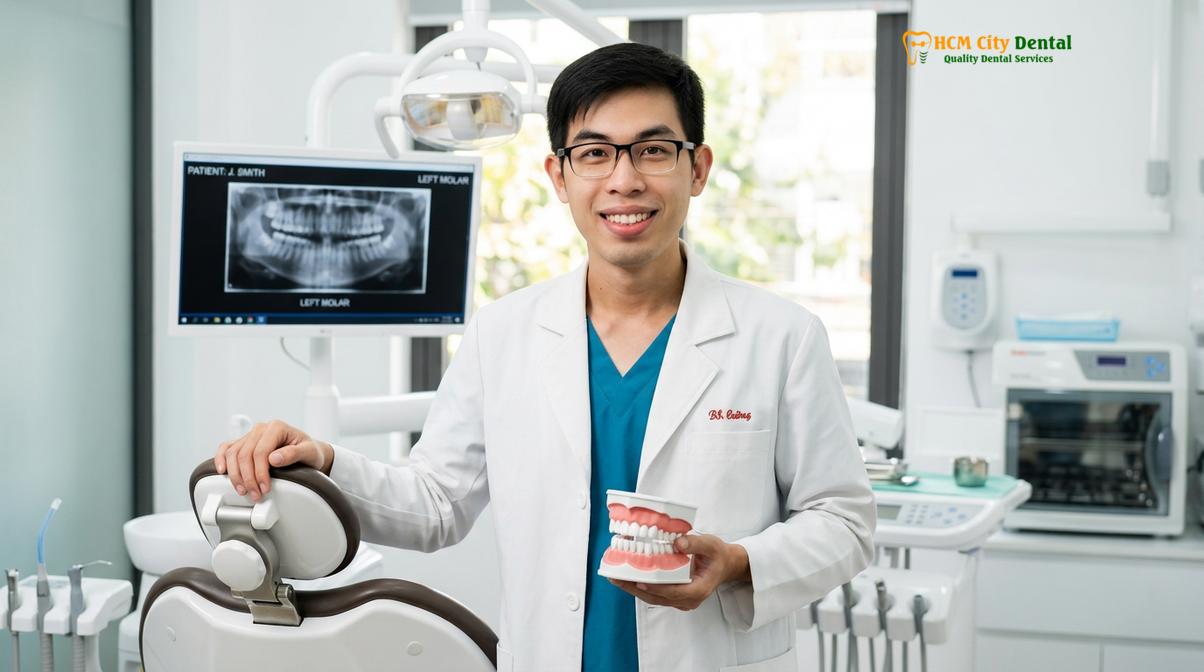
Dr. Cuong emphasizes the importance of proactive communication regarding insurance needs prior to the commencement of treatment. “We routinely provide our international patients with the exact documentation required by North American insurance carriers,” he explains. “This includes pre-operative and post-operative panoramic radiographs, detailed clinical notes, and properly coded invoices. While we cannot guarantee the reimbursement policies of individual insurers, providing meticulous clinical records significantly increases the likelihood of a successful out-of-network claim.”
“The key to international insurance reimbursement lies in the precision of the clinical documentation. Insurers require objective evidence of medical necessity, which is why comprehensive radiographic imaging and detailed diagnostic charting are standard protocols in our practice, regardless of the patient’s origin.” — Dr. Nguyen Van Cuong
Patients are strongly advised to contact their insurance providers before traveling to verify their out-of-network coverage limits, annual maximums, and any specific documentation requirements for international claims. Even if the insurance only covers a percentage of the already reduced Vietnamese fees, the out-of-pocket expenditure for advanced prosthetic solutions becomes remarkably low, maximizing the overall return on investment for the patient [5].
When to See a Doctor for Prosthetic Evaluation
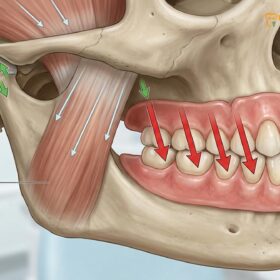
Removable prosthetics are not permanent fixtures; they require ongoing professional evaluation to ensure they continue to function harmoniously with the dynamic tissues of the oral cavity. The underlying alveolar bone and mucosal tissues naturally change shape over time, a process known as bone resorption. As this occurs, a once perfectly fitting appliance may become loose, leading to a cascade of clinical issues.
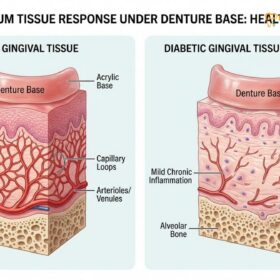
Patients should seek an immediate clinical evaluation if they experience persistent sore spots, ulcerations, or generalized tissue inflammation (denture stomatitis) beneath the acrylic base. A loss of retention, requiring the excessive use of over-the-counter adhesives to keep the appliance in place, is a clear indication that the prosthesis requires a professional reline or complete replacement. Furthermore, if the patient notices a change in their facial profile—such as a collapsed appearance around the lips or deep creases at the corners of the mouth (angular cheilitis)—this suggests a loss of the vertical dimension of occlusion, which must be corrected to restore proper biomechanics and aesthetics.
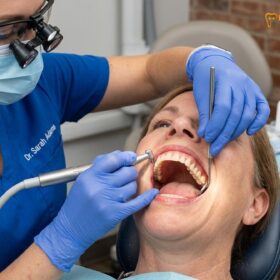
Regular examinations are a critical component of foundational dental care. A clinician can assess the wear patterns on the prosthetic teeth, evaluate the health of the supporting soft tissues, and recommend appropriate interventions, whether that involves a simple occlusal adjustment, a laboratory hard reline, or the transition to a more stable implant-supported solution.
Frequently Asked Questions
Why are high-end dentures so affordable in Vietnam?
High-end dentures are affordable in Vietnam primarily due to significantly lower clinical overhead, reduced laboratory labor costs, and favorable exchange rates. While the imported materials like Swiss BPS acrylics remain the same price globally, the operational costs of running a dental practice and employing skilled technicians are a fraction of those in the United States, allowing clinics to pass these substantial savings directly to the patient.
Is there a quality difference between BPS dentures in the US vs. Vietnam?
There is no inherent quality difference in the materials used for BPS dentures between the US and reputable clinics in Vietnam. Both utilize the exact same Biofunctional Prosthetic System materials manufactured by Ivoclar Vivadent. The clinical protocols, including precise border molding and injection-molding polymerization, follow the same strict international standards, ensuring identical structural integrity, aesthetic outcomes, and functional durability.
How many days should a US tourist budget for complete dentures?
A US tourist should budget approximately 7 to 10 days in Vietnam for the fabrication of complete conventional dentures. This timeframe accommodates the necessary clinical steps: initial impressions, custom tray border molding, bite registration, wax try-in for aesthetic and phonetic evaluation, and the final delivery with subsequent occlusal adjustments to ensure optimal tissue adaptation and comfort.
Can I upgrade my conventional dentures to implant-supported prosthetics later?
Yes, many conventional dentures can be retrofitted or upgraded to implant-supported overdentures at a later date. If the existing acrylic base has sufficient thickness and structural integrity, a clinician can place dental implants and later hollow out the denture base to pick up attachment housings (such as Locator abutments), significantly improving retention and stability.
How do I properly maintain my new removable prosthetics?
Proper maintenance involves removing the prosthetics nightly to allow the oral tissues to rest and prevent fungal infections like denture stomatitis. Clean the appliance daily using a soft-bristled denture brush and non-abrasive cleanser, avoiding regular toothpaste which can scratch the acrylic. Store them in water or a mild soaking solution when not in use to prevent the acrylic from warping.
References
- Journal of Oral and Maxillofacial Surgery. Biomechanical principles and tissue response in complete dentures. (2021).
- International Journal of Oral and Maxillofacial Surgery. Suction-effective lower dentures and border molding outcomes. (2020).
- British Dental Journal. Patient satisfaction and chewing efficacy with premium BPS dentures. (2019).
- Journal of the American Dental Association. Implant-supported overdentures vs. conventional removable prosthetics. (2022).
- Clinical Oral Investigations. Thermoplastic flexible partial dentures: clinical suitability and aesthetics. (2018).