Analyzing the TMJ Treatment Cost Vietnam vs US reveals that international patients can save approximately 60% to 80% on comprehensive jaw therapies. With custom occlusal splints averaging $150 to $300 in Vietnam compared to $1,000 or more stateside, patients gain access to advanced diagnostics and premium materials without financial strain.
Clinical Summary:
Temporomandibular joint (TMJ) disorders require precise diagnostics and custom-calibrated orthotics to alleviate muscular tension and halt joint degradation. While US clinics often face high overhead and complex insurance barriers that inflate the custom orthotic price US patients pay, specialized facilities in Vietnam utilize identical CAD/CAM technology and imported European acrylics at a fraction of the cost. By leveraging 3D CBCT imaging and digital occlusal analysis, specialists can deliver conservative therapies—such as stabilization splints and targeted neuromodulators—that effectively manage bruxism and arthralgia while providing substantial economic relief for international travelers seeking world-class care.
Key Takeaways:
- Custom TMJ splints in Vietnam average $150–$300, compared to $800–$1,500 in the United States.
- Diagnostic protocols utilize identical 3D CBCT imaging and digital bite mapping technologies found in Western clinics.
- Orthotics are precision-milled from premium, FDA-approved European acrylics (e.g., PMMA) for maximum durability and biocompatibility.
- Conservative adjunctive therapies offer immediate muscular relief at significantly reduced per-unit costs.
- Comprehensive treatment plans, from initial 3D scanning to final splint calibration, are typically completed within 3 to 5 days.
Why TMJ Diagnostics and Splints are Prohibitively Expensive in the US
The high cost of TMJ care in the US is driven by complex insurance coding, exorbitant third-party laboratory fees, and the substantial overhead required to maintain specialized diagnostic equipment.
Temporomandibular disorders (TMD) encompass a complex group of conditions affecting the temporomandibular joint, the muscles of mastication, and the associated neuromuscular structures. In the United States, patients seeking relief from chronic jaw pain, debilitating tension headaches, and limited mouth opening often encounter a fragmented and highly expensive healthcare landscape. One of the primary drivers of these inflated costs is the ambiguity of medical versus dental insurance coding. Because TMD bridges the gap between dentistry and orthopedics, many dental insurance plans classify TMJ therapy as a medical issue, while medical insurance providers frequently deny coverage, labeling it a dental problem. This bureaucratic loophole leaves the vast majority of patients shouldering the entire financial burden out-of-pocket.
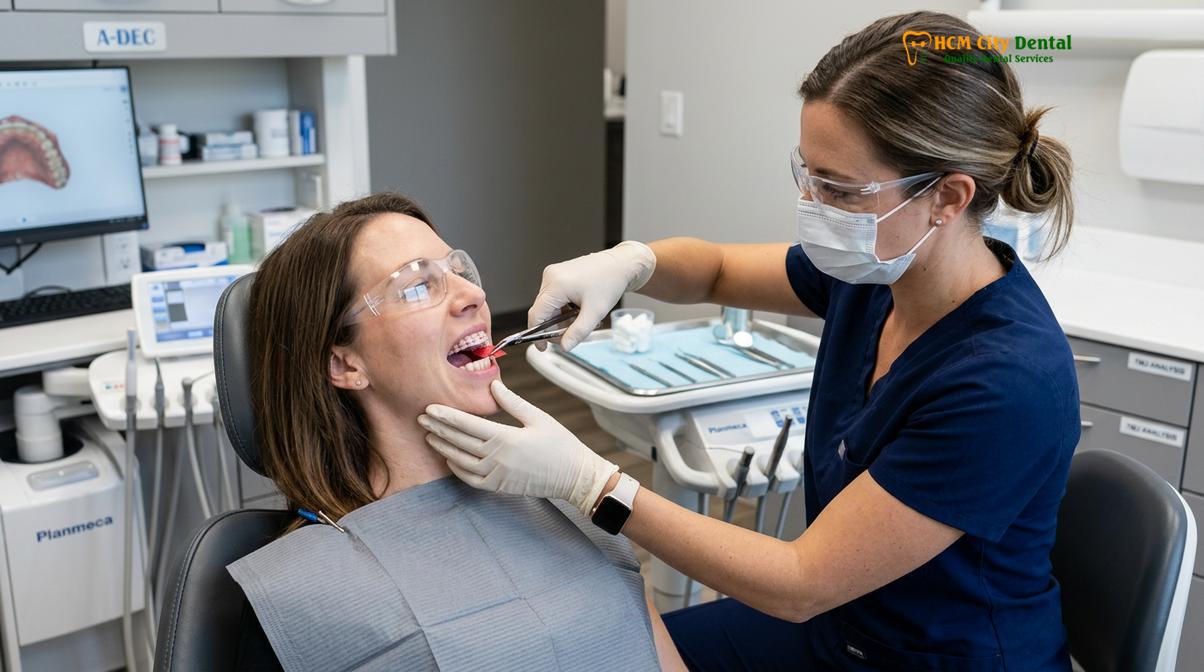
Beyond insurance complications, the clinical workflow in North America involves significant overhead. When a patient requires a custom stabilization splint, the US dentist must factor in the cost of clinical chair time, the amortization of expensive diagnostic equipment like 3D Cone Beam Computed Tomography (CBCT) scanners, and exorbitant fees charged by specialized third-party dental laboratories. These external labs, which fabricate the orthotics, pass their own high operational costs down to the prescribing dentist. Consequently, the custom orthotic price US patients face is heavily inflated long before the device is ever fitted to their teeth[1].
“The economic burden of temporomandibular disorders in Western healthcare systems is largely a byproduct of administrative overhead and decentralized laboratory workflows, rather than the intrinsic cost of the biocompatible materials themselves.”
Furthermore, effective comprehensive TMJ treatment protocols require meticulous occlusal analysis. Dentists must spend considerable time mapping the patient’s bite, identifying premature contacts, and ensuring that the mandible is seated in its optimal centric relation. In a high-overhead US clinic, this extensive chair time is billed at a premium. Conversely, international dental hubs have optimized this workflow. By integrating advanced diagnostics and in-house digital laboratories under one roof, these clinics eliminate third-party markups, allowing them to deliver the exact same standard of care at a significantly reduced price point.
Price Comparison Table: Diagnostic Scans, Splint Therapy, and Botox (USD)
Patients traveling to Vietnam can expect to save between 60% and 80% on comprehensive TMJ therapies, including 3D imaging, custom stabilization splints, and therapeutic neuromodulator injections.
When evaluating the financial logistics of seeking care abroad, a direct line-item comparison provides the clearest perspective on the available savings. The following table outlines the estimated costs for standard diagnostic and therapeutic procedures required for managing temporomandibular joint disorders. These figures highlight why so many individuals look to save on TMJ care Saigon style, bypassing the prohibitive fees of their domestic healthcare systems.
| Clinical Procedure / Therapy | Estimated Cost in the US (USD) | Estimated Cost in Vietnam (USD) | Clinical Purpose |
|---|---|---|---|
| 3D CBCT Joint Scan | $250 – $500 | $30 – $60 | Evaluates condylar position, bone degradation, and joint space narrowing. |
| Custom Hard Acrylic Splint (Michigan) | $800 – $1,500 | $150 – $300 | Provides mutually protected occlusion and decompresses the TMJ capsule. |
| Soft / Dual-Laminate Night Guard | $400 – $800 | $80 – $150 | Protects enamel from mild to moderate nocturnal bruxism. |
| Masseter Neuromodulator (per 50 units) | $600 – $1,200 | $200 – $400 | Temporarily paralyzes hyperactive masticatory muscles to relieve tension. |
| Digital Occlusal Equilibration | $300 – $800 | $50 – $150 | Micro-adjustments to the bite to eliminate premature tooth contacts. |
It is crucial to understand that the lower price point in Vietnam does not correlate with a reduction in clinical quality. The cost disparity is entirely a function of regional economic factors, lower commercial real estate costs, and the efficiency of centralized care models. For instance, a patient requiring a combination of 3D diagnostics, a custom hard splint, and muscle relaxation therapy might face a bill exceeding $2,500 in the United States. In Ho Chi Minh City, that identical, comprehensive treatment plan can be executed for under $600, utilizing the same global brands of materials and technology[2].
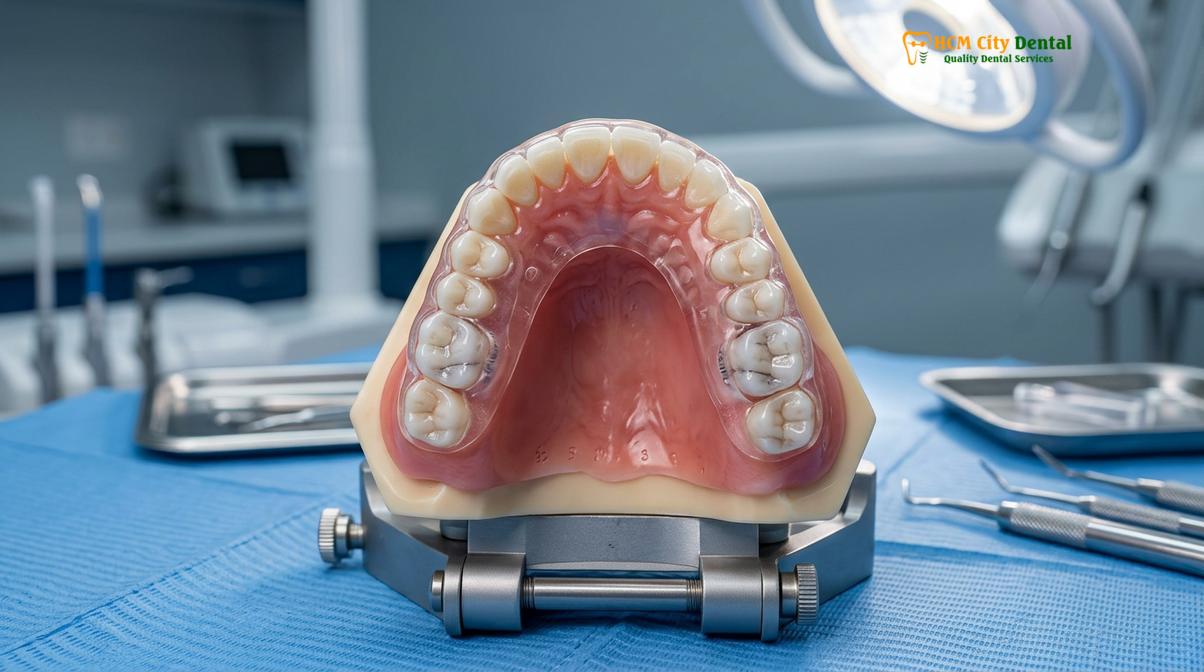
Germany-Sourced Clinical Acrylics: Equal Standards at Lower Overhead
Vietnamese dental laboratories utilize the exact same biocompatible, European-milled polymethyl methacrylate (PMMA) resins as top-tier US clinics, ensuring identical clinical efficacy and durability.
A common misconception among international patients is that lower costs equate to inferior materials. In the realm of modern restorative dentistry and prosthodontics, this is categorically false. Leading facilities, such as HCMC Dental Clinic, operate on a global supply chain. The materials used to fabricate custom nightguards and therapeutic splints are imported directly from industry-leading manufacturers in Germany, Switzerland, and the United States. These materials are fully FDA-approved and carry CE certification, ensuring they meet the highest international standards for biocompatibility and structural integrity.
For the management of severe bruxism and joint compression, the material of choice is highly cross-linked polymethyl methacrylate (PMMA). Unlike over-the-counter boil-and-bite guards or basic soft silicone trays, PMMA is a rigid, durable acrylic. When a patient clenches against a soft material, the brain often perceives it as a bolus of food, which can paradoxically stimulate the masseter muscles to chew harder, exacerbating joint pain. A hard acrylic splint, conversely, provides a smooth, frictionless surface. This allows the mandible to glide freely during nocturnal parafunctional habits, effectively disengaging the proprioceptive feedback loop that triggers intense muscle contractions[3].
Dr. Nguyen Van Cuong frequently emphasizes to his patients that the success of splint therapy relies heavily on the rigidity and precision of the material. “When we manage a patient with acute arthralgia or disc displacement, we cannot rely on soft, yielding materials,” notes Dr. Cuong. “We utilize CAD/CAM milled European PMMA because it allows us to engineer precise canine guidance and anterior coupling. This biomechanical precision is what shuts down the hyperactive posterior musculature and allows the inflamed joint capsule to heal.”
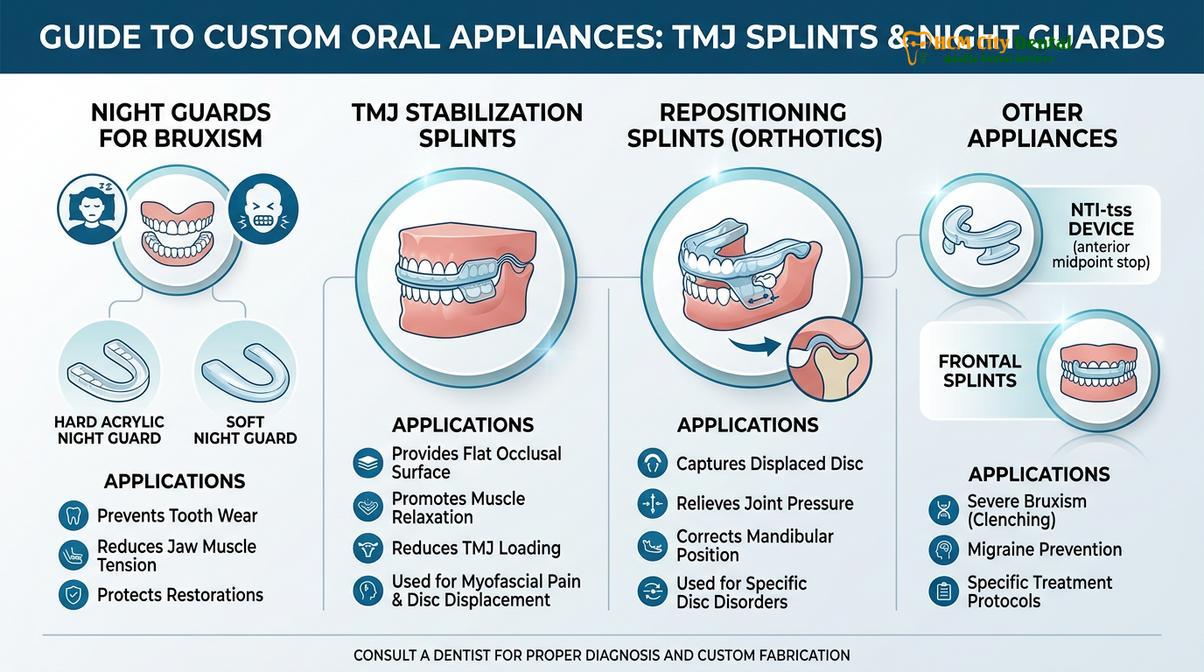
Understanding the clinical differences between hard and soft night guards is essential for patients navigating their treatment options. While soft guards may be appropriate for very mild, asymptomatic teeth grinding, any patient presenting with clinical signs of TMD—such as clicking, popping, limited opening, or radiating facial pain—requires the structural support of a hard, custom-calibrated orthotic.
Clinical Workflow: From 3D CBCT to Custom Orthotic Delivery
The fabrication of a therapeutic TMJ splint involves precise 3D radiographic imaging, digital intraoral scanning, and computerized occlusal analysis to ensure optimal joint stabilization.
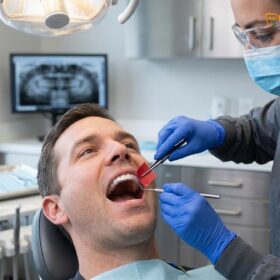
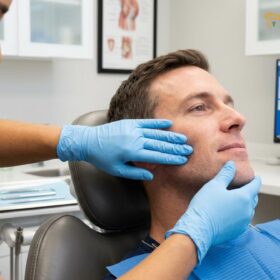
The efficacy of any TMJ intervention is entirely dependent on the accuracy of the initial diagnosis and the precision of the subsequent treatment workflow. In premier Vietnamese clinics, the patient journey begins with a comprehensive clinical examination of the head, neck, and masticatory system. This includes palpation of the masseter, temporalis, and pterygoid muscles to identify trigger points, as well as auscultation of the temporomandibular joint to detect crepitus or disc displacement sounds.
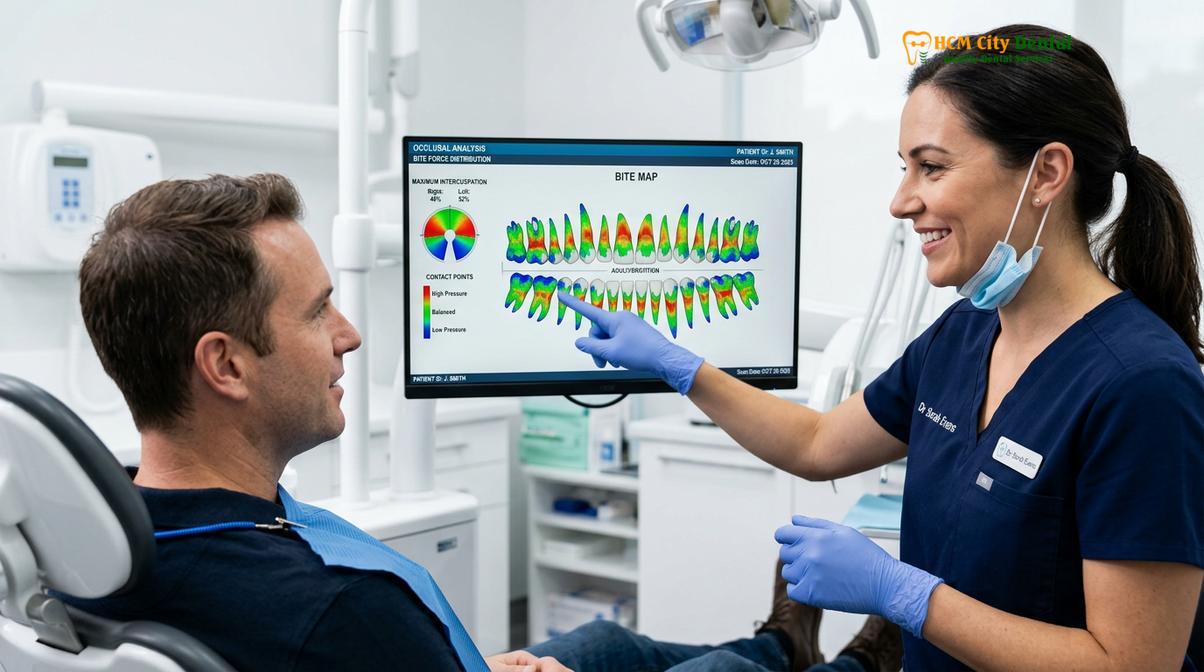
Following the physical exam, a 3D Cone Beam Computed Tomography (CBCT) scan is captured. Unlike traditional 2D panoramic X-rays, a CBCT scan provides a volumetric, 360-degree view of the condyle seated within the glenoid fossa. This allows the specialist to evaluate the joint space, detect early signs of osteoarthritis, and identify any structural asymmetries contributing to the patient’s pain. Once the joint health is assessed, the clinical team utilizes an intraoral scanner (such as 3Shape or iTero) to capture a highly accurate digital impression of the patient’s dentition. This eliminates the need for uncomfortable, gag-inducing traditional putty impressions.
“The integration of 3D CBCT imaging with digital intraoral scanning has revolutionized the fabrication of occlusal orthotics, allowing for micro-millimeter precision that was previously unattainable with analog techniques.”
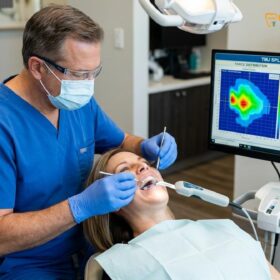
The digital models are then imported into specialized CAD (Computer-Aided Design) software. Here, the dentist designs the splint, carefully programming the exact thickness required to decompress the joint space and establishing the ideal occlusal contacts. The design is sent to an in-house 5-axis milling machine, which carves the splint from a solid puck of PMMA resin. Upon delivery, the dentist performs a precise bite adjustment, using ultra-thin articulating paper or computerized occlusal analysis (like T-Scan) to ensure that all teeth contact the splint simultaneously and with equal force. This meticulous equilibration is the critical step that transforms a simple piece of plastic into a therapeutic medical device[4].
Direct Savings Breakdown for US Travelers Visiting HCMC Dental
By consolidating diagnostics, specialist consultations, and laboratory fabrication under one roof, international patients experience streamlined care that offsets travel expenses while delivering premium clinical outcomes.
When conducting an expat dental comparison, the financial viability of traveling to Southeast Asia for TMJ treatment becomes immediately apparent, even when factoring in the cost of flights and accommodations. Because the clinical workflow in Vietnam is highly integrated, treatments that might take weeks or months to coordinate in the US can be completed in a matter of days. This efficiency is a massive advantage for medical tourists.
Consider a patient suffering from chronic myofascial pain and severe bruxism who requires a multi-disciplinary approach. In the US, this patient might visit a general dentist for an initial consultation, be referred to an oral surgeon for a CBCT scan, return to the dentist for impressions, wait three weeks for a third-party lab to fabricate the splint, and then visit a separate specialist for neuromodulator injections. Each of these touchpoints incurs separate consultation fees, facility fees, and administrative costs.
Clinical Case Example: Comprehensive TMJ Management
A 42-year-old patient traveled from California to Ho Chi Minh City presenting with chronic jaw locking, severe morning headaches, and advanced enamel attrition due to nocturnal bruxism. The patient had been quoted over $3,200 in the US for a diagnostic workup, a custom Michigan splint, and bilateral masseter muscle relaxation therapy. At HCMC Dental Clinic, the patient received a 3D CBCT scan, a digital intraoral scan, a custom-milled hard PMMA splint, and targeted neuromodulator injections—all completed within a 4-day window. The total clinical cost was under $650. The patient reported a 90% reduction in facial pain within two weeks of returning home, demonstrating the profound clinical and economic efficiency of integrated care.
For patients requiring immediate muscular relief while their custom orthotic is being milled, clinics often utilize adjunctive therapies. Therapeutic masseter Botox injections are highly effective at temporarily inhibiting the release of acetylcholine at the neuromuscular junction. This reduces the force of involuntary clenching without compromising the patient’s ability to chew or speak normally. When combined with the structural support of occlusal splints, this dual-modality approach provides comprehensive management of both the muscular and articular components of TMD[5].
When to See a Doctor for TMJ Pain
While many instances of jaw tension are transient and related to acute stress, certain clinical signs indicate a more severe underlying pathology that requires immediate professional evaluation. Delaying treatment for structural joint issues can lead to irreversible cartilage degradation, osteoarthritis, and permanent alterations to your bite alignment.
Important Clinical Considerations: Seek immediate evaluation from a qualified dental professional or maxillofacial specialist if you experience any of the following red flag symptoms:
- Jaw Locking: An inability to open the mouth fully (closed lock) or an inability to close the mouth (open lock).
- Severe Crepitus: Loud, grating, or crunching sounds in the joint accompanied by sharp pain, indicating bone-on-bone friction.
- Radiating Neuropathic Pain: Sharp, electric-shock-like pain radiating down the neck or up into the temporal region.
- Sudden Bite Changes: A sudden feeling that your upper and lower teeth no longer fit together correctly.
It is critical to understand that over-the-counter, boil-and-bite mouthguards are contraindicated for patients experiencing these severe symptoms. These soft, non-calibrated devices can actually increase muscle activity and exacerbate joint compression. A personalized clinical examination, supported by 3D radiographic imaging, is the only definitive way to diagnose the specific subtype of your temporomandibular disorder and formulate a safe, effective, and individualized treatment plan.
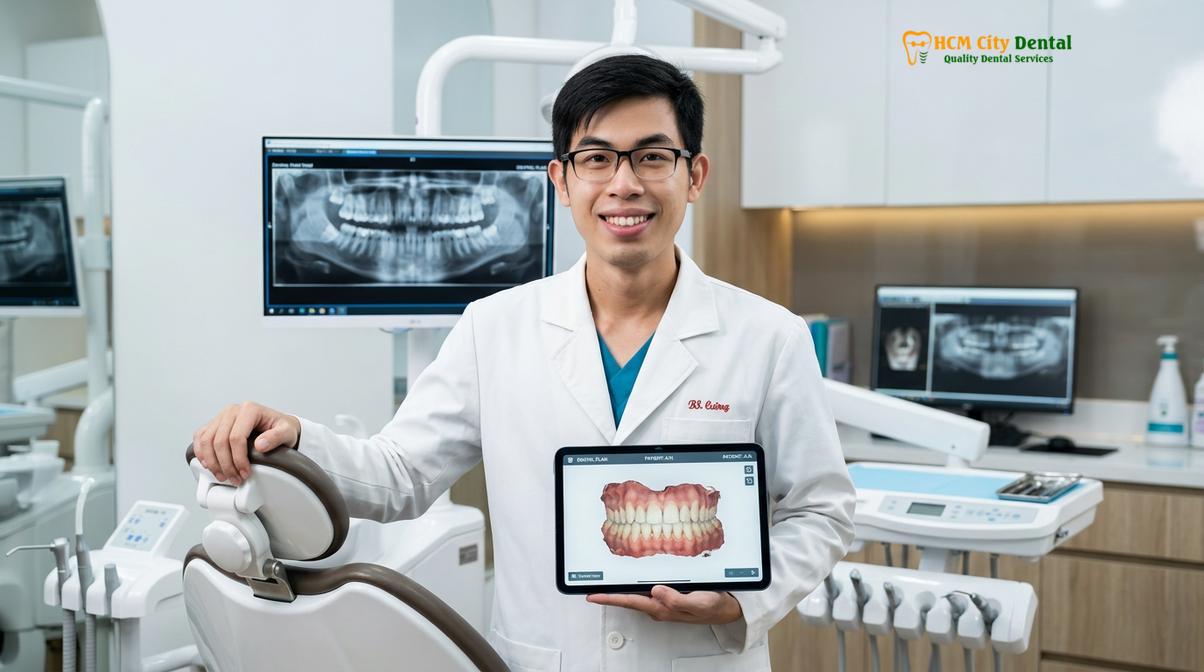
If you are struggling with chronic jaw pain, tension headaches, or the destructive effects of bruxism, you do not have to endure prohibitive domestic healthcare costs. Dr. Nguyen Van Cuong and the dedicated specialist team at HCMC Dental Clinic in Ho Chi Minh City are equipped with the advanced technology and clinical expertise necessary to restore your comfort and protect your joint health. By combining European-grade materials with highly efficient digital workflows, we provide world-class TMJ therapies that are both clinically superior and economically accessible. Contact our international patient coordination team today to schedule your comprehensive remote consultation and take the first step toward a pain-free life.
Frequently Asked Questions
How much does a TMJ splint cost in Vietnam compared to the US?
A custom TMJ splint in Vietnam typically costs between $150 and $300, whereas the same device in the US ranges from $800 to $1,500. This significant price reduction is due to lower laboratory overhead and streamlined in-house digital workflows, not a compromise in material quality. Clinics utilize the exact same imported European acrylics and CAD/CAM milling technologies found in top-tier Western practices, ensuring identical clinical outcomes at a fraction of the cost.
Are materials used in Vietnam FDA-approved?
Yes, reputable dental clinics in Vietnam exclusively use FDA-approved and CE-certified materials imported from Germany, Switzerland, and the US. Polymethyl methacrylate (PMMA) resins used for hard occlusal splints, as well as the therapeutic neuromodulators used for muscle relaxation, adhere to strict international biocompatibility standards. This guarantees that the orthotics placed in your mouth are structurally sound, non-toxic, and engineered for long-term therapeutic success.
How do I request a cost quote?
You can request a personalized cost quote by contacting the clinic directly via their official website, email, or secure messaging platforms. Patients are encouraged to provide a brief history of their jaw pain symptoms and attach any recent panoramic X-rays or 3D CBCT scans if available. The clinical team will review your diagnostic data and provide a transparent, itemized treatment estimate prior to your arrival, ensuring there are no hidden fees.
How long does it take to fabricate a custom night guard in Ho Chi Minh City?
Fabricating a custom night guard or TMJ splint in Ho Chi Minh City generally takes 3 to 5 days from the initial impression to the final fitting. Because premium clinics operate integrated digital laboratories, the process of intraoral scanning, digital design, and precision milling is highly efficient. Patients will have a final appointment to ensure the orthotic is perfectly calibrated to their bite, providing immediate comfort and joint stabilization.
Can Botox permanently cure my temporomandibular joint disorder?
Botox cannot permanently cure structural temporomandibular joint disorders, but it is highly effective at temporarily managing muscular pain and severe bruxism. The neuromodulator relaxes the hyperactive masseter and temporalis muscles for three to six months. For long-term joint stability, Botox is typically used as an adjunctive therapy alongside custom occlusal splints, physical therapy, and comprehensive bite equilibration to address the root mechanical causes of the disorder.
References
- Journal of the American Dental Association. Occlusal splint therapy for temporomandibular disorders: a clinical review. (2020).
- Journal of Oral Rehabilitation. Efficacy of Michigan repositioning splints in TMD patients. (2019).
- Journal of Prosthetic Dentistry. Computerized occlusal analysis and bite mapping in TMJ therapy. (2021).
- Clinical Oral Investigations. Masseter Botox injections for chronic jaw pain and bruxism. (2018).
- International Journal of Oral and Maxillofacial Surgery. TMJ arthrocentesis and hyaluronic acid injections. (2022).