Smoking significantly accelerates gum disease by suppressing the immune system and restricting blood flow to oral tissues. This dangerous combination allows bacterial infections to destroy the gums and underlying jawbone rapidly, often without the classic warning signs of bleeding or swelling until severe, irreversible damage occurs.
Clinical Summary:
Smoking is recognized as a primary modifiable risk factor for the development and rapid progression of severe periodontal disease. The introduction of nicotine into the bloodstream induces localized vasoconstriction, which artificially masks gingival inflammation and bleeding, frequently leading to delayed clinical diagnosis. Furthermore, tobacco smoke profoundly alters the oral microbiome, creating an anaerobic environment that favors highly pathogenic bacteria while simultaneously impairing neutrophil and macrophage function. This dual mechanism results in accelerated alveolar bone loss, the formation of deep periodontal pockets, and a significantly elevated risk of premature tooth loss. Clinical interventions, including scaling, root planing, and surgical grafting, exhibit markedly reduced predictability and success rates in active smokers due to compromised tissue oxygenation and delayed fibroblast proliferation. Complete smoking cessation is a critical prerequisite for halting disease progression and restoring the physiological efficacy of advanced periodontal therapies.
Key Takeaways:
- Smokers face an exponentially higher risk of developing severe, bone-destroying periodontitis compared to non-smokers.
- Nicotine acts as a potent vasoconstrictor, hiding early warning signs like bleeding gums and delaying crucial treatment.
- Tobacco use alters the oral microbiome, increasing the prevalence of aggressive, tissue-destroying plaque bacteria.
- Smoking significantly increases the risk of dental implant failure, delayed healing, and soft tissue graft rejection.
- Quitting smoking immediately begins to restore normal blood flow, dramatically improving the gums’ healing capacity.
How Smoking Masks the Classic Signs of Gum Infection
Nicotine constricts blood vessels in the gums, preventing the typical redness and bleeding that signal early gum disease, causing many smokers to remain unaware of their advancing infection.
In a healthy individual, the earliest stage of gum disease—gingivitis—presents with clear, unmistakable warning signs. The body’s immune system detects the presence of bacterial plaque accumulating along the gumline and responds by increasing blood flow to the area. This inflammatory response brings white blood cells to fight the infection, resulting in gums that appear red, swollen, and prone to bleeding during routine brushing or flossing. This bleeding is a crucial biological alarm bell, prompting patients to improve their oral hygiene or seek professional dental care.
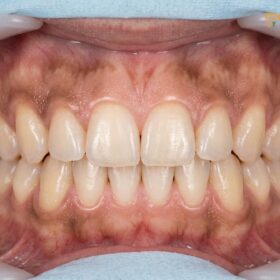
However, the clinical presentation in individuals who smoke is drastically different. The thousands of chemical compounds found in tobacco smoke, particularly nicotine, fundamentally alter the vascular response of the gingival tissues. Nicotine is a powerful vasoconstrictor, meaning it forces the blood vessels within the gums to narrow significantly. This artificial restriction of blood flow blunts the body’s natural inflammatory response. As a result, the classic warning signs are suppressed. A smoker’s gums may appear pale, pink, and firm—often described clinically as “fibrotic”—even in the presence of a raging underlying infection[1].
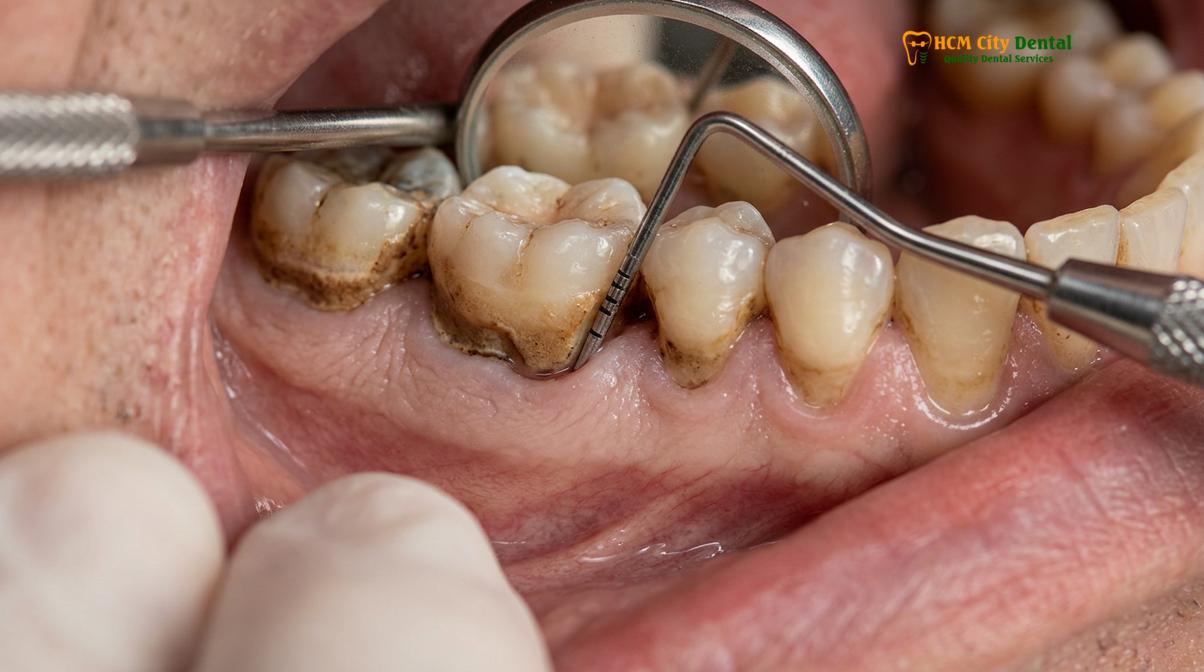
This masking effect is one of the most dangerous aspects of tobacco use in relation to oral health. Because they do not experience bleeding or noticeable swelling, patients are lulled into a false sense of security. They may assume their oral hygiene routine is adequate and that their gums are perfectly healthy. In reality, the bacterial biofilm is migrating deeper beneath the gumline, destroying the periodontal ligaments and eroding the alveolar bone. By the time symptoms finally become apparent—such as shifting teeth, persistent bad breath, or visible gum recession—the disease has often progressed to an advanced, irreversible stage.
During clinical examinations, dental professionals frequently encounter this deceptive presentation. A visual inspection might suggest relatively healthy tissues, but periodontal probing reveals a different story. When a dentist measures the depth of the spaces between the teeth and gums, they often discover deep, infected pockets measuring 5, 6, or even 8 millimeters in smokers who report absolutely no bleeding at home. This discrepancy highlights why comprehensive periodontal charting is absolutely essential for patients who use tobacco products. For a broader understanding of how we diagnose and manage these hidden conditions, patients are encouraged to explore our comprehensive approach to General Dentistry.
Nicotine and Vasoconstriction: Depriving Gums of Oxygen
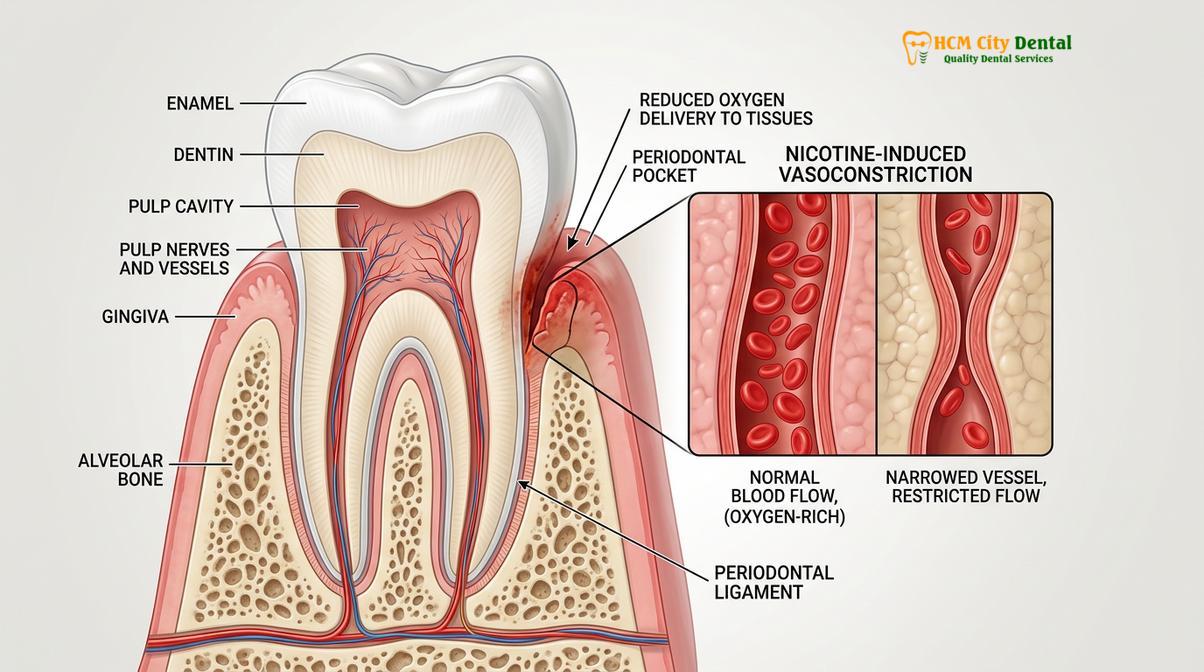
Nicotine acts as a potent vasoconstrictor, drastically reducing the delivery of oxygen and essential nutrients to periodontal tissues, which cripples the cellular repair process.
To understand exactly how smoking destroys the periodontium, it is necessary to examine the physiological impact of nicotine at the cellular level. The health and resilience of any tissue in the human body depend entirely on a robust and continuous blood supply. Blood delivers oxygen, essential nutrients, and immune cells required for tissue maintenance and repair, while simultaneously carrying away metabolic waste products and bacterial toxins.
When tobacco smoke is inhaled, nicotine rapidly enters the bloodstream and binds to nicotinic acetylcholine receptors throughout the body. In the peripheral vascular system, including the intricate network of micro-capillaries supplying the gums, this binding triggers an immediate and sustained constriction of the blood vessels. The diameter of these vessels shrinks, drastically reducing the volume of blood that can reach the gingival tissues. This state of reduced blood flow is known clinically as localized ischemia[2].
“The localized ischemia caused by nicotine means that the gingival tissues are essentially suffocating. Without adequate oxygenation, the immune cells cannot function effectively, and the fibroblasts cannot synthesize the collagen necessary for tissue repair, leading to rapid and silent destruction.”
The consequences of this ischemia are devastating for periodontal health. First, the reduction in oxygen tension (hypoxia) within the periodontal pockets creates an ideal breeding ground for anaerobic bacteria. These are the most aggressive and destructive types of periodontal pathogens, which thrive in oxygen-deprived environments. As the oxygen levels drop, the microbial balance in the mouth shifts dramatically, favoring these disease-causing organisms over benign, healthy bacteria. This shift is a primary reason why smokers frequently struggle with chronic halitosis, a condition detailed further in our guide on the bad breath gum disease connection.
Furthermore, the lack of blood flow severely impairs the body’s immune response. Neutrophils, the first-responder white blood cells tasked with engulfing and destroying bacteria, are not only reduced in number due to the restricted blood flow but also suffer from impaired function. The toxic compounds in smoke inhibit the movement and bacterial engulfment capabilities of these vital immune cells. Consequently, the bacteria are left to multiply and release tissue-destroying enzymes largely unchecked.
Why Smokers Have Faster Bone Loss and Higher Tooth Loss Rates
The toxic compounds in cigarette smoke hyper-activate bone-destroying cells while paralyzing the immune system, leading to rapid jawbone deterioration and eventual tooth loss.
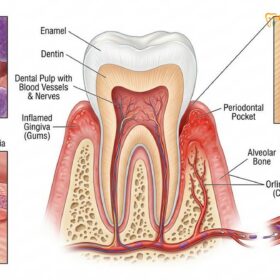
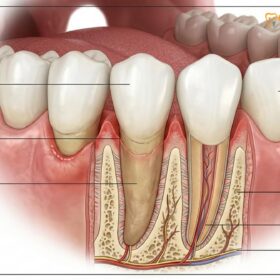
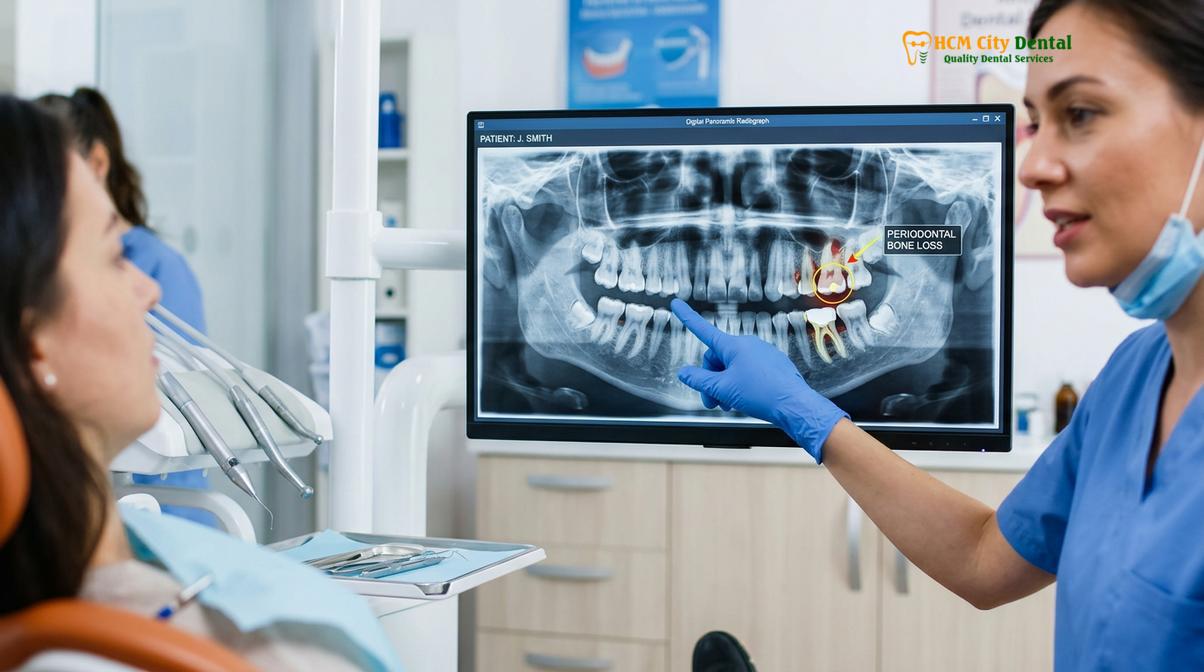
Periodontal disease is not merely an infection of the soft gum tissue; its most severe consequence is the destruction of the alveolar bone—the specialized ridge of jawbone that houses and supports the roots of the teeth. In a healthy state, bone is constantly being remodeled through a delicate balance between osteoblasts (cells that build bone) and osteoclasts (cells that break down bone). Smoking severely disrupts this equilibrium, tipping the scales heavily toward bone destruction.
The systemic absorption of tobacco toxins triggers a hyper-inflammatory response in the body. While the localized blood flow in the gums is restricted, the overall systemic levels of pro-inflammatory cytokines are significantly elevated in smokers. These specific cytokines are known to stimulate osteoclast formation and activity. Therefore, the body’s own altered immune response, triggered by the presence of plaque and exacerbated by tobacco toxins, begins to aggressively resorb the bone surrounding the teeth[3].
Simultaneously, the toxins in cigarette smoke directly inhibit the function of osteoblasts, preventing the formation of new bone to replace what has been lost. This dual action—accelerated breakdown and inhibited repair—explains why clinical studies consistently show that smokers experience alveolar bone loss at a rate significantly faster than non-smokers. As the bone recedes, the teeth lose their foundational support. They may become mobile, shift out of alignment, and ultimately require extraction.
The clinical presentation of this bone loss can sometimes be visually alarming, occasionally contributing to aesthetic concerns such as dark triangles between teeth or exposed, discolored tooth roots. Patients concerned about the aesthetic and structural impacts of advanced gum disease can learn more about related conditions in our guide on black gums causes and clinical treatments.
| Clinical Parameter | Non-Smokers | Active Smokers |
|---|---|---|
| Bleeding on Probing (BOP) | High (Clear indicator of active inflammation) | Low (Masked by nicotine-induced vasoconstriction) |
| Rate of Alveolar Bone Loss | Gradual, proportional to plaque accumulation | Highly accelerated, often disproportionate to visible plaque |
| Periodontal Pocket Depth | Typically shallow to moderate in early stages | Frequently deep (≥6mm) due to rapid attachment loss |
| Response to Non-Surgical Therapy | Highly predictable, significant pocket reduction | Poor predictability, minimal pocket reduction |
| Risk of Premature Tooth Loss | Baseline risk based on oral hygiene habits | Exponentially higher risk, even with moderate hygiene |
Reduced Success Rates: Scaling, Grafting, and Implants in Smokers
Diminished blood supply and impaired immune responses in smokers drastically lower the predictability and success rates of deep cleanings, gum surgeries, and dental implant integrations.
The detrimental effects of smoking extend far beyond the initiation and progression of periodontal disease; they profoundly impact the efficacy of virtually all clinical dental treatments. When a patient is diagnosed with periodontitis, the first line of defense is typically non-surgical periodontal therapy. This procedure involves meticulously removing bacterial plaque and hardened calculus from beneath the gumline and smoothing the tooth roots to discourage further bacterial attachment.
In a non-smoker, this therapy usually yields excellent results. The removal of the irritants allows the healthy immune system to resolve the inflammation, and the gums reattach to the clean root surfaces. However, in smokers, the response to deep cleaning teeth is markedly blunted. Because the tissue lacks the necessary oxygen and fibroblast activity required for healing, the gums often fail to reattach properly. The pockets remain deep, and the anaerobic bacteria quickly recolonize the area, leading to persistent, refractory infection.
When non-surgical therapy fails to halt the disease, surgical interventions become necessary. Procedures such as gum flap surgery are designed to provide the surgeon with direct access to the underlying bone to thoroughly debride the infection and reshape the bony architecture. Unfortunately, the success of any oral surgery relies entirely on the rapid formation of a new blood supply (angiogenesis) to nourish the healing tissues.
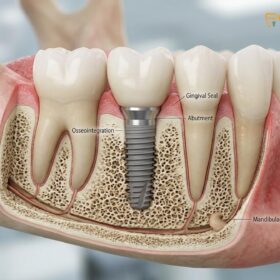
Smoking severely inhibits angiogenesis. When a gum graft is placed, it must quickly establish a vascular connection with the surrounding host tissue to survive. In smokers, this connection is often delayed or fails entirely, leading to necrosis of the grafted tissue. Similarly, dental implants require a process called osseointegration, where the jawbone grows tightly around the titanium post. The impaired osteoblast function and reduced blood flow in smokers significantly increase the likelihood that the bone will fail to integrate with the implant[4].
Due to these compromised healing pathways, dental specialists must carefully evaluate a patient’s smoking status before recommending complex surgical procedures. In many cases, advanced, minimally invasive protocols such as laser gum treatment may be utilized to decontaminate the pockets and stimulate tissue regeneration with less surgical trauma, though even these advanced modalities require the patient to minimize or eliminate tobacco use for optimal outcomes.
The Gum Healing Timeline: What Happens After You Quit Smoking
Upon quitting smoking, blood circulation to the gums begins to normalize within days, gradually restoring the immune response and improving the tissue’s ability to heal from periodontal therapy.
The damage inflicted by smoking is severe, but the human body possesses a remarkable capacity for recovery once the toxic insult is removed. Quitting smoking is the single most critical step a patient can take to halt the progression of periodontal disease. According to joint clinical guidelines from the Vietnam Odonto-Stomatology Association and international periodontal academies, complete smoking cessation is a mandatory first step for managing severe periodontitis[5].
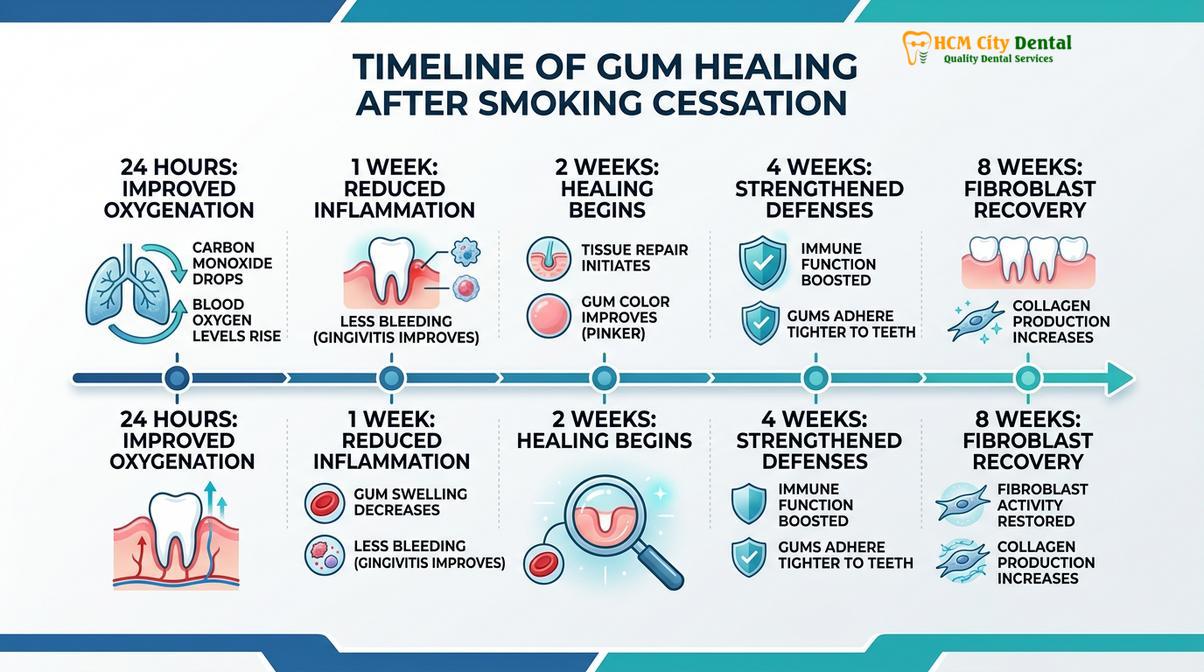
The timeline for gingival recovery begins almost immediately after the last cigarette:
- 24 to 48 Hours: Carbon monoxide levels in the blood drop to normal, and oxygen levels begin to rise. The localized vasoconstriction in the gums starts to reverse, allowing fresh, oxygen-rich blood to reach the periodontal tissues.
- 1 to 2 Weeks: As blood flow normalizes, patients may paradoxically notice an increase in gum bleeding during brushing. This is actually a positive clinical sign; it indicates that the masked inflammation is now visible and the immune system is actively responding to the bacterial plaque.
- 4 to 8 Weeks: Fibroblast function begins to recover, allowing for improved collagen synthesis. The gums become more resilient, and their response to non-surgical periodontal therapies, such as scaling and root planing, significantly improves.
- 3 to 6 Months: The oral microbiome begins to shift back toward a healthier balance, with a reduction in highly pathogenic anaerobic bacteria. The risk of implant failure and delayed surgical healing drops considerably, approaching the baseline risk of a non-smoker.
Support and Strategies for Quitting to Save Your Gums
Successfully quitting smoking requires a comprehensive approach, combining behavioral support with medical interventions to overcome nicotine addiction and protect your oral health.
Because nicotine is highly addictive, quitting cold turkey is often challenging and has a lower long-term success rate. Dental professionals strongly advocate for a structured cessation plan. Nicotine Replacement Therapy (NRT), such as patches, gums, or lozenges, can help manage withdrawal symptoms by providing a controlled dose of nicotine without the thousands of toxic chemicals found in combustible tobacco. While NRT still introduces nicotine into the system, the temporary use is vastly preferable to continued smoking and allows the patient to break the behavioral habit of lighting up.
Clinical Warning: Vaping and e-cigarettes are frequently marketed as safe alternatives to traditional smoking. However, from a periodontal perspective, they are not harmless. The heated aerosols and concentrated nicotine in vapes still cause severe vasoconstriction, tissue dehydration, and inflammation, continuing to put your gums and underlying bone at significant risk.
In addition to NRT, prescription medications can be highly effective in reducing cravings and blocking the rewarding effects of nicotine in the brain. Combining these pharmacological aids with behavioral counseling or support groups significantly increases the likelihood of long-term abstinence. Your dentist can be a valuable partner in this journey, providing regular monitoring of your gum health, which serves as a powerful visual motivator as you see the clinical improvements in your own mouth.
When to See a Dentist: Critical Warning Signs
Smokers must be hyper-vigilant about subtle changes in their oral health, as the lack of bleeding means severe infections can progress unnoticed until teeth become loose or painful.
Because the classic alarm bell of bleeding gums is silenced by nicotine, individuals who smoke or use tobacco products must pay close attention to secondary signs of periodontal disease. If you notice persistent bad breath that does not improve with brushing, a metallic taste in your mouth, or gums that appear to be pulling away from the teeth, it is imperative to schedule a comprehensive periodontal evaluation immediately.
Other critical warning signs include changes in the way your teeth fit together when you bite, the sudden appearance of spaces between teeth, or any localized swelling or tenderness. For instance, swollen gums around a tooth can indicate an acute periodontal abscess, a painful condition that requires urgent clinical intervention to prevent rapid bone destruction and potential tooth loss.
Clinical Case Study:
During a comprehensive evaluation at HCMC Dental Clinic in Ho Chi Minh City, a 45-year-old patient presented with a history of smoking a pack a day for twenty years. He reported no pain or bleeding but was concerned about his teeth appearing “longer.” Clinical probing revealed severe attachment loss with pocket depths exceeding 7mm around his molars, completely masked by fibrotic, pale tissue. Following a structured smoking cessation program, the patient underwent targeted deep cleaning and laser decontamination. Within eight weeks of quitting and receiving therapy, his gingival tissues exhibited restored vascularity, significant pocket reduction, and a stabilized bone foundation, highlighting the profound impact of eliminating tobacco on clinical outcomes.
Dr. Nguyen Van Cuong frequently observes the deceptive nature of tobacco-induced periodontal damage in his clinical practice. He emphasizes that while the initial diagnosis can be overwhelming for patients, the combination of smoking cessation and targeted periodontal therapy yields highly predictable and successful outcomes. His approach focuses on patient education, ensuring individuals understand that quitting is the most powerful step they can take to preserve their natural smile.
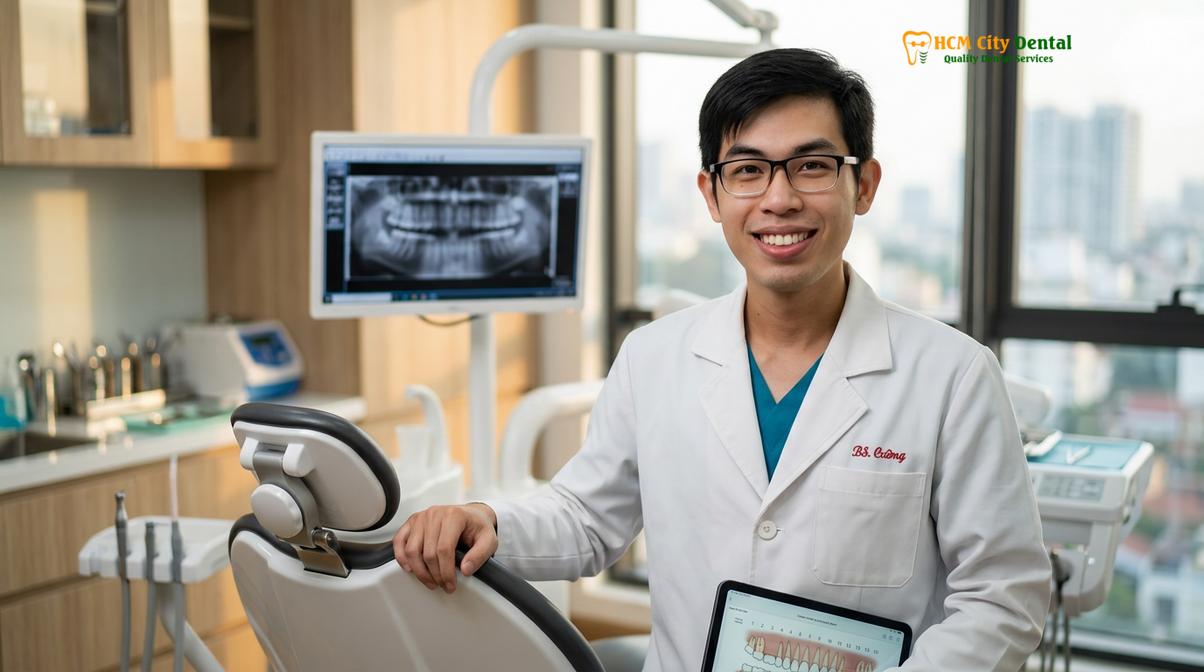
“The moment a patient commits to quitting smoking, their periodontal tissues begin a remarkable journey of recovery, allowing our clinical treatments to finally take hold and restore oral health.”
Frequently Asked Questions
Why don’t my gums bleed when I smoke?
Nicotine constricts the blood vessels in your gums, reducing blood flow and masking the bleeding that typically signals gum inflammation. Because of this artificial restriction, severe periodontal infections can progress silently without the classic warning signs that would normally prompt a dental visit.
How long after quitting smoking do gums heal?
Blood flow begins to normalize within a few days, but significant cellular healing and improved response to dental treatments typically take four to eight weeks. During the first few weeks, you may actually notice an increase in bleeding as healthy circulation returns to the previously oxygen-deprived tissues.
Does vaping damage gums as much as smoking?
While vaping eliminates tar, it still delivers nicotine and heated aerosols that cause vasoconstriction, tissue dehydration, and inflammation, posing significant risks to gum health. The propylene glycol and flavoring agents in e-cigarettes can also alter the oral microbiome, promoting the growth of decay-causing and periodontal bacteria.
Can smoking cause gum graft failure?
Yes, smoking severely restricts the blood supply necessary for a new gum graft to integrate and survive, dramatically increasing the risk of complete graft failure. Surgeons often require patients to strictly abstain from smoking for several weeks before and after the procedure to ensure the grafted tissue receives adequate oxygen and nutrients.
Can gums recover from smoking damage?
While lost bone and severely receded gums cannot grow back naturally, quitting smoking stops further destruction and allows remaining tissues to respond positively to clinical treatments. With professional interventions like deep cleaning or laser therapy, the active infection can be eradicated, and the gums can reattach to the tooth roots.
References
- Journal of Periodontology. The pathogenesis of periodontitis in smokers: a clinical and microbiological review.
- Clinical Oral Investigations. Impact of smoking on the clinical outcomes of non-surgical periodontal therapy.
- International Journal of Oral and Maxillofacial Implants. Smoking and dental implant failure: a systematic review and meta-analysis.
- Journal of Clinical Periodontology. Healing of periodontal tissues following smoking cessation.
- Vietnam Odonto-Stomatology Association & American Academy of Periodontology. Guidelines for the management of patients with severe periodontitis.
If you are concerned about the impact of smoking on your oral health or need support managing periodontal disease, professional intervention is crucial. Contact HCMC Dental Clinic in Ho Chi Minh City today to schedule a comprehensive evaluation and explore our advanced General Dentistry services tailored to restore your smile.
For pricing, booking, and a free clinical assessment, visit our Gum Disease Treatment service page at HCMC Dental Clinic in Ho Chi Minh City.