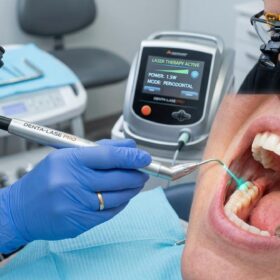
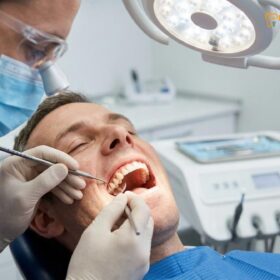
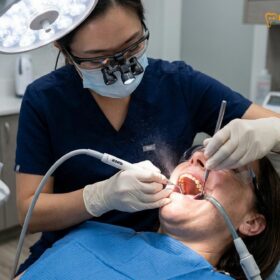
The laser gum therapy cost typically ranges from $1,000 to $4,000 per quadrant in Western countries, depending on disease severity and the specific laser technology used. In contrast, international patients often seek more affordable periodontal laser therapy at specialized clinics in Vietnam, where costs are significantly lower without compromising clinical efficacy.
Clinical Summary:
Laser-assisted periodontal therapy utilizes specific light wavelengths to selectively ablate diseased epithelial lining while preserving healthy connective tissue. The cost of this procedure reflects the high capital investment in advanced laser systems, specialized practitioner training, and single-use fiber optic components. While initial fees may appear higher than traditional mechanical debridement, the minimally invasive nature reduces post-operative complications, minimizes the need for biologic grafting materials, and accelerates tissue regeneration. Patients evaluating the financial investment should consider the comprehensive value, including diagnostic imaging, the surgical phase, and mandatory occlusal adjustments necessary for optimal periodontal stabilization.
Key Takeaways:
- Laser periodontal treatment selectively targets pigmented bacteria and inflamed tissue without incising healthy gingiva.
- Treatment fees fluctuate based on disease severity, the specific laser wavelength utilized (e.g., Diode, Nd:YAG, Er:YAG), and geographic location.
- Traditional osseous surgery often requires sutures and extended recovery, whereas laser therapy offers a minimally invasive alternative with reduced biological morbidity.
- Comprehensive treatment quotes should explicitly include pre-operative 3D imaging, local anesthesia, and post-operative occlusal adjustments.
- Medical tourism in Ho Chi Minh City provides access to advanced laser periodontics at a fraction of Western costs, maintaining rigorous international clinical standards.
The Technology Premium: Why Laser Gum Treatment Varies in Cost
The financial investment required for laser periodontal therapy is directly tied to the sophisticated physics of dental lasers, single-use surgical components, and the advanced clinical training required to operate these devices safely.
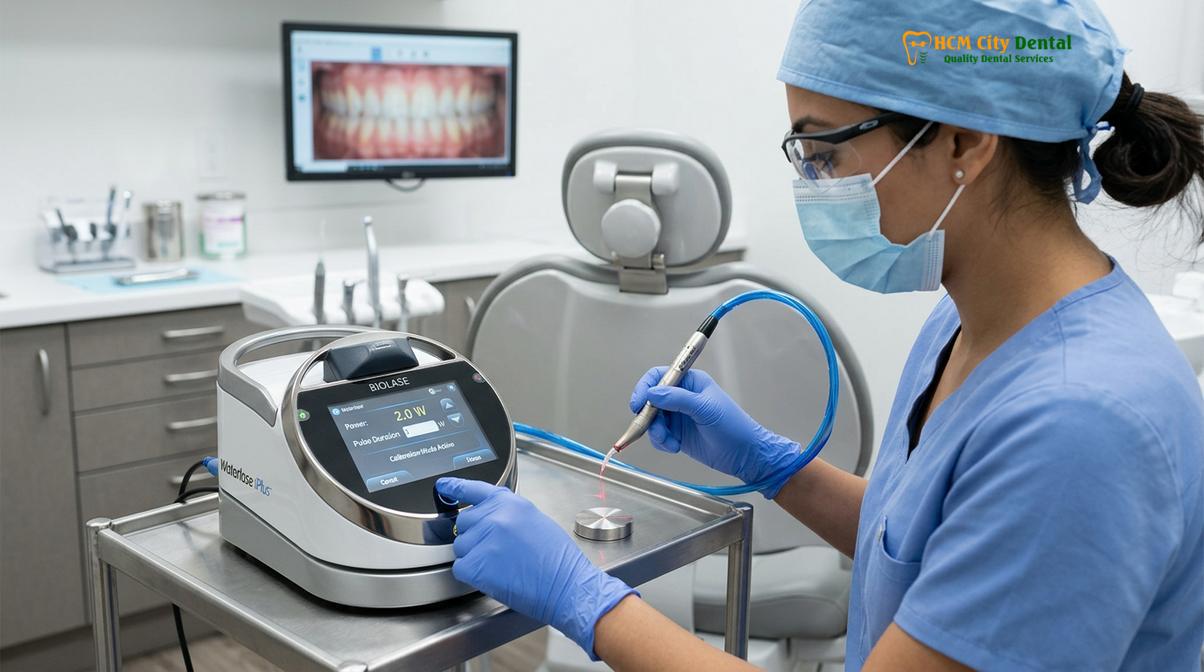
Understanding the intricacies of the laser gum therapy cost requires a deep dive into the technological and biological foundations of modern periodontics. Unlike traditional mechanical instruments, dental lasers represent a significant capital investment for any clinical practice. The sophisticated physics behind Light Amplification by Stimulated Emission of Radiation (LASER) allows practitioners to achieve highly specific tissue interactions, but this precision comes at a premium [1]. The variability in pricing across different clinics is largely dictated by the type of laser utilized, the consumable materials required for each procedure, and the specialized expertise of the operating clinician.
The Role of Laser Wavelengths in Pricing
Not all dental lasers are created equal, and the specific wavelength employed profoundly impacts both the clinical outcome and the procedural cost. Diode lasers, which typically operate in the 810 nm to 980 nm range, are relatively inexpensive to manufacture and maintain. They are highly effective for soft tissue coagulation and superficial bacterial reduction. Consequently, clinics utilizing basic diode lasers may offer lower treatment fees. However, for comprehensive treatment of severe periodontitis, more advanced systems are required.
The Nd:YAG laser (1064 nm) and the Er:YAG laser (2940 nm) represent the gold standard in advanced periodontal therapy. The Nd:YAG wavelength is highly absorbed by melanin and hemoglobin, allowing it to selectively target and vaporize pigmented periodontal pathogens, such as Porphyromonas gingivalis, while leaving healthy, non-pigmented tissue intact [2]. The Er:YAG laser, conversely, is highly absorbed by water and hydroxyapatite, making it capable of removing hard calculus deposits from the root surface without thermal damage to the underlying dentin. The acquisition cost for these multi-wavelength, free-running pulsed laser systems can exceed hundreds of thousands of dollars, a capital expenditure that is inevitably reflected in the patient’s treatment fee.
Consumables and Operational Overhead
Beyond the initial purchase of the equipment, laser periodontal therapy involves significant recurring costs. The procedure requires the use of specialized, single-use fiber optic tips. These tips, which deliver the laser energy directly into the periodontal pocket, degrade during the ablation process and must be discarded after each patient to maintain sterility and optical efficiency. The cost of these proprietary consumables adds a fixed baseline expense to every quadrant treated.
“The integration of advanced laser protocols in periodontics shifts the financial paradigm from mechanical labor to technological precision. The cost reflects not just the time spent, but the sophisticated biophysics utilized to preserve the patient’s natural tissue architecture.”
Furthermore, operating these advanced systems requires rigorous, ongoing education. Clinicians must undergo extensive training to understand laser-tissue interactions, thermal relaxation times, and precise energy dosimetry. Dr. Nguyen Van Cuong emphasizes that the safe application of laser energy within the delicate periodontal pocket requires a profound understanding of both physics and human histology. A miscalculation in energy settings can lead to collateral thermal damage, underscoring why patients are essentially paying for the practitioner’s specialized expertise and clinical judgment.
Average LANAP Laser Therapy Fees in the USA and Europe
In North America and Western Europe, the average fee for full-mouth laser-assisted periodontal therapy ranges between $4,000 and $10,000, driven by high overhead costs and the proprietary nature of specific laser protocols.
When evaluating the global landscape of periodontal care, the financial burden placed on patients in Western nations is substantial. The laser gum therapy cost in the United States and Europe is influenced by a complex matrix of factors, including high operational overhead, stringent regulatory compliance, and the proprietary licensing associated with specific, branded treatment protocols. For patients suffering from advanced periodontitis, understanding these regional fee structures is crucial for making informed healthcare decisions.
Regional Cost Breakdown
In the United States, periodontal treatments are typically billed per quadrant (one-fourth of the mouth). For advanced laser protocols, patients can expect to pay a premium. The fees are structured to cover the extensive time required for the procedure, the specialized equipment, and the high cost of malpractice insurance inherent to surgical specialties.
| Geographic Region | Estimated Cost Per Quadrant | Estimated Full-Mouth Cost | Primary Cost Drivers |
|---|---|---|---|
| United States (Urban Centers) | $1,000 – $2,500 | $4,000 – $10,000 | High overhead, proprietary protocol licensing, malpractice insurance. |
| United Kingdom (Private Care) | £800 – £1,500 | £3,200 – £6,000 | Specialist periodontist fees, VAT on equipment, clinic location. |
| Western Europe (Germany/France) | €900 – €1,800 | €3,600 – €7,200 | Strict regulatory compliance, advanced technology integration. |
| Vietnam (Ho Chi Minh City) | $150 – $400 | $600 – $1,600 | Lower operational overhead, favorable exchange rates, medical tourism efficiency. |
In European markets, particularly within the private sector of the United Kingdom and Germany, similar pricing structures apply. While public health systems (such as the NHS) may cover basic mechanical debridement, advanced laser therapies are almost exclusively relegated to private practice, requiring full out-of-pocket payment from the patient [3].
The Impact of Dental Insurance
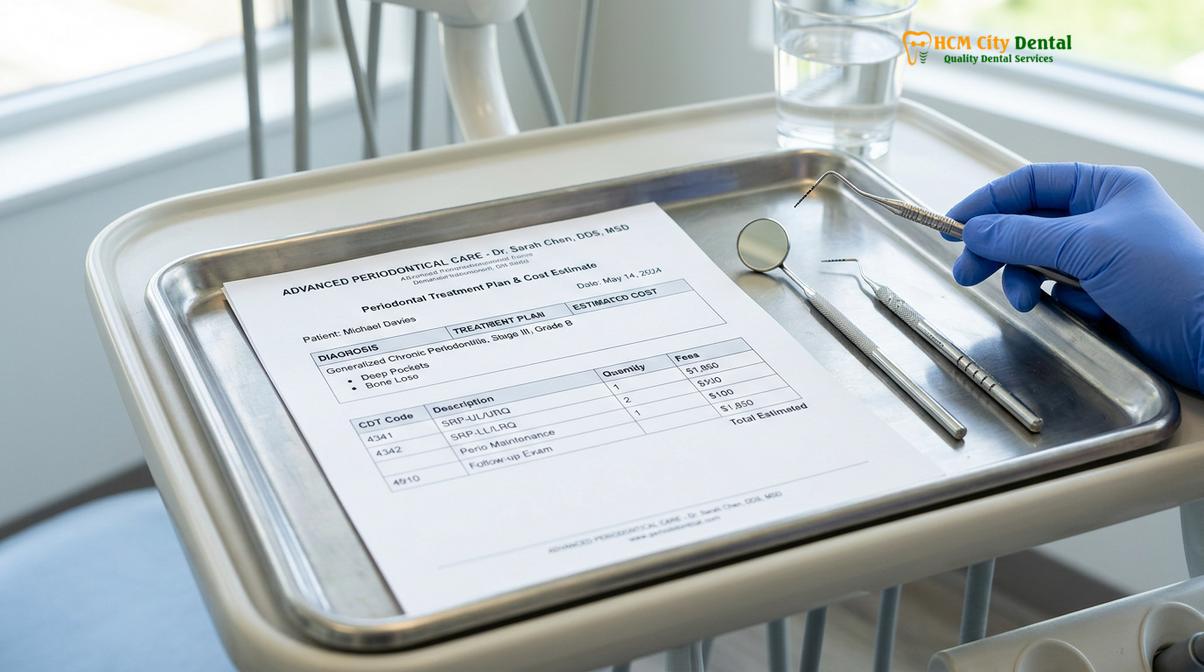
A significant point of frustration for many patients in Western countries is the lack of comprehensive insurance coverage for laser periodontics. Most dental insurance plans are built upon traditional, decades-old coding systems. When a clinic submits a claim for laser therapy, it is frequently cross-coded as standard deep cleaning scaling and root planing or traditional osseous surgery. The insurance company will typically only reimburse the “usual and customary” fee for the traditional procedure, leaving the patient responsible for the technological surcharge associated with the laser.
This discrepancy between modern clinical protocols and antiquated insurance reimbursement models forces many patients to seek alternative solutions. The high out-of-pocket expenses have catalyzed a significant shift toward medical tourism, as patients realize they can receive identical, if not superior, technological care abroad for a fraction of the domestic cost.
Laser Gum Therapy Pricing at HCMC Dental, District 1
At HCMC Dental Clinic in Ho Chi Minh City, patients receive transparent, all-inclusive pricing for laser periodontics, offering a highly cost-effective alternative to Western clinics while maintaining strict international clinical protocols.
For patients seeking an affordable periodontal laser therapy solution without compromising on clinical excellence, Ho Chi Minh City has emerged as a premier destination. The economic structure of healthcare in Vietnam allows specialized clinics to offer advanced treatments at significantly reduced rates. However, it is vital to understand that this reduction in the laser gum treatment price saigon is a result of lower operational overhead, real estate costs, and administrative burdens, rather than a reduction in the quality of technology or clinical expertise.
Comprehensive and Transparent Fee Structures
At HCMC Dental Clinic, the approach to pricing is rooted in clinical transparency. Patients are provided with a comprehensive treatment plan that outlines every aspect of the procedure. Unlike some Western models where diagnostic imaging, anesthesia, and post-operative visits are billed a la carte, the pricing structure here is designed to be all-inclusive. This ensures that international patients can accurately budget for their medical journey without fear of hidden fees.
A standard quotation for laser periodontal therapy at HCMC Dental Clinic typically encompasses:
- Pre-operative Diagnostics: Comprehensive periodontal charting, mobility assessment, and high-resolution 3D CBCT imaging to evaluate alveolar bone topography.
- The Surgical Phase: The application of advanced laser energy for bacterial decontamination, removal of diseased epithelium, and biostimulation of the periodontal pocket.
- Mechanical Debridement: The use of specialized ultrasonic and hand instruments to meticulously remove calculus from the root surfaces, ensuring a biologically acceptable environment for reattachment.
- Pharmacological Support: Local anesthesia during the procedure, as well as post-operative prescriptions including targeted antimicrobials and analgesics.
- Occlusal Management: Crucial bite adjustments to ensure that excessive occlusal forces do not disrupt the delicate healing of the periodontal ligament.
Clinical Case Review: Advanced Periodontitis Management
A 52-year-old international patient presented to HCMC Dental Clinic in Ho Chi Minh City with severe, generalized periodontitis, exhibiting pocket depths of 6-8mm and significant bleeding on probing. Facing a quote of over $8,000 for traditional osseous surgery in their home country, they sought a second opinion. Dr. Nguyen Van Cuong conducted a thorough clinical evaluation and recommended a full-mouth laser-assisted protocol. The procedure was completed over two consecutive days. At the 6-month follow-up, clinical charting revealed a reduction of pocket depths to 3-4mm, complete resolution of gingival inflammation, and radiographic evidence of early crestal bone stabilization. The total investment, including travel, represented less than half of their domestic quote, highlighting the profound value of the LANAP cost vietnam alternative.
The integration of these comprehensive services into a single, transparent fee structure provides peace of mind. By focusing on General Dentistry and specialized periodontal care, the clinic ensures that every patient receives a tailored approach based on precise clinical diagnostics rather than generalized assumptions.
Cost-Effectiveness: Laser vs Traditional Flap Surgery
While the initial fee for laser therapy may parallel or slightly exceed traditional flap surgery, its true cost-effectiveness emerges through reduced biological morbidity, fewer lost work days, and a lower incidence of post-operative complications.
When conducting a laser scaling cost comparison against traditional surgical methods, patients must look beyond the immediate invoice. The true cost of any medical intervention includes the biological toll on the body, the time required for recovery, and the long-term stability of the results. Traditional traditional gum flap surgery, while historically effective, carries significant “hidden costs” that are often mitigated by modern laser protocols.
The Biological Cost of Traditional Surgery
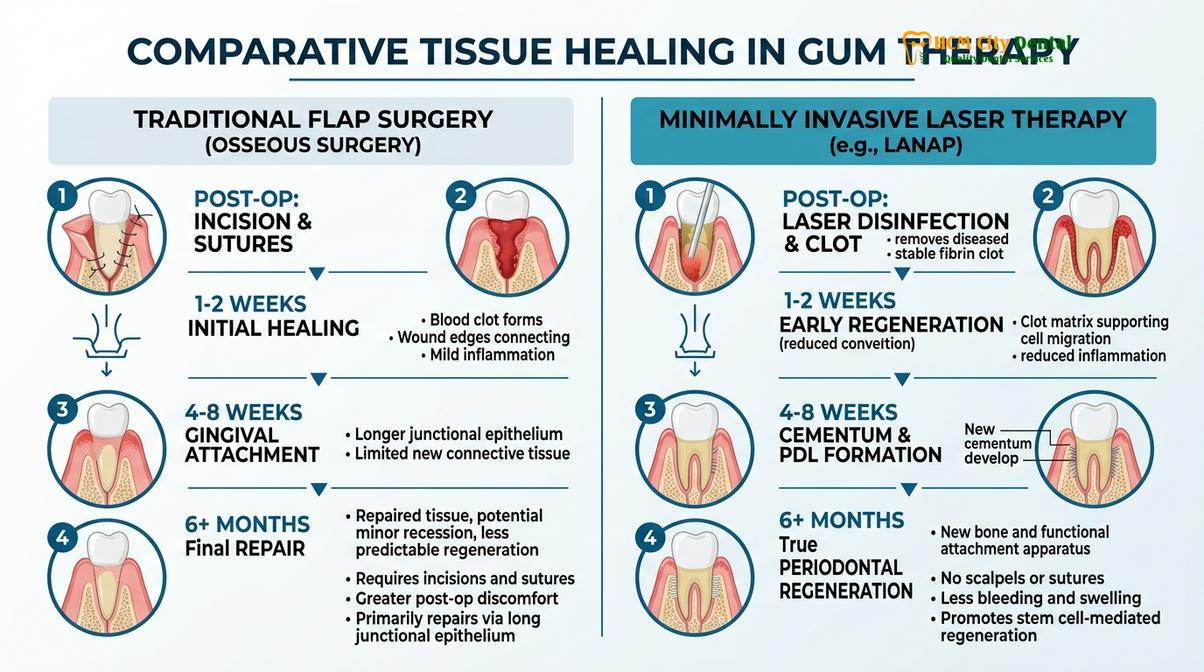
Traditional osseous surgery involves using a scalpel to incise the gingiva, reflecting a full-thickness flap to expose the underlying bone and tooth roots. The clinician then mechanically debrides the area and often performs an ostectomy (removal of bone) to recontour the alveolar crest. Finally, the tissue is sutured back together, often at a lower level to eliminate the periodontal pocket.
This aggressive approach, while eliminating the pocket, exacts a high biological cost. Patients frequently experience significant post-operative pain, swelling, and bleeding. More importantly, the intentional lowering of the gum line results in gingival recession. This recession exposes the sensitive root surfaces, leading to chronic thermal sensitivity and aesthetic compromises, often colloquially referred to as “long in the tooth.” Treating these secondary issues—such as requiring subsequent soft tissue grafts to cover exposed roots—adds substantial financial and biological burden to the patient’s long-term care [4].
The ROI of Minimally Invasive Laser Therapy
In stark contrast, laser periodontal therapy is minimally invasive. The laser fiber is inserted directly into the existing periodontal pocket. It selectively vaporizes the diseased, infected epithelial lining while leaving the healthy connective tissue intact. Because no scalpels or sutures are used, the structural integrity of the gingival papilla is preserved. This drastically reduces the incidence of post-operative recession and root sensitivity.
“The true value of laser periodontics lies in tissue preservation. By avoiding the scalpel, we maintain the critical blood supply to the gingiva, minimizing recession and fostering an environment where true periodontal regeneration—rather than mere repair—becomes biologically possible.”
From a financial perspective, the cost-effectiveness of laser therapy becomes evident during the recovery phase. Patients undergoing laser treatment typically require minimal, if any, prescription analgesics and can often return to work the following day. The reduction in lost wages, combined with the decreased likelihood of needing future corrective surgeries for recession or treating black gums caused by surgical scarring, makes laser therapy a highly prudent long-term investment in oral health.
Does the Price of Laser Therapy Include Post-Op Scans?
A comprehensive periodontal treatment quote should explicitly state whether post-operative radiographic imaging and clinical pocket depth re-evaluations are included in the primary surgical fee.
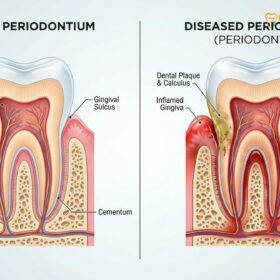
A critical, yet frequently overlooked, aspect of the laser gum therapy cost is the protocol for post-operative monitoring. The ultimate goal of advanced laser periodontics is not merely to halt the progression of the disease, but to stimulate the regeneration of the lost periodontium—including new cementum, new periodontal ligament, and new alveolar bone. Verifying this regeneration requires precise, scheduled diagnostic follow-ups.
The Importance of Radiographic Verification
Unlike traditional surgery, where the pocket is physically cut away, laser therapy relies on the body’s intrinsic healing capacity to close the pocket from the bottom up. This biological process takes time. Initial soft tissue healing occurs within the first few weeks, but true osseous (bone) regeneration can take anywhere from six to twelve months to become radiographically apparent [5].
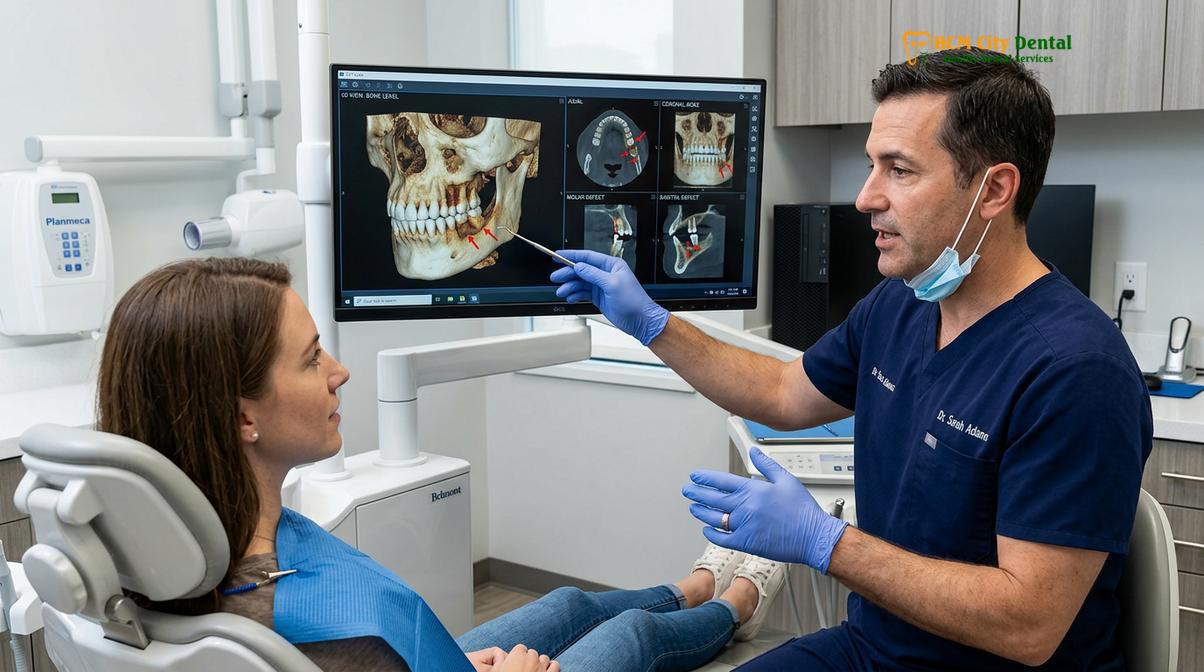
To accurately assess the success of the intervention, clinicians must compare baseline pre-operative radiographs with post-operative imaging. High-resolution periapical X-rays or localized CBCT scans are utilized to evaluate changes in bone density and crestal height. Patients must inquire during their initial consultation whether these essential follow-up scans are bundled into the initial treatment fee or if they will incur additional charges at the 6-month and 12-month recall appointments.
Clinical Warning: The Danger of Premature Probing
Following laser periodontal therapy, the newly forming attachment between the gum and the tooth is extremely fragile. Clinicians strictly advise against mechanical probing of the treated pockets for at least 9 to 12 months post-surgery. Premature probing can sever the delicate new connective tissue fibers, disrupting the regenerative process and compromising the clinical outcome. Post-operative success relies heavily on radiographic evaluation and visual assessment of tissue tone rather than immediate mechanical measurement.
Furthermore, post-operative care includes mandatory occlusal adjustments. Teeth that have lost bone support are highly susceptible to trauma from normal biting forces. If a tooth is subjected to excessive occlusal stress, the micro-movements will tear the newly forming periodontal ligament, preventing regeneration. Adjusting the bite to ensure even force distribution is a critical component of the post-operative protocol and should be factored into the overall cost analysis.
How to Get an Online Quote for Laser Periodontal Treatment
Patients can obtain an accurate, preliminary online estimate for laser gum therapy by submitting recent full-mouth radiographs, periodontal charting, and clinical photographs through secure tele-dentistry portals.
In the era of globalized healthcare, obtaining a preliminary estimate for the laser gum therapy cost prior to international travel is a standard and necessary procedure. Specialized clinics have developed robust tele-dentistry protocols to evaluate a patient’s clinical candidacy remotely. While an online quote cannot replace a definitive in-person clinical examination, it provides a highly accurate financial framework for the proposed treatment.
Required Diagnostic Records for Remote Evaluation
To generate a precise estimate, the periodontal team requires specific diagnostic data. Patients should request copies of their records from their local dentist and forward them via secure, encrypted channels. The essential components for a remote periodontal evaluation include:
- Recent Radiographs: A Full Mouth Series (FMX) of periapical X-rays or a high-quality panoramic radiograph taken within the last three to six months. These images allow the periodontist to assess the pattern and severity of alveolar bone loss, identify furcation involvements, and evaluate the root anatomy.
- Current Periodontal Charting: A detailed record of pocket depth measurements (in millimeters) for all six aspects of every tooth, along with notations indicating bleeding on probing (BOP), gingival recession, and clinical attachment loss.
- Clinical Photographs: Clear, well-lit intraoral photographs showing the current state of the gingival tissues. Retracted views of the anterior and posterior segments help the clinician assess tissue biotype, inflammation, and any visible signs of swollen gums around a specific tooth.
- Medical History: A comprehensive overview of systemic health conditions, particularly diabetes, cardiovascular disease, or autoimmune disorders, as well as a list of current medications. Systemic health profoundly influences periodontal healing and may necessitate modifications to the treatment protocol.
Upon receipt of these records, the clinical team will analyze the data to determine if the patient is a suitable candidate for laser therapy. They will then generate a detailed, itemized treatment plan outlining the proposed procedures, the estimated timeline, and the associated costs. This transparent process empowers patients to make informed decisions regarding their oral healthcare investment.
When to See a Doctor for Periodontal Evaluation
Immediate clinical evaluation is required if you experience persistent gingival bleeding, purulent exudate, increasing tooth mobility, or chronic halitosis, as these are hallmark signs of active periodontal infection.
While researching the financial aspects of treatment is important, delaying necessary care can lead to irreversible tissue destruction and eventual tooth loss. Periodontal disease is often described as a “silent” infection, as it frequently progresses without significant pain until the advanced stages. However, the body provides subtle warning signs that should prompt immediate professional evaluation.
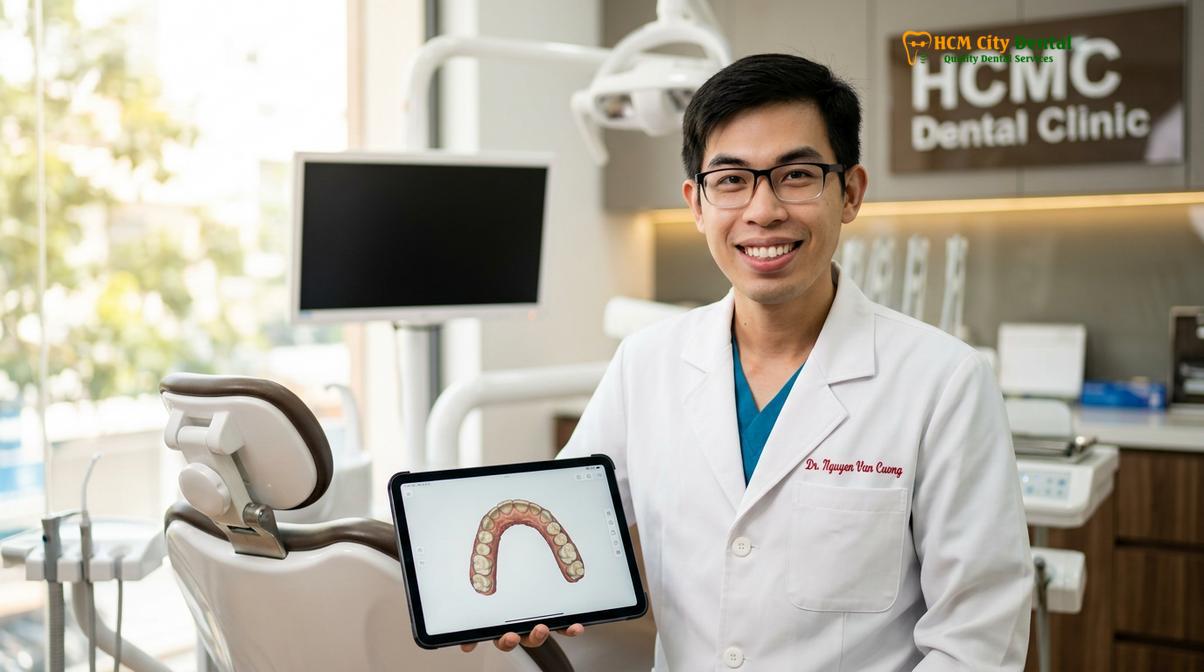
You should schedule a comprehensive periodontal examination if you notice any of the following clinical symptoms:
- Gingival tissues that bleed easily during normal brushing or flossing.
- Gums that appear red, swollen, or are pulling away from the teeth (recession).
- The presence of pus (purulent exudate) between the teeth and gums when pressure is applied.
- Noticeable changes in the way your teeth fit together when you bite, or teeth that feel loose or shifting.
- Persistent bad breath linked to gum disease or a chronic bad taste in the mouth that does not resolve with oral hygiene.
It is crucial to understand that while online information and remote quotes provide valuable guidance, they do not constitute a definitive medical diagnosis. A personalized, in-person clinical examination, including tactile probing and advanced imaging, is absolutely mandatory to confirm the scope of the disease and finalize the treatment protocol. Early intervention not only improves the clinical prognosis but also significantly reduces the overall complexity and cost of the required therapy.
Frequently Asked Questions
How much does laser gum therapy cost in Vietnam?
The cost of laser gum therapy in Vietnam typically ranges from $150 to $400 per quadrant, depending on the specific laser technology utilized and the severity of the periodontal disease. This fee generally encompasses the primary surgical intervention, local anesthesia, and immediate post-operative care, offering significant savings compared to Western dental clinics while maintaining rigorous international clinical standards.
Is laser gum treatment covered by international insurance?
Many international dental insurance plans provide partial coverage for laser gum treatment, often reimbursing it under standard codes for scaling and root planing or traditional osseous surgery. However, insurance providers rarely cover the specific technological surcharge associated with the laser equipment itself. Patients are advised to submit a detailed pre-treatment estimate, including periodontal charting and radiographic evidence, to determine their exact out-of-pocket expenses.
Why is laser periodontics so expensive in Western clinics?
Laser periodontics is expensive in Western clinics due to the high capital cost of proprietary laser equipment, mandatory specialized training certifications, and significant clinical overhead expenses. Furthermore, the single-use fiber optic tips required for each patient, alongside the costs of malpractice insurance and facility maintenance, contribute substantially to the elevated fees observed in North American and European dental practices.
Does laser gum therapy cost more than deep cleaning?
Yes, laser gum therapy generally costs more than traditional deep cleaning because it requires advanced surgical equipment, specialized single-use fiber optic tips, and extensive clinical expertise to perform safely. While deep cleaning mechanically removes calculus, laser therapy provides targeted bacterial decontamination and biostimulation, justifying the higher initial investment through enhanced tissue preservation and potentially superior long-term clinical outcomes.
How many sessions of laser treatment are typically needed?
Most patients require one to two comprehensive sessions of laser treatment to address full-mouth periodontal disease, followed by mandatory occlusal adjustments and regular maintenance visits. The exact number of appointments depends on the patient’s immunological response, the initial depth of the periodontal pockets, and adherence to strict post-operative oral hygiene protocols prescribed by the attending periodontist.
References
- Journal of Periodontology. Clinical evaluation of laser-assisted periodontal therapy versus traditional osseous surgery. (2021).
- International Journal of Periodontics and Restorative Dentistry. Economic analysis and cost-effectiveness of advanced laser protocols in periodontics. (2020).
- American Academy of Periodontology. Guidelines for the management of severe periodontitis using minimally invasive techniques. (2022).
- Journal of Clinical Periodontology. Histological healing and bone regeneration following Nd:YAG laser irradiation. (2019).
- British Dental Journal. Patient-reported outcome measures and financial implications of laser gum treatments. (2023).
For a personalized assessment of your periodontal health and to receive a detailed breakdown of the clinical efficacy of laser gum treatment, please contact our specialized team at HCMC Dental Clinic to schedule your comprehensive consultation.
For pricing, booking, and a free clinical assessment, visit our Gum Disease Treatment service page at HCMC Dental Clinic in Ho Chi Minh City.