Swollen gums around a single tooth typically indicate localized inflammation caused by trapped food debris, poor dental restorations, or an underlying bacterial infection such as a periodontal abscess. Prompt clinical evaluation is necessary to prevent tissue damage and stop the infection from spreading to adjacent teeth.
Clinical Summary:
Localized gingival swelling is a targeted immune response to a specific irritant or pathogen confined to one area of the mouth. Common culprits include foreign body impaction (such as popcorn hulls), failing dental margins, or acute periodontal abscesses. Unlike generalized gum disease, which affects the entire mouth, a swollen gum single tooth requires a highly specific diagnostic approach. Treatment ranges from professional mechanical debridement and abscess drainage to endodontic therapy or restoration replacement, depending entirely on the underlying etiology identified during clinical examination.
Key Takeaways:
- Localized swelling usually points to a specific, isolated issue rather than systemic, generalized gum disease.
- Trapped food particles are the most frequent cause of sudden, acute gingival inflammation around a single tooth.
- A visible pimple or pus discharge on the gums indicates a dental abscess requiring immediate professional drainage.
- Warm saltwater rinses can provide temporary symptomatic relief, but cannot cure an underlying bacterial infection.
- Ignoring isolated gum swelling can lead to irreversible alveolar bone loss and eventual tooth extraction.
Why is My Gum Swollen in Only One Spot?
When swelling is confined to a single area, it signifies a localized immune reaction where white blood cells rush to isolate and neutralize a specific irritant or bacterial invasion.
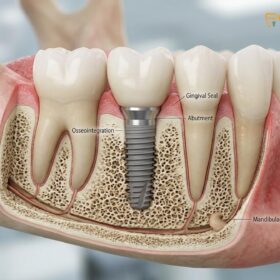
To understand why you might experience localized gum swelling, it is essential to first understand the anatomy of the periodontium—the specialized tissues that surround and support the teeth. The periodontium consists of the gingiva (gums), the periodontal ligament, the cementum (root surface), and the alveolar bone. In a healthy state, the gingiva fits snugly around each tooth, creating a shallow crevice known as the gingival sulcus. This sulcus is typically 1 to 3 millimeters deep and acts as a protective collar.
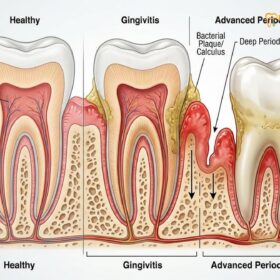
When patients ask, “why is my gum swollen in one spot,” the answer almost always lies in a disruption of this delicate sulcus. Unlike generalized gingivitis, which is typically caused by widespread plaque accumulation due to poor oral hygiene and affects the entire mouth, localized swelling is a highly specific defense mechanism. The body’s immune system detects a localized threat—be it a physical irritant, a chemical toxin from bacteria, or a structural defect—and initiates an inflammatory cascade precisely at that location [1].
This inflammatory cascade involves vasodilation (widening of the blood vessels) and increased capillary permeability. Blood flow to the isolated area increases dramatically, bringing a surge of white blood cells, antibodies, and inflammatory mediators to fight off the perceived threat. This influx of fluid and cells into the gingival tissues causes the visible signs of inflammation: erythema (redness), edema (swelling), localized heat, and pain. Because the surrounding tissues are healthy, the contrast between the swollen, red area and the adjacent pink, stippled gums is often stark and immediately noticeable.
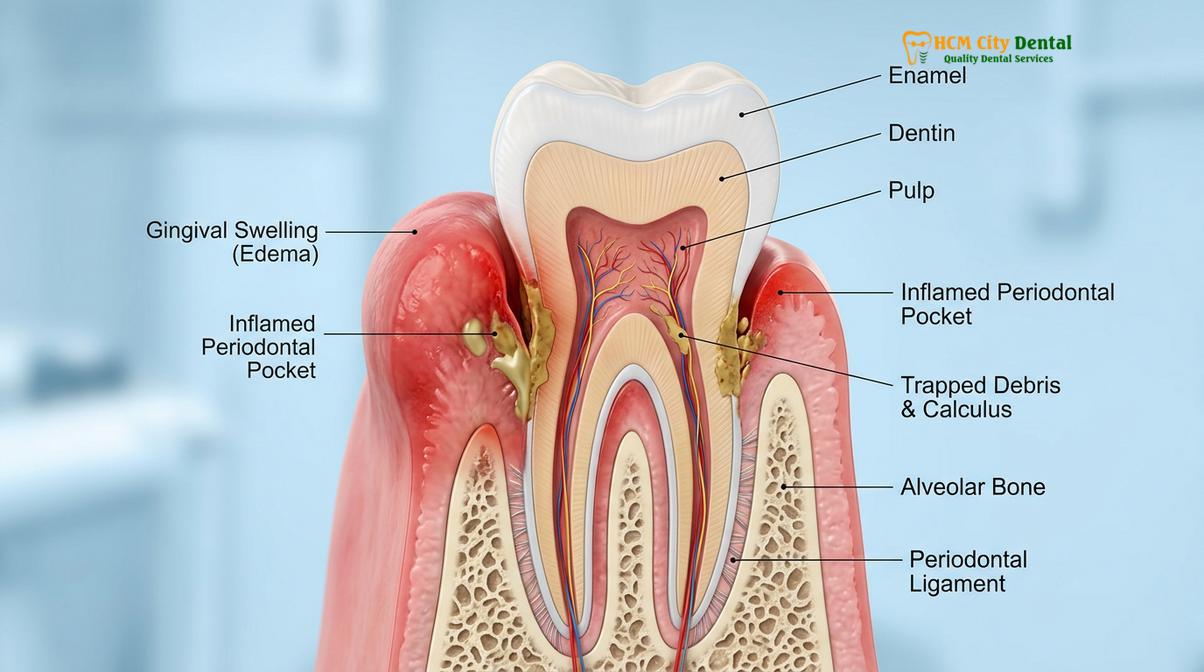
Clinically, isolated swelling is a crucial diagnostic clue. It tells the dental professional that the problem is not necessarily a patient’s overall brushing habits, but rather a specific, localized defect or event that requires targeted intervention. Identifying the exact nature of this localized threat is the first step in providing effective gum swelling relief and restoring the health of the periodontium.
7 Common Causes of Localized Gum Swelling
The primary triggers for isolated gingival inflammation include food impaction, periodontal abscesses, poor dental restorations, root fractures, erupting teeth, localized gingivitis, and traumatic injury.
Diagnosing the exact cause of a swollen gum around a single tooth requires a systematic approach. Dental professionals evaluate a variety of potential etiologies, ranging from simple, easily reversible issues to complex structural failures that threaten the viability of the tooth. Below is a comprehensive breakdown of the seven most common causes of localized gingival swelling.
1. Food Impaction and Foreign Body Reaction: This is arguably the most frequent cause of sudden, acute localized swelling. Hard, fibrous, or sharp food particles can become forcefully wedged into the gingival sulcus during chewing. Because the body cannot digest or break down these materials within the gum pocket, it treats them as foreign invaders, launching a rapid and painful inflammatory response.
2. Periodontal Abscess: A periodontal abscess is a localized collection of pus within the gum tissue, usually originating from a deep periodontal pocket. It occurs when the opening of a deep pocket becomes obstructed, trapping bacteria and inflammatory exudate inside. This leads to rapid tissue destruction and significant, throbbing pain.
3. Defective Dental Restorations: Dental fillings, crowns, or veneers that do not fit perfectly can create “plaque traps.” Overhanging margins (where the filling extends beyond the natural contour of the tooth) or open contacts (spaces between teeth) allow food and bacteria to accumulate in areas that are impossible to clean with standard brushing and flossing, leading to chronic localized inflammation [2].
4. Root Fractures and Cracked Tooth Syndrome: A microscopic crack in the root of a tooth can harbor bacteria deep below the gumline. Because the crack provides a constant pathway for bacterial ingress, the surrounding gum tissue remains in a state of chronic inflammation, often presenting as a localized, persistent swelling or a recurring “pimple” on the gums.
5. Erupting or Impacted Teeth: When a tooth is trying to erupt through the gums—most commonly seen with wisdom teeth (third molars)—the flap of gum tissue covering the tooth (the operculum) can become inflamed and infected. This condition, known as pericoronitis, causes severe localized swelling, pain, and sometimes difficulty opening the mouth.
6. Localized Gingivitis: While gingivitis is often generalized, it can occur in isolated areas if a patient consistently misses a specific spot during their oral hygiene routine. This is frequently seen around misaligned or crowded teeth, where the anatomy makes effective plaque removal challenging.
7. Traumatic Injury: Direct physical trauma to the gums, such as aggressive brushing with a hard-bristled toothbrush, accidental laceration from a sharp object, or a thermal burn from excessively hot food, can cause acute, localized swelling that typically resolves once the tissue heals.
| Potential Cause | Primary Clinical Symptoms | Onset Speed | Clinical Urgency |
|---|---|---|---|
| Foreign Body Impaction | Sudden sharp pain, localized redness, feeling of pressure | Rapid (Hours) | Moderate (Requires removal) |
| Periodontal Abscess | Throbbing pain, visible pus, tooth mobility, sensitivity to percussion | Rapid to Moderate | High (Requires immediate drainage) |
| Defective Restoration | Chronic mild swelling, bleeding on flossing, food trapping | Gradual (Weeks/Months) | Moderate (Requires restoration adjustment) |
| Root Fracture | Pain on biting/release, deep narrow pocket, persistent swelling | Variable | High (Often requires extraction) |
| Pericoronitis | Swelling behind last molar, bad taste, limited jaw opening | Moderate | High (Risk of spreading infection) |
Food Impaction and Foreign Body Reaction
Hard food debris, such as popcorn hulls or seeds, can become wedged beneath the gumline, triggering a rapid and painful foreign body inflammatory response.
Foreign body gingivitis is a highly common, yet frequently misdiagnosed, cause of acute localized gum swelling. The architecture of the gingival sulcus—the shallow V-shaped crevice between the tooth and the gums—makes it susceptible to trapping small, hard particles. When a patient chews fibrous or particulate foods, the mechanical forces of mastication can drive these particles deep into the sulcus, bypassing the protective epithelial attachment.
The most notorious culprits for this type of impaction include popcorn hulls, sesame seeds, strawberry seeds, small fragments of bone, and tough meat fibers. Popcorn hulls are particularly problematic because their thin, curved, and rigid structure allows them to slide easily beneath the gumline and adhere tightly to the root surface, making them incredibly difficult to dislodge with normal brushing or rinsing.
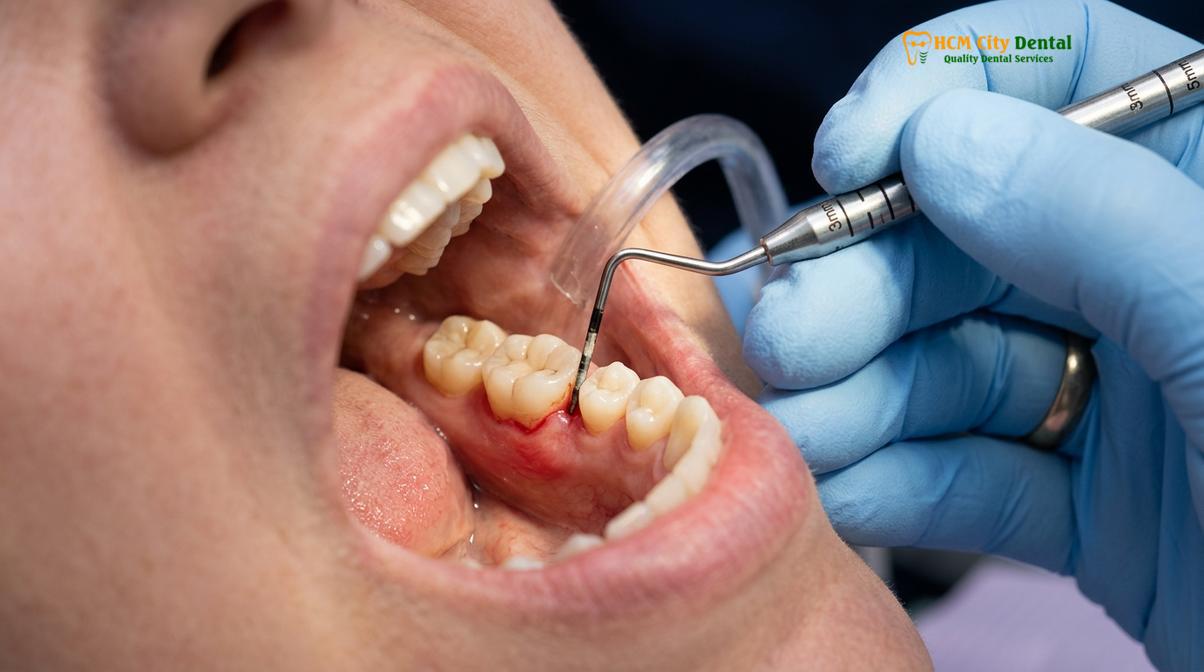
Once a foreign body is lodged in the periodontal tissues, the body recognizes it as an antigen. Because the tissue cannot enzymatically degrade materials like cellulose (found in plant seeds and hulls), a chronic inflammatory response ensues. Macrophages and foreign body giant cells accumulate in the area, attempting to wall off the irritant. Clinically, this presents as a sudden, intensely painful, and highly localized swelling. The gum tissue will appear bright red, stretched, and shiny, and it will bleed profusely upon probing.
Dr. Nguyen Van Cuong frequently observes that patients mistake a foreign body reaction for a severe, spontaneous infection. “Patients often present in significant distress, believing they have developed a massive abscess overnight,” notes Dr. Cuong. “However, upon careful subgingival exploration, we frequently retrieve a tiny, hidden popcorn hull. Once the irritant is removed, the dramatic swelling typically subsides within 24 to 48 hours without the need for antibiotics.”
If left untreated, a foreign body impaction can progress from a simple inflammatory reaction to a true gingival abscess. The trapped debris creates a protected environment for anaerobic bacteria to proliferate, leading to tissue necrosis and pus formation. Therefore, if you suspect food is trapped and you cannot remove it with gentle flossing, seeking professional general dentistry care is essential to prevent further periodontal damage.
Localized Periodontal Infection and Abscess
A localized periodontal infection occurs when bacteria proliferate within a deep gum pocket, often culminating in a painful, pus-filled abscess that requires immediate clinical drainage.
When discussing a swollen gum single tooth, one of the most critical diagnoses to rule in or out is a dental abscess. An abscess is a localized collection of pus—a thick fluid composed of dead white blood cells, tissue debris, and bacteria. In the oral cavity, abscesses are generally categorized by their origin: gingival, periodontal, or periapical.
A gingival abscess is confined to the marginal gum tissue and the interdental papilla (the triangle of gum between teeth). It usually arises from a superficial infection, often triggered by a foreign body impaction as discussed previously. It appears as a smooth, red, painful swelling on the edge of the gum.
A periodontal abscess, however, is a deeper and more destructive infection. It originates within the periodontal pocket—the space between the tooth and the gum that has been deepened by pre-existing periodontal disease. When the opening of this pocket becomes blocked (due to calculus buildup, viscous exudate, or sudden changes in the bacterial flora), the bacteria trapped inside multiply rapidly. The body’s immune system sends neutrophils to fight the infection, resulting in the formation of pus. Because the pus cannot escape, pressure builds up within the tissues, causing severe, throbbing pain and significant localized swelling [3].
“An acute periodontal abscess is not merely a surface issue; it represents a rapid destruction of the periodontal ligament and alveolar bone that demands swift mechanical intervention to prevent tooth loss and systemic spread.”
A periapical abscess originates from the inside of the tooth (the dental pulp) due to deep decay or trauma. The infection travels down the root canal and exits through the tip of the root (the apex) into the surrounding bone. While the source is endodontic, the swelling often manifests on the gums adjacent to the root tip, sometimes forming a sinus tract or “gum boil” (parulis) that periodically drains pus into the mouth.
Differentiating between a periodontal and a periapical abscess is crucial because the treatments are entirely different. A periodontal abscess requires deep cleaning and drainage of the gum pocket, while a periapical abscess necessitates root canal therapy or tooth extraction. Dental professionals use vitality testing (checking if the tooth’s nerve is alive) and radiographic imaging to make this critical distinction.
Failing Restorations, Fractured Roots, and Crowns
Defective dental fillings, overhanging crown margins, or microscopic root fractures create plaque-retentive areas that chronically irritate the surrounding gingival tissues.
Not all localized gum swelling is caused by acute infections or trapped food; frequently, the culprit is structural. The relationship between dental restorations and gingival health is intimate and delicate. When a filling, dental crown, or bridge is placed, it must harmonize perfectly with the surrounding biological tissues. If it does not, it can cause chronic, localized inflammation.
One of the most common structural issues is an overhanging margin. This occurs when a dental filling extends beyond the natural contour of the tooth cavity, creating a tiny ledge beneath the gumline. This ledge acts as a perfect trap for dental plaque and calculus. Because the patient cannot clean beneath this overhang with floss or a toothbrush, bacteria thrive in this protected niche, leading to chronic localized gingivitis and, eventually, localized periodontitis and bone loss.
Another critical concept is the violation of the biologic width. The biologic width is the natural dimension of healthy gingival tissue attached to the tooth above the alveolar bone. If a dental crown is placed too deeply beneath the gumline, it encroaches on this sacred space. The body perceives the crown margin as a foreign invader and mounts a chronic inflammatory response in a futile attempt to push the bone away from the irritant. This results in persistently red, swollen, and bleeding gums around that specific crowned tooth.
Clinical Case Study: Resolving Chronic Localized Swelling
A 42-year-old patient visited HCMC Dental Clinic in Ho Chi Minh City complaining of persistent bleeding and localized swelling around a lower right molar that had been filled two years prior. Clinical examination and digital radiographs revealed a significant overhanging amalgam margin on the distal surface of the tooth, which had created a localized 6mm periodontal pocket. The treatment involved carefully removing the defective filling, performing localized scaling and root planing to debride the infected pocket, and placing a new, anatomically contoured composite restoration. Within two weeks, the gingival swelling completely resolved, and the pocket depth reduced to a healthy 3mm, demonstrating the direct impact of precise restorative margins on periodontal health.
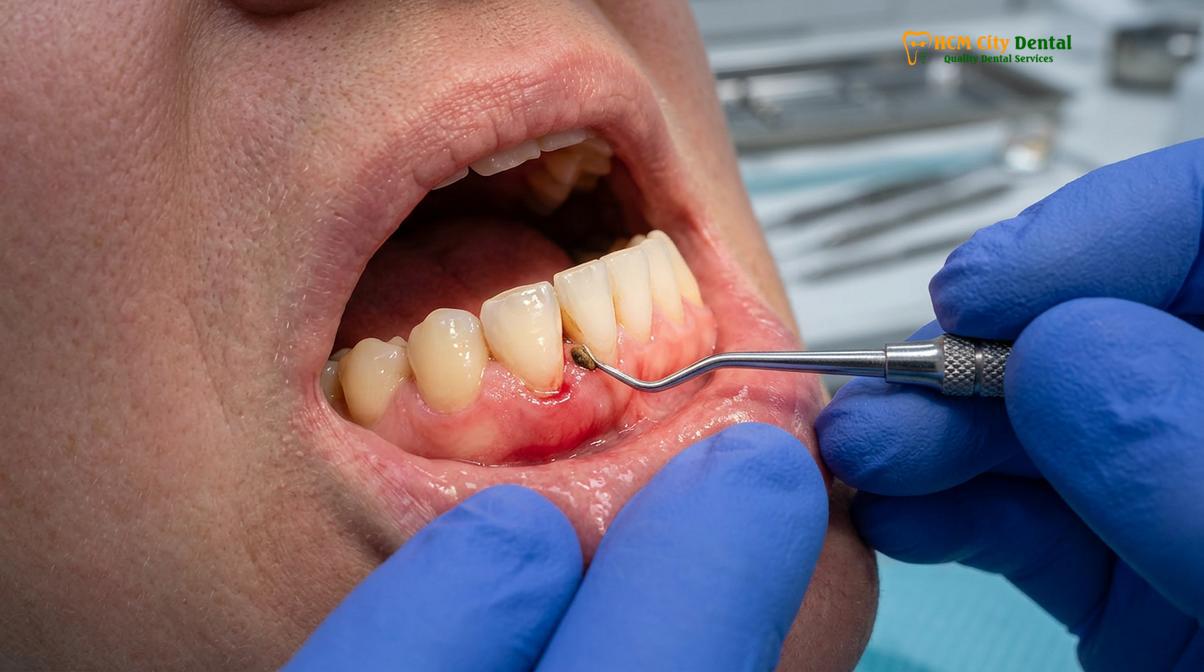
Cracked Tooth Syndrome and root fractures are also insidious causes of localized swelling. A tooth can develop a microscopic crack that extends down the root surface. This crack serves as a superhighway for bacteria to travel from the oral cavity deep into the periodontium. The body reacts by forming a deep, narrow periodontal pocket and localized swelling adjacent to the fracture line. Unfortunately, vertical root fractures have a very poor prognosis and often necessitate the extraction of the affected tooth.
Home Remedies to Relieve Swollen Gum Pain
Temporary at-home relief strategies, such as warm saline rinses and cold compresses, can mitigate pain and reduce inflammation while you await professional dental care.
While professional diagnosis and treatment are mandatory for resolving the underlying cause of localized gum swelling, there are several evidence-based home care strategies that can provide temporary gum swelling relief and manage discomfort until you can reach a dental clinic.
Warm Saltwater Rinses: This is one of the most effective and accessible home remedies. Dissolve half a teaspoon of salt in eight ounces of warm water and swish gently for 30 seconds before spitting. Saltwater is naturally hypertonic; it draws excess fluid out of the swollen gingival tissues through osmosis, reducing edema and pressure. It also temporarily alters the pH of the mouth, creating an environment less hospitable to bacterial growth.
Cold Compresses: If the swelling is accompanied by significant pain or facial asymmetry, applying a cold compress to the outside of the cheek can help. The cold temperature causes vasoconstriction (narrowing of the blood vessels), which decreases blood flow to the area, thereby reducing both swelling and the conduction of pain signals. Apply the compress for 15 minutes on, then 15 minutes off.
Gentle Interdental Cleaning: If you suspect a food particle is trapped, attempt to remove it using dental floss or an interdental brush. Tie a small knot in the floss and gently pull it through the contact area to catch and drag out the debris. Do not use toothpicks or sharp objects, as these can lacerate the delicate gum tissue and push the debris deeper into the sulcus.
Important Clinical Warning: What NOT to Do
- Never attempt to “pop” or lance a gum abscess yourself. This can introduce new, aggressive bacteria into the wound and push the existing infection deeper into the facial spaces or bloodstream.
- Do not apply aspirin directly to the gums. Placing an aspirin tablet against the swollen tissue will not relieve the pain faster; instead, the acetylsalicylic acid will cause a severe chemical burn (aspirin burn), resulting in painful tissue necrosis and ulceration.
- Avoid hot compresses. Applying heat to the outside of the face can draw the infection outward, potentially causing the abscess to rupture through the skin of the face rather than draining safely into the mouth.
It is crucial to understand that these home remedies are strictly palliative. They manage the symptoms but do not cure the disease. If the swelling is caused by a periodontal abscess, a defective crown, or a root fracture, no amount of saltwater rinsing will resolve the issue. Professional intervention is required to achieve definitive healing.
Professional Treatments for Swollen Gums Around a Tooth
Clinical intervention focuses on removing the source of infection through deep cleaning, abscess drainage, adjusting defective restorations, or prescribing targeted antimicrobial therapy.
When you present to a dental clinic with localized gum swelling, the primary goal of the clinician is to achieve “source control”—identifying and eliminating the specific factor causing the inflammation. The treatment workflow is highly customized based on the diagnostic findings.
If the swelling is due to localized plaque, calculus, or a foreign body, the standard treatment is Scaling and Root Planing (SRP). This non-surgical comprehensive periodontal therapy involves using specialized ultrasonic scalers and hand curettes to meticulously clean beneath the gumline. The clinician removes the hardened calculus and bacterial biofilm from the root surface, smoothing the cementum to discourage further bacterial attachment. The area is then thoroughly irrigated with an antimicrobial solution, such as chlorhexidine gluconate or povidone-iodine, to flush out debris and reduce the bacterial load [4].
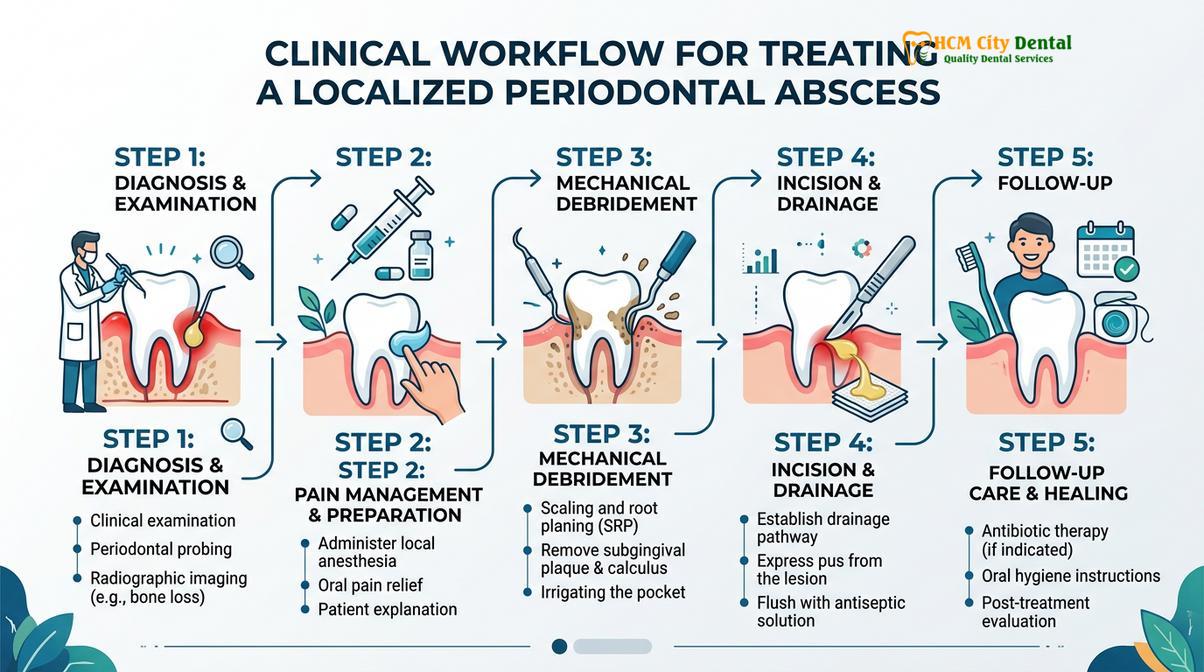
In cases of an acute periodontal abscess, immediate drainage is the priority. The dentist will administer local anesthesia to ensure profound numbness. Drainage is typically achieved by carefully inserting a periodontal probe or curette into the pocket to open the pathway, allowing the purulent exudate (pus) to escape. In some instances, a small incision may be made directly over the fluctuant swelling. Once drained, the pocket is thoroughly debrided and irrigated. The rapid release of pressure provides almost immediate pain relief for the patient.
If the localized swelling is caused by a defective restoration, the treatment involves structural correction. An overhanging filling must be smoothed down or completely replaced. A crown that violates the biologic width may need to be removed, the gum tissue surgically recontoured (crown lengthening), and a new, properly fitting crown fabricated. Without correcting the structural defect, the inflammation will inevitably return.
When a periapical abscess (originating from the tooth nerve) is the cause of the gum swelling, endodontic therapy is required. The dentist will perform a root canal treatment to remove the infected pulp tissue from inside the tooth, disinfect the canal system, and seal it to prevent reinfection. If the tooth is severely decayed or has a vertical root fracture, extraction may be the only viable option to resolve the infection and protect the surrounding bone.
Pharmacological intervention is used judiciously. Systemic antibiotics (such as Amoxicillin or Metronidazole) are generally not prescribed for simple localized swelling or a draining abscess unless there are signs of systemic involvement (fever, malaise) or the infection is spreading rapidly into adjacent facial spaces.
When to See a Doctor for Localized Gum Swelling
While minor gingival irritation from a piece of trapped food may resolve on its own within a day or two of careful flossing, certain clinical signs indicate a potentially dangerous infection that requires immediate medical or dental attention. The oral cavity is in close proximity to vital anatomical structures, including the airway and the brain, meaning that spreading dental infections can escalate into life-threatening emergencies if left untreated.
You should seek urgent professional care if your localized gum swelling is accompanied by any of the following “red flag” symptoms:
- Progressive Swelling: Swelling that rapidly increases in size, spreads to the cheek, jaw, or neck, or causes facial asymmetry.
- Systemic Symptoms: The presence of a fever, chills, lethargy, or a general feeling of being unwell (malaise).
- Difficulty Swallowing or Breathing: Any swelling that compromises your airway or makes it difficult to swallow saliva (dysphagia) is a critical medical emergency.
- Trismus: Difficulty opening your mouth fully, indicating that the infection has spread to the muscles of mastication.
- Severe, Unrelenting Pain: Pain that is not managed by over-the-counter analgesics, disrupts sleep, or radiates to the ear or temple.
“Any localized oral swelling accompanied by systemic symptoms such as fever or lymphadenopathy constitutes a medical emergency requiring immediate antibiotic therapy and source control to prevent severe systemic complications.” [5]
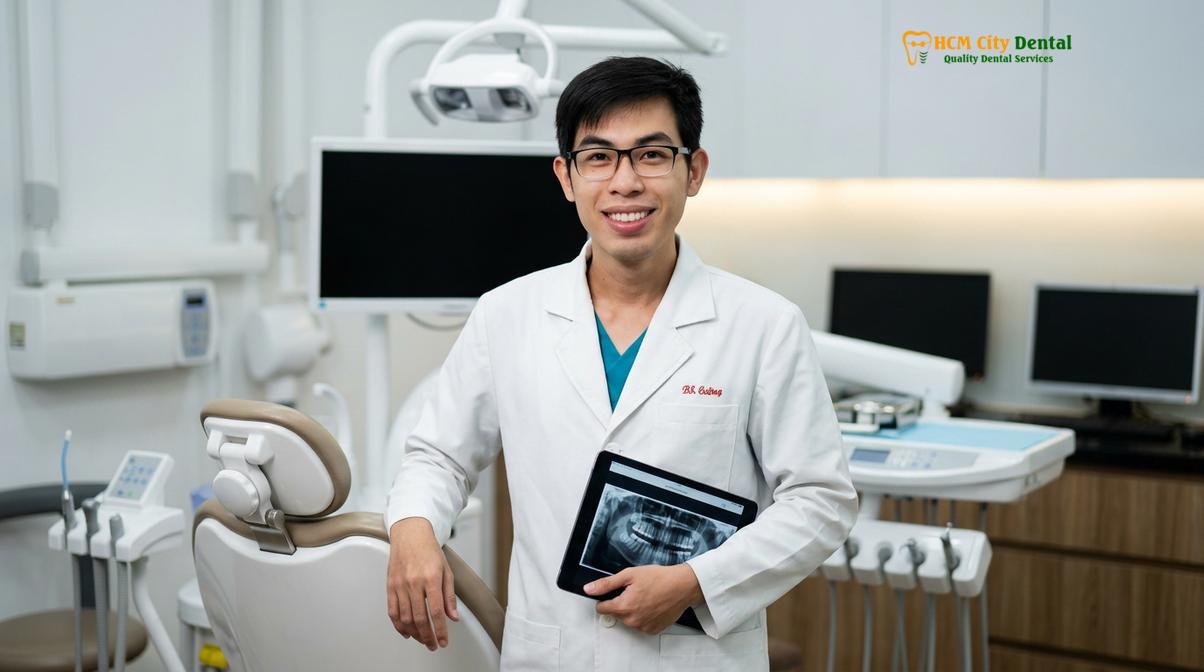
At HCMC Dental Clinic, our experienced team utilizes advanced diagnostic imaging and evidence-based protocols to accurately identify the root cause of localized gum swelling. Whether you require a simple adjustment to a dental filling, targeted periodontal therapy, or urgent abscess management, prompt intervention is the key to preserving your natural teeth and maintaining optimal oral health. If you are experiencing persistent or painful swelling around a single tooth, do not delay—schedule a comprehensive clinical evaluation to protect your smile.
Frequently Asked Questions
Why is my gum swollen around just one tooth?
Your gum is swollen around just one tooth because of a localized irritant or infection, most commonly trapped food debris, a periodontal abscess, or a defective dental filling. When bacteria or foreign objects become lodged in the gingival sulcus, the body’s immune system triggers an isolated inflammatory response. This localized swelling is a defense mechanism designed to isolate the threat. Prompt clinical evaluation is necessary to remove the irritant and prevent the infection from spreading to the underlying alveolar bone.
What does it mean if my gum is swollen and bleeding in one spot?
Swelling and bleeding in a single spot indicates acute localized gingivitis or a periodontal infection, often exacerbated by plaque accumulation or a foreign body reaction. The bleeding occurs because the inflamed gum tissue becomes highly vascularized and fragile, causing capillaries to rupture easily during brushing or flossing. If the bleeding is accompanied by a purulent discharge (pus), it strongly suggests an active dental abscess that requires immediate professional drainage and antimicrobial therapy.
Can a piece of food cause localized gum swelling?
Yes, a piece of hard food, such as a popcorn hull, seed, or meat fiber, can easily become wedged beneath the gumline and cause severe localized gum swelling. This is known as a foreign body reaction. Because the gingival tissue cannot break down these hard particles, it mounts an aggressive inflammatory response, leading to rapid swelling, redness, and pain. If not removed mechanically with floss or professional dental instruments, it can lead to a gingival abscess.
How do you treat swollen gums around a single tooth?
Treating swollen gums around a single tooth requires identifying and removing the specific underlying cause through professional dental debridement, abscess drainage, or restoration adjustment. At home, you can temporarily manage symptoms with warm saltwater rinses and gentle flossing. However, definitive treatment requires a dentist to perform scaling and root planing to remove subgingival calculus, prescribe appropriate antibiotics if an infection is present, or repair any defective dental work that is trapping plaque.
When should I go to the dentist for localized gum swelling?
You should visit the dentist immediately if your localized gum swelling persists for more than 48 hours, worsens rapidly, or is accompanied by severe pain, pus, or a fever. These are red flag symptoms indicating a spreading bacterial infection or an acute dental abscess. Delaying professional care can result in irreversible damage to the periodontal ligament, localized bone loss, and potentially the need for tooth extraction. Early intervention ensures the highest success rate for preserving the tooth.
References
- Journal of Periodontology. Pathogenesis of periodontal diseases and localized gingival inflammation. (2020).
- International Journal of Dentistry. Differential diagnosis of localized gingival swelling and foreign body impaction. (2019).
- British Dental Journal. Clinical management of acute periodontal and gingival abscesses. (2021).
- Journal of the American Dental Association. The impact of defective restorations on localized periodontal health. (2022).
- Clinical Oral Investigations. Systemic complications of untreated acute dental infections. (2018).