A tooth meridian chart maps the energetic, neurological, and vascular connections between specific teeth and systemic organs. Rooted in traditional acupuncture and modern biological dentistry, it suggests that oral infections, dental trauma, or toxic materials can trigger inflammatory responses or dysfunction in corresponding remote body systems.
Clinical Summary:
The concept of dental meridians bridges ancient Traditional Chinese Medicine (TCM) with contemporary focal infection theory. Biological dentists utilize the tooth meridian chart as a supplementary diagnostic framework to investigate the systemic organ tooth relationship. By understanding that each tooth resides on a specific energetic pathway—sharing blood supply, lymphatic drainage, and neural networks with distant organs—clinicians can better identify how chronic oral pathologies, such as asymptomatic root canals, jawbone cavitations, or periodontal disease, may contribute to systemic illness. Modern diagnostics, including 3D Cone Beam Computed Tomography (CBCT) and biocompatibility testing, are now routinely combined with meridian principles to provide comprehensive, whole-body dental care.
Key Takeaways:
- Every tooth is neurologically and energetically linked to specific organs, endocrine glands, and joint structures.
- Incisors and canines generally correspond to the kidney, liver, and reproductive systems.
- Premolars and molars are frequently associated with the gastrointestinal tract, spleen, and respiratory system.
- Chronic, silent dental infections can release bacteria and toxins that travel along these pathways, triggering systemic inflammation.
- Biological dentists use the meridian chart alongside advanced 3D imaging to uncover hidden root causes of remote bodily symptoms.
What is the Dental Meridian Connection?
The dental meridian connection is a holistic framework illustrating how individual teeth share energetic, neurological, and vascular pathways with specific organs and tissues throughout the body.
The human body is an intricately connected biological system where no organ functions in absolute isolation. In conventional dentistry, the oral cavity is often treated as a separate entity from the rest of the body. However, biological and holistic dentistry recognizes a profound systemic organ tooth relationship. The dental meridian connection posits that each tooth is biologically and energetically tethered to specific organs, endocrine glands, spinal segments, and joint structures. When a tooth becomes diseased, infected, or burdened by toxic restorative materials, it can act as an interference field, potentially disrupting the health of its corresponding organ.
From a physiological standpoint, this connection is supported by the complex anatomy of the head and neck. The teeth are innervated by the trigeminal nerve (the fifth cranial nerve), which is the largest and most complex of the cranial nerves. The trigeminal nerve has extensive connections to the autonomic nervous system, the reticular formation, and various brainstem nuclei. Furthermore, the vascular supply and lymphatic drainage of the oral cavity provide direct physical highways for bacteria, inflammatory cytokines, and heavy metal ions to disseminate from the mouth to distant sites in the body [1].
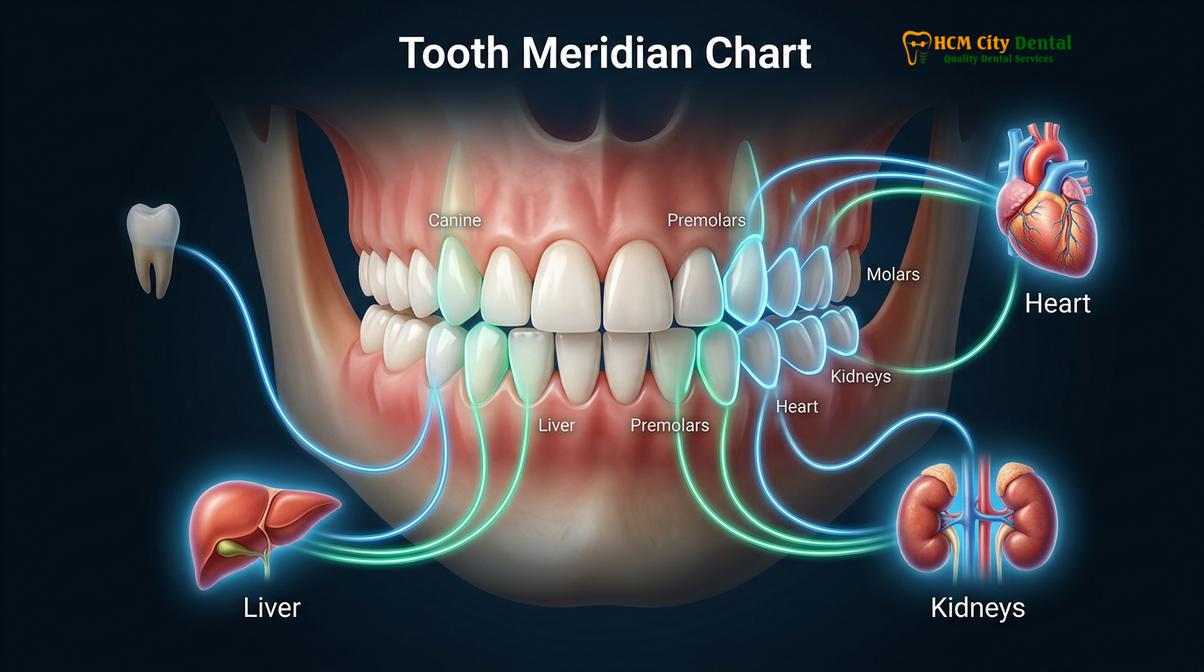
When a patient experiences chronic, unresolved health issues, a biological dentist may look to the oral cavity for hidden focal infections. Dr. Nguyen Van Cuong, a leading expert in biological protocols, frequently emphasizes that a seemingly localized dental issue—such as a failing root canal or a chronic periodontal pocket—can exert a continuous, low-grade stress on the immune system. By utilizing a dental meridian chart holistic approach, practitioners can trace the origin of systemic symptoms back to specific dental quadrants, offering a more comprehensive diagnostic perspective.
Understanding the dental meridian connection requires a paradigm shift from localized symptom management to systemic health optimization. It bridges the gap between ancient energetic mapping and modern neuro-immunology. Whether a patient is seeking comprehensive general dental care or specialized biological treatments, acknowledging the mouth-body connection is paramount for achieving long-term wellness.
Traditional Chinese Medicine (TCM) in Modern Biological Dentistry
Modern biological dentistry integrates TCM meridian theory with contemporary focal infection science to diagnose and treat unexplained systemic symptoms originating from the oral cavity.
Traditional Chinese Medicine (TCM) has operated on the principle of meridians—or “Jing Luo”—for thousands of years. Meridians are described as invisible channels through which “Qi” (vital life energy) and blood flow, connecting the surface of the body with internal organs. According to TCM, health is maintained when Qi flows freely, while illness arises from blockages or imbalances in this energetic network. The acupuncture dental chart is a specific subset of this system, mapping the exact pathways that run through the maxilla (upper jaw) and mandible (lower jaw).
In modern biological dentistry, these ancient concepts are validated and expanded upon through the lens of electrophysiology and neural therapy. The body is highly conductive, relying on electrical impulses for cellular communication, muscle contraction, and nerve transmission. Teeth, being living organs with a rich neurovascular pulp, are highly conductive structures. When a tooth dies (such as in a necrotic pulp) or is filled with mixed metals (like amalgam and gold), it can create abnormal electrical currents—a phenomenon known as oral galvanism. This galvanic stress can short-circuit the natural electrical flow along the meridian, leading to dysfunction in the connected organ [2].
“The integration of meridian theory into dental diagnostics allows us to view the oral cavity not merely as a site of mechanical breakdown, but as a dynamic biological interface that continuously communicates with the entire systemic network.”
Furthermore, the concept of “interference fields” (Störfelder) in neural therapy closely mirrors TCM meridian blockages. An interference field is a localized area of chronic tissue irritation—often a scar, a dead tooth, or a jawbone cavitation—that destabilizes the autonomic nervous system. Biological dentists utilize the mouth body connection meridians to identify these interference fields. For instance, if a patient presents with chronic stomach issues, a biological dentist will carefully evaluate the upper molars and lower premolars, as these teeth reside on the Stomach meridian.
This integrative approach does not replace conventional diagnostics; rather, it enhances them. At clinics practicing biological dentistry protocols, practitioners combine the wisdom of the meridian chart with advanced 3D Cone Beam Computed Tomography (CBCT) to visualize hidden pathologies that traditional 2D X-rays might miss. This dual approach ensures that both the structural and energetic aspects of dental health are addressed.
Exploring the Tooth Meridian Chart: Key Tooth-Organ Pairs
The tooth meridian chart categorizes the 32 adult teeth into specific quadrants, linking each tooth to corresponding organ systems, endocrine glands, and joint structures.
To effectively utilize the tooth meridian chart, one must understand the specific pairings between individual teeth and systemic structures. The chart is typically organized using standard dental numbering systems (such as the Universal Numbering System or the FDI World Dental Federation notation) and maps each tooth to its corresponding meridian line. While the connections are complex and multi-layered, certain patterns consistently emerge in clinical practice.
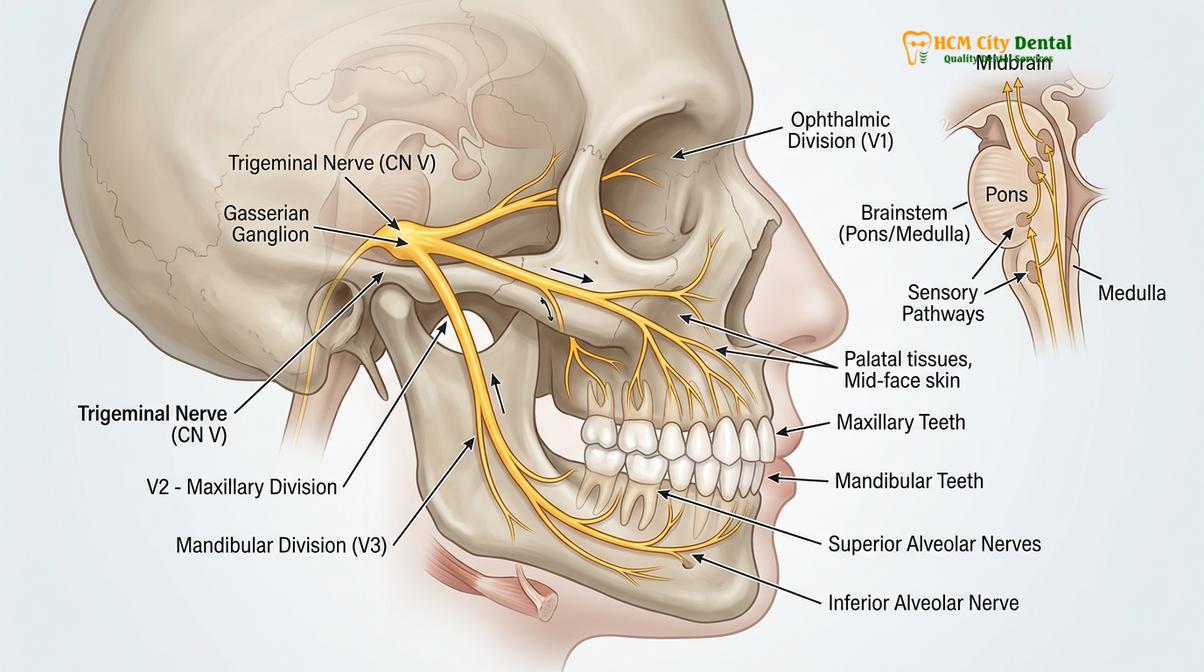
The chart is divided into anterior teeth (incisors and canines) and posterior teeth (premolars and molars). Each group of teeth serves as a biological circuit breaker for different organ systems. Below is a comprehensive overview of the primary tooth-organ relationships based on established biological dental charts.
| Tooth Type (Location) | Primary Organ Meridians | Associated Endocrine Glands | Associated Joints & Spinal Segments |
|---|---|---|---|
| Central & Lateral Incisors (Upper & Lower) | Kidney, Urinary Bladder | Pineal Gland, Adrenal Glands | Knee (Posterior), Sacrococcygeal Joint, Lumbar Spine |
| Canines / Cuspids (Upper & Lower) | Liver, Gallbladder | Pituitary Gland | Hip Joint, Knee (Lateral), Lower Thoracic Spine |
| Premolars / Bicuspids (Upper) & Molars (Lower) | Stomach, Spleen, Pancreas | Thyroid, Parathyroid | Jaw Joint (TMJ), Knee (Anterior), Cervical Spine |
| Molars (Upper) & Premolars (Lower) | Lung, Large Intestine | Thymus Gland | Shoulder, Elbow, Radial Hand Joints |
| Wisdom Teeth (Third Molars) | Heart, Small Intestine | Central Nervous System | Shoulder, Sacroiliac Joint, Cervical Spine (C7) |
This mapping is not merely theoretical. In clinical practice, biological dentists frequently observe that patients with chronic respiratory issues may have underlying pathology in their upper molars, which reside on the Lung meridian. Conversely, a patient undergoing periodontal disease treatment for severe gum infection around the incisors might simultaneously report improvements in lower back pain or urinary tract health once the oral infection is resolved.
It is important to note that the systemic organ tooth relationship is bidirectional. Just as a diseased tooth can impact an organ, a diseased organ can manifest symptoms in its corresponding tooth. A patient may experience phantom tooth pain in a perfectly healthy tooth simply because the connected organ is inflamed or stressed. This highlights the necessity of a comprehensive, whole-body diagnostic approach.
Front Teeth (Incisors): Kidney, Urinary Bladder, and Reproductive Links
The upper and lower incisors reside on the kidney and urinary bladder meridians, frequently correlating with urogenital health, reproductive function, and spinal vitality.
The anterior teeth, specifically the central and lateral incisors (teeth 7, 8, 9, 10 on the upper arch, and 23, 24, 25, 26 on the lower arch), hold a unique position in the dental meridian chart holistic framework. These teeth are energetically bound to the Kidney and Urinary Bladder meridians. In Traditional Chinese Medicine, the Kidney meridian is considered the root of vital essence, governing reproductive health, bone density, hearing, and the central nervous system. The Urinary Bladder meridian, the longest in the body, runs along the entire spine, influencing back health and autonomic nervous system regulation.
Clinically, pathology in the incisors—such as deep decay, trauma from sports injuries, or asymptomatic root canal infections—can create significant interference fields. Biological dentists often find correlations between chronic lower back pain, recurrent urinary tract infections, prostate issues in men, or reproductive challenges in women, and hidden infections in the front teeth. Because the incisors are frequently subjected to cosmetic procedures or trauma, they are common sites for silent necrotic pulps.
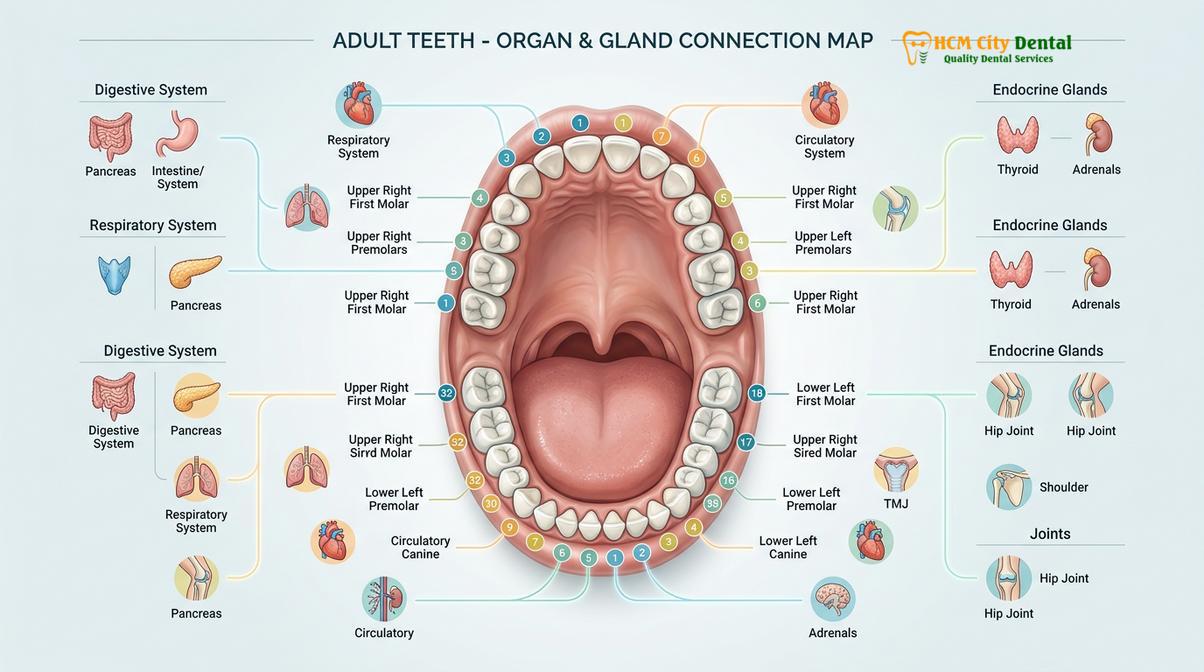
Furthermore, the canine teeth (teeth 6, 11, 22, 27), often referred to as the “eye teeth,” are strongly linked to the Liver and Gallbladder meridians. The liver is the body’s primary detoxification organ, responsible for filtering blood, metabolizing hormones, and processing environmental toxins. When a canine tooth is infected or burdened by a heavy metal restoration, it can impede the liver’s detoxification pathways. Patients with compromised canine teeth may present with symptoms such as chronic fatigue, biliary colic, visual disturbances, or lateral knee pain.
“The anterior dentition serves as a critical energetic gateway. Disruptions in the incisors or canines frequently manifest as profound systemic fatigue or urogenital dysfunction, underscoring the necessity of preserving pulp vitality whenever possible.”
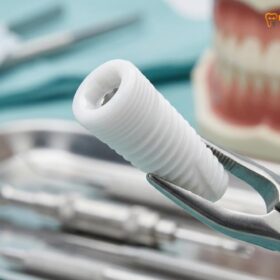
When evaluating the anterior teeth, biological dentists employ rigorous vitality testing and advanced imaging. If an incisor requires restoration, the choice of materials is critical. Utilizing biocompatible, non-toxic materials ensures that the meridian flow remains unobstructed. For patients requiring tooth replacement in the anterior zone, metal-free zirconia dental implants are often preferred over traditional titanium, as zirconia is electrically neutral and less likely to disrupt the delicate energetic pathways of the Kidney and Liver meridians.
Molars and Premolars: Spleen, Stomach, and Lung Meridian Channels
Premolars and molars are energetically tied to the gastrointestinal and respiratory systems, meaning chronic infections here may influence digestion, lung function, and immune responses.
The posterior teeth—the premolars (bicuspids) and molars—bear the brunt of masticatory forces and are the most common sites for extensive dental restorations, including large amalgam fillings, crowns, and root canals. According to the mouth body connection meridians, these teeth are intimately connected to the body’s primary digestive and respiratory organs.
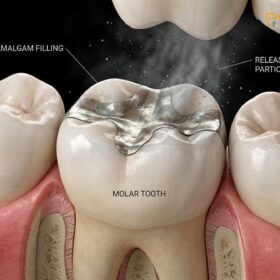
The upper premolars and lower molars are situated on the Stomach, Spleen, and Pancreas meridians. These organs govern digestion, nutrient absorption, and blood sugar regulation. A chronic, low-grade infection in a lower first molar (such as tooth 19 or 30) can continuously shed bacteria and inflammatory mediators into the bloodstream, potentially exacerbating gastrointestinal disorders like irritable bowel syndrome (IBS), chronic gastritis, or metabolic imbalances. Furthermore, because these teeth are frequently restored with mercury amalgam fillings, the continuous release of mercury vapor can severely impact the digestive tract’s microbiome and the pancreas’s enzymatic functions [3].
Conversely, the upper molars and lower premolars are linked to the Lung and Large Intestine meridians. The lungs govern respiration and the immune system’s first line of defense, while the large intestine is responsible for waste elimination. Pathology in these teeth is frequently observed in patients suffering from chronic respiratory conditions, asthma, chronic sinusitis, or intestinal dysbiosis. The anatomical proximity of the upper molars to the maxillary sinus further complicates this relationship; an infection at the root tip of an upper molar can easily penetrate the sinus floor, causing chronic odontogenic sinusitis that conventional medical treatments fail to resolve.
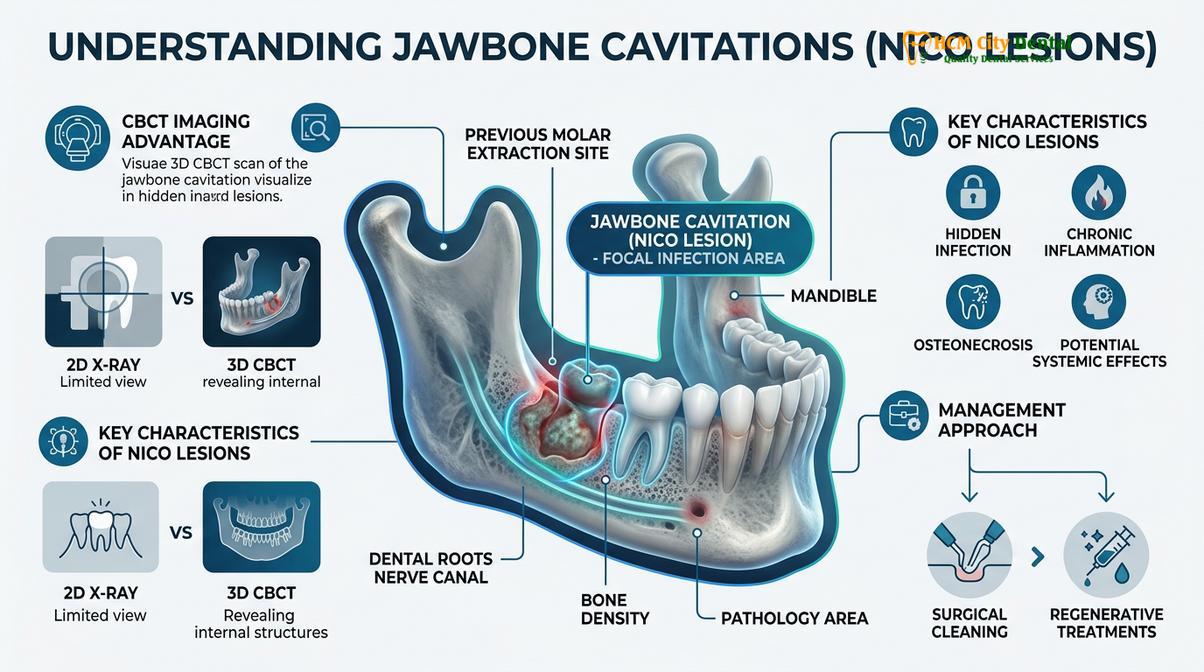
The wisdom teeth (third molars) hold a special significance in the acupuncture dental chart. They are connected to the Heart and Small Intestine meridians, as well as the central nervous system and the inner ear. Impacted or chronically infected wisdom teeth can exert immense neurological pressure on the trigeminal nerve, leading to migraines, tinnitus, and even cardiovascular stress. Furthermore, the extraction sites of wisdom teeth are notorious for developing jawbone cavitations (Neuralgia-Inducing Cavitational Osteonecrosis, or NICO lesions)—areas of dead, ischemic bone that harbor highly toxic anaerobic bacteria.
Addressing pathology in the posterior teeth requires a meticulous approach. If a molar is severely infected, biological dentists carefully weigh the risks and benefits of root canal alternatives versus extraction. The goal is always to eliminate the source of infection and restore the integrity of the meridian pathway, thereby supporting the connected digestive or respiratory organs.
How Chronic Dental Infections Can Trigger Remote Organ Symptoms
Chronic oral infections release inflammatory cytokines and bacterial toxins that travel through meridian pathways and the bloodstream to affect distant organs.
The mechanism by which a localized dental issue causes systemic illness is explained by the Focal Infection Theory. Originally championed by dental pioneers like Dr. Weston A. Price, this theory posits that a localized area of chronic infection (the focus) can disseminate microorganisms, their toxic byproducts, and inflammatory mediators to distant sites in the body, causing secondary diseases. Modern science has robustly validated this concept, demonstrating that oral pathogens are frequently implicated in cardiovascular disease, rheumatoid arthritis, and neurodegenerative conditions [4].
When a tooth becomes necrotic and undergoes root canal therapy, the main canal is sealed, but miles of microscopic dentinal tubules remain. These tubules can harbor anaerobic bacteria that mutate and produce highly potent toxins, such as thioethers and gliotoxins. Because the tooth no longer has a blood supply, the immune system cannot reach these bacteria. However, the toxins easily seep out into the surrounding periodontal ligament and jawbone, entering the systemic circulation and traveling along the meridian pathways.
Clinical Case Study: Resolving Chronic Fatigue
A 45-year-old patient visited HCMC Dental Clinic in Ho Chi Minh City presenting with severe, unexplained chronic fatigue, joint pain, and digestive distress that had persisted for years despite extensive medical interventions. Utilizing the tooth meridian chart, Dr. Cuong identified that the patient’s symptoms strongly correlated with the Stomach and Spleen meridians. A 3D CBCT scan revealed a massive, asymptomatic chronic apical periodontitis (infection) at the root of a previously root-canaled lower right first molar (Tooth 30). Following the safe extraction of the toxic tooth, thorough ozone disinfection of the socket, and PRF (Platelet-Rich Fibrin) grafting, the patient reported a dramatic reduction in joint pain and a complete resolution of digestive symptoms within six weeks, demonstrating the profound impact of eliminating a dental interference field.
Another major source of focal infection is jawbone cavitations. These are hollow, necrotic spaces in the jawbone, typically occurring at the sites of previous tooth extractions (especially wisdom teeth) where the bone failed to heal properly. Cavitations are often completely painless and invisible on standard 2D X-rays, yet they act as massive reservoirs for inflammatory cytokines like RANTES (Regulated on Activation, Normal T Cell Expressed and Secreted) and FGF-2. High levels of RANTES are strongly associated with autoimmune diseases, breast cancer, and systemic inflammation.
The systemic organ tooth relationship dictates that the organ connected to the infected tooth will bear the brunt of this toxic load. For example, a cavitation in the lower wisdom tooth extraction site (Heart meridian) can continuously stress the cardiovascular system. By identifying and surgically cleaning these cavitations using biological protocols—such as piezoelectric surgery and ozone therapy—dentists can eliminate the focal infection, allowing the meridian energy to normalize and the systemic symptoms to resolve.
When to See a Doctor for Meridian-Related Dental Issues
Patients experiencing chronic, unresolved systemic symptoms alongside a history of extensive dental work should consult a biological dentist for a comprehensive meridian and CBCT evaluation.
Recognizing when a systemic health issue might have a dental origin is crucial for timely intervention. Because dental interference fields are often asymptomatic—meaning the tooth itself does not hurt—patients and conventional medical doctors frequently overlook the oral cavity as the root cause of systemic illness. However, there are specific clinical red flags that warrant an evaluation by a biological dentist familiar with the tooth meridian chart.
You should seek a specialized biological dental consultation if you experience any of the following:
- Unresolved Systemic Illness: You suffer from chronic fatigue, autoimmune conditions, unexplained joint pain, or digestive issues that have not responded to conventional medical treatments.
- History of Extensive Dental Work: You have multiple root canals, large amalgam (silver) fillings, different types of metals in your mouth (e.g., gold crowns next to amalgam), or a history of wisdom teeth extractions.
- Organ-Specific Symptoms: You experience recurrent issues in a specific organ system (e.g., chronic kidney infections) and have a heavily restored or previously traumatized tooth on the corresponding meridian (e.g., the front incisors).
- Phantom Pain or Trigeminal Neuralgia: You experience atypical facial pain, metallic tastes, or a burning sensation in the mouth without an obvious structural cause.
Important Clinical Consideration
Standard 2D panoramic or bitewing X-rays are insufficient for diagnosing hidden focal infections or jawbone cavitations. A 3D Cone Beam Computed Tomography (CBCT) scan is the gold standard for visualizing the bone pathology associated with meridian disruptions. Never assume a root-canaled tooth is healthy simply because it does not cause localized pain; lack of sensation is a feature of a dead nerve, not an indicator of biological health.
During a consultation at a facility like HCMC Dental Clinic, Dr. Nguyen Van Cuong and the clinical team will perform a comprehensive evaluation. This typically involves a detailed health history review, a 3D CBCT scan, vitality testing of all teeth, and an assessment of oral galvanism. In some cases, practitioners may also use applied kinesiology or Electroacupuncture according to Voll (EAV) to measure the energetic flow along the meridians and pinpoint specific blockages [5].
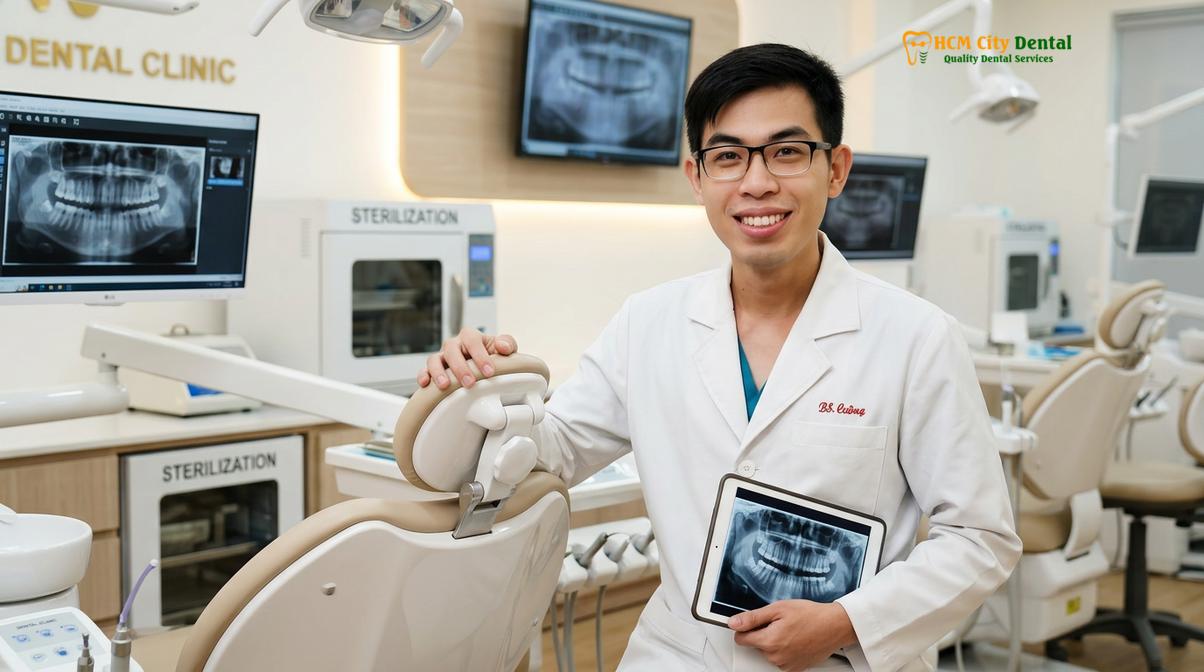
If an interference field is identified, the treatment plan is highly personalized. It may involve the safe removal of toxic dental materials using strict isolation protocols, the extraction of severely infected teeth followed by biological bone grafting, or the surgical debridement of jawbone cavitations. The ultimate goal is to remove the burden on the immune system, restore the structural integrity of the oral cavity, and re-establish the natural energetic flow along the body’s meridians. If you suspect your systemic health issues may be linked to your dental health, scheduling a comprehensive evaluation via our contact and booking page is the first step toward uncovering the root cause.
Frequently Asked Questions
What is a tooth meridian chart?
A tooth meridian chart is a holistic diagnostic tool that maps the energetic and neurological connections between individual teeth and specific systemic organs. Biological dentists use this chart to understand how oral health issues, such as hidden infections or toxic dental materials, may contribute to dysfunction in other parts of the body. By viewing the body as an interconnected system, the chart helps trace the root cause of unexplained systemic symptoms back to specific dental quadrants.
How are teeth connected to organs?
Teeth are connected to organs through a complex network of blood vessels, lymphatic drainage pathways, the trigeminal nerve, and traditional energetic meridians. Inflammatory cytokines and bacteria from a dental infection can travel through these systemic pathways, potentially triggering immune responses or inflammation in distant organs. Additionally, the autonomic nervous system links the sensory input from the teeth directly to the brainstem, which regulates organ function.
Can a tooth infection cause problems in other organs?
Yes, a chronic tooth infection can cause problems in other organs through a process known as focal infection. Bacteria and their toxic byproducts from infected root canals or periodontal disease can enter the bloodstream, elevating systemic inflammation and potentially exacerbating cardiovascular, joint, or autoimmune conditions. The organ most affected often corresponds to the specific meridian line shared with the infected tooth.
Which tooth meridian is connected to the liver?
The canine teeth (eyeteeth) are primarily connected to the liver and gallbladder meridians. According to the meridian chart, chronic issues, deep decay, or infections in the upper or lower canines may correlate with liver dysfunction, biliary issues, or joint pain in the hips and knees. Ensuring these teeth are free of infection and toxic metals is crucial for supporting the body’s natural detoxification pathways.
How do holistic dentists use the meridian chart?
Holistic dentists use the meridian chart as a supplementary diagnostic guide alongside modern imaging like CBCT scans. If a patient presents with unexplained systemic symptoms, the dentist may cross-reference the chart to investigate specific teeth on the corresponding meridian for hidden infections, cavitations, or galvanic stress. This integrative approach allows for targeted treatments that address both oral pathology and systemic wellness.
References
- Journal of Acupuncture and Meridian Studies. The anatomical and physiological basis of the dental meridian network. (2019).
- International Academy of Oral Medicine and Toxicology (IAOMT). Focal infection theory and systemic health implications. (2021).
- Clinical Oral Investigations. The impact of periodontal pathogens on systemic inflammatory markers. (2020).
- Journal of Endodontics. Systemic dissemination of bacteria from chronic periapical lesions. (2018).
- Holistic Dentistry Review. Integrating Traditional Chinese Medicine with modern biological dental diagnostics. (2022).