The focal infection theory posits that localized, often asymptomatic chronic infections in the oral cavity can disseminate bacteria, toxins, or inflammatory complexes through the bloodstream, triggering or exacerbating systemic diseases in distant organs, such as the heart, joints, and immune system.
Clinical Summary:
The focal infection theory is a foundational concept in biological dentistry, suggesting that silent oral pathologies—such as infected root canals, jawbone cavitations, and severe periodontitis—act as primary reservoirs for systemic illness. Pathogens and their toxic byproducts breach the oral mucosal barrier, entering the vascular and lymphatic systems to provoke distant inflammatory responses. Modern diagnostics, including 3D cone-beam computed tomography (CBCT) and systemic inflammatory marker testing, allow clinicians to uncover these hidden infections. Treatment focuses on the meticulous eradication of necrotic tissue using advanced protocols like ozone therapy and platelet-rich fibrin (PRF), aiming to restore both oral health and systemic immunological balance.
Key Takeaways:
- Silent oral infections can act as systemic triggers, disseminating bacteria and toxins to distant organs.
- Root canals, jawbone cavitations, and periodontal pockets are the primary sites of focal infections.
- Systemic spread occurs via bacteremia, toxic injury, and immune complex deposition.
- Advanced 3D imaging is essential for diagnosing asymptomatic jawbone pathologies.
- Biological treatment protocols emphasize complete pathogen eradication and the use of biocompatible materials.
The History and Resurgence of the Focal Infection Theory
The focal infection theory originated in the late nineteenth century, faced skepticism mid-century due to overzealous extractions, and has recently resurged as modern genomic research validates the profound oral-systemic connection.
The conceptual framework of the focal infection theory is not a novel medical paradigm; rather, it is an ancient observation that has undergone rigorous scientific evolution. Historical records indicate that early physicians, including Hippocrates, documented cases where the extraction of a severely decayed tooth resulted in the spontaneous resolution of systemic ailments, such as severe joint pain. However, the theory took its modern scientific form in the late nineteenth century when pioneering microbiologists began to isolate specific bacteria from oral cavities and link them to extraoral diseases, including pulmonary infections and brain abscesses. This era marked the birth of the understanding that the mouth is not an isolated ecosystem but a critical gateway to the entire body [1].
During the early twentieth century, the theory gained immense traction within the medical and dental communities. Prominent researchers conducted extensive animal studies demonstrating that bacteria cultured from infected human teeth could, when introduced into healthy animal models, replicate the exact systemic diseases suffered by the human donors. This profound discovery led to a widespread acceptance of the theory, prompting a paradigm shift in how chronic diseases were treated. Unfortunately, this enthusiasm eventually led to an era of overzealous surgical interventions. In an attempt to cure various systemic illnesses, practitioners began extracting not only infected teeth but also perfectly healthy ones, often leaving patients edentulous without achieving the desired systemic relief.
This aggressive approach drew severe criticism by the mid-twentieth century. Influential medical reviews and editorials condemned the practice, arguing that the removal of presumed focal infections rarely cured chronic systemic diseases and that the theory lacked rigorous, controlled clinical evidence. Consequently, the focal infection theory was largely discredited by mainstream medicine, leading to a renewed focus on preserving teeth at all costs, heavily promoting endodontic therapies (root canals) and extensive restorative work while largely ignoring the potential systemic consequences of retaining non-vital tissue [2].
Today, we are witnessing a powerful resurgence of the focal infection theory, driven not by anecdotal evidence, but by the undeniable precision of modern molecular biology, genomic sequencing, and microbiome research. As our understanding of the human microbiome deepens, it has become scientifically indisputable that oral pathogens frequently translocate to distant sites, contributing to the pathogenesis of numerous chronic conditions. Dr. Nguyen Van Cuong, a leading expert at HCMC Dental Clinic, frequently emphasizes that the modern revival of this theory does not advocate for the indiscriminate extraction of teeth, but rather for a highly targeted, diagnostic-driven approach to identifying and eliminating genuine sources of chronic toxicity.
This modern iteration of the theory forms the cornerstone of biological dentistry. It bridges the historical divide between medicine and dentistry, demanding that dental professionals look beyond the mechanical restoration of teeth and consider the profound immunological impact of their treatments. By integrating advanced diagnostics and a deep understanding of the holistic dental care protocols, contemporary practitioners can address the root causes of systemic inflammation, offering hope to patients suffering from complex, unresolved chronic illnesses.
How a Silent Infection in the Mouth Spreads Systemically
Oral pathogens and their toxic byproducts breach the mucosal barrier, entering the bloodstream and lymphatic system to colonize distant organs or provoke chronic, systemic immune dysregulation.
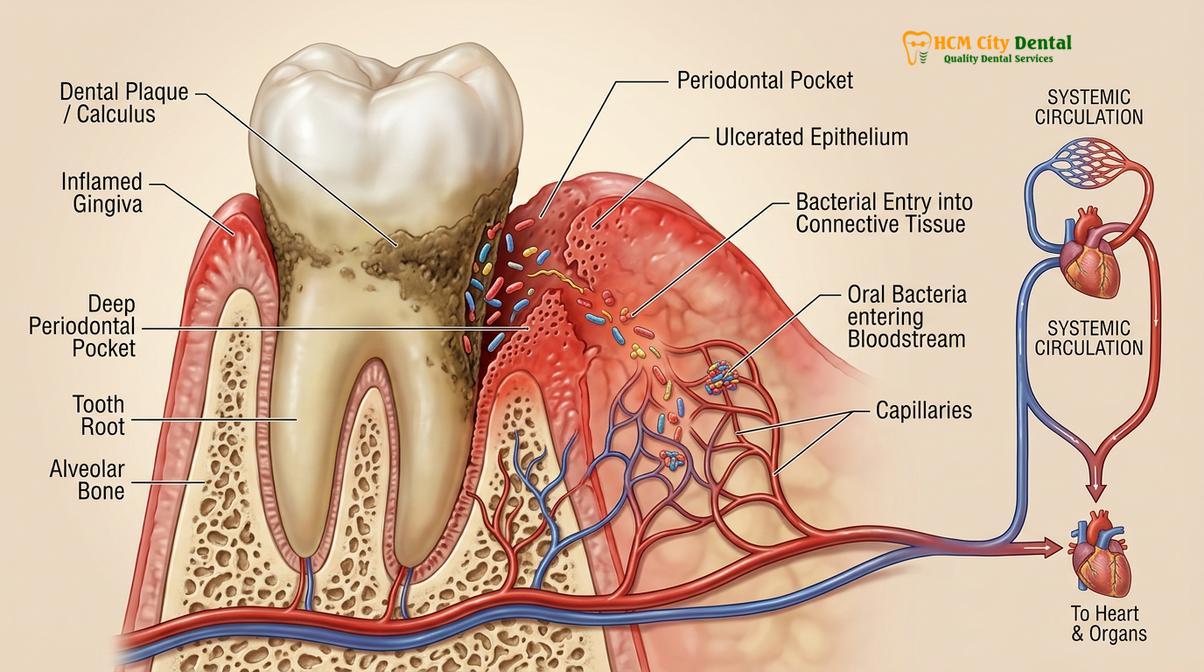
The oral cavity is a complex, dynamic environment harboring hundreds of distinct bacterial species. In a state of health, these microorganisms exist in a symbiotic relationship with the host, regulated by an intact mucosal barrier and a robust local immune response. However, when this equilibrium is disrupted by dental decay, periodontal disease, or necrotic pulp tissue, opportunistic pathogens proliferate. The critical transition from a localized oral issue to a systemic health threat occurs when these pathogens, or their highly toxic metabolic byproducts, breach the protective barriers of the mouth and enter the systemic circulation. Understanding the exact mechanisms of this dissemination is crucial for grasping the full scope of the oral systemic health link [3].
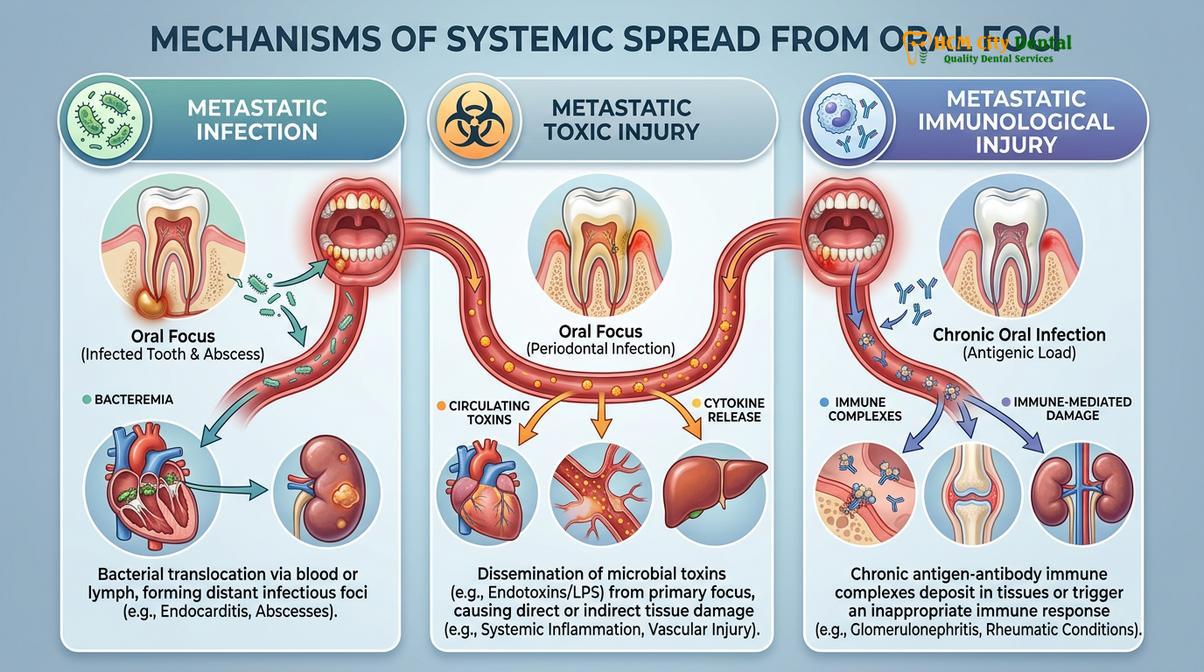
The scientific literature identifies three primary mechanisms by which a localized oral infection exerts systemic effects. The first and most direct pathway is metastatic infection, commonly referred to as bacteremia. The oral cavity is highly vascularized; activities as simple as chewing or brushing can cause transient bacteremia in individuals with compromised oral health. In cases of severe periodontitis or acute apical abscesses, significant quantities of aggressive, Gram-negative anaerobic bacteria are continuously pumped into the bloodstream. Once in circulation, these pathogens can travel to distant, susceptible sites—such as damaged heart valves, prosthetic joints, or arterial plaques—where they adhere, colonize, and establish secondary infections. The classic clinical manifestation of this pathway is infective endocarditis, a potentially fatal inflammation of the heart’s inner lining directly linked to oral streptococci.
The second mechanism is metastatic toxic injury. Even if the live bacteria do not successfully colonize a distant organ, they continuously shed highly potent toxins into the bloodstream. Gram-negative bacteria, which dominate deep periodontal pockets and infected root canals, possess an outer membrane composed of lipopolysaccharides (LPS), also known as endotoxins. When these bacteria die or multiply, LPS is released into the surrounding tissue and vascular network. Endotoxins are profound stimulators of the immune system, triggering the massive release of pro-inflammatory cytokines (such as Interleukin-1, Interleukin-6, and Tumor Necrosis Factor-alpha) from macrophages. This constant, low-grade infusion of toxins creates a state of chronic systemic inflammation, which is a known underlying factor in the development of metabolic syndrome, insulin resistance, and cardiovascular disease.
“The continuous systemic dissemination of oral endotoxins transforms a localized dental infection into a chronic immunological burden, fundamentally altering the body’s inflammatory baseline and accelerating the pathogenesis of distant organ disease.”
The third, and perhaps most complex, mechanism is metastatic immunological injury. This occurs when the body’s immune response to an oral pathogen inadvertently damages its own tissues. One pathway for this is molecular mimicry, where the antigens presented by oral bacteria closely resemble the structural proteins of the host’s own cells. As the immune system produces antibodies to attack the dental infection, these same antibodies may cross-react with and attack healthy tissues in the joints, thyroid, or nervous system, thereby triggering or exacerbating autoimmune diseases. Furthermore, the constant presence of oral antigens can lead to the formation of circulating immune complexes (antigen-antibody clusters) that precipitate in the kidneys or synovial joints, causing localized inflammation and tissue destruction. This intricate immunological interplay highlights why a focus of infection dental must be thoroughly evaluated in patients presenting with unexplained systemic symptoms.
Focal Infection Sites: Root Canals, Cavitations, and Periodontitis
The primary reservoirs for systemic dissemination in the oral cavity include the necrotic tissue of failing root canals, ischemic jawbone cavitations, and the deep, ulcerated pockets of severe periodontitis.
To effectively manage the systemic risks associated with oral health, clinicians must accurately identify the specific anatomical sites that harbor chronic infections. Unlike acute dental abscesses, which present with severe pain and swelling, focal infections are notoriously insidious. They often exist entirely asymptomatically, silently leaking pathogens and toxins into the bloodstream for years or even decades. The three most significant reservoirs for these hidden infections are endodontically treated teeth (root canals), jawbone cavitations, and advanced periodontal disease. Each of these sites presents unique anatomical and microbiological challenges that facilitate the persistence of chronic infection [4].
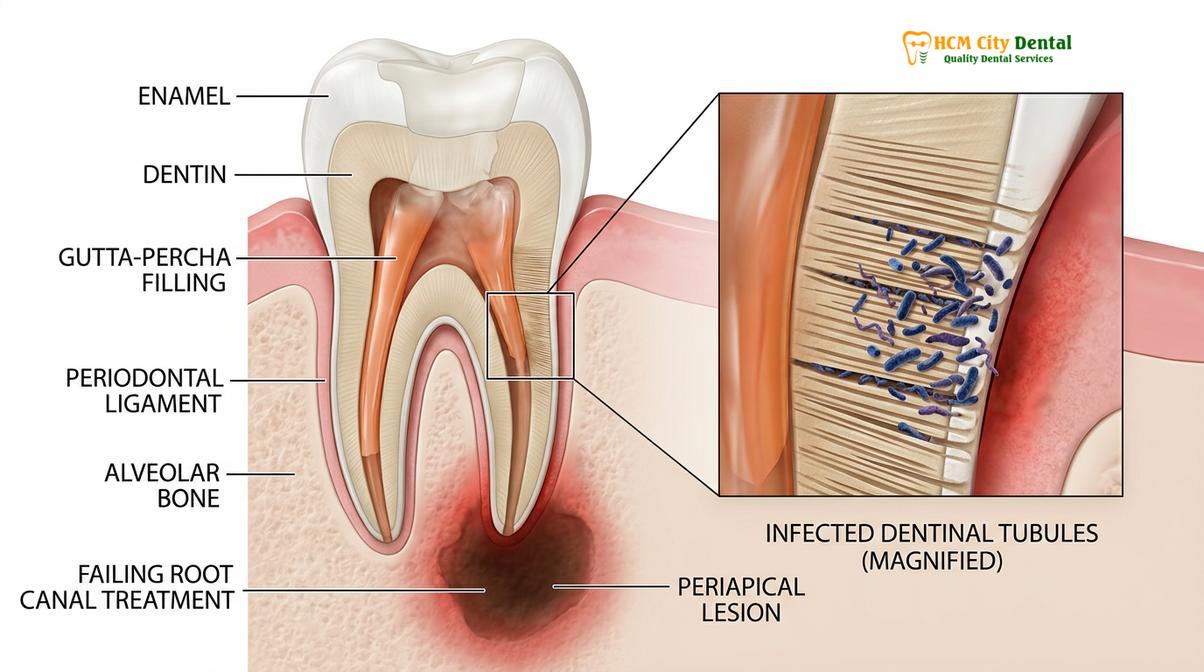
Endodontically Treated Teeth (Root Canals): The anatomy of a human tooth is incredibly complex. Beyond the main central canal, the dentin structure is composed of miles of microscopic dentinal tubules. When a tooth’s pulp dies and a root canal procedure is performed, the main canal is cleaned and sealed. However, it is anatomically impossible to completely sterilize the intricate network of lateral canals and microscopic tubules. Over time, the bacteria trapped within these tubules—deprived of oxygen and a blood supply—undergo a profound pleomorphic shift. They mutate into highly virulent, strictly anaerobic species. These anaerobes produce incredibly potent toxins, such as thioethers and mercaptans, which are far more toxic than naturally occurring organic compounds. Because the tooth lacks a blood supply, the immune system cannot reach these bacteria to eradicate them. Instead, the toxins seep out through the cementum and into the surrounding periodontal ligament and bloodstream, creating a continuous, low-grade systemic burden.
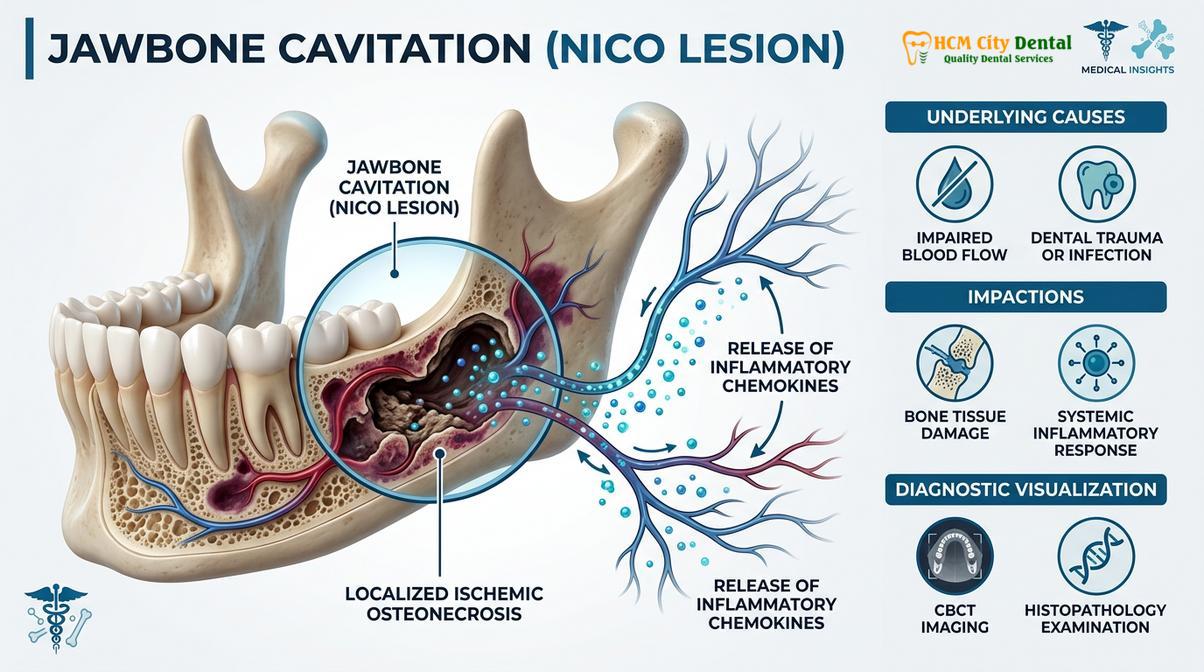
Jawbone Cavitations (NICO Lesions): Cavitations, clinically referred to as Neuralgia-Inducing Cavitational Osteonecrosis (NICO) or ischemic bone disease, are hollow, necrotic spaces within the jawbone. They most commonly occur at the sites of previous tooth extractions, particularly wisdom teeth, where the periodontal ligament was not completely removed, or the bone failed to heal properly due to poor blood flow. Inside these cavitations, the bone is dead or dying, creating a perfect incubator for anaerobic bacteria, viruses, and fungi. More alarmingly, recent immunological research has demonstrated that these lesions are massive producers of RANTES/CCL5, a highly inflammatory chemokine. Elevated levels of RANTES are strongly correlated with systemic inflammatory conditions, chronic fatigue, and neurological inflammation. Because cavitations rarely cause local pain and are invisible on standard 2D X-rays, they represent a classic, hidden chronic jawbone infection autoimmune trigger.
Severe Periodontitis: While root canals and cavitations are enclosed infections, periodontitis is an open, ulcerated wound surrounding the teeth. In advanced gum disease, the periodontal pockets deepen, creating an anaerobic environment where keystone pathogens like Porphyromonas gingivalis and Fusobacterium nucleatum thrive. The epithelial lining of these deep pockets becomes ulcerated and highly permeable. If one were to measure the total surface area of this ulcerated tissue in a patient with severe periodontitis, it would equate to an open, infected wound the size of the palm of a hand. This massive surface area provides direct, unimpeded access for bacteria and endotoxins to enter the highly vascularized gum tissue and, subsequently, the systemic circulation. The continuous bacteremia generated by chewing and brushing in a periodontally compromised mouth is a major driver of systemic inflammation.
| Focal Infection Site | Primary Pathological Mechanism | Systemic Risk Factors |
|---|---|---|
| Root Canals | Anaerobic bacterial mutation within microscopic dentinal tubules; release of highly toxic thioethers. | Chronic fatigue, immune suppression, localized meridian disruption. |
| Jawbone Cavitations | Ischemic osteonecrosis; massive localized production of RANTES/CCL5 chemokines. | Neurological inflammation, autoimmune exacerbation, atypical facial pain. |
| Periodontitis | Ulcerated pocket epithelium allowing continuous systemic influx of Gram-negative endotoxins. | Cardiovascular disease, endothelial dysfunction, systemic inflammatory burden. |
Addressing these three primary sites requires a comprehensive understanding of comprehensive general dentistry combined with advanced biological protocols. It is not sufficient to merely treat the symptoms; the underlying source of the infection and toxicity must be definitively resolved to protect the patient’s systemic health.
Scientific Proof: Linkages to Heart Disease, Arthritis, and Autoimmunity
Contemporary clinical studies confirm that oral pathogens directly contribute to cardiovascular pathogenesis, rheumatoid arthritis, and various autoimmune dysfunctions through systemic inflammatory pathways.
The assertion that oral health is inextricably linked to systemic health is no longer a fringe theory; it is a scientifically validated reality supported by decades of rigorous epidemiological and microbiological research. The mechanisms of bacteremia, endotoxemia, and immune dysregulation previously discussed manifest in very real, often severe, systemic diseases. The most extensively documented and universally accepted connection is the relationship between oral focal infections and cardiovascular disease. The vascular network provides a direct highway from the inflamed periodontium or infected tooth apex straight to the heart and major arteries [5].
In the context of cardiovascular health, the impact of oral pathogens is profound. Studies have consistently shown that individuals with severe periodontal disease or untreated apical periodontitis have a significantly higher risk of developing atherosclerosis, myocardial infarction, and stroke. When oral bacteria, particularly Porphyromonas gingivalis and Streptococcus mutans, enter the bloodstream, they can directly invade the endothelial cells lining the blood vessels. Once inside, they provoke a localized inflammatory response that accelerates the accumulation of cholesterol and the formation of atherosclerotic plaques. Furthermore, researchers have physically isolated viable oral bacteria and their DNA from within the atheromatous plaques excised from patients’ arteries, providing undeniable proof of their direct involvement in vascular pathology. The systemic inflammation triggered by these oral infections also increases blood coagulability, raising the risk of dangerous clot formation.
Beyond the cardiovascular system, the focal infection theory provides critical insights into the pathogenesis of Rheumatoid Arthritis (RA) and other autoimmune conditions. RA is characterized by chronic inflammation and the destruction of synovial joints. A hallmark of this disease is the presence of anti-citrullinated protein antibodies (ACPAs). Remarkably, Porphyromonas gingivalis, a primary periodontal pathogen, is the only known human bacterium capable of producing an enzyme (peptidylarginine deiminase) that citrullinates host proteins. This bacterial-induced citrullination alters the structure of normal proteins, causing the immune system to recognize them as foreign and launch an autoimmune attack against the joints. This specific molecular mechanism elegantly explains the high epidemiological correlation between severe gum disease and the onset or exacerbation of Rheumatoid Arthritis.
“The isolation of specific oral bacterial DNA within arterial plaques and synovial joint fluid provides unequivocal evidence that the mouth serves as a primary reservoir for systemic pathogenic dissemination.”
Furthermore, the constant systemic burden of endotoxins and inflammatory cytokines originating from focal infection teeth organs creates a state of immune hyper-reactivity. This chronic stress can exhaust the immune system, making the body more susceptible to other infections, or push a genetically predisposed individual over the edge into full-blown autoimmunity. Conditions such as Hashimoto’s thyroiditis, systemic lupus erythematosus, and chronic fatigue syndrome frequently show clinical improvement when hidden oral infections are properly diagnosed and eradicated. The scientific consensus is clear: achieving optimal systemic health is impossible while a chronic, silent infection remains active in the oral cavity.
Diagnostics: Identifying Silent Oral Inflammation Sources
Modern biological diagnostics utilize 3D cone-beam computed tomography (CBCT), systemic inflammatory markers, and meridian charting to uncover hidden oral pathologies that traditional methods miss.
The greatest challenge in addressing the focal infection theory is that the most dangerous infections are often entirely asymptomatic. A patient may have a failing root canal or a massive jawbone cavitation and feel absolutely no local pain. Traditional dental diagnostics, which rely heavily on 2D panoramic or bitewing X-rays and basic vitality testing, are grossly inadequate for identifying these hidden pathologies. 2D X-rays suffer from superimposition—the overlapping of anatomical structures—which easily obscures the subtle radiolucencies indicative of chronic apical periodontitis or ischemic bone disease. To truly evaluate the oral systemic health link, clinicians must employ advanced, multi-dimensional diagnostic tools.
The gold standard for identifying silent oral infections is Cone-Beam Computed Tomography (CBCT). A CBCT scan provides a high-resolution, three-dimensional view of the entire maxillofacial region. This technology allows the clinician to slice through the jawbone millimeter by millimeter, examining the bone density and the precise anatomy of the tooth roots from every angle. With CBCT, biological dentists can clearly visualize the hidden abscesses at the tips of root-canaled teeth, the hollow voids of NICO lesions, and the exact extent of periodontal bone loss. Without 3D imaging, diagnosing cavitations is virtually impossible, leaving a major source of systemic toxicity undetected.
In addition to advanced imaging, biological diagnostics often incorporate systemic evaluations. Blood tests measuring high-sensitivity C-reactive protein (hs-CRP), a marker of systemic inflammation, can provide valuable clues. If a patient has elevated hs-CRP without an obvious medical cause, a thorough investigation for a hidden dental focus of infection is warranted. Furthermore, many biological practitioners utilize dental meridian charting. Based on principles of traditional Eastern medicine, meridian charts map the energetic connections between specific teeth and specific organ systems. For example, the upper first molars are energetically linked to the thyroid and stomach. While meridian theory is distinct from Western allopathic models, many clinicians observe strong clinical correlations where an infection in a specific tooth corresponds to dysfunction in its associated organ meridian.
Clinical Case Study: Resolving Chronic Fatigue
A 45-year-old female patient presented to HCMC Dental Clinic in Ho Chi Minh City with a five-year history of debilitating chronic fatigue syndrome and unexplained joint pain. Extensive medical evaluations had yielded no definitive diagnosis. During her comprehensive biological dental assessment, a 3D CBCT scan revealed a large, asymptomatic cavitation in the lower right quadrant at the site of a wisdom tooth extracted two decades prior. Additionally, an upper left root-canaled tooth showed silent apical pathology. Dr. Nguyen Van Cuong developed a treatment plan to surgically debride the cavitation and safely extract the failing root canal. Within three months following the procedures, the patient reported a dramatic reduction in joint pain and a significant restoration of her energy levels, highlighting the profound impact of eliminating hidden oral focal infections.
Comprehensive diagnostics require a paradigm shift from merely looking for cavities to actively searching for sources of chronic inflammation. By combining 3D imaging, systemic inflammatory markers, and a detailed medical history, clinicians can accurately map the landscape of oral toxicity and develop targeted, effective treatment strategies.
The Biological Approach to Eliminating Focal Infections
Treatment focuses on the complete eradication of necrotic tissue and pathogens using minimally invasive techniques, ozone therapy, and biocompatible materials to restore systemic harmony.
Once a focal infection has been definitively diagnosed, the treatment philosophy in biological dentistry differs significantly from conventional approaches. The primary goal is not merely to suppress symptoms or retain a structurally compromised tooth at all costs, but to completely eliminate the source of toxicity and systemic burden. This requires meticulous surgical protocols designed to eradicate pathogens, remove all necrotic tissue, and stimulate the body’s natural regenerative capacities. The biological approach is inherently conservative regarding systemic health, prioritizing the removal of toxic burdens over the mechanical preservation of dead tissue.
When addressing failing root canals or severely infected teeth, safe extraction is often the most predictable method for eliminating the focal infection. However, a biological extraction is far more comprehensive than a standard pulling of a tooth. The protocol requires the meticulous removal of the periodontal ligament—the fibrous tissue that attaches the tooth to the bone. If this ligament is left behind, the bone will not heal properly, leading to the formation of a cavitation. Following the extraction and ligament removal, the bony socket is thoroughly curetted to remove any cysts or necrotic bone. To ensure complete sterilization of the surgical site, ozone therapy is frequently employed. Ozone gas or ozonated water is highly effective at destroying bacteria, viruses, and fungi on contact, while simultaneously stimulating local blood flow and immune response.
Clinical Warning: The Risks of Incomplete Healing
Failing to completely remove the periodontal ligament or adequately debride the socket during a tooth extraction significantly increases the risk of developing ischemic jawbone cavitations (NICO lesions). These hidden, necrotic spaces become chronic breeding grounds for anaerobic bacteria and massive producers of systemic inflammatory chemokines, perpetuating the cycle of focal infection.
For the treatment of existing jawbone cavitations, a surgical debridement is necessary. The clinician opens the gum tissue, accesses the hollow void in the bone, and meticulously scrapes away the dead, ischemic tissue until healthy, bleeding bone is reached. Again, ozone therapy is utilized to disinfect the cavity. To promote rapid and robust bone regeneration, biological dentists frequently use Platelet-Rich Fibrin (PRF). PRF is created by drawing a small amount of the patient’s own blood and spinning it in a centrifuge to isolate a concentrated matrix of platelets, white blood cells, and growth factors. This PRF membrane is placed directly into the cleaned extraction socket or cavitation site, significantly accelerating healing and reducing the risk of postoperative complications.
Finally, when restoring missing teeth, the biological approach emphasizes the use of highly biocompatible materials. To avoid the galvanic toxicity and potential hypersensitivity associated with metal implants, many biological practitioners prefer zirconia (ceramic) dental implants. Zirconia is highly tissue-friendly, does not corrode, and accumulates less bacterial plaque than titanium, making it an ideal choice for patients focused on minimizing systemic inflammatory triggers. Through these comprehensive, biologically sound protocols, clinicians can effectively sever the oral-systemic link, allowing the body to redirect its resources toward profound systemic healing.
When to See a Doctor
Identifying the subtle signs of a systemic issue originating from the mouth requires vigilance. You should schedule a comprehensive biological dental evaluation if you experience chronic, unexplained systemic symptoms that have not responded to traditional medical treatments. Key indicators include persistent chronic fatigue, unexplained joint pain or muscle aches, newly developed or worsening autoimmune conditions, and chronically elevated inflammatory markers (such as hs-CRP) on your blood tests. Additionally, if you have a history of multiple root canals, difficult wisdom tooth extractions, or advanced gum disease, a proactive 3D CBCT scan is highly recommended to rule out silent pathologies. Do not wait for localized dental pain to manifest; focal infections are often entirely asymptomatic locally while causing significant systemic disruption. A thorough evaluation by a qualified biological dentist can determine if your oral health is the missing link in your overall wellness journey.
Frequently Asked Questions
What is focal infection theory?
The focal infection theory states that localized, chronic infections in the mouth can spread bacteria and toxins throughout the body, causing systemic diseases. Modern biological dentistry utilizes this concept to identify and treat hidden oral pathologies that contribute to broader health issues like autoimmune disorders and cardiovascular disease. By recognizing the mouth as a primary gateway, clinicians can address the root causes of systemic inflammation rather than merely treating distant symptoms.
How do oral bacteria enter the bloodstream?
Oral bacteria enter the bloodstream through compromised mucosal barriers, such as bleeding gums, deep periodontal pockets, or infected root canals. Once in the vascular system, these pathogens can travel to distant organs, attach to tissues, and trigger chronic inflammatory or immune responses. Everyday activities like chewing or brushing can cause transient bacteremia in individuals with poor oral health, continuously seeding the systemic circulation with aggressive microbes.
Can a silent tooth infection cause chronic fatigue?
Yes, a silent tooth infection can contribute to chronic fatigue syndrome. Hidden infections, particularly in jawbone cavitations or failing root canals, constantly stimulate the immune system, leading to systemic inflammation and the depletion of cellular energy reserves over time. The continuous production of inflammatory cytokines and chemokines, such as RANTES, places a massive metabolic burden on the body, resulting in profound and persistent exhaustion.
Is focal infection theory recognized by modern medicine?
Modern medicine widely recognizes specific aspects of the focal infection theory, particularly the link between periodontal disease and systemic conditions like endocarditis and atherosclerosis. Advanced genomic and microbiome research continues to validate how oral pathogens influence distant organ systems. While the historical practice of indiscriminate extraction is condemned, the targeted identification and treatment of genuine oral infections is now considered a crucial component of comprehensive medical care.
How do biological dentists treat focal infections?
Biological dentists treat focal infections by thoroughly removing the source of toxicity using minimally invasive techniques. This includes safe extraction protocols, cavitation debridement, ozone therapy to eradicate pathogens, and the use of biocompatible materials to support the body’s natural healing processes. The integration of advanced therapies like Platelet-Rich Fibrin (PRF) ensures optimal tissue regeneration and minimizes the risk of recurrent chronic infections.
References
- Journal of Endodontics. Systemic implications of apical periodontitis and endodontic infections. (2021).
- Clinical Microbiology Reviews. The oral microbiome and its role in systemic disease pathogenesis. (2020).
- Journal of the American Heart Association. Periodontal disease and incident cardiovascular disease. (2019).
- International Journal of Molecular Sciences. RANTES/CCL5 expression in jawbone cavitations and systemic immunology. (2022).
- British Dental Journal. Biological dentistry approaches to managing focal infections. (2018).