Securing dental insurance for holistic and biological treatments requires a strategic understanding of clinical coding, international policy structures, and the specific documentation demanded by global carriers. While traditional insurance models often prioritize conventional materials and standard restorative techniques, patients seeking biocompatible alternatives can successfully navigate the reimbursement process with proper preparation and comprehensive clinical evidence. The intersection of biological dentistry and traditional insurance is frequently misunderstood, leading many patients to assume that holistic care is entirely excluded from their benefits. However, by learning how to translate biological treatment philosophies into the standardized language of dental insurance, patients can maximize their coverage. Research indicates that the demand for metal-free solutions, such as zirconium dioxide implants, is rising globally due to their excellent biocompatibility and aesthetic integration[1], making it increasingly important for patients to understand how to claim these advanced treatments when traveling abroad for care.
Clinical Summary:
Navigating dental insurance for holistic care involves translating biological treatment philosophies into standardized dental codes recognized by international carriers. While “holistic dentistry” is not a distinct insurance specialty, the underlying procedures—such as composite restorations, ceramic implants, and surgical extractions—are routinely covered under standard policies. Challenges arise with specialized protocols like ozone therapy or the use of premium biocompatible materials, which insurance companies may downgrade via alternate benefit provisions. Successfully claiming reimbursement for biological dental work abroad requires meticulous clinical documentation, including pre-operative imaging, detailed letters of medical necessity, and itemized invoices utilizing universally recognized diagnostic and treatment codes. Understanding the strict limitations of travel insurance versus the broader coverage of international health plans is essential for financial planning.
Key Takeaways:
- Holistic dentistry procedures are billed using standard dental codes; the philosophy itself is not a separate insurance category.
- Insurance companies frequently apply an “alternate benefit provision,” reimbursing premium biocompatible materials at the rate of standard conventional materials.
- Travel insurance is strictly for acute emergencies and will not cover elective biological treatments or planned amalgam removals.
- Comprehensive international health insurance plans often require pre-authorization for major restorative work like Zirconia implants.
- Detailed clinical narratives, periodontal charting, and pre-operative X-rays are mandatory for successfully processing out-of-country dental claims.
- Working with a clinic experienced in international billing significantly improves the likelihood of successful reimbursement.
Navigating Insurance Policies for Biological Dentistry
Insurance companies process claims based on standardized procedure codes rather than the holistic philosophy of the provider. Understanding how biological treatments map to these standard codes is essential for maximizing your coverage and minimizing out-of-pocket expenses.
The intersection of biological dentistry and traditional dental insurance often presents a complex landscape for patients seeking systemic-focused oral care. Dental insurance operates on a highly standardized system of coding—such as the Current Dental Terminology (CDT) codes used in North America or similar international equivalents—designed to categorize procedures based on the physical action performed rather than the overarching medical philosophy guiding the treatment. Consequently, when patients search for holistic dental insurance, they quickly discover that insurance carriers do not recognize biological, natural, or holistic dentistry as a distinct, billable specialty. Instead, biological dentists are classified as practitioners providing general dentistry who simply choose to utilize biocompatible materials and systemic-focused protocols.
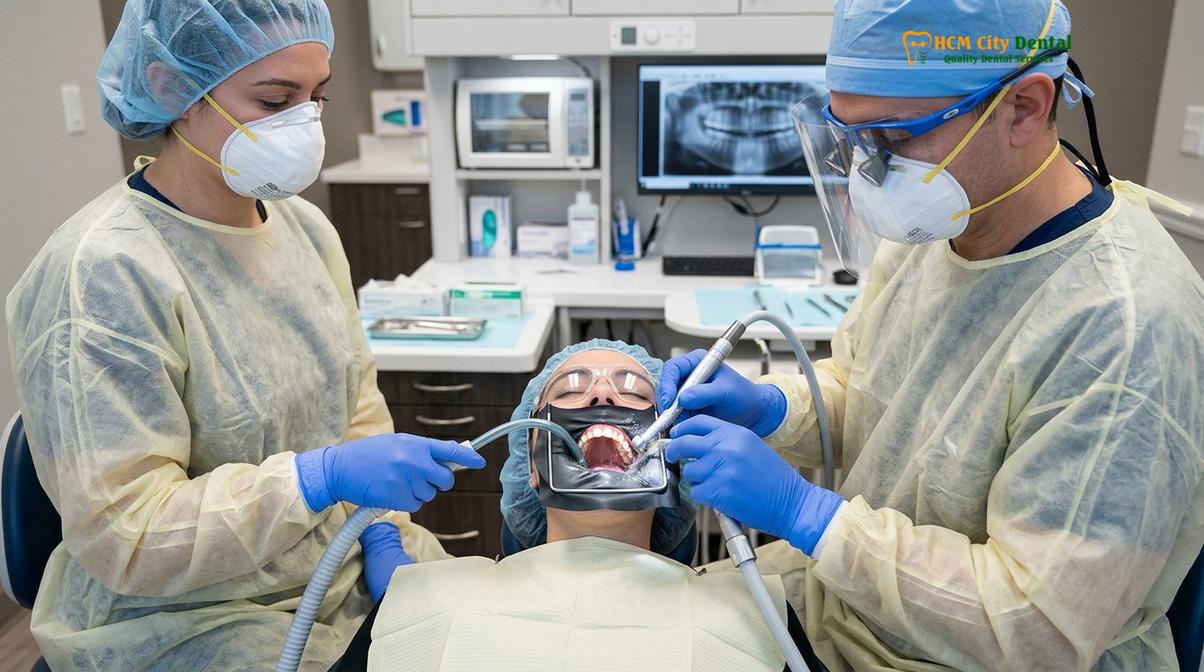
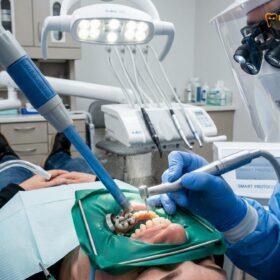
This distinction is crucial when attempting to secure coverage for your treatments. For example, when a biological dentist performs a composite restoration, the insurance company processes the claim using the standard code for a resin-based composite filling. The carrier does not factor in whether the dentist used a premium, BPA-free material or followed a specific holistic protocol; they simply adjudicate the claim based on the restoration of tooth structure. However, the nuances of biological care often introduce significant coding challenges. A primary example is securing insurance for mercury safe removal. Biological dentists strictly adhere to protocols like the Safe Mercury Amalgam Removal Technique (SMART) to protect the patient, the staff, and the environment from mercury vapor exposure during the extraction of old silver fillings[2]. Standard insurance coding does not have a specific, universally accepted code that fully encompasses the additional time, specialized filtration equipment, and protective barriers required for this protocol. As a result, the safety measures themselves may be considered non-covered, out-of-pocket expenses, even if the underlying filling replacement is partially covered.
Similarly, when discussing preventative care, biological dentists often recommend alternatives to traditional fluoride treatments. Patients exploring fluoride dental risks and safe alternatives may opt for treatments utilizing nano-hydroxyapatite. While a comparison of hydroxyapatite vs fluoride shows excellent remineralization properties for the former, insurance companies typically only have billing codes for standard fluoride varnish applications. If a clinic bills for a hydroxyapatite treatment, the insurance company may deny the claim simply because the specific material does not match their outdated preventative care codes. Navigating this requires a clinic that understands how to legally and ethically code procedures to maximize the patient’s existing benefits while remaining transparent about the materials used.
Does Travel Insurance Cover Biological Dental Work Abroad?
Travel insurance is designed exclusively to stabilize acute, unforeseen dental emergencies during a trip. It explicitly excludes elective procedures, routine care, and planned biological dental treatments.
As dental tourism continues to expand globally, many patients travel internationally to access high-quality biological dentistry at more accessible price points. A common and potentially costly misconception is that standard travel insurance policies will cover these holistic treatments. It is imperative to understand the strict limitations of travel insurance regarding dental care. Travel insurance policies are underwritten specifically to mitigate the financial risk of sudden, unexpected medical emergencies that occur while you are away from your home country. They are not designed to function as comprehensive health or dental plans.
Important Coverage Warning: Never travel abroad assuming your standard travel insurance will cover planned dental work. Travel policies strictly exclude medical tourism. If you travel with the primary intent of receiving dental care, any claims related to that care will be categorically denied by your travel insurance provider.
In the context of dentistry, travel insurance typically only covers palliative care required to relieve acute pain, treat sudden infection, or manage sudden trauma. For instance, if you suffer a fall while sightseeing that fractures a tooth, travel insurance may cover the emergency examination, X-rays, and the immediate intervention necessary to stabilize the condition and relieve pain until you can return home. However, travel insurance will categorically deny claims for any elective, planned, or routine dental care.
“Travel insurance is fundamentally a risk mitigation tool for unforeseen acute emergencies. Attempting to claim elective biological treatments, such as planned amalgam removal, cosmetic ceramic restorations, or ceramic implant placement, under a travel policy will result in immediate claim denial and potential policy cancellation.”
If you travel to a foreign clinic with the intention of having your amalgam fillings safely removed, receiving ozone therapy, or undergoing a full mouth rehabilitation using biocompatible materials, these procedures will be entirely out-of-pocket as far as your travel insurance is concerned. Patients must clearly differentiate between emergency stabilization (which may be covered) and elective biological restoration (which is never covered by travel policies).
International Health Insurance: Cigna, Allianz, and Bupa Coverages
Comprehensive international health plans often provide robust dental coverage, but patients must carefully review waiting periods, co-insurance rates, and annual maximums for major restorative work.
For expatriates, digital nomads, and frequent travelers, international health insurance policies provided by major global carriers like Cigna Global, Allianz Care, and Bupa Global offer a much more comprehensive safety net than standard travel insurance. These policies are designed to function as primary health coverage globally and often include optional or integrated dental modules. International dental coverage is typically divided into three distinct tiers: preventative care (exams, cleanings, X-rays), basic restorative care (fillings, simple extractions), and major restorative care (implants, crowns, bridges, complex oral surgery).
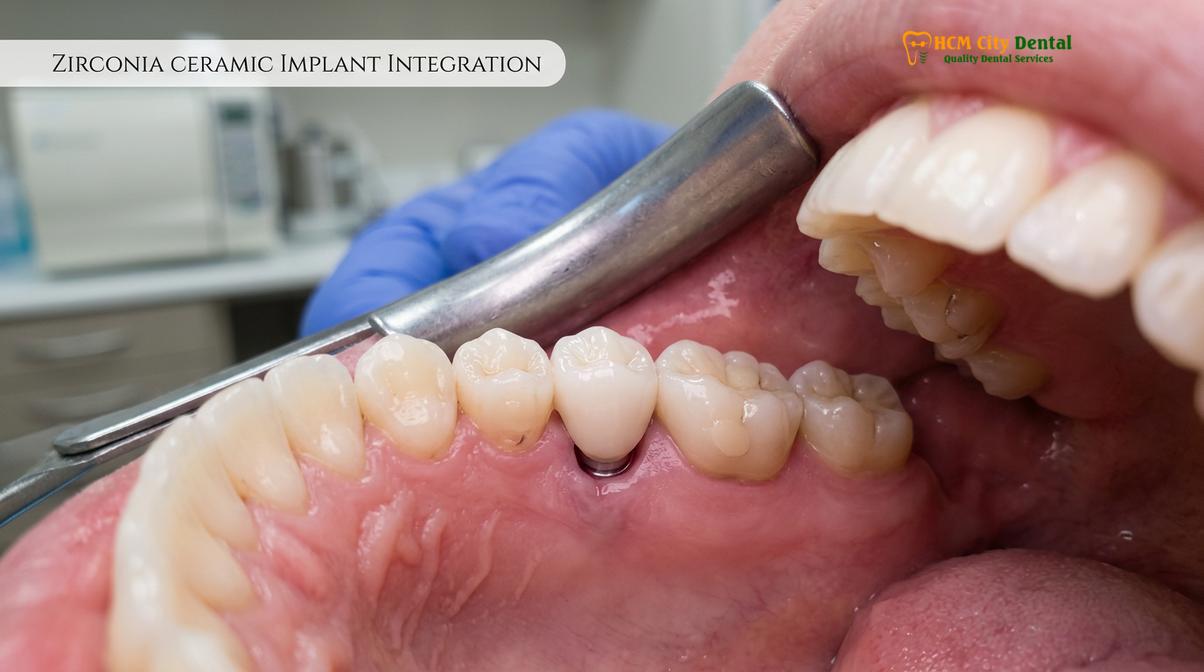
When applying these comprehensive policies to holistic treatments, patients must be highly proactive. Major carriers almost universally require pre-authorization for significant restorative work. This process involves the dental clinic submitting a proposed treatment plan, complete with diagnostic X-rays, periodontal charting, and clinical justifications, to the insurance company before the treatment begins. This step is absolutely non-negotiable for high-value procedures, especially for patients with documented titanium allergies or metal hypersensitivities who require alternative materials like zirconia implants[5]. Pre-authorization protects the patient from unexpected denials after the treatment has already been rendered and provides a clear picture of the expected out-of-pocket costs.
| Insurance Type | Primary Purpose | Coverage for Elective Biological Care | Pre-Authorization Required |
|---|---|---|---|
| Travel Insurance | Acute emergencies, trauma, sudden pain relief | None. Strictly excluded. | Usually required for major emergencies/evacuation |
| International Health (Expat) | Comprehensive global health and dental maintenance | Yes, subject to policy limits, tiers, and waiting periods | Yes, mandatory for major restorative work |
| Domestic Dental Insurance | Routine care within home country network | Rarely covers out-of-country care (check out-of-network benefits) | Yes, for major procedures |
It is also vital to understand waiting periods. Many international health plans impose waiting periods of 6 to 12 months before major restorative benefits activate. If you purchase a policy today, you cannot immediately fly abroad to receive a full set of ceramic implants and expect the carrier to cover the cost. Planning your biological dental journey requires aligning your treatment timeline with your policy’s specific terms and conditions.
Common Exclusions: Why Cosmetic Ceramics May Be Out-Of-Pocket
Insurance carriers frequently utilize alternate benefit clauses to downgrade coverage for premium biocompatible materials, reimbursing them at the rate of cheaper, conventional alternatives.
One of the most significant hurdles in securing insurance coverage for biological dentistry is the industry’s heavy reliance on the alternate benefit provision (also known as a least expensive alternative treatment clause). Dental insurance is fundamentally designed to restore basic masticatory function using the most cost-effective methods available. It is not designed to fund premium materials, aesthetic enhancements, or specialized holistic protocols that exceed the baseline standard of care defined by the carrier’s actuarial tables.
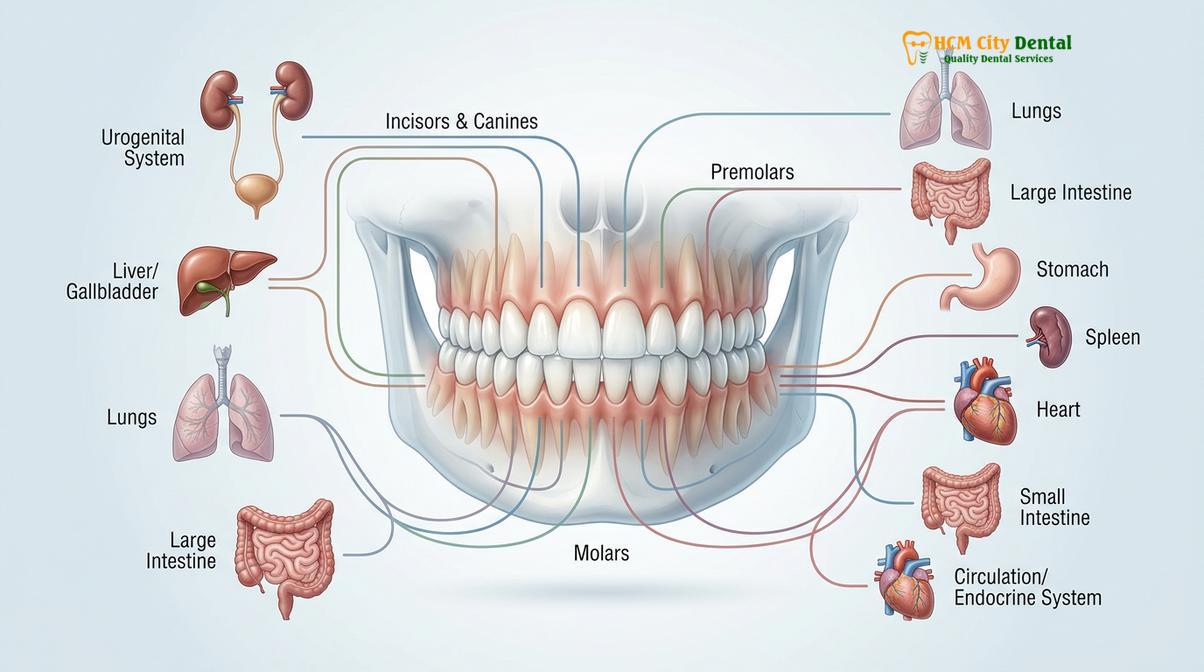
For example, if a biological dentist recommends a metal-free zirconia crown for a posterior tooth due to biocompatibility concerns, the insurance company may approve the claim but apply an alternate benefit provision. This means they will only reimburse the procedure up to the cost of a standard porcelain-fused-to-metal (PFM) crown or a full cast metal crown, which are significantly cheaper. The patient is then responsible for paying the difference in cost between the premium zirconia material and the standard metal material. This downgrade is incredibly common in holistic dentistry, where premium, non-toxic materials are the standard of care.
“Insurance adjudication is based on restoring basic function, not optimizing systemic biocompatibility. Patients must be prepared for alternate benefit downgrades when selecting premium metal-free restorations, as carriers will default to the most economical viable material.”
Furthermore, specific holistic protocols are frequently excluded entirely because they lack universally recognized billing codes or are deemed “investigational” by traditional insurance boards. Ozone therapy, utilized extensively in biological dentistry for its powerful antimicrobial and tissue-healing properties without the use of harsh chemicals, is rarely covered by standard dental insurance[3]. Likewise, advanced tissue regeneration using PRF (Platelet-Rich Fibrin), which utilizes the patient’s own blood to accelerate healing and reduce infection risk naturally, is often deemed a non-covered service unless specifically mandated by a complex surgical necessity[4]. Patients must view these advanced biological protocols as vital investments in their systemic health and healing that fall outside the purview of traditional, cost-containment insurance models.
Tips for Submitting Claims and Maximizing Reimbursement Rates
Maximizing your insurance reimbursement requires a strategic approach to documentation, clear communication with your provider, and a thorough understanding of your policy’s specific requirements for out-of-country claims.
Submitting an international dental claim for biological treatments can be a daunting process, but following a structured approach can significantly increase your chances of a successful reimbursement. The burden of proof lies entirely with the patient and the treating clinic to demonstrate that the procedures performed were medically necessary and align with the carrier’s billing guidelines. Here is a comprehensive guide to maximizing your reimbursement rates when receiving holistic dental care abroad.
1. Always Seek Pre-Authorization: Before undergoing any major biological treatment, such as ceramic implant placement or extensive safe amalgam removal, insist that your clinic submits a pre-authorization request. This request should include a detailed treatment plan, the specific CDT codes that will be billed, pre-operative X-rays, and a narrative explaining the medical necessity of the treatment. Having an approval in hand before treatment begins is the single best way to guarantee reimbursement and avoid costly surprises.
2. Demand Itemized, Coded Invoices: Insurance companies will immediately reject generic receipts that simply state “Dental Treatment” or “Holistic Care.” Your invoice must be meticulously itemized. Each specific procedure must be listed on a separate line, accompanied by the date of service, the specific tooth number or oral cavity quadrant treated, the exact fee charged, and the corresponding international diagnostic or treatment code. Ensure the invoice is translated into English if required by your carrier.
3. Gather Comprehensive Clinical Evidence: Insurance adjudicators rely entirely on the clinical evidence provided to make their decisions. Ensure you leave the clinic with high-quality, pre-operative and post-operative X-rays (periapical and panoramic). If you are having failing restorations replaced, request intraoral photographs that clearly show the decay, fracture, or structural failure of the old filling. Visual evidence is incredibly compelling when fighting a denied claim.
4. Include a Letter of Medical Necessity: For biological treatments that deviate from standard conventional care, a clinical narrative is essential. Ask your biological dentist to write a brief letter of medical necessity explaining why a specific material or protocol was chosen. For instance, if a zirconia implant was chosen over titanium due to a suspected metal allergy, this must be explicitly stated and supported by the patient’s medical history to justify the higher cost to the insurance carrier.
5. Understand the Appeals Process: Denials are common, especially for out-of-country claims involving holistic care. Do not accept a first denial as the final answer. Review the Explanation of Benefits (EOB) carefully to understand why the claim was denied. Often, it is a simple coding error or a request for additional X-rays. Work with your clinic’s administrative team to gather the requested information and submit a formal appeal. Persistence is often key to securing the reimbursement you are entitled to under your policy.
When to Consult a Biological Dentist and Important Considerations
Recognizing the signs of oral-systemic issues is crucial. Patients experiencing chronic inflammation, metal sensitivities, or unexplained systemic symptoms should seek evaluation from a qualified biological dentist.
Knowing when to transition from conventional dental care to a biological approach is an important step in holistic health management. Patients often seek biological dentistry when they experience symptoms of heavy metal toxicity, chronic fatigue, or localized oral inflammation that does not resolve with standard treatments. The mouth is intimately connected to the rest of the body, and chronic oral infections can have profound systemic implications.
Additionally, individuals with a history of complex extractions, particularly wisdom tooth removals, may need to be evaluated for jawbone cavitations. These are hidden areas of chronic, necrotic infection in the jawbone that often go undetected by standard X-rays but can contribute to systemic health issues. Furthermore, patients suffering from chronic headaches, neck pain, or postural imbalances may benefit from exploring the TMJ posture connection, as biological dentists often look beyond the teeth to assess how jaw alignment affects the entire musculoskeletal system.
When planning treatments abroad, it is essential to ensure that the clinic adheres to strict safety and biocompatibility standards. In Vietnam, reputable biological clinics align their practices with the safety protocols and material guidelines established by the Vietnam Odonto-Stomatology Association (VOSA) to ensure patient protection during complex restorative procedures[6]. Always consult with your primary care physician and your biological dentist to create a cohesive treatment plan that addresses both your oral health and your overall systemic well-being before submitting extensive pre-authorization requests to your insurance carrier.
How HCMC Dental Helps You: English Medical Reports and Invoices
Successful international claims require precise documentation. Clinics equipped for global patients provide itemized invoices, translated clinical notes, and standardized diagnostic codes to facilitate reimbursement.
When pursuing dental care abroad, the administrative burden of filing insurance claims falls largely on the patient. However, the success of these claims is entirely dependent on the quality, accuracy, and comprehensiveness of the documentation provided by the treating clinic. At HCMC Dental Clinic, the administrative and clinical teams are highly experienced in supporting international patients through the complexities of cross-border insurance reimbursement, ensuring that every procedure is documented to meet the rigorous standards of global carriers.
Clinical Case Example: An expatriate patient visited HCMC Dental Clinic in Ho Chi Minh City for the removal of failing amalgam restorations and the placement of biocompatible ceramic onlays. The clinical team provided a comprehensive narrative detailing the structural failure of the existing amalgams and the medical necessity for the ceramic restorations. By supplying pre-operative intraoral photos, detailed X-rays, and an itemized invoice with precise CDT codes, the patient successfully secured a 70% reimbursement from their international health insurance provider, despite the initial complexities of claiming biological care.
Dr. Nguyen Van Cuong, a leading biological practitioner at HCMC Dental Clinic, emphasizes that comprehensive documentation is the bridge between holistic care and traditional insurance. Dr. Cuong and his clinical team meticulously record every step of procedures like holistic gum disease treatment to ensure international patients have the exact diagnostic codes required by their carriers. This dedication to clinical transparency significantly improves the likelihood of successful insurance claims for global patients, allowing them to focus on healing rather than administrative stress.
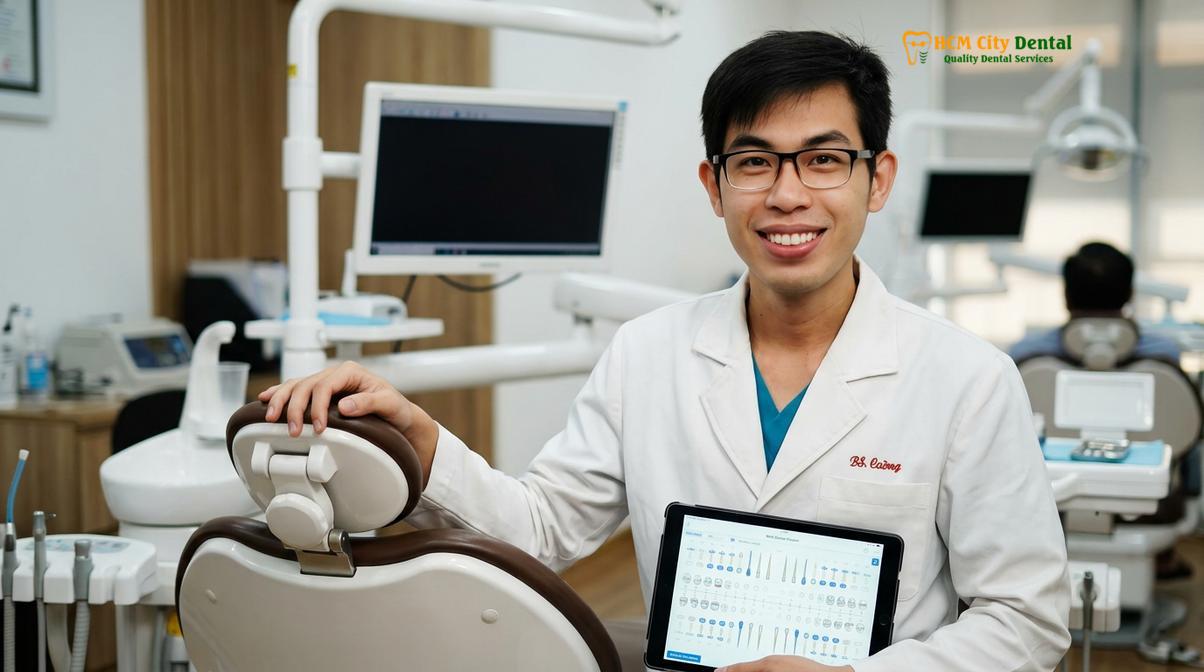
Beyond the standard itemized invoice, clinical documentation is paramount. Insurance companies frequently request proof of medical necessity before approving major restorative work. A well-prepared clinic will supply comprehensive English medical reports, detailing the patient’s presenting symptoms, the diagnosis, and the clinical rationale for the chosen biological treatment path. If you are planning biological dental care and need assistance navigating your international coverage, contact HCMC Dental Clinic in Ho Chi Minh City to schedule a consultation and ensure your treatment is documented for optimal insurance reimbursement.
References
The clinical protocols and insurance guidelines discussed in this article are supported by research from leading dental and medical organizations regarding biocompatibility and patient safety.
- Journal of Oral and Maxillofacial Surgery. Biocompatibility of zirconium dioxide dental implants.
- International Journal of Oral and Maxillofacial Surgery. Safe Mercury Amalgam Removal Technique (SMART) protocol guidelines.
- British Dental Journal. Ozone therapy in restorative dentistry: a clinical review.
- Journal of the American Dental Association. Platelet-rich fibrin (PRF) in oral surgery and bone grafting.
- Clinical Oral Investigations. Titanium allergy and metal hypersensitivity in dental implantology.
- Vietnam Odonto-Stomatology Association (VOSA). National guidelines on biocompatible dental materials and patient safety.
For pricing, booking, and a free clinical assessment, visit our Biological Dentistry service page at HCMC Dental Clinic in Ho Chi Minh City.