Creating a natural mouthwash DIY involves combining biocompatible ingredients like baking soda, salt, and specific essential oils to balance oral pH and reduce pathogenic bacteria. Unlike commercial alcohol-based rinses, these homemade solutions support the oral microbiome without causing tissue desiccation or chemical irritation.
Clinical Summary:
The shift toward biological dentistry has highlighted the adverse effects of synthetic, alcohol-heavy commercial mouthwashes, which frequently induce xerostomia (dry mouth), alter gustatory perception, and disrupt the delicate homeostasis of the oral microbiome. Formulating a natural mouthwash DIY offers a scientifically sound, biocompatible alternative that respects the physiological environment of the oral cavity. By utilizing active, naturally derived compounds—such as sodium bicarbonate for pH buffering, sodium chloride for osmotic regulation, and specific botanical terpenes for targeted antimicrobial action—patients can effectively manage plaque biofilm and gingival inflammation. Dr. Nguyen Van Cuong emphasizes that these customized, alcohol free homemade mouthwash HCMC formulations not only neutralize acidic bacterial byproducts but also promote tissue healing without the cytotoxic effects associated with conventional chemical rinses. When prepared and stored correctly, these natural solutions serve as a vital adjunct to comprehensive periodontal care and holistic oral hygiene protocols.
Key Takeaways:
- Commercial mouthwashes containing high ethanol concentrations strip the protective mucin layer, leading to cellular dehydration and mucosal irritation.
- Natural DIY rinses utilize biocompatible ingredients to elevate salivary pH, neutralizing the acidic environments where cariogenic bacteria thrive.
- Essential oils like peppermint and tea tree provide potent, broad-spectrum antimicrobial action without eradicating beneficial oral flora.
- Proper formulation requires precise ratios to ensure safety, particularly regarding the emulsification and dilution of volatile plant extracts.
- Homemade solutions lack synthetic preservatives, necessitating preparation in small batches and storage in airtight, amber glass containers to maintain efficacy.
The Hidden Dangers of Alcohol-Based Commercial Mouthwashes
Commercial alcohol-based mouthwashes often contain up to 26% ethanol, which acts as a harsh solvent that strips the oral cavity’s protective mucin layer, leading to severe cellular dehydration and increased vulnerability to micro-abrasions.
For decades, the standard paradigm of oral hygiene heavily promoted the use of potent, chemically synthesized mouthwashes designed to eradicate all bacteria within the oral cavity. However, modern clinical research and the principles of biological dentistry principles have revealed significant physiological drawbacks to this indiscriminate approach. The primary concern lies in the high concentration of ethanol—often ranging from 18% to 26%—found in many over-the-counter oral rinses. In the delicate environment of the mouth, ethanol functions not merely as an antiseptic, but as a highly aggressive solvent.[1]
The oral mucosa is lined with a sophisticated, protective mucin layer that serves as the first line of defense against mechanical trauma, thermal shock, and pathogenic invasion. When exposed to high concentrations of alcohol, this mucin layer is rapidly denatured and stripped away. The underlying epithelial cells are subsequently subjected to intense osmotic stress, leading to rapid cellular dehydration—a process clinically referred to as desiccation. This desiccation manifests as a burning sensation during use, which many consumers mistakenly associate with “cleaning power,” when in reality, it is a symptom of acute tissue irritation and cytotoxicity.[1]
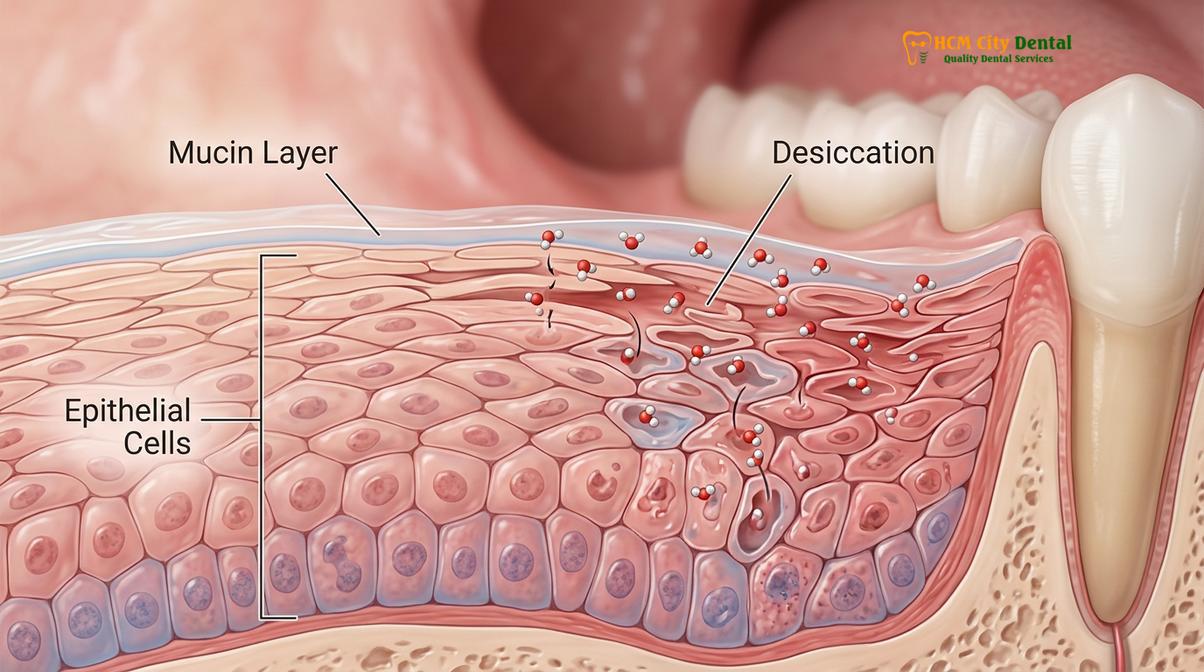
Furthermore, the chronic application of alcohol-based rinses can lead to the desquamation (sloughing off) of the oral epithelium. Patients frequently report finding stringy, white mucosal tissue peeling from the insides of their cheeks and gums after using these products. This continuous cycle of chemical injury and rapid cellular turnover places undue stress on the oral tissues, potentially delaying the healing of minor aphthous ulcers (canker sores) and exacerbating existing gingival inflammation. In contrast, a properly formulated natural mouthwash DIY respects the integrity of the mucosal barrier, providing cleansing action without inducing structural damage to the cellular architecture.
“The indiscriminate use of high-alcohol oral rinses acts as a chemical abrasive on the delicate oral mucosa. True oral health is achieved through symbiotic balance and pH regulation, not through the daily chemical cauterization of the mouth’s natural defense systems.”
Beyond ethanol, commercial formulations frequently contain a cocktail of synthetic dyes (such as FD&C Blue No. 1 or Green No. 3), artificial sweeteners like sodium saccharin, and harsh surfactants like sodium lauryl sulfate (SLS). SLS, in particular, is a known mucosal irritant that can further compromise the lipid bilayer of oral cells. The cumulative effect of these synthetic ingredients underscores the clinical necessity for biocompatible alternatives, driving the increasing demand for an alcohol free homemade mouthwash HCMC residents can easily prepare to support their long-term oral health.
Dry Mouth, Chemical Alteration of Taste, and Oral Microbiome Harm
Chronic use of harsh chemical rinses disrupts the delicate balance of the oral microbiome, exacerbating xerostomia (dry mouth) and chemically blunting gustatory receptors, which significantly alters natural taste perception.
The oral cavity hosts the second most diverse microbial community in the human body, second only to the gut. This oral microbiome consists of billions of symbiotic bacteria, fungi, and protozoa that live in a delicate, highly orchestrated state of homeostasis. These beneficial microbes play crucial roles in pre-digesting food, synthesizing essential vitamins, and, most importantly, producing nitric oxide—a vital molecule that regulates systemic blood pressure and cardiovascular health. When a patient uses a broad-spectrum, alcohol-based commercial mouthwash, the antimicrobial action is entirely non-selective. It annihilates both the pathogenic bacteria responsible for periodontal disease and the symbiotic flora essential for systemic health.[2]
This indiscriminate eradication leads to a state of oral dysbiosis. Without the protective presence of beneficial bacteria, opportunistic pathogens—such as *Candida albicans* (responsible for oral thrush) or aggressive strains of *Porphyromonas gingivalis*—can rapidly recolonize the oral cavity without competition. This rebound effect often results in worse halitosis (bad breath) and accelerated plaque accumulation than before the mouthwash was used, creating a vicious cycle of dependency on the chemical rinse. Addressing this dysbiosis is a core component of holistic periodontal therapy, which prioritizes microbiome restoration over total bacterial annihilation.
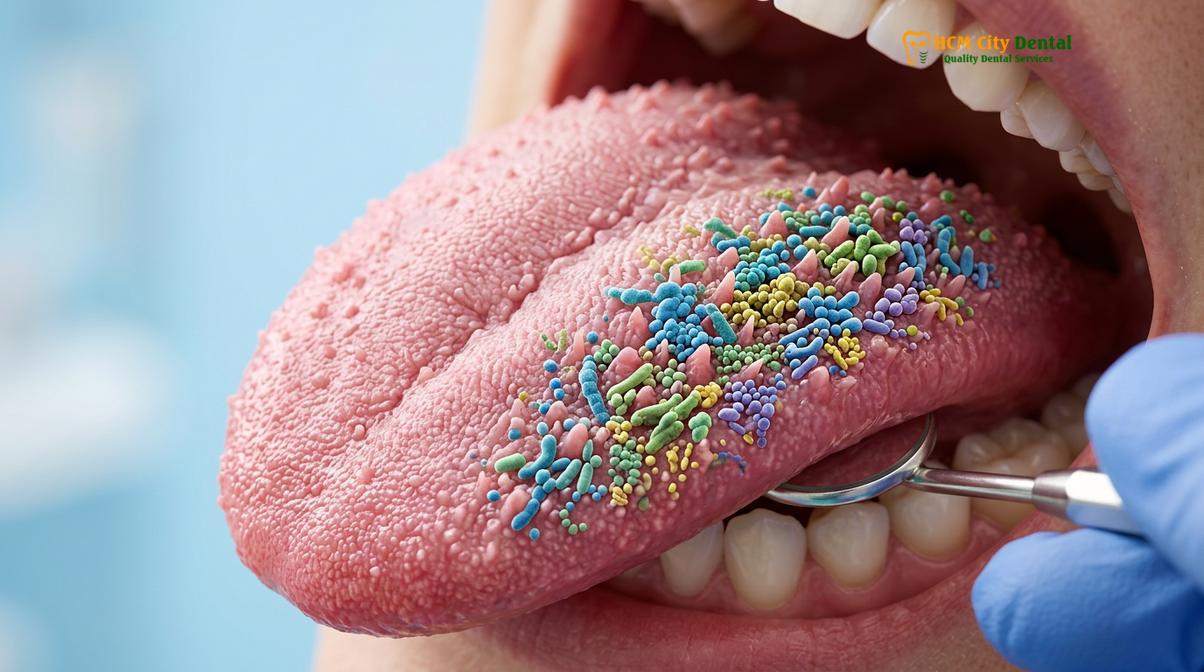
Another profound consequence of commercial mouthwash use is the exacerbation of xerostomia, commonly known as dry mouth. Saliva is the mouth’s natural remineralizing agent and primary defense mechanism; it contains calcium, phosphate, immunoglobulins, and enzymes that constantly repair microscopic enamel damage and neutralize dietary acids. The astringent nature of alcohol severely depresses salivary gland function. A dry mouth is an acidic mouth, and an acidic environment is the primary catalyst for enamel demineralization and rampant dental caries. Patients concerned about enamel integrity often benefit from evaluating fluoride exposure risks and transitioning to natural, saliva-stimulating oral care routines.
Furthermore, the harsh chemicals in commercial rinses can chemically alter and blunt the gustatory receptors (taste buds) located on the fungiform papillae of the tongue. Patients frequently report a metallic taste or a diminished ability to perceive subtle flavors following the use of synthetic mouthwashes. This temporary dysgeusia is a direct result of chemical trauma to the sensory nerve endings. Natural mouthwash recipes, utilizing gentle botanical and mineral ingredients, preserve the structural and functional integrity of these taste receptors.
| Parameter | Commercial Alcohol-Based Rinse | Natural DIY Mouthwash |
|---|---|---|
| Microbiome Impact | Indiscriminate eradication (Dysbiosis) | Selective balancing (Symbiosis) |
| Mucosal Effect | Desiccation, sloughing, irritation | Soothing, hydrating, tissue-supportive |
| Salivary Flow | Depresses function (Xerostomia) | Stimulates natural production |
| pH Regulation | Often highly acidic (pH 4.0 – 5.5) | Alkalizing (pH 7.5 – 8.5) |
| Active Agents | Ethanol, SLS, synthetic dyes | Sodium bicarbonate, essential oils, minerals |
Recipe 1: Baking Soda & Salt Water Alkalizing Rinse
An alkalizing rinse utilizing sodium bicarbonate and sodium chloride effectively neutralizes acidic bacterial byproducts, elevates salivary pH, and creates an osmotic environment unfavorable for periodontal pathogens.
The foundation of biological oral hygiene lies in pH management. The critical pH threshold for dental enamel dissolution is approximately 5.5. When the oral environment drops below this level—typically due to the lactic acid produced by *Streptococcus mutans* metabolizing dietary sugars—demineralization occurs. A baking soda oral rinse diy is one of the most scientifically validated, cost-effective methods to rapidly buffer oral acids and restore a safe, alkaline environment. Sodium bicarbonate (NaHCO₃) acts as a potent amphoteric compound, meaning it can neutralize both acids and bases, though its primary clinical utility in dentistry is elevating the oral pH to a safe 7.5 or higher.[2]
Complementing the baking soda is sodium chloride (unrefined sea salt). Salt water has been utilized in medicine for millennia due to its osmotic properties. When introduced to inflamed, edematous (swollen) gingival tissues, a hypertonic salt solution draws excess intracellular fluid out of the tissues through osmosis. This action significantly reduces gingival swelling, alleviates discomfort, and creates a hyperosmotic environment that causes bacterial cells to dehydrate and lyse (rupture). Together, these two minerals form an exceptionally powerful, non-toxic therapeutic rinse.
Clinical Formulation Protocol:
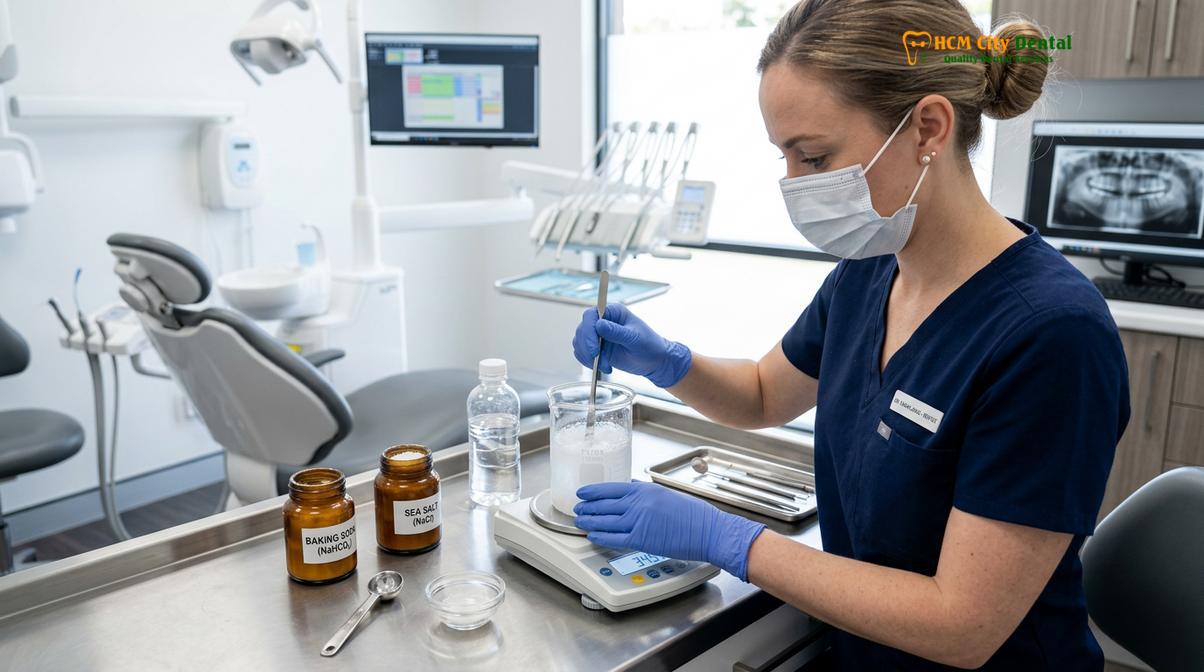
- Base Liquid: 8 ounces (approx. 240 ml) of warm, distilled water. Distilled water is crucial as it lacks the heavy metals and chlorine found in tap water, which can interfere with the active ingredients.
- Alkalizing Agent: 1 level teaspoon of pure, aluminum-free sodium bicarbonate (baking soda).
- Osmotic Agent: ½ teaspoon of fine, non-iodized sea salt or Himalayan pink salt (rich in trace minerals).
- Preparation: Combine the dry ingredients into the warm distilled water and stir vigorously until completely dissolved. The solution should be entirely clear, indicating full dissolution.
This formulation is particularly beneficial for patients undergoing comprehensive general dentistry procedures, such as deep cleanings or extractions, as it promotes rapid tissue healing without the risk of chemical burns. The rinse should be swished vigorously for 30 to 60 seconds, forcing the liquid through the interproximal spaces (between the teeth) to neutralize hidden acidic niches, and then expectorated.
Clinical Case Review: Managing Chronic Gingivitis
A 42-year-old patient presented to HCMC Dental Clinic in Ho Chi Minh City with chronic, generalized gingival bleeding and persistent mucosal irritation, exacerbated by the daily use of a 26% alcohol commercial mouthwash. Dr. Nguyen Van Cuong diagnosed the patient with chemical-induced mucosal desquamation and mild gingivitis. The clinical intervention involved immediately discontinuing the commercial rinse and implementing a daily baking soda oral rinse diy protocol. Within 14 days, the patient’s gingival tissues exhibited a dramatic reduction in erythema (redness) and edema, with a complete cessation of bleeding upon probing. The natural alkalizing rinse successfully restored the oral pH balance, allowing the mucosal tissues to regenerate naturally without chemical interference.
Recipe 2: Essential Oil (Peppermint & Tea Tree) Disinfecting Rinse
Formulating a disinfecting rinse with peppermint and tea tree essential oils provides broad-spectrum antimicrobial action against plaque-forming bacteria without eradicating beneficial oral flora.
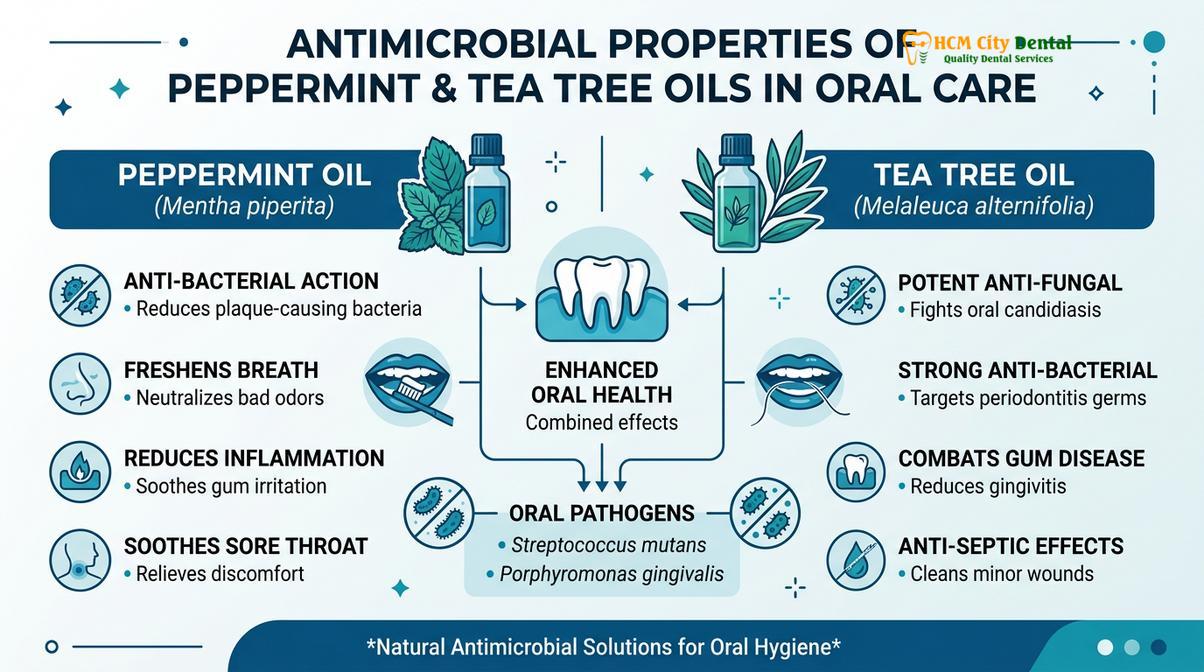
For patients requiring a more robust antimicrobial intervention—such as those managing active periodontal pockets or persistent halitosis—a diy essential oil mouthwash offers a potent, biologically compatible solution. Essential oils are highly concentrated, volatile plant extracts containing complex biochemical compounds known as terpenes. Unlike synthetic antibiotics or harsh chemicals that cause bacterial resistance, the complex molecular structure of essential oils makes it exceedingly difficult for oral pathogens to develop adaptive resistance.[3]
Tea tree oil (*Melaleuca alternifolia*) is renowned in clinical phytotherapy for its high concentration of terpinen-4-ol. This specific compound exhibits profound antibacterial, antifungal, and antiviral properties. It works by compromising the structural integrity of the bacterial cell membrane, leading to the leakage of intracellular components and subsequent cell death. Peppermint oil (*Mentha piperita*), rich in menthol, not only provides a powerful, refreshing cooling sensation by stimulating the TRPM8 cold receptors in the mouth but also demonstrates significant efficacy against anaerobic bacteria responsible for volatile sulfur compounds (the primary cause of bad breath).
Clinical Formulation Protocol:
- Base Liquid: 8 ounces of distilled water.
- Emulsifier: Essential oils are hydrophobic (they do not mix with water). To prevent the oils from floating on the surface and causing concentrated mucosal burns, they must be emulsified. Use 1 teaspoon of organic fractionated coconut oil or a pinch of sea salt as a carrier/emulsifier.
- Active Botanicals: 2 drops of therapeutic-grade Tea Tree essential oil and 2 drops of therapeutic-grade Peppermint essential oil.
- Preparation: First, drop the essential oils into the carrier (coconut oil or salt) and mix thoroughly. Then, add this mixture to the distilled water. Shake vigorously before every single use to ensure temporary dispersion of the micro-droplets.
Important Clinical Warning: Essential Oil Toxicity
Therapeutic-grade essential oils are highly concentrated pharmacological agents. A diy essential oil mouthwash must never be swallowed. Ingestion of volatile oils like tea tree or peppermint can cause severe gastrointestinal distress, esophageal irritation, and systemic toxicity. Always expectorate (spit out) the entire volume of the rinse. This recipe is contraindicated for young children, pregnant women, and patients with severe dysphagia (swallowing difficulties).
This targeted antimicrobial approach is highly effective for maintaining oral hygiene in complex cases, such as patients recovering from treatments for hidden jawbone infections, where maintaining a low pathogenic bacterial load is critical for optimal osteo-immunological healing.
Recipe 3: Colloidal Silver & Aloe Vera Soothing Rinse
Combining colloidal silver with pure aloe vera juice creates a highly soothing, anti-inflammatory rinse ideal for patients recovering from oral surgery or managing mucosal ulcerations.
When the oral mucosa is compromised due to surgical trauma, thermal burns, or autoimmune conditions like oral lichen planus, aggressive antimicrobial rinses can impede the healing process. In these sensitive clinical scenarios, a soothing, regenerative formulation is required. The combination of colloidal silver and aloe vera represents the pinnacle of restorative natural mouthwash recipes, focusing on cellular repair and gentle pathogen control.[4]
Colloidal silver consists of microscopic silver nanoparticles suspended in ultra-pure water. Silver has been utilized in medicine for over a century due to its unique mechanism of action: silver ions bind to the bacterial cell wall, disrupting cellular respiration and DNA replication without causing harm to mammalian cells. This provides a bacteriostatic environment that prevents secondary infections in open oral wounds. Aloe vera (*Aloe barbadensis miller*) is rich in acemannan, a complex polysaccharide that accelerates tissue regeneration, stimulates macrophage activity, and provides profound anti-inflammatory relief to ulcerated tissues.
Clinical Formulation Protocol:
- Base Liquid: 4 ounces of pure, inner-leaf Aloe Vera juice (ensure it is food-grade, unflavored, and free of added citric acid or synthetic preservatives).
- Active Antimicrobial: 4 ounces of high-quality Colloidal Silver (10 to 20 ppm concentration).
- Preparation: Gently combine the two liquids in a glass container. Do not use metal utensils for stirring, as metal can disrupt the ionic charge of the colloidal silver suspension.
“The integration of silver nanoparticles with the mucilaginous properties of aloe vera provides a biomimetic matrix that not only suppresses opportunistic pathogens but actively accelerates the proliferation of fibroblasts essential for mucosal wound closure.”
This specific formulation is frequently recommended as a post-operative adjunct following advanced tissue regeneration protocols, where protecting the surgical site and promoting rapid, complication-free healing is the primary clinical objective.
Daily Guidelines: Using and Storing Homemade Rinses Safely
Proper storage in amber glass bottles and strict adherence to hygiene protocols are essential to prevent bacterial contamination and preserve the efficacy of homemade oral rinses.
The primary distinction between commercial products and a natural mouthwash DIY is the intentional absence of synthetic preservatives like parabens, sodium benzoate, or formaldehyde-releasing agents. While this absence is highly beneficial for the oral microbiome and systemic health, it significantly reduces the shelf life of the product. Without chemical stabilizers, homemade aqueous solutions are susceptible to microbial contamination if not handled and stored with strict hygiene protocols.[5]
Storage Protocols:
Always store homemade mouthwashes in airtight, amber or cobalt blue glass bottles. Essential oils are highly volatile and photosensitive; exposure to ultraviolet (UV) light can rapidly degrade their complex molecular structures, rendering them therapeutically inert. Furthermore, essential oils can degrade and leach toxic petrochemicals from standard plastic containers, making glass the only safe storage medium. For patients seeking biocompatible remineralization alternatives, maintaining the purity of their oral care products is paramount.
Usage and Shelf Life:
A standard baking soda and salt rinse can be kept at room temperature for up to two weeks. Formulations containing aloe vera or essential oils should ideally be stored in the refrigerator to extend their viability and provide an additional soothing, cooling effect upon use. Never drink directly from the storage bottle, as the introduction of salivary bacteria will immediately contaminate the entire batch. Instead, pour the required amount (approximately 15-20 ml) into a separate, clean glass for each use. If any homemade rinse develops a cloudy appearance, unusual odor, or visible particulate matter, it must be discarded immediately.
Integrating these natural rinses into a daily routine should complement, not replace, mechanical plaque removal. Proper brushing and interdental cleaning (flossing or water flossing) remain the cornerstone of oral hygiene. Additionally, maintaining proper neuromuscular jaw alignment and ensuring unobstructed salivary flow are critical physiological factors that support the efficacy of any oral rinse.
When to See a Doctor
While natural mouthwashes are excellent for daily maintenance, persistent oral symptoms such as chronic bleeding, severe halitosis, or non-healing mucosal lesions require immediate professional diagnostic evaluation.
A natural mouthwash DIY is a powerful tool for maintaining oral homeostasis, but it is not a substitute for professional clinical diagnostics and targeted periodontal therapy. If you experience persistent gingival bleeding, deep periodontal pocketing, chronic halitosis that does not resolve with improved hygiene, or mucosal ulcerations that fail to heal within 14 days, you must seek professional evaluation. These symptoms may indicate underlying systemic conditions, aggressive localized infections, or advanced periodontal disease that requires mechanical debridement and specialized biological interventions.
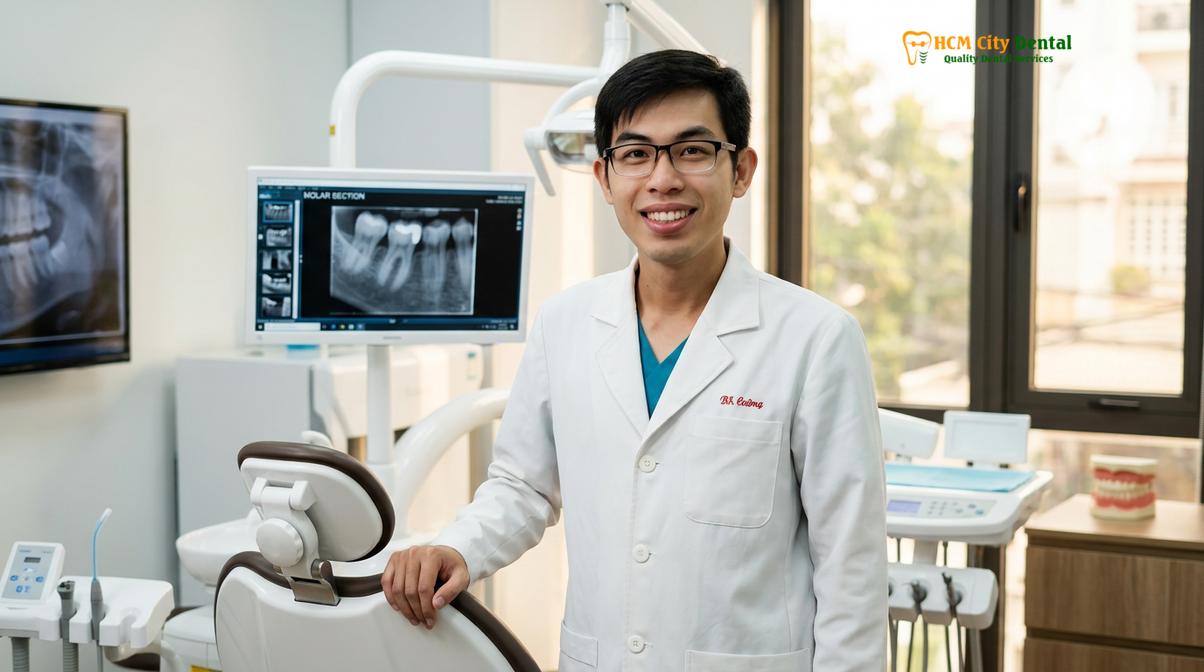
At HCMC Dental Clinic in Ho Chi Minh City, Dr. Cuong and the clinical team utilize advanced diagnostic imaging and biological protocols to identify the root cause of oral dysbiosis. A personalized examination ensures that your home care routine, including any homemade rinses, is perfectly aligned with your specific physiological needs and long-term health goals. Do not rely solely on home remedies for acute dental pain or progressive infections.
Frequently Asked Questions
Why should I avoid alcohol mouthwash?
You should avoid alcohol mouthwash because high ethanol concentrations strip the oral mucosa of its protective mucin layer, causing severe cellular dehydration and tissue irritation. Over time, this desiccation exacerbates dry mouth (xerostomia), alters your natural taste perception, and indiscriminately destroys both pathogenic and beneficial bacteria, leading to oral microbiome dysbiosis and an increased risk of opportunistic infections. Transitioning to biocompatible alternatives preserves the structural integrity of your oral tissues while maintaining a healthy, balanced microbial ecosystem.
How do I make my own natural mouthwash?
To make your own natural mouthwash, dissolve one teaspoon of pure sodium bicarbonate (baking soda) and half a teaspoon of non-iodized sea salt into eight ounces of warm distilled water. You can enhance this basic alkalizing formula by adding one drop of therapeutic-grade peppermint essential oil (properly emulsified) for antimicrobial benefits, ensuring you store the final solution in an airtight amber glass bottle. Always shake the mixture vigorously before each use to ensure the ingredients are evenly distributed.
Is essential oil mouthwash safe to swallow?
No, essential oil mouthwash is never safe to swallow, even when formulated with natural ingredients. Highly concentrated plant extracts like tea tree, clove, or peppermint contain potent volatile compounds that can cause gastrointestinal distress, mucosal irritation in the esophagus, and potential systemic toxicity if ingested, so they must be strictly expectorated after rinsing. If accidental ingestion of a large quantity occurs, seek medical advice immediately.
How long does homemade mouthwash stay fresh?
Homemade mouthwash typically stays fresh for one to two weeks when stored properly in a sterilized, airtight amber glass container at room temperature. Because natural mouthwash recipes lack synthetic chemical preservatives like parabens or formaldehyde-releasing agents, they are susceptible to microbial contamination over time, making it crucial to prepare small, manageable batches and discard any solution that becomes cloudy or develops an off-odor.
Can baking soda mouthwash whiten teeth?
Yes, a baking soda mouthwash can provide mild surface whitening by gently dissolving extrinsic stains caused by coffee, tea, or pigmented foods. However, because it functions primarily as a mild abrasive and an alkaline buffer rather than a chemical bleaching agent like hydrogen peroxide, it will not alter the intrinsic color of the dentin beneath the enamel. For significant shade changes, professional biological whitening protocols are required.
References
- Journal of Clinical Periodontology. The effects of alcohol-containing mouthwashes on oral soft tissues and the microbiome. (2021).
- International Journal of Dentistry. Antimicrobial efficacy of sodium bicarbonate and sodium chloride in periodontal therapy. (2020).
- Journal of the American Dental Association. Essential oils in oral hygiene: mechanisms of action and clinical safety. (2019).
- Clinical Oral Investigations. Silver nanoparticles and aloe vera in the management of oral mucosal lesions. (2022).
- British Dental Journal. Xerostomia and the impact of commercial oral rinses on salivary gland function. (2018).