The zirconia implant cost Vietnam typically ranges from $1,200 to $2,500 per tooth, depending on the implant system, clinical complexity, and required bone grafting. This metal-free alternative offers exceptional biocompatibility and aesthetics, providing international patients with premium biological dentistry at a fraction of Western prices.
Clinical Summary:
Zirconia ceramic implants represent the pinnacle of modern biological dentistry, offering a completely metal-free solution for patients with titanium sensitivities, autoimmune concerns, or high aesthetic demands. In Vietnam, these premium implants provide significant financial advantages without compromising on rigorous international clinical standards. Comprehensive treatment protocols encompass 3D CBCT diagnostics, advanced surgical placement, and custom-milled zirconia restorations. By leveraging state-of-the-art CAD/CAM technology and biological healing accelerators like Platelet-Rich Fibrin (PRF), specialized dental centers ensure optimal osseointegration and harmonious soft tissue response, making Vietnam a premier destination for holistic oral rehabilitation.
Key Takeaways:
- Zirconia implants provide a 100% metal-free, highly biocompatible alternative to traditional titanium fixtures.
- The average cost in Vietnam ranges from $1,200 to $2,500, offering up to 70% savings compared to the US or Australia.
- Premium packages typically include 3D diagnostics, PRF biological healing therapy, and the final custom crown.
- Ceramic implants require specialized surgical expertise due to their unique physical properties and placement protocols.
- Online booking via WhatsApp often secures comprehensive, transparent package pricing prior to arrival.
Evaluating the Premium Cost of Zirconia Ceramic Implants
Zirconia implants command a higher price point due to their complex manufacturing process, superior immunological biocompatibility, and the specialized surgical expertise required for successful placement.
When analyzing the financial investment required for dental restoration, patients quickly notice that the metal free dental implant cost is inherently higher than that of standard titanium alternatives. This price differential is deeply rooted in the material science and the sophisticated manufacturing protocols required to produce medical-grade ceramic fixtures. Zirconia, specifically Yttria-stabilized tetragonal zirconia polycrystal (Y-TZP), is an advanced bio-inert ceramic. Unlike metals, which can release microscopic ions into surrounding tissues over time, zirconia remains completely stable, making it the material of choice in biological dentistry.
The manufacturing of a zirconia implant involves a rigorous process known as Hot Isostatic Pressing (HIP). This technique subjects the ceramic to extreme heat and pressure, eliminating micro-porosities and resulting in a material with exceptional flexural strength—often exceeding 1200 MPa. Because zirconia is incredibly hard, milling the implant threads requires specialized diamond-coated tooling that wears out quickly, significantly increasing production costs. Furthermore, the surface of the ceramic must be meticulously micro-roughened using laser ablation or specialized etching techniques to facilitate optimal bone cell attachment (osseointegration)[1].
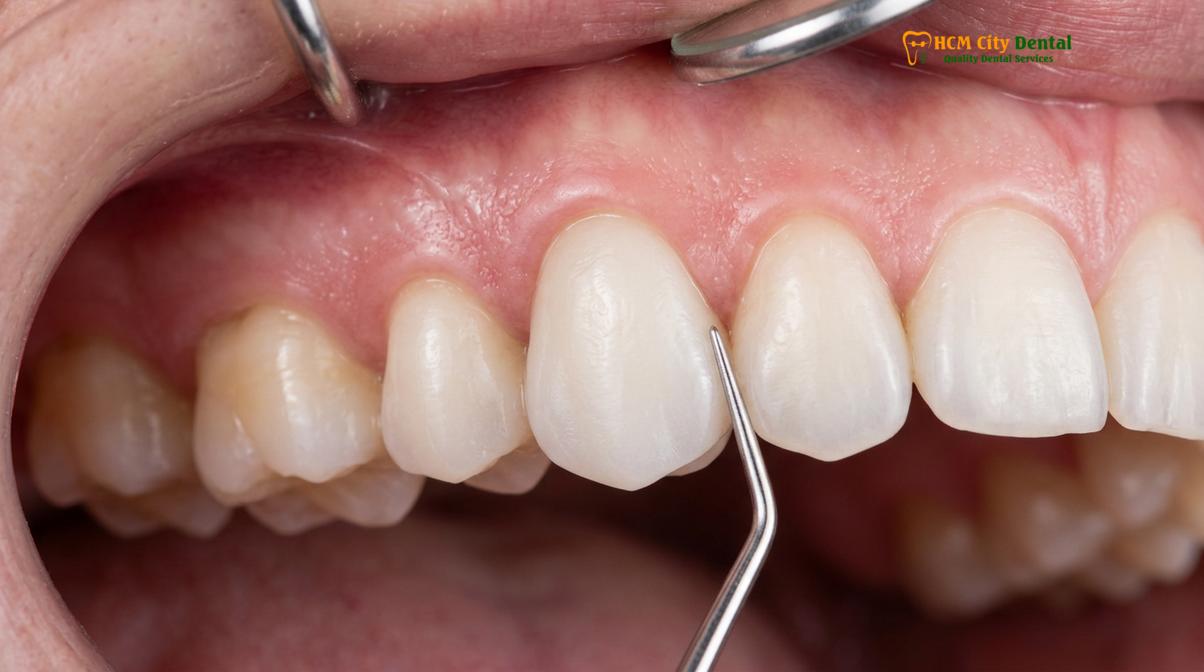
Beyond the manufacturing complexities, the clinical behavior of zirconia justifies its premium status. Zirconia exhibits a remarkable affinity for soft tissue integration. The gingival fibroblasts adhere tightly to the ceramic collar, forming a robust mucosal seal. This hemidesmosomal attachment acts as a biological barrier, protecting the underlying crestal bone from bacterial infiltration and significantly reducing the risk of peri-implantitis—a common inflammatory condition associated with traditional implants. For patients with a thin gingival biotype, where grey titanium might show through the gums, the bright white color of zirconia provides an unparalleled, natural-looking aesthetic outcome.
Furthermore, the surgical placement of ceramic implants demands a high level of precision. Zirconia does not possess the same elasticity as titanium; therefore, it cannot be “forced” into an undersized osteotomy. The surgical site must be prepared with absolute exactness to ensure primary stability without exerting excessive compressive stress on the ceramic fixture. This requirement for meticulous surgical technique means that only highly trained specialists typically offer this service, further influencing the overall treatment fee.
Zirconia Implant Price List: Walk-in vs. WhatsApp Online Booking
Patients booking online often access comprehensive packages that bundle diagnostics and surgical fees, whereas walk-in consultations may result in itemized, a la carte pricing structures.
Navigating the financial landscape of international dental care requires an understanding of how clinics structure their fees. For international patients seeking treatment in Ho Chi Minh City, the method of initial contact can significantly influence the final quoted price. Clinics often differentiate between walk-in patients and those who coordinate their care in advance through dedicated international patient coordinators via platforms like WhatsApp or email.
Walk-in patients typically encounter an itemized fee schedule. In this model, every component of the treatment—the initial consultation, the 3D CBCT scan, the surgical placement, the abutment, and the final crown—is billed separately. While this provides transparency regarding individual costs, it can sometimes lead to a higher cumulative total, especially if unexpected adjunctive procedures, such as minor bone grafting or specialized suturing, are required.
Conversely, patients who utilize online booking channels often benefit from structured vietnam ceramic implant packages. These comprehensive packages are designed to provide financial predictability for medical tourists. By reviewing preliminary panoramic X-rays or local CBCT scans sent digitally, the clinical team can formulate an accurate treatment plan before the patient even boards a flight. These bundled packages frequently include the surgical phase, biological enhancements like PRF, and the restorative phase at a consolidated, discounted rate.
| Treatment Component | Walk-in Itemized Pricing (Est. USD) | Online Package Pricing (Est. USD) |
|---|---|---|
| Clinical Consultation & 3D CBCT Scan | $50 – $100 | Included in Package |
| Zirconia Implant Fixture (Surgery) | $1,000 – $1,500 | Bundled |
| Biological PRF Therapy | $100 – $200 | Included in Package |
| Custom CAD/CAM Zirconia Crown | $400 – $600 | Bundled |
| Estimated Total (Per Tooth) | $1,550 – $2,400 | $1,300 – $2,100 |
When evaluating the ceramic implant price saigon, it is crucial to verify exactly what is included in the quoted fee. Reputable centers, such as HCMC Dental Clinic, prioritize transparent communication, ensuring that international patients receive a detailed, written breakdown of all anticipated costs during the remote consultation phase. This proactive approach eliminates financial surprises and allows patients to budget accurately for their medical travel.
Cost Comparison: Vietnam Ceramic Implants vs. USA & Australia
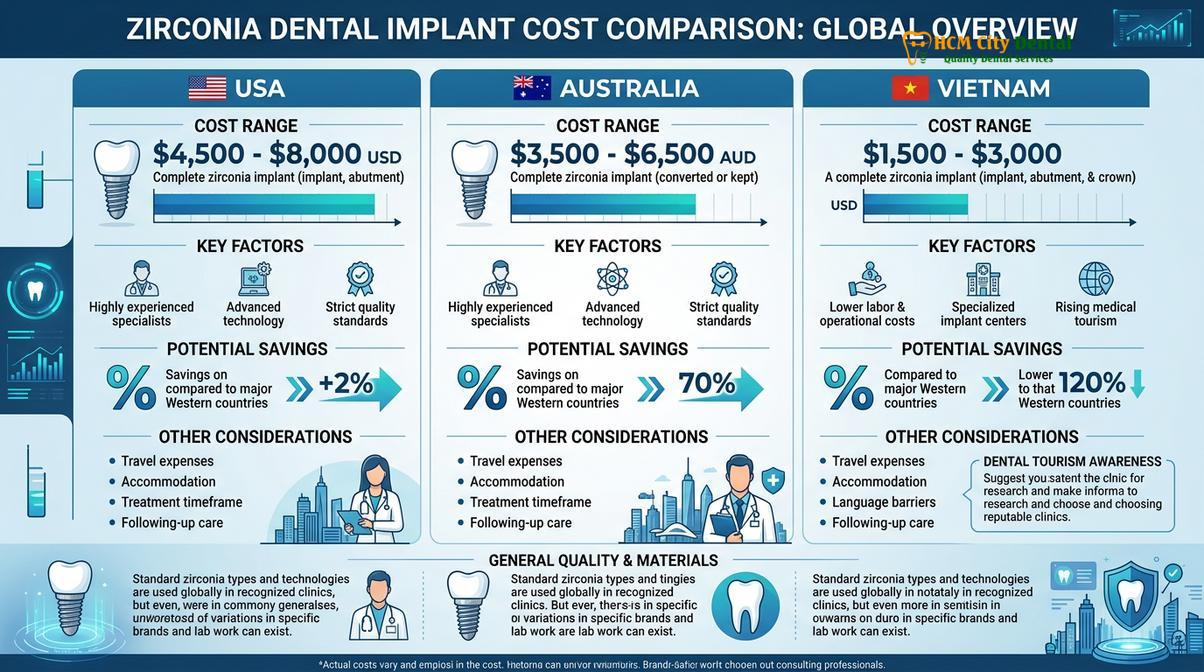
Choosing Vietnam for ceramic implants can reduce total treatment expenses by up to 70% compared to standard clinical fees in the United States or Australia, without compromising quality.
The globalization of healthcare has made cross-border dental care an increasingly viable and attractive option for patients requiring extensive or premium restorative work. When comparing the cost of biological dentistry internationally, the economic advantages of seeking treatment in Southeast Asia become starkly apparent. The high cost of living, exorbitant malpractice insurance premiums, and significant operational overhead in Western countries drive dental fees to levels that are often prohibitive for the average patient.
In the United States, a single zirconia implant—encompassing the surgery, the ceramic abutment, and the final crown—can easily range from $4,500 to $7,000. In Australia, similar treatments often exceed $5,000 AUD per tooth. These figures do not typically include adjunctive biological therapies, such as ozone treatment or PRF, which are frequently billed as premium add-ons. For patients requiring multiple implants or full-arch restorations, the financial burden can be overwhelming.
In contrast, the zirconia implant cost Vietnam offers a profound economic arbitrage. Due to lower domestic labor costs, favorable real estate overhead, and different taxation structures, top-tier dental clinics in Ho Chi Minh City can offer the exact same premium implant brands (such as Straumann, Zeramex, or Z-Systems) at a fraction of the Western price[2]. It is a common misconception that lower costs equate to inferior materials. In reality, internationally accredited clinics import their ceramic fixtures and CAD/CAM milling blocks directly from Switzerland, Germany, and the USA.
The savings realized by traveling to Vietnam often more than cover the cost of international flights and luxury accommodations. Furthermore, the clinical efficiency in Vietnam is highly optimized for international visitors. Treatments that might take months of staggered appointments in the US or Australia are often streamlined into condensed, highly coordinated phases, minimizing the time patients spend away from work and home.
Why Ceramic Implants Cost More Than Titanium Implants
The elevated cost of ceramic implants stems from the rigorous milling protocols, the high cost of raw Y-TZP material, and the advanced biological techniques needed to ensure successful integration.
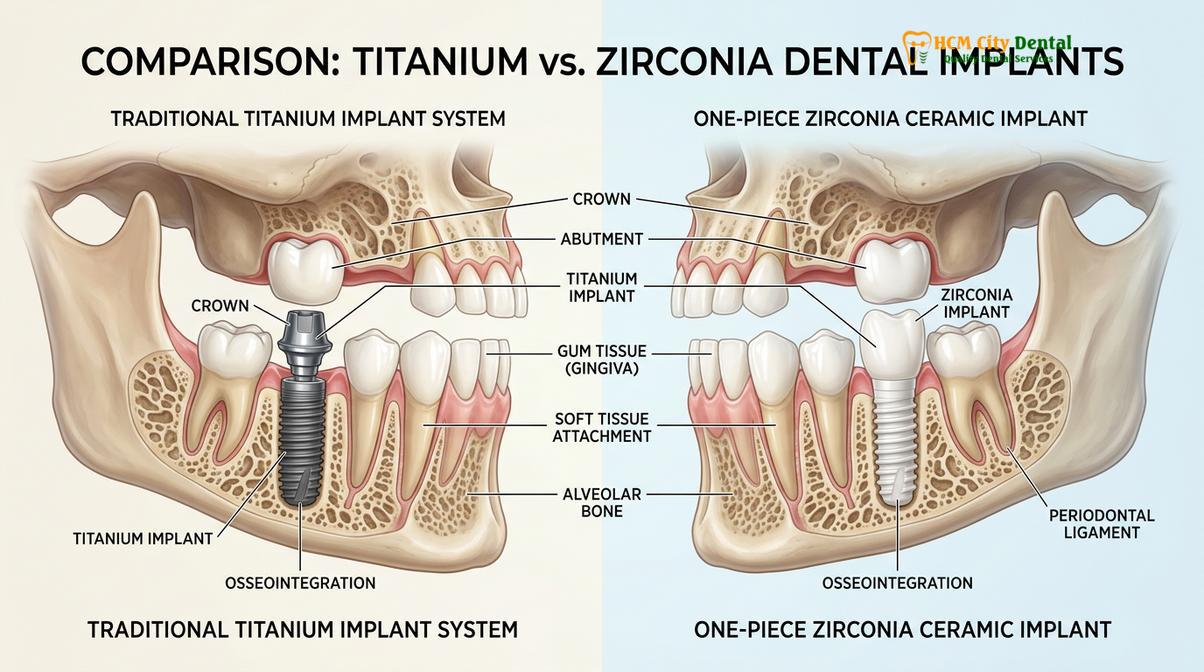
To fully understand the pricing dynamics of modern implantology, one must examine the fundamental differences between titanium and zirconia. Traditional titanium implants have been the industry standard for decades. They are relatively inexpensive to manufacture, highly resilient to surgical torque, and possess a long track record of clinical success. However, as patient awareness regarding holistic health and metal hypersensitivity grows, the demand for non-metallic alternatives has surged.
Titanium, while generally well-tolerated, can undergo tribocorrosion in the oral environment. The acidic nature of saliva, combined with the mechanical friction of chewing, can cause microscopic titanium particles to shed into the surrounding soft tissue. In a subset of patients, this can trigger a Type IV delayed hypersensitivity reaction, leading to chronic inflammation, bone loss, and eventual implant failure. Zirconia, being a bio-inert ceramic, completely eliminates this risk, offering a highly stable and immunologically neutral foundation for tooth replacement.
“The transition from titanium to zirconia represents a paradigm shift in implant dentistry. While the initial material costs are higher, the long-term biological benefits—particularly the exceptional soft tissue response and the elimination of galvanic toxicity—make ceramic implants an invaluable option for patients prioritizing holistic wellness.”
From a clinical perspective, Dr. Nguyen Van Cuong emphasizes that placing a zirconia implant is a highly technique-sensitive procedure. Unlike two-piece titanium implants, which offer a degree of restorative flexibility through angled abutments, many zirconia implants are designed as one-piece fixtures to maximize strength and eliminate the micro-gap where bacteria can colonize. This one-piece design requires the surgeon to place the implant in the exact three-dimensional position required for the final crown, leaving zero margin for error.
Achieving this level of precision necessitates advanced digital planning. The clinical team must utilize 3D CBCT imaging and intraoral surface scans to fabricate a custom surgical guide. This guide ensures that the osteotomy is prepared at the perfect angle and depth. The integration of these digital workflows, combined with the premium cost of the ceramic fixture itself, inherently raises the overall treatment fee compared to traditional titanium implant solutions. However, for patients seeking the absolute highest standard of biocompatibility, this investment is clinically justified[3].
Package Inclusions: Diagnostics, Centrifuged PRF, and Final Crown
A premium biological implant package encompasses comprehensive 3D imaging, advanced healing protocols like PRF, the ceramic fixture, and the final custom-milled prosthetic crown.
When evaluating the cost of a zirconia implant, it is essential to look beyond the price of the fixture itself and understand the comprehensive clinical workflow required for success. Biological dentistry focuses not just on replacing the missing tooth, but on optimizing the body’s natural healing capacity. Therefore, premium treatment packages in Vietnam are designed to be all-inclusive, incorporating advanced diagnostics and biological accelerators.
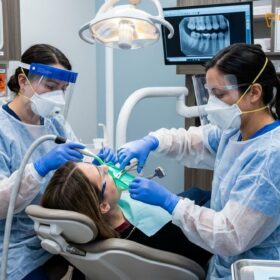
The journey begins with high-resolution 3D Cone Beam Computed Tomography (CBCT). This imaging is non-negotiable for ceramic implant placement, as it allows the surgeon to assess bone density, map the trajectory of the inferior alveolar nerve, and locate the maxillary sinus cavities. Based on this data, a precise digital surgical plan is formulated.
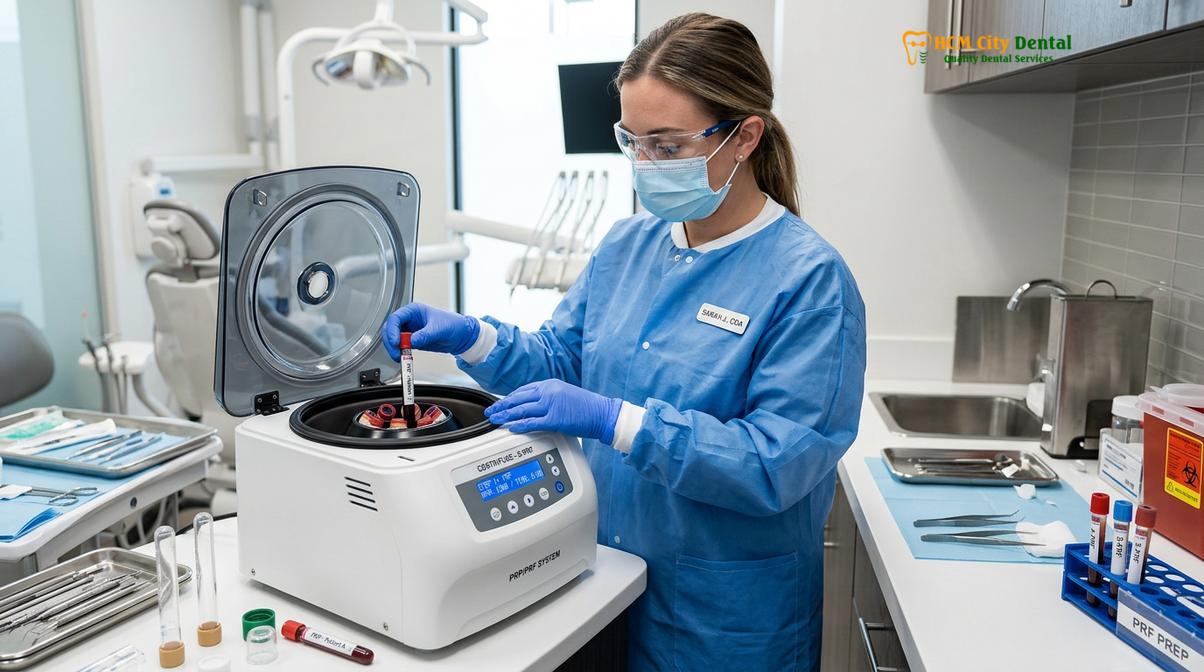
A hallmark of biological implantology is the use of Platelet-Rich Fibrin (PRF). Prior to surgery, a small sample of the patient’s blood is drawn and spun in a specialized medical centrifuge. This process separates the red blood cells from the plasma, creating a concentrated matrix of platelets, leukocytes, and autologous growth factors. This PRF membrane is then placed directly into the surgical site. PRF significantly accelerates soft tissue healing, reduces postoperative swelling, and enhances the quality of osseointegration around the zirconia implant[4].
Clinical Warning: When comparing implant quotes, beware of exceptionally low prices that may omit crucial components. Ensure your quoted fee explicitly includes the 3D CBCT scan, the surgical placement, any necessary PRF therapy, the abutment, and the final custom-milled crown. Hidden fees for restorative components can significantly inflate the final cost.
The restorative phase is equally sophisticated. Once the implant has fully integrated with the jawbone—a process that typically takes 3 to 6 months—digital impressions are captured using an intraoral scanner. These digital files are sent to an in-house CAD/CAM laboratory, where the final crown is designed and milled from a solid block of high-translucency zirconia. This ensures a perfect marginal fit and an aesthetic outcome that mimics the light-reflecting properties of natural enamel. By bundling these advanced services, clinics provide a seamless, high-quality experience for international patients.
Financial Planning and Payment Options for Biological Implants
Reputable clinics offer transparent, staged payment plans that align with the surgical and restorative phases of your biological implant journey, easing the financial commitment.
Investing in biological dentistry is a significant financial decision, and understanding the payment structure is crucial for international patients. Because the placement of a zirconia implant is typically a two-stage process, the financial commitment is often divided to reflect the clinical timeline. This staged approach provides financial flexibility and ensures that patients only pay for the services rendered during each specific phase of treatment.
Phase 1 encompasses the surgical placement of the implant. During this visit, patients are typically responsible for the cost of the diagnostics, the surgical procedure, the PRF therapy, and the ceramic fixture itself. This usually accounts for approximately 60% to 70% of the total treatment fee. Following surgery, the patient returns home while the implant undergoes osseointegration.
Phase 2 occurs 3 to 6 months later and involves the restorative procedures. During this visit, the final digital impressions are taken, and the custom zirconia crown is fabricated and permanently cemented. The remaining balance of the treatment fee is collected at this time. This phased payment structure makes managing the zirconia implant cost Vietnam much more accessible for patients traveling from abroad.
Patient Case Study: Full-Arch Biological Restoration
A 55-year-old patient from Australia visited HCMC Dental Clinic in Ho Chi Minh City seeking a metal-free solution due to a diagnosed titanium allergy. The patient required multiple extractions and the placement of four zirconia implants to support a fixed ceramic bridge. By utilizing a comprehensive treatment package that included PRF and digital surgical guides, the patient achieved a fully restored, biocompatible smile. The total investment was approximately 65% less than the equivalent treatment plan quoted in Sydney, allowing the patient to comfortably afford the highest tier of biological care.
While many patients actively search for cheap zirconia implants HCMC, it is vital to prioritize clinical expertise and material authenticity over the lowest possible price point. Biological dentistry requires specialized training and premium materials; compromising on these factors can lead to implant failure and costly revision surgeries. Reputable clinics accept various payment methods, including major credit cards and international bank transfers, ensuring a smooth and secure transaction process for global clientele.
When to Consult a Biological Implant Specialist
Determining whether a zirconia implant is the right choice requires a comprehensive clinical evaluation. While traditional titanium implants remain a highly successful and viable option for the majority of the population, specific medical and anatomical conditions strongly indicate the need for a metal-free alternative. Patients should seek a consultation with a specialist in holistic dental protocols if they present with any of the following concerns.
Individuals with a known history of metal allergies, particularly to nickel, cobalt, or titanium, are prime candidates for ceramic implants. Even though titanium is highly biocompatible, trace amounts of other metals are often present in the alloy. A MELISA (Memory Lymphocyte Immunostimulation Assay) test can confirm metal hypersensitivity. For these patients, placing a metal implant can trigger chronic systemic inflammation, fatigue, and localized tissue rejection. Zirconia provides a safe, immunologically inert solution[5].
“Patient selection is the cornerstone of implant success. For individuals with compromised immune systems, autoimmune disorders, or severe metal sensitivities, zirconia is not merely an aesthetic upgrade; it is a clinical necessity to ensure long-term systemic health and prevent chronic inflammatory responses.”
Furthermore, patients with a highly demanding aesthetic profile, particularly those with a thin gingival biotype in the anterior (front) region of the mouth, should consider zirconia. In cases of thin gums, the dark grey hue of a titanium implant can cause an unsightly shadow at the gumline. The bright white color of a ceramic implant ensures that even if minor gum recession occurs over time, the aesthetic integrity of the smile remains uncompromised. Dr. Nguyen Van Cuong advises that a thorough clinical examination, including 3D imaging and a review of the patient’s comprehensive medical history, is essential to determine the most appropriate implant placement procedures for long-term success.
Frequently Asked Questions
How much does a Zirconia ceramic implant cost in Vietnam?
The zirconia implant cost in Vietnam typically ranges from $1,200 to $2,500 per tooth, depending on the implant brand, clinical complexity, and required biological protocols. This comprehensive fee generally covers the surgical placement, the ceramic fixture, and the final custom-milled prosthetic crown, offering substantial savings compared to Western dental clinics while maintaining rigorous international standards.
Why are ceramic implants so expensive in Western countries?
Ceramic implants are expensive in Western countries primarily due to high operational overhead, elevated laboratory milling fees, and the specialized surgical training required for biological dentistry. Additionally, the complex manufacturing process of Yttria-stabilized zirconia, which involves hot isostatic pressing and precision CAD/CAM milling, drives up the baseline material costs, which are then compounded by the high cost of living and malpractice insurance rates in the US and Australia.
Does private insurance cover Zirconia implants in Vietnam?
Private dental insurance policies rarely cover the full cost of zirconia implants in Vietnam, as they are often classified as elective or premium biological upgrades. However, some international health insurance plans may reimburse a portion of the surgical extraction, bone grafting, or the basic restorative crown allowance. Patients are advised to request a detailed, itemized clinical treatment plan from their provider to submit for potential out-of-network reimbursement.
Are there package discounts for multiple Zirconia implants?
Yes, many specialized clinics offer structured package discounts when patients require multiple zirconia implants or full-arch biological restorations. These comprehensive packages often bundle the costs of 3D CBCT diagnostics, surgical placement, PRF therapy, and temporary prosthetics, reducing the overall per-tooth expenditure and providing a more predictable financial outline for extensive full-mouth rehabilitation cases.
What is the warranty on ceramic implants at HCMC Dental?
At HCMC Dental Clinic, premium ceramic implants typically come with a comprehensive multi-year warranty covering the structural integrity of the zirconia fixture and the final prosthetic crown. This warranty is contingent upon the patient adhering to prescribed postoperative care, maintaining rigorous daily oral hygiene, and attending scheduled professional maintenance and radiographic review appointments to ensure long-term clinical success.
References
- Journal of Oral and Maxillofacial Surgery. Biocompatibility of zirconium dioxide dental implants. (2021).
- International Journal of Implant Dentistry. Economic analysis of cross-border dental care and implantology. (2020).
- Clinical Oral Implants Research. Osseointegration of zirconia vs titanium implants: a systematic review. (2019).
- Journal of the American Dental Association. Platelet-rich fibrin (PRF) in oral surgery and bone grafting. (2022).
- Clinical Oral Investigations. Titanium allergy and metal hypersensitivity in dental implantology. (2018).