For Australian patients, the sedation cost in Vietnam vs Australia presents a profound financial contrast. While intravenous (IV) sedation in Australia typically ranges from $600 to $1,200 AUD per hour, equivalent clinical sedation at premium facilities in Vietnam costs approximately $150 to $300 AUD, yielding substantial savings for those requiring extensive dental rehabilitation [1].
Clinical Summary:
Comparing dental sedation costs between Australia and Vietnam reveals a significant price disparity driven by operational overhead, anesthetist fees, and regulatory structures. Australian patients often face exorbitant out-of-pocket expenses for sleep dentistry due to limited private health rebates and strict facility charges. Conversely, Ho Chi Minh City offers internationally accredited sedation protocols at a fraction of the cost. By choosing reputable clinics in Vietnam, patients can access safe, continuously monitored intravenous and inhalation sedation while saving up to 75% on anesthesia fees, making complex full-mouth restorations and surgical extractions financially viable without compromising clinical safety.
Key Takeaways:
- IV sedation in Australia averages $600–$1,200 AUD hourly, compared to $150–$300 AUD in Vietnam.
- Australian dental item codes for sedation often yield minimal private health insurance rebates, leaving patients with high gap payments.
- Top-tier clinics in Ho Chi Minh City utilize the same FDA-approved anesthetics and monitoring equipment as Australian day surgeries.
- Direct flights from major Australian cities make dental tourism to Saigon highly accessible for complex, multi-stage treatments.
- Comprehensive medical screening and ASA physical status classification are mandatory before undergoing any overseas sleep dentistry procedure.
The Access Barriers to Sleep Dentistry in Australia
Accessing sleep dentistry in Australia is frequently hindered by exorbitant hourly anesthesia fees, long waiting periods for hospital-based procedures, and restrictive private health insurance caps.
For many patients suffering from severe dentophobia or requiring extensive surgical interventions, sedation dentistry is not a luxury; it is a clinical necessity. However, the landscape of sleep dentistry in Australia presents significant access barriers, primarily driven by financial constraints and systemic healthcare limitations. The Australian dental system operates largely in the private sector, meaning that Medicare provides virtually no coverage for routine or complex dental procedures, including the administration of conscious sedation or general anesthesia for dental purposes.
When analyzing the dental sedation cost australia vs vietnam, it becomes evident that the overhead costs of running a compliant sedation facility in Australia are immense. Australian Health Practitioner Regulation Agency (AHPRA) guidelines mandate strict criteria for the administration of intravenous sedation. These regulations often require the presence of a dedicated, specially trained dental sedationist or a medical anesthesiologist, alongside the operating dentist. The hourly rates for these specialized medical professionals are substantial, often billed in 15-minute increments, which rapidly inflates the total cost of a multi-hour procedure such as full-arch implant placement or complex wisdom tooth extractions [2].
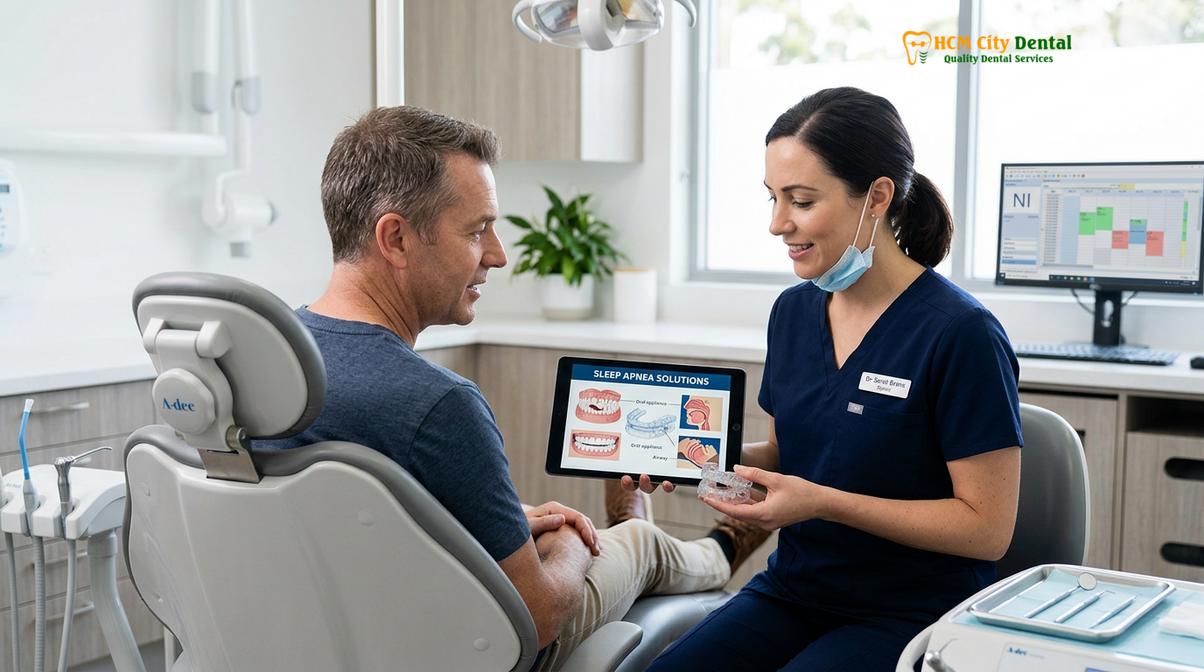
Furthermore, patients seeking treatment in a hospital setting under general anesthesia face even steeper hurdles. Public hospital waiting lists for elective dental surgery can stretch for years, leaving patients in chronic pain or with deteriorating oral health. Those who opt for private hospital admission must contend with facility fees, anesthetist fees, and the surgeon’s fees. Even with top-tier private health insurance, the annual limits for major dental work are frequently exhausted by the surgical procedure alone, leaving the patient to cover the entirety of the anesthetic and hospital costs out-of-pocket. This financial toxicity forces many Australians to delay necessary treatment, exacerbating their clinical conditions and leading to more invasive and costly interventions down the line.
The psychological toll of these access barriers cannot be understated. Patients with high dental anxiety symptoms often require pharmacological intervention to tolerate even basic restorative work. When the cost of that intervention is prohibitive, a cycle of avoidance and dental deterioration ensues. This systemic failure to provide affordable, accessible sleep dentistry has catalyzed a massive shift toward cross-border healthcare, with Southeast Asia emerging as the primary destination for high-quality, cost-effective care.
Anesthesia Cost Comparison Table: Australia vs. Vietnam (AUD)
A direct financial analysis demonstrates that Australian patients can save between 60% and 80% on various dental sedation modalities when seeking treatment in Vietnam.
To fully understand the financial advantages of dental tourism, it is essential to break down the costs of different sedation modalities. The following table provides a comparative analysis of average anesthesia fees between private dental clinics in Australia and premium international dental centers in Vietnam. Please note that these are estimated clinical averages and can fluctuate based on the specific medications used, the duration of the procedure, and the complexity of the patient’s medical history.
| Sedation Modality | Clinical Description | Average Cost in Australia (AUD) | Average Cost in Vietnam (AUD) | Estimated Savings |
|---|---|---|---|---|
| Nitrous Oxide (Inhalation) | Minimal sedation via nasal mask; rapid onset and recovery. Ideal for mild anxiety. | $100 – $250 per hour | $30 – $80 per hour | Up to 70% |
| Oral Conscious Sedation | Enteral administration of benzodiazepines (e.g., Diazepam, Triazolam) prior to treatment. | $150 – $300 per dose | $20 – $50 per dose | Up to 80% |
| Intravenous (IV) Sedation | Moderate to deep sedation administered directly into the bloodstream. Requires continuous monitoring. | $600 – $1,200 per hour | $150 – $300 per hour | Up to 75% |
| General Anesthesia (Hospital) | Complete loss of consciousness. Requires intubation and a hospital or day-surgery setting. | $2,500 – $5,000+ (Facility + Anesthetist) | $800 – $1,500 (All-inclusive) | Up to 70% |
The stark contrast in pricing is not a reflection of compromised quality or inferior pharmacological agents. Rather, it is a direct result of differing macroeconomic factors. In Vietnam, the operational overhead—including clinic leasing, administrative staffing, and professional liability insurance—is significantly lower than in major Australian cities like Sydney or Melbourne. Additionally, the cost of living and the standardized salary expectations for medical professionals allow Vietnamese clinics to offer highly competitive rates while maintaining robust profit margins and investing heavily in state-of-the-art medical technology.
Breakdown of Australian Dental Sedation Codes & Out-of-pocket Fees
Australian dental clinics utilize specific ADA item codes for sedation, which often result in high out-of-pocket expenses due to low rebate limits from private health funds.
Navigating the Australian dental fee schedule can be a complex and frustrating endeavor for patients. The Australian Dental Association (ADA) utilizes a standardized coding system to categorize treatments for billing and insurance purposes. When a patient undergoes sleep dentistry, several specific item codes are applied to their invoice. Understanding these codes is crucial for comprehending why the aussie dental tourist sedation price is so frequently researched online.
The primary ADA item codes associated with dental sedation include:
- Item 942 – Intravenous Sedation: This code covers the administration of IV sedative drugs. It is typically billed in time increments (e.g., per 15 or 30 minutes). Because this requires a highly trained practitioner and continuous physiological monitoring, the fee attached to this code is substantial.
- Item 943 – Inhalation Sedation: This code is used for the administration of nitrous oxide (laughing gas). While less expensive than IV sedation, it still incurs a significant hourly rate.
- Item 949 – Treatment under General Anesthesia: This code indicates that the dental procedure was performed while the patient was fully unconscious. It does not cover the hospital facility fee or the medical anesthetist’s fee, which are billed separately under Medicare/Private Health medical codes, not dental codes.
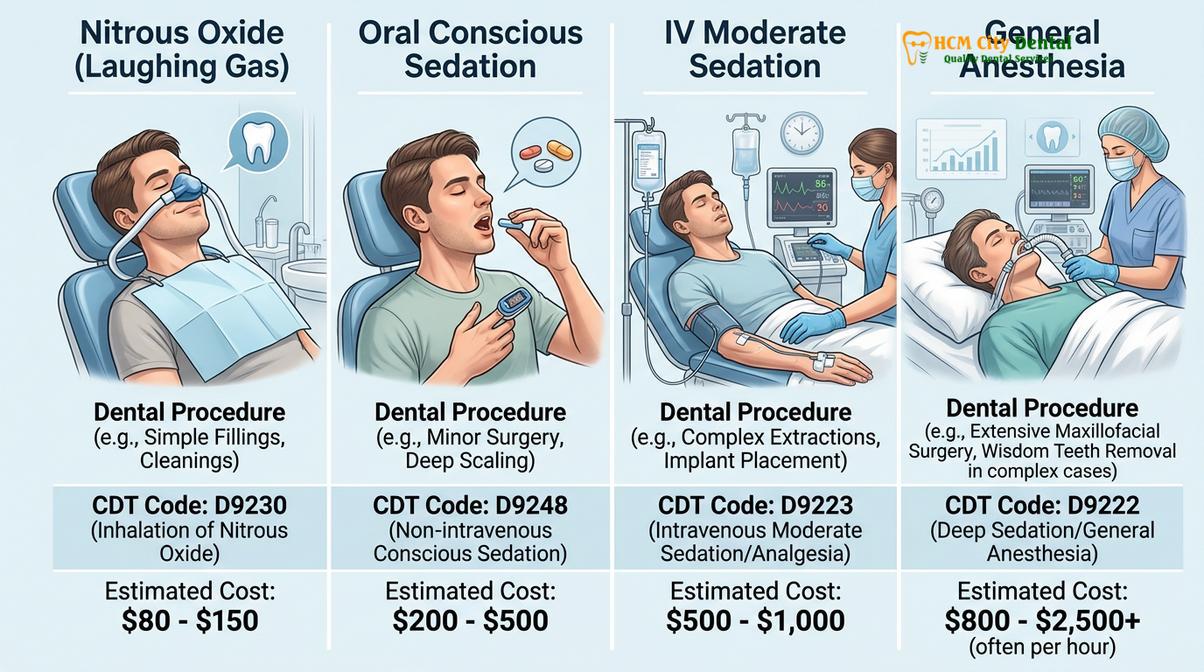
The core issue for Australian patients lies in the structure of private health insurance rebates. Most “Extras” cover policies have strict annual limits for major dental work, often capped between $800 and $2,000 AUD per year. Furthermore, many funds offer very low percentage rebates for sedation codes, classifying them as ancillary rather than primary treatments. Consequently, a patient might receive a $2,000 bill for IV sedation (Item 942) and find that their health fund only covers $200, leaving an $1,800 “gap payment” or out-of-pocket expense [4].
This financial architecture forces patients to bear the brunt of the anesthetic costs. When evaluating their options, many patients utilize a dental anxiety scale test to determine if they can endure the procedure with local anesthesia alone to save money. Unfortunately, for complex surgeries like bilateral sinus lifts or the extraction of four impacted wisdom teeth, local anesthesia is often clinically insufficient and psychologically traumatic. The realization that they cannot afford the necessary sedation at home is the primary catalyst driving patients to explore international alternatives.
Comparing Clinical Standards: AHPRA vs. Vietnam Ministry of Health (BYT)
While AHPRA sets rigorous standards in Australia, premium dental hospitals in Vietnam adhere to equally stringent Ministry of Health and international ISO protocols for patient safety.
A common and entirely valid concern among prospective dental tourists is the safety and regulation of overseas medical facilities. Patients accustomed to the strict oversight of the Australian Health Practitioner Regulation Agency (AHPRA) may harbor reservations about the clinical standards in Southeast Asia. However, the landscape of international healthcare has evolved dramatically, and top-tier facilities in Vietnam now operate under rigorous regulatory frameworks that mirror, and sometimes exceed, Western standards.
In Vietnam, the Ministry of Health (Bộ Y tế – BYT) governs medical and dental practices. For a clinic to be licensed to perform intravenous sedation or general anesthesia, it must meet exhaustive criteria regarding facility infrastructure, emergency resuscitation equipment, and personnel qualifications. The BYT national guidelines on anesthesia and sedation in odonto-stomatology mandate strict physiological monitoring and emergency preparedness, ensuring a globally recognized standard of care [3].
“The physiological monitoring protocols during intravenous sedation at our facility are identical to those required in Australian day surgeries. We utilize continuous capnography, pulse oximetry, and electrocardiography to ensure absolute patient safety throughout the procedure.”
Dr. Nguyen Van Cuong, a leading specialist at HCMC Dental Clinic in Ho Chi Minh City, emphasizes that the pharmacological agents used in Vietnam are identical to those utilized in Australia. He notes that comprehensive patient evaluation is the cornerstone of safe oral sedation dentistry. Under his guidance, the clinical team ensures that every patient receives tailored anesthetic care aligned with international safety protocols.
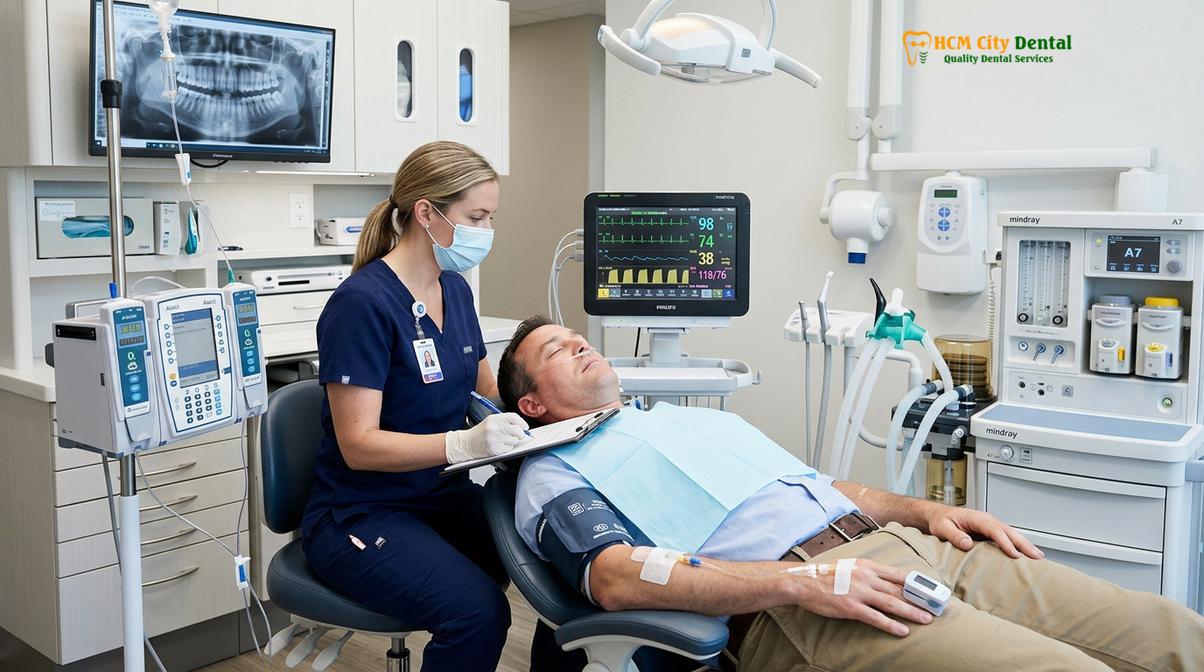
Furthermore, the clinical workflow in premium Vietnamese clinics is designed to mitigate risk. Prior to any sedation procedure, patients undergo a comprehensive medical evaluation, including a review of their systemic health, current medications, and previous anesthetic history. This aligns with the American Society of Anesthesiologists (ASA) physical status classification system, ensuring that only appropriate candidates (typically ASA I and ASA II) are treated in an outpatient clinic setting. Patients with severe systemic diseases (ASA III or IV) are referred to hospital environments for their safety. This meticulous approach to patient selection and monitoring bridges the gap between dental phobia vs anxiety, providing a secure environment for all levels of psychological distress.
Dental Tourism Logistics: Direct Flights and Treatment Timelines
Coordinating a dental trip from Australia to Vietnam involves straightforward logistics, with direct flights to Ho Chi Minh City and streamlined clinical scheduling for complex procedures.
The logistical execution of dental tourism has become remarkably streamlined, making the journey from Australia to Vietnam highly accessible. The search query “melbourne dentist vs ho chi minh sedation” frequently arises as patients weigh the convenience of local treatment against the financial benefits of traveling. With multiple airlines offering direct flights from major hubs like Sydney, Melbourne, Brisbane, and Perth to Tan Son Nhat International Airport (SGN) in Ho Chi Minh City, the travel time is typically between 8 and 9 hours.
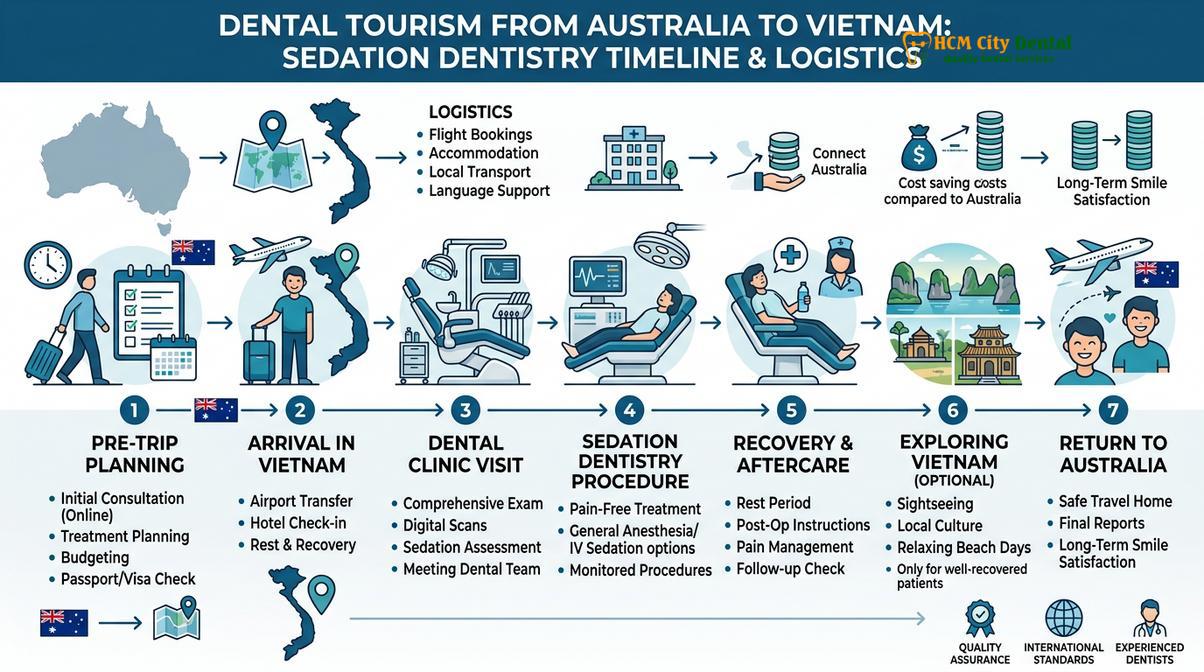
A well-structured dental tourism itinerary requires careful planning to ensure adequate time for consultation, surgery, and post-operative recovery. Unlike local treatments which might be spread over several months, international dental care is condensed into a highly efficient timeframe. This requires precise coordination between the patient and the clinic’s international patient coordination team.
Clinical Case Example: Full-Arch Restoration
An Australian patient traveled to HCMC Dental Clinic in Ho Chi Minh City for an All-on-4 implant procedure under IV sedation. The timeline was structured as follows:
- Day 1: Arrival in Saigon and acclimatization.
- Day 2: In-person clinical examination, 3D CBCT scan, and pre-anesthetic consultation with the medical team.
- Day 3: Surgical extraction of failing teeth and placement of four titanium implants under continuous IV sedation (Duration: 3.5 hours).
- Days 4-6: Rest and recovery at a nearby hotel. The clinic provided post-operative medications and dietary guidelines.
- Day 7: Follow-up appointment to assess tissue healing and adjust the temporary fixed prosthesis.
- Day 10: Final clinical clearance and return flight to Australia.
This condensed timeline allowed the patient to complete a major surgical phase safely while enjoying a restorative holiday environment.
This efficient scheduling is particularly beneficial for expatriates and families. For instance, parents seeking routine care can often combine their own complex treatments with check-ups for their children. By understanding the protocols for managing dental anxiety in children, premium clinics ensure that the entire family receives stress-free care during their stay.
Important Clinical Considerations: When to Consult a Sedation Specialist
Identifying the right time to seek professional sedation is crucial for patients who experience severe anxiety or require extensive surgical interventions.
Clinical Warning: Sedation dentistry is not suitable for everyone. Patients with severe systemic diseases, compromised airways, or certain neurological conditions must undergo rigorous medical clearance before traveling overseas for anesthetic procedures.
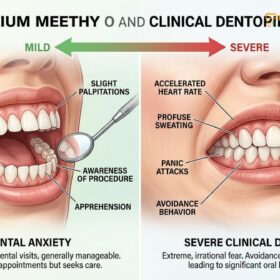
Not every dental procedure necessitates deep sedation, but recognizing when it is clinically appropriate can drastically improve patient outcomes. Patients who exhibit strong avoidance behaviors, severe gag reflexes, or a history of traumatic dental experiences are prime candidates for pharmacological intervention. If the thought of sitting in a dental chair triggers panic attacks or significant physiological distress, consulting a specialist about sedation options is highly recommended [5].
Additionally, the complexity of the planned procedure plays a major role. While a single filling can easily be managed with local anesthesia, procedures such as multiple implant placements, bone grafting, or the extraction of impacted wisdom teeth often require a deeper level of comfort. By utilizing techniques to overcome dental fear alongside appropriate sedation, patients can undergo extensive rehabilitation in a single session, minimizing the number of appointments and reducing overall psychological trauma.
How to Request a Custom Sedation Quote from Australia
Obtaining an accurate, transparent quote for sedation dentistry in Vietnam requires providing comprehensive medical and dental records to the international coordination team.
For Australian patients ready to explore their options, the first step is requesting a customized treatment plan and financial estimate. Because sedation requirements vary wildly based on individual medical histories and procedure lengths, a generic price list is rarely sufficient. To receive an accurate quote, patients should prepare to share their recent dental X-rays (such as an OPG or 3D CBCT scan) and a detailed medical history form.
“Transparency in pricing is a fundamental right for international patients. A comprehensive quote should clearly delineate the costs of the dental procedure, the facility fees, and the hourly rate for the anesthesiologist, ensuring there are no hidden surprises upon arrival.”
Once the clinical team reviews these documents, they can formulate a preliminary treatment plan. This plan will outline the recommended sedation modality, the estimated duration of the procedure, and a line-by-line breakdown of the associated costs. Patients are encouraged to schedule a virtual consultation with the dental surgeon and the anesthesiologist to discuss their specific needs, ask questions about the monitoring equipment, and finalize their travel logistics.
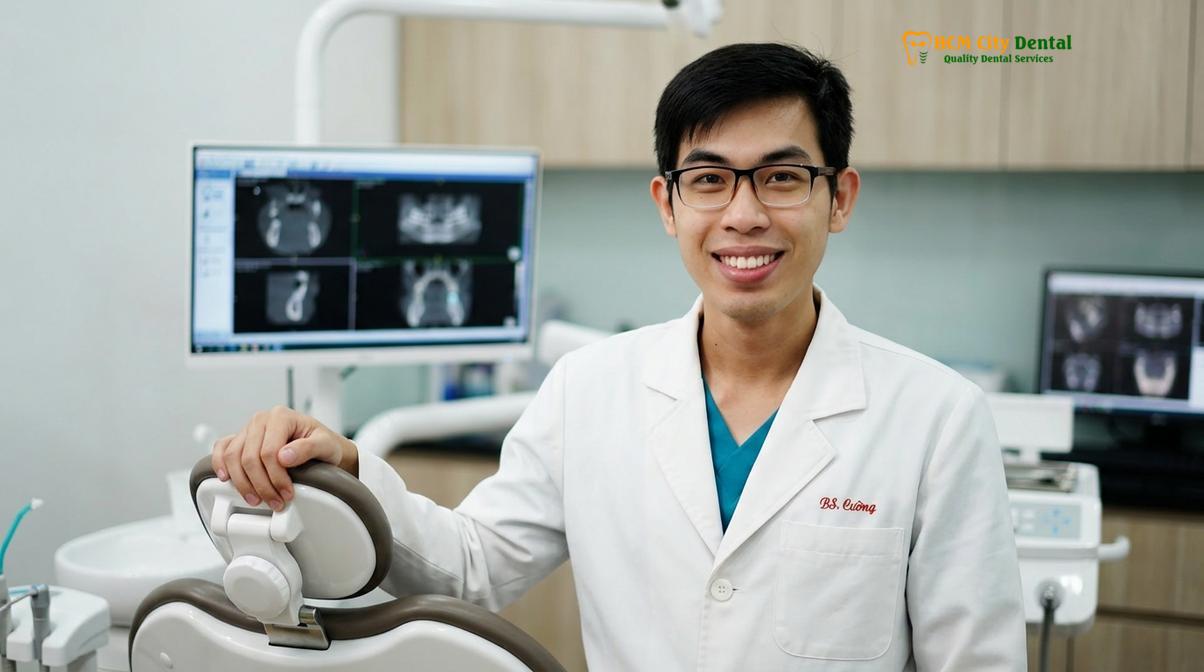
If you are considering complex treatments and want to explore your options, contact HCMC Dental Clinic in Ho Chi Minh City to learn more about our general dentistry services and sedation protocols. Our dedicated international team is ready to assist you in planning a safe, cost-effective, and stress-free dental journey.
References
- Journal of Oral and Maxillofacial Surgery. Patient safety and physiological monitoring in dental sedation.
- International Journal of Oral and Maxillofacial Surgery. Intravenous conscious sedation protocols for complex oral surgery.
- Vietnam Ministry of Health (BYT). National Guidelines on Anesthesia and Sedation in Odonto-Stomatology.
- Journal of the American Dental Association. Patient satisfaction and anxiety levels under conscious sedation.
- Clinical Oral Investigations. Safety and recovery profiles of conscious sedation vs general anesthesia in outpatient settings.
For pricing, booking, and a free clinical assessment, visit our Sedation Dentistry service page at HCMC Dental Clinic in Ho Chi Minh City.