Sedation dentistry safety is highly established when administered by certified professionals using rigorous clinical protocols. By continuously monitoring vital signs and adhering to strict patient selection criteria, dentists can effectively manage anxiety and pain while minimizing potential complications during both routine and complex dental procedures.
Clinical Summary:
Sedation dentistry provides a secure and effective pharmacological approach to managing dental anxiety and procedural discomfort. The clinical safety of these techniques—ranging from minimal nitrous oxide inhalation to moderate intravenous (IV) sedation—relies heavily on comprehensive pre-operative physiological assessments, continuous intra-operative monitoring of hemodynamics and airway patency, and the presence of highly trained personnel. While minor, transient side effects like drowsiness are common, severe complications are exceptionally rare in healthy, properly screened candidates. Modern dental anesthesia safety protocols mandate the use of advanced monitoring equipment, dedicated emergency response plans, and, for deeper sedation levels, the expertise of a specialized dental anesthesiologist to ensure optimal patient outcomes. Through evidence-based practices, sedation transforms potentially traumatic dental visits into comfortable, highly predictable clinical experiences.
Key Takeaways:
- Rigorous pre-operative medical evaluations significantly reduce the likelihood of adverse sedation events.
- Continuous monitoring of oxygen saturation, blood pressure, and heart rate is mandatory during all moderate to deep sedation procedures.
- Nitrous oxide and oral sedatives offer high safety margins for patients with mild to moderate dental anxiety.
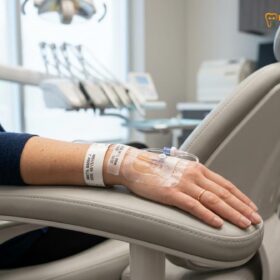
- Intravenous (IV) sedation allows for precise, real-time dosage titration, enhancing both safety and patient comfort.
- Having a dedicated anesthesiologist manage the sedation allows the primary dentist to focus entirely on the surgical procedure.
Debunking Anesthesia Myths: The Safety of Conscious Sedation
Conscious sedation is a highly regulated, safe practice that keeps patients relaxed and responsive, unlike the total unconsciousness and higher risks associated with general anesthesia in hospital settings.
One of the most pervasive barriers to receiving necessary dental care is the fear of the unknown, particularly regarding the medications used to induce relaxation. Many patients conflate conscious sedation with general anesthesia, leading to unwarranted anxiety about losing total control or failing to wake up. In clinical reality, sedation dentistry safety is built upon the principle of maintaining the patient’s protective reflexes. During conscious sedation, whether administered via inhalation, oral medication, or intravenously, the patient remains awake, breathes spontaneously without mechanical assistance, and can respond to verbal commands or light physical stimulation [1]. This fundamental difference drastically reduces the physiological stress on the cardiovascular and respiratory systems compared to the deep, unarousable state of general anesthesia.
Another common misconception is that sedation is exclusively reserved for invasive, multi-hour maxillofacial surgeries. While it is certainly beneficial for complex implant placements or impacted wisdom tooth extractions, sedation is frequently and safely utilized for routine general dentistry procedures. Patients who suffer from severe gag reflexes, hypersensitive teeth, or profound clinical anxiety can benefit immensely from minimal to moderate sedation. By lowering the patient’s stress response, the dentist can perform procedures more efficiently and with greater precision, ultimately improving the clinical outcome.
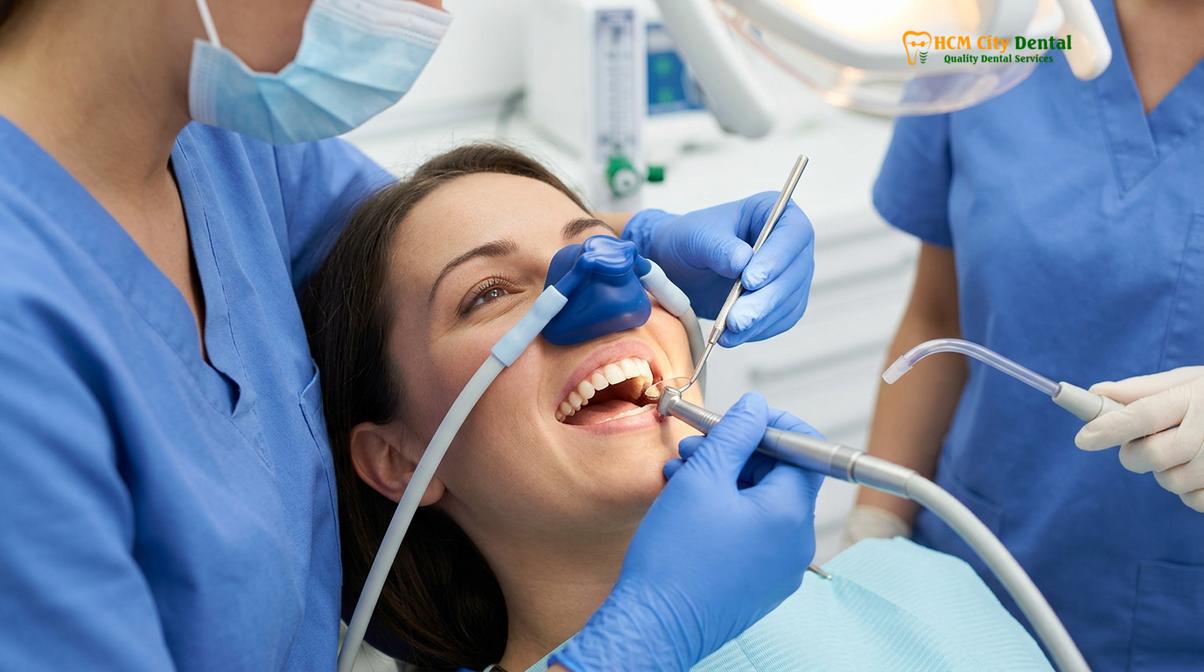
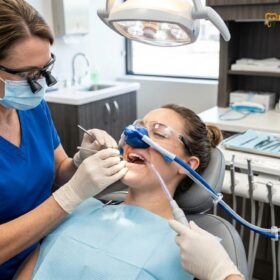
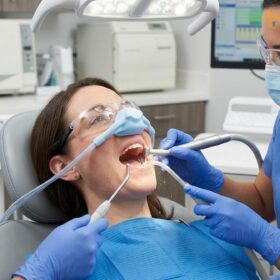
To fully understand dental sedation risks, it is essential to look at the pharmacological profiles of the medications used. Nitrous oxide, commonly known as laughing gas, has been used in dentistry for over a century and boasts an unparalleled safety record. It is rapidly absorbed and eliminated by the lungs, meaning its effects dissipate within minutes of removing the mask, allowing patients to drive themselves home safely. Oral sedatives, typically from the benzodiazepine family (such as Triazolam or Midazolam), have a wide therapeutic index. This means the gap between an effective dose and a toxic dose is exceptionally large, providing a substantial margin of safety. These medications work by enhancing the effect of the neurotransmitter GABA, which naturally calms the central nervous system without completely shutting it down.
“Patient education is the cornerstone of safe sedation practice. When patients understand that conscious sedation is designed to suppress anxiety while preserving their natural ability to breathe and respond, their pre-operative stress significantly diminishes, which in turn makes the sedation itself more effective and predictable.”
— Dr. Nguyen Van Cuong, Clinical Director
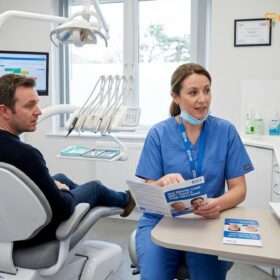
Dr. Nguyen Van Cuong frequently emphasizes that the safety of any sedation procedure begins long before the patient sits in the dental chair. A comprehensive pre-operative assessment is mandatory. This involves a detailed review of the patient’s medical history, current medications, previous experiences with anesthesia, and a physical evaluation of the airway. The American Society of Anesthesiologists (ASA) Physical Status Classification System is universally employed to categorize patients based on their systemic health. Typically, only patients classified as ASA I (normal healthy patient) or ASA II (patient with mild systemic disease) are considered ideal candidates for in-office conscious sedation. Patients with more severe systemic conditions (ASA III or higher) require extensive medical consultation and may need to be treated in a hospital setting where advanced medical support is immediately available.
Clinical Safety Protocols: Monitoring Vitals and Airway Protection
Strict clinical safety protocols require continuous tracking of a patient’s blood pressure, heart rate, and oxygen saturation to ensure airway patency and physiological stability throughout the dental procedure.
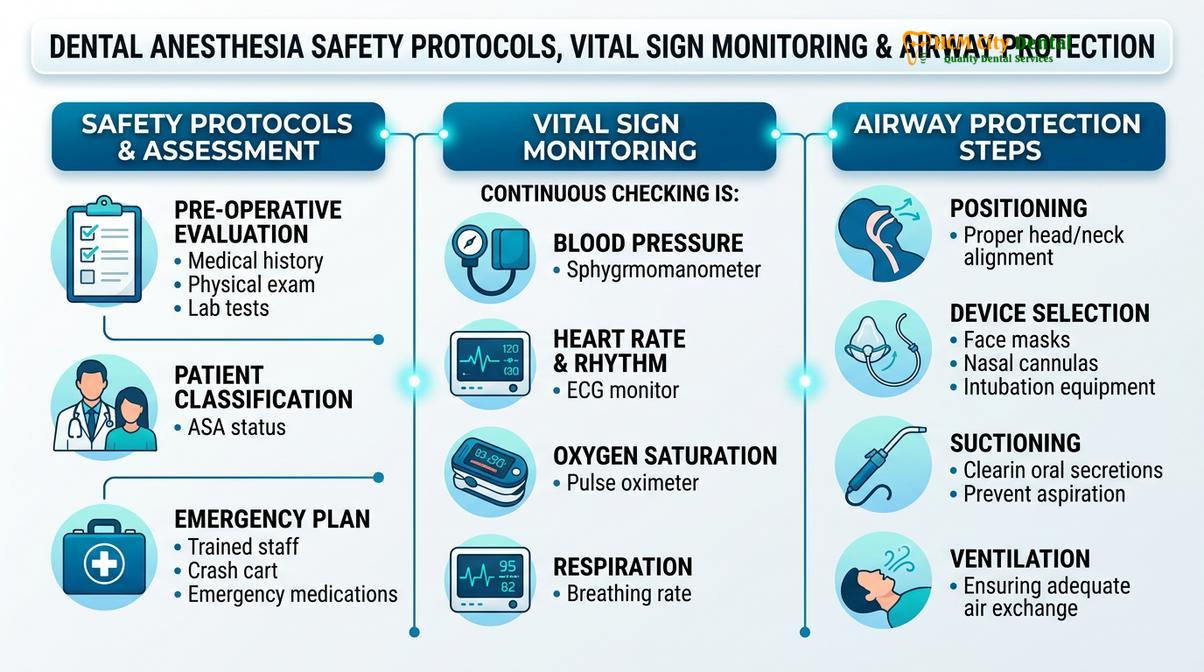
The cornerstone of sedation dentistry safety lies in the rigorous, uninterrupted monitoring of the patient’s physiological parameters. While the sedative medications themselves are inherently safe when dosed correctly, their primary physiological effect is the depression of the central nervous system. This depression can lead to a relaxation of the airway muscles and a decreased drive to breathe. Therefore, modern dental anesthesia safety protocols dictate that the clinical team must have real-time data regarding the patient’s cardiovascular and respiratory status. This is not merely a recommendation; it is a strict clinical mandate for any procedure involving moderate to deep sedation.
The standard array of monitoring equipment used in a properly equipped dental suite mirrors that found in an ambulatory surgical center. The most critical device is the pulse oximeter. Attached non-invasively to the patient’s finger or earlobe, this device continuously measures the oxygen saturation (SpO2) of the arterial blood and the pulse rate. A healthy patient breathing room air typically maintains an SpO2 between 96% and 100%. If the sedation causes the patient’s breathing to become too shallow (hypoventilation), the pulse oximeter will detect a drop in oxygen levels, triggering an immediate audible alarm. This early warning system allows the dental team to intervene—often by simply reminding the patient to take a deep breath or adjusting the position of their head to open the airway—long before a critical hypoxic event can occur [2].
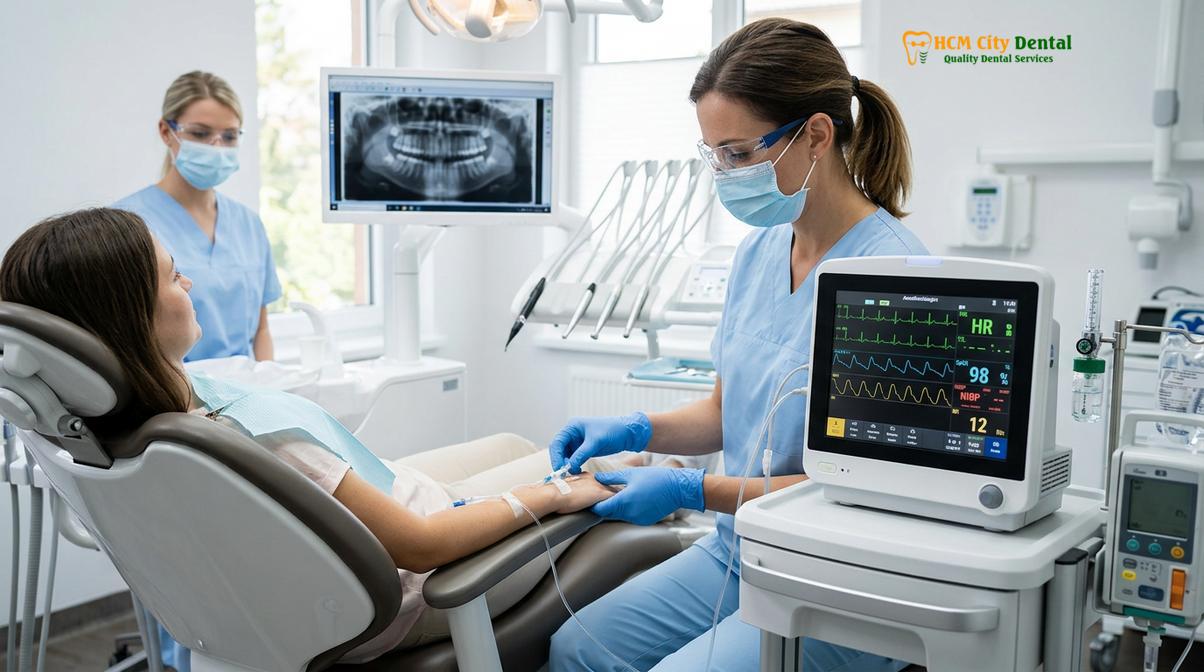
In addition to pulse oximetry, continuous blood pressure monitoring is essential. Blood pressure cuffs are programmed to take readings at regular intervals, typically every five minutes during the active phase of sedation. Sedatives can cause vasodilation, leading to a drop in blood pressure. While a mild decrease is expected and often beneficial for reducing surgical bleeding, a significant hypotensive episode must be identified and managed promptly. Furthermore, electrocardiography (ECG) is frequently utilized during intravenous sedation to monitor the electrical activity of the heart, ensuring that the heart rhythm remains stable and detecting any arrhythmias that may arise due to surgical stress or medication interactions.
| Monitoring Device | Physiological Parameter Measured | Clinical Significance in Sedation |
|---|---|---|
| Pulse Oximeter | Arterial Oxygen Saturation (SpO2) & Heart Rate | Detects hypoxia; ensures adequate oxygenation of tissues. |
| Capnograph | End-Tidal Carbon Dioxide (EtCO2) | Provides real-time assessment of ventilation and airway patency. |
| Automated Sphygmomanometer | Systolic and Diastolic Blood Pressure | Monitors cardiovascular stability and detects hypotension. |
| Electrocardiogram (ECG) | Cardiac Electrical Activity | Identifies arrhythmias and ensures stable cardiac function. |
For deeper levels of conscious sedation, advanced practitioners increasingly rely on capnography. While a pulse oximeter measures oxygenation, capnography measures ventilation by analyzing the concentration of carbon dioxide in the patient’s exhaled breath (End-Tidal CO2). Because there is a physiological lag between the moment a patient stops breathing and the moment their blood oxygen levels drop, capnography provides a much faster indication of respiratory depression or airway obstruction. If the capnograph waveform flattens, the clinical team knows instantly that air is not moving in and out of the lungs, allowing for immediate corrective action. This dual-layered approach to respiratory monitoring represents the gold standard in oral conscious sedation protocols and IV sedation safety.
Potential Side Effects: What is Normal and Expected?
Normal side effects of dental sedation include temporary drowsiness, mild dry mouth, and transient amnesia regarding the procedure, all of which typically resolve within a few hours without medical intervention.
When discussing sedation dentistry side effects, it is crucial to differentiate between expected, transient pharmacological responses and true adverse complications. Because sedatives are designed to alter the function of the central nervous system to induce relaxation and reduce pain perception, certain physiological and cognitive changes are inevitable. Understanding these expected side effects helps manage patient expectations and reduces post-operative anxiety. The most universal side effect across all modalities of conscious sedation is drowsiness or a feeling of heaviness. This lethargy is the intended therapeutic effect of the medication persisting as the drug is metabolized and cleared from the body.
For patients undergoing oral or intravenous sedation, anterograde amnesia is a highly common and often highly desired side effect. Medications like Midazolam are particularly noted for their amnestic properties. This means that while the patient is awake and responsive during the procedure, their brain temporarily stops forming new long-term memories. Consequently, the patient may perceive a two-hour complex surgical appointment as having lasted only a few minutes, and they will likely have little to no recollection of the sights, sounds, or sensations of the dental work. This amnestic effect is profoundly beneficial for patients seeking to overcome trauma or those who are exploring clinical differences between dental phobia and anxiety, as it prevents the reinforcement of negative dental memories [3].
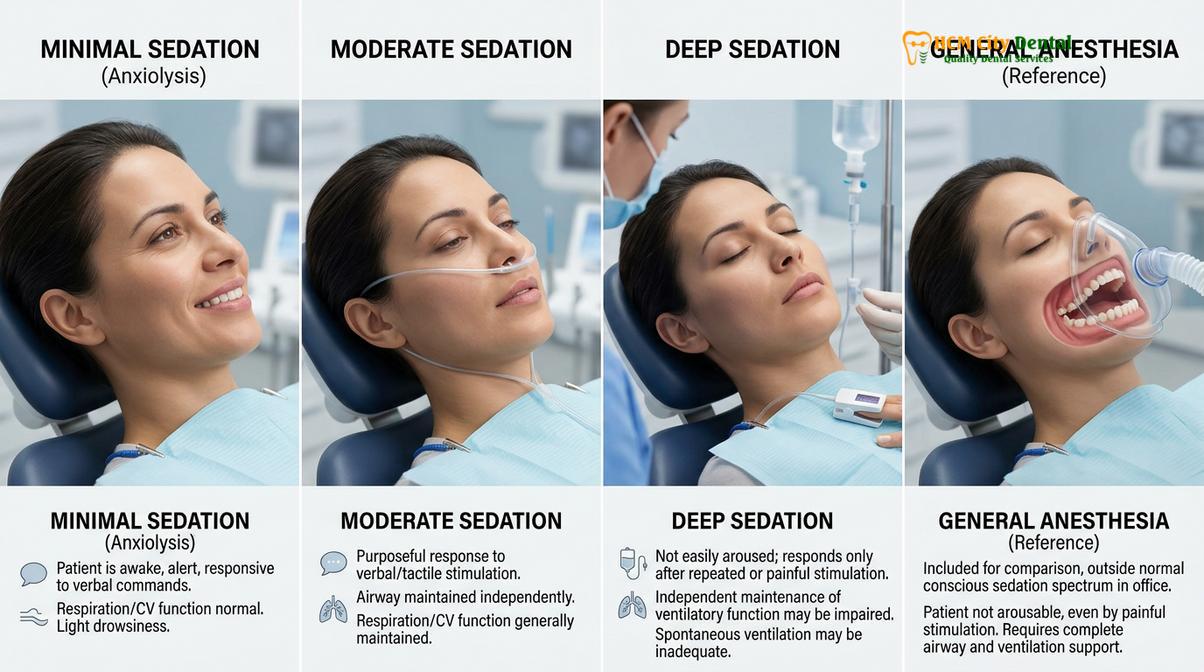
Other normal, mild side effects include a decrease in salivary flow, leading to a temporary sensation of dry mouth (xerostomia). This is actually advantageous for the dentist, as a dry operating field is essential for the success of many dental materials, such as composite resins and dental cements. Some patients may also experience mild motor incoordination or a feeling of clumsiness immediately following the procedure. Because the reflexes remain slightly blunted until the medication is fully metabolized, clinical protocols strictly mandate that patients receiving oral or IV sedation must be escorted home by a responsible adult and are prohibited from driving or operating heavy machinery for at least 24 hours.
Post-operative nausea and vomiting (PONV) is another potential side effect, though it is significantly less common with conscious sedation than with general anesthesia. The incidence of PONV can be further minimized by adhering to pre-operative fasting guidelines—typically avoiding solid foods for six to eight hours and clear liquids for two hours prior to the appointment. If a patient has a known history of motion sickness or post-operative nausea, the anesthesiologist or dentist can proactively administer antiemetic medications, such as Ondansetron, prophylactically through the IV line to ensure a smooth and comfortable recovery phase.
Understanding the Risks: Complications and How They are Managed
While severe complications are rare, clinical teams are trained to immediately manage risks such as respiratory depression or allergic reactions using reversal agents and advanced emergency protocols.
Despite the high safety profile of modern sedatives, no pharmacological intervention is entirely devoid of risk. A comprehensive understanding of dental sedation risks involves acknowledging the potential for adverse events and, more importantly, detailing the clinical infrastructure in place to manage them. The primary risk associated with any central nervous system depressant is an exaggerated response leading to respiratory depression. In a small subset of patients, a standard dose of medication may cause the breathing rate to slow down too much, or the muscles of the upper airway to relax to the point of partial obstruction (often presenting as loud snoring). Because the patient is continuously monitored via pulse oximetry and capnography, this complication is detected within seconds.
The management of respiratory depression follows a strict, step-wise clinical algorithm. The first step is often simple verbal and tactile stimulation—asking the patient to take a deep breath or gently tapping their shoulder. If this is insufficient, the dentist will perform a head-tilt/chin-lift maneuver to physically open the airway, counteracting the relaxation of the pharyngeal muscles. If oxygen saturation continues to decline, the team is equipped to provide positive pressure ventilation using a bag-valve-mask resuscitator connected to a 100% supplemental oxygen supply. This ensures the patient’s brain and vital organs remain fully oxygenated while the sedative effect naturally wanes.
Clinical Safety Warning: The administration of moderate to deep sedation must never be performed without immediate access to pharmacological reversal agents. Flumazenil (for benzodiazepines) and Naloxone (for opioids) must be drawn and ready in the clinical suite to instantly counteract severe respiratory depression or over-sedation.
Another rare but notable risk is a paradoxical reaction. Instead of becoming calm and sleepy, a very small percentage of patients may experience agitation, restlessness, or heightened anxiety when administered a sedative. This idiosyncratic reaction is more commonly observed in pediatric populations or the elderly. If a paradoxical reaction occurs, the clinical team must quickly assess the situation. Often, the procedure is aborted, and the patient is allowed to recover fully under supervision. This highlights the importance of individualized care and the necessity of having alternative strategies for managing dental anxiety in pediatric patients, where different pharmacological approaches or behavioral techniques may be required [4].
Allergic reactions to sedative medications are exceedingly rare but remain a theoretical risk. True anaphylaxis involves a rapid, systemic immune response that can cause hives, swelling of the airway, and a dangerous drop in blood pressure. To mitigate this, a thorough medical history is taken to identify any known drug allergies. However, if an unexpected anaphylactic reaction occurs, the dental suite is equipped with an emergency crash cart containing Epinephrine, antihistamines (like Diphenhydramine), and corticosteroids. The clinical staff undergoes rigorous, regular training in basic life support (BLS) and advanced cardiovascular life support (ACLS) to ensure they can execute emergency medical protocols flawlessly until emergency medical services arrive, if necessary.
Why Having a Dedicated Anesthesiologist is Non-Negotiable
Employing a dedicated anesthesiologist ensures that a specialized expert continuously manages the patient’s vital signs and sedation depth, allowing the operating dentist to focus entirely on the surgical procedure.
When patients ask, “is iv sedation safe dentist?”, the answer heavily depends on the clinical model employed during the procedure. In some jurisdictions, a single practitioner is legally permitted to both administer the intravenous sedation and perform the dental surgery simultaneously—a model known as the operator-anesthetist paradigm. While this can be done safely for minimal sedation, the cognitive load required to perform complex, microscopic dental surgery while simultaneously monitoring a patient’s fluctuating hemodynamics and airway status is immense. For moderate to deep IV sedation, the safest and most predictable approach is the utilization of a dedicated, board-certified dental anesthesiologist or medical anesthesiologist.
Having a dedicated anesthesia provider transforms the safety dynamic of the operating room. The anesthesiologist’s sole responsibility is the physiological well-being of the patient. They continuously analyze the data from the monitors, titrate the intravenous medications drop-by-drop to maintain the exact desired level of sedation, and manage the airway. This separation of duties allows the primary dentist or oral surgeon to maintain absolute, uninterrupted focus on the surgical field. Whether they are navigating complex root canal anatomy or placing multiple dental implants near vital nerve structures, the surgeon can operate with maximum efficiency and precision, knowing the patient’s systemic health is being expertly managed.
“The presence of a dedicated anesthesiologist is not a luxury; it is a fundamental pillar of patient safety for deep sedation. It ensures that if a physiological parameter shifts, there is an expert whose only job is to recognize it and correct it instantly, without ever having to look away from the surgical site.”
— Dr. Nguyen Van Cuong, Clinical Director
Furthermore, a dedicated anesthesiologist brings a profound depth of pharmacological knowledge to the procedure. They can utilize a multi-modal approach, combining different classes of medications (such as a benzodiazepine for amnesia, a propofol infusion for deep relaxation, and a short-acting opioid for systemic pain control) to achieve the perfect balance. This precise titration means the patient receives the exact amount of medication needed—no more, no less. It prevents the “rollercoaster” effect of under-sedation followed by over-sedation, resulting in a smoother intra-operative experience and a significantly faster, more comfortable post-operative recovery phase. This collaborative, team-based approach is the hallmark of elite dental care facilities prioritizing patient safety above all else.
Safety Records and Incident Prevention at HCMC Dental
HCMC Dental Clinic maintains an exemplary safety record by enforcing rigorous pre-operative screenings, utilizing state-of-the-art monitoring technology, and conducting regular emergency response drills for all clinical staff.
At HCMC Dental Clinic in Ho Chi Minh City, the commitment to sedation dentistry safety is woven into the very fabric of our clinical operations. We recognize that trust is the most critical component of the doctor-patient relationship, especially when addressing severe dental anxiety. To maintain our exemplary safety record, we have implemented a multi-tiered incident prevention strategy that exceeds standard regulatory requirements. This begins with our stringent patient selection criteria. Every patient considering sedation undergoes a comprehensive evaluation, including a review of their medical history, current medications, and a physical airway assessment. We utilize standardized dental anxiety scale assessments to objectively measure the patient’s fear level, ensuring that the chosen sedation modality is perfectly matched to their psychological and physiological needs.
Our clinical suites in Ho Chi Minh City are equipped with hospital-grade monitoring technology, including advanced capnography and continuous ECG capabilities. We do not compromise on equipment maintenance; all monitoring devices undergo rigorous daily calibration and regular independent servicing to guarantee absolute accuracy. Furthermore, we strictly adhere to the dual-provider model for all intravenous sedation procedures. By partnering with highly experienced, board-certified anesthesiologists, we ensure that every patient receives dedicated, undivided attention regarding their physiological stability throughout the entire duration of their treatment [5].
Clinical Case Review: A 45-year-old patient visited HCMC Dental Clinic in Ho Chi Minh City requiring extensive restorative work but suffered from severe dental phobia, having avoided care for over a decade. Following a thorough medical clearance, the patient was treated under IV conscious sedation managed by a dedicated anesthesiologist. Continuous capnography and pulse oximetry ensured optimal airway management. The dental team successfully completed multiple extractions and implant placements in a single, stress-free session. The patient awoke with no memory of the procedure and experienced a smooth, complication-free recovery, demonstrating the profound efficacy and safety of protocol-driven sedation.
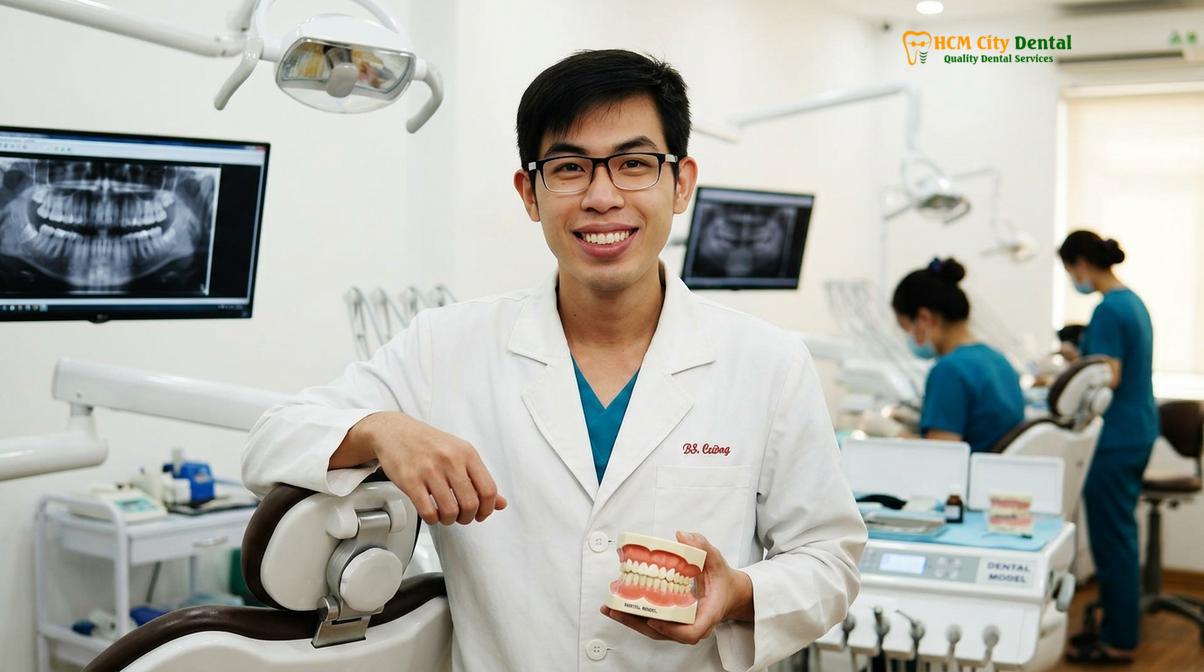
Education and preparedness are the final pillars of our safety protocol. The entire clinical staff at HCMC Dental Clinic, from the lead surgeons to the dental assistants, participates in mandatory, recurring emergency simulation drills. These mock scenarios cover everything from managing sudden hypotensive episodes to executing advanced airway rescue techniques. By practicing these protocols in a simulated environment, our team develops the muscle memory and clinical cohesion necessary to respond instantly and effectively to any unforeseen medical event. This proactive, highly disciplined approach to incident prevention ensures that our patients receive the highest standard of safe, comfortable, and anxiety-free dental care available.
When to Consult a Doctor Before Sedation
While sedation dentistry is highly safe for the general population, it is not universally appropriate for everyone. Medical YMYL (Your Money or Your Life) compliance dictates that certain systemic conditions require careful evaluation by a medical physician prior to undergoing any form of dental sedation. Patients must disclose their complete medical history to their dentist to ensure safe candidacy.
You should seek a medical consultation before scheduling sedation dentistry if you have:
- Severe Respiratory Conditions: Uncontrolled asthma, severe Chronic Obstructive Pulmonary Disease (COPD), or advanced obstructive sleep apnea can significantly increase the risk of airway complications during sedation.
- Cardiovascular Disease: A history of recent myocardial infarction (heart attack), unstable angina, congestive heart failure, or uncontrolled hypertension requires clearance from a cardiologist.
- Neurological Disorders: Conditions that affect muscle tone or central nervous system function, such as Myasthenia Gravis or severe epilepsy, may alter the body’s response to sedative medications.
- Pregnancy: Most elective dental procedures requiring sedation are deferred during pregnancy, particularly in the first and third trimesters, to avoid any potential risk to fetal development.
- Complex Medication Regimens: Patients taking multiple central nervous system depressants, strong opioids, or certain psychiatric medications must be evaluated to prevent dangerous drug-drug interactions.
A personalized clinical examination and open communication between your dentist and your primary care physician are essential to determine the safest pharmacological approach for your specific health profile. Never withhold medical information from your dental provider.
If you are ready to explore comprehensive dental sedation options tailored to your unique medical profile, contact the expert team at HCMC Dental Clinic to schedule a thorough clinical consultation.
Frequently Asked Questions
What are the risks of sedation dentistry?
The primary risks of sedation dentistry include transient respiratory depression, fluctuations in blood pressure, and rare allergic reactions to the sedative medications. However, when administered by certified professionals who conduct thorough pre-operative medical evaluations and utilize continuous physiological monitoring, these risks are exceptionally low. Clinical teams are equipped with reversal agents and emergency protocols to manage any adverse events immediately.
Is conscious IV sedation safer than general anesthesia?
Yes, conscious IV sedation is generally considered safer than general anesthesia because the patient maintains their own airway and spontaneous breathing without the need for intubation. General anesthesia induces a state of total unconsciousness that carries a higher risk of cardiovascular and respiratory complications, requiring a hospital setting, whereas IV sedation keeps the patient in a responsive, deeply relaxed state.
Can you have an allergic reaction to dental sedatives?
While it is possible to have an allergic reaction to dental sedatives, true anaphylactic allergies to commonly used medications like benzodiazepines or nitrous oxide are exceedingly rare. Dentists mitigate this risk by taking a comprehensive medical and pharmacological history prior to treatment. If an allergic response occurs, the clinical team is fully trained to administer epinephrine and antihistamines immediately.
Who should not receive sedation dentistry?
Patients with severe systemic diseases, such as uncontrolled chronic obstructive pulmonary disease (COPD), severe sleep apnea, or congestive heart failure, are generally contraindicated for standard in-office sedation dentistry. Additionally, pregnant women and individuals taking certain central nervous system depressants must undergo careful medical consultation. A thorough clinical assessment determines if a patient is a safe candidate for sedation.
How do dentists monitor oxygen levels during sedation?
Dentists monitor oxygen levels primarily using a pulse oximeter, a non-invasive device placed on the patient’s finger that continuously measures the oxygen saturation (SpO2) of the blood. In moderate to deep sedation, this is often supplemented with capnography, which measures end-tidal carbon dioxide (EtCO2) to assess the actual quality of ventilation and detect respiratory depression before oxygen levels drop.
References
- Journal of Oral and Maxillofacial Surgery. Patient safety in dental sedation and anesthesia. (2021).
- International Journal of Oral and Maxillofacial Surgery. Intravenous conscious sedation protocols for complex oral surgery. (2020).
- British Dental Journal. Nitrous oxide inhalation sedation in dentistry: a review of safety. (2019).
- Journal of the American Dental Association. Patient satisfaction and anxiety levels under conscious sedation. (2022).
- Clinical Oral Investigations. Safety and recovery profiles of conscious sedation vs general anesthesia. (2018).
For pricing, booking, and a free clinical assessment, visit our Sedation Dentistry service page at HCMC Dental Clinic in Ho Chi Minh City.