A sedation root canal combines advanced endodontic therapy with calming medications—ranging from mild nitrous oxide to deep IV sedation—to eliminate pain and anxiety. This approach ensures patients remain completely relaxed while the infected dental pulp is safely removed, restoring the tooth without discomfort.
Clinical Summary:
Sedation root canal therapy transforms a traditionally feared procedure into a comfortable, anxiety-free experience. By utilizing modern local anesthetics alongside specialized sedation protocols—including nitrous oxide, oral conscious sedation, and intravenous (IV) sedation—endodontists can effectively manage severe dental phobia, hyperactive gag reflexes, and complex multi-canal molar treatments. Clinical evidence demonstrates that sedated patients experience reduced procedural stress, allowing clinicians to perform precise endodontic debridement and obturation efficiently. This integrated approach often permits the completion of complex endodontic cases in a single visit, yielding optimal clinical outcomes while prioritizing patient comfort and psychological well-being.
Key Takeaways:
- Modern local anesthesia ensures the tooth is entirely numb, while sedation manages psychological anxiety.
- Nitrous oxide offers mild, reversible relaxation suitable for patients with slight nervousness.
- Oral conscious sedation provides moderate relaxation, often inducing a light sleep-like state with mild amnesia.
- Intravenous (IV) sedation is ideal for severe dental phobia, complex molar anatomy, or strong gag reflexes.
- Combining sedation with endodontic therapy often allows multiple infected canals to be treated in one efficient session.
Why Root Canals Have an Unfair Reputation for Pain
Historically, root canals were performed with inadequate anesthetics, leading to a legacy of fear. Today, advanced techniques ensure the procedure relieves existing infection pain rather than causing it.
The mere mention of a root canal often triggers a visceral reaction of fear and apprehension in many patients. This deep-seated anxiety is largely a historical artifact, stemming from an era before the advent of modern pharmacology and advanced endodontic technology. Decades ago, the local anesthetics available were less potent, and the instruments used to clean the root canals were rigid and less efficient. Furthermore, treating a tooth with severe inflammation—a condition known clinically as irreversible pulpitis—presented a unique challenge. The acidic environment created by the bacterial infection often neutralized older anesthetic solutions, making it difficult to achieve profound numbness. Consequently, patients sometimes experienced discomfort during the procedure, cementing the root canal’s unfair reputation as a painful ordeal.
However, the landscape of endodontics has undergone a revolutionary transformation. Today, the primary objective of a root canal is to eliminate the excruciating pain caused by an infected or dying dental nerve, not to inflict it. When the soft tissue inside the tooth (the pulp) becomes compromised due to deep decay, repeated dental procedures, or traumatic injury, the resulting pressure and inflammation cause severe, throbbing pain. By carefully accessing the pulp chamber, removing the necrotic tissue, and disinfecting the intricate canal system, the endodontist effectively removes the source of the pain. For patients seeking a painless root canal saigon, modern clinics utilize state-of-the-art protocols to ensure the experience is entirely comfortable.
Understanding the distinction between the pain of the infection and the procedure itself is crucial for overcoming dental phobia vs anxiety. The discomfort patients associate with root canals is almost always the pain they felt before sitting in the dental chair. Once the modern anesthetic takes effect, the procedure itself is typically no more uncomfortable than receiving a standard dental filling. Furthermore, the integration of sedation dentistry has provided an additional layer of comfort, addressing not just the physical sensation of pain, but the psychological anticipation and fear that often accompany endodontic treatment. Clinical studies indicate that patients who understand the modern mechanics of root canal therapy exhibit significantly lower baseline anxiety levels prior to treatment [1].
How Modern Local Anesthesia Blocks All Root Pain
Before any sedation takes effect, clinicians administer profound local anesthesia to completely block nerve transmission from the infected tooth, ensuring absolute physical numbness.
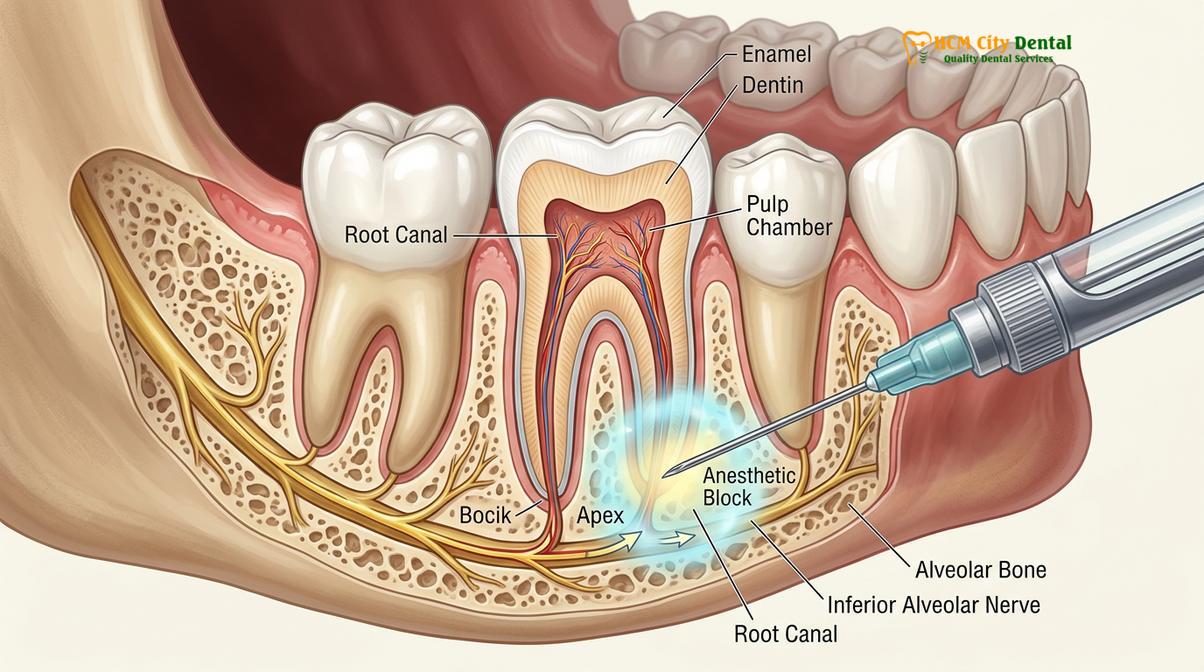
The cornerstone of any comfortable endodontic procedure is the successful administration of local anesthesia. While sedation relaxes the mind and body, it is the local anesthetic that physically prevents pain signals from traveling from the tooth to the brain. Modern dentistry utilizes highly effective sodium channel blockers, such as Articaine and Lidocaine, which temporarily halt the conduction of nerve impulses. When a tooth is severely infected, the surrounding tissue becomes highly acidic. This low pH environment can ionize the anesthetic molecule, preventing it from crossing the nerve membrane and taking effect—a phenomenon known as “hot tooth” syndrome.
To combat this, contemporary endodontists employ advanced buffering techniques and specialized delivery methods. By adjusting the pH of the anesthetic solution immediately before injection, the medication can rapidly penetrate the inflamed tissue and achieve profound numbness. Additionally, clinicians utilize a variety of injection techniques tailored to the specific anatomy of the tooth. While a standard infiltration or nerve block is often sufficient, supplementary techniques such as intraligamentary (PDL) injections or intraosseous injections deliver the anesthetic directly to the apex of the tooth root, ensuring complete anesthesia even in the most stubborn cases of irreversible pulpitis [2].
“The evolution of local anesthetics, particularly the introduction of Articaine, has fundamentally changed endodontic practice. We now have the pharmacological tools to guarantee profound anesthesia, ensuring that the patient feels absolutely no sharp pain during the debridement of the root canal system.”
It is important to note that while the tooth will be completely numb to pain, patients may still feel a sensation of pressure or vibration during the procedure. This is a normal physiological response, as the proprioceptive nerve fibers in the periodontal ligament surrounding the tooth are not always completely blocked by the anesthetic. Educating patients about the difference between sharp pain and normal pressure is a vital component of managing dental anxiety symptoms. When patients know exactly what physical sensations to expect, their psychological distress is significantly reduced, allowing the sedation to work more effectively.
Using Nitrous Oxide to Relax During Long Root Canal Sessions
Nitrous oxide, or laughing gas, is a mild inhaled sedative that rapidly reduces anxiety and alters time perception during lengthy endodontic procedures without lingering drowsiness.
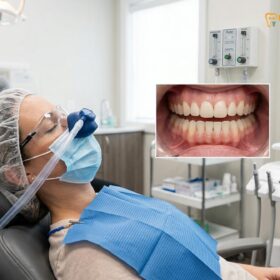
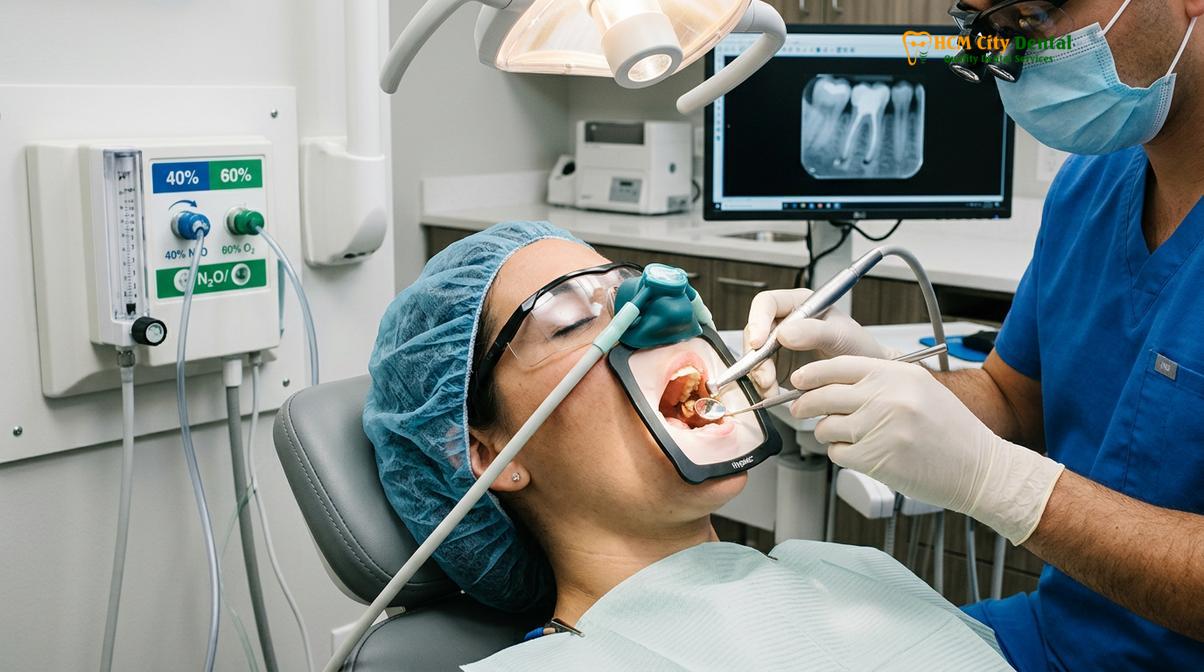
For patients who experience mild to moderate anxiety, or for those who simply find it difficult to sit still during a lengthy dental appointment, nitrous oxide is an excellent sedation option. Commonly known as laughing gas, nitrous oxide is a colorless, sweet-smelling gas that is mixed with pure oxygen and inhaled through a small, comfortable mask placed over the nose. As the patient breathes normally, the gas is rapidly absorbed through the lungs and enters the bloodstream, producing a gentle, euphoric feeling of relaxation within minutes.
One of the primary advantages of a nitrous oxide root canal is its rapid onset and equally rapid elimination. The endodontist can precisely titrate the concentration of the gas throughout the procedure, adjusting the level of sedation based on the patient’s real-time comfort and anxiety levels. Under the influence of nitrous oxide, patients often report a warm, tingling sensation in their extremities and a profound sense of detachment from the clinical environment. The sounds of the dental instruments become muffled, and the perception of time is often altered, making a 90-minute root canal feel as though it passed in a fraction of the time [3].
Furthermore, nitrous oxide possesses mild analgesic (pain-relieving) properties, which synergize effectively with the local anesthesia to elevate the patient’s pain threshold. Because the gas is not metabolized by the body and is exhaled entirely through the lungs, the sedative effects dissipate within minutes once the flow of nitrous oxide is stopped and replaced with 100% oxygen. This rapid recovery profile makes it an incredibly convenient option, as patients are typically able to drive themselves home and resume their normal daily activities immediately after the appointment. This level of mild sedation is also highly effective when managing dental anxiety in children who may require endodontic therapy on permanent teeth.
Oral Conscious Sedation for Moderate Root Canal Anxiety
Administered via prescription medication before the appointment, oral conscious sedation induces a deep state of relaxation and mild amnesia, making it ideal for moderate dental fear.
When a patient’s fear of the dentist goes beyond mild nervousness and begins to manifest as moderate to severe anxiety, oral conscious sedation provides a more profound level of relaxation. This protocol involves the administration of prescription sedative medications—typically from the benzodiazepine family, such as Triazolam (Halcion), Diazepam (Valium), or Lorazepam (Ativan)—taken orally prior to the dental appointment. These medications work by binding to GABA receptors in the brain, depressing the central nervous system to reduce anxiety, induce drowsiness, and promote a sense of calm well-being.
The specific medication and dosage are carefully selected by the clinician based on the patient’s medical history, weight, age, and the anticipated duration of the root canal procedure. Patients typically take the medication about an hour before their scheduled appointment. By the time they are seated in the dental chair, they are in a deeply relaxed, twilight state. While they remain conscious, able to breathe independently, and capable of responding to verbal commands from the endodontist, they are largely unbothered by the clinical surroundings. Many patients undergoing oral sedation root canal therapy experience anterograde amnesia, meaning they will have little to no memory of the sights, sounds, or events of the procedure once the medication wears off [4].
Clinical Safety Warning: Because oral conscious sedatives have a longer half-life and cause significant drowsiness and impaired motor function, patients are strictly prohibited from driving or operating machinery for 24 hours following the procedure. A responsible adult must escort the patient to the clinic, drive them home, and monitor them as the medication fully metabolizes.
Oral sedation is particularly beneficial for endodontic procedures because it suppresses the gag reflex and reduces muscle tension in the jaw, making it easier for the patient to keep their mouth open comfortably for extended periods. This allows the specialist to work with greater precision and efficiency. For a comprehensive understanding of how these medications are utilized safely, patients can review our detailed oral sedation dentistry guide. The combination of oral sedatives and profound local anesthesia ensures that even patients with significant dental phobia can receive necessary root canal therapy without psychological trauma.
IV Sedation for Multi-Canal Molars or Severe Gag Reflex
Intravenous sedation delivers anti-anxiety medication directly into the bloodstream for immediate, profound relaxation, allowing endodontists to efficiently treat complex molars or patients with severe gag reflexes.
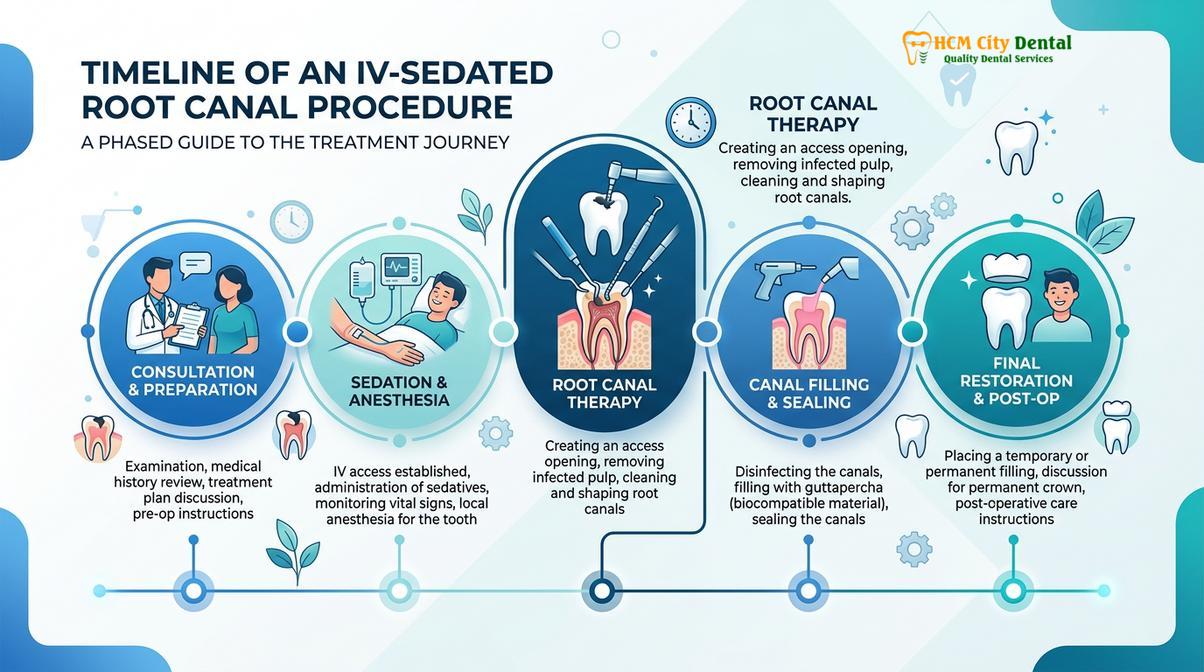
For the most complex endodontic cases, or for patients suffering from debilitating dental phobia, intravenous (IV) sedation represents the gold standard of anxiety management. Administered by a qualified anesthesiologist or a specially certified dentist, IV sedation involves delivering sedative medications—such as Midazolam or Propofol—directly into the patient’s bloodstream via a small catheter placed in the arm or hand. This direct route of administration allows for an almost instantaneous onset of action and provides the clinician with unparalleled control over the depth of sedation.
Unlike oral sedation, where the absorption rate can vary based on the patient’s metabolism and stomach contents, IV sedation allows the anesthesiologist to continuously titrate the medication drop by drop. This ensures the patient remains at the exact optimal level of deep relaxation throughout the entire procedure. Under IV sedation, patients are in a state of profound tranquility; they are technically conscious and can breathe on their own, but they are entirely disconnected from the procedure. The amnesic effect is virtually absolute, meaning the patient will wake up feeling as though no time has passed and with zero memory of the root canal therapy [5].
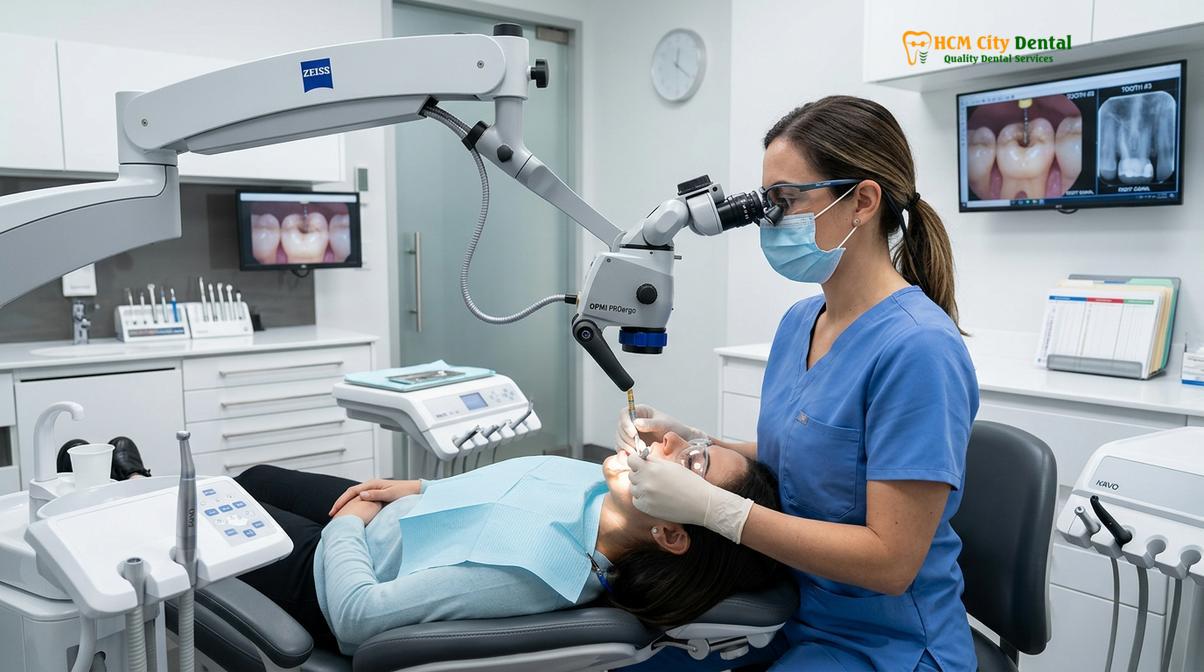
IV sedation is highly recommended for treating multi-canal molars located at the back of the mouth. These teeth often have complex, curved root anatomies that require meticulous, time-consuming debridement and shaping using specialized endodontic microscopes. Patients with a severe, hyperactive gag reflex or those who suffer from temporomandibular joint (TMJ) disorders that make it painful to hold their mouth open will find IV sedation particularly beneficial. By eliminating involuntary movements and gagging, the endodontist can isolate the tooth perfectly with a rubber dam and perform the delicate micro-surgery with maximum precision. To explore all available relaxation protocols, patients can review our comprehensive advanced sedation dentistry options.
Clinical Case Review: Complex Molar Endodontics
A 42-year-old patient presented to HCMC Dental Clinic in Ho Chi Minh City with severe, radiating pain from a lower second molar, complicated by extreme dental phobia and a hyperactive gag reflex. Clinical and radiographic examination by Dr. Nguyen Van Cuong revealed irreversible pulpitis in a tooth with four distinct, curved canals. Due to the patient’s inability to tolerate standard treatment, an IV sedation protocol was initiated. Under continuous vital sign monitoring, the patient achieved deep relaxation. Dr. Cuong successfully accessed, cleaned, and obturated all four canals in a single 90-minute session. The patient awoke comfortably with no memory of the procedure and reported zero post-operative complications, highlighting the efficacy of IV sedation in managing complex endodontic anatomy alongside severe psychological barriers.
Root Canal Treatment Timelines and Sedation Fees
The duration of a sedated root canal depends on tooth anatomy and the chosen sedation method, while overall costs reflect the complexity of the endodontic therapy plus the specific anesthetic protocol.
Understanding the timeline and financial investment required for a sedated root canal helps patients make informed decisions about their dental care. The duration of the actual endodontic procedure varies significantly based on the tooth being treated. An anterior (front) tooth with a single, straight canal may take only 45 to 60 minutes to clean and seal. In contrast, a posterior molar with three or four curved canals may require 90 to 120 minutes of meticulous microscopic work. When sedation is introduced, the overall appointment time is extended to account for the induction of the sedative and the necessary post-operative recovery monitoring.
For instance, if a patient opts for nitrous oxide, the induction takes only a few minutes, and recovery is nearly instantaneous, adding minimal time to the appointment. Oral conscious sedation requires the patient to arrive early to allow the medication to take effect and necessitates a brief observation period before they are discharged to their escort. IV sedation requires the most comprehensive time management, including pre-operative vital sign baseline checks, the placement of the IV line, continuous monitoring during the procedure, and a mandatory recovery period in the clinic until the patient meets strict discharge criteria.
Regarding the sleep dentistry root canal cost, the fees are typically divided into two components: the endodontic therapy itself and the sedation service. The cost of the root canal is determined by the tooth’s complexity and location. The sedation fee is calculated based on the method chosen and the time required. Nitrous oxide is generally the most affordable option, often billed as a flat fee per visit. Oral sedation involves the cost of the prescription medication and the clinical monitoring time. IV sedation is the most significant investment, as it requires specialized monitoring equipment, advanced emergency medications on standby, and often the presence of a dedicated anesthesiologist to manage the patient’s airway and vitals.
| Sedation Method | Level of Relaxation | Onset & Recovery Time | Amnesia Effect | Relative Cost Impact |
|---|---|---|---|---|
| Nitrous Oxide (Gas) | Mild to Moderate | Rapid onset (3-5 mins) / Immediate recovery | Minimal to None | Low ($) |
| Oral Conscious (Pill) | Moderate to Deep | Slow onset (60 mins) / Prolonged recovery (12-24 hrs) | Moderate (Partial memory loss) | Medium ($$) |
| Intravenous (IV) | Deep (Twilight Sleep) | Immediate onset / Moderate recovery (2-4 hrs) | Profound (Total memory loss) | High ($$$) |
To determine the most appropriate and cost-effective sedation method, clinicians often utilize standardized assessment tools to evaluate the patient’s psychological needs. By completing a dental anxiety scale test, the dental team can objectively measure the severity of the patient’s fear and tailor the pharmacological approach accordingly, ensuring that the patient does not overpay for deep sedation if mild relaxation would suffice.
When to See a Doctor for Endodontic Evaluation
Recognizing the clinical signs that necessitate a root canal is vital for preserving the natural tooth and preventing the spread of infection. Patients should seek immediate endodontic evaluation if they experience spontaneous, unprovoked tooth pain, especially pain that wakes them up at night. Another hallmark symptom of irreversible pulpitis is lingering thermal sensitivity; if a tooth continues to ache for more than 10-15 seconds after exposure to hot or cold stimuli, the nerve is likely compromised. Additionally, localized swelling of the gums, a recurring pimple-like bump on the gum tissue (a fistula), or pain upon chewing or applying pressure are strong indicators of an underlying apical infection.
Delaying treatment out of fear allows the bacterial infection to progress beyond the confines of the tooth root and into the surrounding jawbone, potentially leading to a painful dental abscess, localized bone loss, and systemic health complications. If anxiety is the primary barrier preventing you from seeking care, it is crucial to communicate this to your dental provider. Modern clinics are equipped with numerous strategies to help patients overcome dental fear, ensuring that necessary medical interventions are not avoided.
“We never want fear to be the reason a patient loses a restorable tooth. By integrating advanced sedation protocols with precise endodontic techniques, we can safely guide even the most anxious patients through their treatment, eliminating the infection and preserving their natural smile without the trauma they anticipate.” — Dr. Nguyen Van Cuong
If you are experiencing severe tooth pain or have been told you need endodontic therapy but are hesitant due to anxiety, we encourage you to schedule a consultation at HCMC Dental Clinic in Ho Chi Minh City. Our clinical team will conduct a thorough diagnostic evaluation, including digital imaging and vitality testing, to determine the exact status of your tooth. We will then discuss your medical history and anxiety levels to design a personalized sedation root canal plan that prioritizes your safety, comfort, and long-term oral health.

Frequently Asked Questions
Can I get sedated for a root canal?
Yes, you can receive various levels of sedation for a root canal, ranging from mild laughing gas to deep intravenous (IV) sedation. Your endodontist will evaluate your medical history and anxiety levels to recommend the safest and most effective relaxation protocol for your specific procedure. Sedation is highly encouraged for patients who experience dental phobia or have difficulty sitting still for extended periods.
Does a root canal hurt under conscious sedation?
No, a root canal does not hurt under conscious sedation because profound local anesthesia is always administered to numb the tooth completely. The sedation simply relaxes your mind and body, while the local anesthetic blocks all physical pain signals from reaching your brain. You may feel slight pressure or vibration, but you will not experience sharp pain.
Can a root canal be done under IV sedation?
Yes, a root canal can be safely performed under IV sedation, which is highly recommended for patients with severe dental phobia, complex multi-rooted molars, or a hyperactive gag reflex. This method provides deep relaxation and often leaves the patient with little to no memory of the treatment, allowing the endodontist to work with maximum efficiency and precision.
How long does a root canal take with sedation?
A sedated root canal typically takes between 60 to 120 minutes, depending on the tooth’s location and the number of infected canals. Sedation often makes the procedure more efficient, as the patient remains perfectly still, allowing the specialist to work without interruption. However, you must also account for the time required for the sedative to take effect and the post-operative recovery period.
Is sedation for a root canal covered by dental insurance?
Dental insurance coverage for root canal sedation varies widely by provider and plan specifics. While the endodontic therapy itself is usually partially covered, sedation fees are often considered an out-of-pocket expense unless deemed medically necessary due to a documented condition or severe disability. It is advisable to consult with your clinic’s financial coordinator to verify your specific benefits prior to treatment.
References
- Journal of Endodontics. The efficacy of modern local anesthetics in irreversible pulpitis. (2021).
- International Endodontic Journal. Management of dental anxiety during complex root canal therapy. (2020).
- British Dental Journal. Nitrous oxide inhalation sedation in endodontics: a clinical review. (2019).
- Journal of the American Dental Association. Oral conscious sedation protocols for endodontic procedures. (2022).
- Clinical Oral Investigations. Safety and efficiency of intravenous sedation in multi-canal molar treatments. (2018).
For pricing, booking, and a free clinical assessment, visit our Sedation Dentistry service page at HCMC Dental Clinic in Ho Chi Minh City.