The primary difference between IV sedation and general anesthesia lies in the patient’s level of consciousness and respiratory independence. IV sedation induces a deeply relaxed, semi-conscious state where patients breathe independently, while general anesthesia renders patients completely unconscious, requiring mechanical airway support.
Choosing the appropriate pharmacological approach for pain and anxiety management is one of the most critical steps in treatment planning for complex oral surgery. While both modalities ensure that patients do not experience psychological trauma or physical discomfort during their procedure, the physiological mechanisms, safety profiles, and recovery trajectories differ significantly. Understanding these clinical distinctions empowers patients to make informed decisions alongside their oral healthcare providers.
Clinical Summary:
Intravenous (IV) sedation, often referred to as moderate or conscious sedation, utilizes medications to depress the central nervous system just enough to eliminate anxiety and memory of the procedure, while preserving the patient’s natural protective reflexes and ability to breathe. General anesthesia, conversely, is a medically induced coma that results in a total loss of protective reflexes, requiring intubation and mechanical ventilation. For the vast majority of dental procedures—including multiple extractions and implant placements—IV sedation offers a superior safety profile, faster recovery times, and lower costs, making it the preferred standard of care in modern outpatient dental settings.
Key Takeaways:
- IV sedation allows patients to maintain independent breathing, whereas general anesthesia requires a breathing tube.
- Recovery from IV sedation is typically rapid, allowing same-day discharge, while general anesthesia involves a prolonged recovery phase.
- General anesthesia carries higher systemic risks, including cardiovascular fluctuations and postoperative nausea.
- IV sedation is highly effective for managing severe dental anxiety and complex surgical procedures in an outpatient clinic.
- The cost of general anesthesia is substantially higher due to hospital facility fees and the requirement for a dedicated anesthesiologist.
The Core Difference: Conscious vs. Unconscious State
IV sedation keeps you in a deeply relaxed, twilight state where you can still respond to basic commands, whereas general anesthesia induces complete unconsciousness, eliminating all awareness and memory of the procedure.
The spectrum of clinical anesthesia ranges from minimal anxiolysis to complete physiological unresponsiveness. When evaluating the core differences between these two modalities, the primary distinguishing factor is the depth of central nervous system depression. Intravenous sedation is meticulously titrated to achieve a state of moderate to deep sedation. In this state, the patient is profoundly relaxed and largely unaware of their surroundings, yet they retain the ability to respond purposefully to verbal commands or light physical stimulation. This delicate balance is often referred to in clinical literature when comparing twilight sleep vs general anesthesia, highlighting the preservation of vital neurological reflexes.
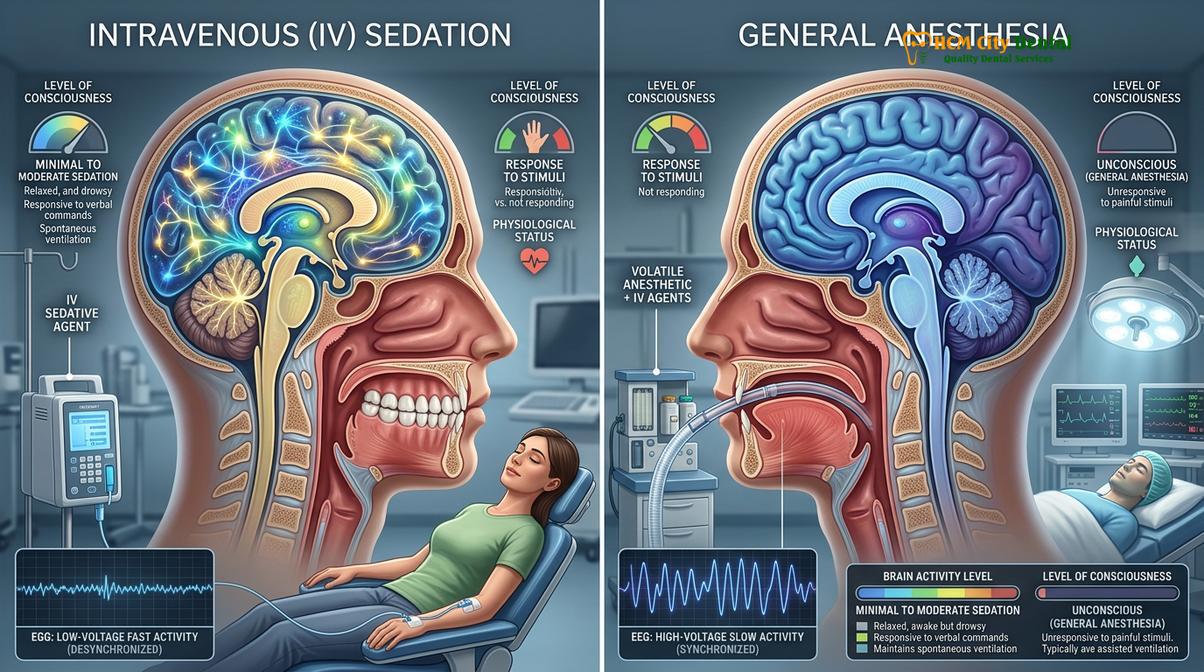
Pharmacologically, IV sedation typically relies on a combination of benzodiazepines (such as midazolam) and short-acting anesthetics (like propofol), sometimes supplemented with an analgesic. These medications bind to specific receptors in the brain to induce amnesia and tranquility without completely shutting down the brainstem’s core functions [1]. Because the patient is not entirely unconscious, the dental surgeon must also administer local anesthetic injections to block nociceptive (pain) signals at the surgical site. The patient remains comfortable, unaware of the injections, and experiences no pain during the procedure.
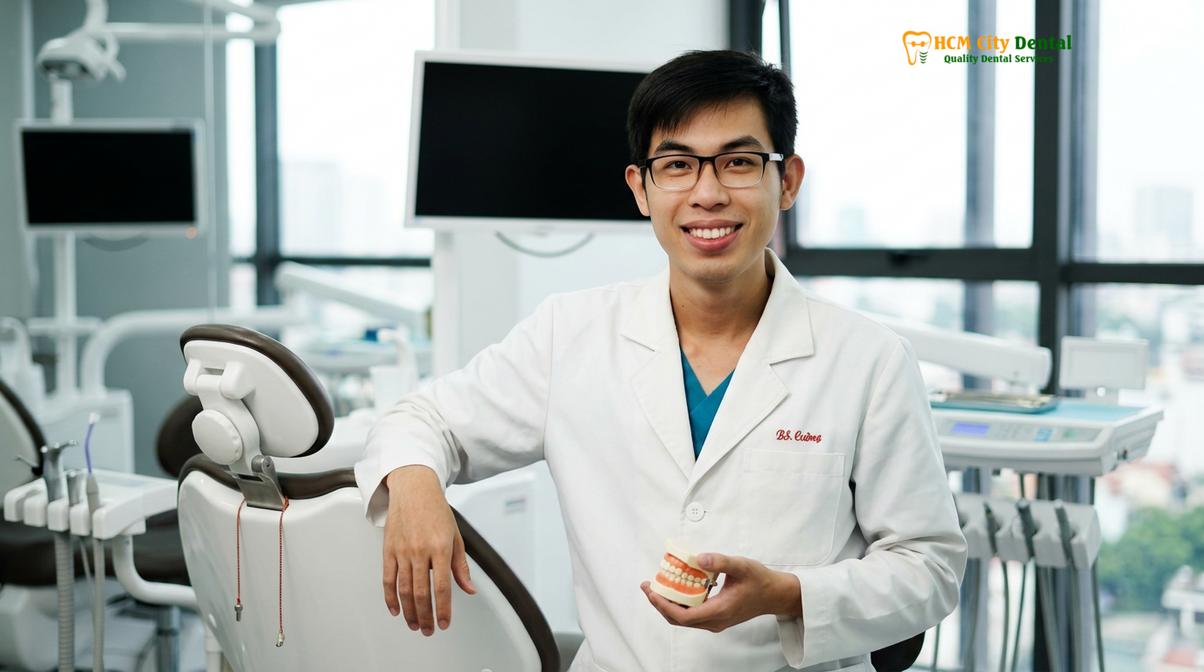
In stark contrast, general anesthesia utilizes a combination of intravenous induction agents and volatile inhaled gases (such as sevoflurane or desflurane) to achieve a state of controlled, reversible unconsciousness. Under general anesthesia, the brain is completely unresponsive to even the most intense surgical stimulation. The patient cannot be aroused, and all memory formation is entirely suppressed. Dr. Nguyen Van Cuong, a leading expert at HCMC Dental Clinic, frequently explains to patients that while general anesthesia provides absolute unawareness, it also temporarily disables the body’s natural autonomic defense mechanisms, thereby requiring a much higher level of continuous medical intervention and physiological support.
“The goal of modern dental anesthesiology is to achieve the maximum level of patient comfort with the minimum necessary alteration of physiological function. Intravenous sedation fulfills this objective perfectly for the majority of outpatient oral surgeries.”
Understanding this distinction is vital for patients exploring dental sedation options. The choice between a conscious vs unconscious dental experience dictates not only the immediate surgical environment but also the preoperative preparation and the postoperative recovery trajectory. For patients with severe phobias, achieving a state where they simply “wake up” when the procedure is over is highly desirable, and IV sedation reliably provides this amnesic effect without crossing the threshold into a medically induced coma.
Airway Management: Natural Breathing vs. Intubation
During IV sedation, your brainstem continues to regulate independent breathing, while general anesthesia paralyzes respiratory muscles, requiring an endotracheal tube or laryngeal mask to maintain oxygenation.
Perhaps the most critical clinical distinction between these two anesthetic approaches is how the patient’s airway and respiratory drive are managed. The human body possesses robust protective reflexes—such as coughing, swallowing, and the gag reflex—that prevent foreign objects and fluids from entering the lungs. Furthermore, the brainstem autonomously regulates the rhythm and depth of breathing based on the body’s oxygen and carbon dioxide levels.
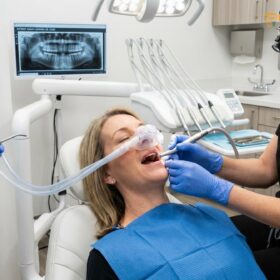
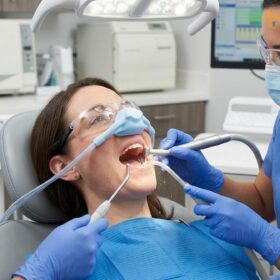
During IV sedation, these vital respiratory functions remain intact. The medications used are carefully dosed to ensure that the respiratory center in the medulla oblongata continues to send signals to the diaphragm and intercostal muscles. The patient breathes room air, sometimes supplemented with a nasal cannula delivering extra oxygen. The dental team continuously monitors the patient’s respiratory efficiency using advanced capnography (which measures exhaled carbon dioxide) and pulse oximetry (which measures blood oxygen saturation) [2]. Because the airway remains self-supported, the risk of respiratory complications is significantly minimized.
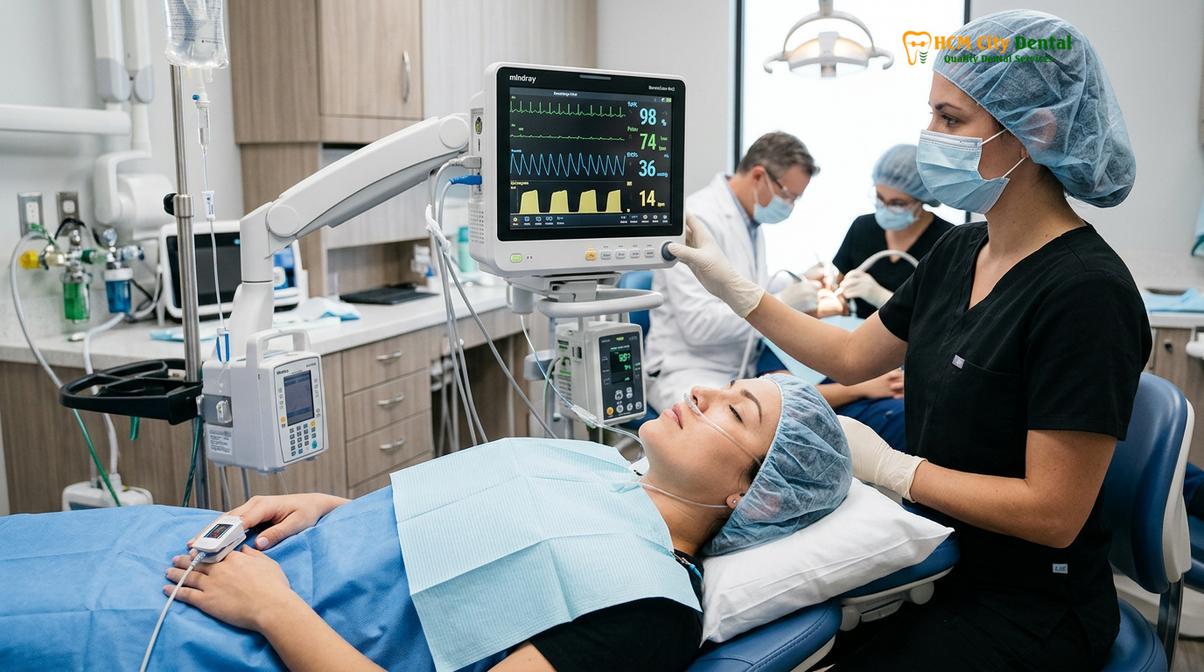
Conversely, the administration of general anesthesia fundamentally alters respiratory mechanics. The deep level of unconsciousness, often combined with neuromuscular blocking agents (muscle relaxants), paralyzes the diaphragm and suppresses all protective airway reflexes. Consequently, the patient cannot breathe on their own. To sustain life, the anesthesiologist must secure the airway by inserting an endotracheal tube directly into the trachea (windpipe) or placing a laryngeal mask airway (LMA) in the throat. This tube is then connected to a mechanical ventilator that physically pumps a precise mixture of oxygen and anesthetic gases into the lungs.
The necessity of intubation during general anesthesia introduces specific postoperative side effects that are absent with IV sedation. Patients frequently wake up from general anesthesia with a severe sore throat, hoarseness, or minor trauma to the vocal cords due to the presence of the breathing tube. In the context of oral surgery, managing an endotracheal tube while simultaneously operating within the oral cavity presents logistical challenges for the surgeon, often requiring specialized nasal intubation techniques. For patients researching oral sedation dentistry protocols, the ability to avoid intubation is frequently cited as a primary reason for selecting intravenous conscious sedation.
Safety Comparison: Evaluating Systemic Risks and Stress
IV sedation generally presents fewer systemic risks and cardiovascular fluctuations than general anesthesia, making it a safer alternative for most routine and moderately complex dental surgeries.
When evaluating sedation vs general anesthesia safety, clinical evidence overwhelmingly supports IV sedation as the lower-risk option for outpatient procedures. Every anesthetic intervention carries some degree of risk, but the magnitude of that risk correlates directly with the depth of central nervous system depression and the degree of physiological intervention required.
Under general anesthesia, the cardiovascular system is subjected to significant stress. The potent medications used to maintain a deep coma can cause profound vasodilation and myocardial depression, leading to sudden drops in blood pressure (hypotension) or fluctuations in heart rate. The anesthesiologist must constantly administer counteracting medications to maintain hemodynamic stability. Furthermore, the complete immobility associated with general anesthesia increases the risk of deep vein thrombosis (DVT) and pulmonary embolism, particularly in longer surgeries. There is also a rare but severe genetic complication known as malignant hyperthermia, which is triggered exclusively by volatile anesthetic gases and depolarizing muscle relaxants used in general anesthesia [3].
Important Clinical Warning: While IV sedation is highly safe, it is contraindicated for patients with severe, uncontrolled systemic diseases, advanced chronic obstructive pulmonary disease (COPD), or severe obstructive sleep apnea. A comprehensive preoperative medical evaluation is mandatory to determine candidacy.
IV sedation, by maintaining the patient’s autonomic functions, avoids many of these systemic extremes. The cardiovascular system remains much more stable, and the risk of catastrophic airway emergencies is drastically reduced because the patient is breathing independently. The medications used in IV sedation, such as midazolam, also have specific reversal agents (like flumazenil) that can be administered instantly to counteract the sedative effects if a patient becomes too deeply sedated. This provides an additional layer of safety that is highly valued in outpatient General Dentistry practices.
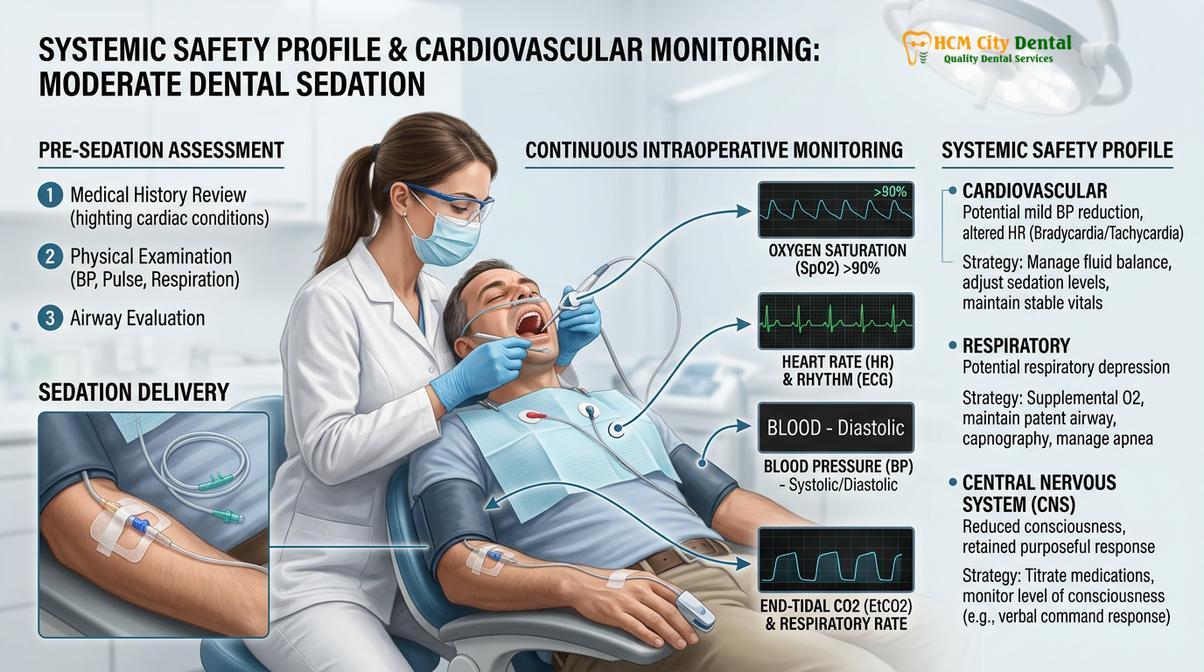
Dr. Cuong emphasizes that safety is not just about the medications, but about the rigorous monitoring protocols in place. At HCMC Dental Clinic in Ho Chi Minh City, the clinical team adheres to strict international standards for patient monitoring during IV sedation, ensuring that vital signs are recorded every five minutes. For patients distinguishing between dental phobia and anxiety, knowing that IV sedation offers a profound level of mental relaxation without the systemic risks of a medically induced coma provides immense psychological relief.
Recovery Time: Getting Back to Normal Fast
Patients recovering from IV sedation typically regain full awareness within an hour and can go home the same day, whereas general anesthesia requires a prolonged, heavily monitored recovery phase.
The postoperative recovery experience is a major determining factor for patients choosing between anesthetic modalities. The pharmacokinetic profiles—how the body absorbs, distributes, metabolizes, and excretes the drugs—differ vastly between IV sedatives and general anesthetic agents.
Following IV sedation, the recovery process is remarkably swift. Once the continuous intravenous infusion is stopped, the short-acting medications are rapidly cleared from the bloodstream by the liver and kidneys. Patients typically begin to regain full awareness within 20 to 30 minutes. While they may feel slightly groggy or lethargic, they are usually able to sit up, converse, and walk with assistance shortly after the procedure concludes. Most patients are safely discharged to the care of a responsible adult within an hour of the surgery’s completion. The amnesic effect often lingers slightly, meaning patients rarely remember the immediate postoperative period, which contributes to an overall positive experience [4].
Clinical Case Example: A 34-year-old patient visited HCMC Dental Clinic in Ho Chi Minh City for the surgical extraction of four impacted wisdom teeth. Opting for IV sedation, the patient slept comfortably through the 45-minute procedure. Within 30 minutes post-surgery, the patient was alert, conversing with the clinical team, and was safely discharged home. The patient reported zero memory of the extractions and experienced no postoperative nausea.
Recovery from general anesthesia is significantly more complex and prolonged. The volatile gases used to maintain unconsciousness are stored in the body’s fat tissues and take much longer to be fully eliminated. Patients wake up in a specialized Post-Anesthesia Care Unit (PACU) where they must be closely monitored for respiratory depression, cardiovascular instability, and airway patency. The “hangover” effect of general anesthesia is notorious; patients frequently experience profound grogginess, confusion, shivering, and severe postoperative nausea and vomiting (PONV) that can last for 24 to 48 hours.
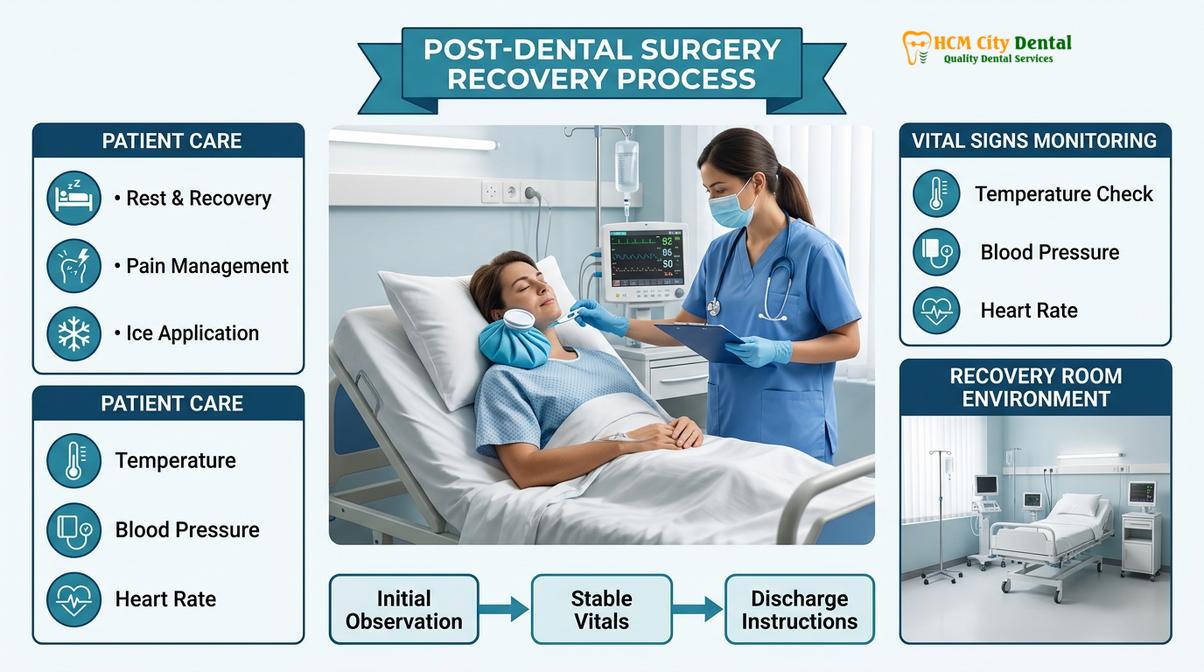
Because of these lingering effects, general anesthesia often requires a longer observation period, and in some cases, an overnight hospital stay. For individuals seeking efficient treatment, especially those exploring strategies to overcome dental fear without disrupting their entire week, the rapid return to baseline function offered by IV sedation is a distinct clinical advantage.
Cost Discrepancy: Clinic vs. Hospital Facility Fees
General anesthesia is significantly more expensive because it mandates hospital-grade operating rooms, specialized anesthesiologists, and advanced life-support equipment, unlike IV sedation which is safely administered in-clinic.
The financial implications of choosing between IV sedation and general anesthesia are substantial and often play a pivotal role in the patient’s decision-making process. The cost disparity is not merely a reflection of the medications used, but rather the extensive infrastructure, personnel, and regulatory requirements associated with each modality.
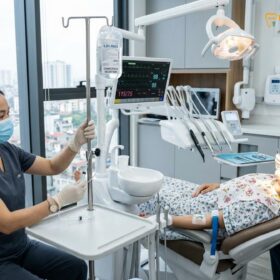
IV sedation is designed to be safely administered in an appropriately equipped outpatient dental clinic. The fees associated with IV sedation typically cover the cost of the sedative medications, the specialized monitoring equipment, and the time of the certified dental professional administering the sedation. Because it does not require a hospital admission or the use of a major operating theater, the overhead costs are kept relatively low. This makes it an highly accessible option for patients requiring complex care, and it is a frequent dental tourist anesthesia choice for international patients seeking high-quality, cost-effective treatment in Vietnam.
General anesthesia, by its very nature, requires a much higher level of medical infrastructure. In most jurisdictions, general anesthesia for dental procedures must be performed in a hospital setting or a highly specialized ambulatory surgery center. The costs accumulate rapidly across several domains:
| Cost Component | IV Sedation (Conscious) | General Anesthesia (Unconscious) |
|---|---|---|
| Facility Fees | Standard dental clinic overhead (Low) | Hospital operating room fees (Very High) |
| Personnel | Certified sedation dentist & trained nursing staff | Dedicated medical anesthesiologist & surgical team |
| Equipment | Standard vital monitors, oxygen, emergency kit | Mechanical ventilators, intubation gear, advanced life support |
| Recovery | Brief in-clinic observation (Included) | PACU hourly rates, potential overnight stay |
When factoring in the anesthesiologist’s hourly rate, the hospital facility fee, and the specialized equipment, general anesthesia can easily cost several times more than the dental procedure itself. For patients evaluating your dental anxiety scale, it is important to recognize that IV sedation provides a profound level of comfort that mimics sleep, achieving the desired psychological result without incurring the exorbitant costs of a hospital-based general anesthetic.
Anesthesia Decision Matrix: How to Choose the Right Option
Selecting the appropriate anesthesia depends on the surgical complexity, patient anxiety levels, medical history, and the specific anatomical challenges of the dental procedure.
Determining the optimal anesthetic approach requires a comprehensive clinical assessment. There is no universal solution; the decision must be highly individualized based on a matrix of surgical, medical, and psychological factors. The goal is always to utilize the least invasive method that safely achieves the necessary level of patient comfort and surgical optimal conditions [5].
The decision matrix begins with an evaluation of the patient’s medical history using the American Society of Anesthesiologists (ASA) Physical Status Classification System. Healthy patients (ASA I) or those with mild systemic disease (ASA II) are generally excellent candidates for in-office IV sedation. Patients with severe, uncontrolled systemic diseases (ASA III or IV) may require the advanced medical support of a hospital setting, making general anesthesia a safer necessity despite its inherent risks.
The complexity and duration of the surgical procedure also dictate the choice. Routine extractions, single or multiple dental implant placements, bone grafting, and periodontal surgeries are routinely and comfortably performed under IV sedation. The amnesic properties ensure the patient has no negative memories of the sounds or vibrations associated with these procedures. However, for extremely complex maxillofacial surgeries—such as orthognathic (jaw) reconstruction, severe facial trauma repair, or the extraction of deeply impacted teeth in patients with severe anatomical anomalies—general anesthesia may be required to ensure absolute immobility and secure airway management.
“Clinical decision-making in dental anesthesiology must prioritize patient safety above all else. A thorough preoperative assessment is the cornerstone of preventing complications and ensuring a smooth, predictable recovery.”
Psychological factors are equally important. For patients with profound, debilitating dental phobia, cognitive disabilities, or severe movement disorders that prevent them from remaining still, the deep unconsciousness of general anesthesia might be the only viable pathway to receiving necessary dental care. However, for the vast majority of patients seeking managing dental anxiety in younger patients or adults, IV sedation provides an ideal balance of profound relaxation, safety, and rapid recovery.
When to Consult a Dental Anesthesia Specialist
If you are planning a complex dental procedure or suffer from significant dental anxiety, it is imperative to schedule a formal consultation with a qualified dental professional to discuss your anesthesia options. Do not attempt to self-diagnose your anesthetic needs based solely on online research.
You should seek a professional clinical evaluation if you:
- Have a history of adverse reactions to anesthesia or sedation in the past.
- Suffer from chronic medical conditions such as hypertension, diabetes, asthma, or obstructive sleep apnea.
- Take multiple prescription medications, particularly blood thinners, central nervous system depressants, or cardiovascular drugs.
- Experience severe dental phobia that has prevented you from seeking necessary oral healthcare.
- Are scheduled for extensive oral surgery, such as full-mouth reconstruction or multiple wisdom teeth extractions.
During your consultation, the clinical team will review your complete medical history, perform a physical airway assessment, and discuss the risks and benefits of each modality. Based on clinical diagnostics, they will recommend the safest and most effective approach tailored to your specific physiological profile.
Frequently Asked Questions
Is IV sedation safer than general anesthesia for dental work?
Yes, IV sedation is generally considered safer than general anesthesia for most dental procedures because it carries fewer systemic risks and allows patients to breathe independently. However, safety always depends on a thorough preoperative medical evaluation and the presence of a qualified anesthesia provider. By avoiding the deep physiological depression and mechanical ventilation required for general anesthesia, IV sedation minimizes cardiovascular stress and drastically reduces the risk of severe postoperative complications.
Do you breathe on your own during IV sedation?
Yes, during IV sedation, your brainstem remains active enough to maintain your natural respiratory drive, allowing you to breathe entirely on your own. In contrast, general anesthesia paralyzes the respiratory muscles, necessitating the use of a mechanical ventilator and breathing tube. The dental team continuously monitors your independent breathing during IV sedation using advanced pulse oximetry and capnography to ensure optimal oxygenation throughout the procedure.
Will I feel pain with IV sedation vs general anesthesia?
You will not feel pain with either method, but the mechanism differs. General anesthesia completely shuts down the brain’s pain receptors, while IV sedation relies on deep relaxation combined with localized numbing injections administered by the dentist to block pain at the surgical site. Because IV sedation induces profound amnesia, you will not remember the administration of the local anesthetic, nor will you have any memory of the surgical intervention itself.
Why is general anesthesia so much more expensive?
General anesthesia is significantly more expensive because it requires a hospital-grade operating room, specialized life-support ventilators, and the continuous presence of a dedicated medical anesthesiologist. IV sedation can typically be administered safely in a standard, properly equipped dental clinic. The elimination of hospital facility fees and the streamlined personnel requirements make IV sedation a highly cost-effective solution for complex dental care.
Which option is best for extracting 4 wisdom teeth?
For most healthy patients, IV sedation is the optimal choice for extracting four wisdom teeth, as it provides profound comfort, amnesia of the procedure, and a rapid recovery. General anesthesia is usually reserved for highly complex impactions or patients with severe medical or anatomical complications. IV sedation allows the oral surgeon to work efficiently while ensuring the patient wakes up quickly, usually able to return home the very same day with minimal grogginess.
References
- Journal of Oral and Maxillofacial Surgery. Patient safety in dental sedation and anesthesia. (2021).
- International Journal of Oral and Maxillofacial Surgery. Intravenous conscious sedation protocols for complex oral surgery. (2020).
- British Dental Journal. Nitrous oxide inhalation sedation in dentistry: a review of safety. (2019).
- Journal of the American Dental Association. Patient satisfaction and anxiety levels under conscious sedation. (2022).
- Clinical Oral Investigations. Safety and recovery profiles of conscious sedation vs general anesthesia. (2018).
For pricing, booking, and a free clinical assessment, visit our Sedation Dentistry service page at HCMC Dental Clinic in Ho Chi Minh City.