Yes, comprehensive travel insurance typically covers a dental emergency in Vietnam, provided the treatment is strictly for immediate pain relief, infection control, or trauma stabilization. Elective procedures, cosmetic restorations, and treatments for pre-existing conditions are universally excluded from these policies.
Clinical Summary:
Navigating a travel insurance dental emergency in Vietnam requires a clear understanding of clinical definitions and strict documentation protocols. Travel insurance policies are designed to cover acute, unforeseen dental crises—such as avulsed teeth, severe maxillofacial trauma, or acute periapical abscesses—that demand immediate intervention to prevent systemic infection or alleviate unbearable pain. They do not function as comprehensive dental plans. Therefore, definitive treatments like permanent zirconia crowns or elective root canal therapies are often excluded, with coverage limited to palliative stabilization (e.g., pulpectomy, temporary restorations, antibiotic therapy). Successfully claiming reimbursement necessitates meticulous clinical evidence, including pre-operative and post-operative radiographs, detailed SOAP (Subjective, Objective, Assessment, Plan) notes, and itemized billing utilizing recognized diagnostic codes. Partnering with an internationally oriented clinic ensures that the medical narrative aligns with the stringent evidentiary requirements of global insurance underwriters.
Key Takeaways:
- Travel policies cover acute stabilization (pain relief, infection control) but exclude definitive or cosmetic restorations.
- Pre-operative and post-operative radiographs are mandatory clinical evidence for successful reimbursement.
- Patients must typically pay upfront in Vietnam and submit an itemized claim upon returning home.
- Pre-existing conditions, such as chronic untreated decay, are frequently grounds for claim denial.
- Choosing a clinic experienced with international patients ensures documentation meets global underwriting standards.
Does Travel Insurance Cover Dental Emergencies?
Most travel insurance policies cover emergency dental care required for immediate pain relief or infection control, but strictly exclude routine, cosmetic, or pre-existing conditions.
When traveling abroad, experiencing sudden oral pain or maxillofacial trauma can be highly distressing. Understanding the precise scope of your travel insurance policy is critical before seeking acute dental trauma management. From a clinical and underwriting perspective, a travel insurance policy is fundamentally different from a standard domestic dental insurance plan. Travel insurance is designed exclusively to mitigate acute, unforeseen medical crises that threaten your health or ability to continue your journey[1].
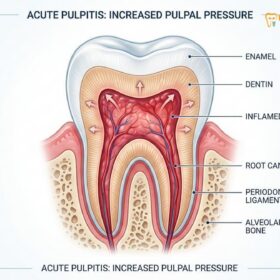
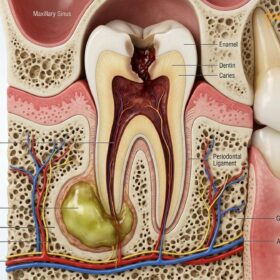
In the context of dentistry, an “emergency” is clinically defined as a condition requiring immediate intervention to stop bleeding, alleviate severe pain, or manage an acute infection that could lead to systemic complications. Covered scenarios typically include acute irreversible pulpitis (severe nerve inflammation), periapical abscesses causing facial swelling, and traumatic injuries such as luxation (displacement) or avulsion (knocked-out tooth) resulting from accidents[2]. If you suffer maxillofacial trauma from accidents, the immediate stabilization of the dentition and surrounding soft tissues is almost always covered under the emergency medical provisions of your policy.
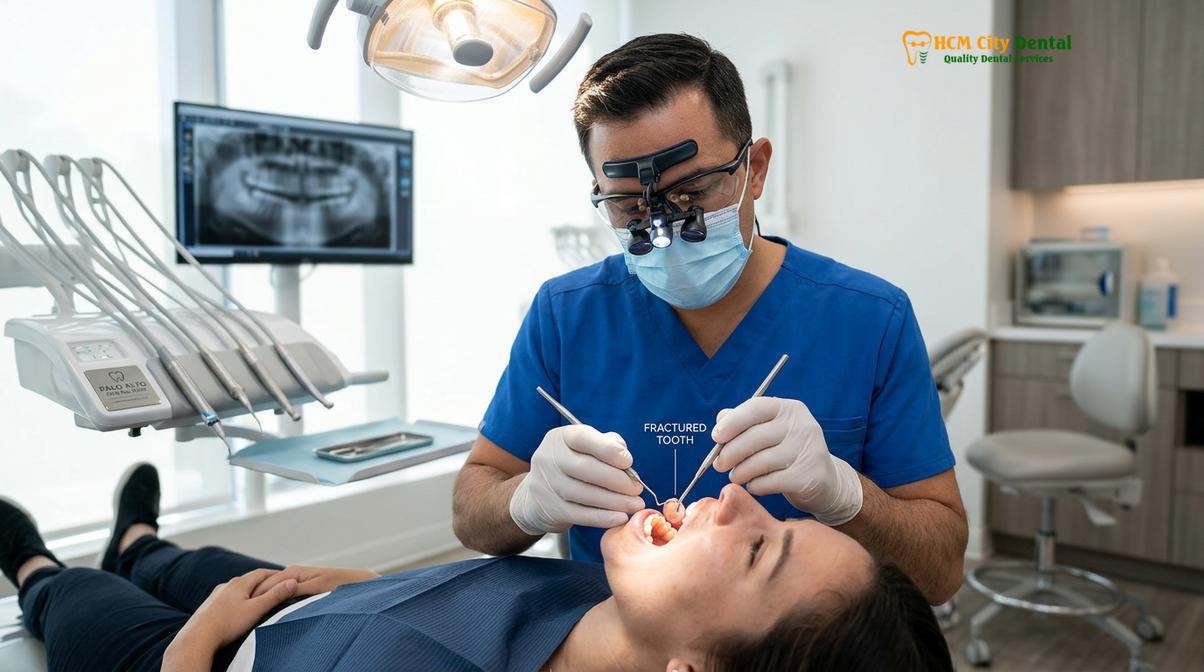
However, insurers apply a strict “stabilization only” clause. This means the policy will cover the immediate steps necessary to get you out of pain and prevent the condition from worsening, but it will not cover the definitive, long-term restoration. For example, if you fracture a molar, the insurer will cover the emergency examination, radiographs, and the placement of a temporary sedative filling. They will generally not cover the cost of a permanent ceramic crown, as that is considered definitive care that can be completed once you return to your home country. Understanding this distinction is vital when utilizing your travel insurance tooth coverage.
Emergency Dental vs Cosmetic Treatment in Vietnam
Insurers strictly differentiate between medically necessary emergency stabilization, which is covered, and elective cosmetic procedures, which are universally excluded.
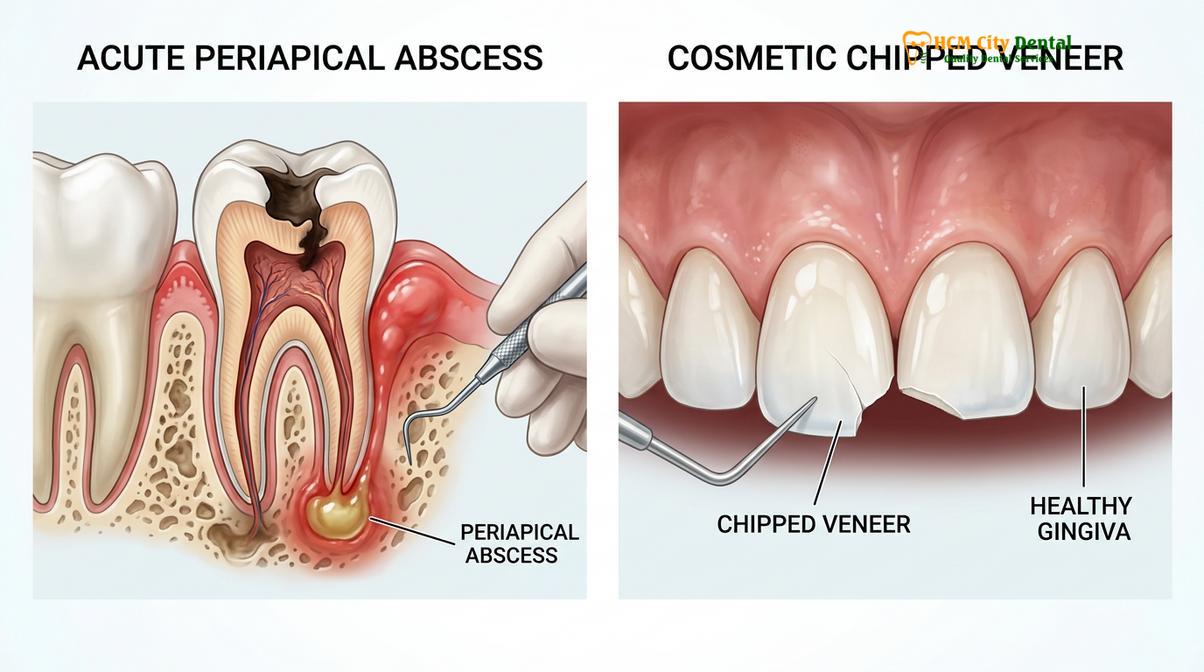
The boundary between an emergency procedure and a cosmetic treatment is the most common point of contention in a dental insurance claim abroad. Insurance adjusters rely on clinical evidence to determine the medical necessity of the intervention. A procedure is deemed an emergency if the structural integrity of the tooth is compromised in a way that exposes the dental pulp (nerve) or creates a high risk of immediate infection[3].
Conversely, cosmetic treatments are elective procedures aimed at improving the aesthetic appearance of the dentition without addressing an acute pathology. If a patient chips a small portion of enamel on a front veneer while eating, and there is no dentin exposure or pain, this is classified as an aesthetic failure, not a medical emergency. Consequently, the insurer will deny the claim. Even if the patient feels the aesthetic compromise ruins their vacation photos, clinical underwriting protocols do not recognize aesthetic distress as a medical emergency.
| Clinical Scenario | Classification | Insurance Coverage Probability | Typical Treatment Rendered |
|---|---|---|---|
| Acute Periapical Abscess with Swelling | Emergency | High (Covered) | Incision & Drainage, Pulpectomy, Antibiotics |
| Class IV Crown Fracture exposing Pulp | Emergency | High (Covered) | Pulp capping, Temporary composite splinting |
| Chipped Porcelain Veneer (No pain) | Cosmetic | Zero (Excluded) | Elective veneer replacement |
| Lost Filling with Mild Sensitivity | Urgent / Non-Emergency | Low to Moderate | Temporary Zinc Oxide Eugenol (ZOE) filling |
| Routine Prophylaxis (Teeth Cleaning) | Preventative | Zero (Excluded) | Scaling and Root Planing |
When seeking care, it is crucial that the treating dentist accurately documents the pathology. If a patient presents with a stabilizing mobile teeth scenario due to trauma, the clinical notes must explicitly detail the mobility grade and the traumatic etiology to satisfy the insurer’s criteria for emergency dental coverage.
Essential Documents Needed for a Insurance Claim
A successful claim requires comprehensive clinical evidence, including pre- and post-operative radiographs, itemized invoices, and a formal diagnostic report.
The success of an insurance claim dental vietnam relies entirely on the quality and comprehensiveness of the clinical documentation provided by the treating facility. Insurance adjusters are not present in the operatory; they rely solely on objective data to verify that the treatment met the policy’s definition of an emergency. Failing to secure these documents before leaving the clinic is the primary reason valid claims are denied.
First and foremost, radiographic evidence is non-negotiable. The clinic must provide pre-operative X-rays (typically Periapical or Panoramic views) that clearly demonstrate the acute pathology, such as a radiolucency indicating an infection or a visible fracture line. Post-operative X-rays are equally important to prove that the billed intervention was actually performed[4].
Secondly, a formal Medical Report or Clinical Narrative is required. This document must include the patient’s chief complaint, the clinical findings during the examination, the definitive diagnosis, and the treatment rendered. The diagnosis should ideally be mapped to recognized international standards, such as the International Classification of Diseases (ICD-10) or standard dental terminology.
“In international dental traumatology, the narrative is just as critical as the radiograph. We must explicitly document that the intervention was a palliative necessity to prevent systemic spread or irreversible nerve necrosis, thereby satisfying the strict underwriting criteria of global travel policies.”
— Dr. Nguyen Van Cuong, Clinical Director
Finally, an itemized invoice is mandatory. A generic receipt stating “Dental Treatment – $500” will be immediately rejected. The invoice must break down the cost of the consultation, the radiographs, the anesthesia, and the specific procedure (e.g., “Emergency Pulpectomy, Tooth #36”). It must also bear the official stamp of the clinic and the signature of the treating dentist.
Step-by-Step Guide to Filing Your Claim
Filing a successful claim involves notifying your provider immediately, paying upfront for stabilization, and submitting detailed clinical records upon returning home.
Navigating the claims process requires a systematic approach to ensure all procedural requirements set by your insurance provider are met. The workflow begins the moment the dental emergency occurs.
Step 1: Immediate Notification and Triage. Before sitting in the dental chair, contact your travel insurance provider’s 24/7 emergency assistance hotline. While they rarely offer direct billing for dental care, notifying them establishes a record of the incident. They may also provide a list of approved medical facilities or issue a preliminary case number, which streamlines the claims process later.
Step 2: Clinical Assessment and Stabilization. Proceed to a reputable dental clinic for immediate care. Inform the dentist that you will be filing a travel insurance claim. This alerts the clinical team to prioritize thorough documentation, including taking necessary intraoral photographs and pre-operative radiographs before any drilling or extraction begins.
Clinical Warning on Pre-Existing Conditions: Travel insurance will not cover emergencies arising from neglected, pre-existing dental issues. If a radiograph reveals massive, chronic decay that has clearly been present for months, the insurer will likely classify the resulting abscess as a pre-existing condition and deny the claim. Coverage is intended for sudden, unpredictable events.
Step 3: Payment and Document Collection. In almost all cases in Vietnam, you will be required to pay for the treatment out-of-pocket at the time of service. Before leaving the clinic, ensure you have physical and digital copies of the itemized invoice, the medical report signed by the dentist, and all digital X-rays (usually sent via email in JPEG or DICOM format).
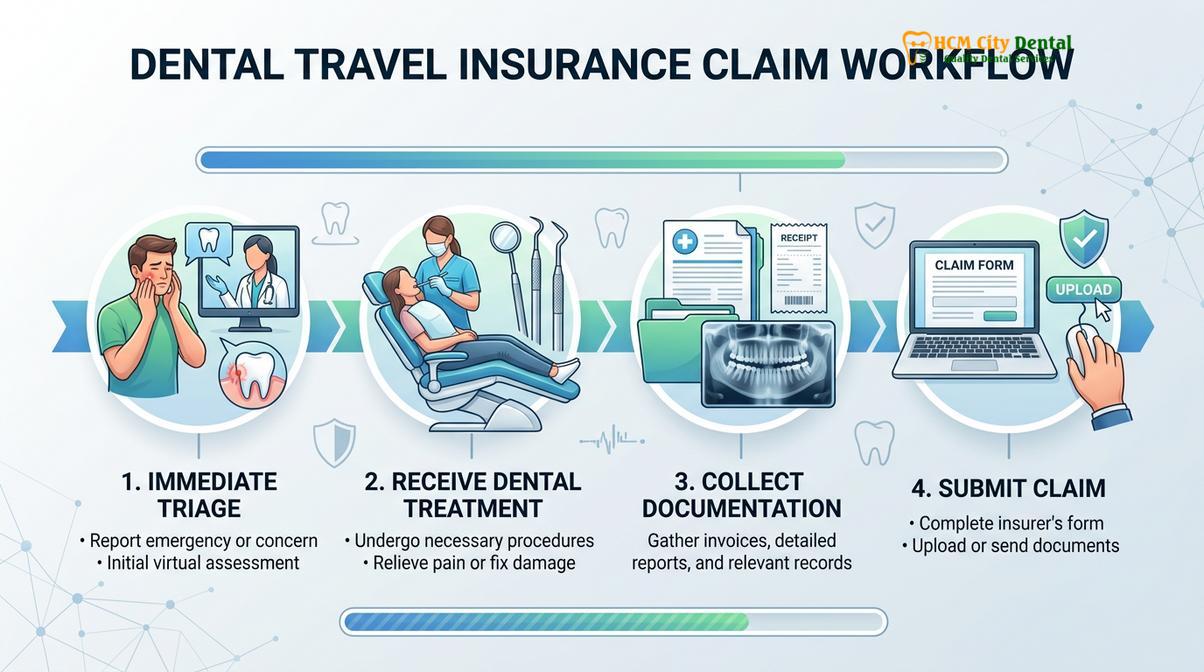
Step 4: Claim Submission. Upon returning to your home country, or while still traveling if you have access to a secure portal, submit the claim form along with all collected clinical evidence. Ensure that the narrative clearly emphasizes the acute, unforeseen nature of the emergency, such as identifying emergency toothaches that required immediate palliative intervention.
What to Do If Your Claim is Denied
If your claim is rejected, you can appeal by providing supplementary clinical narratives, clearer radiographs, or proof that the condition was not pre-existing.
Receiving a denial letter from your travel insurance provider can be frustrating, but it is rarely the final word. Denials usually occur due to administrative technicalities, insufficient clinical evidence, or a misclassification of the procedure by the claims adjuster. Understanding the exact reason for the denial is the first step in mounting a successful appeal.
If the claim is denied on the grounds that the treatment was “routine” or “cosmetic,” you must obtain a Letter of Medical Necessity from the treating dentist. This letter should provide a deeper clinical explanation of why the procedure was mandatory. For instance, if a temporary crown was placed, the dentist must explain that it was required to seal exposed dentinal tubules and prevent acute pulpitis, rather than for aesthetic purposes.
Clinical Case Review: Successful Claim Appeal
An international tourist visiting HCMC Dental Clinic in Ho Chi Minh City presented with severe pain following a molar fracture while eating. The initial claim for an emergency pulpotomy and temporary restoration was denied by the insurer, citing “pre-existing structural weakness.” The clinic’s administration assisted the patient by providing a supplementary narrative and magnified digital radiographs proving the fracture was acute and unrelated to prior decay. Following the submission of this targeted clinical evidence, the insurer reversed the decision and fully reimbursed the patient.
If the denial is based on a “pre-existing condition” clause, you may need to contact your regular dentist in your home country. Providing your home dental records showing that the tooth was healthy and asymptomatic during your last routine check-up can definitively prove to the travel insurer that the emergency was a sudden, unforeseen event[5].
Choosing a Clinic That Assists with Paperwork
Selecting a clinic experienced with international patients ensures you receive properly translated, globally recognized clinical documentation for your insurer.
The administrative competence of the dental clinic you choose is just as important as their clinical expertise when it comes to securing insurance reimbursement. Many local clinics provide excellent clinical care but lack the administrative infrastructure to produce the specific documentation required by international underwriters. A handwritten receipt in Vietnamese without diagnostic codes will almost certainly result in a denied claim.
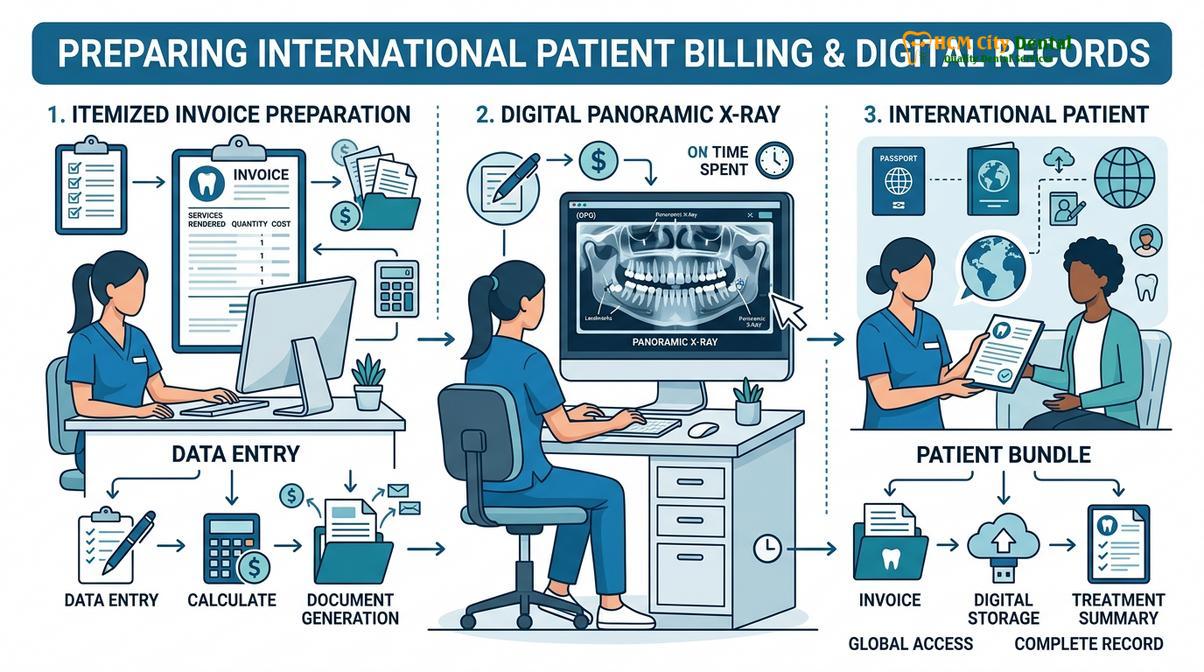
When selecting a facility, prioritize clinics that explicitly state their experience in treating expatriates and international tourists. These clinics understand the nuances of global insurance policies. They utilize digital radiography, maintain electronic health records, and can generate itemized invoices and medical reports in fluent English. Furthermore, they are familiar with international dental numbering systems (such as the FDI World Dental Federation notation or the Universal Numbering System), which prevents confusion during the claims adjustment process.
“Our protocol for international emergency patients involves a dual-focus approach: immediate clinical stabilization of the acute pathology, followed by the meticulous compilation of a comprehensive, English-language medical dossier designed specifically to withstand the scrutiny of international insurance adjusters.”
— Dr. Nguyen Van Cuong, HCMC Dental Clinic
By choosing a globally oriented practice, you ensure that the administrative burden of your dental emergency is minimized, allowing you to focus on recovery and the remainder of your travels.
When to Seek Immediate Emergency Dental Care
While understanding insurance protocols is important, recognizing the clinical red flags that necessitate immediate medical intervention is paramount for your safety. Delaying care for certain dental pathologies can lead to severe, life-threatening systemic complications.
You must seek immediate emergency dental care if you experience any of the following symptoms:
- Rapidly Spreading Facial Swelling: Swelling that extends towards the eye, down the neck, or under the jaw indicates a severe spreading infection (cellulitis). This can rapidly compromise the airway (Ludwig’s angina) and requires immediate emergency intervention. For more information, review our facial swelling and tooth infection clinical guide.
- Uncontrolled Oral Bleeding: Bleeding from the gums or a recent extraction site that does not stop after 20 minutes of firm, continuous pressure requires clinical hemostatic management.
- Severe Maxillofacial Trauma: Any impact that results in avulsed (knocked-out) teeth, suspected jaw fractures, or deep lacerations to the lips and oral mucosa.
- Intractable Pain: Throbbing, severe pain that is unresponsive to maximum doses of over-the-counter analgesics, often indicative of acute irreversible pulpitis or alveolar osteitis management needs.
- Difficulty Swallowing or Breathing: Dysphagia (difficulty swallowing) or dyspnea (difficulty breathing) associated with dental pain is an absolute medical emergency requiring immediate hospital-level care.

If you are experiencing a dental emergency while traveling, prompt clinical assessment is vital. Contact HCMC Dental Clinic in Ho Chi Minh City for immediate triage, expert stabilization, and comprehensive assistance with your travel insurance documentation.
Frequently Asked Questions
Will my travel insurance pay for a dentist in Vietnam?
Yes, most comprehensive travel insurance policies will pay for emergency dental treatment in Vietnam that is required for immediate pain relief or infection control. However, you typically must pay the clinic upfront and submit a reimbursement claim with itemized clinical receipts and radiographs upon returning home. Coverage is strictly limited to acute emergencies and excludes routine or cosmetic care.
What documents do I need from a Vietnamese dentist for insurance?
You will need a formal medical report detailing the diagnosis, pre-operative and post-operative radiographs (X-rays), and a fully itemized invoice. The invoice must break down the specific procedures performed, ideally using internationally recognized dental codes, along with the treating dentist’s signature and clinic stamp to satisfy the insurer’s evidentiary requirements.
Does Allianz or World Nomads cover emergency dental in Vietnam?
Yes, major providers like Allianz and World Nomads generally include emergency dental coverage in their comprehensive travel policies. This coverage is strictly limited to acute, unforeseen emergencies such as trauma or severe infection, and explicitly excludes routine check-ups, elective cosmetic work, or pre-existing conditions that were symptomatic before travel.
Is there direct billing for dental in HCMC?
Direct billing for travel insurance is extremely rare for dental emergencies in Ho Chi Minh City. Because travel policies require claims assessment to verify the emergency nature of the treatment, patients are almost always required to pay out-of-pocket first and seek reimbursement later. Comprehensive expat health insurance plans may offer direct billing, but standard travel policies usually do not.
How much dental coverage does travel insurance typically provide?
Travel insurance typically provides a strict sub-limit for emergency dental care, usually ranging from $300 to $1,000 USD, depending on your specific policy tier. This limit is designed solely to cover the cost of stabilizing the emergency and alleviating acute pain until you can return to your home country for definitive restorative treatment.
References
- Journal of International Dental and Medical Research. Management of Dental Emergencies in Traveling Populations. (2021).
- American Dental Association (ADA). Guidelines on Emergency Dental Care and Insurance Coding. (2020).
- International Association of Dental Traumatology (IADT). Guidelines for the Management of Traumatic Dental Injuries. (2020).
- Journal of Endodontics. Diagnostic Protocols for Acute Irreversible Pulpitis and Periapical Abscesses. (2019).
- World Health Organization (WHO). Oral Health Fact Sheet and Emergency Care Protocols. (2022).