Experiencing a dental emergency traveling in Vietnam requires immediate self-triage, pain management, and locating a reputable international clinic. Most urban centers offer high-quality, English-speaking dental care that can stabilize acute infections, trauma, or severe pain, allowing you to safely continue your holiday.
Clinical Summary:
Managing an acute dental crisis while abroad involves a systematic approach to triage, stabilization, and documentation. Clinical emergencies such as irreversible pulpitis, periapical abscesses, or traumatic avulsions require prompt intervention to prevent systemic infection and preserve dentition. Vietnam’s major cities are equipped with advanced dental facilities capable of providing immediate palliative care, including endodontic access, incision and drainage, and temporary restorations. By understanding local healthcare infrastructure, adhering to strict infection control standards, and securing proper clinical documentation, patients can effectively resolve acute pain and fulfill travel insurance requirements without prematurely terminating their itinerary.
Key Takeaways:
- Immediate self-triage is critical; distinguish between mild sensitivity and severe, throbbing pain indicating infection.
- Avulsed (knocked-out) teeth have a strict 30-to-60-minute window for successful reimplantation.
- International-standard clinics in Vietnam offer English-speaking staff and advanced CBCT diagnostics.
- Travel insurance requires itemized receipts, clinical reports, and pre/post-operative X-rays for reimbursement.
- Most emergencies can be stabilized in a single visit, allowing travelers to safely resume their vacation.
Preparing for the Unexpected: Dental Crisis on Holiday
A dental crisis on holiday demands swift action; understanding the physiological triggers and local healthcare infrastructure ensures you receive prompt, safe, and effective clinical intervention.
Traveling exposes the body to various environmental changes that can exacerbate underlying, previously asymptomatic dental conditions. A sudden dental crisis travel vietnam scenario is often triggered by factors unique to transit and tourism. For instance, the phenomenon known as barodontalgia occurs when changes in ambient pressure during commercial flights or scuba diving cause expansion of trapped gases within a compromised tooth, leading to excruciating pain [1]. Furthermore, dietary changes, such as increased consumption of acidic tropical fruits or hard local delicacies, can fracture weakened restorations or irritate exposed dentin.
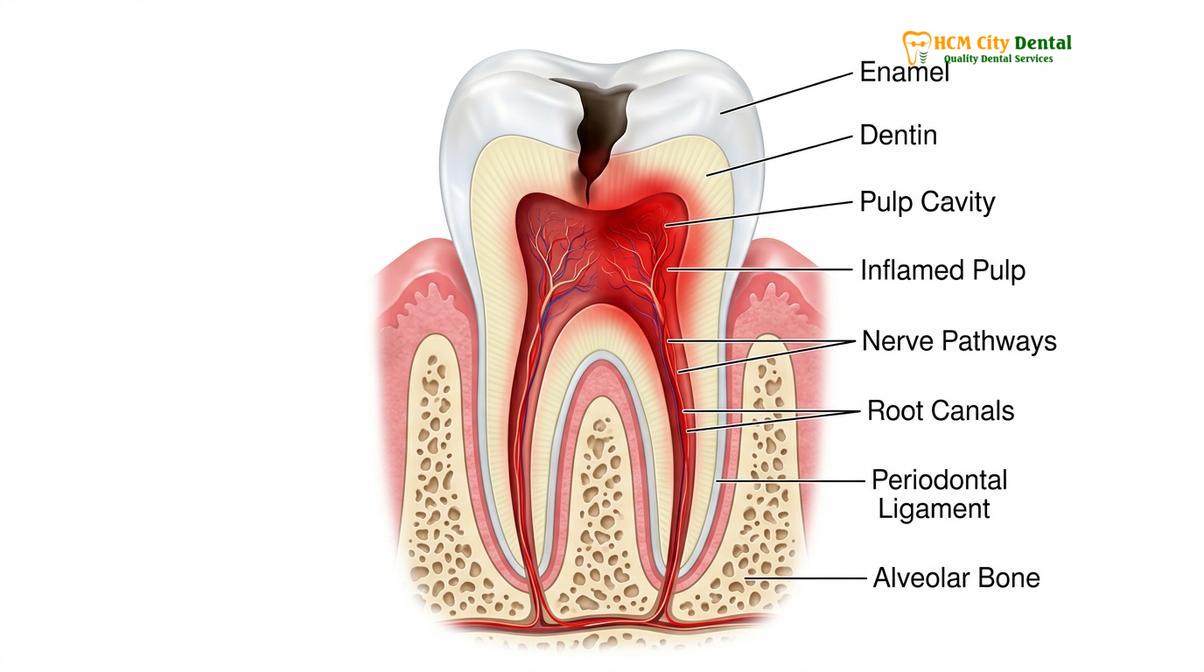
Understanding the clinical nature of dental pain is the first step in preparation. Dental pain is rarely idiopathic; it is usually a symptom of structural damage or bacterial invasion. The pulp of the tooth, encased in rigid dentin and enamel, cannot expand when inflamed. This lack of compliance means that any inflammatory exudate rapidly increases intrapulpal pressure, compressing nerve fibers and resulting in the severe, throbbing pain characteristic of acute pulpitis [2]. Recognizing that this pain indicates a physical pathology—rather than a temporary discomfort—is crucial for seeking timely care.
Before embarking on an international journey, a comprehensive dental examination is highly recommended to identify and treat carious lesions, defective margins, or asymptomatic apical periodontitis. However, when an emergency strikes despite preparation, knowing how to navigate the local healthcare system becomes paramount. Vietnam’s major urban centers boast a robust network of private dental facilities, many of which cater specifically to expatriates and tourists, offering a standard of care commensurate with Western nations.
Step 1: Immediate Self-Triage and Pain Control
Proper self-triage involves identifying red-flag symptoms like facial swelling or avulsed teeth, followed by immediate stabilization using over-the-counter analgesics and cold compresses.
When faced with a tooth problem on holiday, the immediate priority is clinical self-triage to determine the urgency of the situation. Not all dental discomfort requires a midnight visit to an emergency room. Differentiating between a manageable issue and a true clinical emergency dictates the appropriate response timeline.
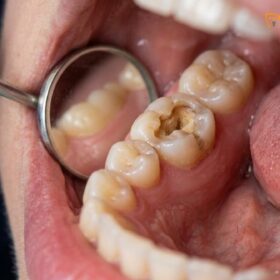
Reversible vs. Irreversible Pulpitis: Mild, transient sensitivity to cold or sweet stimuli that dissipates within seconds of removal is typically reversible pulpitis, often caused by a lost filling or minor decay. This can usually wait 24 to 48 hours for a scheduled appointment. Conversely, spontaneous, lingering, throbbing pain that awakens you from sleep or radiates to the ear and jaw indicates irreversible pulpitis or pulpal necrosis [3]. This requires urgent endodontic intervention (root canal therapy) or extraction to alleviate the acute pressure and prevent the spread of infection.
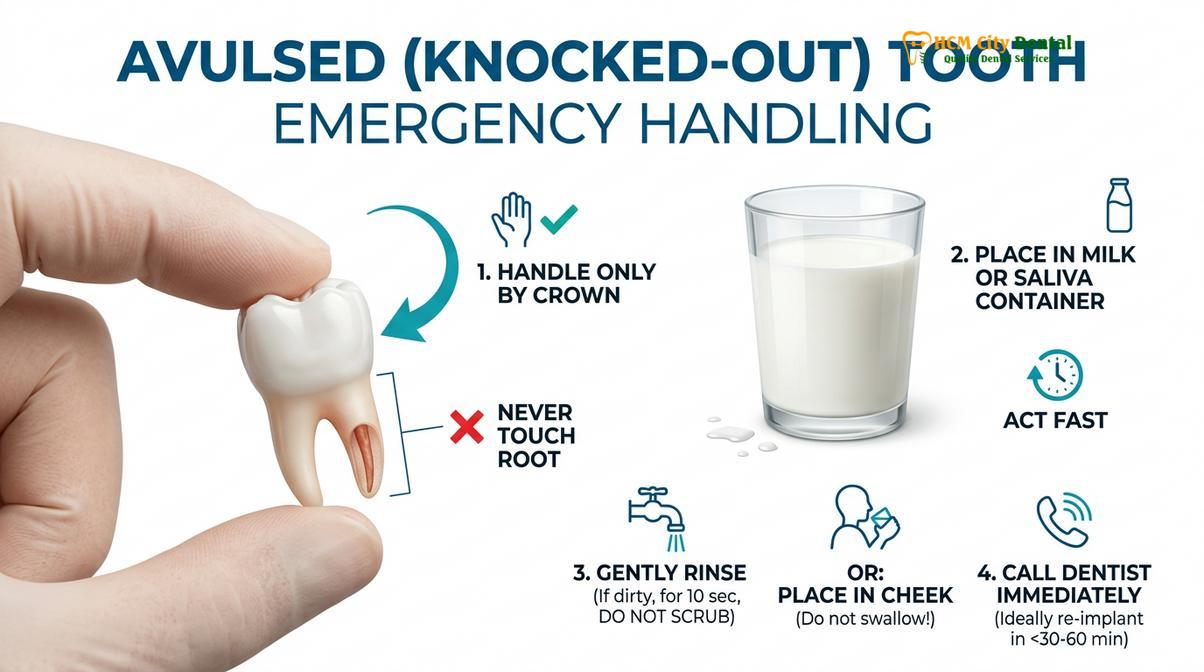
Traumatic Injuries: Dental trauma requires the most time-sensitive response. If a tooth is completely knocked out (avulsed), the periodontal ligament cells attached to the root begin to die immediately. You have a critical 30-to-60-minute window to maximize the prognosis for reimplantation [4]. Handle the tooth only by the crown, rinse it gently with saline or milk (do not scrub the root), and attempt to reimplant it into the socket. If reimplantation is impossible, store the tooth in a physiological medium like Hank’s Balanced Salt Solution, cold milk, or inside the cheek (saliva) while rushing to a clinic.
Clinical Warning: Never place aspirin or other caustic pain relievers directly against the gums or the aching tooth. This will not alleviate the pulpal pain and will cause a severe chemical burn to the mucosal tissue. Always swallow analgesics as directed.
For immediate pharmacological pain control, a combination of NSAIDs (Non-Steroidal Anti-Inflammatory Drugs) like Ibuprofen and Acetaminophen (Paracetamol) often provides superior analgesia for dental pain compared to either drug alone, provided there are no medical contraindications. Cold compresses applied externally to the face can help reduce localized swelling and numb the area. It is vital to understand clinical red flags that indicate a spreading infection, which necessitates immediate professional care.
Step 2: Finding a Reputable International Clinic
Selecting a qualified provider involves verifying international sterilization standards, English proficiency, and the availability of advanced diagnostic imaging like CBCT scanners.
Navigating the healthcare landscape in a foreign country can be daunting, particularly when in pain. In Vietnam, the quality of dental care ranges from basic local storefronts to state-of-the-art international centers. When seeking emergency care, prioritizing clinics that adhere to global standards is non-negotiable for patient safety and treatment efficacy.
A reputable international clinic will prominently feature its sterilization protocols. Look for facilities that utilize Class B autoclaves, which use fractionated pre-vacuum technology to ensure the complete sterilization of hollow and porous instruments [5]. Furthermore, the availability of advanced diagnostic equipment, such as Cone Beam Computed Tomography (CBCT), is a strong indicator of a clinic’s clinical capability. CBCT provides three-dimensional imaging of the maxillofacial region, which is indispensable for accurately diagnosing complex root fractures, locating hidden canals during emergency endodontics, or assessing the extent of an abscess.
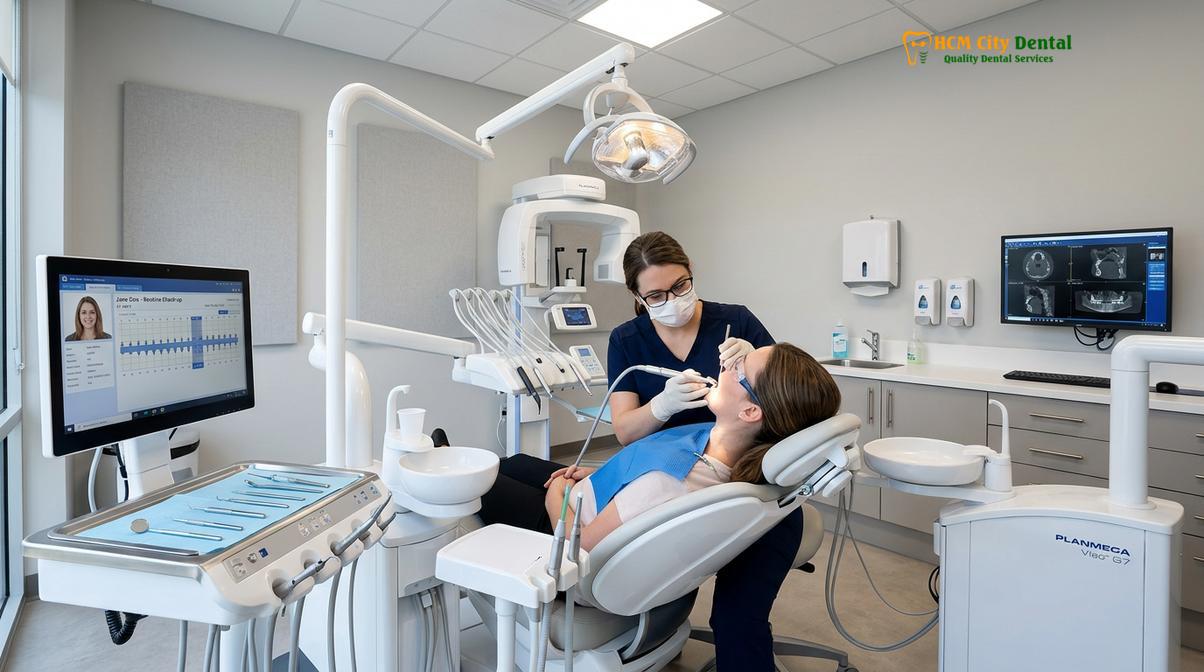
Communication is another critical factor. Accurate diagnosis relies heavily on the patient’s ability to describe the onset, duration, and character of the pain, as well as providing a comprehensive medical history. Clinics that routinely treat international patients employ fluent English-speaking staff and dentists, eliminating the risk of mistranslation regarding drug allergies or underlying systemic conditions.
Clinical Case Example: A 34-year-old tourist suffered severe facial trauma from a motorcycle accident in Ho Chi Minh City, resulting in a complicated crown-root fracture of the maxillary central incisor. The patient was immediately transported to HCMC Dental Clinic. Utilizing CBCT imaging, the clinical team assessed the fracture line, safely extracted the unsalvageable fragments, and placed an immediate provisional restoration, stabilizing the patient’s bite and aesthetics within a single emergency visit.
Dr. Nguyen Van Cuong, a leading specialist, emphasizes that “In emergency scenarios, the primary goal is rapid, accurate diagnosis followed by immediate palliative intervention. We prioritize stabilizing the patient’s condition, eliminating pain, and preventing the systemic spread of infection, ensuring they are safe to travel.” For comprehensive Emergency Dental Care, selecting a facility with a proven track record of handling acute trauma and infections is essential.
Step 3: What to Document for Travel Insurance
Securing reimbursement for emergency dental abroad requires comprehensive documentation, including itemized receipts, diagnostic X-rays, and a formal clinical report from the treating dentist.
Dealing with a dental emergency is stressful enough without the added anxiety of financial loss. Most comprehensive travel insurance policies include provisions for emergency dental abroad, but the criteria for reimbursement are notoriously strict. Insurers generally cover treatments aimed at the immediate relief of acute pain or the stabilization of trauma. They explicitly exclude routine examinations, elective cosmetic procedures, and definitive restorative work (like permanent crowns or bridges) unless it is the direct result of a covered accidental injury.
To ensure a smooth claims process, meticulous documentation is required from the moment you enter the clinic. Insurers need objective clinical evidence that the condition was acute, unexpected, and necessitated immediate intervention. A simple credit card receipt is insufficient. You must request a detailed, itemized invoice that lists each specific procedure performed, often requiring international dental codes (similar to CDT or ICD-10 codes) for clarity.
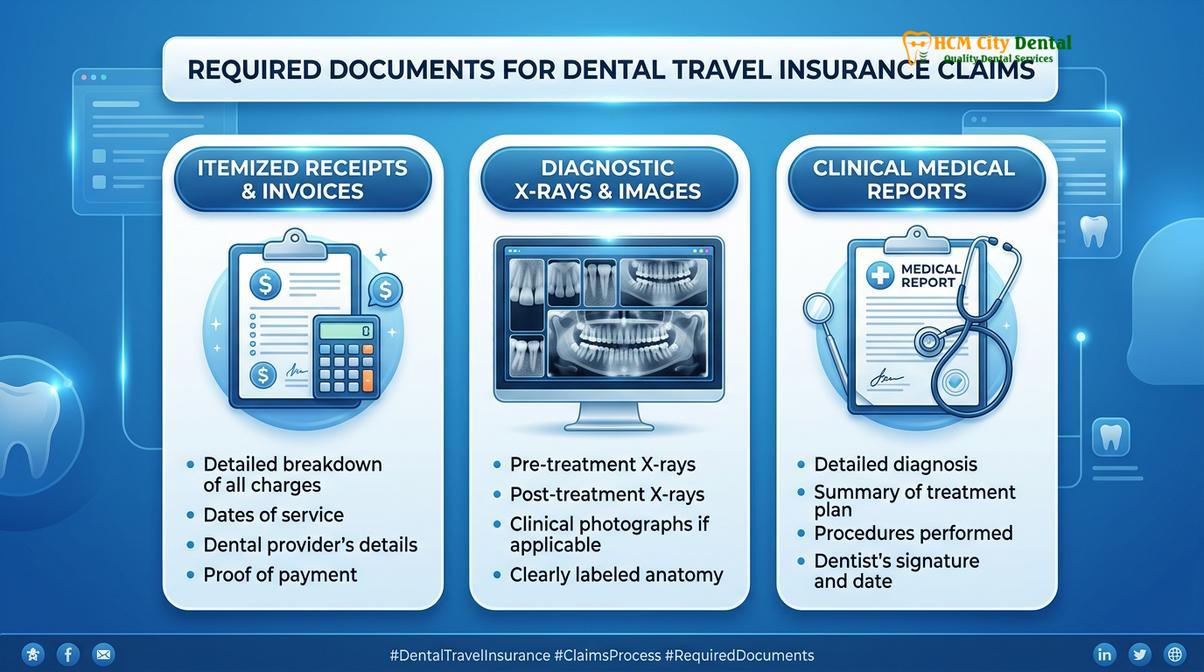
Diagnostic imaging is the cornerstone of any dental insurance claim. You must obtain digital copies of all pre-operative X-rays demonstrating the pathology (e.g., the radiolucency of an abscess or the fracture line of a broken tooth) and post-operative X-rays confirming the treatment rendered. Additionally, a formal medical report signed by the attending dentist detailing the diagnosis, the clinical rationale for the chosen treatment, and the prognosis is essential.
| Document Type | Clinical Purpose | Insurance Requirement |
|---|---|---|
| Pre-Operative X-Rays | Visualizes the acute pathology (fracture, decay, abscess). | Proves the condition was an unexpected emergency requiring immediate care. |
| Itemized Clinical Invoice | Details specific procedures, materials used, and individual costs. | Allows adjusters to verify that treatments align with covered emergency protocols. |
| Formal Medical Report | Provides the dentist’s diagnosis, treatment rationale, and clinical notes. | Establishes the medical necessity of the intervention and rules out pre-existing exclusions. |
| Post-Operative X-Rays | Confirms the completion and quality of the emergency stabilization. | Verifies that the billed procedures were actually performed. |
Clinics accustomed to treating international patients are highly familiar with these bureaucratic requirements and will proactively prepare a comprehensive documentation packet before you leave the office. Always verify your policy’s specific definitions of a “dental emergency” and any required deductibles or pre-authorization protocols before initiating treatment, if the situation allows.
Typical Timelines: Can I Continue My Trip?
Most acute dental emergencies can be stabilized within a single visit, allowing travelers to resume their itinerary with temporary restorations or prescribed antibiotic therapy.
A primary concern for any dental tourist vietnam is whether an unexpected toothache will force the cancellation of their holiday. Fortunately, modern emergency dentistry focuses on rapid stabilization. The objective is not necessarily to complete the final, definitive restoration, but to eliminate pain, control infection, and protect the tooth structure so that you can safely travel home.
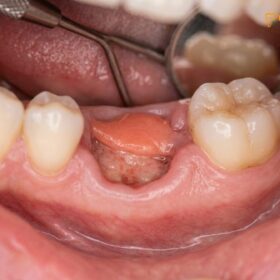
For severe pulpitis, a dentist will perform an emergency pulpal extirpation (the first stage of a root canal). This involves accessing the pulp chamber under local anesthesia, removing the inflamed or necrotic nerve tissue, and placing a soothing medicament and a temporary filling. This procedure typically takes less than an hour and provides profound, almost immediate pain relief. The definitive root canal obturation and final crown placement can then be completed by your regular dentist upon your return.
“Emergency dental intervention abroad is fundamentally about triage and stabilization. By addressing the acute pathology—whether through extirpation, drainage, or splinting—we transition the patient from a state of crisis to a state of comfort, preserving both their health and their travel plans.”
In cases of acute periapical abscesses, the clinical workflow involves incision and drainage to release the purulent exudate, followed by a course of targeted antibiotics. Patients usually experience a significant reduction in swelling and pain within 24 to 48 hours. If a tooth extraction is unavoidable due to catastrophic structural failure, patients must be aware of post-operative limitations. Flying immediately after an extraction can increase the risk of dry socket due to cabin pressure changes affecting the blood clot. Dentists generally recommend waiting 48 to 72 hours before air travel following a surgical extraction [6].
Important Vocabulary for Medical Emergencies in Vietnam
While top clinics provide English-speaking staff, knowing basic Vietnamese dental terminology can expedite initial communication with hotel concierges, taxi drivers, or pharmacy staff.
Effective communication is a vital component of emergency medical management. While international clinics in major cities like Ho Chi Minh City and Hanoi operate fluently in English, the initial steps of seeking help—such as asking a hotel receptionist for a recommendation or directing a taxi driver—may require basic Vietnamese terminology.
Understanding a few key phrases can significantly reduce response times. The general term for a dental clinic is “Nha khoa”. If you are experiencing pain, the phrase “Đau răng” (toothache) is universally understood. For urgent situations, emphasizing “Cấp cứu” (emergency) will convey the necessity for immediate attention. If you are dealing with an infection, pointing to your face and saying “Sưng mặt” (facial swelling) will help locals understand the severity of the condition.
When visiting a local pharmacy (Nhà thuốc) for interim pain relief before your appointment, you can ask for “Thuốc giảm đau” (painkiller). However, remember that pharmacists cannot diagnose dental pathologies. Relying solely on translation apps is useful for basic logistics, but conveying complex medical histories, such as specific drug allergies or cardiovascular conditions, should always be done directly with the English-speaking clinical staff at the dental facility to ensure pharmacological safety.
When to See a Doctor
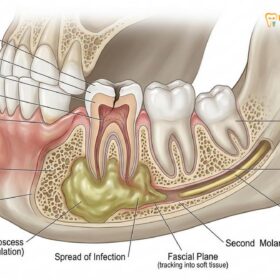
While many dental issues cause significant discomfort, certain clinical presentations represent severe, potentially life-threatening medical emergencies that require immediate evaluation at a hospital emergency department or an urgent dental surgical center. You must seek immediate medical attention if your dental pain is accompanied by rapidly spreading facial swelling that extends to the eye or down the neck. This indicates a severe fascial space infection, such as cellulitis or Ludwig’s angina, which can rapidly compromise the airway.
Dr. Nguyen Van Cuong advises that systemic symptoms are critical red flags. “If a patient presents with a high fever, chills, difficulty swallowing (dysphagia), or difficulty opening their mouth (trismus) in conjunction with dental pain, the infection has breached local barriers and is affecting the systemic physiology. This requires aggressive intravenous antibiotic therapy and surgical drainage.”
Additionally, uncontrolled bleeding following dental trauma or an extraction that does not subside with firm, continuous pressure after 30 minutes warrants immediate professional intervention. Do not attempt to manage these severe symptoms with over-the-counter medications or wait for a convenient appointment time. Prompt clinical assessment is mandatory to prevent severe morbidity. If you experience any of these red flags, proceed to the nearest international hospital emergency room immediately, as they are equipped to handle acute maxillofacial crises and facial swelling complications.
Frequently Asked Questions
What should I do if I have a dental emergency in Vietnam?
Immediately assess your symptoms for red flags like facial swelling or uncontrolled bleeding, take over-the-counter analgesics, and contact an international-standard dental clinic. Do not ignore severe throbbing pain, as it often indicates an acute infection requiring professional drainage and antibiotic therapy. Prompt intervention prevents systemic complications and allows you to stabilize the condition quickly.
Will tourist insurance pay for a dentist in Vietnam?
Most comprehensive travel insurance policies cover acute, unexpected dental emergencies aimed at immediate pain relief and infection control. They typically do not cover routine checkups, elective cosmetic procedures, or definitive treatments like permanent crowns unless directly resulting from covered trauma. Always request itemized clinical receipts, diagnostic X-rays, and a formal medical report from your treating dentist to support your claim.
Should I cut my Vietnam holiday short for a toothache?
In most cases, you do not need to cancel your trip if you seek prompt palliative care from a qualified local dentist. Emergency treatments such as pulpal extirpation, abscess drainage, or temporary restorations can effectively eliminate pain and stabilize the tooth. Once stabilized, you can safely continue your travels and complete the definitive restorative work upon returning home.
How do I choose between local and international dental clinics?
Prioritize international-standard clinics that feature English-speaking staff, transparent pricing, and strict adherence to global sterilization protocols (such as Class B autoclaves). While smaller local clinics may be cheaper, international facilities offer advanced diagnostic imaging like CBCT scanners and possess extensive experience in providing the specific clinical documentation required by foreign travel insurance providers.
How do I get prescription dental pain medicine in Vietnam?
You must visit a licensed dentist or medical doctor in Vietnam to receive a formal diagnosis and a prescription for specialized analgesics or antibiotics. While basic pain relievers like paracetamol and ibuprofen are available over-the-counter at local pharmacies, stronger medications and targeted antibiotic therapies require a professional clinical assessment to ensure safe and appropriate pharmacological management.
References
- American Dental Association (ADA). Management of Acute Dental Pain and Infections. (2022).
- International Association of Dental Traumatology (IADT). Guidelines for the Management of Traumatic Dental Injuries. (2020).
- Journal of Endodontics. Endodontic Emergencies: Diagnosis and Management. (2019).
- World Health Organization (WHO). Infection Prevention and Control in Dental Health Care Settings. (2021).
- Journal of Travel Medicine. Dental Emergencies Among International Travelers. (2018).
- British Dental Journal. Aviation Dentistry: Barodontalgia and Flying. (2020).