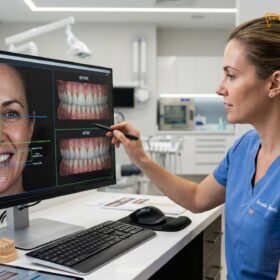
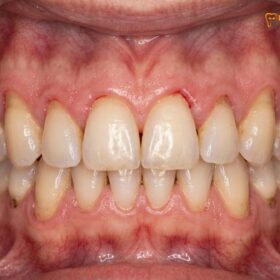
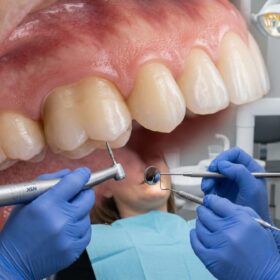
Experiencing a lost crown filling vietnam requires immediate attention to protect the exposed tooth structure. Retrieve the restoration, keep the area clean, and seek an emergency dental appointment to prevent bacterial contamination, dentin hypersensitivity, or irreversible pulpal damage while avoiding chewing on the affected side.
Clinical Summary:
A dislodged dental crown or filling exposes vulnerable dentin and enamel margins to the oral environment, significantly increasing the risk of bacterial microleakage and thermal hypersensitivity. Clinical protocols dictate immediate isolation of the affected tooth, temporary sealing if professional care is delayed, and prompt radiographic evaluation to rule out secondary caries or abutment fracture. If the underlying tooth structure remains sound and the restoration is intact, conservative recementation is often viable. However, cases involving recurrent decay or structural failure necessitate comprehensive site preparation and the fabrication of a new restoration to ensure long-term occlusal stability and marginal integrity.
Key Takeaways:
- Retrieve and safely store the dislodged crown; an intact restoration can frequently be professionally recemented.
- Avoid chewing on the affected side to prevent catastrophic fracturing of the unprotected tooth abutment.
- Never use household adhesives or superglue, as cyanoacrylate is highly toxic to dental pulp and destroys tissue.
- Exposed dentin can cause severe thermal sensitivity and allows rapid bacterial ingress into the pulp chamber.
- Same-day CAD/CAM ceramic replacements are widely available for restorations that are lost or irreparably damaged.
What to Do When Your Crown Falls Off
If your dental crown detaches, carefully retrieve it, rinse it gently with water, store it in a clean container, and immediately schedule a clinical evaluation to assess the underlying tooth.
When a patient realizes their crown fell out vietnam, the immediate priority is the safe retrieval and preservation of the restoration. Dental crowns are precision-milled prosthetics designed to fit the exact margins of a prepared tooth. If the crown is swallowed, it typically passes through the digestive tract without incident, though a medical consultation is advised if aspiration into the airway is suspected. If the crown is recovered, it should be rinsed gently with water or a mild saline solution and stored in a hard container. Do not attempt to scrub the inside (intaglio surface) of the crown with abrasive instruments, as this can damage the delicate internal topography required for successful recementation.
Once the crown is secured, attention must shift to the exposed tooth abutment. The underlying tooth structure has been previously reduced, meaning the protective enamel layer is largely absent, leaving the dentin exposed. Dentin is a porous tissue containing thousands of microscopic tubules that communicate directly with the dental pulp. Exposure of these tubules to oral fluids, temperature fluctuations, and mechanical stimuli often results in acute hypersensitivity [1]. Furthermore, the exposed abutment is structurally compromised and highly susceptible to fracture if subjected to masticatory (chewing) forces.
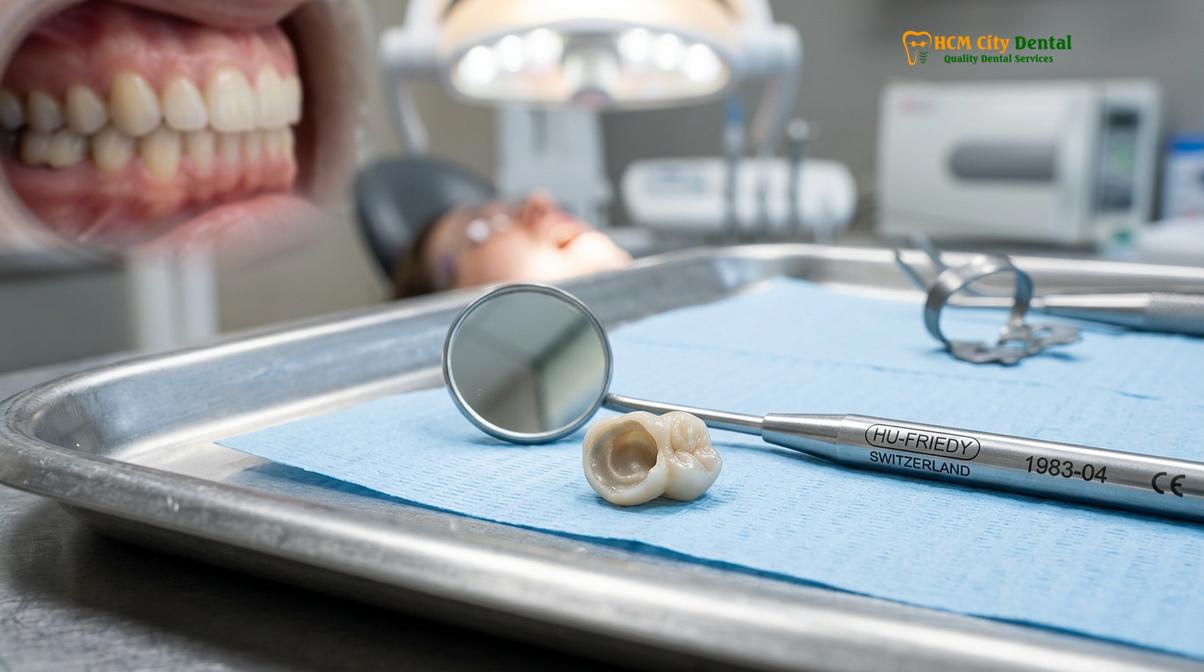
Patients must maintain meticulous oral hygiene around the exposed tooth, using a soft-bristled toothbrush and a fluoridated toothpaste to gently remove plaque without causing undue irritation. Rinsing with a chlorhexidine gluconate mouthwash or warm salt water can help reduce the local bacterial load. It is critical to avoid consuming hard, sticky, or excessively hot and cold foods. The primary objective is to maintain the integrity of the abutment until a clinical assessment can be performed at a facility such as HCMC Dental Clinic.
Temporary Fix Until You See a Dentist
Over-the-counter temporary dental cement can temporarily protect the exposed tooth and hold the crown in place, but this is strictly a short-term measure until professional recementation is performed.
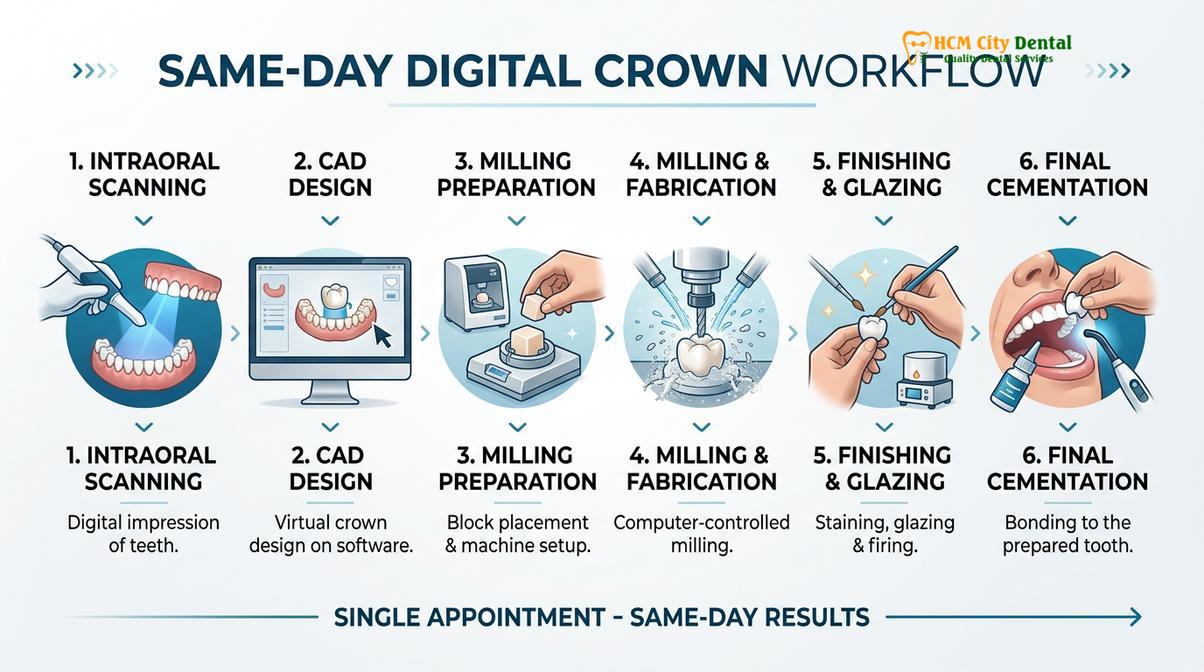
If immediate access to a dental professional is unavailable, patients may need to implement a temporary crown fix to protect the abutment and alleviate sensitivity. Pharmacies in major urban centers often carry over-the-counter temporary dental cements, typically formulated with zinc oxide. Zinc oxide eugenol (ZOE) cements are particularly beneficial in emergency scenarios because eugenol possesses mild obtundent (soothing) properties that can calm an inflamed dental pulp. However, these materials have low compressive strength and high solubility in oral fluids, meaning they are designed to last only a few days [4].
To apply a temporary cement, the patient should first ensure the tooth and the inside of the crown are as clean and dry as possible. Moisture control is challenging but necessary for the temporary cement to adhere. A small amount of the mixed cement is placed inside the crown, which is then seated firmly onto the tooth. The patient should bite down gently on a piece of clean gauze to ensure the crown is fully seated in proper occlusion. Excess cement that extrudes from the margins must be carefully removed with a toothpick or dental floss to prevent gingival inflammation.
Clinical Warning: Never use cyanoacrylate (superglue), epoxy, or any household adhesives to reattach a dental crown. These industrial chemicals are highly cytotoxic, will cause irreversible necrosis of the dental pulp, and create an impenetrable layer that prevents the dentist from properly seating and bonding the crown in the future.
It is crucial to understand that a temporary fix does not replace the need for professional intervention. The underlying cause of the crown failure—whether it be cement degradation, secondary caries, or occlusal trauma—must be diagnosed and addressed by a clinician. Relying on a temporary cement for an extended period invites bacterial microleakage, which can rapidly progress to deep decay and necessitate root canal therapy.
Lost Filling: Emergency Steps
A lost filling exposes the inner dentin layer, requiring immediate oral hygiene maintenance and temporary sealing to prevent acute pulpitis and bacterial microleakage into the tooth.
Experiencing a lost filling abroad can be highly distressing, particularly due to the sudden onset of thermal sensitivity. Unlike a crown, which covers the entire coronal structure of the tooth, a filling restores a specific localized defect caused by caries or trauma. When a composite resin, amalgam, or glass ionomer filling dislodges, it leaves a cavity preparation exposed. The hydrodynamic theory of dentin hypersensitivity explains that fluid movement within the exposed dentinal tubules—triggered by cold air, sweet foods, or tactile pressure—stimulates the nerve endings in the pulp, resulting in sharp, transient pain [2].
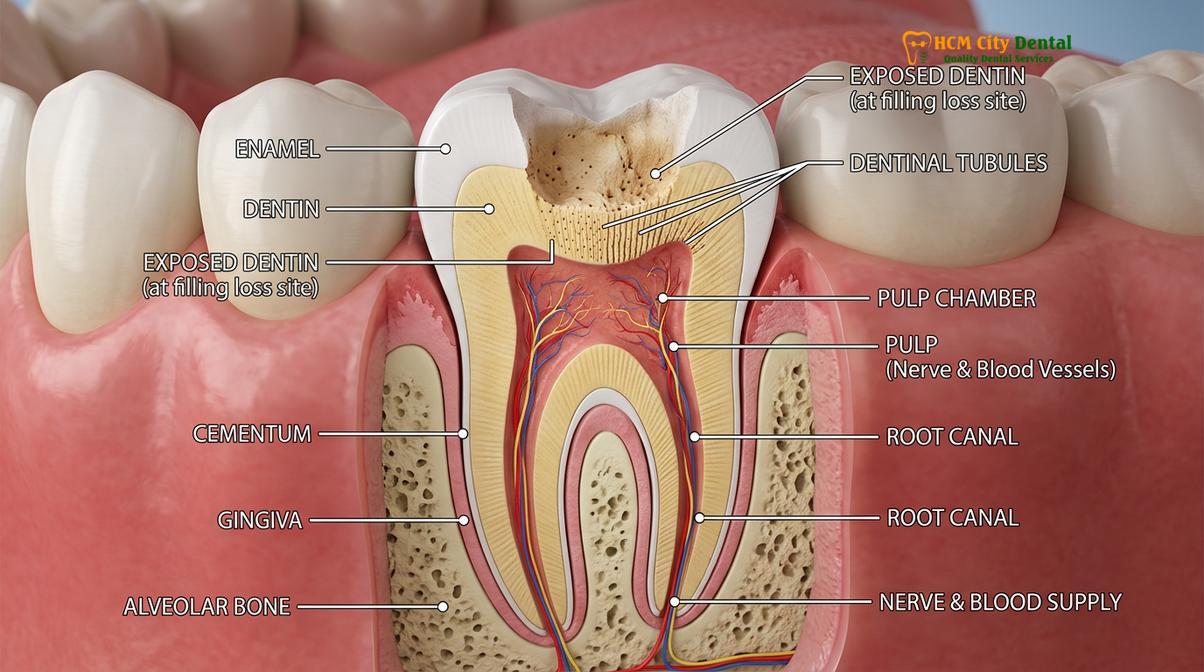
The immediate protocol for a lost filling involves keeping the cavity free of food debris. Gentle irrigation with warm water or a specialized dental syringe can help flush out particles. If the tooth is highly sensitive, patients can apply a small amount of over-the-counter temporary filling material (often a zinc oxide-based putty) directly into the cavity. This acts as a physical barrier against thermal stimuli and bacterial ingress. However, patients must avoid packing the material too tightly if there is spontaneous, throbbing pain, as this could exacerbate pressure within an already inflamed pulp chamber.
Seeking prompt professional care is essential. A dentist will need to evaluate the cavity preparation to determine why the filling failed. Often, secondary caries has developed beneath the restoration, softening the dentin and undermining the mechanical retention of the filling. The clinician will excavate any infected tissue, disinfect the cavity, and place a new direct restoration. For patients experiencing severe symptoms, it is highly recommended to seek emergency dentistry services to evaluate the pulpal health and prevent the progression of localized decay into a systemic infection.
Why Crowns and Fillings Come Loose
Restorations typically fail due to secondary decay beneath the margins, degradation of the luting cement over time, or excessive occlusal forces resulting from bruxism or trauma.
Understanding the etiology of restorative failure is critical for preventing future occurrences. Dental restorations exist in a highly hostile environment. The oral cavity is subjected to extreme temperature fluctuations, varying pH levels from dietary acids, and immense biomechanical forces during mastication. Over time, these factors contribute to the degradation of the restorative materials and the bonding agents that secure them to the tooth structure.
One of the primary reasons a crown or filling dislodges is the development of secondary (recurrent) caries. The junction where the restorative material meets the natural tooth structure is known as the margin. If this margin is not perfectly sealed, or if oral hygiene is suboptimal, cariogenic bacteria can colonize the microscopic gap. These bacteria produce lactic acid, which demineralizes the underlying enamel and dentin [3]. As the tooth structure softens and decays, the mechanical foundation supporting the restoration is lost, leading to eventual dislodgement.
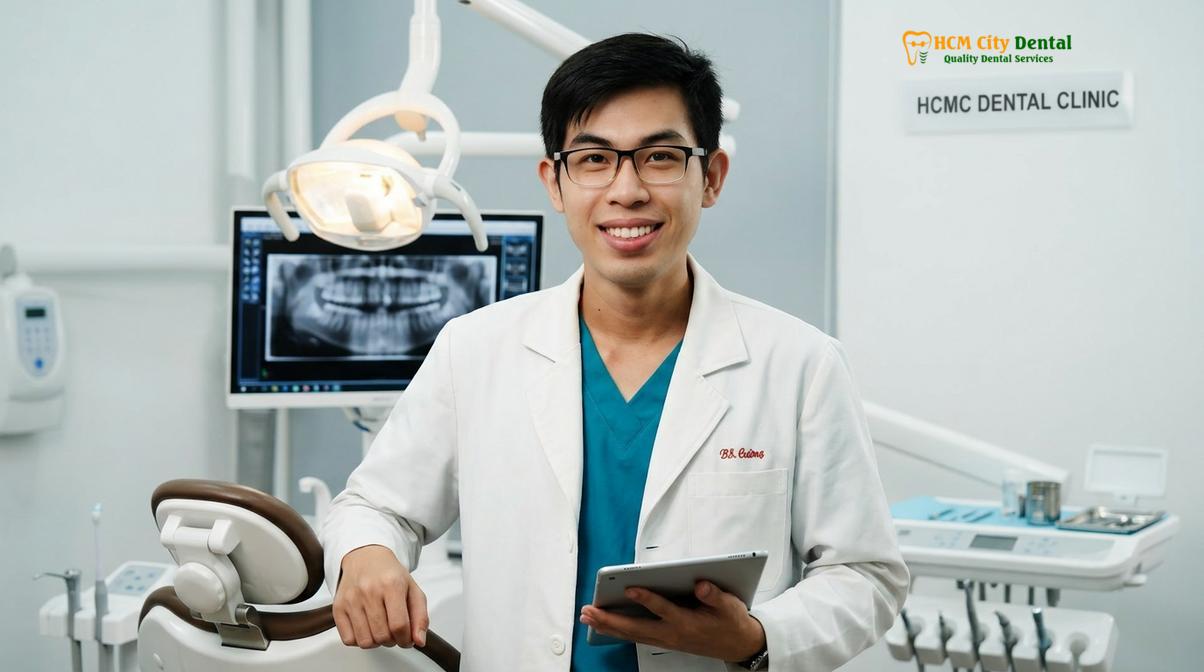
“The most common clinical scenario we observe with dislodged restorations is insidious marginal leakage. Patients often feel no pain until the restoration physically falls out, by which time the underlying secondary decay has significantly compromised the abutment.”
— Dr. Nguyen Van Cuong, Lead Clinician
Another significant factor is the degradation of the luting cement. Traditional cements, such as zinc phosphate or polycarboxylate, are susceptible to gradual dissolution in oral fluids over many years. Even modern resin-modified glass ionomer (RMGI) cements can experience hydrolytic degradation if exposed to continuous moisture. Furthermore, parafunctional habits such as bruxism (teeth grinding) or clenching place excessive shear and tensile stresses on the restorations. These non-axial forces can fatigue the cement layer, causing micro-fractures that eventually lead to the complete debonding of the crown or the fracturing of a composite filling.
Same-Day Crown Replacement in HCMC
Modern clinics utilize digital intraoral scanners and CAD/CAM milling machines to design and fabricate a permanent, high-strength ceramic crown in a single clinical visit.
If a patient experiences a dental crown emergency saigon and the original restoration is lost, swallowed, or structurally fractured, a new crown must be fabricated. Historically, this process required taking messy elastomeric impressions, placing a fragile temporary crown, and waiting several weeks for an off-site dental laboratory to manufacture the final prosthetic. Today, advanced digital dentistry has revolutionized this workflow, allowing for the completion of the entire restorative process in a single day.
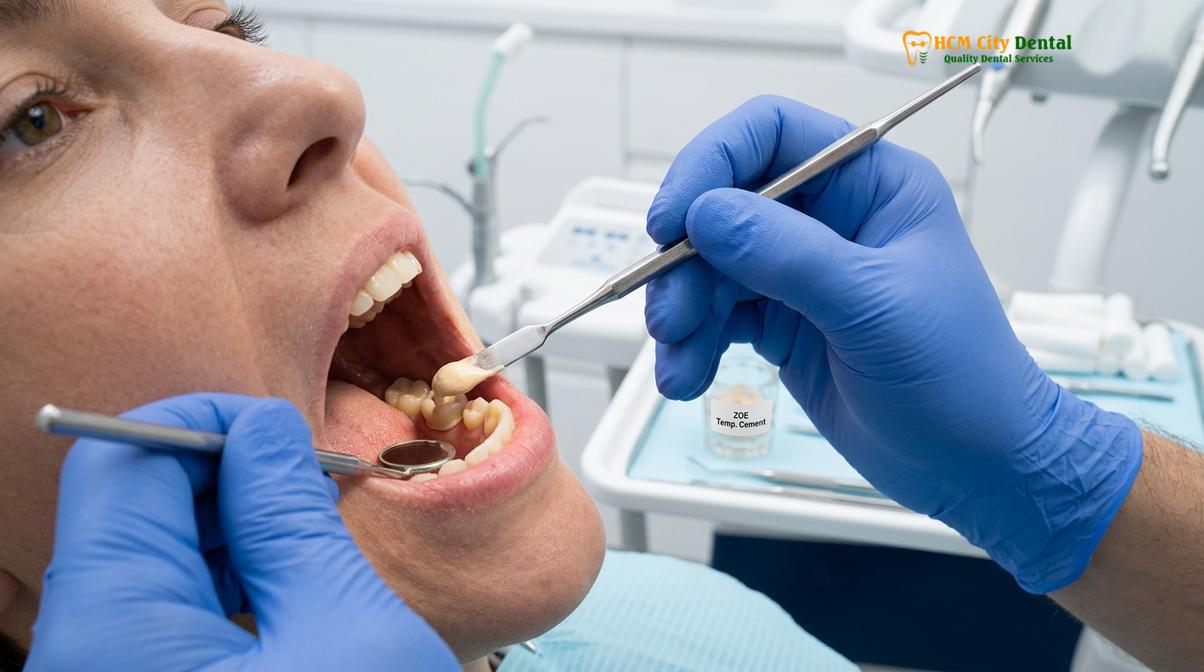
The same-day crown workflow begins with the preparation of the tooth to remove any recurrent decay and refine the margins. An intraoral scanner is then used to capture highly accurate, three-dimensional optical impressions of the prepared tooth, the adjacent teeth, and the opposing arch. This digital data is imported into CAD (Computer-Aided Design) software, where the dentist meticulously designs the new crown, ensuring optimal marginal adaptation, interproximal contacts, and occlusal harmony [5]. While CAD/CAM technology is frequently utilized for fabricating full-coverage crowns, the same digital workflow is also employed for designing ultra-thin Porcelain Veneers, allowing for comprehensive smile rehabilitations with exceptional precision.
Clinical Case Study: A 45-year-old expatriate presented to HCMC Dental Clinic in Ho Chi Minh City after a monolithic zirconia crown on tooth #30 dislodged during a meal. Clinical examination revealed cement washout but no secondary caries. Because the original crown was lost, the clinical team utilized an intraoral scanner and an in-house CAD/CAM milling unit to design, mill, and sinter a new high-translucency zirconia crown. The patient left the clinic with a fully functional, permanently cemented restoration in under three hours, completely bypassing the need for a temporary crown.
Once the digital design is finalized, the data is transmitted to a CAM (Computer-Aided Manufacturing) milling machine. A solid block of ceramic material—such as lithium disilicate or zirconia—is milled into the exact shape of the designed crown. The milled restoration is then polished, characterized with custom stains to match the adjacent natural teeth, and crystallized or sintered in a specialized furnace to achieve its maximum flexural strength. Finally, the crown is bonded to the tooth using a dual-cure resin cement, providing immediate structural integrity and aesthetic restoration.
Costs: Temporary Fix vs Permanent Replacement
Recementing an intact crown is highly affordable, whereas fabricating a new permanent restoration requires a larger investment based on the chosen ceramic material and clinical complexity.
When managing a lost restoration, patients must consider the financial implications of the required treatment. The cost varies significantly depending on whether the existing restoration can be salvaged or if a completely new prosthetic must be fabricated. Dental care in Vietnam is internationally recognized for providing exceptional clinical quality at a fraction of the cost found in Western countries, making it an ideal location for managing unexpected dental emergencies.
If the dislodged crown is intact and the underlying tooth structure is healthy, the procedure is relatively straightforward. The dentist will clean the intaglio surface of the crown, disinfect the tooth abutment, and apply a new layer of permanent luting cement. This conservative approach is highly cost-effective. However, if the tooth has suffered extensive decay, a core buildup may be necessary to provide adequate retention for the crown, which will incur additional fees.
| Clinical Service | Estimated Cost (USD) | Clinical Indication |
|---|---|---|
| Crown Recementation | $15 – $30 | Intact crown, healthy abutment, no decay. |
| Direct Composite Filling | $20 – $50 | Replacement of a lost filling, minor to moderate decay. |
| Core Buildup | $30 – $60 | Restoring lost tooth structure prior to crown placement. |
| Standard Ceramic Crown (PFM) | $150 – $250 | Replacement of a lost crown, posterior teeth. |
| Premium CAD/CAM Zirconia Crown | $300 – $450 | High-strength, highly aesthetic same-day replacement. |
When a new crown is required, the choice of material heavily influences the final cost. Porcelain-fused-to-metal (PFM) crowns are generally the most economical option but may present aesthetic limitations over time, such as a dark line at the gingival margin. All-ceramic options, particularly monolithic zirconia or lithium disilicate (E.max), command a higher price due to their superior biocompatibility, lifelike translucency, and the advanced CAD/CAM technology required for their fabrication. Patients should consult with their clinician to determine the most appropriate material based on their functional requirements and aesthetic expectations.
When to See a Doctor
While a lost crown or filling is always an urgent matter requiring professional attention, certain clinical signs indicate a severe dental emergency that demands immediate intervention. If the loss of the restoration is accompanied by spontaneous, throbbing pain that radiates to the jaw or ear, this is a strong indicator of irreversible pulpitis—a condition where the dental pulp has become severely inflamed and cannot heal. In such cases, endodontic therapy (root canal treatment) will be necessary before a new restoration can be placed.
“Patients must be vigilant for signs of systemic involvement. If the loss of a filling is followed by localized facial swelling, a foul taste in the mouth, or a low-grade fever, this indicates that bacteria have necroticized the pulp and formed an apical abscess. Immediate antibiotic therapy and surgical drainage or endodontic intervention are mandatory.”
— Dr. Nguyen Van Cuong, Lead Clinician
Furthermore, if the tooth abutment itself has fractured along with the crown, the structural viability of the tooth is compromised. A clinical examination, supplemented by periapical and bitewing radiographs, is essential to determine if the fracture extends below the bone level. If the tooth is deemed non-restorable, extraction followed by implant placement may be the only viable treatment trajectory. Prompt evaluation at a specialized facility like HCMC Dental Clinic ensures that complications are minimized and the most conservative treatment plan is implemented.
Frequently Asked Questions
Can I glue my crown back on temporarily?
Yes, you can use a specialized over-the-counter temporary dental cement to reattach the crown, but you must never use household superglue. Cyanoacrylate adhesives are highly toxic to dental pulp and will permanently damage the tooth structure, making professional recementation impossible. Temporary dental cements are designed to provide a weak bond that protects the tooth while allowing the dentist to easily remove the crown later for proper cleaning and permanent bonding.
Is a lost filling a dental emergency?
A lost filling is an urgent dental situation that requires prompt care, but it is not typically a life-threatening emergency unless accompanied by severe swelling or unmanageable pain. Prompt treatment prevents bacterial invasion into the dentinal tubules and avoids irreversible pulpitis. Leaving a cavity exposed for an extended period allows food debris and plaque to accumulate, rapidly accelerating the decay process and potentially necessitating a root canal.
How long can I wait with a missing crown?
You should ideally be evaluated by a dental professional within 24 to 48 hours of losing a crown. Delaying treatment allows adjacent and opposing teeth to shift, which can alter your bite and prevent the original crown from fitting correctly. Furthermore, the exposed dentin is highly susceptible to rapid decay and thermal trauma, which can compromise the vitality of the underlying nerve.
Where can I buy temporary dental cement in Vietnam?
Temporary dental cement can generally be purchased at large international pharmacies in major cities or directly requested from local dental clinics. Look for zinc oxide-based temporary filling materials designed specifically for short-term oral use. If commercial dental cement is unavailable, sugar-free chewing gum can be used in an absolute pinch to cover a sharp edge, though it provides no structural support or antibacterial protection.
How much does crown recementation cost in Vietnam?
Recementing an existing, undamaged dental crown typically costs between $15 and $30 USD at a reputable clinic. If the underlying tooth requires a core buildup or if a completely new crown is needed, the cost will increase accordingly. The fee generally includes the clinical examination, removal of old cement, disinfection of the abutment, and the application of a high-quality permanent luting agent.
References
- Journal of Prosthetic Dentistry. Clinical evaluation of crown retention and cement failure. (2021).
- International Endodontic Journal. Hydrodynamic theory of dentin hypersensitivity and pulpal response. (2019).
- Journal of Applied Oral Science. Microleakage and secondary caries in direct restorative materials. (2020).
- Dental Materials. Biomechanical properties of temporary luting agents. (2018).
- Journal of Clinical Dentistry. CAD/CAM same-day restorations and marginal adaptation. (2022).
For premium porcelain crowns, bridges, and advanced smile reconstructions, visit our Dental Crowns & Bridges service page at HCMC Dental Clinic in Ho Chi Minh City.