Is a night guard pregnancy safe? Yes, wearing a custom-fitted, BPA-free night guard is completely safe and highly recommended during pregnancy. It provides essential mechanical protection against teeth grinding without the need for systemic medications, safeguarding your enamel and jaw joints during a period of significant physiological change.
Clinical Summary:
The safety of dental appliances during gestation is a primary concern for expectant mothers experiencing nocturnal bruxism. Clinical evidence confirms that utilizing a professionally fabricated, medical-grade night guard is a highly secure and effective intervention. Because pharmacological treatments for temporomandibular joint (TMJ) disorders and muscle spasms—such as muscle relaxants or non-steroidal anti-inflammatory drugs (NSAIDs)—are often contraindicated during pregnancy, mechanical barrier therapy remains the gold standard. A custom appliance mitigates the destructive occlusal forces generated by grinding, prevents enamel micro-fractures, and alleviates myofascial pain. Provided the appliance is constructed from biocompatible, BPA-free, and phthalate-free materials, it poses no risk to fetal development while significantly improving the mother’s oral health and sleep quality.
Key Takeaways:
- Custom night guards are entirely safe during pregnancy and provide a non-pharmacological solution to bruxism.
- Hormonal fluctuations, stress, and sleep disruptions frequently exacerbate teeth grinding in expectant mothers.
- Professional dental guards are fabricated from medical-grade, BPA-free materials, ensuring no harmful chemical exposure.
- Pregnancy gingivitis (swollen gums) may alter the fit of an existing guard, necessitating clinical adjustments.
- Digital impressions offer a comfortable, gag-free alternative to traditional molds for pregnant patients requiring a new appliance.
Pregnancy and Bruxism: The Connection
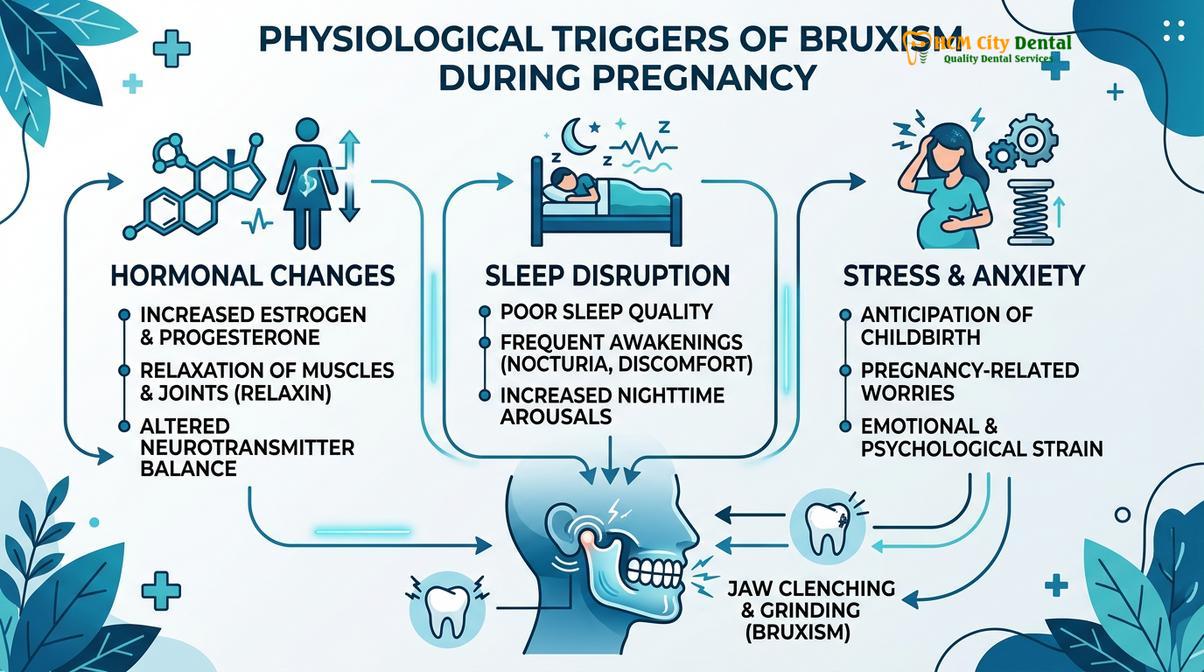
Pregnancy can trigger or exacerbate bruxism due to profound hormonal fluctuations, increased psychological stress, altered sleep architecture, and pregnancy-induced gastroesophageal reflux disease (GERD).
The gestational period introduces a cascade of physiological and psychological transformations that can profoundly impact the stomatognathic system. While pregnancy itself is not a direct pathological cause of bruxism, the systemic changes it induces create a perfect storm for parafunctional oral habits. Understanding the connection between pregnancy and nocturnal teeth grinding requires a multidimensional clinical perspective, examining hormonal, neurological, and gastrointestinal factors.
First and foremost, hormonal fluctuations play a pivotal role. During pregnancy, the body experiences massive surges in estrogen and progesterone. These hormones are essential for fetal development, but they also affect systemic muscle tone and joint laxity. The hormone relaxin, which is produced to loosen the pelvic ligaments in preparation for childbirth, also affects other joints in the body, including the temporomandibular joint (TMJ). This increased laxity can lead to subtle shifts in the bite (occlusion). When the brain senses that the teeth are not meeting perfectly, it often triggers a grinding reflex in an unconscious attempt to “smooth out” the discrepancies. This phenomenon makes bruxism headaches & migraines a common complaint among expectant mothers.
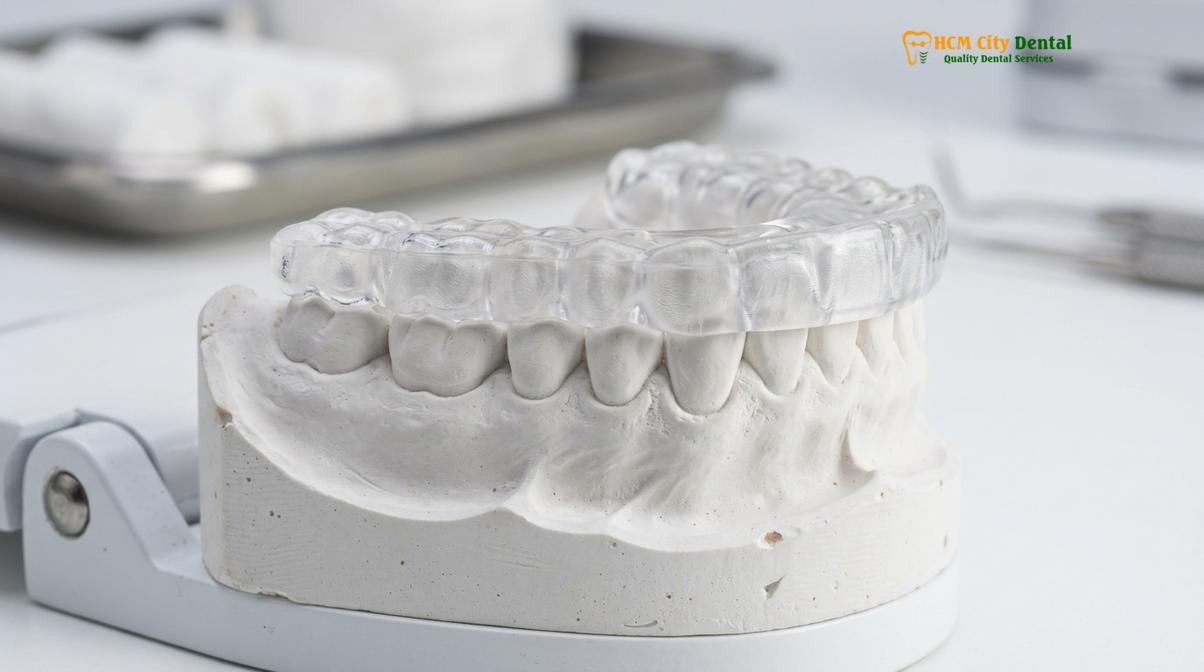
Psychological and emotional stress is another major catalyst. The anticipation of childbirth, concerns about fetal health, financial planning, and the general anxiety associated with major life changes elevate cortisol levels. Elevated stress hormones directly correlate with increased masseter muscle activity during sleep. The central nervous system, remaining in a state of heightened arousal, discharges this tension through rhythmic masticatory muscle activity (RMMA), resulting in severe teeth grinding pregnancy episodes.
Furthermore, sleep architecture is heavily disrupted during pregnancy. As the fetus grows, finding a comfortable sleeping position becomes increasingly difficult. Frequent waking due to nocturia (the need to urinate at night), fetal movement, and physical discomfort prevents the mother from entering deep, restorative stages of sleep. Bruxism is classified as a sleep-related movement disorder that predominantly occurs during micro-arousals—brief transitions from deep sleep to lighter sleep stages. The more fragmented the sleep, the higher the frequency of bruxism events [1].
Additionally, pregnancy-induced gastroesophageal reflux disease (GERD) and hyperemesis gravidarum (severe morning sickness) introduce high levels of gastric acid into the oral cavity. This acid rapidly lowers the pH of the mouth, leading to the demineralization and softening of dental enamel. When a patient grinds their teeth while the enamel is in this softened, acid-compromised state, the rate of tooth wear (attrition and erosion) is exponentially accelerated. The combination of acid erosion and mechanical friction can destroy years’ worth of enamel in a matter of months, making protective intervention absolutely critical.
Safety of Wearing a Guard During Pregnancy
Wearing a dental guard while pregnant is a non-invasive, highly safe therapy that protects enamel and alleviates jaw pain without introducing systemic medications to the mother or fetus.
When addressing any medical or dental condition during gestation, the primary clinical directive is to minimize fetal exposure to pharmacological agents. In the context of TMJ disorders and severe bruxism, standard treatments for non-pregnant patients often include muscle relaxants, non-steroidal anti-inflammatory drugs (NSAIDs) like ibuprofen, or even botulinum toxin (Botox) injections into the masseter muscles. However, these pharmacological interventions are generally contraindicated or heavily restricted during pregnancy due to the risk of teratogenic effects or complications with fetal development [2].
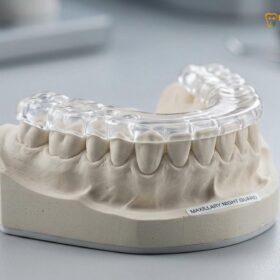
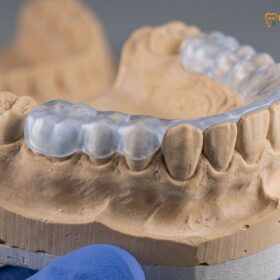
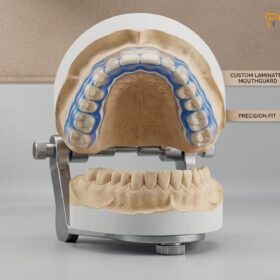
This makes the use of a mechanical barrier—the night guard—the absolute gold standard of care. Is a night guard pregnancy safe? From a clinical standpoint, it is not only safe but represents the most responsible and effective method of managing parafunctional forces. By placing a custom-fabricated acrylic or dual-laminate splint between the maxillary (upper) and mandibular (lower) arches, the dentist creates a protective buffer that absorbs the immense occlusal loads generated during sleep.
“During pregnancy, our therapeutic options for managing myofascial pain and bruxism are naturally limited to protect the developing fetus. A custom-fitted night guard provides immediate, non-pharmacological relief by decompressing the temporomandibular joint and shielding the enamel from irreversible mechanical wear.”
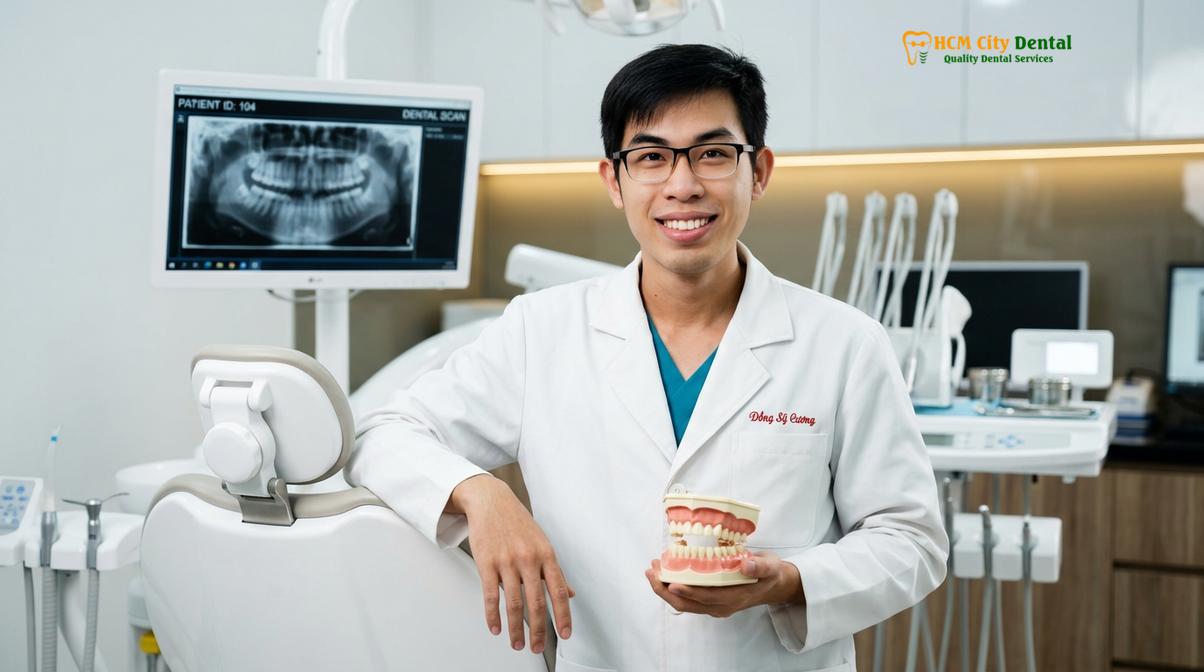
— Dr. Nguyen Van Cuong, Lead Clinician at HCMC Dental Clinic
The human jaw is capable of exerting up to 250 pounds of force per square inch during a nocturnal grinding episode. Without a protective appliance, this force is transmitted directly through the teeth, down the periodontal ligaments, and into the alveolar bone. This can result in micro-fractures, abfractions (notches at the gumline), pulpitis (nerve inflammation), and severe TMJ arthralgia. A well-designed nightguard distributes these forces evenly across the entire dental arch, preventing localized trauma.
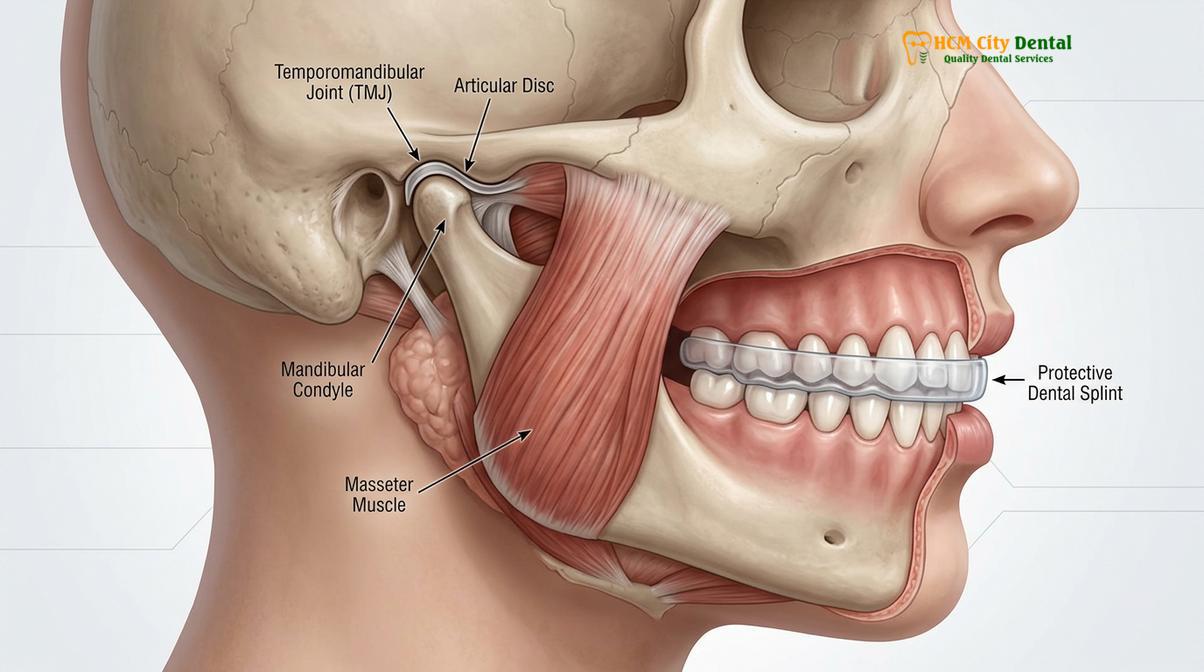
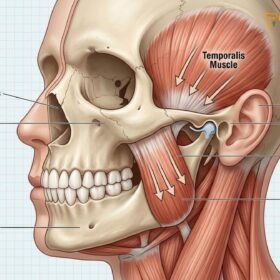
Moreover, wearing a dental guard pregnant patients can experience significant relief from tension headaches and neck pain. By slightly opening the vertical dimension of occlusion (the distance between the upper and lower jaws), the guard prevents the masseter and temporalis muscles from fully contracting. This passive stretching reduces muscle spasms and lactic acid buildup, promoting a more restful sleep environment—which is vital for maternal health.
Material Safety Considerations
Custom night guards made from medical-grade, BPA-free, and phthalate-free acrylics or dual-laminate materials are entirely safe for use throughout all trimesters of pregnancy.
While the mechanical concept of a night guard is inherently safe, expectant mothers frequently—and rightfully—raise concerns about the chemical composition of the materials placed in their mouths for 7 to 9 hours a night. The oral cavity is a highly vascularized environment, and the mucous membranes can absorb certain chemical compounds. Therefore, understanding material safety is paramount when determining if a night guard pregnancy safe protocol is being followed.
The primary concern revolves around endocrine-disrupting chemicals, most notably Bisphenol A (BPA) and certain phthalates (used as plasticizers). BPA is known to mimic estrogen and has been linked to adverse developmental outcomes in fetuses. Consequently, professional dental laboratories adhere to strict biocompatibility standards, utilizing only medical-grade, BPA-free, and phthalate-free polymers for intraoral appliances [3].
There are three main types of materials used in professional night guards, all of which are safe for pregnancy when processed correctly:
- Hard Acrylic (Polymethyl Methacrylate – PMMA): This is the most durable material, ideal for severe clenchers. In a professional lab, PMMA is heat-cured under pressure. This process ensures that all residual monomers (the unreacted liquid chemicals) are fully polymerized and locked into the solid structure, preventing any chemical leaching into the saliva.
- Soft Silicone/EVA (Ethylene Vinyl Acetate): These guards are softer and more flexible. Medical-grade EVA is highly stable, non-toxic, and free of harmful plasticizers. However, they are generally only recommended for light grinders, as heavy bruxers can chew through them quickly.
- Dual-Laminate (PETG and TPU): This is often the preferred choice. It features a hard, durable outer shell (Polyethylene Terephthalate Glycol) to withstand grinding forces, and a soft, comfortable inner lining (Thermoplastic Polyurethane) that rests gently against the teeth and gums. Both materials are highly biocompatible and chemically inert.
| Material Type | Composition | Pregnancy Safety Profile | Clinical Indication |
|---|---|---|---|
| Hard Acrylic (Lab Processed) | Heat-cured PMMA | Excellent (BPA-free, no leaching) | Severe bruxism, TMJ disorders |
| Dual-Laminate | PETG outer, TPU inner | Excellent (Biocompatible, inert) | Moderate to heavy grinding, high comfort |
| Soft Guard (Lab Processed) | Medical-grade EVA | Very Good (Phthalate-free) | Light clenching, sensitive teeth |
| OTC Boil-and-Bite | Unknown commercial plastics | Poor (Risk of unknown plasticizers) | Not recommended during pregnancy |
It is crucial to draw a sharp distinction between custom-fabricated guards provided by a dentist and over-the-counter (OTC) “boil-and-bite” guards purchased at pharmacies. OTC guards are mass-produced using cheaper, less stable plastics. Because they are not strictly regulated as medical devices in the same way lab-fabricated prosthetics are, their exact chemical composition is often proprietary and unverified. Expectant mothers should strictly avoid OTC guards to eliminate any risk of exposure to unknown chemical plasticizers. For a deeper understanding of appliance types, review our Mouthguard vs Night Guard Difference: Clinical Guide.
When to Get a New Guard During Pregnancy
You should replace your night guard if it feels excessively tight, causes jaw pain, or if pregnancy-induced gingivitis alters the fit of the appliance around your swollen gums.
If you already own a night guard prior to becoming pregnant, you may wonder if it will continue to serve you well throughout your gestation. In many cases, it will. However, the physiological changes of pregnancy can sometimes alter the oral landscape enough to necessitate a new appliance or a clinical adjustment.
The most common reason a previously perfect guard stops fitting is pregnancy gingivitis. Due to elevated progesterone levels, the gum tissues become hyper-responsive to even microscopic amounts of dental plaque. This exaggerated inflammatory response causes the gingiva (gums) to swell, become tender, and bleed easily. In some cases, localized swellings known as pyogenic granulomas (pregnancy tumors) can develop on the gums [4]. If your night guard was designed to overlap the gumline (as many soft or dual-laminate guards are), this sudden tissue swelling can cause the acrylic to pinch or dig into the inflamed gums, causing severe discomfort.
Clinical Warning: Never force an ill-fitting night guard onto your teeth. If pregnancy gingivitis has caused your gums to swell and the guard feels excessively tight, forcing it into place can act like an orthodontic appliance, applying unwanted pressure that may shift your teeth out of alignment or exacerbate periodontal inflammation.
If you experience a night guard not fitting properly, it is imperative to visit your dentist. Often, the dentist can carefully adjust the existing guard by relieving the acrylic around the swollen gingival margins. If the fit cannot be corrected, a new impression must be taken to fabricate a guard that accommodates your current oral anatomy.
Another consideration is hyperemesis gravidarum or frequent morning sickness during the first trimester. Repeated exposure to stomach acid can degrade certain softer dental materials over time, making them porous and prone to harboring bacteria. If your guard becomes discolored, develops an odor, or feels rough to the tongue despite proper cleaning, it is time for a replacement to maintain optimal oral hygiene.
Dental Visits During Pregnancy
Routine dental visits are safe and essential during pregnancy, with the second trimester being the most comfortable time for taking impressions for a new night guard.
There is a persistent, outdated myth that dental treatment should be entirely avoided during pregnancy. On the contrary, major health organizations, including the American Dental Association (ADA) and the World Health Organization (WHO), emphasize that preventive, diagnostic, and restorative dental care is safe and crucial for maternal and fetal health [5]. Neglecting oral health can lead to systemic inflammation, which has been linked to adverse pregnancy outcomes.
If you need a new night guard, the process is entirely non-invasive. However, timing and technique are important for your comfort. The second trimester (weeks 13 to 28) is generally considered the optimal time for dental procedures. By this point, the nausea and gag reflex hyper-sensitivity of the first trimester have usually subsided, and the physical size of the fetus is not yet causing the severe positional discomfort typical of the third trimester.
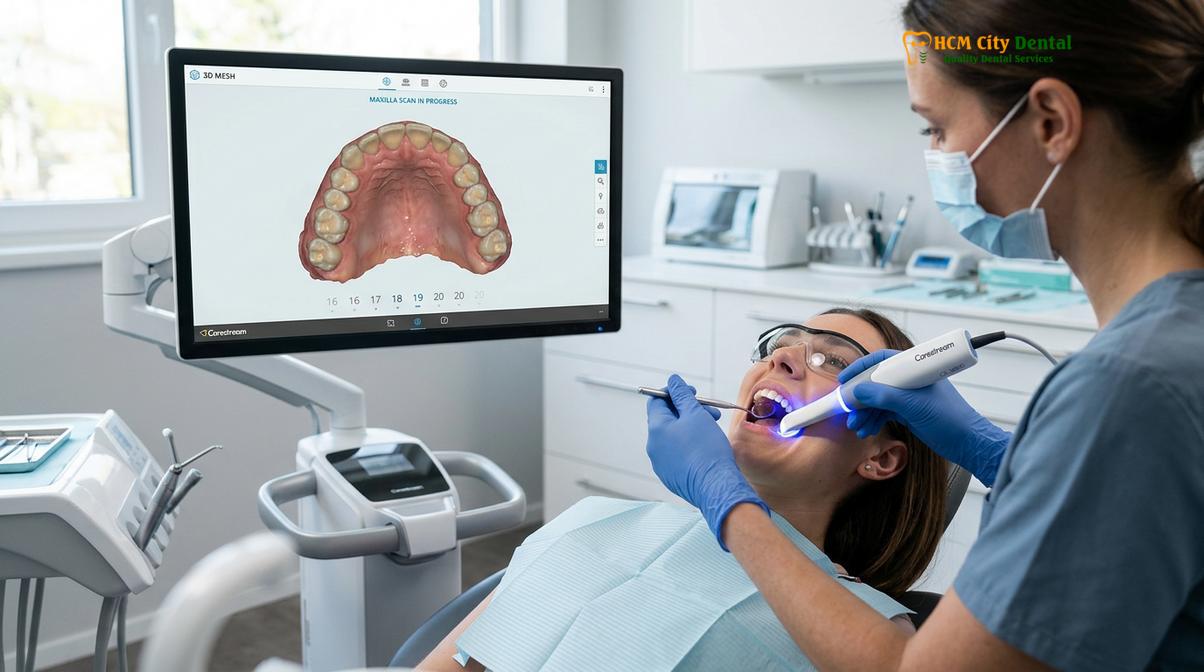
Clinical Case Study: A 28-year-old patient in her second trimester visited HCMC Dental Clinic in Ho Chi Minh City complaining of severe morning jaw pain and visible enamel wear. She had a hyperactive gag reflex, making traditional putty impressions impossible. Dr. Nguyen Van Cuong utilized a digital intraoral scanner to capture a highly precise, 3D model of her teeth in under two minutes without any discomfort. A BPA-free, dual-laminate night guard was fabricated, immediately resolving her myofascial pain and protecting her enamel for the remainder of her pregnancy.
Modern dental technology has vastly improved the experience for pregnant patients. Traditional alginate or PVS (polyvinyl siloxane) putty impressions can trigger severe gagging, especially in expectant mothers sensitive to textures and smells. Today, clinics utilize digital intraoral scanners (such as iTero or 3Shape). This involves a small wand gliding over the teeth to capture thousands of images per second, creating a highly accurate 3D digital model. This process is entirely radiation-free, chemical-free, and highly comfortable.
During your visit, the dental team will also ensure you are positioned safely. In the third trimester, lying completely flat on your back can cause the heavy uterus to compress the inferior vena cava, leading to supine hypotensive syndrome (dizziness and a drop in blood pressure). Dentists trained in maternal care will keep the chair slightly elevated and may place a small pillow under your right hip to tilt your body to the left, ensuring optimal blood flow to the fetus while discussing your TMJ treatment options.
Post-Pregnancy Guard Adjustments
After childbirth, hormonal stabilization and reduced gingival swelling may change your bite, requiring a clinical evaluation to adjust or replace your current night guard.
The physiological changes do not end immediately upon delivery. The postpartum period, often referred to as the “fourth trimester,” brings its own set of challenges that can affect your stomatognathic system and the fit of your night guard.
As hormone levels—particularly progesterone and relaxin—begin to normalize, the pregnancy-induced gingivitis will typically resolve. The swollen gum tissues will shrink back to their normal contours. If your night guard was fabricated during the peak of your gingival swelling, it might feel loose or lack proper retention once the inflammation subsides. Furthermore, as the relaxin leaves your system, the ligaments supporting your TMJ will tighten back up, which can cause subtle shifts in your occlusion (bite).
“Postpartum dental evaluations are just as critical as prenatal care. As the body’s hormones stabilize and the physical stress of nursing and sleep deprivation sets in, we often see a shift in bruxism patterns. Adjusting the night guard to match the stabilized postpartum bite ensures long-term TMJ health.”
— Dr. Nguyen Van Cuong, HCMC Dental Clinic
Additionally, the postpartum period is notoriously stressful. Sleep deprivation, the physical demands of newborn care, and the postural strain of breastfeeding (often looking down with the neck flexed forward) can exacerbate neck and jaw tension. Many mothers find that their bruxism pregnancy symptoms continue or even worsen after the baby is born. Continuing to wear your night guard is highly recommended, but it must be evaluated to ensure it still provides balanced occlusal contacts. If you are experiencing ongoing muscle tension, incorporating jaw exercises for bruxism relief alongside your appliance therapy can yield excellent results.
When to See a Doctor
While wearing a night guard is a safe and effective management strategy, certain symptoms warrant immediate clinical evaluation by a dental professional. You should schedule an appointment if you experience:
- Severe, unyielding jaw pain: Pain that radiates to the neck, shoulders, or ears, which may indicate acute TMJ inflammation.
- Limited mouth opening (Trismus): An inability to open your mouth fully or a “locked” jaw sensation upon waking.
- Visible tooth damage: Chipped enamel, cracked teeth, or lost fillings, indicating that the grinding forces are exceeding the protection of your current appliance.
- Changes in your bite: A sudden feeling that your upper and lower teeth no longer fit together correctly when the guard is removed.
- Associated ear symptoms: If you develop ringing in the ears or earaches without an infection, read more about the bruxism ear pain tinnitus connection.
Always inform your dentist that you are pregnant, detailing your trimester and any medications or prenatal vitamins you are currently taking, so they can tailor your diagnostic and treatment plan accordingly.
Frequently Asked Questions
Can I wear my night guard while pregnant?
Yes, wearing a custom-fitted, medical-grade night guard is completely safe and highly recommended during pregnancy. It provides a non-invasive, mechanical barrier that protects your teeth from the damaging forces of bruxism without introducing any systemic medications to you or your developing baby. Always ensure your appliance is made from BPA-free materials, and consult your dentist to verify the fit, especially if you experience pregnancy-induced gum swelling.
Does pregnancy cause teeth grinding?
Pregnancy itself does not directly cause teeth grinding, but the physiological and psychological changes associated with it can trigger or worsen the condition. Factors such as hormonal fluctuations, increased emotional stress, sleep disruptions, and pregnancy-induced sleep apnea all contribute to a heightened risk of nocturnal bruxism during the gestational period. The hormone relaxin can also affect jaw joint stability, leading to bite discrepancies that trigger grinding.
Are night guard materials safe for pregnancy?
Custom night guards fabricated in professional dental laboratories are extremely safe for pregnant women. They are typically made from biocompatible, medical-grade acrylics or dual-laminate materials that are strictly free of Bisphenol A (BPA) and harmful phthalates. However, over-the-counter boil-and-bite guards should be avoided as their chemical composition is often unverified and may contain unknown plasticizers that are not recommended during gestation.
Should I see a dentist about grinding during pregnancy?
Absolutely, you should consult a dentist if you experience teeth grinding during pregnancy. A clinical evaluation is necessary to assess the extent of enamel wear, check for pregnancy-induced gingivitis that might affect appliance fit, and ensure that your temporomandibular joint (TMJ) is functioning properly without requiring contraindicated pharmacological treatments. Routine dental care is safe and encouraged throughout pregnancy.
Will my guard fit differently during pregnancy?
Yes, your night guard may fit differently during pregnancy due to a condition known as pregnancy gingivitis. Hormonal surges can cause your gum tissue to swell, become inflamed, or bleed easily, which may make a previously well-fitting guard feel excessively tight or uncomfortable. If this occurs, do not force the guard onto your teeth; instead, visit your dentist for a simple adjustment to accommodate the swollen tissues.
References
- American Dental Association (ADA). Oral Health During Pregnancy: Clinical Guidelines. (2022).
- Journal of Clinical Sleep Medicine. Sleep-Related Bruxism and Pregnancy: A Comprehensive Review. (2021).
- International Journal of Prosthodontics. Biocompatibility of Dental Acrylics and Resins. (2020).
- Journal of Periodontology. Hormonal Influences on the Periodontium During Pregnancy. (2019).
- World Health Organization (WHO). Guidelines on Maternal Oral Health and Systemic Outcomes. (2023).
For pricing, booking, and a free clinical assessment, visit our Night Guard & Mouthguard service page at HCMC Dental Clinic in Ho Chi Minh City.