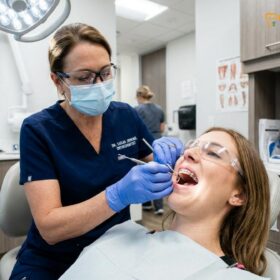
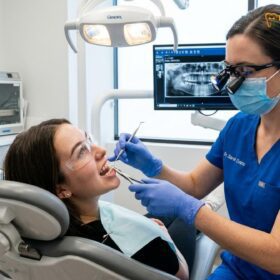
Patients comparing retainer cost vietnam vs usa will find that custom retainers in Vietnam cost approximately 70% to 80% less than in the United States. While US clinics charge premium fees, top-tier facilities in Ho Chi Minh City provide identical clinical quality and FDA-approved materials at highly accessible rates.
Clinical Summary:
Orthodontic retention is a critical phase requiring precise appliance fabrication to prevent occlusal relapse. The significant price disparity between the US and Vietnam stems from operational overhead rather than material quality. Patients traveling to Vietnam can access premium Essix, Hawley, and fixed retainers crafted from globally recognized materials. By choosing a reputable clinic in Ho Chi Minh City, international patients secure high-quality retention devices while bypassing the steep out-of-pocket expenses commonly associated with American dental care.
Key Takeaways:
- Custom retainers in Vietnam are significantly more affordable than standard US clinic prices.
- Top Vietnamese clinics utilize the same FDA-approved materials and 3D scanning technology as American orthodontists.
- US dental insurance plans often limit or exclude coverage for replacement retainers.
- Both clear aligner-style and traditional wire retainers can be fabricated within 24 to 48 hours in Saigon.
- Proper clinical fitting by an experienced dentist ensures long-term occlusal stability and prevents orthodontic relapse.
Clinical Overview of Orthodontic Retention
Orthodontic retention is the mandatory final phase of tooth alignment, utilizing custom appliances to stabilize the periodontal ligaments and prevent teeth from shifting back to their original positions.
The biological mechanism of tooth movement involves the continuous remodeling of alveolar bone and periodontal ligaments. When braces or clear aligners are removed, the osteoblastic (bone-building) and osteoclastic (bone-resorbing) activities have not yet fully stabilized. Furthermore, the supracrestal and transseptal gingival fibers possess a “memory” that exerts a pulling force, attempting to drag the teeth back to their pre-treatment malocclusion. This phenomenon is known as orthodontic relapse.
To counteract these biological forces, a passive retention appliance must be worn. Retainers do not move teeth; rather, they hold them in their newly established functional and aesthetic positions until the surrounding bone calcifies completely and the gingival fibers adapt to the new architecture[1]. Without strict adherence to a retention protocol, even the most perfectly executed orthodontic treatment will inevitably fail over time.
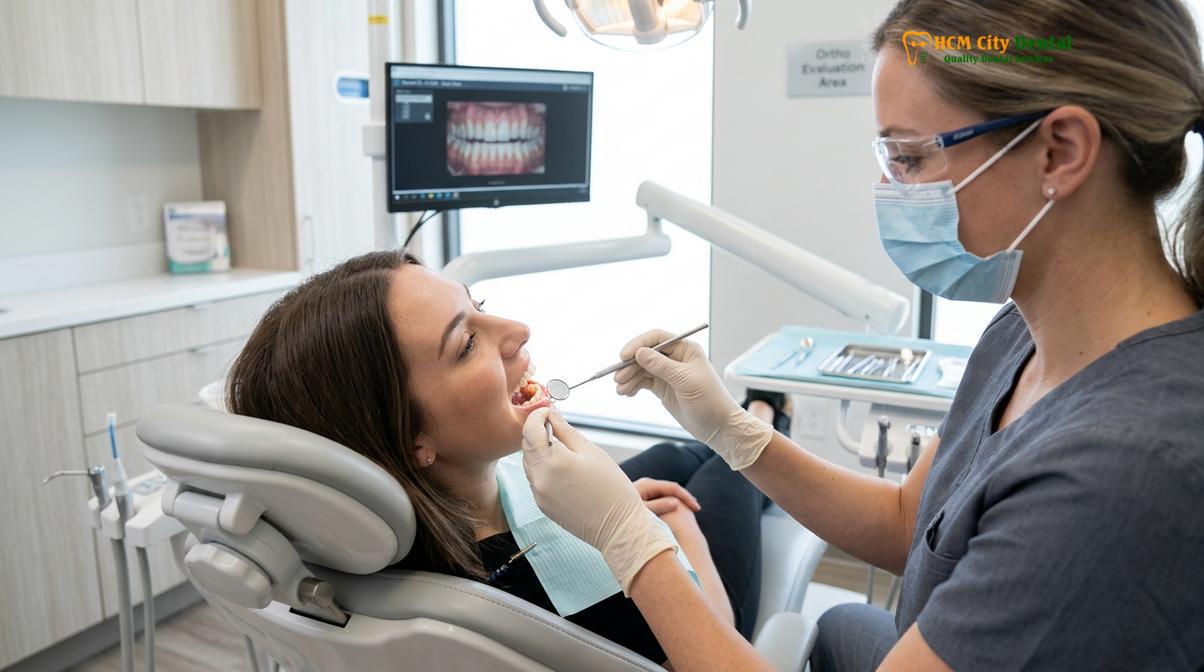
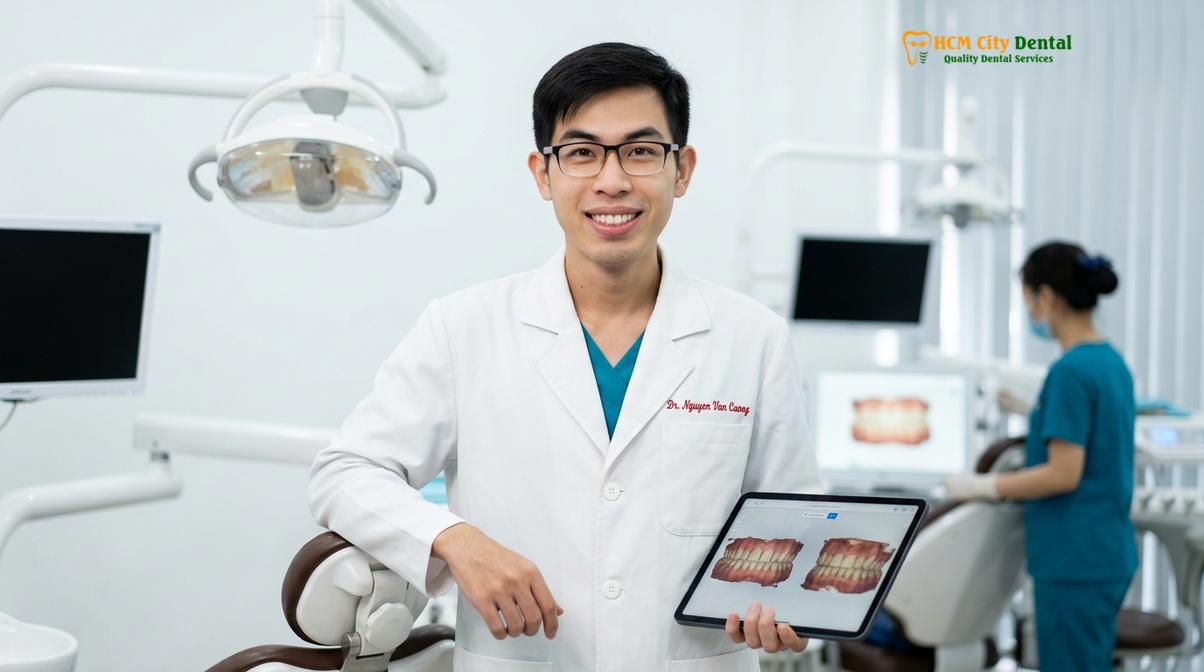
Dr. Nguyen Van Cuong, a leading specialist at HCMC Dental Clinic, frequently emphasizes to patients that the day braces come off is not the end of treatment, but rather the beginning of the retention phase. The clinical success of this phase depends entirely on the precision of the retainer’s fit and the patient’s compliance with the prescribed wear schedule.
Retainer Cost Vietnam vs USA: A Detailed Comparison
The financial contrast between the two countries is stark, with Vietnam offering premium orthodontic retainers at a fraction of the out-of-pocket cost typically incurred in the United States.
When analyzing the retainer cost usa, patients are often surprised by the steep fees associated with what appears to be a simple piece of plastic or wire. In the United States, the cost of a single replacement retainer can range from $200 to $600, while a full set (upper and lower) can easily exceed $1,000. These high prices are driven by exorbitant laboratory fees, high commercial rent, malpractice insurance premiums, and the overall cost of living in North America.
🇺🇸 Cost Comparison: Vietnam vs United States (Per Arch)
Save up to 70% - 80% on high-quality custom dental retainers. Below is a detailed cost breakdown comparing local rates in United States with HCMC Dental Clinic.
| Retainer Type | United States Avg. Cost | HCMC Dental Cost | Your Savings |
|---|---|---|---|
| Essix (Clear Aligner) | $250 - $500 USD | $72 USD | Save ~80% |
| Hawley (Acrylic & Wire) | $300 - $600 USD | $120 USD | Save ~75% |
| Fixed Bonded (Wire behind teeth) | $300 - $550 USD | $60 USD | Save ~80% |
Conversely, the pricing structure in Vietnam is vastly different. The lower cost of living, reduced operational overhead, and highly efficient in-house dental laboratories allow clinics to offer the exact same appliances for a fraction of the price. A premium custom retainer in Vietnam typically ranges from $50 to $150 per arch. It is crucial to understand that this price reduction does not correlate with a drop in quality. Top clinics in Ho Chi Minh City import their raw materials—such as Zendura or Essix ACE plastics—directly from the same global manufacturers used by American orthodontists.
For international patients, this creates a highly favorable economic scenario. Even when factoring in travel expenses, obtaining an Orthodontics retention system in Vietnam is often more economical, particularly for patients requiring multiple sets of retainers or those combining the procedure with other dental work.
Navigating Dental Insurance Coverage for Retainers
Many American patients discover that their domestic insurance plans offer limited or no financial assistance for post-treatment retention appliances, especially for replacements.
Understanding dental insurance coverage for orthodontic retention can be a frustrating endeavor for many patients. In the United States, most dental insurance policies classify orthodontic treatment as a distinct category with a strict “once-per-lifetime” maximum benefit. While the initial set of retainers provided immediately after braces removal is usually bundled into the total treatment cost, replacement retainers are almost always considered an out-of-pocket expense.
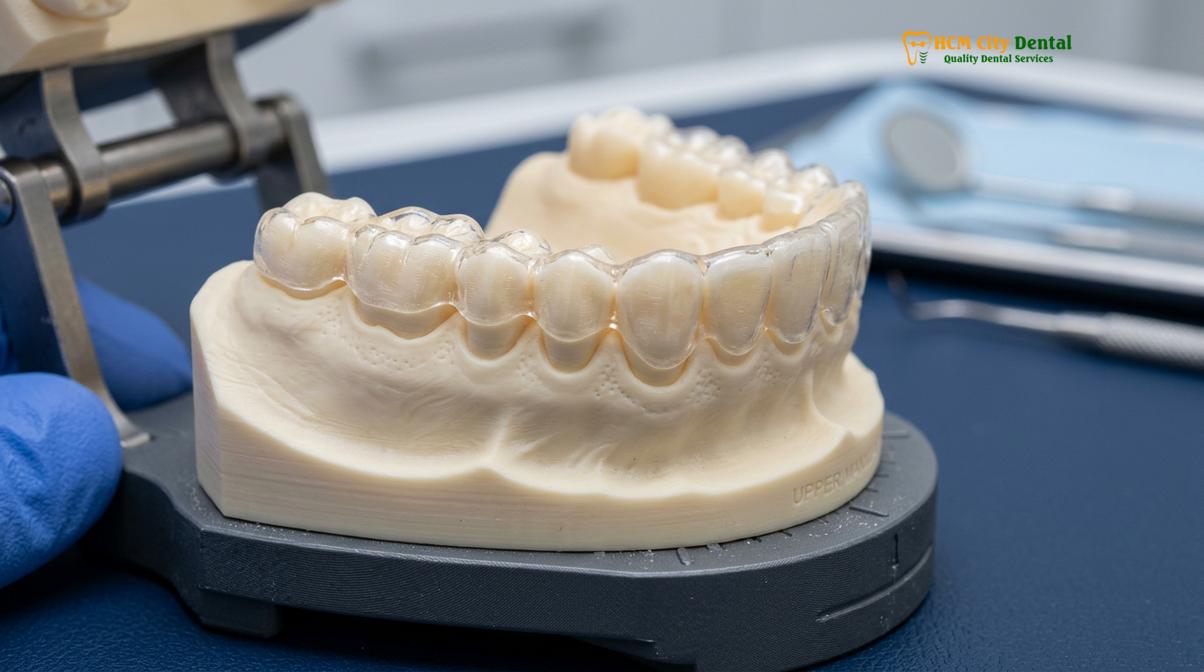
For example, patients inquiring about a Delta Dental retainer cost or a Cigna dental retainer often find that their policy explicitly excludes coverage for lost, broken, or worn-out retainers. Because thermoplastic retainers naturally degrade over time due to bruxism (teeth grinding), salivary enzymes, and daily wear, patients are forced to purchase replacements every one to three years.
“The lack of insurance support for replacement retainers in the US forces many patients to abandon retention altogether, leading to severe relapse. Accessible pricing in international hubs provides a vital clinical alternative for maintaining long-term alignment.”
Because domestic insurance provides little relief, seeking an affordable replacement retainer abroad has become a practical solution. Patients visiting Vietnam can purchase multiple sets of backup retainers for less than the cost of a single insurance copay in the US. This proactive approach ensures that if a retainer is lost or damaged, the patient has an immediate replacement available, preventing any unwanted tooth movement[2].
Types of Retainers and Material Specifications
Clinical retention relies on three primary appliance types—clear thermoplastic, traditional wire-and-acrylic, and bonded lingual wires—each selected based on the patient’s specific occlusal needs.
The selection of a retainer is a clinical decision based on the patient’s original malocclusion, oral hygiene habits, and lifestyle. There is no universally superior retainer; each type offers distinct biomechanical advantages.
Essix (Clear Thermoplastic) Retainers
Essix retainers are the most popular choice for modern orthodontic patients. Fabricated from transparent polyurethane or PETG (polyethylene terephthalate glycol), these retainers completely encase the clinical crowns of the teeth. They are highly aesthetic and provide excellent stabilization for the anterior teeth. However, because they cover the occlusal (biting) surfaces, they can wear down faster in patients who grind their teeth. To learn more about their safety and material properties, patients can review clinical facts on whether clear retainers are safe to wear.
Hawley (Wire and Acrylic) Retainers
The Hawley retainer is the traditional standard in orthodontics. It consists of an acrylic base plate that rests against the palate or lingual mucosa, combined with a labial bow (a stainless steel wire) that wraps around the anterior teeth. Hawley retainers are highly durable, adjustable, and allow the upper and lower teeth to settle into a natural occlusion because they do not cover the biting surfaces. They are particularly effective for patients who require minor post-treatment adjustments[3].
Fixed (Bonded Lingual) Retainers
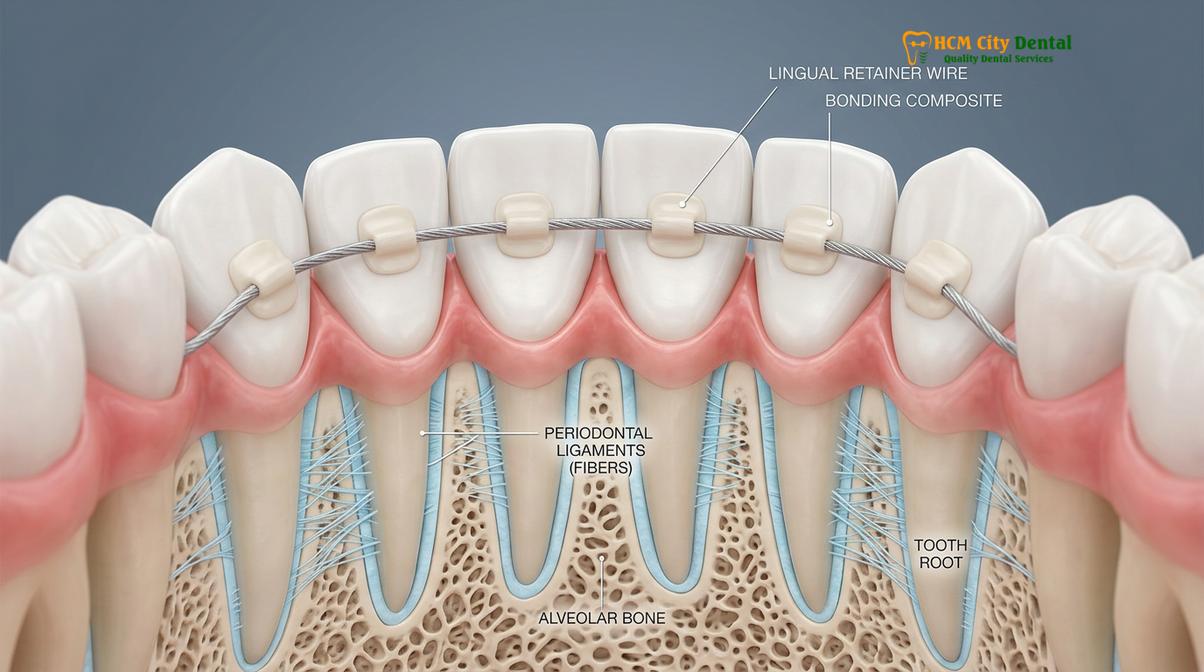
A fixed retainer consists of a multistranded stainless steel or titanium wire bonded directly to the lingual (tongue-facing) surfaces of the anterior teeth using dental composite resin. This appliance is completely passive and relies entirely on patient compliance, as it cannot be removed. It is highly effective at preventing the relapse of lower incisors. However, it requires meticulous oral hygiene, as calculus and plaque can easily accumulate around the wire and composite pads. Proper maintenance is essential, as detailed in guides regarding permanent retainer plaque removal.
The Clinical Workflow for a Custom Retainer Saigon
Fabricating a high-precision retainer involves digital intraoral scanning, specialized laboratory thermoforming or wire bending, and a meticulous clinical fitting to ensure optimal passive pressure.
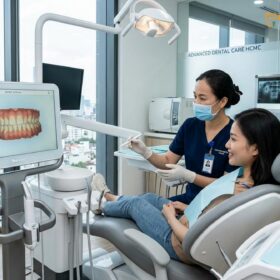
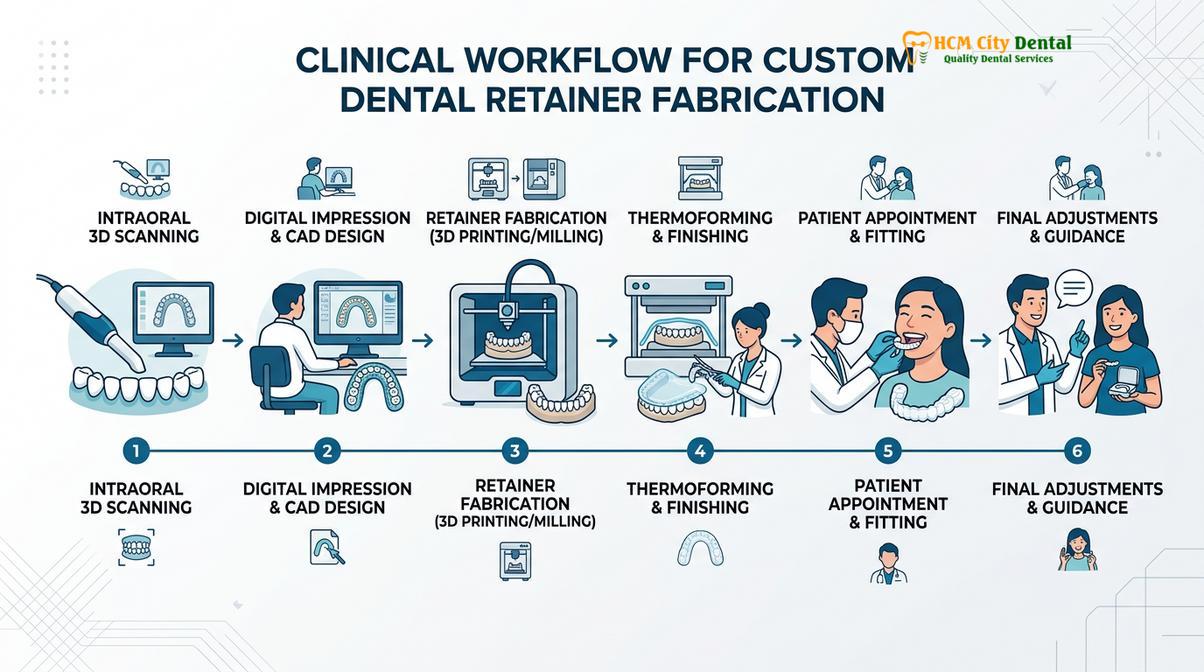
The process of obtaining a custom retainer Saigon is highly streamlined, thanks to the integration of digital dentistry in top Vietnamese clinics. When a patient visits HCMC Dental Clinic in Ho Chi Minh City, the workflow is designed to maximize precision while minimizing turnaround time.
The clinical protocol begins with a comprehensive examination of the patient’s current occlusion. If the teeth are stable, the dentist will use an intraoral scanner (such as an iTero or 3Shape TRIOS) to capture a highly accurate 3D digital impression of the dental arches. This digital file is instantly transmitted to the in-house laboratory, eliminating the discomfort and distortion associated with traditional alginate putty impressions.
Clinical Case Example:
An international patient arrived at HCMC Dental Clinic in Ho Chi Minh City after losing their upper Essix retainer during a flight. Because their US clinic quoted a three-week wait and a $400 fee, they sought immediate care in Vietnam. Utilizing 3D intraoral scanning, the clinic fabricated a perfect-fitting, medical-grade thermoplastic replacement within 24 hours for a fraction of the US cost, successfully preventing any anterior relapse.
Once the digital model is 3D printed, the laboratory technician fabricates the appliance. For an Essix retainer, a thermoplastic sheet is heated and vacuum-formed over the model. For a Hawley retainer, the wire framework is meticulously bent by hand to adapt to the labial contours, and the acrylic base is cured. The final step is the clinical delivery, where the dentist evaluates the retainer’s fit, ensuring there is no excessive pressure on the periodontal ligaments and that the gingival margins are smooth and comfortable[4]. Patients interested in the nuances of this process can explore a comprehensive clinical guide on custom retainers.
Important Clinical Considerations (When to See a Doctor)
While retainers are passive devices, their ongoing use requires clinical monitoring. Patients must remain vigilant for signs of appliance failure or orthodontic relapse. Ignoring these signs can lead to irreversible tooth movement, necessitating a second round of braces or aligners.
Seek immediate dental evaluation if you experience:
- A retainer that feels excessively tight, indicating that the teeth have begun to shift.
- Visible cracks, perforations, or severe discoloration in a clear thermoplastic retainer.
- A debonded composite pad or a broken wire on a fixed lingual retainer.
- Gingival inflammation, bleeding, or persistent soreness caused by the edges of the appliance.
- Loss of the appliance, requiring an immediate replacement to prevent relapse.
Dr. Cuong advises that patients should never attempt to adjust a wire retainer or repair a cracked clear retainer with household adhesives. These materials are toxic and will alter the precise fit of the appliance, potentially applying active, damaging forces to the teeth. If you require assistance while traveling, finding an English speaking dentist for retainer replacement is crucial for clear communication and prompt care.
“A retainer is a medical prescription, not a generic accessory. Any alteration in its structural integrity compromises its ability to stabilize the periodontium. Prompt clinical replacement is the only evidence-based solution for a damaged appliance.”
Furthermore, patients with fixed retainers must commit to biannual professional cleanings. The lingual surfaces of the lower incisors are highly susceptible to calculus buildup due to their proximity to the submandibular salivary glands. A dental hygienist or dentist must carefully scale around the bonded wire to prevent localized periodontitis and gingival recession[5].
For those evaluating their options, understanding the orthodontic retainer price in Ho Chi Minh City and comparing the clinical benefits of a plastic aligner retainer vs wire retainer will help in making an informed, evidence-based decision for long-term oral health.
Frequently Asked Questions
Why is a custom retainer in Vietnam so much cheaper than in the USA?
The price difference is primarily due to lower operational overhead, laboratory fees, and living costs in Vietnam, not a reduction in material quality. Top Vietnamese clinics use the exact same FDA-approved thermoplastic materials and clinical protocols as American dental offices. By eliminating the inflated administrative costs of the US healthcare system, clinics in Ho Chi Minh City can offer premium appliances at highly accessible rates.
Will my US dental insurance cover a replacement retainer in Vietnam?
Most US dental insurance plans do not cover international dental treatments, and many strictly limit retainer coverage to a once-per-lifetime benefit. However, the out-of-pocket cost in Vietnam is often lower than an American insurance copay. Patients frequently find that paying directly for a high-quality replacement abroad is more economical than navigating the restrictions and deductibles of their domestic insurance policies.
How long does it take to get a new retainer made in Ho Chi Minh City?
A custom clear or wire retainer can typically be fabricated and fitted within 24 to 48 hours in Ho Chi Minh City. Clinics utilize in-house 3D scanning and thermoforming technology to expedite the laboratory process without compromising precision. In emergency cases where a patient has lost their appliance, some advanced clinics can even provide same-day fabrication to prevent any immediate orthodontic relapse.
Are the materials used for retainers in Vietnam safe and durable?
Yes, reputable clinics in Vietnam utilize globally recognized, biocompatible materials such as Essix ACE, Zendura, and medical-grade stainless steel. These materials offer excellent durability, safety, and resistance to occlusal wear when properly maintained. The clinical safety standards and sterilization protocols at top-tier international clinics in Vietnam meet or exceed those mandated by Western dental boards.
What should I do if my fixed permanent retainer breaks while traveling?
You should seek immediate clinical evaluation to have the composite resin repaired or the wire replaced. Delaying treatment can allow the periodontal ligaments to shift, leading to rapid orthodontic relapse and the need for retreatment. Do not attempt to pull the wire off yourself, as this can damage the tooth enamel; a dentist must safely remove the remaining bonding material using specialized rotary instruments.
References
- Journal of Prosthodontic Research. Orthodontic retainer wear and stability. (2021).
- American Journal of Orthodontics. Relapse rates and retention protocols. (2019).
- European Journal of Orthodontics. Essix vs Hawley retainers clinical trial. (2020).
- Journal of Clinical Orthodontics. Plaque accumulation on fixed retainers. (2022).
- Australian Dental Journal. Patient compliance with dental retainers. (2018).