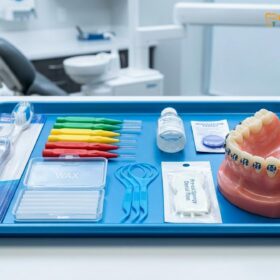
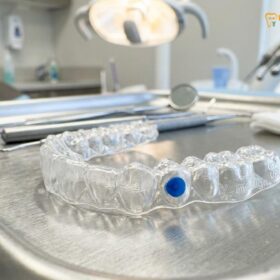
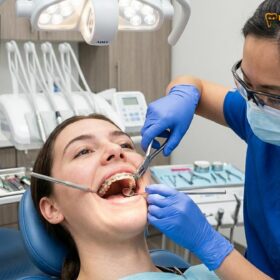
A broken wire on a permanent retainer requires prompt clinical attention to prevent orthodontic relapse and potential soft tissue injury. Secure any sharp edges with orthodontic wax immediately, and schedule a professional evaluation to determine if the appliance needs localized rebonding or a complete wire replacement.
Clinical Summary:
A fractured lingual retainer wire compromises the critical retention phase of orthodontic treatment. Immediate clinical risks include unwanted tooth migration (relapse) and painful lacerations to the tongue or gingival tissues. Clinical management involves a thorough assessment of the remaining composite pads and the structural integrity of the wire. Depending on the severity of the failure, treatment ranges from a localized dental adhesive repair to the fabrication and bonding of a completely new custom wire. Timely professional intervention is essential to minimize the risk of relapse and ensure long-term occlusal stability.
Key Takeaways:
- A broken permanent retainer wire can lead to rapid and unwanted tooth shifting if left untreated.
- Never attempt to pull, bend, or cut the remaining wire yourself, as this can cause severe enamel damage.
- Orthodontic wax provides safe, temporary relief from sharp, protruding wire edges until you reach a clinic.
- Professional treatment options range from simple composite rebonding to complete custom wire replacement.
- Maintaining excellent oral hygiene and avoiding excessively hard foods significantly prolongs the lifespan of bonded retainers.
Understanding the Anatomy of a Bonded Retainer Failure
A permanent retainer fails when the composite bonding resin degrades over time or the metallic wire fractures under excessive occlusal stress, leading to an immediate loss of orthodontic stability.
To fully comprehend why a broken wire on a permanent retainer occurs, it is essential to understand the biomechanical environment of the human mouth. A permanent retainer, clinically referred to as a fixed lingual retainer, is a passive orthodontic appliance designed to hold teeth in their corrected positions following active treatment with braces or clear aligners. The post-orthodontic retention phase is critical because the periodontal ligaments—the elastic fibers that anchor teeth to the jawbone—have a “memory” and will naturally attempt to pull the teeth back to their original, misaligned positions[1].
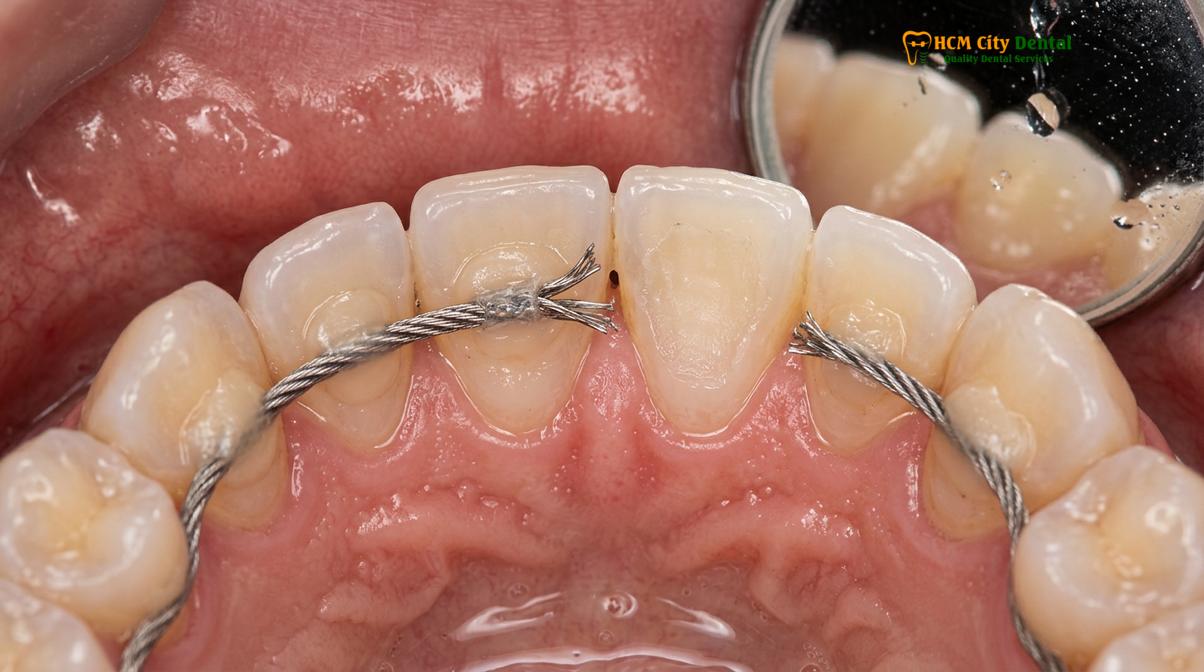
The appliance typically consists of a thin, custom-adapted wire—often made of braided stainless steel or a specialized nickel-titanium alloy—that is bonded to the lingual (tongue-facing) surfaces of the anterior teeth using a dental composite resin. While these materials are highly durable, the oral cavity is a harsh environment characterized by constant moisture, fluctuating temperatures, and immense masticatory (chewing) forces.
A loose fixed retainer wire usually manifests in one of three primary ways:
- Composite Bond Failure (Debonding): The most common type of failure occurs when the composite resin pad detaches from the enamel surface of a single tooth. This can happen due to the natural degradation of the bonding agent over time, poor moisture control during the initial placement, or the sheer force of biting into a hard object. When a single pad debonds, the wire remains intact but flexes away from the tooth, creating a trap for plaque and allowing that specific tooth to shift.
- Wire Fracture: In some cases, the metal wire itself snaps. Multi-stranded wires, while excellent for flexibility and patient comfort, can suffer from metal fatigue after years of microscopic flexing during chewing and speaking. A fractured wire leaves sharp, jagged edges exposed and completely eliminates the retentive force on the affected teeth[2].
- Composite Wear (Abrasion): Over years of aggressive brushing, consumption of acidic foods, and natural friction from the tongue, the composite resin pads can slowly wear down. As the composite thins, the mechanical retention holding the wire in place weakens, eventually leading to a spontaneous detachment.
Dr. Nguyen Van Cuong, a leading specialist at HCMC Dental Clinic, frequently notes that patient habits play a significant role in appliance longevity. “We often see retainer failures in patients who habitually chew ice, bite their fingernails, or use their front teeth as tools to open packaging. The shear forces generated by these actions easily exceed the bond strength of the dental composite,” explains Dr. Cuong.
Immediate Clinical Steps When Your Retainer Wire Snaps
If your retainer wire breaks, immediately stabilize the sharp ends with orthodontic wax, maintain meticulous oral hygiene, and avoid hard foods until a professional repair is completed.
Discovering a broken wire on a permanent retainer can be alarming, especially if it happens outside of normal clinic hours or while traveling. While it is rarely a life-threatening medical emergency, it is an orthodontic urgency that requires careful at-home management to prevent soft tissue injury and minimize tooth movement before you can reach a dental professional.
The immediate primary concern is usually physical discomfort. A snapped wire can act like a tiny needle, repeatedly lacerating the highly vascular and sensitive tissues of the tongue, lips, or floor of the mouth. If left unmanaged, these constant abrasions can quickly develop into painful traumatic ulcers.
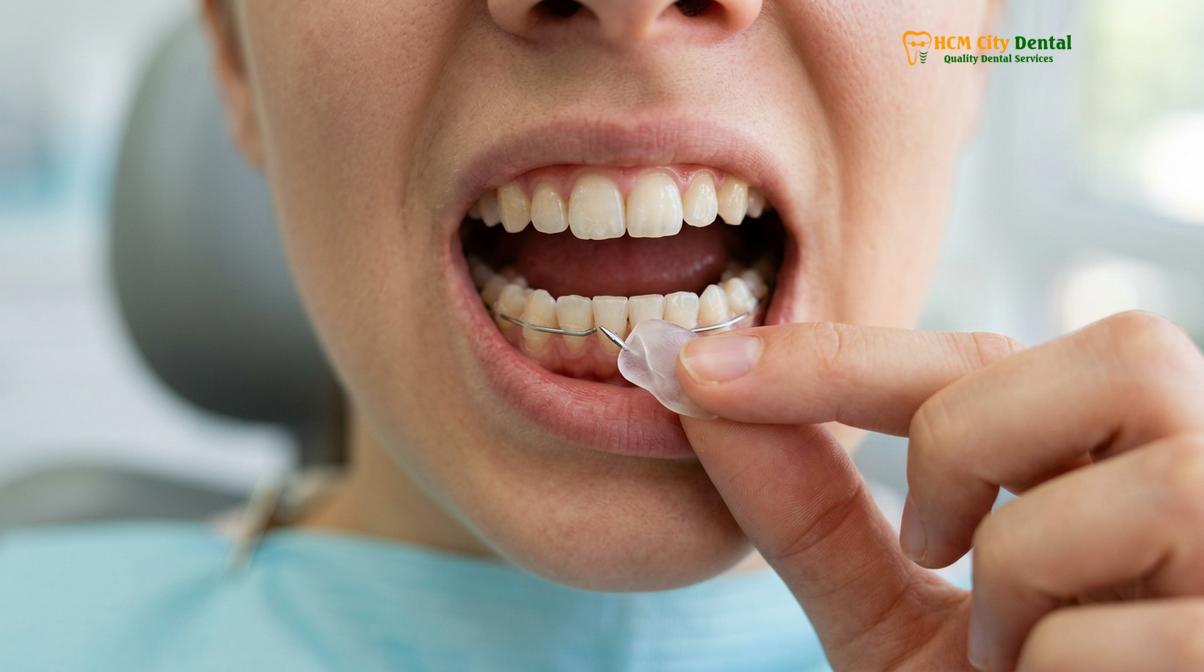
Follow these clinical steps to manage the situation safely at home:
- Assess the Damage Visually: Wash your hands thoroughly. Stand in a well-lit area and use a mirror to inspect the back of your teeth. Determine whether the wire has completely snapped, or if a composite pad has simply popped off the tooth, leaving the wire intact but loose.
- Apply Orthodontic Wax: This is the most effective temporary solution. Dry the affected area as much as possible using a clean tissue or cotton swab (wax does not adhere well to wet surfaces). Pinch off a small, pea-sized piece of orthodontic wax, roll it into a ball, and firmly press it over the sharp end of the wire and the adjacent tooth. This creates a smooth, protective barrier. If you do not have orthodontic wax, sugar-free chewing gum can be used in an absolute pinch, though it is less ideal.
- Utilize a Backup Removable Retainer: If you were provided with a clear Essix retainer or a Hawley retainer to wear over your permanent wire, wear it immediately. The removable appliance will act as a splint, holding the broken wire flat against the teeth and preventing any unwanted orthodontic relapse while you wait for your appointment. If you are exploring removable appliance alternatives, keeping a backup is highly recommended.
- Modify Your Diet: Stick to a soft-food diet. Avoid anything hard, crunchy, sticky, or chewy (e.g., apples, crusty bread, caramels, nuts). Chewing hard foods can cause the broken wire to bend further, potentially debonding adjacent teeth or causing the wire to snap in a second location.
- Maintain Meticulous Hygiene: A broken retainer creates new microscopic crevices where food particles and plaque can rapidly accumulate. Continue to brush carefully around the area. Use an antimicrobial mouthwash or a warm saltwater rinse (half a teaspoon of salt in a cup of warm water) to keep the area clean and soothe any minor soft tissue abrasions.
Clinical Warning: NEVER attempt to pull, bend, twist, or cut a broken permanent retainer wire yourself using household tools like nail clippers or pliers. The wire is firmly bonded to adjacent teeth; pulling on it can fracture your natural tooth enamel, extract a healthy tooth, or cause severe damage to the periodontal ligament. Always leave the removal and adjustment to a licensed dental professional.
If you find yourself misplacing a removable backup while your permanent wire is broken, the urgency to see a dentist increases significantly, as your teeth have no retentive support whatsoever.
Professional Treatment Workflows for Retainer Repair
Orthodontists evaluate the extent of the damage to determine if a localized composite patch is sufficient or if a complete wire replacement is clinically necessary to restore stability.
When you present to the clinic with a broken wire on a permanent retainer, the dentist will perform a comprehensive clinical examination to determine the most appropriate course of action. The treatment workflow depends entirely on the nature of the failure: is it a simple debonding, a bent wire, or a catastrophic wire fracture?
The goal of any dental adhesive repair is to restore the passive retentive force without introducing active orthodontic pressures that could inadvertently move the teeth.
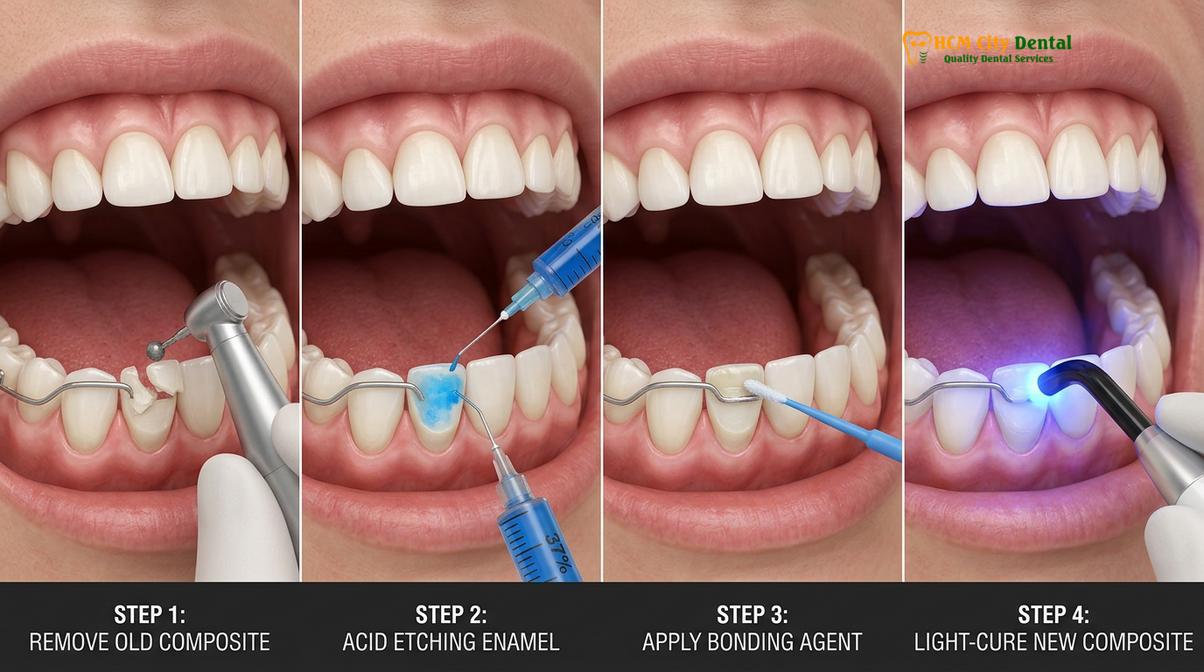
Scenario 1: Localized Composite Debonding (Wire Intact)
If the wire is completely intact and has not been permanently deformed (bent out of shape), but one or two composite pads have detached from the enamel, the repair is straightforward. This is the most conservative and quickest procedure.
- Isolation and Cleaning: The dentist will isolate the teeth using cotton rolls or a rubber dam to ensure a completely dry working field. Moisture contamination is the primary enemy of dental bonding.
- Composite Removal: Any residual old composite on the tooth and the wire is carefully polished away using a specialized carbide bur or a slow-speed handpiece. It is crucial to remove the old material to expose fresh enamel for optimal bond strength.
- Surface Preparation: The enamel surface is treated with a mild phosphoric acid etching gel for about 20 seconds. This creates microscopic pores in the enamel. The tooth is rinsed and thoroughly dried.
- Bonding and Curing: A liquid bonding agent (primer) is applied and light-cured. The dentist then gently adapts the existing wire back against the tooth, applies a small mound of flowable composite resin over the wire, and cures it with a high-intensity blue LED light. The final step involves polishing the new composite pad to ensure it is smooth against the tongue.
Scenario 2: Wire Fracture or Severe Deformation
If the wire itself has snapped, or if it has been severely bent and cannot be passively adapted back to the teeth, a complete replacement is mandatory. Attempting to force a bent wire back into place will act like active elastomeric mechanics, causing the teeth to move unpredictably.
- Complete Removal: The dentist will use a specialized debonding plier to gently squeeze and fracture the remaining composite pads, removing the entire broken wire. The lingual surfaces of all involved teeth are then meticulously polished to remove all residual adhesive.
- Impression or Scanning: Depending on the clinic’s workflow, the dentist may take a traditional putty impression or use an intraoral digital scanner to capture the exact current position of the teeth.
- Wire Fabrication: A new custom wire is fabricated. This can sometimes be done chairside by bending a new multi-stranded wire directly on a stone model, or it may be sent to a dental laboratory for precise adaptation.
- Rebonding: Once the new wire is ready, the entire bonding protocol (etching, priming, composite application, and curing) is repeated for all six anterior teeth.
| Clinical Factor | Localized Rebonding | Complete Wire Replacement |
|---|---|---|
| Indication | Intact wire, 1-2 detached composite pads | Fractured wire, severely bent wire, extensive composite failure |
| Chair Time | 15 – 30 minutes | 45 – 60 minutes (may require 2 visits) |
| Enamel Preparation | Localized to the affected tooth | Complete removal and polishing of all involved teeth |
| Risk of Relapse | Low (if treated promptly) | Moderate (if replacement is delayed) |
“When evaluating a broken permanent retainer, we must look beyond the immediate fracture. If the surrounding composite pads show signs of micro-leakage or severe wear, performing a localized repair is merely a temporary bandage. In such cases, completely replacing the wire ensures long-term predictability and protects the patient’s orthodontic investment.”
— Dr. Nguyen Van Cuong, Lead Orthodontist
Financial Considerations and Treatment Estimates
The financial investment for fixing a broken retainer depends heavily on whether the existing wire can be salvaged or if a new custom appliance must be fabricated.
Understanding the permanent retainer repair cost is a common concern for patients experiencing an appliance failure. Because dental clinics operate independently, fees can vary significantly based on geographic location, the expertise of the practitioner, and the specific materials utilized.
Generally, the cost structure is divided into two categories:
1. Simple Rebonding Fees: If the wire is intact and the dentist only needs to replace one or two composite pads, the procedure is billed as a localized repair. This is the most cost-effective scenario, as it requires minimal chair time and no laboratory fabrication. The fee typically covers the isolation, enamel preparation, and the application of the new composite resin.
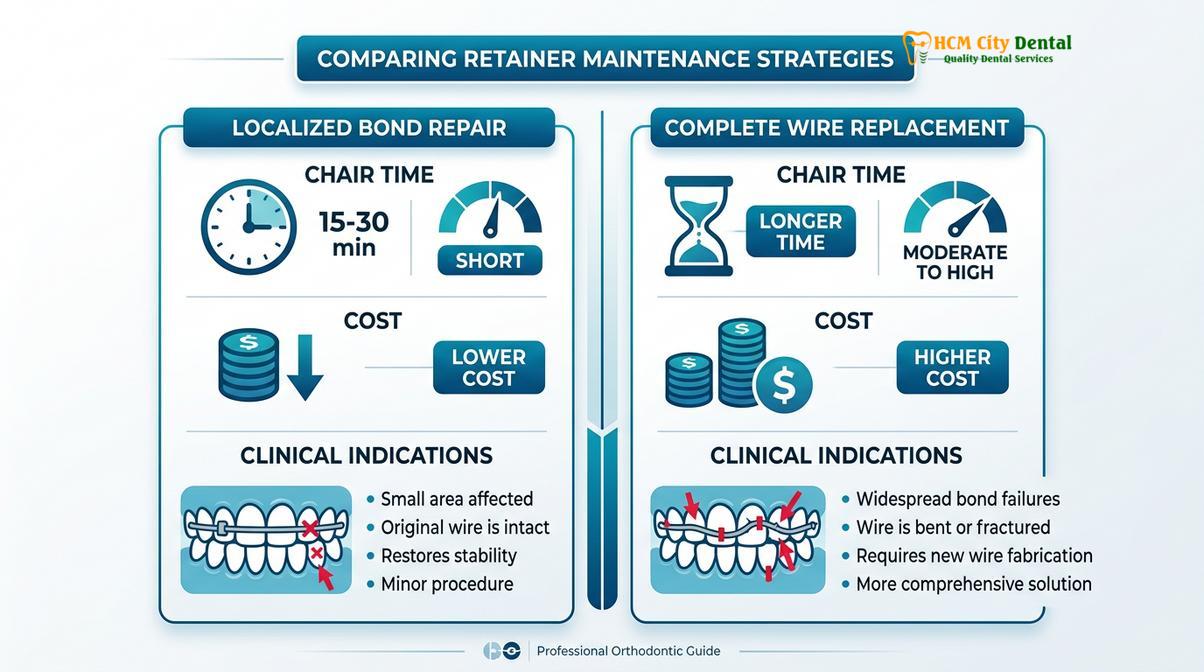
2. Complete Replacement Fees: If the wire is broken or irreparably bent, the cost increases. A complete replacement involves the clinical time required to safely remove the old appliance, polish all the teeth, take digital scans or impressions, and the laboratory fee to fabricate the new custom wire. Finally, the extensive clinical time required to bond the new wire to multiple teeth is factored into the total cost.
It is important to note that many orthodontic contracts include a retention warranty period immediately following the removal of braces or completion of clear aligner therapy. If your retainer breaks within this specified window (often 6 to 12 months post-treatment), the repair may be covered partially or entirely by your original orthodontist. However, if you are seeking care from a new provider or if the warranty has expired, you will be responsible for the standard clinic fees.
When to See a Doctor (Orthodontic Emergency Guidelines)
While a broken wire on a permanent retainer is rarely a life-threatening situation, it is crucial to understand when the situation escalates from a minor inconvenience to an orthodontic urgency requiring an emergency dentist bonded wire intervention.
You should seek immediate professional care within 24 to 48 hours if you experience any of the following clinical signs:
- Severe Soft Tissue Trauma: If the broken wire is deeply lacerating your tongue, cheek, or gums, and orthodontic wax is failing to stay in place or provide relief. Constant trauma can lead to localized infections.
- Visible Tooth Movement: If you look in the mirror and can visibly see that a tooth has shifted, rotated, or a gap has begun to open. Teeth that were originally rotated or spaced prior to orthodontic treatment have a highly aggressive relapse tendency and can move noticeably within a matter of days[3].
- Interference with Your Bite: If the broken wire or a loose composite pad has shifted in a way that prevents you from closing your teeth together normally (occlusal interference). Biting down repeatedly on a displaced wire can fracture the opposing teeth or cause severe trauma to the periodontal ligament.
- Inability to Wear a Backup Retainer: If the broken wire is bent outward, preventing your clear Essix or Hawley retainer from seating fully over your teeth.
Clinical Case Study: Managing Rapid Relapse
A 24-year-old patient presented to HCMC Dental Clinic in Ho Chi Minh City complaining of a broken lower lingual retainer. The patient had a history of a severe lower incisor gap prior to braces. The wire had snapped three weeks prior, but the patient delayed seeking care due to travel. Upon clinical examination, the lower right central incisor had already drifted 1.5mm, reopening the original gap. Because the teeth had shifted, a simple repair was impossible. The clinical team had to remove the broken retainer, fabricate a short series of active clear aligners to move the tooth back into position, and subsequently bond a brand-new permanent retainer. This case highlights the critical importance of prompt intervention to avoid complex retreatment.
Long-Term Maintenance to Prevent Future Breakage
Preventing future retainer failures requires a combination of modified dietary habits, specialized flossing techniques, and routine professional dental evaluations to monitor composite integrity.
Once your broken wire on a permanent retainer has been successfully repaired, adopting a proactive maintenance strategy is essential to maximize the lifespan of the appliance. A well-maintained bonded retainer can last for many years, but it requires conscious effort and specific comprehensive orthodontic maintenance protocols.
1. Master Interdental Cleaning: The most significant drawback of a permanent retainer is that it acts as a plaque trap. Because the wire blocks traditional flossing, patients must use specialized tools. Floss threaders allow you to pull regular floss under the wire to clean the interproximal spaces. Alternatively, interdental brushes (proxy brushes) or high-quality water flossers are highly effective at flushing out debris and preventing the gingival inflammation that can weaken the enamel-composite bond[4].

2. Dietary Modifications: While you do not need to adhere to the strict dietary restrictions required during active braces treatment, you must remain mindful of how you use your front teeth. Avoid biting directly into hard foods like whole apples, raw carrots, or crusty baguettes with your incisors; instead, cut these foods into smaller pieces and chew them with your posterior molars. Absolutely avoid chewing on ice, pens, or hard candies.
3. Address Bruxism (Teeth Grinding): If you grind or clench your teeth at night, the excessive occlusal forces can rapidly degrade the composite pads holding your retainer in place. Discuss this with your dentist; they may recommend a custom-fitted nocturnal occlusal guard (night guard) to protect both your natural teeth and your orthodontic appliances from sheer stress.
“Patient compliance with oral hygiene is the ultimate determinant of a permanent retainer’s success. Plaque accumulation not only causes gingivitis but creates an acidic micro-environment that slowly dissolves the dental adhesive. Regular professional cleanings every six months are non-negotiable for patients with bonded lingual wires.”
— Clinical Guidelines, HCMC Dental
4. Routine Professional Monitoring: During your biannual dental check-ups, explicitly ask your hygienist or dentist to evaluate the integrity of your permanent retainer. They can use a dental explorer to check for microscopic debonding or composite wear that you might not feel. Catching a thinning composite pad early allows for a quick, inexpensive preventative touch-up before a catastrophic wire fracture occurs[5].
Understanding the duration of the retention period is vital; for most patients, retention is a lifelong commitment. By combining diligent home care with prompt professional attention at the first sign of damage, you can ensure your smile remains perfectly aligned for decades to come.
If you suspect your permanent retainer is damaged, or if you are experiencing discomfort from a broken wire, do not delay treatment. Contact the specialized orthodontic team at HCMC Dental Clinic in Ho Chi Minh City for a comprehensive evaluation and precise clinical repair.
Frequently Asked Questions
Is a broken permanent retainer considered a dental emergency?
A broken permanent retainer is generally not a severe medical emergency, but it requires prompt orthodontic attention within a few days. Delaying treatment increases the risk of rapid tooth shifting and soft tissue lacerations from sharp wire edges. If the wire is causing severe pain or bleeding that cannot be managed with orthodontic wax, you should seek immediate care.
Can I fix a broken retainer wire at home?
No, you cannot permanently fix a broken retainer wire at home. You can only temporarily cover sharp edges with orthodontic wax to prevent injury; professional dental adhesive repair is required to restore the appliance’s structural integrity. Attempting to glue the wire yourself using household adhesives is highly toxic and can cause irreversible damage to your tooth enamel.
Will my teeth shift if my permanent retainer breaks?
Yes, teeth can begin shifting within a few days if a permanent retainer breaks, especially if the initial orthodontic correction involved closing large gaps or rotating severely misaligned teeth. Wearing a backup removable retainer can prevent this movement. The longer the wire remains broken, the higher the probability that you will need active orthodontic retreatment to correct the relapse.
How long does it take a dentist to repair a bonded retainer?
A simple composite rebonding procedure typically takes 15 to 30 minutes in the dental chair. However, if the entire wire is fractured and requires complete replacement, the appointment may take longer or require a secondary visit. The dentist must carefully remove all old adhesive, polish the teeth, and precisely adapt a new custom wire to ensure passive retention.
Does it hurt to get a permanent retainer repaired?
Repairing a permanent retainer is a virtually painless procedure that does not require local anesthesia. The process involves gently polishing away old composite resin and bonding new material to the enamel surface, causing minimal to no discomfort. You may feel slight pressure or vibration during the polishing phase, but the bonding process itself is entirely non-invasive.
References
- American Journal of Orthodontics and Dentofacial Orthopedics. Long-term survival of bonded lingual retainers. (2020).
- Journal of Clinical Orthodontics. Failure rates of multi-stranded vs. single-stranded fixed retainers. (2019).
- European Journal of Orthodontics. Periodontal implications and plaque accumulation on fixed orthodontic retainers. (2021).
- Angle Orthodontist. Shear bond strength of orthodontic composites used for lingual retainers. (2018).
- Journal of Prosthodontic Research. Patient compliance and clinical outcomes in post-orthodontic retention. (2022).