Protect Tooth Enamel: 7 Essential Tips for Lasting Health | Dr. Cuong

Protect your smile for a lifetime with Dr. Cuong's expert advice on strengthening tooth enamel. Discover the causes of erosion and learn simple,...
Protect your smile for a lifetime with Dr. Cuong’s expert advice on strengthening tooth enamel. Discover the causes of erosion and learn simple, effective strategies to keep your teeth strong and healthy. Read now to find out why your enamel is at risk and how to safeguard it.
As a dental specialist with many years of practice, one of the most common concerns I hear from patients at HCMCDental.com is about protecting their tooth enamel. Many people notice their teeth becoming more sensitive or appearing slightly yellow and worry about what it means for their long-term oral health. They are right to be concerned. Your tooth enamel is the hard, outer layer that acts as the primary shield for your teeth. Although it’s the hardest substance in the human body, it’s not invincible. This guide is designed to be the most comprehensive resource available, drawing from my clinical experience to help you understand exactly how to protect tooth enamel and keep your smile healthy and strong for years to come.
In this article, we will explore the intricate causes of enamel loss, identify the risks, and provide a complete roadmap of solutions—from powerful at-home habits to advanced professional treatments. My goal is to empower you with the knowledge to not just prevent damage, but to actively fortify your teeth against daily challenges.
Understanding Tooth Enamel: Your Body’s Strongest Shield
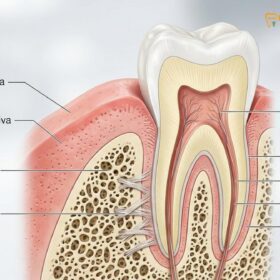
Before we discuss how to protect teeth enamel, it’s crucial to understand what it is and why it’s so important. Physiologically speaking, tooth enamel is a highly mineralized substance that covers the crown of your teeth—the part you see above the gums. Its main job is to protect the sensitive inner layers, known as dentin and pulp, from the daily onslaught of chewing forces, temperature extremes, and harmful acids.
However, a critical fact about enamel is that it contains no living cells. This means that once it’s significantly damaged or lost, your body cannot regenerate it. This is why prevention is not just the best strategy; it’s the only one. The process of mineral loss is called demineralization, while the process of replenishing those minerals is called remineralization. Protecting your enamel is a constant balancing act between these two processes.

protect tooth enamel
What Causes Tooth Enamel to Erode?
In my experience treating thousands of patients, I’ve seen firsthand that enamel erosion is rarely caused by a single factor. It’s typically a combination of diet, habits, and sometimes underlying health conditions. Understanding these causes is the first step in building an effective defense.
1. The Primary Culprit: Dietary Acids
The most frequent cause of enamel erosion is exposure to acids from the foods and drinks we consume. While saliva works to neutralize these acids, a constant barrage can overwhelm this natural defense. Common culprits include:
- Sugary and Starchy Foods: Items like sodas, fruit juices, candy, and even white bread feed harmful bacteria in your mouth, which then produce acids that attack the enamel.
- Acidic Fruits and Drinks: Citrus fruits, tomatoes, berries, sports drinks, and wine are highly acidic and can directly dissolve enamel minerals.
- Coffee: This popular beverage is acidic and can contribute to enamel deterioration over time.
A common scenario at our clinic involves patients who sip on sugary coffee or soda throughout the day. This habit creates a prolonged acid attack on their teeth, preventing saliva from having enough time to neutralize the oral environment and remineralize the enamel.
2. Physical Wear and Tear
Enamel can also be worn down by physical forces. This is something I check for during every routine examination, as it often goes unnoticed by the patient until significant damage has occurred.
- Bruxism (Teeth Grinding): Many people grind their teeth, often unconsciously during sleep. This constant friction can wear down the enamel, leading to flattened, sensitive, or even chipped teeth.
- Abrasive Brushing: Brushing too hard, especially with a hard-bristled toothbrush, can scrub away enamel over time. It’s a mistake I see often, born from the misconception that more force equals better cleaning.
3. Underlying Medical Conditions
Certain health issues can significantly impact your enamel, often in ways you might not expect. It’s crucial to discuss your full health history with your dentist.
- Acid Reflux (GERD): This condition brings stomach acid up into the esophagus and mouth, especially during sleep. Stomach acid is extremely corrosive and can cause severe enamel erosion.
- Dry Mouth (Xerostomia): Saliva is essential for washing away food debris and neutralizing acid. Conditions like diabetes or medications like antihistamines can reduce saliva flow, increasing the risk of erosion.
- Eating Disorders: Conditions involving frequent vomiting, such as bulimia, expose teeth directly to powerful stomach acids, leading to rapid and severe enamel damage.
In my clinical experience, patients with undiagnosed silent acid reflux often present with unexplained enamel loss on the chewing surfaces of their back teeth. It’s a classic sign that prompts a conversation about seeing a medical doctor for evaluation, showcasing the vital link between oral and overall health.
protect tooth enamel
Is Enamel Loss Dangerous? Recognizing the Warning Signs
Losing enamel isn’t just a cosmetic issue; it leaves your teeth vulnerable. Early detection is key to preventing more serious problems. Here are the common signs I tell my patients to watch for:
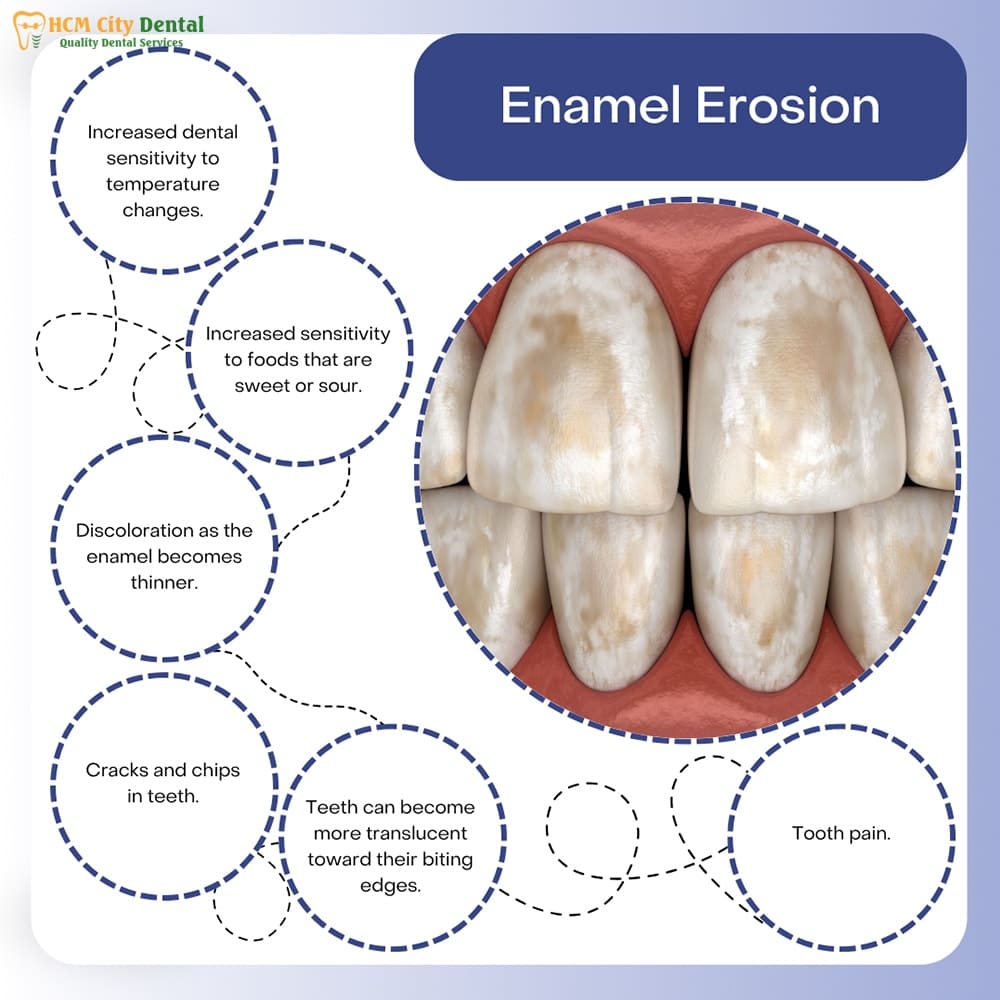
- Tooth Sensitivity: As enamel thins, hot, cold, or sweet foods and drinks can trigger a sharp, temporary pain. This is often the first symptom people notice.
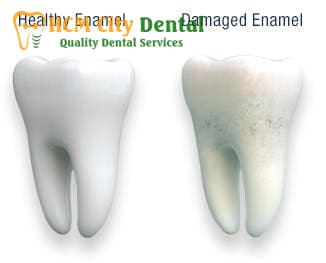
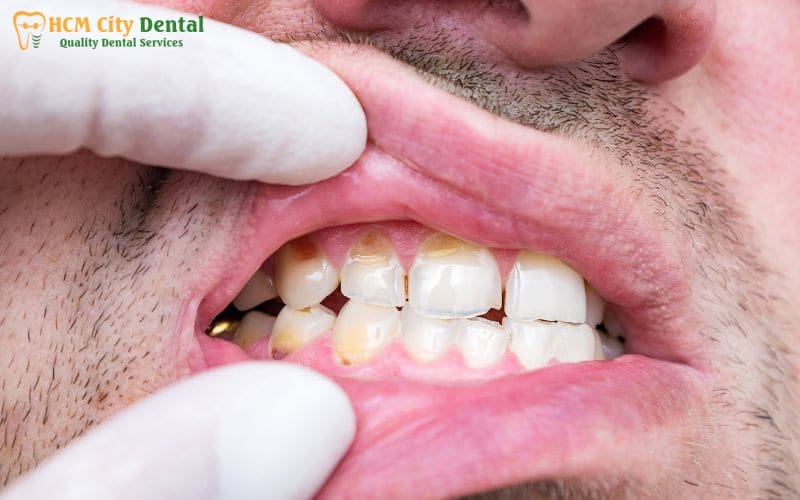
- Discoloration: Enamel is translucent, and the layer beneath it, dentin, is naturally yellowish. As enamel erodes, more of the dentin shows through, making teeth appear yellow.
- Transparency: The biting edges of your front teeth may start to look translucent or clear.
- Cracks and Chips: The edges of your teeth may become rough, irregular, and more susceptible to chipping as the enamel weakens.
If you notice any of these signs, it’s a signal to seek professional advice immediately. While you can’t regrow lost enamel, you can take decisive steps to prevent further damage and protect your teeth.
Still have questions? Call our Hotline/WhatsApp now at +84853020003 for a direct, completely free consultation with Dr. Cuong!

protect tooth enamel
How to Protect Teeth Enamel: A Comprehensive Guide to Solutions
Protecting your enamel involves a two-pronged approach: diligent at-home care combined with professional dental support. Based on clinical observations over many years, a consistent and comprehensive strategy yields the best results.
At-Home Strategies to Strengthen and Defend Your Enamel
Your daily habits are the foundation of enamel protection. Here are the most effective strategies I recommend to my patients.
1. Master Your Brushing Technique
- Use a Soft-Bristled Brush: A soft brush is perfectly capable of removing plaque and debris without harming your enamel.
- Brush Gently: Think of it as massaging your teeth and gums, not scrubbing a floor.
- Wait Before Brushing: After consuming acidic foods or drinks, wait at least 30-60 minutes before brushing. Acid softens the enamel, and brushing immediately can cause more harm than good. Rinsing with water right after is a great immediate step.
2. Harness the Power of Fluoride
Fluoride is a natural mineral that is a cornerstone of modern dentistry for a reason. Research shows it’s incredibly effective at strengthening enamel and making it more resistant to acid attacks. It works by enhancing the remineralization process, helping to repair the very early stages of damage.
According to the Centers for Disease Control and Prevention (CDC), fluoride works by repairing the early stages of tooth damage and can even make teeth more resistant to future acid breakdown. This is why I always recommend using a toothpaste containing fluoride.
3. Smart Dietary Choices
What you eat and drink has a direct impact on your enamel. Here’s a simple guide to making tooth-friendly choices.
| Foods that Strengthen Enamel | Foods that Harm Enamel |
|---|---|
| Dairy Products: Milk, cheese, and yogurt are rich in calcium and phosphorus, which are essential building blocks for strong enamel. Cheese also helps neutralize mouth acid. | Sugary Drinks & Sodas: These are highly acidic and full of sugar, creating a perfect storm for enamel erosion. |
| Leafy Greens: Spinach and kale are packed with calcium and folic acid, promoting both tooth and gum health. | Citrus Fruits & Juices: While healthy, their high acid content can erode enamel. Consume them in moderation and rinse with water afterward. |
| Crunchy Fruits & Vegetables: Apples, carrots, and celery act like natural toothbrushes, scrubbing away plaque and stimulating saliva flow. | Sticky Candies & Starches: Foods like gummies and white bread cling to teeth, providing a prolonged feast for acid-producing bacteria. |
| Nuts & Seeds: Almonds and sesame seeds provide calcium and phosphorus to help protect and remineralize enamel. | Vinegar & Pickled Products: The high acidity in these items can be very harsh on your teeth. |
4. Other Key Habits for Enamel Protection
- Rinse with Water: After meals and snacks, especially acidic ones, swish with water to help wash away acids and food particles.
- Chew Sugar-Free Gum: Chewing gum (especially those with xylitol) after meals can boost saliva production, which helps neutralize acid and remineralize teeth.
- Stay Hydrated: Drinking plenty of water throughout the day combats dry mouth and helps maintain a healthy oral environment.
- Use a Straw: When drinking acidic beverages like soda or juice, use a straw to minimize their contact with your teeth.
Professional Dental Treatments to Restore and Protect
When at-home care isn’t enough, or if erosion is already significant, we have several effective professional treatments at HCMCDental.com to help.
| Treatment | Description | Best For |
|---|---|---|
| Professional Fluoride Varnish | A highly concentrated fluoride application painted directly onto the teeth to strengthen enamel and make it more resistant to decay. | Early-stage erosion and cavity prevention. |
| Dental Bonding | A tooth-colored resin is applied to the tooth’s surface to cover areas of erosion, protecting the tooth and improving its appearance. | Minor to moderate erosion, chips, or discoloration, especially on front teeth. |
| Dental Veneers | Thin, custom-made shells of porcelain are bonded to the front of the teeth to cover more significant erosion and create a new, durable surface. | Moderate erosion on front teeth with cosmetic concerns. |
| Dental Crowns | A cap that covers the entire tooth, providing full protection and restoring its shape, size, and strength. | Severe enamel loss where the tooth structure is significantly weakened. |
| Custom Nightguard | A professionally fitted mouthguard worn at night to protect teeth from the forces of grinding and clenching. | Patients with bruxism (teeth grinding). |
Ready to take the next step? Protect your smile and get a 10% discount on your first appointment! Book an appointment online today at HCMCDental.com.

protect tooth enamel
Frequently Asked Questions (FAQ)
Can you really restore tooth enamel once it’s gone?
Unfortunately, because enamel has no living cells, the body cannot regenerate it once it is lost. However, if the erosion is in its very early stages (demineralization), the process can be reversed through remineralization with fluoride and proper oral care. For more significant loss, treatments like bonding or crowns are used to cover and protect the damaged tooth.
How can I tell if my enamel is eroding?
Common signs include increased sensitivity to hot and cold, a yellowish appearance of the teeth, shiny spots on the tooth surface, and the edges of your teeth appearing translucent or becoming rough and chipped. If you experience any of these, a dental check-up is highly recommended.
Is it true that I should wait to brush my teeth after drinking orange juice?
Yes, this is excellent advice. Orange juice and other acidic drinks temporarily soften your enamel. Brushing immediately can scrape away the softened layer. It’s best to wait at least 30 to 60 minutes to allow your saliva to neutralize the acid and begin the remineralization process.
What is the single most important thing I can do to protect my tooth enamel?
While a comprehensive approach is best, the most critical habit is to limit the frequency of exposure to acidic and sugary foods and drinks. Sipping on water throughout the day and maintaining excellent oral hygiene with a fluoride toothpaste are also fundamentally important.
Does chewing sugar-free gum really help protect teeth enamel?
Yes, it does. Chewing sugar-free gum, especially varieties containing xylitol, stimulates saliva flow. Saliva is your body’s natural defense mechanism; it washes away food particles, neutralizes harmful acids, and contains the calcium and phosphate needed to remineralize and strengthen your teeth.
How does teeth grinding affect my enamel?
Teeth grinding (bruxism) creates immense pressure and friction between the upper and lower teeth, which can physically wear down the enamel over time. This can lead to flattened chewing surfaces, micro-cracks, and increased sensitivity. If you grind your teeth, a custom-fitted nightguard from your dentist is the best way to protect your enamel.
Are professional fluoride treatments worth it for adults?
Absolutely. While often associated with children, professional fluoride treatments are highly beneficial for adults, especially those at higher risk for decay or with signs of early enamel erosion. A professional varnish provides a high concentration of fluoride that adheres to the teeth, offering a powerful boost to your enamel’s strength and resilience.
protect tooth enamel
Your Enamel’s Future is in Your Hands
Protecting your tooth enamel is a lifelong commitment, but it doesn’t have to be complicated. By understanding the risks and adopting simple, consistent habits, you can effectively shield your teeth from damage. From mindful eating and proper brushing to leveraging the power of fluoride, every small step contributes to a stronger, healthier smile.
A common mistake I see patients make is underestimating the cumulative effect of small, seemingly harmless habits, like sipping on a single soda for an hour. Experience has shown that frequency of exposure is often more damaging than the quantity consumed at once. My best advice is to be mindful not just of what you consume, but how and when you consume it.
Remember, your teeth are meant to last a lifetime, but they need your help. Regular check-ups at HCMCDental.com are essential for catching early signs of erosion and creating a personalized plan to keep your enamel strong. We are here to be your partners in oral health.
Don’t wait for sensitivity to become a problem. Take control of your dental health today. For a personalized assessment and expert advice, book your consultation at HCMCDental.com. Get a 10% discount on your first appointment! Or, for immediate answers, call our Hotline/WhatsApp at +84853020003 for a free consultation directly with me, Dr. Cuong.
This article was medically reviewed and written by Dr. Cuong.
Important Disclaimer
The information provided in this article is for educational and informational purposes only and is not intended as a substitute for professional medical advice, diagnosis, or treatment. Always seek the advice of your dentist or another qualified health provider with any questions you may have regarding a medical condition. Never disregard professional medical advice or delay in seeking it because of something you have read in this article.
Written and Medically Reviewed By
Dr. Cuong, Specialist in Odontostomatology, HCMCDental.com
Dr. Cuong is a leading specialist in the field of Odontostomatology with extensive clinical experience in preventive, restorative, and cosmetic dentistry. With a passion for patient education, Dr. Cuong is dedicated to providing the highest standard of care by combining state-of-the-art technology with evidence-based practices. At HCMCDental.com, he focuses on creating personalized treatment plans that empower patients to achieve and maintain optimal oral health for a lifetime.
protect tooth enamel