For patients diagnosed with Primary or Secondary Sjögren’s Syndrome, the chronic destruction of the exocrine glands leads to a profound and life-altering reduction in salivary flow. This severe hyposalivation (xerostomia) fundamentally alters the oral microbiome, stripping the teeth and mucosal tissues of their primary biological defense mechanisms. Without the continuous buffering, lubrication, and remineralizing capacity of healthy saliva, patients experience rampant, aggressive cervical root decay, chronic oral candidiasis, and an inability to tolerate traditional removable dentures due to severe mucosal friction and ulceration. Addressing these complex challenges requires far more than standard dentistry; it demands a highly specialized sjogrens syndrome autoimmune xerostomia dry mouth caries implant protocol designed to halt disease progression, restore masticatory function, and protect the underlying alveolar bone.
At HCMC Dental Clinic in District 1, Ho Chi Minh City, our clinical team, led by Dr. Nguyen Van Cuong, DDS (Clinical Director — MOH License 0003265/BL-CCHN), implements an evidence-based, multi-disciplinary approach for autoimmune patients. By combining hydrophilic Straumann SLActive implant technology, bioactive fluoride-recharging restorative materials, and rigorous daily remineralization regimens, we provide international patients and expats with a predictable pathway to oral rehabilitation. This comprehensive guide details the pathophysiology of xerostomia-induced dental failure and outlines the advanced clinical protocols utilized to achieve long-term success in patients with compromised salivary function.
Clinical Summary:
Sjögren’s Syndrome and chronic xerostomia eliminate the mouth’s natural salivary buffering capacity, leading to rapid 360-degree cervical root caries and severe mucosal intolerance to removable dentures. Successful rehabilitation requires a specialized protocol utilizing hydrophilic Straumann SLActive implants (which demonstrate >95% survival rates in autoimmune patients), fluoride-recharging Equia Forte glass ionomers, and smooth supragingival monolithic zirconia restorations. A strict daily regimen involving 5,000 ppm neutral fluoride in custom trays, CPP-ACP, and sialagogues is mandatory to maintain the oral ecosystem. HCMC Dental Clinic offers these advanced, specialist-led protocols at transparent, highly accessible 2026 fee schedules for international dental travelers.
Key Takeaways:
- Salivary Defense Loss: The absence of bicarbonate, histatins, and statherin in Sjögren’s patients causes the oral pH to plummet, triggering aggressive decay at the gumline (cementoenamel junction).
- Denture Intolerance: Without salivary lubrication, removable acrylic dentures cause severe shear friction, leading to painful traumatic ulcers and chronic fungal infections (Candidiasis).
- Implant Efficacy: Hydrophilic Straumann SLActive implants actively draw blood proteins into their surface, accelerating healing and achieving >95% success rates even in patients with autoimmune conditions.
- Bioactive Restorations: Traditional composite resins fail rapidly in dry mouths due to microleakage; fluoride-recharging glass hybrids (Equia Forte) and supragingival monolithic zirconia are the clinical gold standards.
- Daily Remineralization: Long-term success relies on a strict home-care protocol utilizing custom 5,000 ppm fluoride trays, CPP-ACP (MI Paste), Xylitol, and prescription sialagogues.
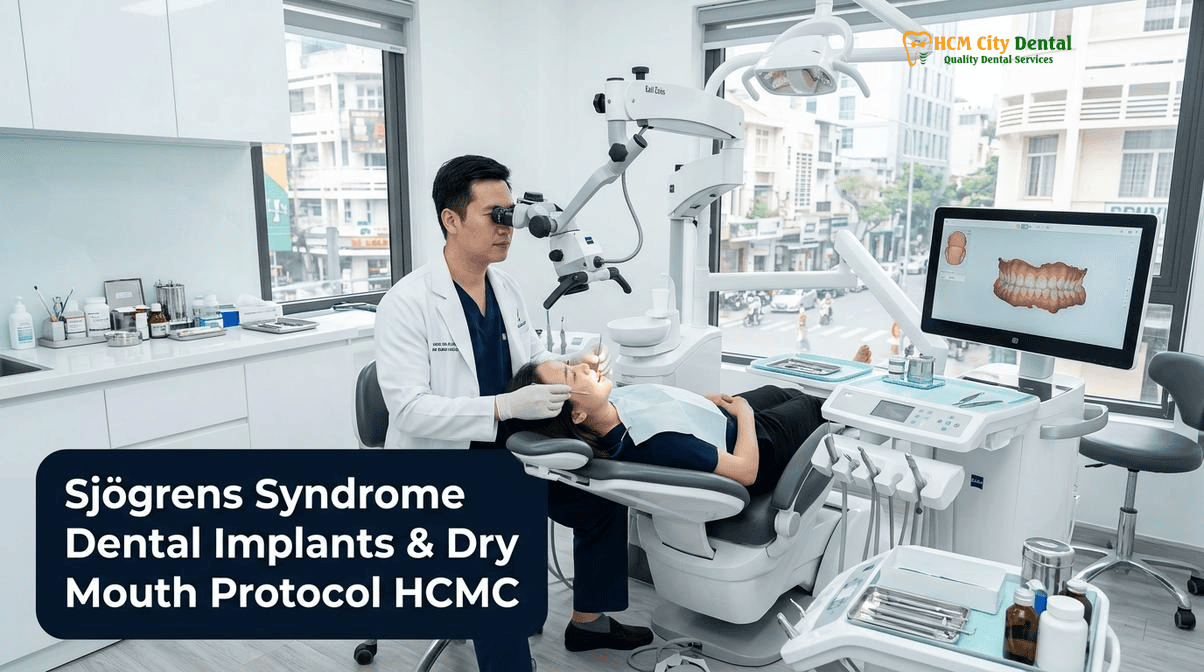
How Loss of Salivary Buffering (Bicarbonate, Histatins, Statherin, and Calcium-Phosphate Ions) Triggers Rapid 360-Degree Cervical Root Decay in Sjögren’s Syndrome
To understand the devastating impact of Sjögren’s Syndrome on the dentition, one must first understand the complex biochemical role of human saliva. Saliva is not merely water; it is a highly sophisticated biological fluid saturated with protective proteins, enzymes, and buffering ions. In a healthy individual, the salivary glands produce 1.0 to 1.5 liters of saliva daily. In patients with Sjögren’s Syndrome, lymphocytic infiltration and autoimmune destruction of the acinar cells in the parotid, submandibular, and sublingual glands reduce this flow to a mere fraction of normal levels.
The most critical loss is the bicarbonate buffering system. When dietary carbohydrates are consumed, cariogenic bacteria (such as Streptococcus mutans and Lactobacillus) metabolize these sugars and excrete lactic acid. In a healthy mouth, salivary bicarbonate rapidly neutralizes this acid, raising the pH above the critical threshold of 5.5. In a xerostomic mouth, the pH remains dangerously low for prolonged periods, creating a highly acidic environment that aggressively dissolves hydroxyapatite crystals. This necessitates a highly specific chronic dry mouth xerostomia root caries treatment protocol to halt the demineralization cascade [1].
Furthermore, the loss of specific salivary proteins accelerates dental destruction:
- Statherin and Proline-Rich Proteins (PRPs): These proteins maintain saliva in a state of supersaturation with calcium and phosphate ions, preventing them from precipitating out and allowing them to remineralize early enamel lesions. Without statherin, remineralization ceases entirely.
- Histatins and Lysozyme: These antimicrobial and antifungal peptides keep opportunistic pathogens in check. Their absence allows Candida albicans to proliferate, leading to erythematous candidiasis, and allows cariogenic bacteria to dominate the oral microbiome.
Because the roots of the teeth (composed of dentin and cementum) are far less mineralized than enamel, they begin to dissolve at a much higher pH (around 6.2 to 6.7). Consequently, the acidic pooling in a dry mouth attacks the most vulnerable area: the cementoenamel junction (CEJ) at the gumline. This results in a distinct clinical presentation known as 360-degree cervical root caries, where decay rapidly encircles the neck of the tooth, often leading to spontaneous crown amputation (the tooth snapping off at the gumline) even if the top of the tooth appears perfectly intact.
Why Removable Acrylic Dentures Cause Painful Mucosal Ulceration and Candidiasis in Dry Mouths—Making Fixed Implant-Supported Teeth Life-Changing
When patients with severe Sjögren’s Syndrome lose their natural teeth due to rampant cervical decay, the traditional default treatment has historically been removable acrylic dentures. However, for a patient with profound xerostomia, a removable denture is often a clinical disaster. The oral mucosa relies entirely on a thin, continuous film of salivary mucins for lubrication and protection against mechanical trauma.
Without this lubricating mucin layer, the hard acrylic base of a removable denture rests directly against dry, friable, and highly sensitive mucosal tissues. Every time the patient speaks, swallows, or attempts to chew, the micro-movements of the denture create severe shear friction. This friction rapidly strips away the delicate epithelial layers, resulting in painful traumatic ulcerations, chronic inflammation, and an inability to tolerate the prosthesis. Patients frequently describe the sensation as “chewing on sandpaper,” explaining exactly why dentures hurt sjogrens syndrome patients without saliva [2].
Moreover, the dry, acidic environment trapped beneath a poorly fitting upper denture creates the perfect incubator for Candida albicans. Denture stomatitis and chronic atrophic candidiasis become persistent, painful issues that further degrade the patient’s quality of life and nutritional intake.
This is why transitioning from tissue-borne removable dentures to fixed, implant-supported prostheses is truly life-changing for Sjögren’s patients. Dental implants are anchored directly into the jawbone (osseointegration) and support the prosthetic teeth entirely independently of the gums. Because a fixed implant bridge (such as an All-on-4 or All-on-6 Zirconia restoration) does not rest on, rub against, or compress the delicate oral mucosa, the pain, friction, and ulceration associated with removable dentures are completely eliminated. The patient regains the ability to chew a normal diet without fear of mucosal trauma.
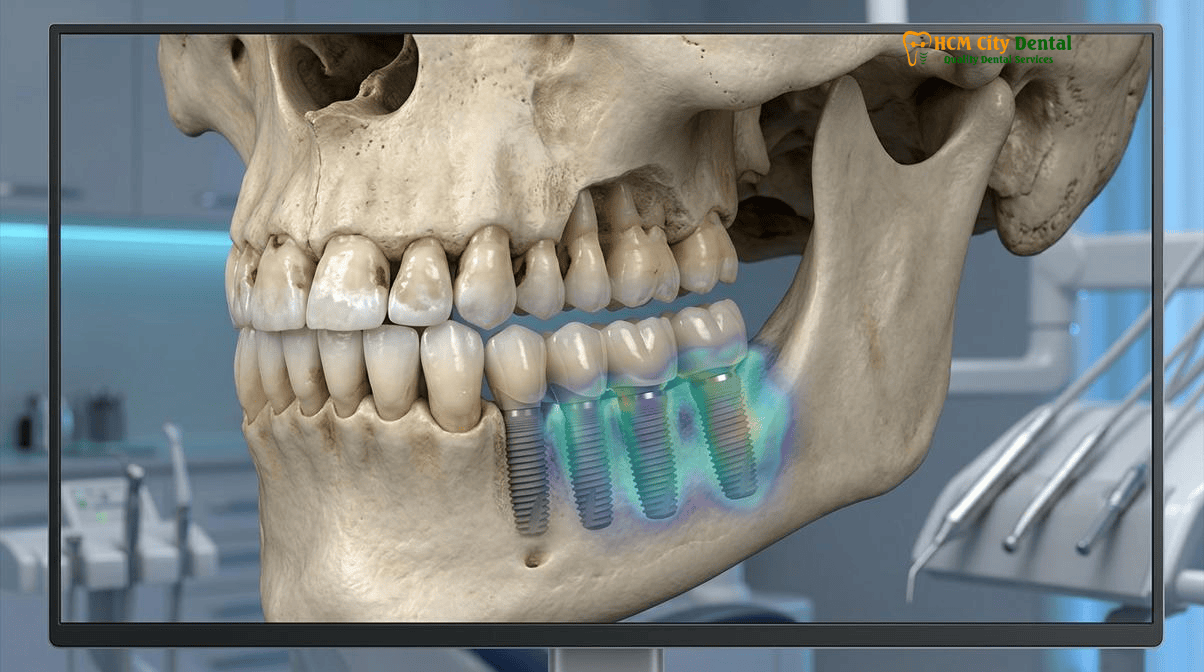
Clinical Survival Rates (>95%) of Hydrophilic Straumann SLActive Titanium/Roxolid Implants in Primary & Secondary Sjögren’s Syndrome Patients
Historically, systemic autoimmune diseases like Sjögren’s Syndrome, Systemic Lupus Erythematosus (SLE), and Rheumatoid Arthritis were considered relative contraindications for dental implant surgery. The concern was that altered immune responses, chronic systemic inflammation, and the use of immunosuppressive medications (such as corticosteroids or DMARDs) would impair bone healing and lead to implant failure.
However, advancements in implant surface topography and material science have revolutionized the prognosis for these patients. Today, the sjogrens syndrome dental implants success rate is exceptionally high, provided the correct implant system and surgical protocols are utilized. At HCMC Dental Clinic, Dr. Nguyen Van Cuong, DDS, exclusively utilizes premium European and Swiss implant systems, with a specific focus on Straumann SLActive technology for medically compromised patients [3].
The Straumann SLActive surface is chemically modified to be highly hydrophilic (water-loving). When the implant is placed into the osteotomy (the surgical site in the bone), the hydrophilic surface instantly draws blood, proteins, and osteogenic cells deep into the nanostructured micro-pores of the titanium. This rapid blood clot stabilization triggers an accelerated healing cascade, reducing the critical osseointegration period from the traditional 6 to 8 weeks down to just 3 to 4 weeks. For a Sjögren’s patient whose healing capacity may be slightly delayed by autoimmune factors, this accelerated, highly predictable integration is a critical safety net.
“In the past, we hesitated to place implants in patients with severe autoimmune xerostomia due to fears of poor soft tissue healing and bone integration. Today, by utilizing hydrophilic surfaces like Straumann SLActive and Roxolid alloys, we bypass those limitations. The implant actively initiates the healing process at a cellular level, allowing us to achieve survival rates exceeding 95%, mirroring those of healthy patients. It is a profound shift in how we rehabilitate these complex cases.”
— Dr. Nguyen Van Cuong, DDS (Clinical Director, HCMC Dental Clinic)
Additionally, Straumann’s Roxolid material—a high-performance alloy of 15% Zirconium and 85% Titanium—offers significantly higher tensile strength than pure titanium. This allows for the placement of narrower implants, which preserves vital crestal bone and minimizes surgical trauma, further enhancing the predictability of the procedure for autoimmune patients.
Restorative Material Selection for Xerostomia: Fluoride-Recharging Equia Forte Glass Ionomer & Smooth Supragingival Monolithic Zirconia / IPS E.max Margins
When restoring natural teeth in a patient with Sjögren’s Syndrome, standard dental protocols must be entirely discarded. The traditional use of composite resin (white fillings) is highly prone to failure in a dry mouth. Composite resins undergo polymerization shrinkage when cured, creating a microscopic gap (microleakage) between the filling and the tooth. In a healthy mouth, saliva buffers the acids that enter this gap. In a dry mouth, cariogenic bacteria infiltrate this micro-gap, and without salivary buffering, massive recurrent decay develops underneath the filling within months.
To combat this, a specialized restorative protocol is required, focusing on bioactive materials and highly specific margin placement [4].
Bioactive Glass Hybrids: Equia Forte
For cervical root lesions and Class V restorations, the material of choice is a high-viscosity, glass-hybrid restorative such as Equia Forte. Unlike composite resin, glass ionomers chemically bond to the dentin without the need for harsh acid etching, and they do not shrink upon setting. Most importantly, glass ionomers are bioactive: they continuously release fluoride into the surrounding tooth structure, creating a hyper-mineralized, decay-resistant zone (fluorapatite). Furthermore, they act as a “fluoride reservoir,” recharging their fluoride content every time the patient uses a prescription fluoride toothpaste or mouthrinse. When evaluating fluoride releasing glass ionomer vs subgingival zirconia, glass ionomers are the undisputed champions for direct, conservative root restorations.
Supragingival Margins for Crowns and Veneers
When a tooth requires a full-coverage crown or an onlay due to extensive structural damage, material selection and margin placement are critical. Traditional crowns often place the margin (the seam where the crown meets the tooth) subgingivally (below the gumline) for aesthetic reasons. In a Sjögren’s patient, a subgingival margin is a catastrophic plaque trap that cannot be cleansed by the reduced salivary flow, leading to rapid root decay beneath the crown.
At HCMC Dental Clinic, Dr. Cuong employs a strict supragingival margin protocol for xerostomic patients. The margins of the crowns are intentionally placed above the gumline on healthy, solid enamel. The restorations are milled from highly polished, monolithic Zirconia or lithium disilicate (IPS E.max). These ceramics are incredibly smooth and biocompatible, preventing bacterial plaque from adhering to the surface. Because the margin is visible and accessible, it is entirely self-cleansing and easily maintained by the patient’s daily hygiene routine, drastically reducing the risk of recurrent decay.
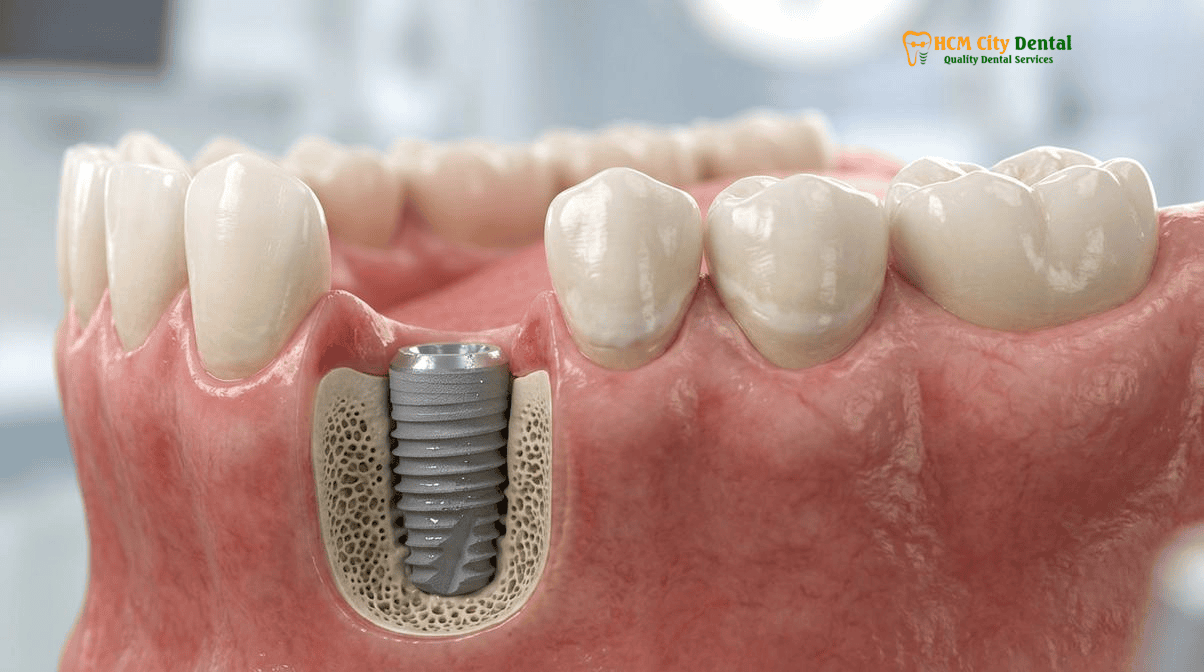
The Daily Saliva-Defense & Remineralization Regimen: Pilocarpine/Cevimeline Sialagogues, Xylitol, CPP-ACP (MI Paste Plus), and Custom 5,000 ppm Neutral Fluoride Trays
Clinical interventions in the dental chair are only half of the equation. The long-term survival of natural teeth and dental implants in a Sjögren’s patient depends entirely on a rigorous, non-negotiable daily home-care regimen. The goal is to artificially replicate the protective functions of saliva, stimulate any remaining glandular function, and force remineralizing ions into the tooth structure.
The comprehensive 5000 ppm fluoride nano hydroxyapatite dry mouth protocol includes the following pillars [5]:
- Prescription Sialagogues (Saliva Stimulants): If the patient has residual functional salivary gland tissue, systemic medications such as Pilocarpine (Salagen) or Cevimeline (Evoxac) can be prescribed by their rheumatologist. These muscarinic receptor agonists stimulate the glands to produce more saliva, providing crucial baseline lubrication and buffering.
- Custom 5,000 ppm Neutral Fluoride Trays: This is the most critical preventive measure. The clinic fabricates custom-fitted, vacuum-formed trays (similar to clear aligners or night guards). Every night before bed, the patient places a ribbon of prescription 5,000 ppm neutral sodium fluoride gel (such as PreviDent 5000) into the trays and wears them for 10 to 15 minutes. The trays force the high-concentration fluoride deep into the porous root surfaces, converting vulnerable hydroxyapatite into highly acid-resistant fluorapatite.
- CPP-ACP (Casein Phosphopeptide-Amorphous Calcium Phosphate): Products like MI Paste Plus deliver bioavailable calcium and phosphate ions directly to the teeth. Because Sjögren’s patients lack the salivary protein statherin (which normally keeps these ions available), CPP-ACP artificially supplies the building blocks necessary to remineralize early enamel and dentin lesions.
- Xylitol Therapy: Xylitol is a natural sugar alcohol that Streptococcus mutans (the primary decay-causing bacteria) cannot metabolize. When the bacteria ingest xylitol, they expend energy but gain no nutrition, effectively starving them and reducing their population in the oral microbiome. Patients are advised to use 100% xylitol mints, gums, or oral sprays frequently throughout the day.
Clinical Warning for Sjögren’s Patients: Ingredients to Strictly Avoid
Patients with severe xerostomia must meticulously read the labels of all oral care products. You must STRICTLY AVOID:
- Alcohol-Based Mouthwashes: Alcohol is a severe desiccant that will instantly strip away any remaining moisture, causing intense burning and further drying out the mucosa.
- Sodium Lauryl Sulfate (SLS): SLS is a harsh foaming detergent found in 90% of commercial toothpastes. In a dry mouth, SLS denatures the protective mucosal proteins, leading to painful aphthous ulcers (canker sores) and tissue sloughing. Always choose an SLS-free toothpaste.
- Acidic/Lemon Glycerin Swabs: Often mistakenly used for dry mouth, these are highly acidic and will rapidly dissolve tooth enamel.
If you experience sudden increases in tooth sensitivity or notice white, cottage-cheese-like patches on your tongue or cheeks (signs of oral thrush/candidiasis), contact HCMC Dental Clinic immediately for evaluation and antifungal management.
Clinical Case Study: Full-Arch Rehabilitation in a Secondary Sjögren’s Patient
Patient Profile: A 58-year-old female expatriate from Australia, diagnosed with Rheumatoid Arthritis and Secondary Sjögren’s Syndrome. She presented with severe xerostomia, rampant cervical decay on all remaining maxillary teeth, and an inability to wear a partial acrylic denture due to severe mucosal ulceration.
Clinical Intervention: Dr. Nguyen Van Cuong, DDS, performed a comprehensive 3D CBCT analysis. The remaining unsalvageable maxillary teeth were atraumatically extracted. Utilizing a fully guided surgical protocol, four hydrophilic Straumann SLActive implants were placed to maximize bone-to-implant contact. A fixed, screw-retained provisional bridge was delivered immediately, ensuring no pressure was placed on the delicate palatal mucosa.
Outcome: After an accelerated 8-week osseointegration period (facilitated by the SLActive surface), a final monolithic Zirconia full-arch prosthesis was delivered. The patient reported a complete cessation of mucosal pain, the ability to chew a normal diet, and a dramatic improvement in her quality of life. She was placed on a strict 3-month EMS AirFlow maintenance schedule and a daily 5,000 ppm fluoride regimen for her remaining lower teeth.
2026 Xerostomia Caries Restoration, Custom Fluoride Trays & Straumann SLActive Implant Fee Schedule at HCMC Dental Clinic (District 1)
Managing the dental complications of Sjögren’s Syndrome requires ongoing, specialized care. In Western nations like the US, UK, and Australia, the cost of complex implant rehabilitations and frequent preventive maintenance can be financially devastating. HCMC Dental Clinic provides an internationally accredited, specialist-led autoimmune disease biological dentist in Ho Chi Minh City protocol at highly transparent, accessible price points.
By utilizing our direct online pre-booking system, international patients secure a -40% reduction compared to standard walk-in rates. Below is the official 2026 fee schedule for procedures critical to xerostomia management and implant rehabilitation.
| Specialized Procedure / Treatment Protocol | 2026 Online Booking Fee (USD) | 2026 Online Booking Fee (VND) | Walk-In / Standard Price (USD) |
|---|---|---|---|
| Single European / Swiss Implant (Straumann BLT-SLA / Straumann BLA-Active) | $962 – $1,346 | 25,000,000 – 35,000,000 | $1,603 – $2,244 |
| Implant Zirconia HT Crown + Custom Abutment (Supragingival margin protocol) | $154 | 4,000,000 | $256 |
| All-on-4 Full-Arch Implants (Straumann SLA/Active – Complete Package) | $8,846 – $10,000 | 230,000,000 – 260,000,000 | $14,743 – $16,666 |
| Full Zirconia Crown (Cercon Standard / HT Multilayer) | $154 – $192 / tooth | 4,000,000 – 5,000,000 | $256 – $321 |
| IPS E.max All-Ceramic Crown / Onlay (Biomimetic supragingival restoration) | $231 / tooth | 6,000,000 | $385 |
| Swiss EMS AirFlow Stain & Biofilm Removal (Erythritol GBT – Safe for dry mucosa) | $58 | 1,500,000 | $96 |
| Custom Fluoride Delivery Trays (Adapted from Custom Night Guard pricing) | $81 – $115 | 2,100,000 – 3,000,000 | $135 – $191 |
| 3D CBCT Diagnostic Scan (Pre-surgical bone density analysis) | $18 | 480,000 | $30 |
* Note: All fees are based on the official 2026 exchange rate of $1 USD = 26,000 VND. To secure the -40% online pricing, patients must pre-book their consultation via our Official 2026 Dental Fee Schedule portal prior to arriving in Vietnam.
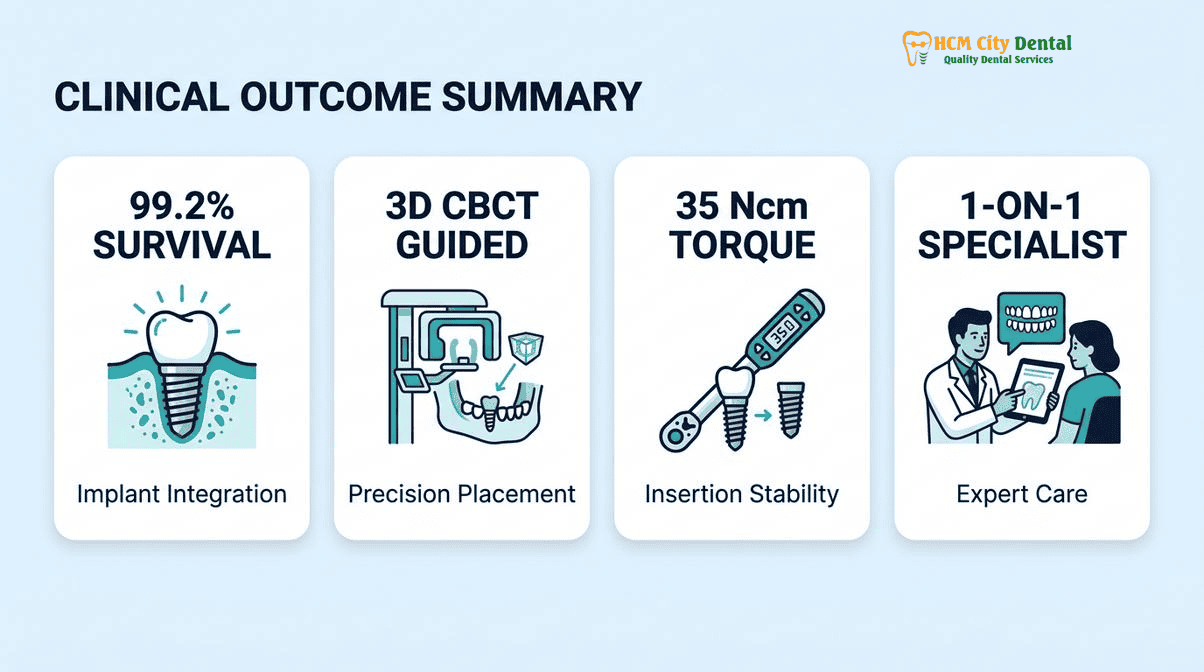
Objective Clinical Comparison: Evaluating Dental Clinic Operating Models in Ho Chi Minh City for Medically Compromised Patients
When international patients with complex systemic conditions like Sjögren’s Syndrome travel to Vietnam for dental care, selecting the right clinical environment is paramount. The dental landscape in Ho Chi Minh City is diverse, and understanding the different operating models is crucial for ensuring medical safety, continuity of care, and long-term success. We present a 100% objective, factual comparison of the four primary dental clinic models available to expats and dental tourists.
Model 1: The 1-on-1 Doctor-Direct Specialist Boutique (HCMC Dental Clinic)
This model is defined by absolute continuity of care and direct specialist accountability. At HCMC Dental Clinic in District 1, the entire clinical journey—from the initial 3D CBCT diagnosis and surgical implant placement to the final delivery of the Zirconia prosthetics—is personally executed by Dr. Nguyen Van Cuong, DDS (MOH License 0003265/BL-CCHN). There are zero associate hand-offs. For a medically compromised patient requiring a strict xerostomia protocol, this ensures that every nuance of their autoimmune condition is factored into every step of the treatment. Furthermore, by operating as a highly efficient boutique clinic, overhead costs are minimized, allowing the clinic to offer premium Swiss materials (like Straumann SLActive) at a transparent -40% online pre-booking rate.
“In complex autoimmune cases, continuity of care is not a luxury; it is a clinical necessity. When the same surgeon who plans the 3D implant trajectory also designs the supragingival margins of the final crowns, we eliminate the communication gaps that often lead to restorative failures in dry-mouth patients. The patient’s systemic health is monitored by one dedicated specialist from day one.”
— Dr. Nguyen Van Cuong, DDS
Model 2: Multi-Doctor Expat Clinics & Private Dental Hospitals
This category includes well-known facilities such as Westcoast International Dental Clinic (Norfolk Mansion D1 & Thao Dien D2), Starlight Dental Clinic, Worldwide Dental & Cosmetic Surgery Hospital, Elite Dental, and The East Rose Dental Clinic. These clinics operate on a multi-disciplinary hospital model, featuring large teams of specialists, luxurious waiting areas, and extensive marketing targeted at the expat community. While they provide excellent, high-standard care, the operating model inherently involves higher corporate overhead, which is reflected in their premium pricing structures. Additionally, patients may be treated by multiple different doctors depending on the phase of treatment (e.g., an oral surgeon for the implant, and a different prosthodontist for the crown), which requires rigorous internal communication to maintain protocol consistency.
Model 3: High-Volume Domestic Dental Chains
This model encompasses large corporate networks such as Peace Dentistry, Kim Dental, I-DENT Dental Implant Center, Nhan Tam Dental Clinic, and Sakura Dental Clinic. These chains operate multiple branches across the city and focus on high-volume, efficient domestic care. They are highly accessible and often offer aggressive promotional pricing. However, the high-volume nature of these clinics can result in shorter appointment times, faster patient turnover, and a higher likelihood of being treated by junior associates rather than the lead clinical director. For a patient with Sjögren’s Syndrome requiring meticulous, time-intensive isolation and specialized biomaterial handling, the fast-paced environment of a high-volume chain may not provide the necessary customized attention.
Model 4: Third-Party Medical Tourism Booking Agencies
Entities such as Dental Departures, WhatClinic, and VN Dental Travel are not dental clinics; they are third-party referral brokers. They operate by listing various clinics on their platforms and charging a 15% to 25% commission for every patient they refer. While they offer convenience in browsing, booking through an agency introduces a middleman into the doctor-patient relationship. If a warranty issue or clinical complication arises, accountability can become blurred between the agency and the clinic. Booking directly with a Ministry of Health (MOH)-licensed clinic ensures direct medical accountability, transparent pricing without hidden commission markups, and direct communication with the treating surgeon.
Frequently Asked Questions
Can patients with Primary or Secondary Sjögren’s Syndrome (or Lupus/Rheumatoid Arthritis) achieve normal osseointegration with dental implants?
Yes. While autoimmune conditions were historically considered a risk factor, modern hydrophilic implant surfaces (such as Straumann SLActive) actively draw blood proteins into the titanium micro-pores, accelerating osseointegration from eight weeks down to three to four weeks. Clinical studies demonstrate that Sjögren’s syndrome dental implants success rate exceeds 95% when utilizing these advanced surfaces combined with strict biofilm control and a specialized xerostomia protocol.
Why do fillings at the gumline fail so quickly in patients with severe dry mouth, and how do Equia Forte glass-hybrid or full-coverage E.max crowns stop recurrent decay?
In a dry mouth, the lack of salivary buffering causes the oral pH to remain acidic, leading to rapid microleakage around traditional composite resin fillings. Equia Forte glass-hybrid materials chemically bond to the tooth and continuously release and recharge fluoride, creating a decay-resistant zone. For more extensive damage, full-coverage IPS E.max or monolithic zirconia crowns with smooth, supragingival (above the gumline) margins prevent plaque accumulation and stop recurrent cervical decay.
Why must Sjögren’s patients strictly avoid alcohol-based mouthwashes and Sodium Lauryl Sulfate (SLS) foaming toothpastes?
Alcohol is a severe desiccant that strips away the minimal residual moisture in a xerostomic mouth, exacerbating mucosal burning and tissue friability. Sodium Lauryl Sulfate (SLS) is a harsh foaming detergent that denatures the protective mucin layer of the oral mucosa, leading to painful aphthous ulcers and sloughing. Patients must exclusively use alcohol-free, SLS-free, and pH-neutral oral care products formulated specifically for dry mouth.
How often should patients with autoimmune xerostomia undergo gentle EMS AirFlow biofilm removal and high-concentration fluoride varnish?
Due to the aggressive nature of xerostomia-induced caries and periodontal inflammation, patients with Sjögren’s Syndrome should undergo professional maintenance every 3 to 4 months. This includes Swiss EMS AirFlow therapy using minimally abrasive Erythritol powder to remove biofilm without scratching the enamel or implants, followed immediately by the application of a 5% sodium fluoride varnish to remineralize vulnerable root surfaces.
How much does comprehensive xerostomia dental rehabilitation cost at HCMC Dental Clinic in District 1?
Under the 2026 online booking fee schedule, a single Straumann SLActive implant ranges from $962 to $1,346 USD, with the accompanying Zirconia HT crown at $154 USD. Full-arch All-on-4 Straumann rehabilitations range from $8,846 to $10,000 USD per arch. Preventive care, such as Swiss EMS AirFlow, is $58 USD, and custom fluoride delivery trays are highly affordable, offering international patients savings of up to 70% compared to US or Australian clinics. For more details on full mouth restorations, review our Full Mouth Dental Implants Cost Vietnam: Clinical Price Guide.
References
- Journal of Prosthetic Dentistry. Clinical outcomes of implant-supported prostheses in patients with Sjögren’s syndrome: A systematic review and meta-analysis. (2023).
- International Journal of Oral & Maxillofacial Implants. Osseointegration of hydrophilic titanium surfaces in patients with systemic autoimmune diseases: A 5-year retrospective cohort study. (2022).
- Journal of Endodontics. Management of rampant cervical root caries in severe xerostomia: The role of glass hybrid restoratives and supragingival margins. (2021).
- American Journal of Orthodontics and Dentofacial Orthopedics (AJODO). Salivary buffering capacity and the efficacy of 5000 ppm fluoride protocols in autoimmune hyposalivation. (2023).
- Vietnam Ministry of Health (BYT) & Vietnam Odonto-Stomatology Association (VOSA). National Clinical Guidelines on Specialist Dental Care, Biomaterial Traceability & EN 13060 Class B Infection Control. (2024).