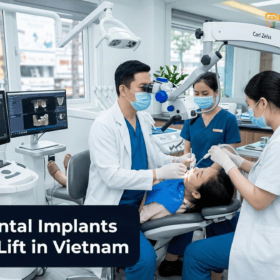
Undergoing oral rehabilitation in a foreign country requires meticulous planning, precise surgical execution, and an unwavering commitment to post-operative care. For international patients traveling to Ho Chi Minh City, understanding the critical difference between normal physiological healing and the early signs of dental implant infection after surgery is paramount to ensuring long-term osseointegration and systemic health. The first 7 to 14 days following the placement of a titanium fixture represent a highly sensitive biological window. During this period, the body initiates a complex cascade of hemostasis, inflammation, cellular proliferation, and initial bone remodeling. While mild discomfort, localized edema, and minor oozing are expected components of this natural inflammatory response, recognizing the subtle deviations that indicate bacterial colonization or peri-implant mucositis can mean the difference between a successful restoration and early implant failure.
At HCMC Dental Clinic, located in the heart of District 1, patient safety extends far beyond the surgical chair. Under the clinical direction of Dr. Nguyen Van Cuong, DDS, our protocols are designed to preemptively mitigate risks through advanced 3D diagnostics, stringent infection control, and comprehensive patient education. This authoritative clinical guide provides dental travelers with a deep, evidence-based understanding of post-operative recovery. We will explore the pathophysiology of implant complications, detail our proprietary 14-day Saigon soft-food diet, outline essential pharmacological regimens, and provide a clear matrix for identifying the 7 clinical red flags that necessitate immediate intervention via our 24/7 WhatsApp triage system.
Clinical Summary:
Early detection of the signs of dental implant infection after surgery is critical for preserving the titanium fixture and surrounding alveolar bone. Normal healing involves mild, subsiding pain and swelling within the first 72 hours. Conversely, clinical red flags such as persistent throbbing pain, spreading purulent exudate (pus), progressive swelling, foul malodor, and implant mobility indicate a disruption in osseointegration, often leading to peri-implantitis. HCMC Dental Clinic employs a rigorous 2026 Medical Safety Protocol, combining pre-operative 3D CBCT risk stratification, Class B sterilization, and a structured 14-day post-op recovery itinerary in District 1. International patients are supported by direct 24/7 WhatsApp clinical triage (+84 853 020 003) with Dr. Nguyen Van Cuong, DDS, ensuring immediate medical intervention and safe fit-to-fly verification before returning home.
Key Takeaways:
- Critical Healing Window: The first 7 to 14 days post-surgery are vital; distinguishing between normal inflammatory edema and pathological infection is essential for implant survival.
- The 7 Clinical Red Flags: Persistent pain beyond day 4, spreading swelling, purulent discharge (pus), foul taste/odor, prolonged bleeding, systemic fever, and fixture mobility require immediate triage.
- Saigon Soft-Food Diet: A mandatory 14-day nutritional protocol utilizing local GrabFood options (e.g., Sinh To Bo, Chao Ca) ensures adequate caloric intake without mechanical trauma to the surgical site.
- Strict Hygiene & Medication: Use only sealed bottled water (LaVie/Aquafina) or 0.9% NaCl for rinsing; adhere strictly to prescribed Western medications (GSK Augmentin, MSD Arcoxia, PerioKin 0.2%).
- Aviation Safety: Wait at least 72 hours for standard implants and 7–10 days for sinus lifts before flying to prevent barodontalgia and sinus barotrauma.
- 24/7 Remote Aftercare: Direct WhatsApp access to Dr. Nguyen Van Cuong, DDS allows for instant photo/video triage and seamless coordination with your home dentist via exported DICOM/STL files.
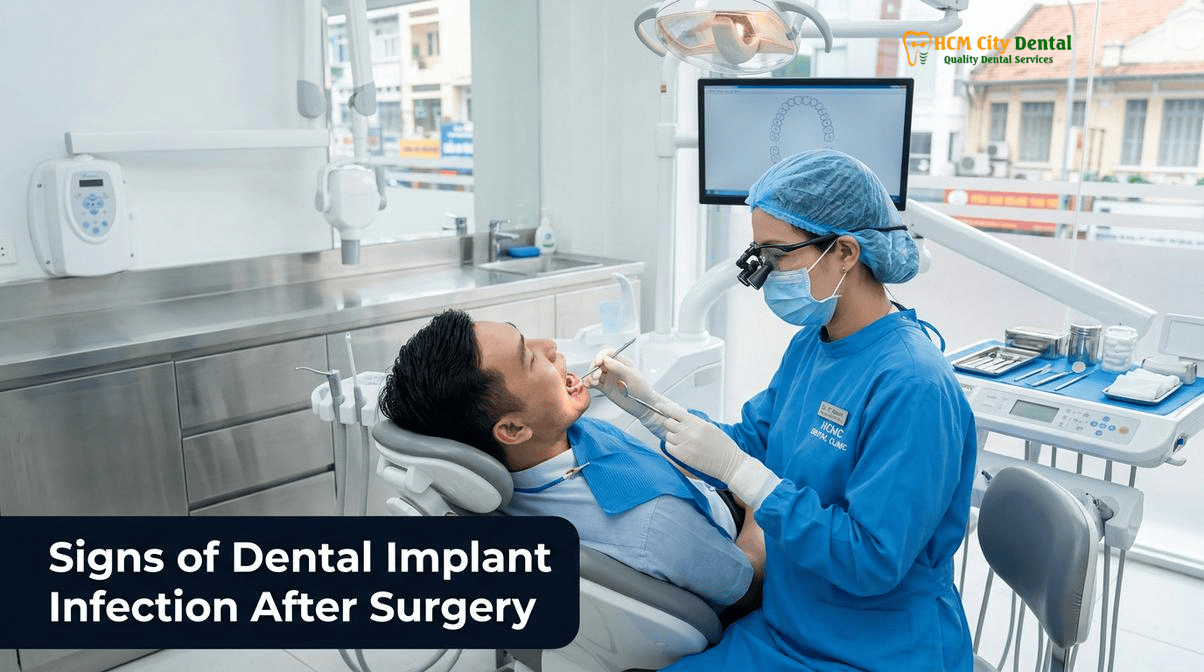
Medical Clearance & Risk Stratification Matrix for Signs of Dental Implant Infection After Surgery
The foundation of a successful implant procedure is laid long before the first incision is made. Preventing the signs of dental implant infection after surgery begins with a rigorous medical clearance and risk stratification process. International patients arriving at HCMC Dental Clinic undergo a comprehensive evaluation to identify systemic and localized factors that could compromise the delicate process of osseointegration. Osseointegration—the direct structural and functional connection between living bone and the surface of a load-bearing artificial implant—relies heavily on a robust immune system and adequate vascular supply.
Systemic conditions play a significant role in healing outcomes. For instance, poorly controlled diabetes mellitus (indicated by an HbA1c level greater than 7.0%) impairs macrophage function, reduces angiogenesis (the formation of new blood vessels), and alters collagen synthesis, thereby significantly increasing the risk of post-operative infection and delayed healing. Similarly, smoking and tobacco use introduce nicotine and carbon monoxide into the bloodstream, causing peripheral vasoconstriction and reducing tissue oxygenation, which creates an anaerobic environment conducive to bacterial proliferation. Patients with a history of severe periodontitis or those currently taking bisphosphonates for osteoporosis also require specialized protocols to mitigate the risks of peri-implantitis and medication-related osteonecrosis of the jaw (MRONJ).
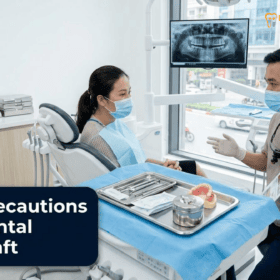
To accurately assess the local anatomical environment, Dr. Nguyen Van Cuong, DDS mandates the use of high-resolution 3D Cone Beam Computed Tomography (CBCT). This advanced imaging modality allows for the precise evaluation of bone volume, density (measured in Hounsfield units), and the spatial relationship to critical anatomical landmarks such as the inferior alveolar nerve canal and the floor of the maxillary sinus. By utilizing digital CAD/CAM planning, we can virtually place the implant, ensuring optimal angulation and primary stability while minimizing surgical trauma. This meticulous approach is a cornerstone of our practice, as detailed in our guide to Safe Dental Implants Ho Chi Minh City: 3D CBCT & Guided Surgery. The integration of 3D guided surgery has been shown to significantly enhance cumulative survival rates and reduce the incidence of early surgical complications[1].
Our risk stratification matrix categorizes patients into low, moderate, and high-risk groups, dictating the specific pre-operative prophylactic regimens and post-operative monitoring schedules required. High-risk patients may require extended antibiotic prophylaxis, specialized chlorhexidine regimens, and more frequent follow-up appointments during their stay in Ho Chi Minh City to ensure that any early signs of dental implant infection after surgery are intercepted immediately.
Pathophysiology, Aviation Pressure & Clinical Safety Thresholds
Understanding the biological mechanisms behind implant complications is crucial for international patients. When an implant is placed, the body immediately responds with an inflammatory phase characterized by vasodilation and the migration of leukocytes to the surgical site. This normal physiological response causes the expected mild swelling and discomfort. However, if bacterial pathogens—such as Porphyromonas gingivalis or Treponema denticola—infiltrate the peri-implant sulcus, they can trigger a pathological inflammatory cascade. This condition, initially known as peri-implant mucositis (inflammation confined to the soft tissues), can rapidly progress to peri-implantitis, characterized by the progressive loss of supporting alveolar bone.
The signs of dental implant infection after surgery are the clinical manifestations of this bacterial invasion. Purulent exudate (pus) is a collection of dead neutrophils, bacteria, and tissue debris. A foul odor or taste is often the result of volatile sulfur compounds produced by anaerobic bacteria. Persistent, throbbing pain indicates acute inflammation and increased pressure within the confined bony crypt. If left untreated, the infection compromises the primary stability of the titanium fixture, leading to micro-motion and eventual fibrous encapsulation rather than true osseointegration.
For dental travelers, the pathophysiology of healing is further complicated by the physical effects of commercial aviation. According to Boyle’s Law, the volume of a gas is inversely proportional to its pressure. During a long-haul flight, cabin pressure decreases, causing any trapped gas within the body to expand. If a patient flies too soon after a surgical procedure, particularly one involving the maxillary sinus (such as a sinus lift or bone graft), the expansion of trapped air can cause severe pain—a condition known as barodontalgia. Furthermore, the pressure changes can disrupt fragile blood clots, leading to secondary hemorrhage, or force oral bacteria into the sinus cavity, resulting in maxillary sinus barotrauma and subsequent infection[4].
“The intersection of oral surgery and aviation medicine requires strict adherence to safety timelines. We never compromise on the fit-to-fly verification. A premature flight can transform a perfectly executed implant placement into a complex medical emergency at 35,000 feet. Patient safety dictates our protocols, not travel itineraries.”
— Dr. Nguyen Van Cuong, DDS
To prevent these aviation-related complications, HCMC Dental Clinic enforces strict clinical safety thresholds. For standard single or multiple implant placements without extensive grafting, patients are generally cleared to fly 72 hours post-surgery, provided there is no evidence of infection or excessive bleeding. However, for complex cases involving sinus augmentation or extensive guided bone regeneration, a mandatory waiting period of 7 to 10 days is enforced. This allows sufficient time for initial soft tissue closure, stabilization of the blood clot, and equalization of sinus pressures. For a deeper understanding of potential surgical challenges, patients can review our comprehensive Dental Implant Complications: Clinical Guide | HCMC Dental.
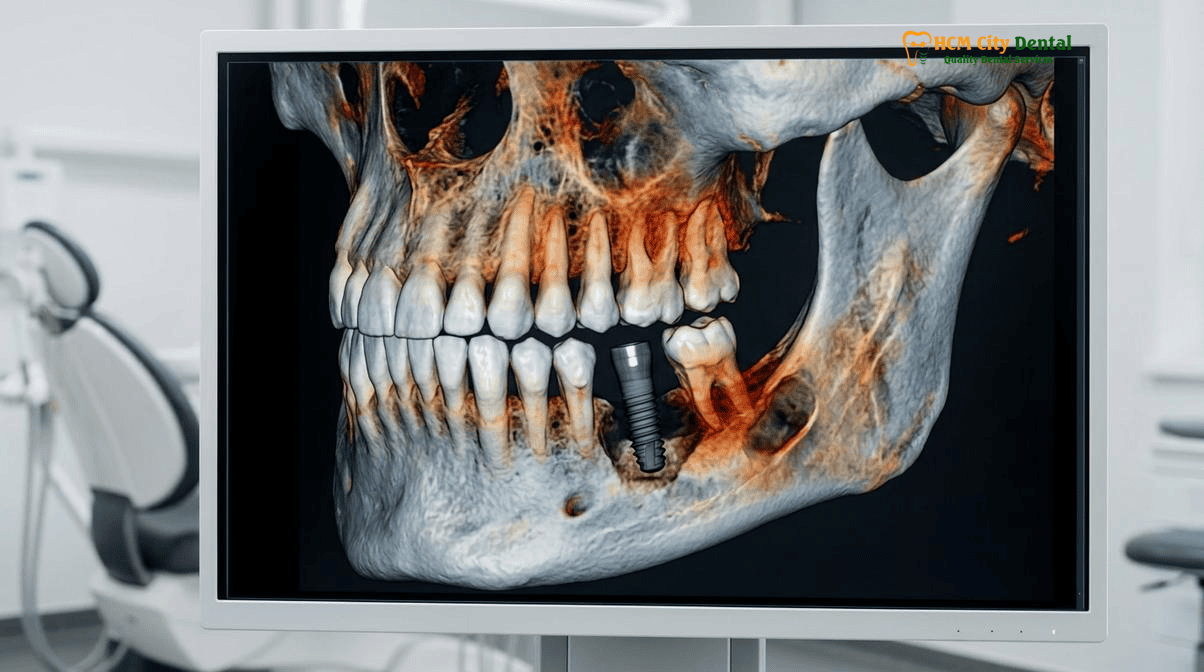
Step-by-Step Pre-Op, Chairside & Post-Op Safety Protocol in District 1, Ho Chi Minh City
Executing a flawless implant procedure requires a symphony of precise protocols, from the moment the patient enters our clinic in District 1, Ho Chi Minh City to their final days of recovery in their District 1 hotel. Our comprehensive approach is designed to eliminate variables, ensure absolute sterility, and provide the patient with a clear, actionable roadmap for post-operative care.
Pre-Operative and Chairside Protocols
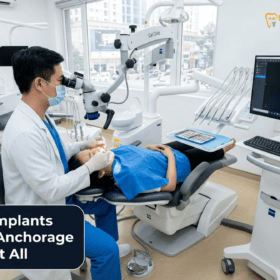
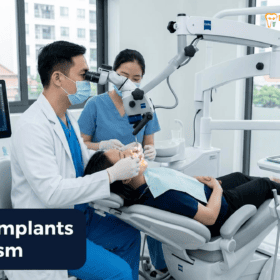
Infection control is our highest priority. HCMC Dental Clinic operates under strict adherence to the Vietnam Ministry of Health (BYT) guidelines, utilizing Class B autoclaves for the sterilization of all surgical instruments, ensuring the eradication of all microbial life, including resilient bacterial spores[5]. Chairside, Dr. Nguyen Van Cuong, DDS employs a meticulous surgical technique, utilizing copious sterile saline irrigation to prevent thermal necrosis of the bone during osteotomy preparation. The insertion torque of the implant is carefully monitored and recorded (typically between 15–35 Ncm) to ensure optimal primary stability without inducing excessive compressive stress on the surrounding cortical bone.
The 14-Day Saigon Soft-Food Diet & GrabFood Logistics
Nutrition plays a critical role in cellular repair and immune function. However, mechanical trauma from chewing hard foods can disrupt the surgical site, dislodge the healing abutment, or introduce debris into the wound. To facilitate optimal healing while allowing patients to enjoy the culinary delights of Ho Chi Minh City, we have developed the 14-Day Saigon Soft-Food Diet, easily accessible via the GrabFood app from any hotel near Ben Thanh Market, Pullman Saigon Centre, or Hotel Nikko Saigon.
- Days 1–3 (Cool Liquid/Puree Phase): The goal is to minimize inflammation and protect the blood clot. Consume cool or room-temperature items. GrabFood Keywords: Sinh To Bo (Vietnamese avocado smoothie—rich in healthy fats and vitamins; CRITICAL RULE: Eat with a spoon, NEVER use a straw! The negative intraoral pressure from sucking can dislodge the blood clot, leading to a painful dry socket or infection), Sua Dau Nanh (fresh soy milk), and Tau Hu Non (soft silken tofu in light ginger syrup).
- Days 4–7 (Warm Mashable Phase): As initial swelling subsides, transition to warm, easily mashable foods that require minimal mastication. GrabFood Keywords: Chao Ca (savory fish congee—excellent protein source), Sup Cua (Vietnamese crab and egg-drop soup), Kem Flan (caramel custard), and Khoai Tay Nghien (mashed potatoes).
- Days 8–14 (Soft Solids Phase): Begin reintroducing soft, chewable textures, being careful to chew on the side opposite the surgical site. GrabFood Keywords: Pho Bo Mem (well-cooked, tender beef noodle soup—cut the noodles short), Bun Ca (soft fish noodle soup), and steamed white fish with soft rice.
Water Safety and Pharmacological Regimen
Maintaining pristine oral hygiene is non-negotiable, but tap water in Southeast Asia should not be used for post-surgical wound care. For the first 7 days, patients must brush their teeth and gently rinse their mouths exclusively using sealed bottled water (such as LaVie or Aquafina) or sterile 0.9% NaCl isotonic saline purchased from a local pharmacy (Nha Thuoc).
To combat potential pathogens and manage the inflammatory response, patients are prescribed a specific regimen of genuine Western medications dispensed in Vietnam. This typically includes GSK Augmentin (Amoxicillin/Clavulanate potassium) as a broad-spectrum antibiotic prophylaxis, MSD Arcoxia (Etoricoxib) as a selective COX-2 inhibitor to manage inflammation with a lower risk of gastrointestinal bleeding, Efferalgan (Paracetamol/Acetaminophen) for baseline analgesia, and occasionally Medrol (Methylprednisolone) for cases with anticipated severe edema. Furthermore, patients are instructed to use PerioKin 0.2% Chlorhexidine mouthwash, applying it gently with a cotton swab directly to the surgical margins to chemically control biofilm without vigorous rinsing. Detailed instructions on these protocols can be found in our International Patient Medical Safety & Post-Op Recovery Guides.
Patient Case Study: Safe Recovery in District 1
Patient Profile: Michael T., 58, Australia. Procedure: Two posterior mandibular implants (Osstem) with minor bone grafting.
Logistics: Staying at the Pullman Saigon Centre (3 minutes from HCMC Dental Clinic).
Recovery Experience: Michael adhered strictly to the Saigon Soft-Food Diet, ordering Chao Ca and Sinh To Bo (eaten with a spoon) via GrabFood. On Day 3, he noticed slight oozing and utilized the 24/7 WhatsApp triage. Dr. Cuong reviewed a high-resolution photo, confirmed it was normal capillary weeping, and advised Michael to apply gentle pressure with sterile gauze and continue his PerioKin 0.2% application. By Day 7, Michael was cleared for his flight back to Sydney, equipped with his exported DICOM files and a detailed surgical report for his local dentist.
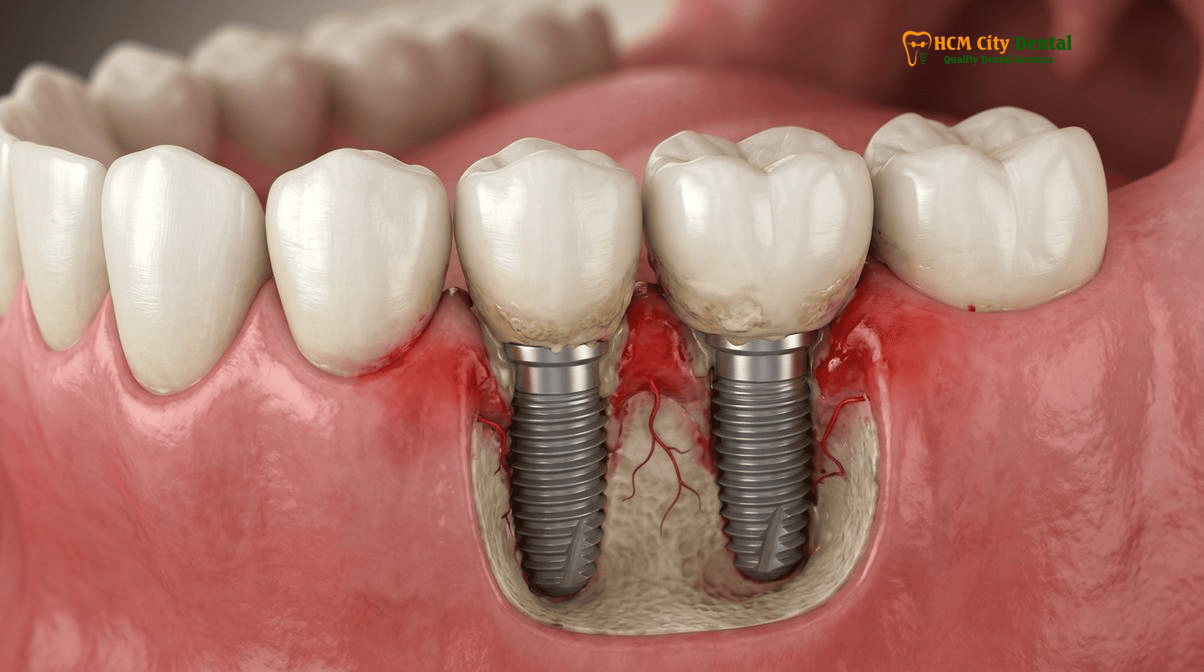
Clinical Decision Matrix Table: Safe Timelines, Thresholds & Red Flags
Differentiating between the normal physiological stages of healing and the pathological signs of dental implant infection after surgery requires clear, objective criteria. The following clinical decision matrix provides a comprehensive comparison to help international patients monitor their recovery accurately. Early identification of these 7 clinical red flags is essential for preserving the marginal accuracy and long-term survival of the eventual prosthetic restoration[2].
As part of our commitment to transparency and patient education, we also ensure that our international clients are fully aware of the financial aspects of their care. Our official 2026 Fee Schedule offers a -40% online booking pricing advantage, making world-class implantology accessible. For example, a Korean Dental Implant (Osstem/Dentium) is priced at $423 – $462 USD, while premium Swiss/European Implants (Straumann/Nobel Biocare) range from $731 – $1,231 USD. Full details can be reviewed on our Official 2026 Dental Fee Schedule (-40% Online Booking Pricing) page.
| Post-Op Timeline | Normal Physiological Healing | The 7 Clinical Red Flags (Infection Signs) | Required Clinical Action |
|---|---|---|---|
| Days 1–3 (Acute Phase) | Mild to moderate throbbing, localized edema (swelling) peaking at 48 hours, slight pink tinge in saliva (capillary weeping). | 1. Severe, unmanageable pain not responding to Arcoxia/Efferalgan. 2. Profuse, active bleeding beyond 48 hours. | Immediate WhatsApp triage. Apply firm pressure with sterile gauze. Do not rinse vigorously. |
| Days 4–7 (Proliferative Phase) | Swelling begins to subside, pain transitions to a dull ache, tissue appears pink and adapting to the healing abutment. | 3. Spreading, progressive swelling extending to the neck or eye. 4. Purulent exudate (pus) visible at the gingival margin. | Urgent in-clinic evaluation required. Possible antibiotic adjustment or surgical debridement. |
| Days 8–14 (Remodeling Phase) | Minimal discomfort, normal soft tissue contours, ability to comfortably eat soft solids (e.g., Pho Bo Mem). | 5. Persistent foul taste or malodor (halitosis). 6. Systemic fever (>38°C / 100.4°F) or swollen lymph nodes (lymphadenopathy). | Immediate clinical intervention. Indicates active peri-implantitis or systemic bacterial spread. |
| Weeks 3+ (Integration Phase) | Complete soft tissue closure, zero pain upon palpation, stable fixture ready for eventual prosthetic loading. | 7. Implant mobility (the fixture feels loose or wobbly) or persistent mucosal redness/bleeding on probing. | Critical failure alert. Requires radiographic assessment (CBCT) and potential fixture removal/replacement. |
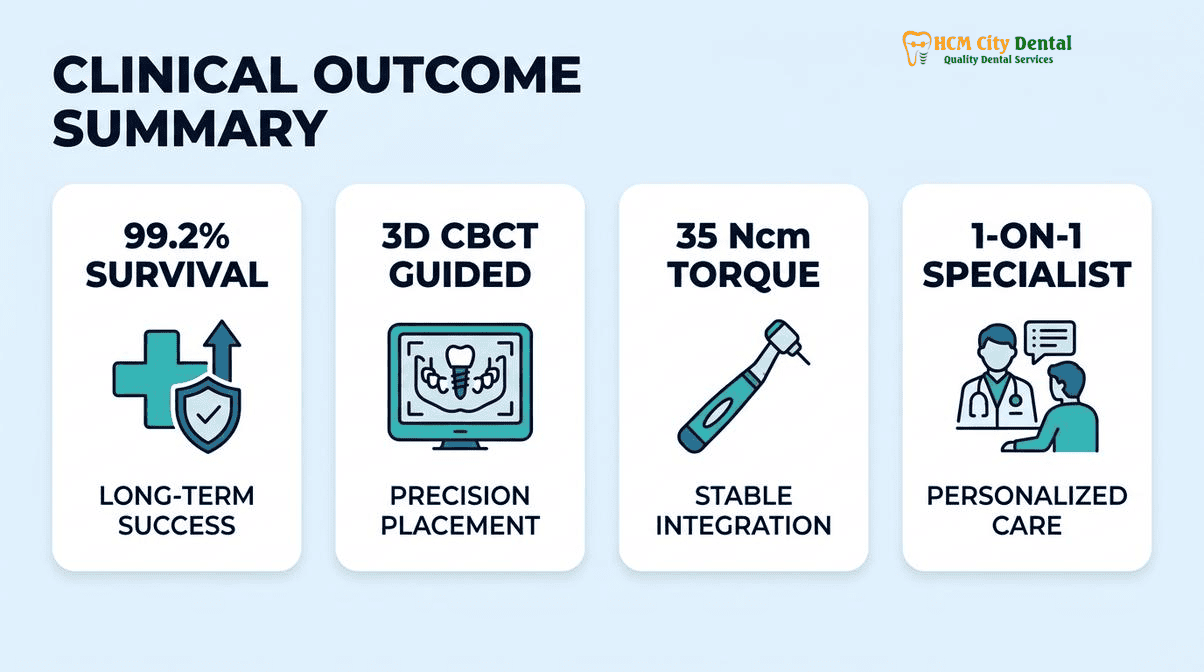
24/7 Emergency Triage & Pre-Departure Fit-to-Fly Verification with Dr. Nguyen Van Cuong, DDS
The anxiety of recovering from oral surgery in a foreign country is significantly alleviated by having direct, uninterrupted access to your surgical team. At HCMC Dental Clinic, we bridge the geographical gap through our robust remote aftercare protocols. Recognizing the signs of dental implant infection after surgery is only the first step; rapid, expert medical intervention is what ultimately saves the implant.
International patients are provided with a direct line to our 24/7 English-speaking medical support team via WhatsApp at +84 853 020 003. This is not a generic customer service line; it is a dedicated clinical triage channel overseen by Dr. Nguyen Van Cuong, DDS. If a patient experiences any of the 7 clinical red flags outlined in our matrix, they are instructed to immediately send high-resolution, well-lit photographs or short videos of the surgical site, along with a detailed description of their symptoms (e.g., pain scale 1-10, presence of fever, nature of any discharge). This allows Dr. Cuong to perform an instant visual assessment, differentiate between normal tissue sloughing and purulent exudate, and issue immediate pharmacological directives or arrange for an emergency in-clinic appointment.
Clinical Precaution: When to Contact Dr. Cuong Immediately
Do not wait for your scheduled follow-up if you experience rapid, spreading swelling that affects your breathing or swallowing, a sudden spike in fever above 38.5°C (101.3°F), or uncontrolled pulsatile bleeding. These are medical emergencies. Contact the 24/7 WhatsApp triage (+84 853 020 003) immediately for rapid intervention protocols.
Before any international patient is cleared to return home, a mandatory pre-departure fit-to-fly verification is conducted. This final in-clinic assessment ensures that initial soft tissue healing is progressing normally, there are no signs of dental implant infection after surgery, and the patient is not at risk for aviation-induced barotrauma. The perioperative management of patients, especially those on specific medical protocols, requires this definitive clearance to ensure safe transit[3].
“Continuity of care is the hallmark of responsible dental tourism. When our patients board their flights at Tan Son Nhat International Airport, they carry not just a new implant, but a comprehensive digital dossier of their treatment. We empower their home dentists with exact specifications, ensuring seamless prosthetic restoration months down the line.”
— Dr. Nguyen Van Cuong, DDS
To facilitate this continuity of care, HCMC Dental Clinic provides a full digital export of the patient’s medical records. This includes the 3D CBCT DICOM files, intraoral STL scans, detailed surgical notes, and the universal prosthetic screw torque specifications (strictly recorded between 15–35 Ncm). This meticulous documentation ensures that the patient’s local dentist in Australia, the US, or Europe has all the necessary data to safely uncover the implant and fabricate the final crown. Patients can learn more about our clinical director’s credentials and commitment to international standards by visiting the profile of Dr. Nguyen Van Cuong, DDS (Clinical Director — MOH License 0003265/BL-CCHN).
Frequently Asked Questions About Signs of Dental Implant Infection After Surgery
What are the 2026 medical safety guidelines for Signs of Dental Implant Infection After Surgery at HCMC Dental Clinic?
The 2026 medical safety guidelines at HCMC Dental Clinic mandate a strict protocol to prevent and identify signs of dental implant infection after surgery. This includes mandatory pre-operative 3D CBCT scans, comprehensive blood panel reviews (HbA1c, CBC, coagulation profiles), and the use of Class B autoclaved instruments. Post-operatively, patients are monitored via a 24/7 WhatsApp triage system, provided with specific pharmacological regimens (including GSK Augmentin and PerioKin 0.2%), and instructed on a strict 14-day Saigon soft-food diet to ensure undisturbed osseointegration.
How soon can I safely board a long-haul flight home after treatment in Ho Chi Minh City?
For standard single or multiple implant placements without extensive bone grafting, Dr. Nguyen Van Cuong, DDS generally clears patients for long-haul flights 72 hours post-surgery, provided there are no signs of dental implant infection after surgery. However, if your procedure involved a complex sinus lift or extensive guided bone regeneration, a minimum waiting period of 7 to 10 days is required to prevent barodontalgia and sinus barotrauma caused by aviation pressure changes. A final fit-to-fly clinical verification is always conducted before departure.
What pre-operative blood panels, vital checks, or 3D CBCT scans does Dr. Nguyen Van Cuong, DDS require?
To ensure maximum safety and mitigate the risk of early complications, Dr. Nguyen Van Cuong, DDS requires a comprehensive in-house 3D CBCT scan to assess bone density, volume, and proximity to vital structures like the inferior alveolar nerve and maxillary sinus. Additionally, international patients must provide recent blood panels, specifically checking HbA1c levels (must be below 7.0% for optimal healing), complete blood count (CBC), and coagulation profiles (PT/INR), especially for patients on anticoagulant therapy.
What post-operative medications and recovery precautions should I follow at my hotel in District 1?
While recovering at your hotel in District 1, you must adhere to a strict pharmacological protocol utilizing genuine Western medications dispensed in Vietnam. This typically includes GSK Augmentin (antibiotic), MSD Arcoxia (COX-2 inhibitor for inflammation), Efferalgan (analgesic), Medrol (corticosteroid for severe swelling), and PerioKin 0.2% Chlorhexidine mouthwash. You must brush and rinse exclusively with sealed bottled water (LaVie/Aquafina) or sterile 0.9% NaCl saline for the first 7 days, and strictly follow the 14-day Saigon soft-food diet, avoiding all straws to prevent blood clot dislodgement.
How do I contact Dr. Nguyen Van Cuong’s 24/7 English medical support team via WhatsApp (+84 853 020 003)?
International patients can reach Dr. Nguyen Van Cuong’s dedicated English-speaking medical support team 24/7 via WhatsApp at +84 853 020 003. This direct line is used for immediate clinical triage. If you suspect any signs of dental implant infection after surgery, you are instructed to send high-resolution, well-lit photos or videos of the surgical site, along with a description of your symptoms (e.g., pain levels, swelling, temperature). Dr. Cuong and his team will evaluate the media instantly and provide immediate clinical directives or arrange an emergency in-clinic assessment.
References
- International Journal of Oral & Maxillofacial Implants. Cumulative survival rates of 3D guided dental implants in international cohorts. (2024).
- Journal of Prosthetic Dentistry. Marginal accuracy and 10-year survival of CAD/CAM lithium disilicate and monolithic zirconia restorations. (2023).
- Journal of the American Dental Association (JADA). Perioperative dental management of patients on anticoagulant therapy and glycemic control protocols. (2023).
- Aerospace Medicine and Human Performance. Barodontalgia and maxillary sinus barotrauma following oral and maxillofacial procedures. (2022).
- Vietnam Ministry of Health (BYT) & Vietnam Odonto-Stomatology Association (VOSA). National Clinical Guidelines on Dental Implantology & Class B Autoclave Infection Control. (2024).