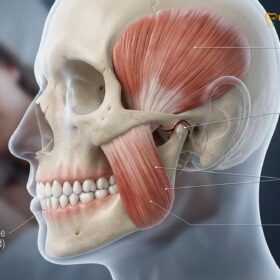
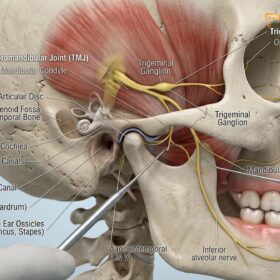
The pursuit of aesthetic excellence in modern dentistry has evolved significantly, transitioning from aggressive tooth reduction to highly conservative, biologically driven protocols. Finding recommended cosmetic dentists is a critical step for patients seeking to enhance their smile without compromising their underlying oral health. A premier aesthetic practitioner understands that true cosmetic success is achieved at the intersection of prosthodontics, periodontics, and advanced material science. The stomatognathic system is a complex network of teeth, muscles, and joints; therefore, any aesthetic alteration must function in perfect harmony with these dynamic biological structures. Today, cosmetic dentistry is not merely about achieving a brighter shade of white, but about restoring facial symmetry, optimizing occlusal function, and ensuring the long-term vitality of the dentition.
Patients navigating the landscape of aesthetic dental treatments are often overwhelmed by the variety of available procedures, ranging from direct composite bonding to complex full-mouth rehabilitations utilizing high-strength ceramics. The distinction between a standard dental provider and highly recommended cosmetic dentists lies in their diagnostic rigor, their mastery of digital workflows, and their unwavering commitment to tissue preservation. By leveraging state-of-the-art technology, such as intraoral scanners and three-dimensional facial mapping, leading clinicians can now predict and visualize the final aesthetic outcome before a single tooth is touched, thereby eliminating the guesswork that once characterized cosmetic procedures.
Clinical Summary:
The field of cosmetic dentistry extends far beyond superficial enhancements, representing a complex intersection of prosthodontics, periodontics, and material science. Highly recommended cosmetic dentists distinguish themselves through rigorous diagnostic protocols, comprehensive occlusal analysis, and the application of minimally invasive techniques. Modern aesthetic workflows rely heavily on digital dentistry—including intraoral scanning, CBCT imaging, and Digital Smile Design (DSD)—to ensure predictable, facially driven outcomes. The selection of restorative materials, such as lithium disilicate and yttria-stabilized zirconia, is dictated by a careful assessment of biomechanical forces and optical requirements. Furthermore, successful aesthetic rehabilitation demands a healthy periodontal foundation, making multidisciplinary treatment planning essential for long-term clinical success and the preservation of the stomatognathic system.
Key Takeaways:
- Recommended cosmetic dentists prioritize minimally invasive preparations to maximize enamel preservation and optimize adhesive bond strength.
- Digital Smile Design (DSD) allows for precise, facially driven treatment planning, enabling patients to preview their results before any irreversible procedures occur.
- Material selection between lithium disilicate and zirconia depends on a delicate balance between required flexural strength and aesthetic translucency.
- Periodontal health, including a stable biologic width and absence of inflammation, is an absolute prerequisite for any successful cosmetic dental intervention.
- Comprehensive aesthetic rehabilitation often requires a multidisciplinary approach, seamlessly integrating orthodontics, periodontics, and restorative dentistry.
- Long-term maintenance, including the use of protective occlusal appliances, is critical to safeguarding the structural integrity of ceramic restorations.
Clinical Criteria for Selecting Recommended Cosmetic Dentists
A highly recommended cosmetic dentist is distinguished by specialized prosthodontic training, mastery of digital diagnostic tools, and a proven track record of preserving natural tooth structure while achieving optimal facial harmony.
The distinction between a general dental practitioner and a highly recommended cosmetic dentist lies in the depth of their post-graduate training, their understanding of complex occlusal dynamics, and their refined aesthetic vision. Cosmetic dentistry requires the patient to evaluate the clinician’s credentials, continuing education, and documented clinical portfolio. Leading practitioners dedicate extensive hours to advanced courses in prosthodontics, restorative material science, and periodontal integration. They understand that a beautiful smile must be built upon a foundation of absolute biological health and biomechanical stability. A thorough evaluation of a dentist’s previous case studies, particularly those involving long-term follow-ups, provides invaluable insight into their clinical proficiency and the durability of their restorative work[1].
When evaluating a practitioner, one must consider their diagnostic approach. Exceptional cosmetic dentists perform a comprehensive macro-aesthetic, mini-aesthetic, and micro-aesthetic evaluation. Macro-aesthetics involves the relationship of the teeth to the face, including the interpupillary line, the facial midline, and the dynamic lip line during speech and smiling. The clinician must assess how the incisal edges of the maxillary teeth follow the curvature of the lower lip, a concept known as the smile arc. Mini-aesthetics focuses on the relationship of the teeth to each other, such as the golden proportion, buccal corridors, and gingival zenith architecture. Micro-aesthetics delves into the individual characteristics of a single tooth, including surface texture, opalescence, fluorescence, and the precise anatomy of the incisal edge, ensuring the final restoration mimics the complex optical properties of natural human enamel.
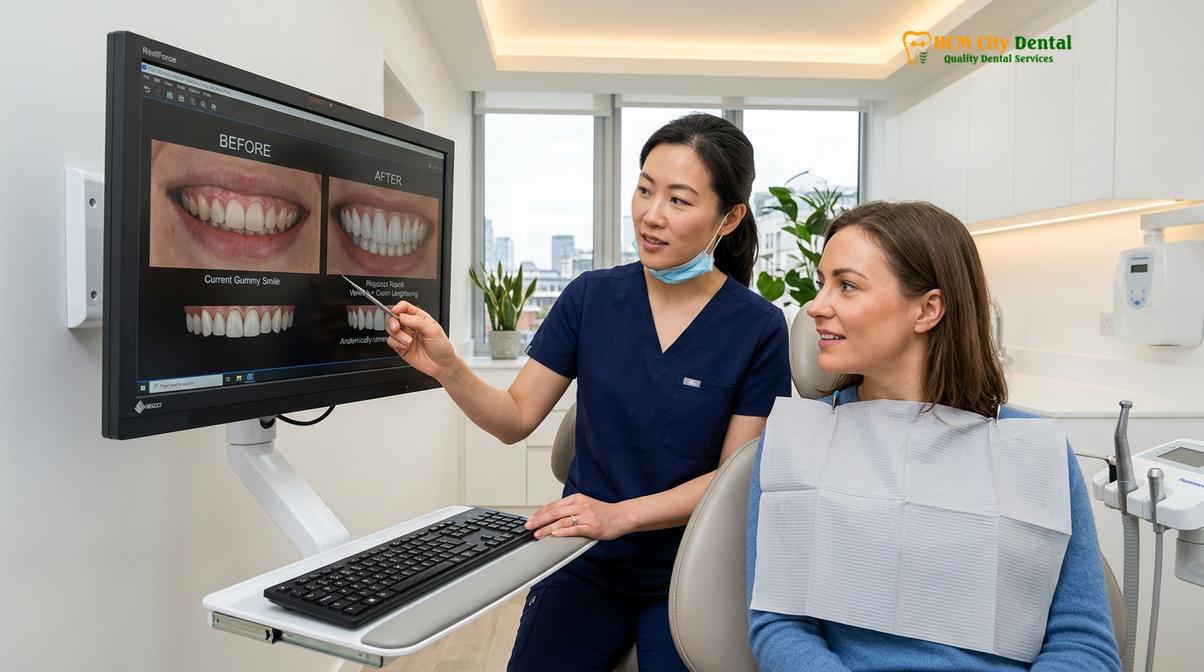
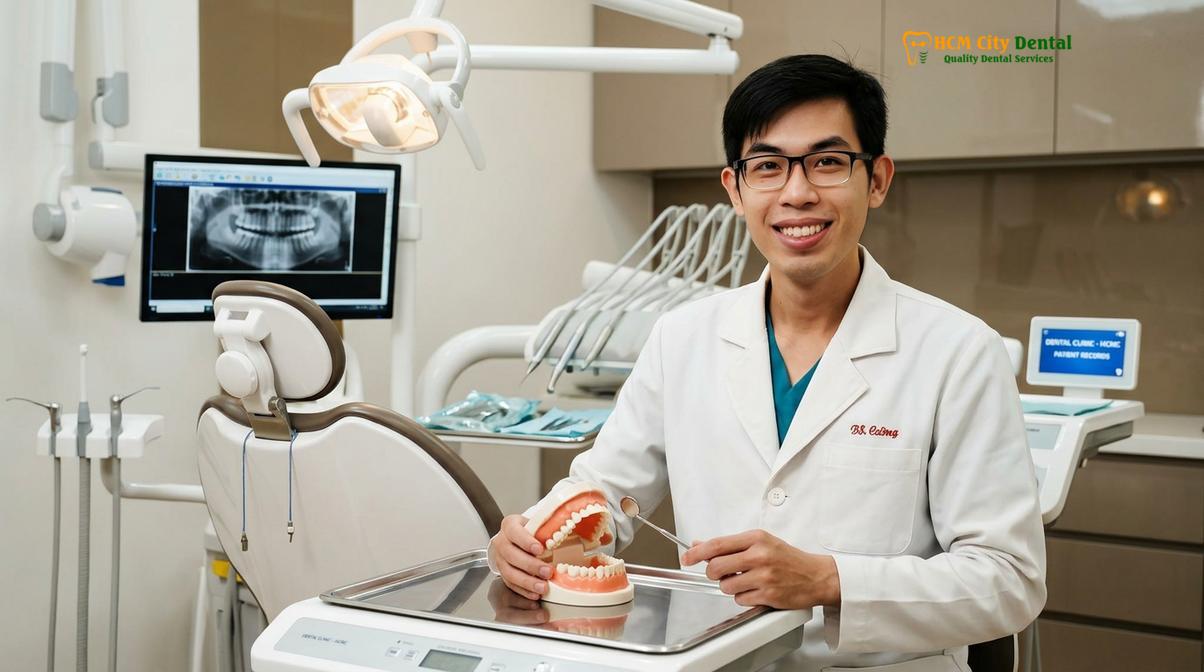
Dr. Nguyen Van Cuong, a distinguished clinical leader at HCMC Dental Clinic, emphasizes that the foundation of any aesthetic rehabilitation lies in comprehensive diagnostics and biomimetic principles. Dr. Cuong and his team utilize advanced protocols to ensure that every ceramic restoration not only mimics the optical properties of natural enamel but also respects the biomechanical limits of the tooth structure. His approach prioritizes the preservation of the pulp-dentin complex, ensuring long-term vitality and functional stability for every patient who walks through the doors of the clinic.
Furthermore, recommended cosmetic dentists operate with advanced magnification. The use of high-powered dental loupes or surgical operating microscopes is non-negotiable in modern aesthetic dentistry. Magnification allows the clinician to execute ultra-precise preparations, ensuring that the margins of the restorations are perfectly smooth and seamlessly integrated with the natural tooth structure. This level of precision minimizes the risk of microleakage, secondary caries, and periodontal inflammation, which are common complications associated with poorly fitting restorations.
Core Cosmetic Dental Procedures and Workflows
Modern cosmetic workflows encompass minimally invasive veneers, high-strength ceramic crowns, and precision-engineered bridges, all meticulously designed to restore both structural integrity and visual harmony.
The therapeutic arsenal of a cosmetic dentist includes a variety of restorative modalities, each with specific clinical indications, contraindications, and preparation requirements. The selection of the appropriate procedure is dictated by the amount of remaining healthy tooth structure, the patient’s occlusal scheme, and the desired aesthetic outcome. A comprehensive understanding of foundational dental principles is essential, as cosmetic enhancements must seamlessly integrate with the patient’s overall oral health and functional movements.
Porcelain Veneers and Minimally Invasive Preparations
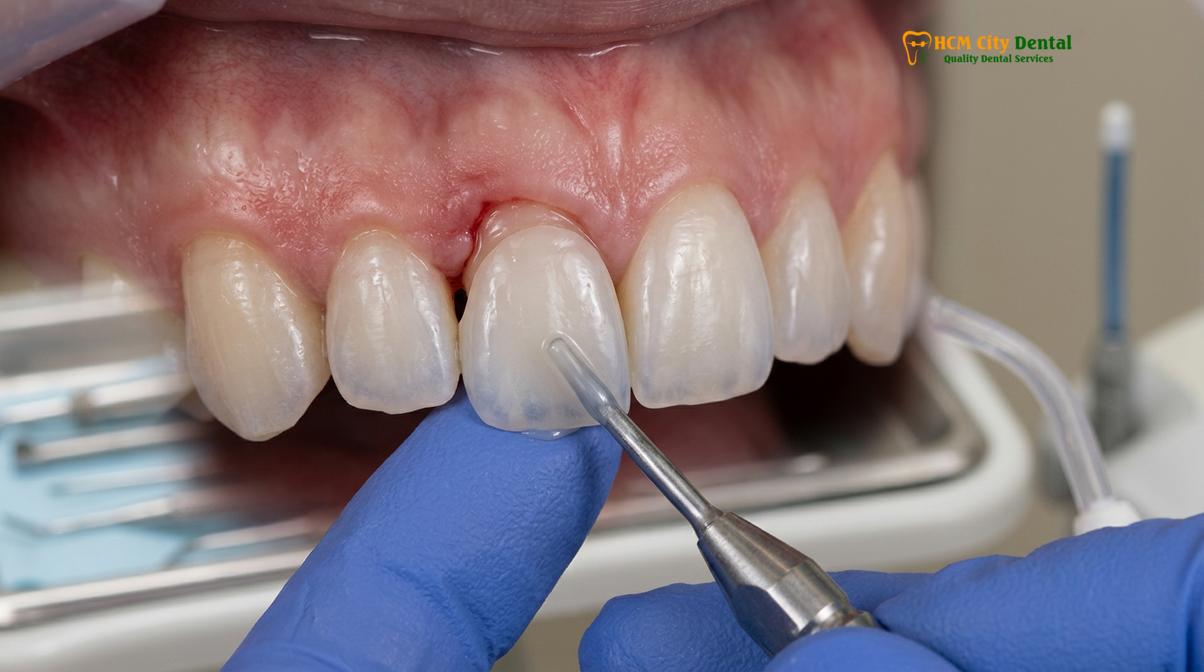
Porcelain veneers are ultra-thin ceramic shells bonded to the facial surface of anterior teeth to correct discoloration, minor malalignment, diastemas, and morphological anomalies. The clinical success of veneers relies heavily on the principle of enamel bonding. Enamel, being highly mineralized, provides a predictable and incredibly strong micromechanical bond when treated with phosphoric acid etchant and a high-quality adhesive resin. Recommended cosmetic dentists utilize the Aesthetic Pre-evaluative Temporary (APT) technique, where tooth preparation is guided by a bis-acryl mock-up placed over the unprepared teeth. This ensures that the diamond bur only removes the absolute minimum amount of tooth structure necessary to achieve the desired final contour, often keeping the preparation entirely within the enamel layer[2].
The preparation design for a porcelain veneer is a critical factor in its long-term success. The gingival margin must be placed precisely, often equigingival or slightly supragingival, to respect the biologic width and prevent chronic gingival inflammation. The proximal extensions must be carefully managed to hide the transition line between the ceramic and the natural tooth, while the incisal reduction must provide sufficient space for the ceramist to build in the intricate internal effects, such as mamelons and incisal halo, that characterize a youthful, natural tooth.
Zirconia and Lithium Disilicate Dental Crowns
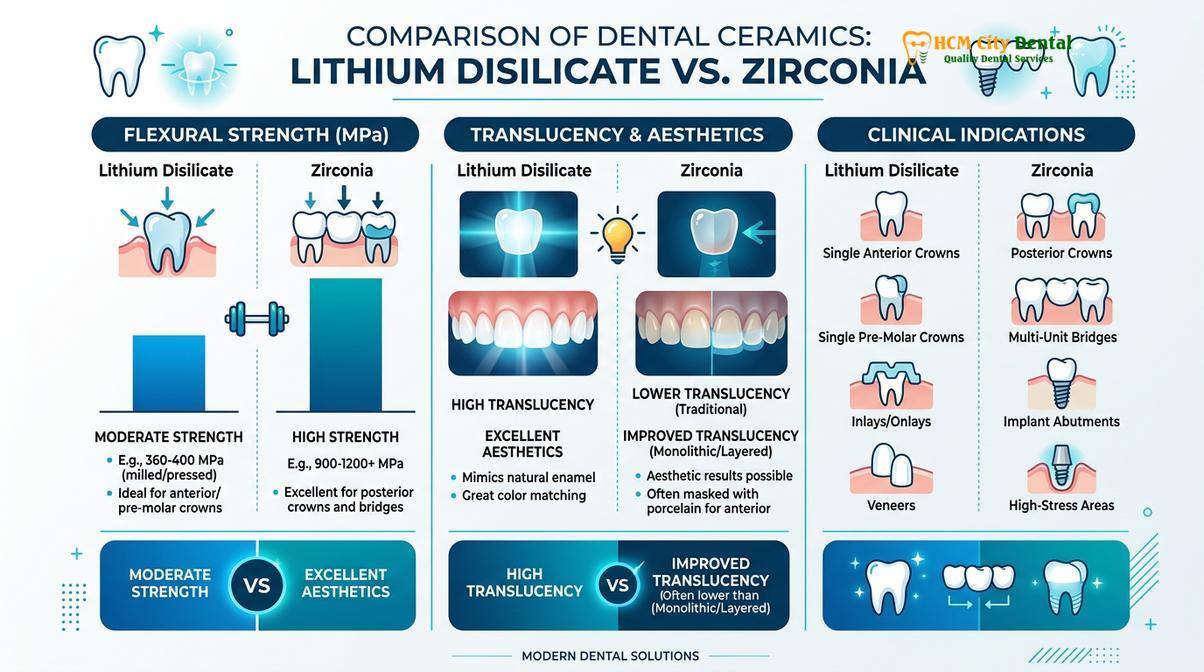
When a tooth has suffered extensive structural loss due to caries, trauma, or previous large restorations, full-coverage dental crowns are indicated. In the aesthetic zone, the materials of choice are typically lithium disilicate or highly translucent yttria-stabilized zirconia. Lithium disilicate offers unparalleled optical properties, mimicking the natural translucency and light transmission of human enamel. It is particularly effective for single anterior crowns where matching the adjacent natural teeth is paramount. Zirconia, on the other hand, provides exceptional flexural strength while maintaining acceptable aesthetics, making it suitable for patients with heavy occlusal forces, parafunctional habits, or for masking severely discolored underlying dentin, such as teeth that have undergone endodontic therapy and darkened over time.
The preparation for a full-coverage crown requires more aggressive tooth reduction compared to a veneer, typically necessitating 1.0mm to 1.5mm of circumferential clearance. Recommended cosmetic dentists employ specific margin designs, such as a heavy chamfer or a rounded shoulder, to provide adequate bulk for the ceramic material at the margin, thereby preventing fracture and ensuring a smooth emergence profile that supports the surrounding gingival tissues.
| Restoration Type | Primary Clinical Indication | Typical Preparation Depth | Preferred Material |
|---|---|---|---|
| Porcelain Veneer | Discoloration, minor crowding, diastema closure | 0.3mm – 0.5mm (Enamel only) | Lithium Disilicate, Feldspathic Porcelain |
| Full-Coverage Crown | Extensive structural loss, post-endodontic treatment | 1.0mm – 1.5mm (Circumferential) | Lithium Disilicate, High-Translucency Zirconia |
| Aesthetic Bridge | Single or multiple missing teeth in sequence | 1.0mm – 1.5mm (On abutment teeth) | Monolithic or Layered Zirconia |
| No-Prep Veneer | Microdontia, lingually inclined teeth | 0.0mm (No preparation) | Ultra-thin Feldspathic Porcelain |
The Role of Digital Technology in Smile Design
Digital dentistry revolutionizes cosmetic treatments by utilizing intraoral scanners and CAD/CAM milling to ensure micron-level precision, predictable aesthetics, and highly efficient clinical workflows.
The integration of digital technology has fundamentally transformed the landscape of cosmetic dentistry, shifting the paradigm from analog guesswork to highly predictable, data-driven treatment planning. Recommended cosmetic dentists invest heavily in digital ecosystems to enhance diagnostic accuracy, improve patient communication, and streamline the fabrication of ceramic restorations. This digital transformation touches every aspect of the patient journey, from the initial consultation to the final cementation.
Intraoral Scanning and CAD/CAM Integration
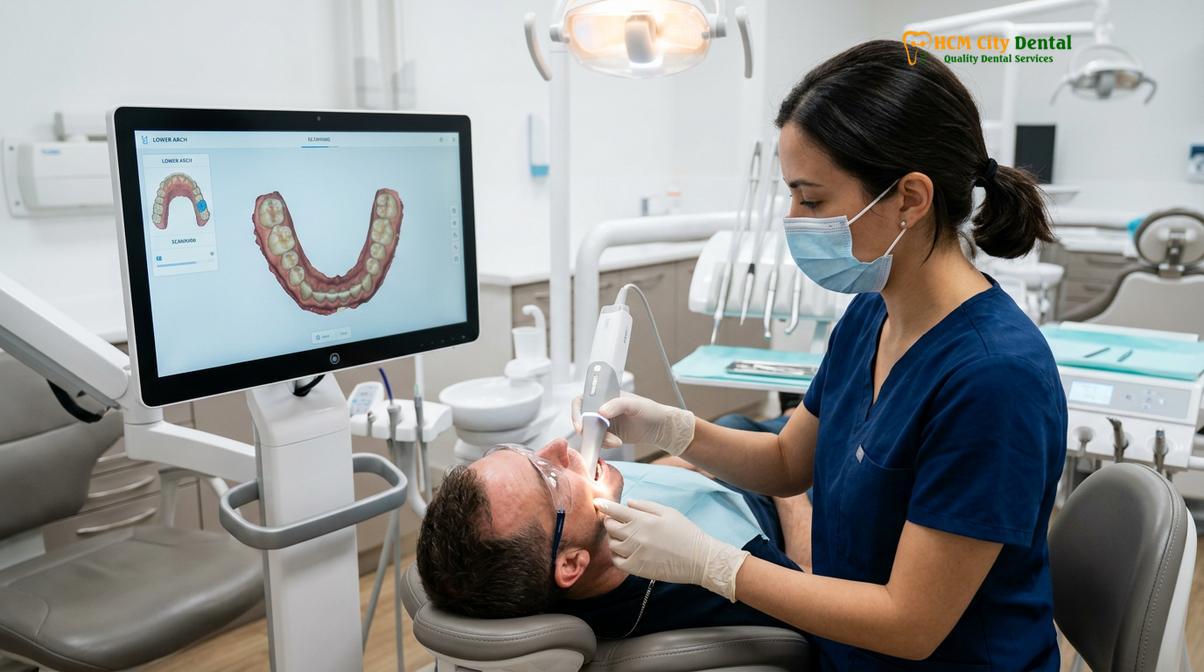
The foundation of the digital workflow is the intraoral scanner. These advanced optical devices utilize confocal microscopy or active triangulation to capture thousands of images per second, creating a highly accurate, three-dimensional digital replica of the patient’s dentition and soft tissues. This eliminates the need for uncomfortable traditional elastomeric impressions, which are prone to dimensional distortion, tearing, and patient discomfort. The digital impression, typically exported as an STL or PLY file, is then imported into Computer-Aided Design (CAD) software. Here, the clinician and the master ceramist can virtually design the restorations with micron-level precision, evaluating the occlusal contacts, interproximal contours, and overall morphology in a virtual environment before any physical manufacturing begins[3].
Digital Smile Design (DSD) Protocols
Digital Smile Design (DSD) is a conceptual protocol that utilizes digital technology to plan aesthetic treatments based on the patient’s unique facial proportions. The process begins with a standardized series of high-resolution digital photographs and videos, capturing the patient’s face in repose, during a natural smile, and during dynamic speech. These images are calibrated with the intraoral scans to create a comprehensive virtual patient. The clinician can then overlay digital templates to determine the ideal tooth proportions, midline placement, and incisal edge position relative to the facial landmarks, such as the interpupillary line and Camper’s plane.
One of the most powerful aspects of the DSD protocol is the ability to create a motivational mock-up. Once the digital design is finalized, it can be 3D printed into a physical model. A silicone matrix is then fabricated over this model and filled with a temporary bis-acryl material, which is temporarily transferred to the patient’s mouth. This allows the patient to physically “test drive” their new smile, evaluating the aesthetics, phonetics, and lip support before committing to any irreversible tooth preparation. This collaborative approach ensures that the final outcome aligns perfectly with the patient’s expectations and the clinician’s biological parameters.
Material Science in Modern Cosmetic Dentistry
The success of aesthetic restorations relies heavily on selecting biocompatible ceramics that mimic natural enamel fluorescence while providing sufficient flexural strength to withstand immense occlusal forces.
The evolution of dental ceramics has provided cosmetic dentists with materials that offer an unprecedented combination of strength and beauty. The selection process requires a deep understanding of material science, including flexural strength, fracture toughness, translucency parameters, and bonding protocols. Recommended cosmetic dentists meticulously evaluate the biomechanical demands of each specific tooth before prescribing a restorative material, ensuring that the chosen ceramic can withstand the harsh environment of the oral cavity while maintaining its optical brilliance over time.
“The true artistry in cosmetic dentistry lies not just in the fabrication of the ceramic, but in the seamless, biologically sound integration of that restoration with the surrounding periodontal tissues. A beautiful crown is a clinical failure if the gums around it are chronically inflamed or if the underlying biomechanics are ignored.”
Longevity, Structural Integrity, and Bonding
The longevity of a cosmetic restoration is determined by its ability to withstand thermal cycling, acidic challenges, and immense occlusal forces. Lithium disilicate boasts a flexural strength of approximately 400-500 MPa. Its crystalline structure, consisting of interlocking needle-like crystals, provides excellent fracture toughness, making it highly durable for anterior applications, especially when adhesively bonded to enamel. Zirconia, a polycrystalline ceramic, undergoes phase transformation toughening, allowing it to achieve flexural strengths exceeding 1000 MPa. This makes it the material of choice for posterior restorations and multi-unit bridges where occlusal loads are highest.
The bonding protocol is equally critical to achieve a durable chemical and micromechanical bond. For silica-based ceramics like lithium disilicate, the internal surface of the restoration must be etched with hydrofluoric acid to create microporosities, followed by the application of a silane coupling agent, which acts as a chemical bridge between the inorganic ceramic and the organic resin cement. Zirconia, lacking a silica glass phase, cannot be etched with hydrofluoric acid; instead, it requires air-particle abrasion (sandblasting) and the use of specialized primers containing MDP (10-methacryloyloxydecyl dihydrogen phosphate) monomers to achieve a reliable bond[4].
To protect these advanced restorations from parafunctional habits such as bruxism or clenching, clinicians often recommend a custom mouth guard made by a dentist. These appliances distribute occlusal forces evenly and prevent the catastrophic fracture of ceramic materials. Understanding the custom night guard Vietnam cost is an important part of comprehensive treatment planning, as wearing a protective appliance at night is a crucial, non-negotiable step in safeguarding the significant investment made in cosmetic dentistry.
Managing Complex Aesthetic Cases
Comprehensive smile makeovers often require a multidisciplinary approach, integrating periodontal crown lengthening, orthodontic alignment, and restorative techniques to achieve optimal gingival and dental symmetry.
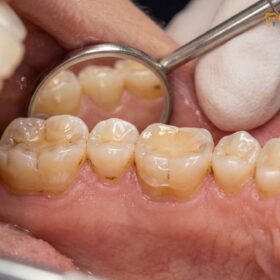
Not all cosmetic concerns can be resolved with veneers or crowns alone. Complex cases, such as those involving severe occlusal wear, altered passive eruption (commonly known as a “gummy smile”), or significant malocclusion, require a comprehensive, multidisciplinary approach. Recommended cosmetic dentists act as the architect of the smile, coordinating treatment with periodontists, orthodontists, and endodontists to establish a healthy, stable foundation before any definitive restorative work begins. Ignoring the underlying structural or biological issues will inevitably lead to the premature failure of the aesthetic restorations[5].
Clinical Case Study: Comprehensive Smile Rehabilitation
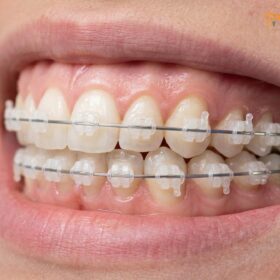
An international patient recently visited HCMC Dental Clinic in Ho Chi Minh City presenting with a chief complaint of severe anterior tooth wear, generalized sensitivity, and aesthetic dissatisfaction resulting from previous substandard orthodontic treatment. The patient exhibited a collapsed vertical dimension of occlusion and significant enamel loss. The multidisciplinary treatment plan initiated at HCMC Dental Clinic involved a phase of pre-prosthetic orthodontics to correct the occlusal plane and redistribute the restorative space. Because the patient had suffered complications from bad braces in the past, the retreatment required meticulous biomechanical control to prevent further root resorption. During the orthodontic phase, the patient was educated on the best food for braces to maintain optimal oral hygiene and prevent decalcification. Following the successful realignment, the restorative phase utilized minimally invasive lithium disilicate overlays and veneers to restore the lost vertical dimension and achieve a harmonious, functional, and highly aesthetic smile, demonstrating the profound impact of comprehensive care in Ho Chi Minh City.
In cases of altered passive eruption, where excessive gingival tissue covers the anatomical crown of the tooth, a periodontist may perform an aesthetic crown lengthening procedure. This involves the careful recontouring of the gingival margins and, if necessary, the underlying crestal bone, to expose the proper proportions of the teeth and establish a symmetrical gingival zenith. Only after the periodontal tissues have fully healed and stabilized can the cosmetic dentist proceed with the final impressions and the fabrication of the ceramic restorations.
“A multidisciplinary approach is the absolute cornerstone of predictable aesthetic dentistry. By aligning the teeth orthodontically and optimizing the gingival architecture periodontally, we create an ideal, biologically sound canvas for conservative, long-lasting ceramic restorations.”
When to Consult a Cosmetic Dentist & Important Considerations
Seeking timely consultation with a qualified cosmetic dentist is vital when experiencing structural tooth damage, severe discoloration, or functional imbalances that affect the stomatognathic system.
Patients should consider consulting recommended cosmetic dentists when they notice signs of advanced enamel wear, chipping, or shifting of teeth, which often indicate underlying occlusal instability or parafunctional habits. Early intervention can prevent the need for more invasive and costly procedures in the future. Furthermore, aesthetic interventions should only be pursued once active dental caries, endodontic infections, and periodontal diseases are fully resolved. According to clinical standards established by the Vietnam Odonto-Stomatology Association (VOSA), ensuring a stable biological foundation is a mandatory prerequisite for any elective aesthetic procedure to guarantee patient safety and restorative longevity[6].
Clinical Warning: Contraindications for Elective Cosmetic Procedures
Elective aesthetic treatments must never be initiated in the presence of active biological disease. Placing porcelain veneers or ceramic crowns over teeth with unresolved periodontal inflammation, active carious lesions, or untreated periapical pathology is a severe violation of clinical protocols. Such actions will exacerbate the underlying disease process, leading to rapid restorative failure, severe pain, and potential tooth loss. All foundational health issues must be comprehensively managed and stabilized prior to commencing any cosmetic workflow.
Post-treatment care and long-term maintenance are equally important components of cosmetic dentistry. The longevity of ceramic restorations is heavily dependent on the patient’s commitment to excellent home care and regular professional prophylaxis. Patients who travel frequently must adhere to strict maintenance protocols to protect their ceramic restorations from damage. Following night guard travel tips for expats ensures that protective appliances are not damaged, warped by heat, or lost during transit. Additionally, knowing exactly how to clean a night guard prevents the buildup of pathogenic bacteria and calcified deposits that could compromise both the integrity of the appliance and the health of the surrounding gingival tissues.
References
- Journal of Prosthetic Dentistry. Clinical performance of lithium disilicate and zirconia restorations in aesthetic zones. (2022).
- International Journal of Periodontics & Restorative Dentistry. Biologic width and gingival health in cosmetic dentistry. (2021).
- Journal of Esthetic and Restorative Dentistry. Minimally invasive tooth preparation techniques for porcelain veneers. (2020).
- British Dental Journal. The role of Digital Smile Design (DSD) in predictable aesthetic outcomes. (2019).
- Journal of the American Dental Association. Occlusal considerations in comprehensive anterior restorative cases. (2023).
- Vietnam Odonto-Stomatology Association (VOSA). Guidelines on aesthetic dental restorations and patient safety. (2022).
For personalized aesthetic evaluations, comprehensive diagnostic imaging, and advanced restorative planning, schedule a consultation with the General Dentistry tại HCMC Dental Clinic team. Experience world-class care, biomimetic tissue preservation, and predictable clinical outcomes at HCMC Dental Clinic, Ho Chi Minh City.