A 4 tooth dental bridge is a fixed prosthetic device designed to replace two adjacent missing teeth by anchoring two artificial teeth (pontics) to two healthy abutment teeth or dental implants at either end. This restores chewing function, prevents shifting, and rehabilitates the patient’s smile.
Clinical Summary:
The four tooth bridge is a cornerstone of restorative dentistry, utilized when a patient presents with two consecutive missing teeth bounded by healthy dentition or adequate bone for implants. Clinically, this prosthesis consists of four units: two terminal retainers (crowns) and two central pontics. The biomechanical success of this restoration relies heavily on Ante’s Law, which dictates that the root surface area of the abutment teeth must equal or exceed that of the teeth being replaced. Modern advancements have shifted material preferences toward monolithic zirconia and lithium disilicate for superior fracture toughness and aesthetics. Furthermore, the integration of digital dentistry—from intraoral scanning to CAD/CAM milling—has significantly enhanced the marginal adaptation and longevity of these restorations. While traditional tooth-supported bridges remain viable, implant-supported variations are increasingly recommended to preserve adjacent tooth structure and maintain alveolar bone volume.
Key Takeaways:
- A four-unit bridge replaces two missing teeth by utilizing two adjacent teeth or implants as structural anchors.
- Biomechanical stability requires careful evaluation of the abutment teeth’s periodontal health and crown-to-root ratio.
- Zirconia is currently the gold standard material for posterior bridges due to its exceptional flexural strength.
- The dental bridge procedure involves precise tooth preparation, digital impressions, and meticulous adhesive cementation.
- Implant-supported bridges offer a conservative alternative that prevents jawbone resorption without altering natural teeth.
Understanding the 4 Tooth Dental Bridge
A four-unit bridge utilizes two terminal abutments to support two central pontics, effectively closing the gap left by two missing consecutive teeth while restoring occlusal harmony.
Clinical Definition and Biomechanics
In the realm of prosthodontics, a 4 tooth dental bridge (technically referred to as a four-unit fixed partial denture) is a highly engineered restoration designed to span an edentulous space created by the loss of two adjacent teeth. The architecture of this prosthesis is straightforward yet biomechanically complex. It consists of two retainers—which are the hollow crowns that fit over the prepared abutment teeth—and two pontics, which are the solid artificial teeth suspended between the retainers. The primary objective of this restoration is not merely cosmetic; it is fundamentally about restoring the masticatory function, stabilizing the dental arch, and preventing the pathological migration (drifting or over-eruption) of adjacent and opposing teeth.
The biomechanical principles governing a four tooth bridge are significantly more demanding than those of a standard three-unit bridge. According to fundamental prosthodontic principles, specifically Ante’s Law, the combined pericemental area (root surface area) of the abutment teeth must be equal to or greater than that of the teeth being replaced [1]. When two teeth are missing, the span of the bridge increases. In physics, the deflection (bending) of a bridge under occlusal load is proportional to the cube of the length of the span. Therefore, a two-pontic span will bend eight times more than a single-pontic span under the same biting force. This exponential increase in flexure places immense stress on the abutment teeth and the cement seal, necessitating meticulous clinical planning, robust material selection, and flawless execution by the restorative dentist.
Tooth-Supported vs. Implant-Supported Configurations
When discussing a bridge for 4 teeth, clinicians generally evaluate two primary configurations: the traditional tooth-supported bridge and the modern implant-supported bridge. The traditional approach requires the irreversible preparation (grinding down) of the healthy natural teeth adjacent to the gap. These teeth are reduced by approximately 1.5 to 2.0 millimeters circumferentially and occlusally to create space for the restorative material. While this method is time-tested and can be completed relatively quickly, it carries the inherent risk of future endodontic complications (nerve damage) in the abutment teeth and does not prevent the natural resorption of the alveolar bone in the area of the missing teeth.
Conversely, an implant-supported four-unit bridge represents the pinnacle of conservative tooth replacement. In this scenario, two titanium dental implants are surgically placed into the jawbone at the sites of the missing teeth (or at the ends of the span). Once osseointegration is complete, the bridge is anchored to these implants rather than natural teeth. This approach offers profound clinical advantages: it leaves the adjacent natural teeth completely untouched, and the titanium implants provide vital biomechanical stimulation to the jawbone, effectively halting alveolar bone loss. For patients exploring comprehensive restorative options, consulting a comprehensive general dental guide can provide foundational knowledge on how these advanced prosthetics integrate into overall oral health strategies.
Indications and Contraindications
Proper patient selection is critical; candidates must have robust abutment teeth or sufficient bone density for implants, while active periodontal disease serves as a primary contraindication.
Who is an Ideal Candidate?
Identifying the ideal candidate for a 4 tooth dental bridge requires a comprehensive clinical and radiographic examination. For a traditional tooth-supported bridge, the ideal patient presents with two missing adjacent teeth bounded by heavily restored or structurally compromised teeth that would benefit from full-coverage crowns regardless of the missing teeth. The abutment teeth must possess excellent periodontal health, minimal mobility, and a favorable crown-to-root ratio (ideally 1:2, but clinically acceptable at 2:3). Furthermore, the patient must exhibit a stable occlusal scheme without signs of severe bruxism (teeth grinding), as excessive parafunctional forces can easily fracture a long-span prosthesis or cause the abutment teeth to fail.
For an implant-supported bridge, the criteria shift toward bone volume and systemic health. The ideal candidate has sufficient alveolar bone height and width to accommodate the implants without the immediate need for extensive bone grafting. They should be non-smokers, or willing to cease smoking during the healing phase, as tobacco use significantly impairs osseointegration. Systemic conditions such as uncontrolled diabetes or autoimmune disorders must be carefully managed, as they can compromise the surgical outcome.
“The long-term success of a four-unit fixed prosthesis is dictated not by the strength of the porcelain, but by the biological foundation of the abutment teeth. A bridge is only as strong as the roots that support it.”
When to Avoid a Four Tooth Bridge
There are specific clinical scenarios where a traditional bridge for 4 teeth is strongly contraindicated. The most absolute contraindication is the presence of active, untreated periodontal disease. If the supporting bone around the abutment teeth is compromised, the additional occlusal load from the pontics will accelerate bone loss, leading to rapid mobility and eventual failure of the entire unit [2]. Additionally, if the adjacent teeth are perfectly healthy, virgin teeth with no prior decay or fillings, preparing them for a bridge is considered overly aggressive and biologically costly. In such cases, an implant-supported solution is the standard of care.
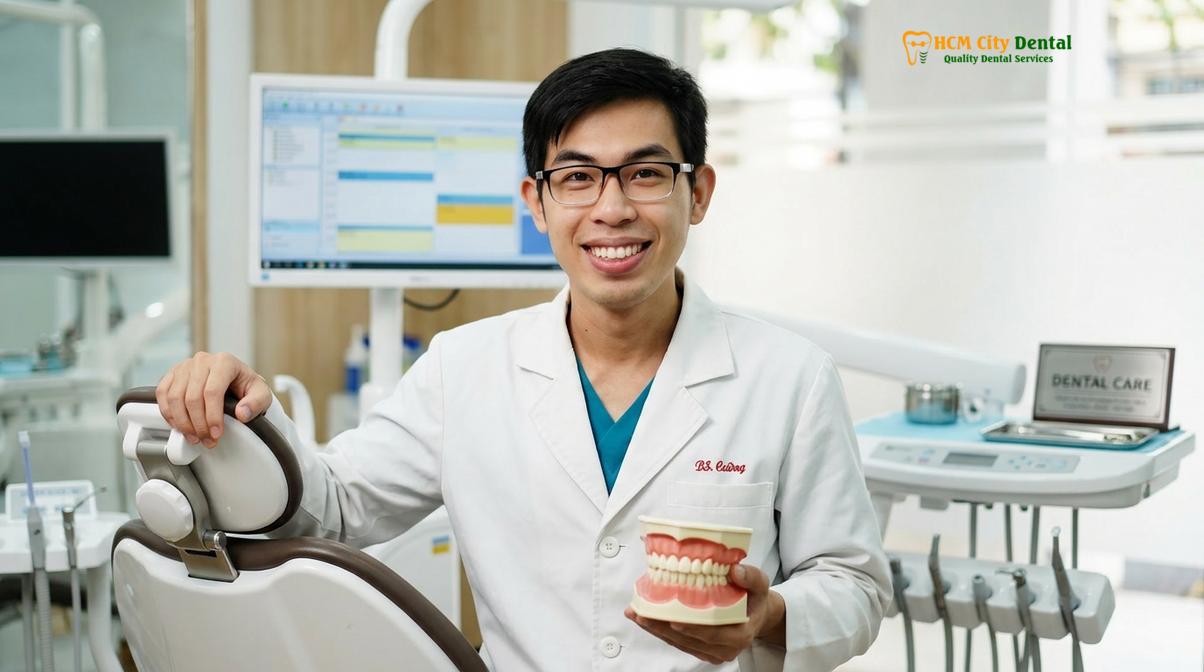
According to Dr. Nguyen Van Cuong, a leading prosthodontist, evaluating the crown-to-root ratio and the angulation of the abutment teeth is the most critical step before approving a patient for a traditional four tooth bridge. If the abutment teeth are severely tilted (often seen when teeth have been missing for a long time and adjacent teeth have drifted), achieving a common path of insertion for the bridge becomes mathematically impossible without risking pulpal exposure during preparation.
Clinical Warning: Overloading compromised abutment teeth with a long-span bridge can lead to catastrophic failure, including root fractures and severe periodontal abscesses. Always seek a comprehensive radiographic evaluation before proceeding with fixed prosthodontics.
Material Selection for a Bridge for 4 Teeth
Modern dental bridges utilize advanced ceramics like monolithic Zirconia for posterior strength and layered E.max for anterior aesthetics, alongside traditional porcelain-fused-to-metal options.
Zirconia and All-Ceramic Options
The evolution of dental materials has revolutionized the fabrication of the 4 tooth dental bridge. Historically, long-span bridges were limited to metal-based restorations due to the fragility of early ceramics. Today, Yttria-stabilized tetragonal zirconia polycrystal (Y-TZP), commonly known as Zirconia, is the gold standard for posterior bridges. Zirconia is a high-performance ceramic that exhibits exceptional flexural strength (often exceeding 1000 MPa) and fracture toughness. Monolithic zirconia bridges are milled from a single block of material using CAD/CAM technology, eliminating the risk of porcelain chipping—a common complication in older layered restorations.
For anterior bridges where aesthetics are paramount, clinicians often utilize layered zirconia or Lithium Disilicate (E.max). Layered zirconia features a strong zirconia core for structural integrity, overlaid with translucent feldspathic porcelain to mimic the optical properties of natural enamel. Lithium disilicate, while slightly less strong than zirconia, offers unparalleled translucency and vitality, making it an excellent choice for replacing missing incisors. The choice of material directly impacts the overall aesthetic outcome, much like the meticulous material selection required for high-end Porcelain Veneers.
Porcelain-Fused-to-Metal (PFM)
Despite the dominance of all-ceramic materials, Porcelain-Fused-to-Metal (PFM) bridges remain a viable and highly reliable option, particularly in cases requiring extreme durability or when masking severely discolored abutment teeth. A PFM bridge consists of a cast or milled metal substructure (made from noble metals like gold alloys, or base metals like cobalt-chromium) that provides the rigid framework. This framework is then veneered with tooth-colored porcelain.
The primary advantage of PFM is its proven track record of clinical success spanning decades. The metal substructure can be cast very thin, allowing for conservative tooth preparation while maintaining rigidity across the four-unit span. However, PFM bridges have distinct aesthetic limitations. The metal core requires an opaque layer of porcelain to mask its dark color, which can result in a slightly dull or “dead” appearance compared to the lifelike translucency of all-ceramics. Furthermore, if gingival recession occurs over time, the metal margin may become visible as a dark line at the gumline, compromising the cosmetic result.
| Material Type | Flexural Strength | Aesthetic Quality | Best Clinical Application |
|---|---|---|---|
| Monolithic Zirconia | Very High (>1000 MPa) | Good (Opaque) | Posterior bridges, heavy biters, bruxers |
| Layered Zirconia | High (800-1000 MPa) | Excellent | Anterior and premolar bridges |
| Lithium Disilicate (E.max) | Moderate (400-500 MPa) | Superior (Highly Translucent) | Short-span anterior bridges |
| Porcelain-Fused-to-Metal (PFM) | High (Metal Core) | Moderate (Risk of dark margins) | Long-span posterior bridges, masking dark stumps |
The Step-by-Step Dental Bridge Procedure
The dental bridge procedure involves comprehensive diagnostics, precise abutment preparation, digital or physical impressions, and the final cementation of the custom prosthesis.
Initial Diagnostics and Preparation
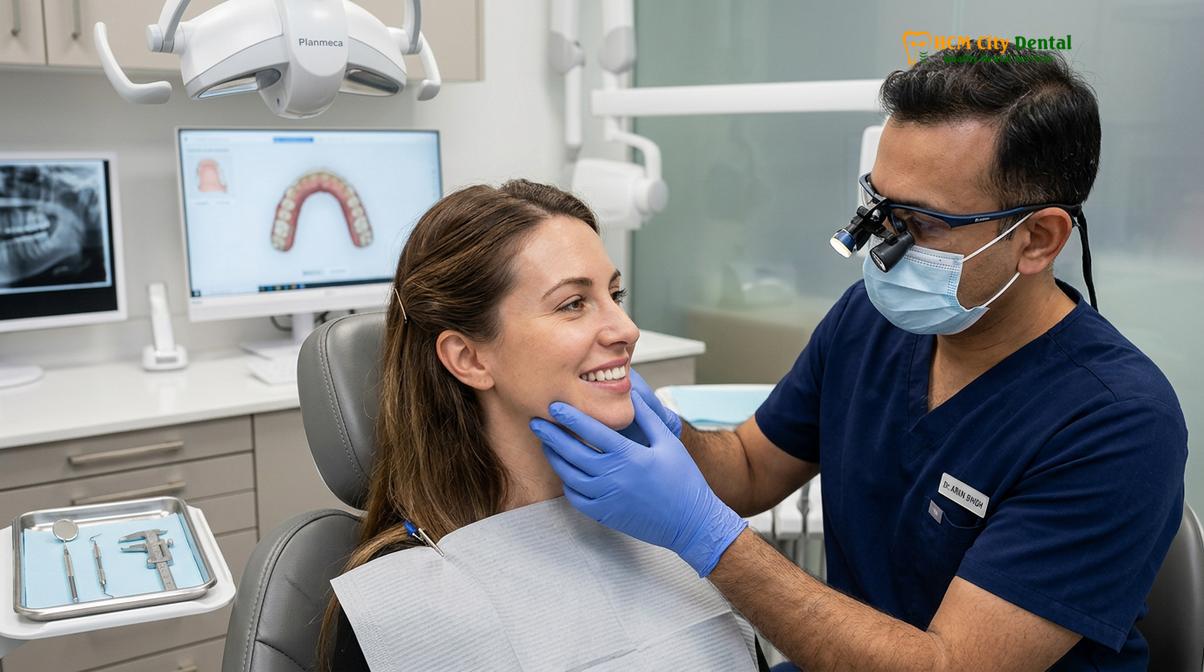
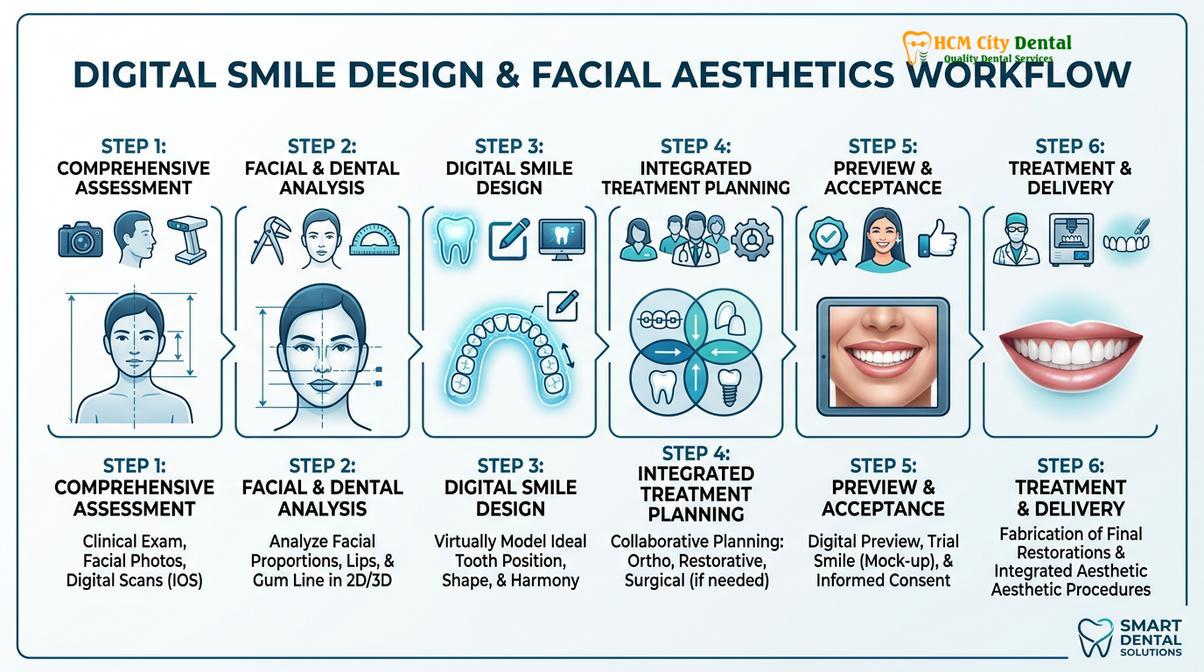
The dental bridge procedure is a highly orchestrated clinical workflow that demands precision at every stage. The process begins with a comprehensive diagnostic phase. The clinician will capture intraoral photographs, periapical radiographs, and often a Cone Beam Computed Tomography (CBCT) scan to assess the three-dimensional architecture of the bone and the root morphology of the abutment teeth. Diagnostic casts are articulated to analyze the patient’s occlusal scheme (bite). If the patient requires periodontal therapy or endodontic treatment on the abutment teeth, these must be completed prior to bridge preparation.
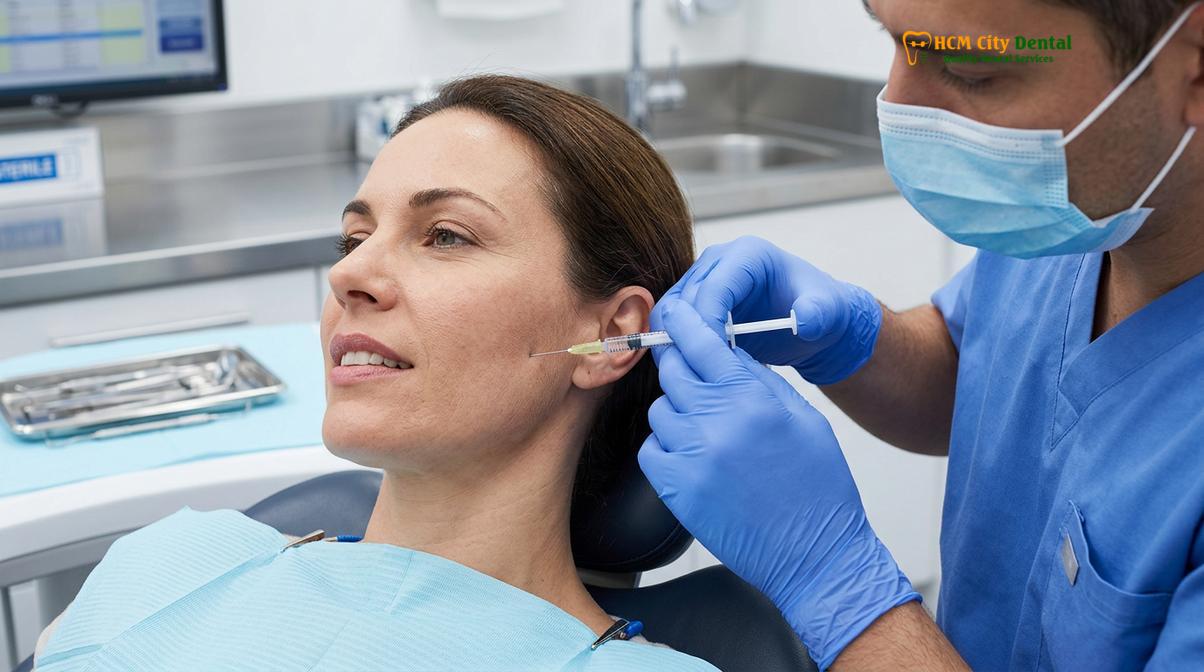
Once the foundation is deemed healthy, the preparation phase commences under profound local anesthesia. The dentist utilizes specialized diamond burs to systematically reduce the abutment teeth. The goal is to create a specific geometric shape—typically a slight taper of 6 to 10 degrees—that allows the bridge to slide into place while providing adequate retention and resistance form. The margins (the junction where the bridge meets the tooth) are meticulously refined, usually into a heavy chamfer or rounded shoulder, to ensure a seamless fit that prevents bacterial microleakage [3]. Proper tissue management is crucial during this phase; retraction cords are gently packed into the gingival sulcus to displace the gum tissue, ensuring the margins are clearly visible for the impression.
Impression, Fabrication, and Final Cementation
Following preparation, highly accurate impressions are taken. Modern clinics increasingly rely on digital intraoral scanners (such as iTero or 3Shape TRIOS) rather than traditional gooey impression materials. Digital impressions offer superior accuracy, immediate feedback, and enhanced patient comfort. These digital files are transmitted instantly to a dental laboratory, where skilled ceramists use CAD/CAM software to design the four tooth bridge. While the final prosthesis is being fabricated (which typically takes one to two weeks), the patient is fitted with a custom temporary bridge made from bis-acryl composite resin. This temporary restoration protects the prepared teeth, prevents them from shifting, and allows the patient to test the aesthetics and function of the proposed design.
The final appointment is the delivery and cementation phase. The temporary bridge is carefully removed, and the abutment teeth are thoroughly cleaned and isolated, often using a rubber dam to prevent moisture contamination. The final ceramic bridge is tried in to verify marginal adaptation, interproximal contacts, and occlusal harmony. If the fit is perfect, the intaglio (inside) surface of the bridge is treated—zirconia is typically sandblasted, while silica-based ceramics are etched with hydrofluoric acid and silanated. The teeth are then conditioned, and a high-strength dual-cure resin cement is used to permanently bond the bridge in place. Excess cement is meticulously removed, as retained cement is a leading cause of peri-implantitis and gingival inflammation.
“The longevity of a fixed dental prosthesis is intrinsically linked to the precision of its marginal adaptation. A gap of even 50 microns can harbor cariogenic bacteria, leading to the silent destruction of the abutment tooth beneath the crown.”
Analyzing the Dental Bridge Cost and Longevity
The dental bridge cost fluctuates based on the chosen materials, the need for implants, and geographic location, though it remains a cost-effective long-term investment when properly maintained.
Financial Considerations and Alternatives
Understanding the dental bridge cost requires a breakdown of the various components involved in the treatment. The total fee is influenced by the number of units (four, in this case), the complexity of the tooth preparation, the materials selected (monolithic zirconia vs. highly aesthetic layered ceramics), and the fees of the master ceramist at the dental laboratory. Furthermore, if the bridge is implant-supported, the cost will significantly increase to account for the surgical placement of the titanium posts, the abutments, and the potential need for bone grafting procedures.
When evaluating the financial investment, patients must also consider the cost of preliminary treatments. For instance, ensuring the oral environment is healthy may require periodontal scaling, which prompts many to inquire about routine teeth cleaning costs prior to major prosthodontic work. While a four-unit bridge represents a significant upfront investment, it is often more economical than placing four individual dental implants. Cheaper alternatives, such as removable partial dentures (RPDs), exist, but they offer inferior chewing efficiency, can be uncomfortable, and do not provide the fixed, natural feel of a bridge. For patients concerned about upfront expenses, many clinics offer flexible dental payment plans to make comprehensive care more accessible.
Clinical Case Study: A 45-year-old patient presented to HCMC Dental Clinic in Ho Chi Minh City with two missing lower right molars, causing severe difficulty in chewing and shifting of the opposing teeth. After a thorough CBCT evaluation, the patient opted for an implant-supported four-unit zirconia bridge. Two implants were placed, and after a 4-month integration period, the final prosthesis was delivered. The patient reported a complete restoration of masticatory function and exceptional aesthetic integration, highlighting the efficacy of modern implant prosthodontics.
Maintenance Protocols for Long-Term Success
The longevity of a 4 tooth dental bridge is not guaranteed solely by the quality of the materials; it is heavily dependent on the patient’s commitment to meticulous oral hygiene and regular professional maintenance. A well-maintained bridge can last 10 to 15 years, and implant-supported variations can last a lifetime [4]. However, the pontic areas (the artificial teeth) create a unique challenge for plaque control. Because the pontics rest against the gum tissue, standard dental floss cannot pass between them. Patients must use specialized tools such as floss threaders, superfloss (which has a stiffened end for easy insertion), or water irrigators to clean beneath the bridge daily.
Dr. Nguyen Van Cuong emphasizes that while the initial dental bridge cost may seem significant, the prevention of secondary occlusal trauma and TMJ disorders provides invaluable long-term health benefits. Regular professional examinations are mandatory. During these visits, the clinician will evaluate the integrity of the cement margins, assess the periodontal health of the abutment teeth, and perform professional prophylaxis. Patients can review the average price for dental cleaning to budget for these essential biannual maintenance visits. Furthermore, reading patient reviews and clinical feedback can help patients choose a clinic with a strong track record in prosthodontic aftercare.
When to See a Doctor: Important Clinical Considerations
While a four-unit bridge is a highly stable restoration, patients must be vigilant for signs of clinical failure or biological complications. You should schedule an immediate clinical evaluation if you experience any of the following symptoms:
- Pain or Sensitivity: Spontaneous pain, lingering sensitivity to hot or cold, or pain upon biting down on the bridge may indicate irreversible pulpitis (nerve inflammation) in one of the abutment teeth, necessitating endodontic therapy.
- Mobility: If the bridge feels loose or shifts during chewing, the cement seal may have washed out, or the underlying abutment teeth may be experiencing periodontal failure or root fracture.
- Foul Odor or Taste: A persistent bad taste or odor emanating from the bridge area is a strong indicator of microleakage, where bacteria have penetrated the cement margin and are causing secondary decay beneath the crowns.
- Porcelain Fracture: Any chipping, cracking, or sharp edges on the ceramic surface require immediate polishing or repair to prevent trauma to the soft tissues and further catastrophic fracture of the prosthesis [5].
If you experience acute pain, swelling, or trauma to the bridge, it is crucial to seek immediate care. Understanding the protocols for urgent situations can be found in guides detailing emergency dental assessments. Never attempt to re-cement a loose bridge at home with over-the-counter adhesives, as this can alter the bite and cause irreversible damage to the abutment teeth.
Frequently Asked Questions
How long does a 4 tooth dental bridge typically last?
A well-maintained four tooth bridge typically lasts between 10 to 15 years, though implant-supported variations can last a lifetime. Longevity depends heavily on meticulous oral hygiene, the materials used, and regular professional dental examinations to monitor the underlying abutment teeth. Failure is rarely due to the ceramic material breaking; rather, it is usually caused by secondary tooth decay or periodontal disease affecting the natural teeth supporting the bridge.
Is the dental bridge procedure painful?
The dental bridge procedure is not painful, as it is performed under profound local anesthesia. Patients may experience mild sensitivity or gingival tenderness for a few days following the preparation and cementation phases, which is easily managed with over-the-counter analgesics. The use of modern rotary instruments and precise tissue management techniques ensures that the biological width is respected, minimizing postoperative discomfort.
Can a bridge for 4 teeth be whitened if it becomes stained?
No, the ceramic or porcelain materials used in a bridge for 4 teeth do not respond to traditional dental bleaching agents. If the surrounding natural teeth are whitened, the bridge will remain its original shade, which is why whitening is recommended before bridge fabrication. If a bridge becomes heavily stained over time, professional polishing by a hygienist can remove surface extrinsic stains, but the intrinsic color cannot be altered without replacing the prosthesis.
What is the difference between a traditional bridge and an implant-supported bridge?
A traditional bridge relies on reshaping healthy adjacent natural teeth for support, whereas an implant-supported bridge is anchored by titanium posts surgically placed into the jawbone. Implant bridges preserve natural tooth structure and prevent alveolar bone resorption over time. While traditional bridges are faster to complete, implant-supported bridges offer superior long-term biomechanical stability, especially for spans replacing multiple missing teeth.
How do I properly clean under a four tooth bridge?
Cleaning under a four tooth bridge requires specialized tools such as floss threaders, superfloss, or a water irrigator. These tools allow you to pass the cleaning filament beneath the artificial pontics to remove plaque and prevent gingival inflammation and secondary caries. Standard brushing and flossing are insufficient for bridge maintenance; failing to clean the intaglio surface of the pontics will lead to halitosis and eventual failure of the abutment teeth.
References
- Journal of Prosthetic Dentistry. Biomechanical considerations in long-span fixed partial dentures. (2021).
- International Journal of Prosthodontics. Clinical outcomes of zirconia-based tooth-supported dental bridges. (2020).
- Journal of Clinical Periodontology. Periodontal health adjacent to fixed prosthodontic restorations. (2019).
- Journal of the American Dental Association. Survival rates of implant-supported vs tooth-supported fixed prostheses. (2022).
- Dental Materials Journal. Fracture resistance and marginal adaptation of CAD/CAM monolithic zirconia bridges. (2018).
For personalized advice regarding restorative options and to determine if a four-unit bridge is the right solution for your clinical needs, schedule a comprehensive consultation with the specialists at HCMC Dental Clinic, Ho Chi Minh City.
![Tooth Replacement Cost: [Find Your Best Option] – Dr. Cuong](https://hcmcdental.com/wp-content/uploads/2025/07/tooth-replacement-cost-1-dr-cuong-hcmc-dental-clinic-280x280.jpg)