When choosing between a zirconia crown vs porcelain crown, the primary difference lies in strength versus aesthetics. Zirconia offers exceptional durability ideal for back teeth and heavy biters, while porcelain provides superior translucency that perfectly mimics natural enamel for highly visible front teeth.
Clinical Summary:
The decision between zirconia and porcelain crowns is a cornerstone of modern restorative dentistry, balancing biomechanical strength with optical perfection. Zirconia, a crystalline dioxide, delivers unmatched flexural strength (up to 1200 MPa) and fracture toughness, making it the premier choice for posterior molars and patients with bruxism. Conversely, traditional porcelain and glass-ceramics (like lithium disilicate) excel in light transmission and translucency, offering the most lifelike aesthetics for anterior (front) teeth. Clinical selection depends on the tooth’s location, occlusal forces, and the patient’s cosmetic goals. Both materials boast high long-term survival rates when placed with precise preparation and bonding protocols.
Key Takeaways:
- Zirconia crowns provide superior fracture resistance, making them ideal for molars that endure heavy chewing forces.
- Porcelain crowns offer unmatched translucency, closely replicating the natural light-reflecting properties of biological enamel.
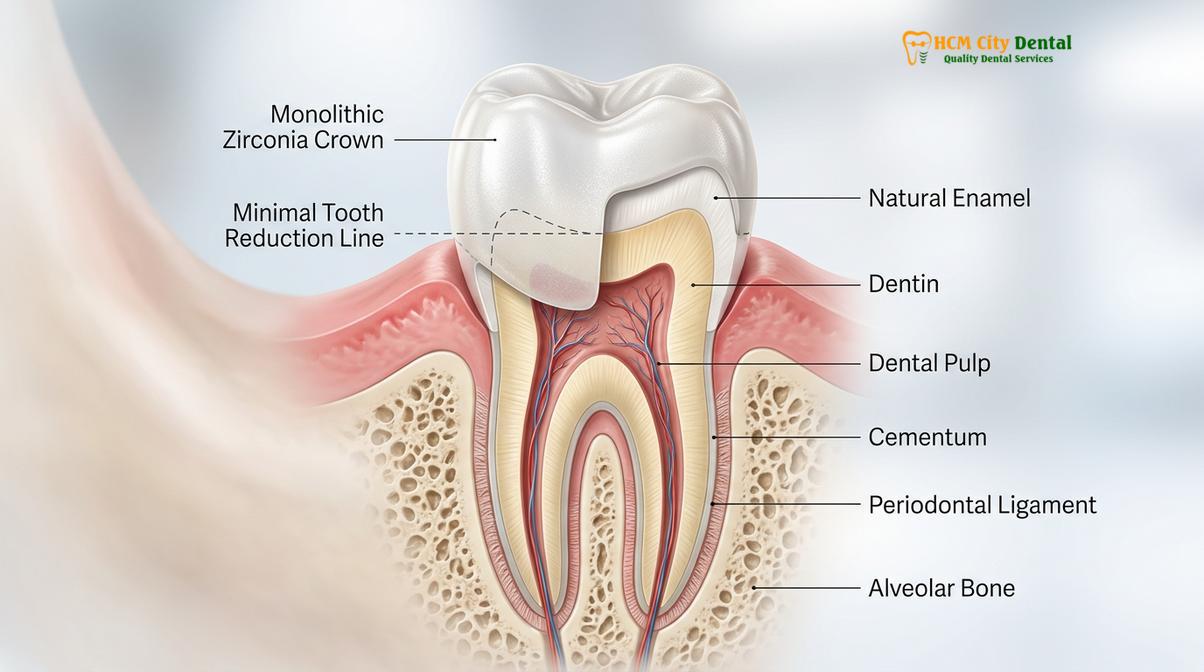
- Monolithic zirconia requires less removal of healthy tooth structure compared to traditional porcelain restorations.
- Patients who grind their teeth (bruxism) generally benefit more from the structural integrity of zirconia.
- Modern dentistry often combines both materials, layering porcelain over a zirconia core for a balance of strength and beauty.
Understanding Dental Crown Materials: Zirconia and Porcelain
Both zirconia and porcelain are premium ceramic materials used to restore damaged teeth, each offering distinct biomechanical and optical properties tailored to specific clinical needs.
In the realm of prosthodontics, the evolution of dental materials has dramatically shifted away from traditional metal alloys toward highly advanced ceramics. When a tooth is severely compromised by decay, trauma, or following endodontic therapy, a protective cap is required to restore its form, function, and structural integrity. The debate of zirconia crown vs porcelain crown represents the pinnacle of this material evolution, offering patients metal-free solutions that do not compromise on durability or aesthetics.
Historically, porcelain-fused-to-metal (PFM) crowns were the standard, providing the strength of a metal substructure with a tooth-colored porcelain overlay. However, the demand for highly biocompatible, entirely metal-free restorations led to the development of all-ceramic systems. Today, when evaluating traditional metal-ceramic options against modern all-ceramics, dentists analyze the specific functional demands of the affected tooth.
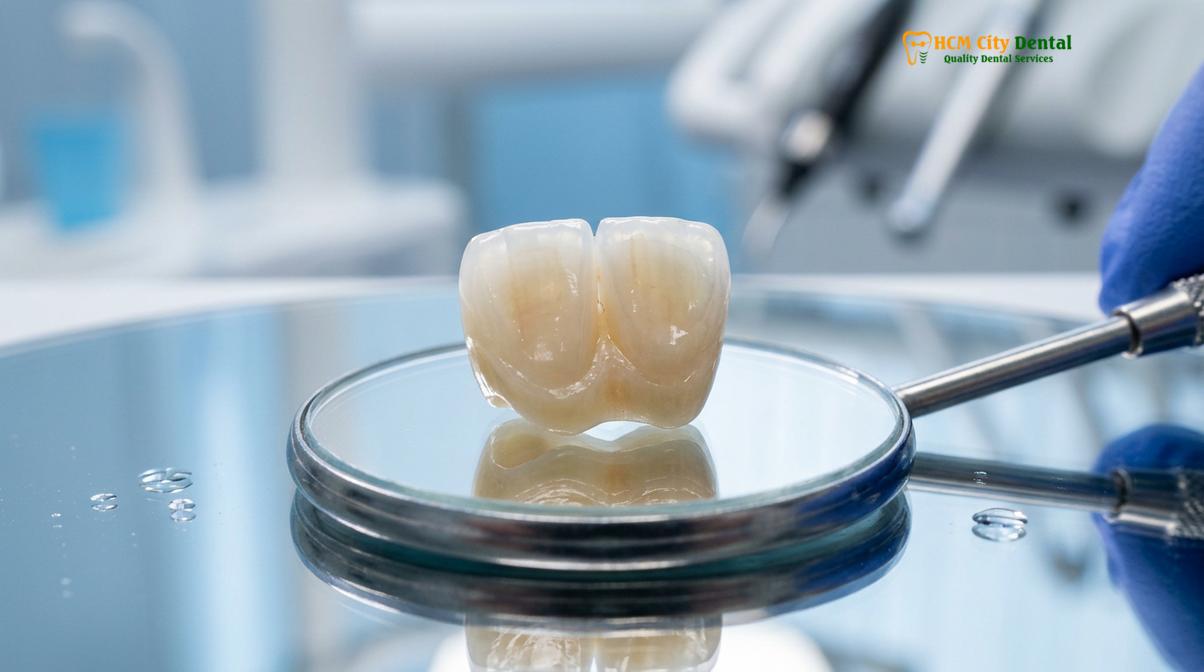
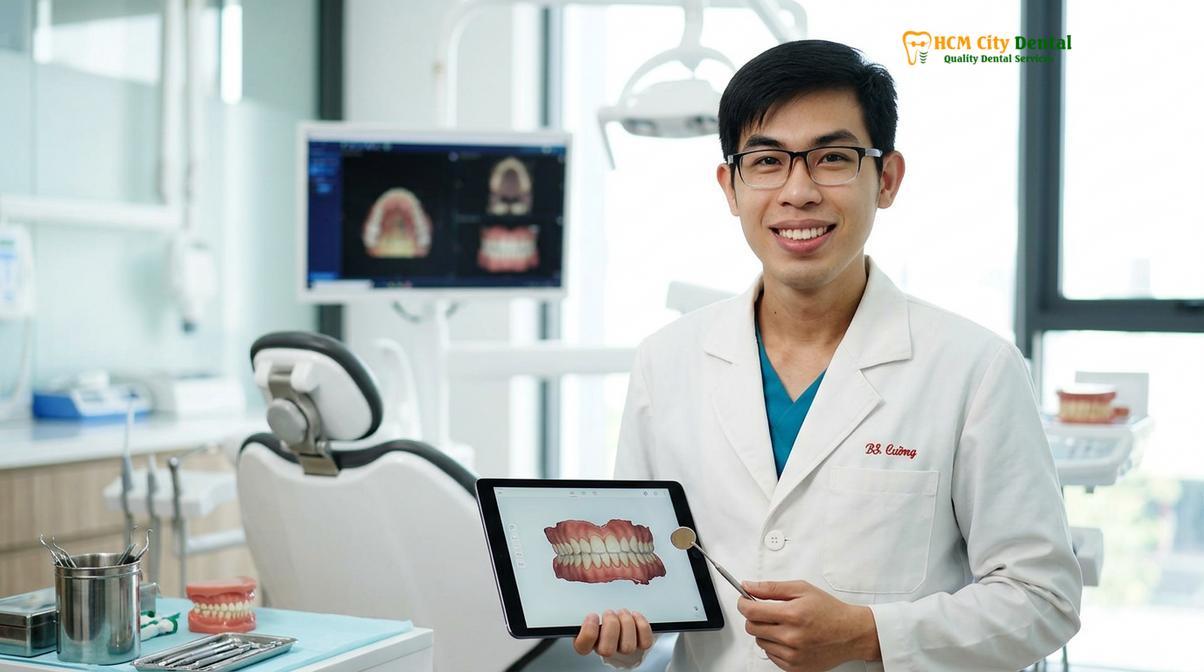
Dr. Nguyen Van Cuong, a leading restorative expert, emphasizes that there is no single “perfect” material for every situation. Instead, the choice between zirconia and porcelain must be a highly individualized clinical decision. The selection process involves analyzing the patient’s bite classification, the amount of remaining healthy tooth structure, the position of the tooth in the aesthetic zone, and the patient’s parafunctional habits, such as clenching or grinding.
Zirconia Crowns: Unmatched Durability and Clinical Strength
Zirconia is a crystalline dioxide known for its immense fracture toughness, making it the most durable tooth-colored restoration available in modern dentistry.
Zirconium dioxide (commonly referred to as zirconia) has revolutionized restorative dentistry. It is a polycrystalline ceramic that exhibits a unique property known as “transformation toughening.” When a microscopic crack attempts to propagate through the material, the crystal structure locally transforms, effectively compressing the crack and stopping it from spreading. This gives zirconia a flexural strength ranging from 900 to 1200 Megapascals (MPa), which is significantly higher than natural tooth enamel and traditional dental ceramics[1].
There are generally two types of zirconia used in dental crowns:
- Monolithic Zirconia: Milled from a single, solid block of zirconia using advanced CAD/CAM (Computer-Aided Design and Computer-Aided Manufacturing) technology. These crowns are virtually unbreakable under normal physiological chewing forces. They are the restoration of choice for posterior teeth (molars) where strength is paramount and aesthetic demands are slightly lower.
- Layered Zirconia: This technique uses a strong zirconia coping (core) that is subsequently layered with translucent feldspathic porcelain. This combines the immense strength of the zirconia base with the superior aesthetics of porcelain, often used for anterior teeth or premolars.
“The introduction of high-translucency monolithic zirconia has bridged the gap between structural durability and cosmetic appeal, allowing us to provide incredibly strong restorations that still look remarkably natural.”
Another significant clinical advantage of zirconia is its conservative preparation requirement. Because the material is inherently strong even in thin sections, dentists can preserve more of the natural tooth structure. A zirconia crown may require only 0.6mm to 1.0mm of tooth reduction, whereas traditional porcelain often requires 1.5mm to 2.0mm to achieve adequate strength and color masking. For patients seeking high-quality dental tourism in Southeast Asia, zirconia has become a highly requested material due to its longevity and reliability.
Porcelain Crowns: The Gold Standard for Dental Aesthetics
Traditional and glass-ceramic porcelain crowns deliver unmatched optical properties, reflecting light exactly like natural tooth enamel for seamless anterior restorations.
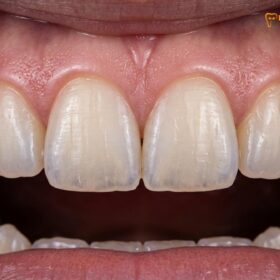
While zirconia dominates in sheer mechanical strength, porcelain remains the undisputed champion of dental aesthetics. Natural teeth are not opaque; they possess a complex optical depth where light penetrates the translucent enamel and reflects off the underlying dentin. Porcelain, particularly glass-ceramics, mimics this light transmission flawlessly[2].
When discussing porcelain crowns today, clinicians are usually referring to advanced glass-ceramics, with Lithium Disilicate (often known by the brand name IPS e.max) being the most prominent. Lithium disilicate offers a remarkable balance, providing a flexural strength of approximately 400 to 500 MPa—much stronger than older feldspathic porcelains—while maintaining extraordinary translucency.
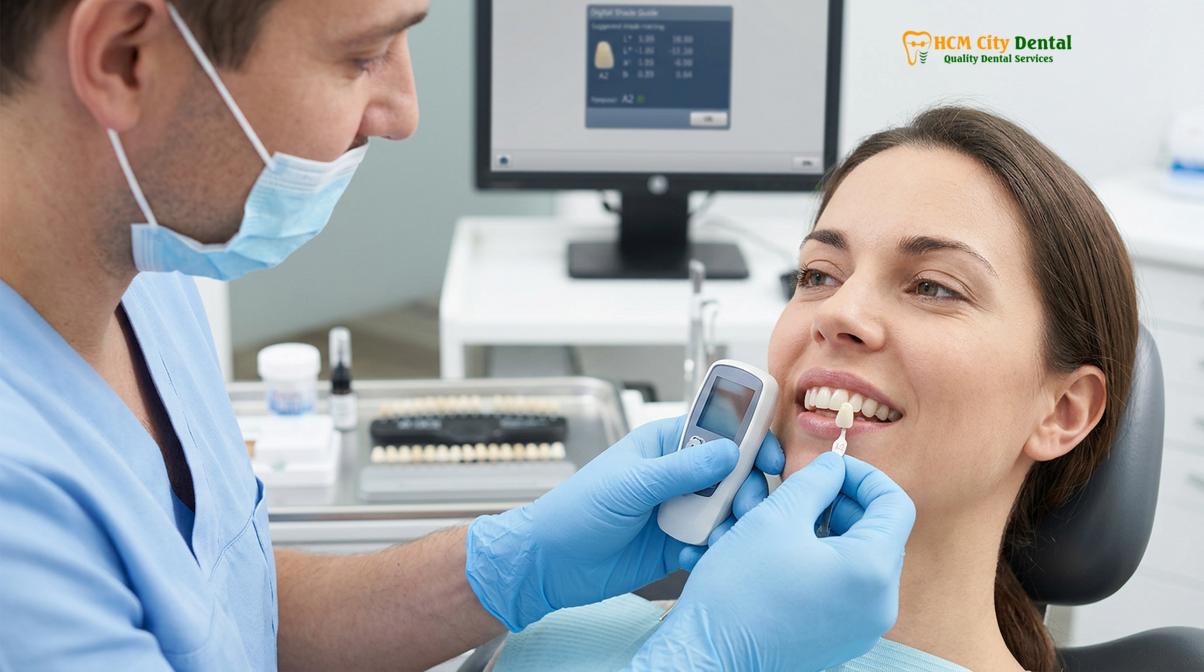
The aesthetic superiority of porcelain makes it the preferred material for restoring teeth in the “smile zone” (incisors and canines). Dental technicians can meticulously characterize porcelain crowns, adding subtle variations in shade, internal mamelons (anatomical features), and surface texture to ensure the restoration is indistinguishable from adjacent natural teeth. This same material is frequently utilized when crafting premium Porcelain Veneers for comprehensive smile makeovers.
However, the glass matrix that gives porcelain its beautiful translucency also makes it more brittle than zirconia. Under excessive point-loading or heavy grinding forces, all-porcelain crowns are more susceptible to chipping or catastrophic fracture. Therefore, their use in the posterior region (back of the mouth) requires careful evaluation of the patient’s bite.
Head-to-Head Comparison: Zirconia Crown vs Porcelain Crown
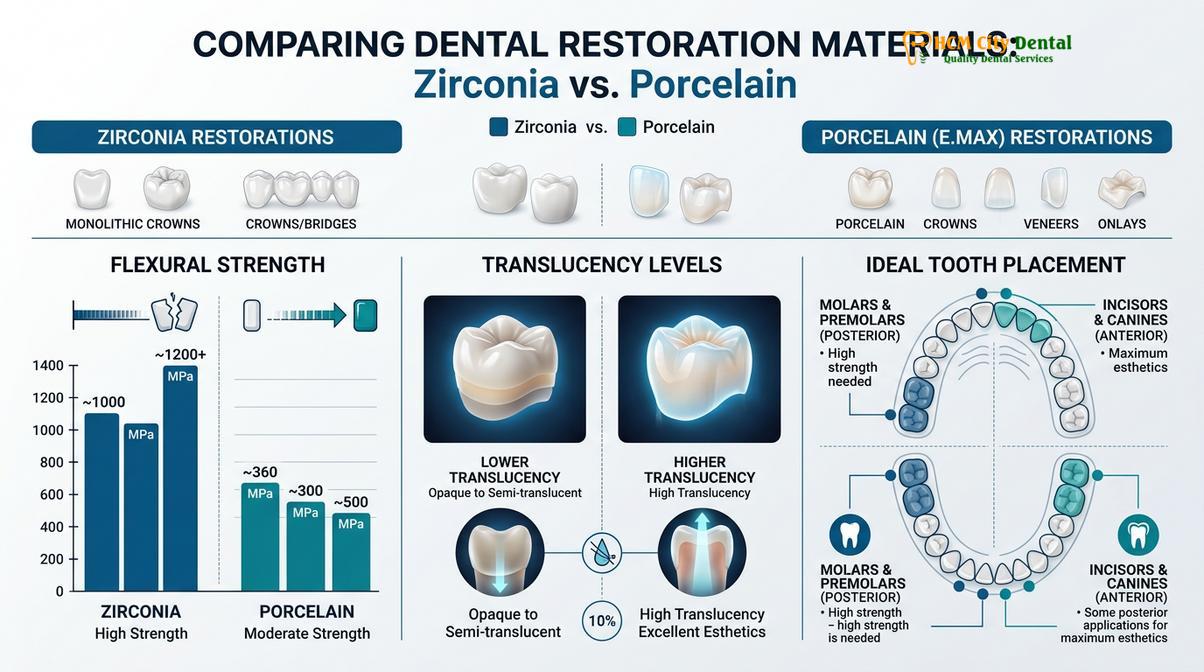
While zirconia dominates in sheer mechanical strength and fracture resistance, porcelain remains superior in achieving the nuanced translucency required for perfect aesthetic integration.
To make an informed decision, it is crucial to compare these two premium materials across several key clinical parameters. The choice directly impacts the lifespan of your restoration and its daily performance.
| Clinical Parameter | Zirconia Crowns (Monolithic) | Porcelain Crowns (Lithium Disilicate) |
|---|---|---|
| Flexural Strength | 900 – 1200 MPa (Extremely High) | 400 – 500 MPa (Moderate to High) |
| Aesthetics & Translucency | Good, but can appear slightly opaque | Excellent, highly translucent and lifelike |
| Tooth Reduction Required | Minimal (0.6mm – 1.0mm) | Moderate (1.0mm – 1.5mm) |
| Fracture Resistance | Exceptional; highly resistant to chipping | Good, but vulnerable to heavy grinding |
| Ideal Placement | Molars, premolars, patients with bruxism | Incisors, canines, highly visible smile zone |
| Wear on Opposing Teeth | Minimal (if properly polished) | Can be abrasive if the glaze wears off |
A common misconception is that because zirconia is harder, it will aggressively wear down the opposing natural teeth. However, clinical studies have proven that the wear on opposing enamel is dictated by surface roughness, not material hardness[3]. A highly polished monolithic zirconia crown is exceptionally smooth and causes less wear on opposing teeth than traditional porcelain. Conversely, if the glaze on a porcelain crown wears away, the underlying ceramic can become abrasive to natural enamel.
Clinical Selection: Which Crown is Best for Your Teeth?
The optimal crown material depends heavily on the tooth’s location in the dental arch, the patient’s bite forces, and specific aesthetic requirements.
The decision-making process in the dental clinic is highly systematic. When a patient presents with a tooth requiring a crown, the dentist evaluates the biomechanical environment of that specific tooth.
For Anterior Teeth (Incisors and Canines):
The front teeth are the focal point of a smile. They endure shearing forces rather than heavy crushing forces. For these teeth, aesthetics are usually the primary concern. Lithium disilicate (porcelain) is often the material of choice because it allows light to pass through the restoration, preventing the “dead” or opaque look associated with older crown types. If the underlying tooth is severely discolored, a layered zirconia crown might be selected to mask the dark stump while still providing a beautiful porcelain exterior.
For Posterior Teeth (Molars and Premolars):
Molars are the workhorses of the mouth, responsible for crushing and grinding food. The forces exerted in the posterior region can exceed 200 pounds of pressure. Here, monolithic zirconia is the undisputed champion. Its resistance to fracture ensures long-term survival even under heavy occlusal loads. Furthermore, when restoring a tooth following endodontic therapy (root canal), a molar is often significantly weakened; a strong zirconia crown provides the necessary structural reinforcement to prevent the tooth from splitting.
Clinical Case Review: HCMC Dental Clinic
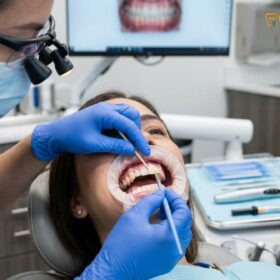
A 45-year-old patient visited HCMC Dental Clinic in Ho Chi Minh City presenting with severe wear on their posterior molars due to nocturnal bruxism (teeth grinding), alongside a fractured older porcelain crown. Dr. Nguyen Van Cuong conducted a comprehensive occlusal analysis. To ensure long-term durability against the patient’s grinding habits, Dr. Cuong prescribed monolithic zirconia crowns for the posterior restorations. For the patient’s visible premolars, high-translucency zirconia was utilized to blend seamlessly with the natural smile line. The result provided both the immense strength required to withstand bruxism and a highly aesthetic outcome.
Factors Influencing Crown Longevity and Success
The lifespan of any dental restoration relies heavily on precise clinical execution, the patient’s daily oral hygiene, and the management of occlusal forces.
Regardless of whether you choose a zirconia crown vs porcelain crown, the material itself is only one factor in the overall success of the treatment. The longevity of advanced monolithic restorations and delicate glass-ceramics alike depends on several critical clinical and patient-driven variables.
Precision of Tooth Preparation and Margins:
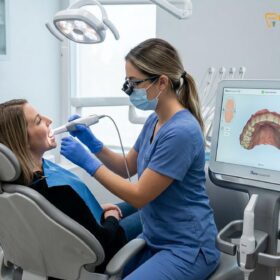
The interface where the crown meets the natural tooth is called the margin. If the margin is not perfectly sealed, bacteria can infiltrate beneath the crown, leading to recurrent decay—the leading cause of crown failure. Modern digital dentistry, utilizing intraoral scanners, allows dentists to capture highly accurate 3D impressions, ensuring the laboratory fabricates a crown with a microscopic, precision fit[4].
Cementation and Bonding Protocols:
Zirconia and porcelain require different cementation techniques. Zirconia can often be cemented using conventional luting cements, which is a straightforward and highly reliable process. Glass-ceramic porcelain, however, typically requires adhesive bonding. This involves etching the tooth and the inside of the crown, then using a resin cement to chemically fuse the restoration to the tooth structure. While bonding provides exceptional retention and strengthens the porcelain, it is highly technique-sensitive and requires strict moisture control during the procedure.
“The ultimate success of a dental crown is a partnership between the clinician’s precision in the operatory and the patient’s commitment to meticulous home care and regular maintenance.”
Patient Compliance and Oral Hygiene:
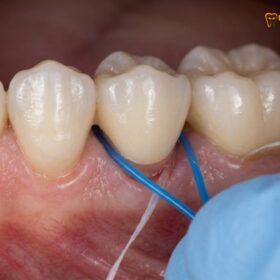
A crown cannot decay, but the natural tooth structure beneath it certainly can. Patients must maintain excellent oral hygiene, including twice-daily brushing and daily flossing around the crown margins. Furthermore, patients with known bruxism should wear a custom occlusal guard (night guard) while sleeping to protect their restorations from excessive wear and potential fracture, regardless of the material used[5].
When to See a Doctor for a Crown Evaluation
Even the highest quality dental restorations require professional monitoring. It is essential to have your crowns evaluated during routine dental check-ups every six months. However, certain symptoms warrant an immediate visit to your dentist to prevent further complications or the loss of the underlying tooth.
You should schedule a clinical evaluation if you experience any of the following:
- Sensitivity to Hot or Cold: While mild sensitivity is normal for a few days immediately following crown placement, prolonged or new sensitivity months later may indicate a compromised margin, nerve inflammation, or recurrent decay beneath the crown.
- Pain Upon Biting: Pain when applying pressure to the crowned tooth often suggests that the bite is slightly too high and requires adjustment, or it could indicate an underlying issue with the tooth root.
- Visible Chips or Cracks: If you notice a rough edge or a visible fracture in the porcelain or zirconia, it should be evaluated. While small chips can sometimes be polished, larger fractures may compromise the structural integrity of the restoration.
- Inflamed or Bleeding Gums: Persistent redness, swelling, or bleeding around the base of the crown can be a sign of a biological width violation, an allergic reaction to older metal margins, or localized periodontal disease.
- A Loose Sensation: A crown should feel as stable as a natural tooth. If you feel any movement, the cement seal may have failed, requiring immediate recementation before bacteria can enter.
Important Clinical Consideration
Never attempt to temporarily reattach a loose crown with household glues or over-the-counter adhesives, as these are toxic and can permanently damage the tooth structure. If a crown dislodges, keep it safe and contact your dental provider immediately for professional recementation.
Choosing the right material for your dental restoration is a significant decision that impacts your oral health, comfort, and confidence. By understanding the distinct advantages of both zirconia and porcelain, you can have an informed discussion with your dental provider. If you are experiencing issues with an existing restoration or need to explore options for custom dental caps, we recommend scheduling a comprehensive diagnostic consultation. At HCMC Dental Clinic, our specialists utilize advanced diagnostics to recommend the most durable, aesthetic, and biologically appropriate materials tailored specifically to your unique clinical needs.
Frequently Asked Questions
Which is more expensive: a zirconia crown or a porcelain crown?
Zirconia crowns generally cost slightly more than traditional porcelain crowns due to the advanced CAD/CAM milling technology required for their fabrication. However, the exact price difference depends on the specific type of porcelain used, such as standard porcelain-fused-to-metal versus premium lithium disilicate, as well as the complexity of the individual clinical case. In many modern practices, the cost difference has narrowed significantly as digital milling becomes the standard of care.
Can a zirconia crown look as natural as a porcelain crown?
Yes, modern highly translucent zirconia can look incredibly natural, though layered porcelain still holds a slight edge for front teeth. Advancements in dental materials have allowed technicians to layer porcelain over a zirconia core or use specialized shading techniques on monolithic zirconia, creating a restoration that blends seamlessly with adjacent natural dentition. For the highest aesthetic demands in the smile zone, your dentist will carefully select the appropriate translucency level.
Do zirconia crowns wear down opposing natural teeth?
Properly polished zirconia crowns do not cause excessive wear on opposing natural teeth. Clinical studies demonstrate that smooth, highly polished zirconia is actually less abrasive to opposing enamel than traditional feldspathic porcelain, provided the dentist ensures the bite is perfectly adjusted and the surface remains unroughened. It is crucial that if a dentist adjusts a zirconia crown during fitting, they meticulously re-polish the surface to maintain this smooth interface.
How long does it take to get a zirconia or porcelain crown?
The standard process for both crown types typically requires two visits spaced about one to two weeks apart. During the first visit, the tooth is prepared, impressions are taken, and a temporary crown is placed. The final restoration is then fabricated in a dental laboratory and permanently cemented during the second appointment. Some clinics equipped with in-house milling machines can offer same-day crowns, though complex aesthetic cases usually still require laboratory time.
Is it painful to have a tooth prepared for a crown?
The tooth preparation process is generally not painful, as it is performed under local anesthesia to ensure complete patient comfort. Following the procedure, patients may experience mild, temporary sensitivity around the gum line or the prepared tooth, which typically resolves within a few days as the tissue heals. Over-the-counter pain relievers are usually sufficient to manage any minor post-operative discomfort.
References
- Journal of Prosthetic Dentistry. Fracture resistance and biomechanical properties of monolithic zirconia versus lithium disilicate. (2021).
- Clinical Oral Investigations. Long-term survival rates of porcelain-fused-to-metal and all-ceramic restorations. (2020).
- Dental Materials Journal. Optical properties and translucency parameters of modern dental ceramics. (2019).
- International Journal of Prosthodontics. Wear behavior of polished zirconia against natural enamel antagonists. (2022).
- Journal of the American Dental Association. Clinical guidelines for material selection in anterior and posterior crowns. (2018).