Dental work under general anesthesia for a child is a highly controlled clinical approach utilized when extensive treatment, severe anxiety, or special healthcare needs prevent standard chairside care. It allows pediatric dental specialists to complete complex procedures—such as multiple pulpotomies, crown placements, or extractions—painlessly in a single, closely monitored session, minimizing psychological trauma for the young patient.
Clinical Summary:
Pediatric dental rehabilitation under general anesthesia (GA) is a specialized medical intervention designed for children who cannot tolerate conventional dental treatment due to severe early childhood caries, extreme dental phobia, or neurodevelopmental conditions. Unlike mild conscious sedation, GA renders the child completely unconscious, ensuring absolute pain control and immobility. This allows the dental surgical team to execute comprehensive, full-mouth restorations in a single visit. The procedure requires rigorous pre-operative fasting, advanced intraoperative airway management by a pediatric anesthesiologist, and structured post-operative recovery protocols to ensure maximum patient safety and optimal clinical outcomes.
Key Takeaways:
- General anesthesia is clinically indicated for uncooperative children, those with special healthcare needs, or cases requiring extensive full-mouth rehabilitation.
- It allows for the completion of multiple complex procedures (fillings, crowns, extractions) in a single, trauma-free appointment.
- Safety is maintained through continuous monitoring by a dedicated pediatric anesthesiologist using capnography and electrocardiography.
- Strict pre-operative fasting (NPO) guidelines must be followed to prevent pulmonary aspiration risks.
- Alternative behavior management techniques, such as Tell-Show-Do and nitrous oxide, are always explored before recommending GA.
When General Anesthesia (GA) is Required
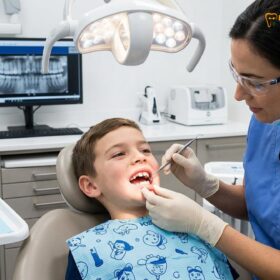
General anesthesia is clinically indicated for pediatric patients requiring extensive dental rehabilitation, those with severe behavioral challenges, or children with specific medical, physical, or intellectual disabilities that preclude safe chairside treatment.
The decision to utilize general anesthesia for pediatric dental care is never made lightly. It is a carefully considered clinical recommendation based on the child’s age, cognitive development, the extent of the dental disease, and their ability to cooperate during invasive procedures. For many young patients, the dental environment can be overwhelmingly sensory, triggering severe anxiety that makes standard treatment not only difficult but potentially dangerous if the child makes sudden movements while sharp instruments are in use[1].
Dr. Nguyen Van Cuong, a leading specialist in pediatric oral health, emphasizes that behavior management must always start with the least restrictive methods. He and his clinical team at Children & Pediatric Dentistry tại HCMC Dental Clinic prioritize building trust with young patients through gradual exposure and positive reinforcement before considering advanced sedation techniques.
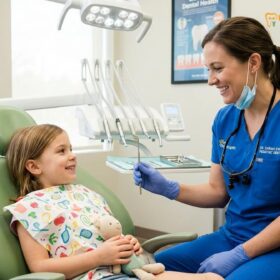
The foundational approach is the “Tell-Show-Do” behavioral management technique, where the clinical team walks children through procedures step-by-step. The dentist explains the procedure using child-friendly language, demonstrates the instrument in a non-threatening manner, and proceeds only when the child is comfortable. This phase utilizes the “stop on request” protocol, empowering the child to raise their hand if they need a break, which builds profound trust.
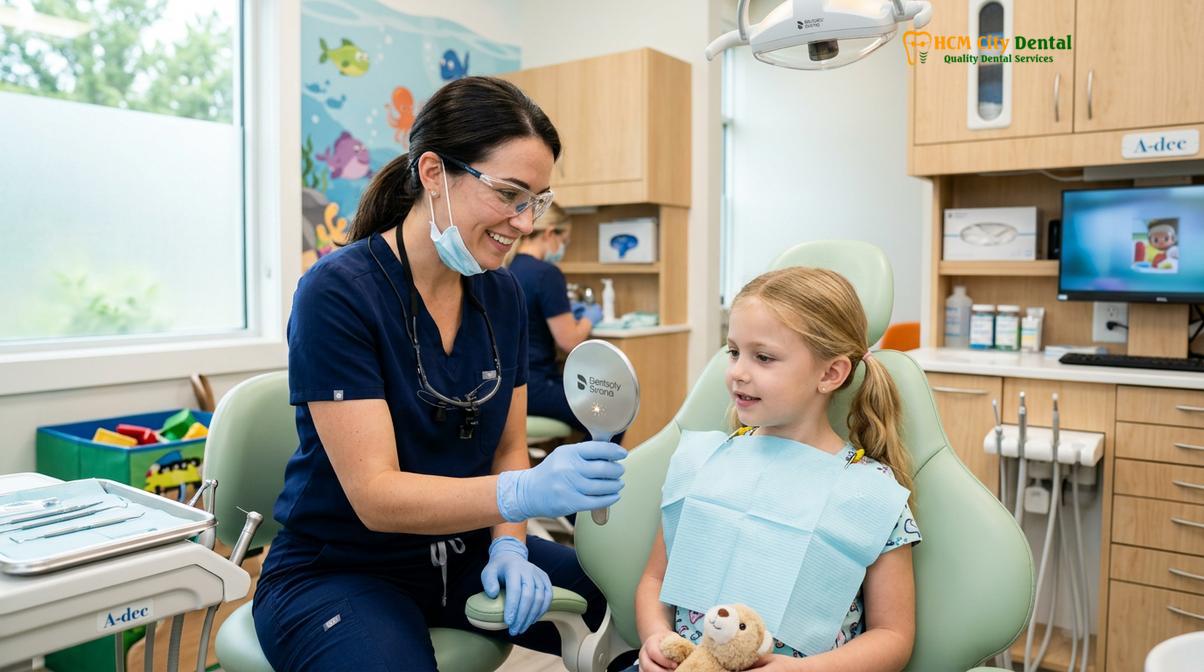
If Tell-Show-Do and mild interventions like nitrous oxide (laughing gas) or oral conscious sedation are insufficient, the clinical team must evaluate the risks of deferred treatment versus the benefits of general anesthesia. Children aged two to seven are the most frequent candidates for this approach. Furthermore, patients with neurodevelopmental conditions such as severe autism spectrum disorder, cerebral palsy, or significant developmental delays often benefit immensely from GA, as it provides a completely stress-free environment to achieve optimal oral health.
Severe Early Childhood Caries (ECC)
Severe Early Childhood Caries is an aggressive bacterial infection of primary teeth that rapidly destroys enamel and dentin, often necessitating full-mouth dental rehabilitation under general anesthesia to halt disease progression.
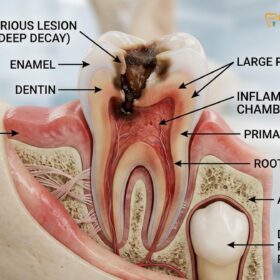
Early Childhood Caries (ECC) is a virulent form of tooth decay that affects infants and toddlers, often exacerbated by prolonged bottle feeding at night or frequent consumption of fermentable carbohydrates. Primary (baby) teeth have significantly thinner enamel and larger pulp chambers compared to permanent teeth. Consequently, once cariogenic bacteria breach the enamel, the decay progresses rapidly into the dentin and the dental pulp, leading to severe pain, abscess formation, and systemic infection[2].
“The rapid progression of Early Childhood Caries in primary dentition requires decisive clinical intervention; delaying treatment due to behavioral non-compliance often leads to severe odontogenic infections and premature tooth loss, which subsequently disrupts permanent tooth eruption and arch development.”
For teeth where the decay has reached the nerve, a pulpotomy (often referred to as a baby root canal) is performed. This involves removing the infected coronal pulp tissue, treating the remaining radicular pulp with a medicament to preserve its vitality, and sealing the tooth. Parents concerned about pulpotomy pain in kids can be reassured that under GA, the child feels absolutely nothing during the procedure, and post-operative discomfort is highly manageable.
For smaller cavities, the choice of filling material is critical. Pediatric dentists often prioritize Glass Ionomer Fillings (GIC) over composite resins for specific indications in primary teeth. GIC is highly favored for baby teeth due to its chemical bonding properties, moisture tolerance, and its ability to continuously release fluoride, which actively prevents recurrent decay at the margins of the filling[5].
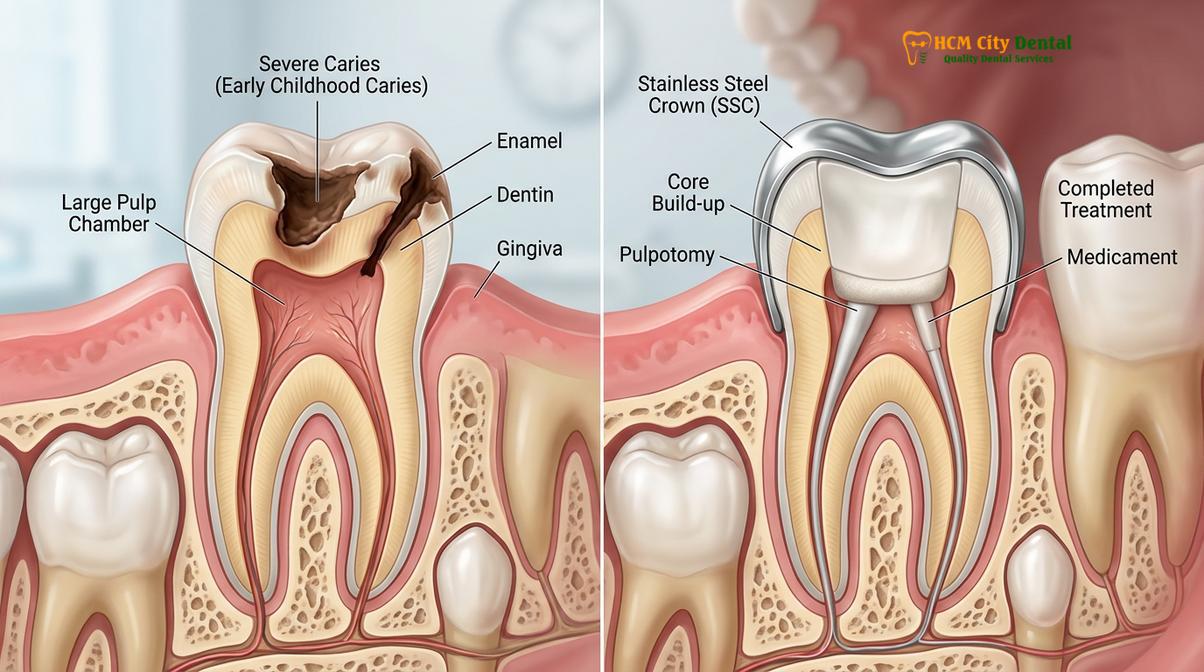
Following a pulpotomy, the tooth must be protected. While composite resins are excellent for small cavities where high strength and perfect aesthetics are needed, severely broken-down primary molars require full-coverage restorations. Stainless steel crowns are the gold standard for durability, though pediatric zirconia crowns offer a highly aesthetic, tooth-colored alternative.
Operating Theatre Safety Protocols
Pediatric dental surgery under general anesthesia utilizes advanced continuous monitoring, including capnography and electrocardiography, managed by a dedicated anesthesiologist to ensure optimal airway protection and cardiovascular stability.
The safety of pediatric general anesthesia is the paramount concern for both parents and the medical team. Modern pediatric anesthesia is exceptionally safe when conducted in a properly equipped facility by board-certified professionals. The fundamental principle of this safety is the division of labor: the pediatric dentist focuses entirely on the complex dental rehabilitation, while a dedicated pediatric anesthesiologist focuses solely on maintaining the child’s vital functions and depth of anesthesia[3].
Before the procedure, a thorough pre-anesthesia assessment is conducted to evaluate the child’s airway, cardiovascular status, and medical history. Identifying issues like enlarged tonsils, severe tongue-ties, or chronic mouth breathing helps the anesthesiologist tailor the intubation strategy and alerts the dentist to potential craniofacial developmental issues.
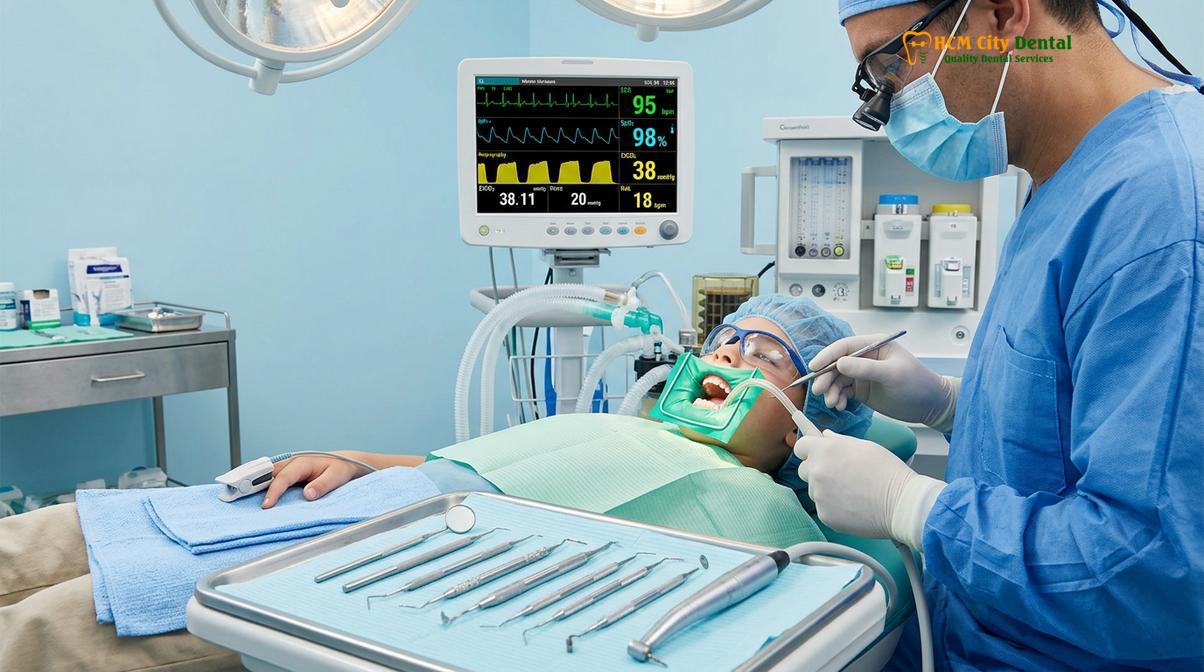
During the procedure, the child’s airway is typically secured using a nasal endotracheal tube. Nasal intubation is preferred in dental surgery because it provides the dentist with an unobstructed view and full access to the oral cavity. Intraoperative monitoring is rigorous and continuous. The anesthesiologist tracks the child’s heart rate and rhythm via electrocardiogram (ECG), blood pressure, oxygen saturation (pulse oximetry), and end-tidal carbon dioxide levels (capnography). Capnography is particularly vital as it provides breath-by-breath confirmation of adequate ventilation.
Pre-op and Post-op Care Guidelines
Strict adherence to pre-operative fasting protocols and structured post-operative recovery monitoring are critical to preventing aspiration risks and ensuring a smooth, complication-free emergence from pediatric anesthesia.
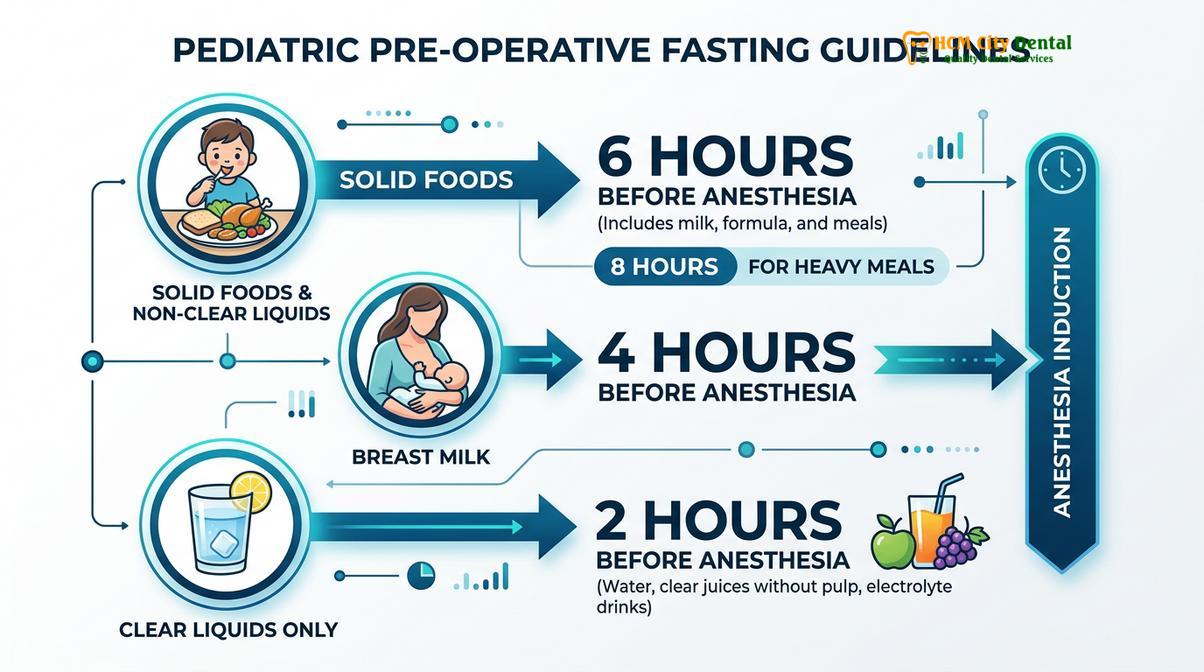
The success and safety of dental work under general anesthesia depend heavily on parental compliance with pre-operative instructions, specifically the NPO (nil per os, or nothing by mouth) guidelines. When a child is under general anesthesia, their natural airway reflexes, such as coughing and swallowing, are temporarily suppressed. If there is food or liquid in the stomach, it could regurgitate and be aspirated into the lungs, causing severe chemical pneumonitis[4].
| Type of Intake | Minimum Fasting Time Before Surgery | Examples |
|---|---|---|
| Clear Liquids | 2 Hours | Water, clear apple juice (no pulp), electrolyte solutions. |
| Breast Milk | 4 Hours | Expressed or direct breastfeeding. |
| Infant Formula / Non-Human Milk | 6 Hours | Standard baby formula, cow’s milk, soy milk. |
| Solid Foods | 8 Hours | All solid foods, including candy, gum, and heavy meals. |
Following the completion of the dental procedures, the child is moved to a dedicated recovery room. Here, specialized recovery nurses monitor the child as they emerge from the anesthesia. It is not uncommon for children to experience “emergence delirium” or agitation upon waking. They may cry, thrash, or seem confused. This is a temporary neurological reaction to the anesthetic agents, not necessarily a response to pain, and typically resolves within thirty to forty-five minutes.
Post-operative home care focuses on hydration, pain management, and protecting the newly restored teeth. The child should start with clear liquids and gradually progress to a soft diet for the first twenty-four hours. If extractions were performed, parents must ensure the child does not drink through a straw, as the suction can dislodge the blood clot and delay healing.
Coordination with Maxillofacial Hospital Partners
For pediatric patients with complex systemic comorbidities or those requiring extensive surgical interventions, treatment is coordinated with specialized maxillofacial hospital partners to provide maximum medical infrastructure and emergency support.
While many pediatric dental procedures under general anesthesia can be safely performed in an accredited ambulatory surgery center or a specially equipped dental clinic, certain cases necessitate a full hospital setting. Children classified with severe systemic diseases, such as those with complex congenital heart defects, severe bleeding disorders, or compromised respiratory function, require the multidisciplinary support available only in a hospital environment. These protocols align closely with the national safety standards established by the Vietnam Ministry of Health for pediatric dental care and anesthesia safety[6].
Clinical Case Example: A 4-year-old patient visiting HCMC Dental Clinic in Ho Chi Minh City presented with severe early childhood caries affecting twelve teeth, complicated by a history of severe asthma and a diagnosed bleeding disorder. Due to the systemic risks, the clinical team coordinated the full-mouth rehabilitation with a partner maxillofacial hospital. The procedure, which included multiple pulpotomies and the placement of space maintainers for prematurely lost molars, was completed under general anesthesia with a pediatric hematologist on standby. The patient recovered smoothly with zero respiratory or hemorrhagic complications, highlighting the necessity of hospital-level coordination for medically complex pediatric cases.
This collaborative approach also extends to post-operative monitoring. For medically fragile children, an overnight hospital stay may be recommended to monitor oxygen saturation and ensure adequate oral intake before discharge. For healthy children undergoing routine full-mouth rehabilitation, the procedure remains an outpatient service, allowing them to return to the comfort of their own home the same day.
When to Consult a Pediatric Dentist
Early intervention is crucial in pediatric dentistry; parents should consult a specialist at the first sign of tooth discoloration, visible cavities, or if the child complains of spontaneous dental pain.
Parents should not wait until a child is in severe pain to seek dental care. The American Academy of Pediatric Dentistry recommends that a child’s first dental visit occur by their first birthday or within six months of the eruption of their first tooth. Early visits allow the dentist to assess caries risk, provide anticipatory guidance on diet and oral hygiene, and monitor craniofacial development. If a child exhibits signs of sleep-disordered breathing, a consultation for myofunctional therapy for kids may also be recommended to correct oral rest posture.
“Preventive pediatric dentistry is the cornerstone of lifelong oral health. Establishing a dental home early allows clinicians to intercept disease processes before they require extensive surgical interventions under general anesthesia.”
If a child sustains a dental injury during physical activity, immediate evaluation is necessary. For active children, investing in a custom sports mouthguard can prevent catastrophic dental trauma that might otherwise require emergency surgery under sedation.

References
- American Academy of Pediatric Dentistry. Best Practices for Behavior Guidance for the Pediatric Dental Patient. (2021).
- Journal of the American Dental Association. Efficacy of Silver Diamine Fluoride for Caries Arrest in Children. (2020).
- International Journal of Paediatric Dentistry. General Anesthesia in Pediatric Dentistry: Safety and Complications. (2019).
- Pediatric Anesthesia. Fasting Guidelines and Airway Management in Pediatric Outpatient Surgery. (2022).
- Journal of Clinical Pediatric Dentistry. Restorative Materials in Primary Teeth: Glass Ionomer vs Composite Resins. (2018).
- Vietnam Ministry of Health (MOH). National Guidelines on Pediatric Dental Care and Anesthesia Safety. (2023).
If your child experiences severe dental anxiety or requires extensive restorative work, general anesthesia may provide a safe, pain-free solution. For expert pediatric care and comprehensive evaluations, contact HCMC Dental Clinic in Ho Chi Minh City today to schedule a consultation with our specialized clinical team.