Managing a screaming child dental clinic scenario requires immense clinical patience, advanced behavioral desensitization, and a highly controlled, non-threatening environment. Pediatric dentists utilize specialized communication techniques to differentiate between genuine fear and behavioral tantrums, aiming to provide safe, trauma-free oral care without resorting to physical restraint or forceful interventions. When a child exhibits extreme distress, the entire dental team must work cohesively to de-escalate the situation, ensuring that the young patient feels secure, understood, and empowered. This comprehensive clinical guide explores the psychological underpinnings of pediatric dental anxiety and outlines evidence-based strategies for transforming a fearful child into a cooperative, confident patient.
Clinical Summary:
Pediatric dental anxiety often manifests as crying, screaming, or physical resistance due to sensory overload, fear of the unknown, or anticipation of pain. Clinical management prioritizes the Tell-Show-Do method, positive reinforcement, and the “stop on request” protocol to build trust and empower the young patient. Advanced pediatric dentistry also focuses on minimally invasive treatments—such as Silver Diamine Fluoride (SDF) for drill-free cavity management and fluoride-releasing Glass Ionomer Cements (GIC)—to support long-term oral health without inducing trauma. Furthermore, comprehensive care includes early interceptive orthodontics and airway assessments to address developmental anomalies while maintaining a highly cooperative, stress-free patient-provider relationship. Recognizing when to pause or reschedule a procedure is just as critical as the clinical treatment itself.
Key Takeaways:
- Tantrums and crying are normal developmental responses to unfamiliar clinical environments and intense sensory stimuli.
- The Tell-Show-Do technique demystifies dental instruments using child-friendly language to help reduce anticipatory fear.
- Physical restraint is strictly avoided; modern clinicians rely on de-escalation, voice control, and positive reinforcement.
- Minimally invasive options like Silver Diamine Fluoride (SDF) can halt active decay without the need for drilling or injections.
- Early interceptive evaluations assess airway health, tongue-ties, and jaw development to mitigate future structural complications.
- Knowing when to reschedule an appointment prevents long-term psychological trauma and dental phobia.
Understanding Child Tantrums vs. Fear Responses
Differentiating between a behavioral tantrum and a genuine fear response is the first diagnostic step in pediatric behavior management, allowing the clinician to tailor their approach effectively.
When a parent brings a screaming child to the dental clinic, the immediate clinical priority is to assess the root cause of the distress. Children express emotional overwhelm differently than adults. A loud, uncooperative outburst in the dental chair is rarely an act of simple defiance; rather, it is a complex psychological and physiological response to an unfamiliar environment. Handling child dental anxiety requires a nuanced understanding of pediatric developmental stages, cognitive processing, and sensory integration.
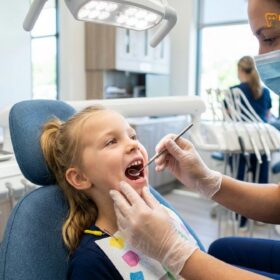
A genuine fear response is typically characterized by physiological signs of the fight-or-flight mechanism: dilated pupils, rapid breathing, trembling, sweating, and a desperate attempt to withdraw from the perceived threat. This fear is often rooted in sensory overload—the bright overhead lights shining directly into their eyes, the high-pitched sound of the ultrasonic scaler, the unfamiliar taste of prophylaxis paste, and the physical invasion of personal space. Children with sensory processing sensitivities are particularly vulnerable to these stimuli, making a standard dental visit feel incredibly overwhelming.
Conversely, a behavioral tantrum may present as loud crying without tears, aggressive posturing, or refusal to follow simple instructions. This is often used as a coping mechanism to regain control over a situation where the child feels powerless or frustrated[1]. A child throwing a tantrum might stop crying immediately if distracted by a preferred toy or screen, whereas a genuinely terrified child will remain in a state of heightened physiological arousal regardless of distractions.

By carefully analyzing the child’s body language, vocalizations, and eye contact, the dental team can determine whether the child needs gentle reassurance to overcome a phobia or firm, structured guidance to navigate a behavioral boundary. Misdiagnosing fear as defiance can lead to inappropriate management strategies that exacerbate the child’s trauma. Therefore, the initial consultation is heavily focused on building rapport, allowing the child to explore the clinic environment at their own pace before any clinical examination begins. We encourage parents to act as supportive, silent observers, allowing the dentist to establish direct communication and authority with the child.
The Stress-Free Stop Rule
The “stop on request” protocol empowers children by giving them control over the procedure, significantly reducing anxiety and building long-term clinical trust.
One of the most effective cooperative dental techniques utilized in modern pediatric dentistry is the implementation of the “Stress-Free Stop Rule.” Children who feel trapped or helpless are far more likely to panic and escalate into a screaming child dental clinic scenario. By establishing a clear, non-verbal communication system—such as raising their left hand—the child is granted immediate authority over the clinical workflow. When the child raises their hand, the dentist stops all activity instantly, removes instruments from the mouth, and addresses the child’s concern.
This empowerment is seamlessly integrated with the “Tell-Show-Do behavioral management” technique, a cornerstone of pediatric dental psychology[2]. This three-step process demystifies the clinical experience by breaking down complex, intimidating procedures into manageable, predictable steps:
- Tell: The dentist explains the upcoming procedure using non-threatening, child-friendly language. For example, local anesthesia is introduced as “sleepy juice” that makes the tooth take a nap. A rubber dam is described as a “tooth raincoat” to keep the tooth dry and safe from “sugar bugs.” The suction tube is introduced as “Mr. Thirsty.”
- Show: Before any instrument enters the mouth, the dentist demonstrates its function in a safe, non-threatening manner. The rotating prophylaxis cup might be gently spun on the child’s fingernail to show that it tickles. The air-water syringe is used to spray a little water on the child’s hand to demonstrate how it washes the tooth.
- Do: Only when the child demonstrates understanding and physical relaxation does the clinician proceed with the actual treatment. The procedure is executed efficiently, with continuous verbal reassurance and praise for their cooperation.
“Empowering a child with the ability to pause their treatment transforms them from a passive, fearful subject into an active, cooperative participant in their own healthcare journey, fundamentally changing how they view dental visits for the rest of their lives.”
This methodical desensitization is particularly crucial when managing a crying child at dentist appointments. By removing the element of surprise and giving the child a sense of predictability, their anticipatory anxiety is drastically reduced. The clinician must honor the stop signal every single time; failing to do so will instantly break the trust that has been carefully built.
De-escalation Techniques (No Shouting, No Physical Restraint)
Modern pediatric dentistry strictly avoids physical restraint and raised voices, relying instead on voice control, distraction, and gradual desensitization to calm an agitated child.
Historically, pediatric dentistry sometimes relied on forceful methods, such as the hand-over-mouth exercise (HOME) or physical restraint using papoose boards, to manage a screaming child dental clinic scenario. Today, evidence-based clinical guidelines strongly condemn these traumatic approaches. Physical restraint not only violates the child’s autonomy but also increases the risk of developing deep-seated dental phobias that persist into adulthood. Instead, contemporary clinics employ advanced psychological de-escalation strategies.
Voice control is a primary tool in the pediatric dentist’s arsenal. This does not mean shouting, scolding, or expressing anger; rather, it involves a deliberate, controlled alteration of vocal volume, tone, and pace to capture the child’s attention and interrupt a hysterical crying cycle. A sudden drop to a soft, whispering tone often prompts the child to quiet down so they can hear what is being said. Once attention is secured, the dentist uses a calm, monotonous, and soothing voice to guide the child back to a state of emotional regulation[3]. The clinician’s calm demeanor acts as an emotional anchor for the dysregulated child.
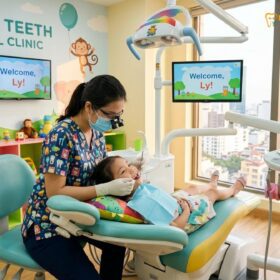
Distraction is another highly effective technique for managing sensory overload. Modern clinics are equipped with ceiling-mounted monitors playing the child’s favorite cartoons, providing a powerful visual and auditory diversion from the clinical procedures. Furthermore, the dental team engages the child in continuous storytelling or asks engaging questions about their pets, school, or hobbies. This encourages the child’s brain to process complex cognitive tasks rather than focusing solely on the sensory input from the dental work. By keeping the child’s imagination engaged, the clinical environment fades into the background.
Positive Reinforcement & Reward Systems
Utilizing structured positive reinforcement and tangible rewards helps shape a child’s behavior, turning a potentially stressful visit into a positive, goal-oriented experience.
Behavior shaping through positive reinforcement is essential for long-term success in pediatric dentistry. When a child realizes that their cooperative behavior yields positive outcomes, they are far more likely to repeat that behavior in future visits. The key to effective reinforcement is specificity and timing. Praise must be immediate and directly linked to the desired action.
Instead of offering vague compliments, the dental team uses highly specific praise. For instance, saying, “I love how wide you are opening your mouth like a hippopotamus!” or “You are doing a fantastic job keeping your hands on your tummy!” reinforces the exact physical behaviors required for safe treatment. This continuous stream of positive feedback builds the child’s confidence and self-esteem during the procedure.
| Reinforcement Strategy | Clinical Example | Psychological Impact |
|---|---|---|
| Specific Verbal Praise | “Great job holding perfectly still while I count your teeth!” | Validates the child’s effort and reinforces the exact desired behavior. |
| Tangible Rewards | Offering a sticker, small toy, or balloon at the end of the visit. | Provides a concrete, positive conclusion to the appointment, creating a good memory. |
| Token Economy | Giving a token for each successful step (e.g., one for X-rays, one for cleaning) to trade for a larger prize. | Breaks the appointment into manageable goals, keeping the child motivated throughout. |
| Ineffective Bribing (Avoid) | “If you don’t cry, I’ll buy you ice cream later.” | Places undue pressure on the child and implies that the procedure is something terrible to endure. |
Tangible rewards at the conclusion of the visit serve as a powerful memory anchor. Even if a child struggled or cried during parts of the appointment, ending the visit at the “treasure chest” allows them to leave the clinic with a sense of accomplishment. This final positive interaction often overrides the memory of the stressful moments, making the next visit significantly easier to manage.
When to Reschedule
Recognizing a child’s sensory threshold and knowing when to abort a procedure is crucial to preventing long-term psychological trauma and ensuring physical safety.
Despite the best efforts of the clinical team, there are times when a screaming child dental clinic scenario cannot be safely de-escalated. Every child has a unique threshold for sensory and emotional overload. When a child crosses this threshold into a state of sheer panic or exhaustion, continuing the procedure becomes counterproductive and potentially dangerous.
Clinical Warning: Forcing non-emergency dental treatment on a highly combative or panicking child can result in severe psychological trauma, lifelong dental phobia, and an increased risk of accidental physical injury from sharp dental instruments. If de-escalation fails, rescheduling is the safest medical decision.
The decision to reschedule is not a failure; it is a strategic clinical choice prioritizing the child’s long-term psychological well-being. If a child is thrashing, hyperventilating, or completely unresponsive to the Tell-Show-Do method and voice control, the dentist will typically halt the procedure. We will complete whatever step is necessary to ensure the tooth is safe (such as placing a temporary filling) and then dismiss the patient.
Rescheduling allows the child to reset emotionally. We often recommend returning on a different day, perhaps at an earlier time in the morning when the child is well-rested and less likely to be fatigued from school or daily activities. In cases where the child requires extensive treatment and cannot cooperate across multiple visits, the clinician will discuss alternative management strategies, such as conscious sedation with nitrous oxide (laughing gas) or treatment under general anesthesia, to ensure the necessary care is delivered safely and without trauma.
Comprehensive Pediatric Oral Health & Cavity Prevention
Early childhood caries prevention relies on proactive interventions, including proper brushing techniques, dietary counseling, and minimally invasive clinical treatments tailored for primary dentition.
The ultimate goal of pediatric dentistry is to prevent the need for invasive restorative work altogether, thereby minimizing the chances of encountering a screaming child dental clinic situation. Baby teeth have significantly thinner enamel and larger pulp chambers compared to permanent teeth. Consequently, tooth decay progresses much more rapidly in children, often reaching the nerve and necessitating complex interventions. When decay reaches the pulp, parents must understand the process of pediatric pulpotomy procedures to manage infection and save the primary tooth.
To combat early childhood caries, pediatric dentists employ a variety of preventive and minimally invasive treatments. One of the most revolutionary advancements in managing uncooperative or highly anxious children is the use of Silver Diamine Fluoride (SDF). This liquid is simply brushed onto the carious lesion. The silver ions act as a powerful antimicrobial agent, targeting the bacteria causing the decay, while the fluoride promotes remineralization and hardening of the softened dentin. Although SDF leaves a localized dark stain on the decay area, it is an invaluable tool for delaying or entirely avoiding the need for local anesthesia and drilling in young, fearful patients[4].
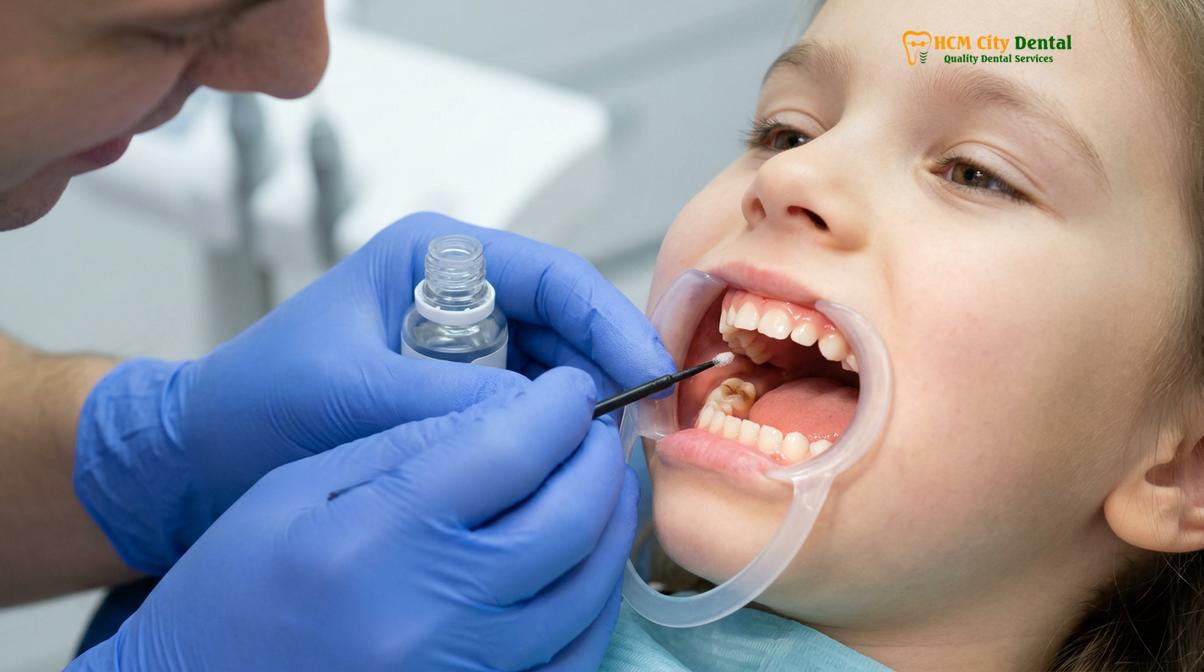
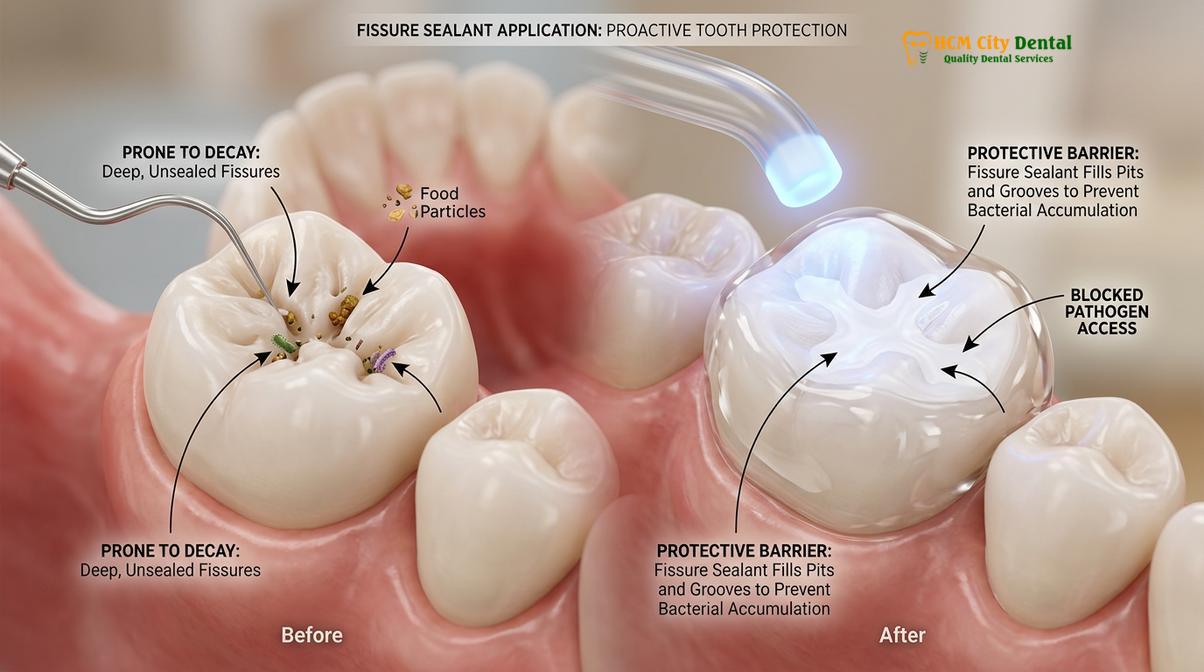
When restorative work is unavoidable, material selection is tailored to the child’s behavioral capacity. We prioritize fluoride-releasing glass ionomer cement (GIC) for baby teeth due to its chemical bonding properties and moisture tolerance, which is crucial when working with a crying or uncooperative child where perfect isolation is impossible. If a primary tooth is lost prematurely due to severe decay or trauma, placing pediatric space maintainers is crucial to prevent adjacent teeth from shifting and blocking the eruption path of permanent teeth. Furthermore, for active children participating in sports, preventive care extends to protecting the teeth from physical trauma using a custom sports mouthguard, which offers superior protection compared to over-the-counter options.
Interceptive Orthodontics & Airway Assessment
Early evaluation of jaw development and airway function allows clinicians to identify harmful habits and structural anomalies before they require complex orthodontic or surgical interventions.
Pediatric dentistry extends far beyond cavity prevention; it encompasses the holistic evaluation of the child’s craniofacial growth, airway patency, and myofunctional habits. Interceptive orthodontics aims to identify and address developing malocclusions (bite issues) during the mixed dentition phase, guiding the growth of the jaws to create adequate space for the erupting permanent teeth. Early intervention can often prevent the need for extensive braces or jaw surgery later in life.
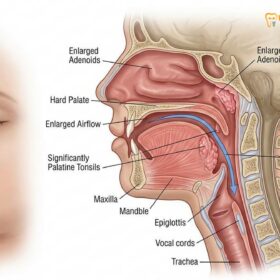
Many behavioral and developmental issues, including poor sleep and hyperactivity, are linked to compromised pediatric airways. We meticulously evaluate early jaw development, thumb-sucking habits, and the severe impact of mouth breathing on facial growth. Prolonged non-nutritive sucking habits or chronic mouth breathing can alter the shape of the palate, leading to a narrow upper jaw, crossbites, and restricted nasal airways. This condition, often referred to as “adenoid facies,” requires prompt clinical attention to redirect facial growth.
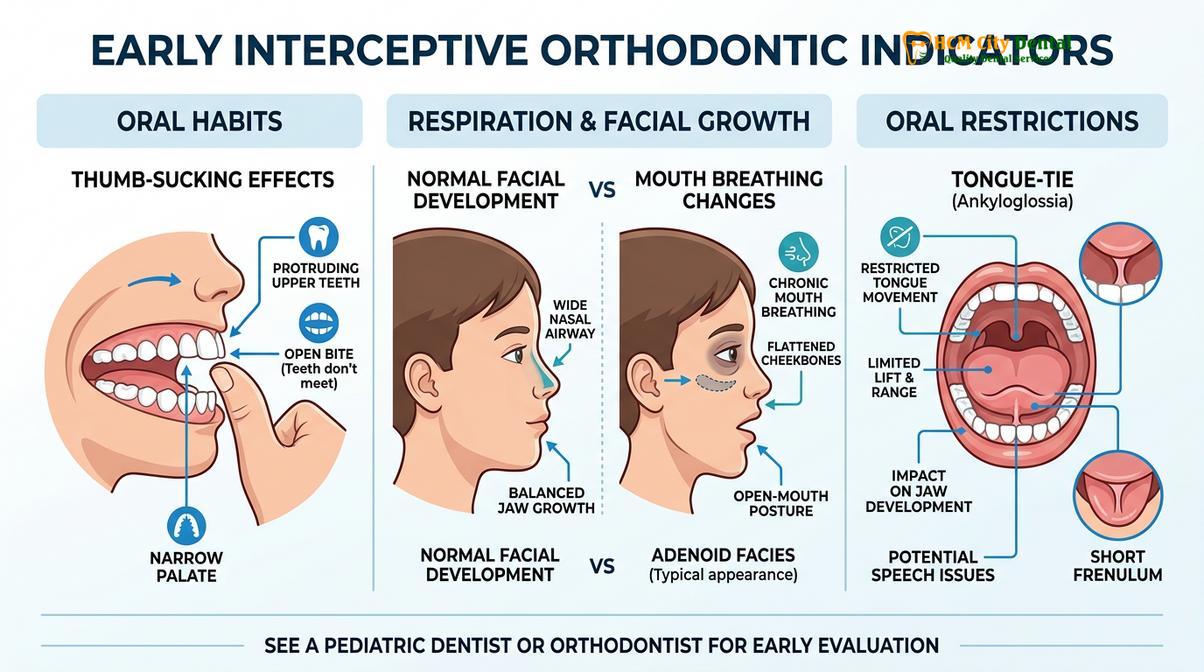
In cases where a restricted lingual frenulum (tongue-tie) is impeding proper tongue posture, swallowing, or speech development, a minimally invasive laser tongue-tie release may be recommended. This quick procedure improves the tongue’s range of motion, allowing it to rest properly against the palate, which naturally expands the upper jaw. Following such procedures, myofunctional therapy exercises are often prescribed to retrain the oral muscles, correct swallowing patterns, and establish proper, healthy nasal breathing[5].
When to Seek Immediate Dental Care (Important Clinical Notes)
While managing anxiety is crucial, certain acute dental symptoms require immediate clinical intervention regardless of the child’s behavioral state to prevent systemic complications.
Parents often hesitate to bring an anxious child to the dentist, fearing a screaming child dental clinic scenario. However, delaying care during an acute infection can lead to severe, potentially life-threatening health risks. According to guidelines from the Vietnam Ministry of Health (MOH) and international pediatric dental associations, immediate professional evaluation is absolutely necessary if a child presents with specific red-flag symptoms[6].
These urgent symptoms include visible facial swelling (cellulitis), a pimple-like bump (abscess) on the gums near a decayed tooth, severe spontaneous pain that wakes the child up at night, or dental trauma resulting in a displaced or knocked-out tooth. In these urgent situations, the clinical priority shifts from gradual behavioral desensitization to immediate infection control and pain relief. The dental team will employ the safest, most efficient methods to diagnose and treat the source of the infection, which may include prescribing antibiotics or discussing sedation options to ensure the child receives necessary care without enduring undue psychological stress.
Case Study: Overcoming Dental Phobia in Ho Chi Minh City
A structured, empathetic approach can successfully transition a highly fearful child into a cooperative and confident dental patient.
Patient Profile: A 4-year-old male presenting with severe dental phobia and early childhood caries.
Clinical Challenge: The patient refused to enter the operatory, exhibiting extreme crying, physical resistance, and sensory overload due to a previous traumatic experience at another facility.
Intervention: Implementation of a multi-visit desensitization protocol, utilizing the Tell-Show-Do method, the Stress-Free Stop Rule, and non-invasive Silver Diamine Fluoride (SDF) application.
Outcome: By the fourth visit, the patient willingly sat in the dental chair, allowed full examination, and accepted SDF treatment without local anesthesia or physical restraint, demonstrating a complete reversal of dental phobia.
A recent case at HCMC Dental Clinic in Ho Chi Minh City involved a four-year-old patient who had developed severe dental phobia following a traumatic experience at a different facility. During the initial consultation, the child exhibited extreme distress, crying and refusing to sit in the dental chair. Recognizing the signs of genuine sensory overload and fear, the clinical team immediately paused all attempts at examination and shifted to a purely observational and acclimatization approach.
Dr. Nguyen Van Cuong emphasizes that the clinical perspective on pediatric behavior management must always begin with empathy and observation. Dr. Cuong and our dedicated team spend ample time acclimatizing young patients to the clinical environment, ensuring they feel entirely safe before introducing any dental instruments. For more information on our specialized approach, parents can review our comprehensive Children & Pediatric Dentistry protocols.

“The true measure of success in pediatric dentistry is not just fixing a cavity, but nurturing a child’s confidence so they walk out of the clinic smiling and unafraid to return.”
Over the course of three short, non-invasive visits utilizing the Tell-Show-Do method and positive reinforcement, the child’s anxiety steadily decreased. By the fourth visit, the patient willingly sat in the chair and allowed the application of Silver Diamine Fluoride to arrest early decay, completely avoiding the need for local anesthesia. If you are struggling with a screaming child dental clinic scenario, contact HCMC Dental Clinic in Ho Chi Minh City today to schedule a gentle, child-centered consultation.
References
- American Academy of Pediatric Dentistry. Behavior Guidance for the Pediatric Dental Patient. (2021).
- Journal of Dentistry for Children. Efficacy of the Tell-Show-Do Technique in Managing Pediatric Dental Anxiety. (2020).
- International Journal of Paediatric Dentistry. Clinical Application of Silver Diamine Fluoride in Early Childhood Caries. (2019).
- Pediatric Dentistry Journal. Glass Ionomer Cements vs. Composite Resins in Primary Dentition. (2022).
- Journal of the American Dental Association. Early Interceptive Orthodontics and Pediatric Airway Assessment. (2018).
- Vietnam Ministry of Health (MOH). National Guidelines on Pediatric Oral Health and Caries Prevention. (2023).