Dental implant tourism in Vietnam offers international patients a unique combination of world-class oral surgery and significant cost savings. By leveraging advanced digital dentistry and strict clinical protocols, patients receive premium titanium implants and custom restorations while recovering in the vibrant, culturally rich environment of Ho Chi Minh City.
Clinical Summary:
Dental implant tourism in Vietnam integrates advanced implantology with comprehensive travel logistics, providing international patients with high-quality, cost-effective restorative care. Clinics in Ho Chi Minh City utilize 3D CBCT imaging, computer-guided surgery, and premium titanium fixtures to ensure precise osseointegration. The clinical workflow is meticulously planned—from remote digital consultations to post-operative monitoring—allowing patients to safely combine complex oral rehabilitation with a structured recovery itinerary. Strict adherence to international sterilization standards and personalized medical tourism coordination ensures predictable clinical outcomes and a seamless patient experience.
Key Takeaways:
- International patients save significantly on comprehensive implant treatments without compromising on clinical quality or material standards.
- Pre-arrival digital diagnostics allow for precise surgical planning and customized treatment timelines before booking flights.
- Post-operative recovery itineraries are tailored to accommodate soft-tissue healing and minimize physical exertion.
- Dedicated medical tourism coordination ensures seamless transitions from airport arrival to clinical appointments and lodging.
- Strict follow-up protocols and digital monitoring mitigate risks and support long-term implant success.
The Rise of Saigon as a Dental Tourism Hub
Ho Chi Minh City has emerged as a premier destination for dental implant tourism by combining internationally trained specialists, cutting-edge digital dentistry, and highly competitive treatment costs.
The landscape of global healthcare has shifted dramatically, with Southeast Asia becoming a focal point for patients seeking high-quality, specialized medical care. Within this region, Vietnam—and specifically Ho Chi Minh City (Saigon)—has established itself as a center of excellence for restorative dentistry. The appeal of dental tourism in Vietnam extends far beyond the financial advantages; it is deeply rooted in the clinical proficiency of local specialists and the rapid adoption of advanced digital technologies. International patients are increasingly recognizing that they do not have to compromise on the quality of materials or the rigor of surgical protocols when traveling abroad for Dental Implants.
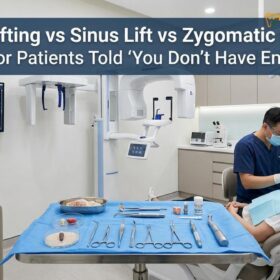
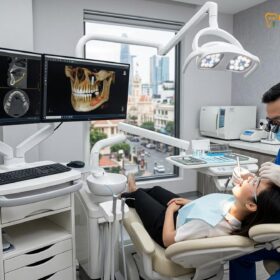
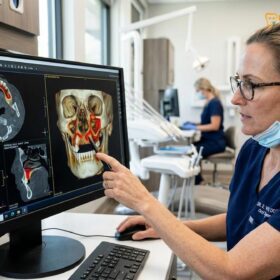
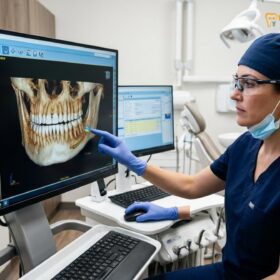
At the core of this clinical renaissance is the integration of digital workflows. Leading facilities, such as HCMC Dental Clinic in Ho Chi Minh City, have transitioned from traditional analog impressions to comprehensive digital ecosystems. This includes the use of intraoral scanners, 3D Cone Beam Computed Tomography (CBCT), and Computer-Aided Design/Computer-Aided Manufacturing (CAD/CAM) systems. These technologies allow for sub-millimeter precision in surgical planning, ensuring that the titanium fixture is placed at the optimal angulation and depth to maximize bone-to-implant contact[1]. For the international patient, this precision translates to shorter chair time, reduced surgical trauma, and a more predictable healing trajectory.
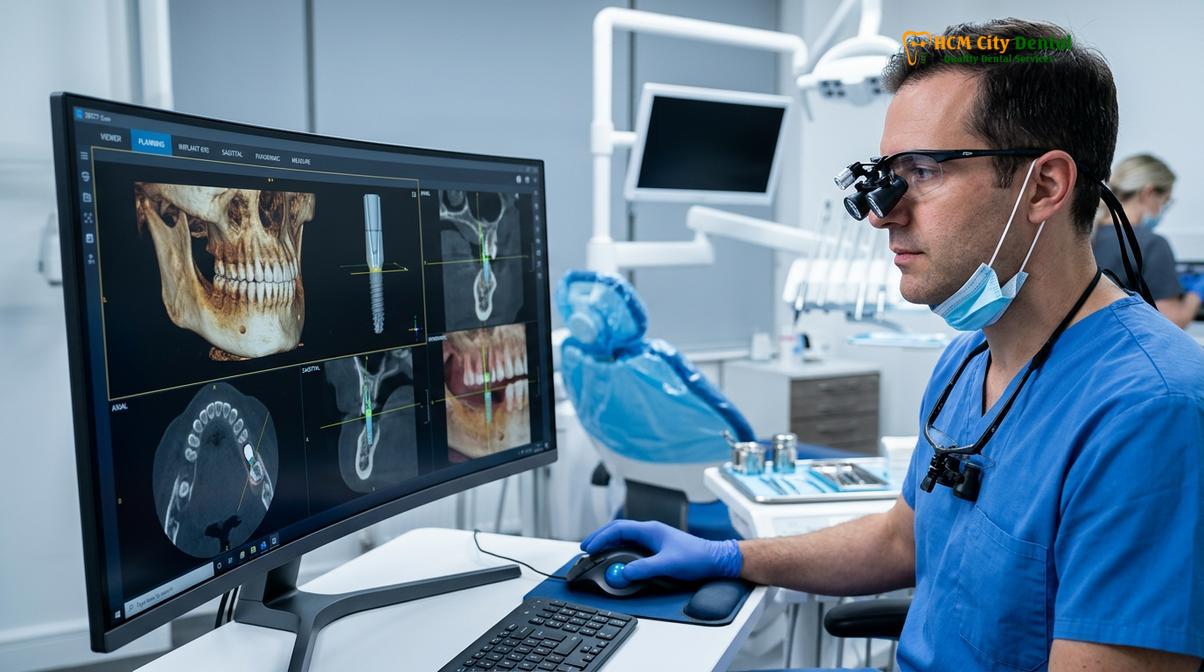
Furthermore, the surgical techniques employed have evolved to prioritize patient comfort and rapid recovery, which is essential for those traveling. The utilization of Piezotome Dental Implant Surgery, for instance, uses ultrasonic micro-vibrations to precisely cut bone while preserving surrounding soft tissues and critical anatomical structures like nerves and blood vessels. This minimally invasive approach significantly reduces post-operative edema (swelling) and ecchymosis (bruising), allowing patients to resume normal, albeit gentle, activities much sooner than with traditional rotary instruments.
“The integration of 3D computer-guided surgery and ultrasonic bone preparation has revolutionized how we manage international cases. By minimizing surgical trauma, we significantly accelerate the initial healing phase, which is critical for patients operating on a restricted travel timeline.”
Leading specialists in oral rehabilitation frequently emphasize that the success of dental tourism hinges on strict adherence to international sterilization and cross-infection control protocols. Clinics catering to international patients operate under rigorous ISO standards, utilizing Class B autoclaves and maintaining sterile operating environments that mirror those found in top-tier hospitals globally.
Step-by-Step Coordination: From Initial WhatsApp Scan to Flight
The treatment journey begins long before arrival, utilizing remote digital consultations and 3D scan reviews to establish a precise surgical plan and coordinate all travel logistics.
The success of complex oral surgery performed abroad relies heavily on meticulous pre-operative planning. The workflow for an international patient is designed to eliminate uncertainty and maximize clinical efficiency. This process typically initiates with a remote digital consultation. Patients are encouraged to send recent panoramic X-rays (OPG) or, ideally, DICOM files from a local CBCT scan via secure communication channels. This allows the implantologist to conduct a preliminary volumetric analysis of the alveolar ridge, assessing bone density, height, and width.
Based on this remote diagnostic review, the clinical team can determine the feasibility of immediate implant placement or if adjunctive procedures will be necessary. For example, if the maxillary posterior region exhibits severe pneumatization (expansion) of the sinus cavity, a Sinus Lift Dental Implant procedure may be incorporated into the treatment plan. Similarly, if there is insufficient buccal bone thickness, a Bone Graft Dental Implant protocol will be outlined. Providing this detailed clinical roadmap before the patient even books a flight ensures complete transparency regarding the expected timeline, biological requirements, and financial investment.
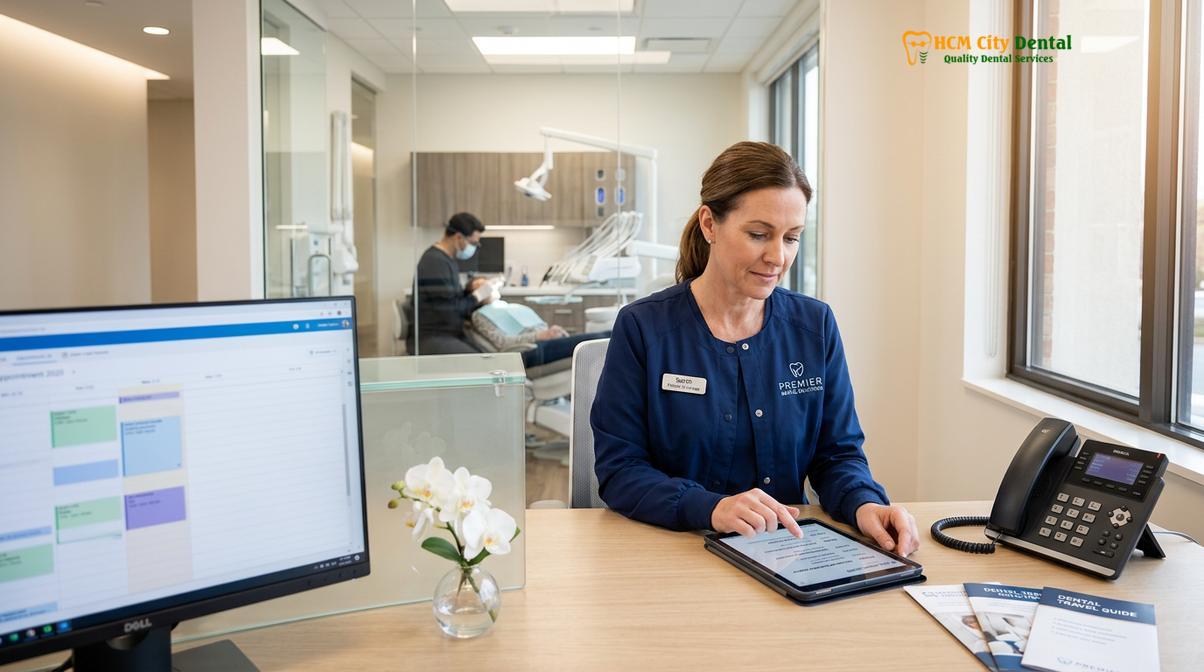
Dr. Nguyen Van Cuong, a leading implantologist at HCMC Dental Clinic, emphasizes the importance of personalized care for international patients. Dr. Cuong and his clinical team utilize advanced digital diagnostics to ensure that every surgical plan is meticulously tailored, minimizing risks and optimizing long-term osseointegration. This dedicated approach ensures that patients traveling from abroad receive the highest standard of clinical attention from the moment their initial scans are reviewed.
Once the preliminary clinical plan is approved by the patient, the focus shifts to medical tourism coordination. Dedicated coordinators assist patients in aligning their surgical appointments with their travel itineraries. From the moment of airport arrival, patients are often greeted by clinic representatives who facilitate a smooth transfer to their accommodations. Reducing travel-induced stress and fatigue is vital for maintaining a strong immune system, which directly impacts the body’s ability to heal post-surgery[2]. The coordination extends to scheduling the necessary laboratory time for the fabrication of provisional prosthetics, ensuring a seamless integration of diagnostics, logistics, and laboratory support.
Day-by-Day Itinerary: Managing Gums Recovery and Vacation
A structured clinical itinerary balances the surgical phases of implant placement with adequate rest, ensuring optimal soft tissue healing and a stress-free vacation experience.
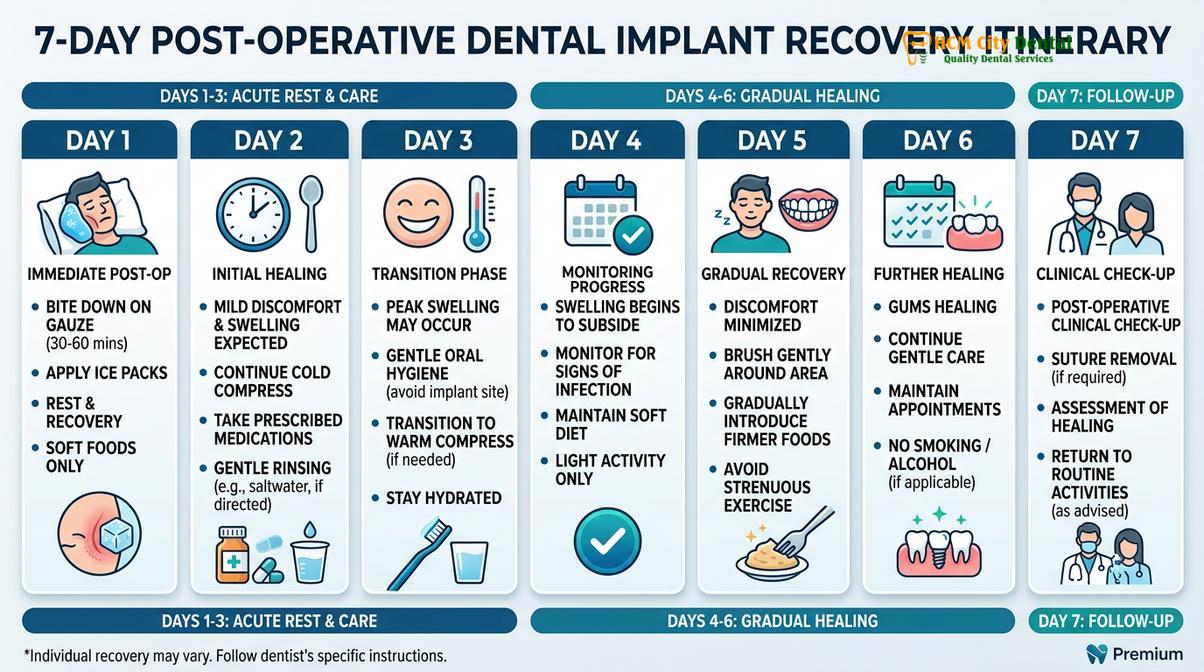
Combining oral surgery with international travel requires a carefully calibrated itinerary that respects the biological phases of wound healing. The first 48 to 72 hours post-surgery are critical for hemostasis (blood clot formation) and the initial inflammatory response. During this period, the body is actively recruiting fibroblasts and osteoblasts to the surgical site to begin the process of tissue repair and osseointegration. Therefore, the itinerary must prioritize rest and clinical monitoring over aggressive sightseeing.
A typical timeline for an international patient undergoing implant therapy begins with an in-person clinical examination and a high-resolution CBCT scan on Day 1. This confirms the remote diagnosis and allows for the finalization of the surgical guide. Day 2 is usually dedicated to the surgical intervention. Depending on the primary stability achieved during the placement of the titanium fixture, the surgeon may opt for a Same Day Dental Implants protocol, attaching a provisional crown immediately. If primary stability is lower, a delayed loading approach is utilized, and the implant is left to heal submerged beneath the gingiva.
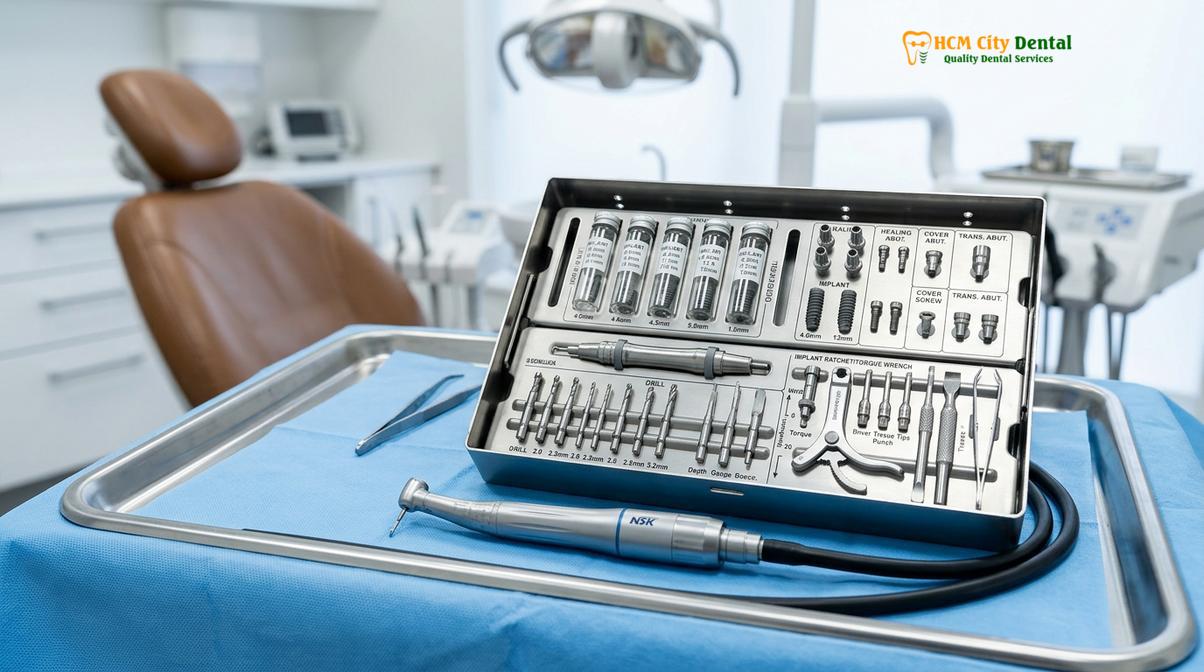
Days 3 through 5 are designated for recovery. Patients are advised to remain in a cool, climate-controlled environment to minimize vasodilation, which can exacerbate post-operative swelling and bleeding. International patients are strongly advised to avoid prolonged sun exposure, heavy lifting, or any cardiovascular activities that elevate blood pressure during this acute healing phase. The clinical team will typically schedule a brief follow-up appointment during this window to assess soft tissue closure and monitor for any signs of localized infection[3].
Clinical Case Overview: Coordinated Full-Arch Rehabilitation
A 58-year-old patient traveled to HCMC Dental Clinic in Ho Chi Minh City for an implant-supported full-arch restoration. Through meticulous pre-arrival planning, the surgical phase was completed on Day 2 of the trip. By adhering strictly to the prescribed rest and soft-diet itinerary, the patient exhibited excellent soft tissue healing by Day 7, allowing for the safe delivery of the provisional prosthesis and clearance for the return flight without complications.
By Day 7, the acute inflammatory phase has generally subsided. If non-resorbable sutures were used, they are removed during a final clinical evaluation. The implantologist will verify that the peri-implant mucosa is healthy and that the patient is comfortable. At this stage, patients are usually cleared for more extensive travel within Vietnam, provided they continue to adhere to dietary restrictions and maintain impeccable oral hygiene.
Lodging and Hotel Recommendations Near District 1 Clinic
Selecting appropriate accommodations close to the clinic minimizes transit stress and provides a comfortable, controlled environment essential for early post-operative recovery.
The physical environment in which a patient recovers plays a significant role in the overall success of the dental tourism experience. When undergoing invasive procedures such as multiple implant placements or complex bone grafting, the immediate post-operative period requires tranquility, comfort, and easy access to clinical support. Therefore, selecting the right lodging is a critical component of the treatment plan. Clinics located in the heart of the city offer a distinct advantage in this regard.
For patients receiving treatment at facilities like HCMC Dental Clinic, seeking hotel recommendations in central districts is highly advisable. The commercial and cultural nucleus of Ho Chi Minh City boasts a high concentration of premium hotels, serviced apartments, and boutique accommodations. Staying within a short radius of the clinic drastically reduces transit times. Navigating city traffic immediately after oral surgery, while potentially still under the effects of mild sedation or local anesthesia, can induce unnecessary stress and motion sickness. Proximity ensures that patients can quickly return to their rooms to rest and apply ice packs to manage swelling[4].
“The immediate post-operative environment should facilitate rest and minimize physiological stress. Accommodations that offer reliable climate control, room service, and a quiet atmosphere are essential for supporting the body’s natural healing mechanisms during the first 72 hours.”
When evaluating lodging options, patients should prioritize specific amenities that cater to surgical recovery. Reliable air conditioning is paramount; maintaining a cool ambient temperature helps constrict blood vessels, thereby reducing post-operative edema and the risk of secondary hemorrhage. Furthermore, accommodations that offer comprehensive room service are highly beneficial. In the days following surgery, patients will be restricted to a soft diet and may not feel up to navigating restaurants or street food stalls.
Exploring Saigon Safely: Soft Foods Dining and Low-Stress Sights
Patients can safely enjoy the cultural richness of the city by adhering to a strict soft-diet protocol and choosing low-impact sightseeing activities that do not elevate blood pressure.
One of the primary appeals of dental tourism is the opportunity to experience a new culture while recovering. However, this must be balanced against the clinical requirements of implant healing. The integration of the titanium fixture into the alveolar bone requires absolute stability. Any micromotion caused by excessive chewing forces or trauma can disrupt the cellular matrix forming around the implant, potentially leading to fibrous encapsulation and implant failure. Therefore, dietary modifications are non-negotiable.
Navigating post-surgery dining in Saigon is surprisingly manageable, as Vietnamese cuisine offers a wealth of nutritious, soft-food options that are gentle on the surgical site. Traditional dishes such as Phở (when consuming only the nutrient-rich bone broth and soft noodles, avoiding the meat) provide excellent hydration and collagen, which supports tissue repair. Cháo (Vietnamese congee or rice porridge) is another ideal option; it is highly digestible, requires no chewing, and can be fortified with finely minced fish or soft tofu for protein[5].
For patients who have received Implant Supported Overdentures or provisional bridges, the distribution of occlusal forces is carefully managed by the prosthodontist, but the patient must still exercise caution. Chewing should be directed to the non-surgical side if possible, and all foods should be cut into small, easily manageable pieces.
| Food Category | Recommended (Safe for Healing) | Strictly Avoid (Risk of Complication) |
|---|---|---|
| Proteins | Soft tofu, finely minced steamed fish, scrambled eggs | Tough beef, pork chops, nuts, seeds |
| Carbohydrates | Rice porridge (Cháo), soft noodles (Phở/Bún), mashed potatoes | Crusty bread (Bánh Mì), sticky rice, hard crackers |
| Beverages | Room temperature water, clear broths, smooth fruit juices | Hot coffee, alcohol, carbonated drinks, using a straw |
When to Seek Immediate Clinical Attention
Understanding the normal parameters of post-operative healing allows patients to identify warning signs early and seek prompt clinical intervention if complications arise.
While modern implantology boasts exceptionally high success rates, surgical interventions inherently carry a degree of risk. For international patients, knowing when to contact the clinical team is crucial for preventing minor issues from escalating into severe complications. The Vietnam Odonto-Stomatology Association (VOSA) provides clear guidelines on post-operative monitoring to ensure patient safety during the critical early healing phases[6].
Mild to moderate swelling and minor blood-tinged saliva are expected within the first 48 hours. However, if a patient experiences profuse, active bleeding that does not subside after applying firm pressure with sterile gauze for 30 minutes, immediate clinical attention is required. Similarly, if swelling continues to increase dramatically after the third day, or if it is accompanied by a high fever, difficulty swallowing, or severe, throbbing pain that is unresponsive to prescribed analgesics, the patient must contact their medical coordinator without delay.
Important Clinical Note: Never attempt to adjust provisional prosthetics or manipulate the surgical site with your fingers or tongue. If a temporary crown feels loose or if you suspect an infection, contact your designated medical coordinator immediately. Prompt professional evaluation is essential to protect the integrating implant and ensure your safe return home.
Frequently Asked Questions
Can the clinic coordinate my hotel booking and airport transport?
Yes, comprehensive medical tourism coordination typically includes arranging airport transfers and assisting with hotel bookings. This ensures a stress-free transition from your arrival to your clinical appointments, allowing you to focus entirely on your surgical recovery.
What happens if my healing is slower than expected during my trip?
If soft tissue healing is delayed, the clinical team will adjust your post-operative itinerary and may prescribe additional localized treatments. Continuous monitoring allows the implantologist to manage inflammation and ensure the surgical site is stable before you fly.
Can I travel and tour Vietnam after implant surgery?
Yes, light travel is permissible, provided you avoid strenuous physical exertion and adhere to a strict soft-diet protocol. Low-impact sightseeing is encouraged, but patients must prioritize rest and avoid activities that elevate blood pressure during the initial healing phase.
How do I maintain my dental implants once I return to my home country?
Long-term maintenance requires meticulous daily oral hygiene, including the use of water flossers and interdental brushes, alongside routine professional cleanings. Your local dentist can perform annual radiographic evaluations to monitor crestal bone levels and ensure the peri-implant tissues remain healthy.
Are the materials used for dental implants in Vietnam internationally recognized?
Yes, reputable clinics utilize premium, internationally certified titanium fixtures and prosthetic components from leading global manufacturers. These materials adhere to strict ISO standards, ensuring optimal biocompatibility, mechanical strength, and predictable long-term osseointegration.
References
- Journal of Oral Implantology. Global trends in dental tourism and cross-border implantology protocols. (2021).
- International Journal of Oral and Maxillofacial Surgery. Impact of air travel on early post-operative healing in oral surgery. (2020).
- Clinical Implant Dentistry and Related Research. Digital workflows in remote treatment planning for international patients. (2022).
- Journal of Prosthetic Dentistry. Nutritional protocols and soft tissue healing following full-arch rehabilitation. (2019).
- Periodontology 2000. Peri-implant tissue management and the role of patient compliance in medical tourism. (2018).
- Vietnam Odonto-Stomatology Association (VOSA). Guidelines on cross-infection control and post-operative care in dental implantology. (2022).
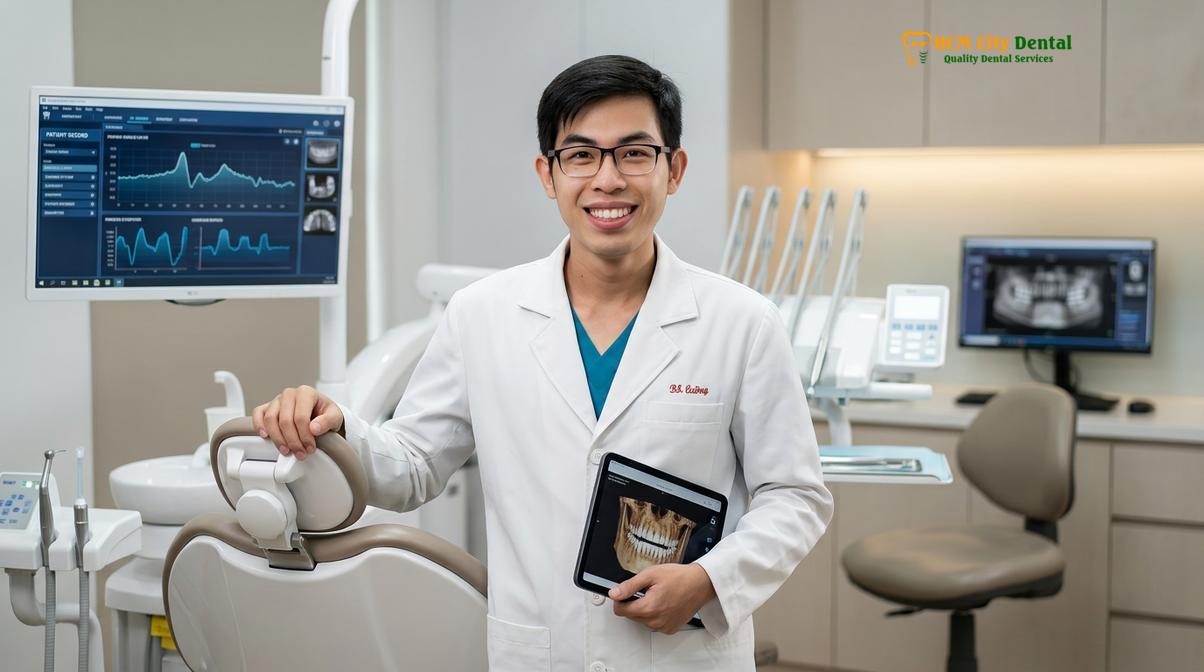
If you are considering traveling abroad for restorative care, meticulous planning is the key to a successful outcome. At HCMC Dental Clinic in Ho Chi Minh City, our dedicated team of specialists and medical coordinators are ready to guide you through every step of your journey. From selecting the appropriate Dental Implant Abutment to organizing your recovery itinerary, we ensure a seamless, world-class experience. Contact HCMC Dental Clinic today to schedule your remote digital consultation and take the first step toward restoring your smile in the heart of Ho Chi Minh City.