A dental implant installment plan allows patients to divide the cost of surgical and restorative phases into manageable payments. By utilizing staged clinical billing or 0% interest credit card programs, patients can access premium implantology without the burden of a single upfront lump sum.
Clinical Summary:
Navigating the financial aspects of comprehensive implant dentistry requires a strategic approach that aligns with clinical workflows. Because implantology is inherently a multi-phase biological process—involving surgical placement, a healing period for osseointegration, and final prosthetic delivery—the associated costs can naturally be distributed over time. Patients can utilize a zero interest installment plan, leverage staged payment scheduling based on treatment milestones, or use a bank partnership credit card to optimize their budget. By coordinating medical financing online prior to travel, international patients visiting Ho Chi Minh City can secure transparent, predictable pricing for their restorative care without compromising on the quality of titanium fixtures or clinical expertise.
Key Takeaways:
- Implant costs are naturally divided into surgical (Trip 1) and prosthetic (Trip 2) phases, allowing for biological staged payments.
- Many clinics offer 0% interest financing through specific credit card partnerships, eliminating extra financial burdens.
- International patients can finalize their payment structures remotely via secure teledentistry channels before traveling.
- Using travel or rewards credit cards for high-ticket dental procedures can yield significant cashback and travel points.
- Financial planning should never override clinical indications; sufficient healing time is paramount for implant success.
Managing High-Ticket Dental Budgets Safely
Safely managing dental budgets involves aligning financial planning with the biological timeline of implant integration, ensuring premium care remains accessible without compromising clinical standards.
Comprehensive tooth replacement is widely recognized as a significant investment in a patient’s long-term oral health, systemic well-being, and overall quality of life. The costs associated with surgical tooth replacement solutions are driven by the necessity for premium biocompatible materials, advanced diagnostic imaging, and highly specialized surgical expertise. When patients begin researching their options, the initial estimates for multi-unit restorations or full-arch rehabilitations can appear daunting. However, understanding the underlying clinical components that dictate these costs is the first step in managing a high-ticket dental budget safely and effectively[1].
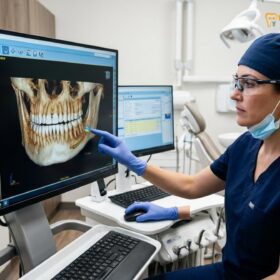
The foundation of a successful implant procedure relies on precise diagnostics. High-resolution 3D Cone Beam Computed Tomography (CBCT) scans are mandatory to evaluate bone volume, density, and the proximity of vital anatomical structures such as the inferior alveolar nerve or the maxillary sinus. Following diagnostics, the surgical phase may require adjunctive procedures. For instance, if a patient presents with severe bone resorption in the posterior maxilla, maxillary sinus elevation becomes a clinical prerequisite before an implant can be safely anchored. Similarly, localized osseous augmentation procedures are often necessary to ensure the titanium fixture is entirely encased in healthy, vascularized bone.
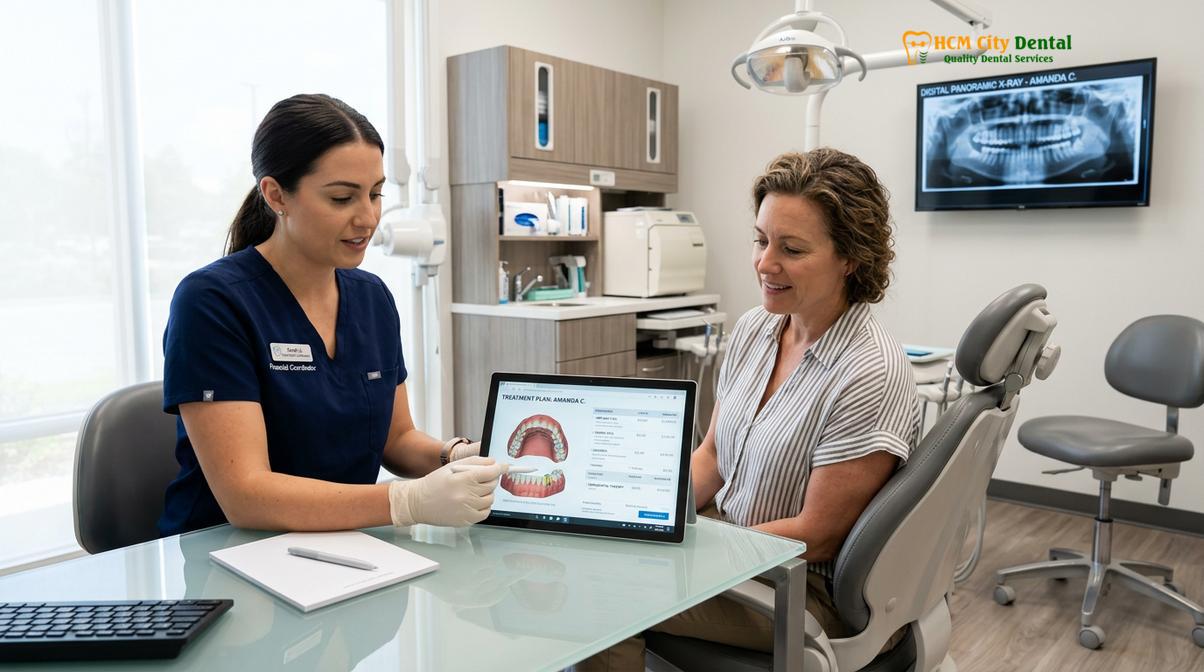
Dr. Nguyen Van Cuong, a leading specialist at HCMC Dental Clinic, frequently emphasizes to his patients that cutting corners on these foundational clinical steps to save money inevitably leads to higher long-term costs due to implant failure or peri-implantitis. Instead of compromising on the quality of the titanium fixture or skipping necessary bone grafts, patients are encouraged to explore structured financial solutions. A well-organized dental implant installment strategy allows patients to receive the highest standard of care—utilizing state-of-the-art techniques like ultrasonic bone surgery techniques for atraumatic extractions—while maintaining personal financial stability.
By viewing the treatment not as a single retail purchase, but as a phased medical intervention, patients can better understand how to allocate their resources. The goal of any reputable clinical practice is to provide transparent comprehensive pricing structures for restorative dentistry, ensuring that patients are fully aware of the costs associated with the surgical phase, the healing abutments, the final custom-milled zirconia crowns, and any necessary follow-up care.
Clinic Financing: Staged Payments Over the Treatment Cycle
Staged payments naturally follow the clinical workflow, dividing costs between the initial surgical placement and the final prosthetic delivery months later.
One of the most organic forms of financing in implant dentistry is staged payment scheduling. Unlike purchasing consumer goods where the total amount is due at checkout, implantology is dictated by human biology. The process of osseointegration—where the living bone cells attach and fuse to the microscopic pores of the titanium implant surface—requires a strict healing period. Depending on the patient’s bone density and whether grafting was performed, this biological waiting period typically spans from three to six months[2].
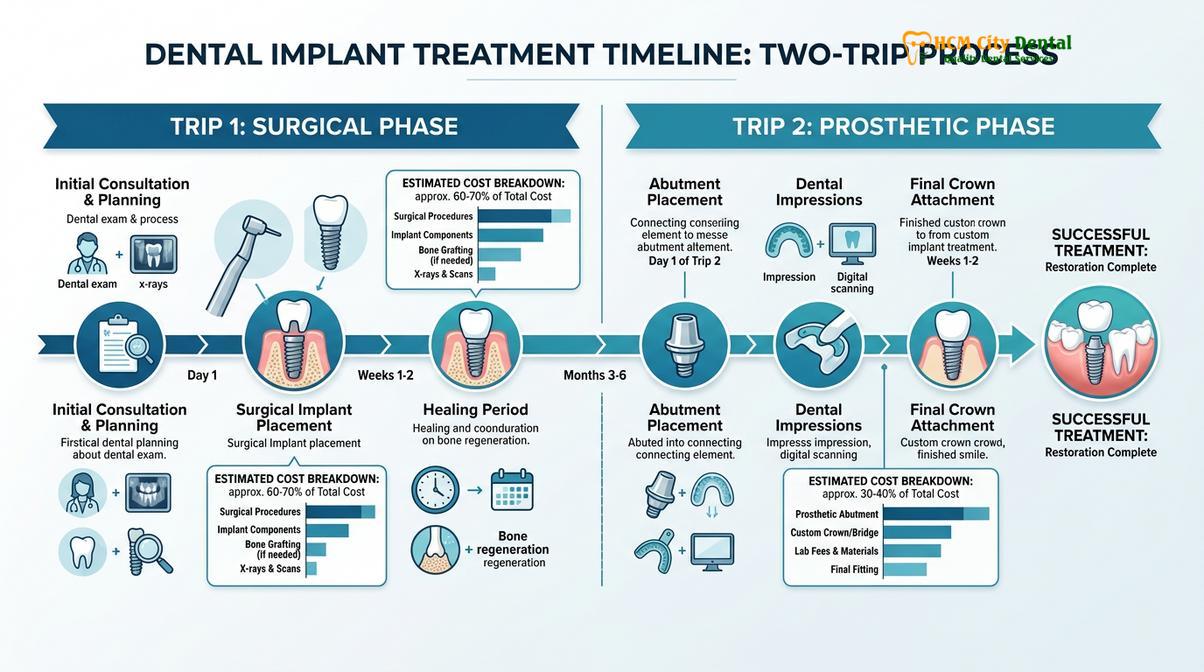
This mandatory healing timeline naturally divides the treatment into two distinct clinical phases, which in turn divides the financial obligation. For international patients engaging in medical tourism, this is commonly referred to as Trip 1 and Trip 2.
Trip 1: The Surgical Phase
During the initial visit, the clinical focus is entirely on establishing a solid foundation. The procedures performed may include the atraumatic extraction of failing teeth, thorough debridement of the socket, placement of the bone graft material, and the precise surgical insertion of the titanium implant fixture. The costs incurred during this phase are strictly related to the surgical interventions and the materials permanently placed within the jawbone. Patients typically pay only for the services rendered during this specific visit, which generally accounts for approximately 60% to 70% of the total treatment cost.
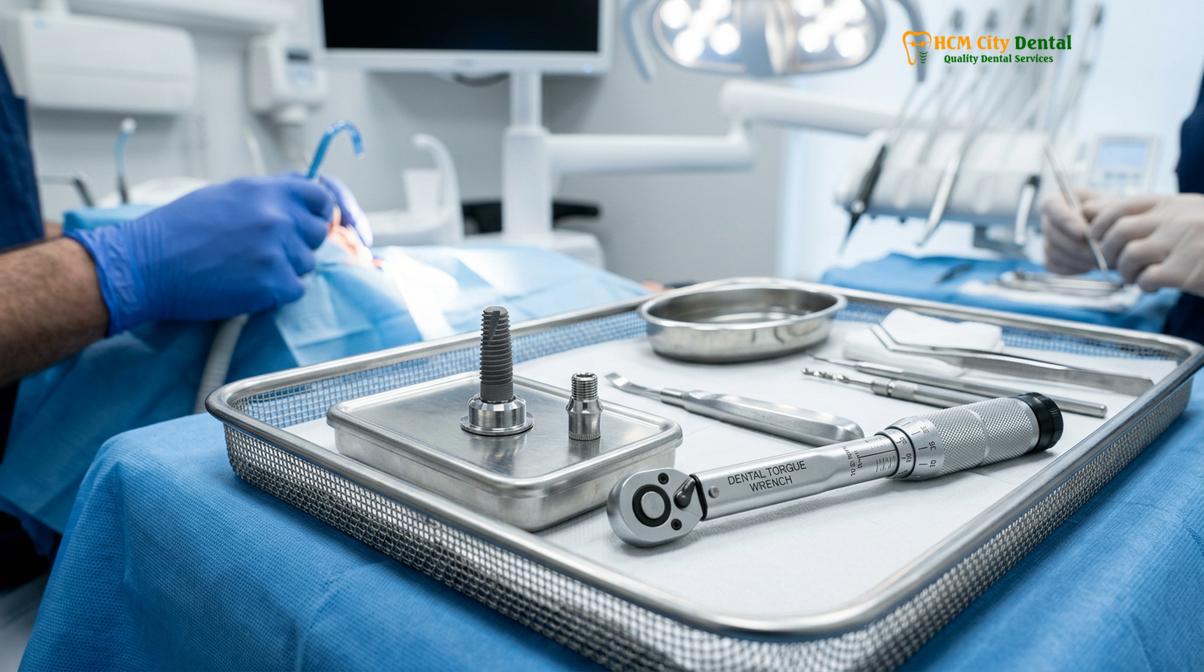
Trip 2: The Prosthetic Phase
After the implant has successfully integrated with the bone, the patient returns for the restorative phase. During this visit, the implant is uncovered (if a two-stage surgical protocol was used), digital impressions are captured using an intraoral scanner, and the custom abutment and final crown are fabricated and delivered. If the patient is receiving full-arch removable prosthetics, the attachments and the final denture base are fitted during this time. The remaining balance of the treatment cost is paid during this second trip.
| Treatment Phase | Clinical Procedures Performed | Estimated Payment Percentage | Biological Timeline |
|---|---|---|---|
| Trip 1 (Surgical) | Extractions, Bone Grafting, Implant Placement, Suturing | 60% – 70% of Total Cost | Days 1 – 7 |
| Healing Period | Osseointegration, Soft Tissue Maturation | No Payments Required | 3 – 6 Months |
| Trip 2 (Prosthetic) | Digital Scanning, Abutment Connection, Crown Delivery | 30% – 40% of Total Cost | After Integration |
This biological staging acts as an inherent installment plan. It provides patients with several months to save or arrange financing for the final restorative phase, significantly reducing the immediate financial pressure. It is important to note that while immediate loading protocols (where a temporary tooth is placed on the same day as surgery) are available for qualifying candidates, the final permanent restoration and its associated costs are still deferred until osseointegration is complete.
Credit Card Installment: 0% Interest with Vietnamese and Foreign Banks
Patients can leverage 0% interest credit card installments to spread out treatment costs over several months without incurring additional financial charges.
For patients who prefer to manage their cash flow more granularly, utilizing a zero interest installment plan via credit card is a highly effective strategy. Many modern dental facilities, including HCMC Dental Clinic in Ho Chi Minh City, have established robust administrative frameworks to support these transactions. By utilizing a bank partnership credit card, patients can convert a large medical expense into predictable, fixed monthly payments over terms typically ranging from 3 to 12 months[3].
The mechanics of this financing option are straightforward but highly beneficial. When a patient opts for this route, the dental clinic processes the total amount for that specific treatment phase through a specialized point-of-sale (POS) terminal linked to the participating bank. The bank then pays the clinic upfront, allowing the clinical team to proceed with the surgery without delay. The patient is then responsible for repaying the bank in equal monthly installments. Because the clinic absorbs the merchant fees associated with the installment conversion, the patient enjoys a true 0% interest rate, provided they make their monthly payments on time.
“Financial barriers should never dictate the standard of medical care a patient receives. By integrating zero-interest installment options directly into our administrative workflow, we empower patients to choose the most biologically appropriate treatment plan—such as premium titanium implants over conventional dentures—without the stress of immediate financial depletion.”
This option is particularly advantageous for domestic patients or expatriates residing in Vietnam who hold credit cards issued by local banking institutions. However, international patients are not excluded from flexible financing. While direct 0% installment conversions at the local POS terminal may be restricted to domestic banks, many international credit cards offer their own post-purchase installment features. Patients can often log into their home bank’s mobile application after the transaction is processed in Ho Chi Minh City and manually convert the medical expense into an installment plan, subject to their specific bank’s terms and conditions.
How to Setup the Payment Plan on WhatsApp Before Travel
International patients can securely coordinate their medical financing online via WhatsApp, ensuring all payment structures are finalized before arriving in Ho Chi Minh City.
The landscape of international medical tourism has evolved significantly, with teledentistry playing a crucial role in pre-arrival planning. For patients traveling across borders for complex implantology, uncertainty regarding costs and payment methods is a primary concern. To alleviate this, modern clinics utilize secure communication platforms like WhatsApp to facilitate medical financing online long before the patient boards their flight[4].
The remote setup process begins with clinical diagnostics. The patient is instructed to obtain a panoramic X-ray (OPG) or a 3D CBCT scan in their home country and transmit the digital files to the clinic via secure channels. The clinical team, led by specialists like Dr. Nguyen Van Cuong, reviews the imaging to assess bone volume, identify anatomical landmarks, and determine the exact number of implants and adjunctive procedures required. Based on this precise clinical assessment, the financial coordination team generates a comprehensive, itemized treatment plan.
Patient Case Study: Remote Financial Coordination
Clinical Scenario: A 55-year-old patient from Australia required a full-arch implant rehabilitation. Concerned about the total cost and currency conversion, the patient initiated contact with HCMC Dental Clinic via WhatsApp.
Action Taken: After reviewing the patient’s locally acquired CBCT scan, the clinical team provided a detailed two-trip treatment plan. The financial coordinator utilized medical financing online protocols to outline the exact costs in both VND and AUD. The patient opted for staged payment scheduling, paying 65% during the surgical trip and the remaining 35% six months later during the prosthetic trip.
Outcome: The patient arrived in Ho Chi Minh City with complete financial clarity, allowing the clinical team to focus entirely on the surgical execution without administrative delays.
Once the clinical plan is approved by the patient, the financial coordinator discusses the available payment modalities. This includes explaining the staged payment scheduling, verifying the acceptance of specific international credit cards, and outlining the process for bank transfers if preferred. By finalizing these details via WhatsApp, the patient receives written confirmation of all costs, ensuring there are no hidden fees or unexpected financial surprises upon arrival at the clinic.
The Benefits of Cashback and Reward Point Optimization
Strategic use of credit cards for dental payments allows patients to accumulate significant cashback and travel rewards, offsetting overall travel expenses.
Beyond the immediate benefits of a zero interest installment plan, patients undergoing high-ticket dental procedures have a unique opportunity to optimize their spending through credit card rewards programs. Because comprehensive implant therapy represents a substantial financial transaction, routing this expense through the right financial instrument can yield considerable secondary benefits.
Many international patients strategically apply for premium travel rewards credit cards prior to their treatment. By using these cards to pay for their surgical and prosthetic phases, they can easily meet the minimum spending requirements for lucrative sign-up bonuses. Furthermore, the base points accumulated from the dental transaction can often be redeemed for flights, hotel accommodations, or statement credits, effectively subsidizing the cost of their medical tourism journey to Ho Chi Minh City.
Cashback credit cards offer a similar advantage. If a patient utilizes a card that offers a flat 2% or 3% cashback on all international purchases (provided the card has no foreign transaction fees), they receive a direct rebate on their medical expenses. When dealing with the costs of multiple implants or full-arch restorations, this percentage translates into a meaningful financial return.
“Intelligent financial planning in medical tourism goes beyond simply finding the lowest clinical fee. By leveraging premium credit card rewards and optimizing currency exchange strategies, patients can significantly reduce their net out-of-pocket expenses while still receiving world-class implantology.”
It is crucial, however, for patients to verify their credit limits and notify their banking institutions of their travel plans and anticipated large medical transactions. This prevents the bank’s fraud detection algorithms from declining the transaction at the clinic’s POS terminal, ensuring a smooth and stress-free administrative experience following the surgical procedure.
When to Consult a Clinical Coordinator
Patients should consult a clinical coordinator to ensure that their chosen financial plan aligns perfectly with the biological requirements and safety protocols of their treatment.
While exploring a zero interest installment plan or staged payment scheduling is highly beneficial, financial considerations must never dictate clinical protocols. The timeline of dental implant treatment is governed by the biological principles of bone healing and osseointegration. Attempting to accelerate the treatment timeline to fit a specific billing cycle or travel schedule can severely compromise the long-term success of the implants[5].
Important Clinical Considerations
Patients must never pressure the clinical team to rush the prosthetic phase (Trip 2) simply to finalize a financing agreement or utilize expiring credit card benefits. Loading an implant before complete osseointegration has occurred dramatically increases the risk of micro-movement, fibrous encapsulation, and ultimate implant failure. Always adhere strictly to the healing timeline prescribed by your oral surgeon.
Before committing to any medical financing online, it is imperative to have a thorough consultation with the clinical team. Dr. Nguyen Van Cuong and the specialists at HCMC Dental Clinic conduct comprehensive evaluations to determine the exact biological timeline required for each unique case. Factors such as the need for extensive bone grafting, the patient’s systemic health (e.g., controlled diabetes), and the primary stability achieved during surgery will dictate when the final restorative payments are due.
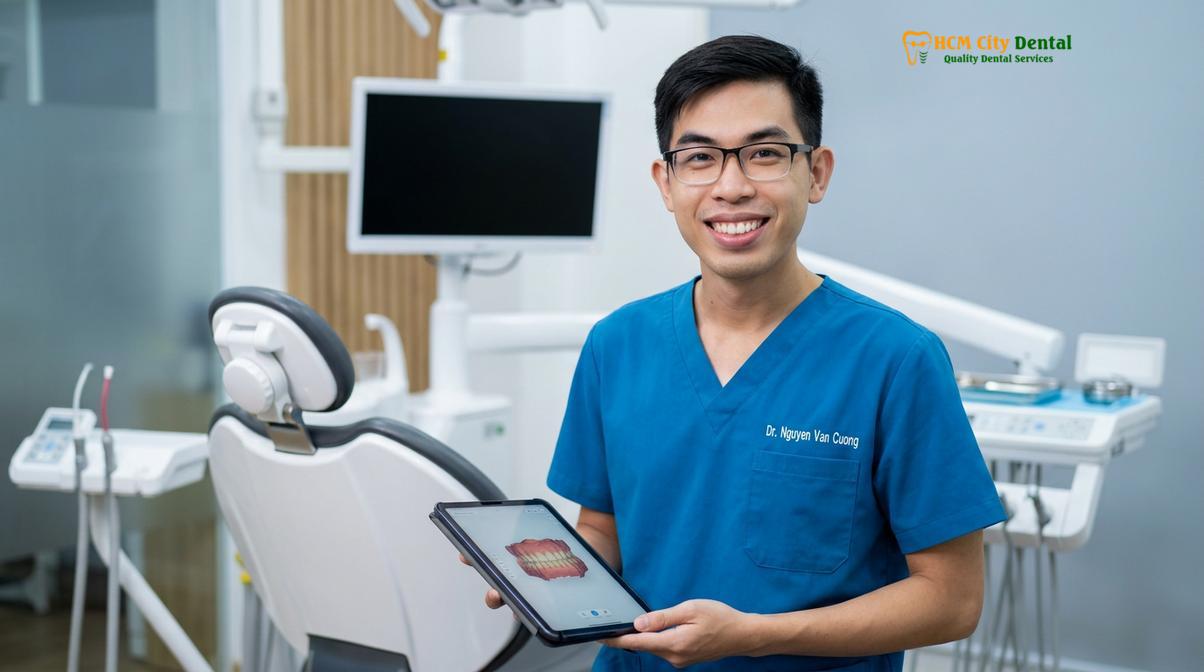
A dedicated clinical coordinator acts as the bridge between the medical and financial aspects of your care. They ensure that your payment schedule accurately reflects your personalized treatment plan, providing a stress-free environment where the primary focus remains entirely on achieving optimal oral health and a fully restored smile.
Frequently Asked Questions
Does HCMC Dental offer 0% interest installment plans?
Yes, HCMC Dental Clinic provides 0% interest installment plans through partnerships with select major credit card issuers. This allows patients to divide their surgical and prosthetic costs into manageable monthly payments without incurring additional financial charges or hidden clinic fees. The availability of direct POS conversion depends on the specific bank issuing the credit card.
Can I pay with an international credit card?
Yes, international credit cards from major networks like Visa, Mastercard, and JCB are widely accepted at our clinical facilities. Patients traveling from abroad can seamlessly use their home country’s credit cards to process payments for their implantology procedures. We recommend notifying your bank prior to travel to authorize large medical transactions abroad.
How is the payment split between Trip 1 and Trip 2?
Payments are biologically staged: Trip 1 covers the surgical placement of the titanium fixture and any necessary bone grafting, while Trip 2 covers the custom abutment and final zirconia crown. This naturally divides the total cost into two separate phases. Typically, the surgical phase accounts for 60-70% of the total cost, with the remaining balance due months later during the prosthetic phase.
Are there hidden fees in medical financing online?
No, reputable clinical financing structures are entirely transparent. When coordinating your treatment plan remotely, the financial coordinator will provide a comprehensive breakdown of all surgical, material, and prosthetic costs before you commit to any payment schedule. All fees are clearly outlined in the initial treatment plan provided via secure communication channels.
Does a zero interest installment plan affect the quality of clinical materials?
Absolutely not. The financial arrangement is strictly an administrative process and has zero impact on clinical protocols. Patients utilizing installment plans receive the exact same premium titanium fixtures, sterile surgical environments, and custom-milled prosthetics as those paying upfront. Clinical excellence and material integrity are never compromised for financial structuring.
References
- Journal of Oral Implantology. Economic considerations and patient accessibility in modern implant dentistry. (2021).
- International Journal of Oral and Maxillofacial Surgery. Osseointegration timelines and staged clinical workflows. (2020).
- Clinical Implant Dentistry and Related Research. The impact of financial planning on patient acceptance of comprehensive full-arch restorations. (2019).
- Journal of Dental Research. Teledentistry and remote treatment planning for international dental patients. (2022).
- British Dental Journal. Ethical considerations in medical financing and elective dental procedures. (2018).