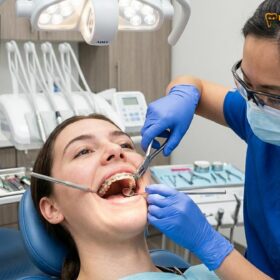
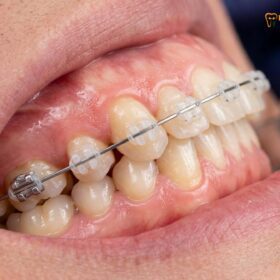
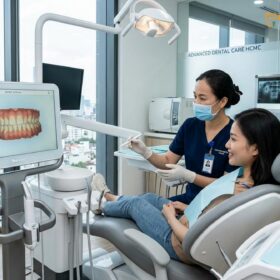
The ideal teeth whitening after braces removal timeline requires waiting 4 to 6 weeks post-debonding. This critical window allows your enamel to remineralize, stabilizes tooth sensitivity, and ensures that any transient gingival inflammation subsides before applying professional peroxide-based bleaching agents.
Clinical Summary:
Post-orthodontic teeth whitening is a highly requested cosmetic procedure, but immediate bleaching is clinically contraindicated. The mechanical removal of orthodontic brackets and residual adhesive leaves the enamel temporarily porous and highly susceptible to hypersensitivity. A mandatory 4 to 6-week waiting period facilitates natural salivary remineralization, restoring the structural integrity of the tooth surface. Furthermore, clinicians must first diagnose and address enamel decalcification—commonly known as white spot lesions—before initiating advanced therapies like Zoom LED or laser whitening. Premature application of bleaching agents can exacerbate sensitivity and result in an uneven, mottled appearance, undermining the aesthetic success of the orthodontic treatment.
Key Takeaways:
- A mandatory waiting period of 4 to 6 weeks is required after braces removal before initiating any whitening treatment.
- Natural saliva plays a crucial role in remineralizing and strengthening the enamel during this stabilization phase.
- White spot lesions (decalcification) must be medically managed prior to bleaching to prevent uneven color distribution.
- Immediate application of whitening gels drastically increases the risk of severe dentinal hypersensitivity.
- Professional in-office whitening provides safer, more predictable aesthetic outcomes compared to over-the-counter alternatives.
The Post-Braces Dream: Brightening Your Straight Smile
Achieving a perfectly aligned and brilliantly white smile is the ultimate post-orthodontic goal, but it requires a strategic, phased approach to protect compromised enamel.
The day your braces are finally removed—often referred to as debonding day—is a monumental milestone in your dental journey. After months or even years of dedicated compliance, dietary restrictions, and routine adjustments, the hardware is detached, revealing a beautifully aligned dental arch. However, the initial excitement is frequently accompanied by a secondary realization: while the teeth are now straight, their color may not meet your aesthetic expectations. The desire for Orthodontics completion to be immediately followed by cosmetic enhancement is entirely natural, yet it requires careful clinical management.
During the course of orthodontic treatment, the presence of metal or ceramic brackets creates microscopic ledges and retentive areas that harbor dental plaque. Even with meticulous oral hygiene, these physical barriers make it exceptionally difficult to remove all chromogenic (stain-causing) bacteria and food pigments. Consequently, when the brackets are removed, patients often notice a distinct contrast between the pristine enamel that was protected beneath the bracket and the surrounding areas that have accumulated extrinsic stains from coffee, tea, or chlorhexidine-based mouthwashes [1].
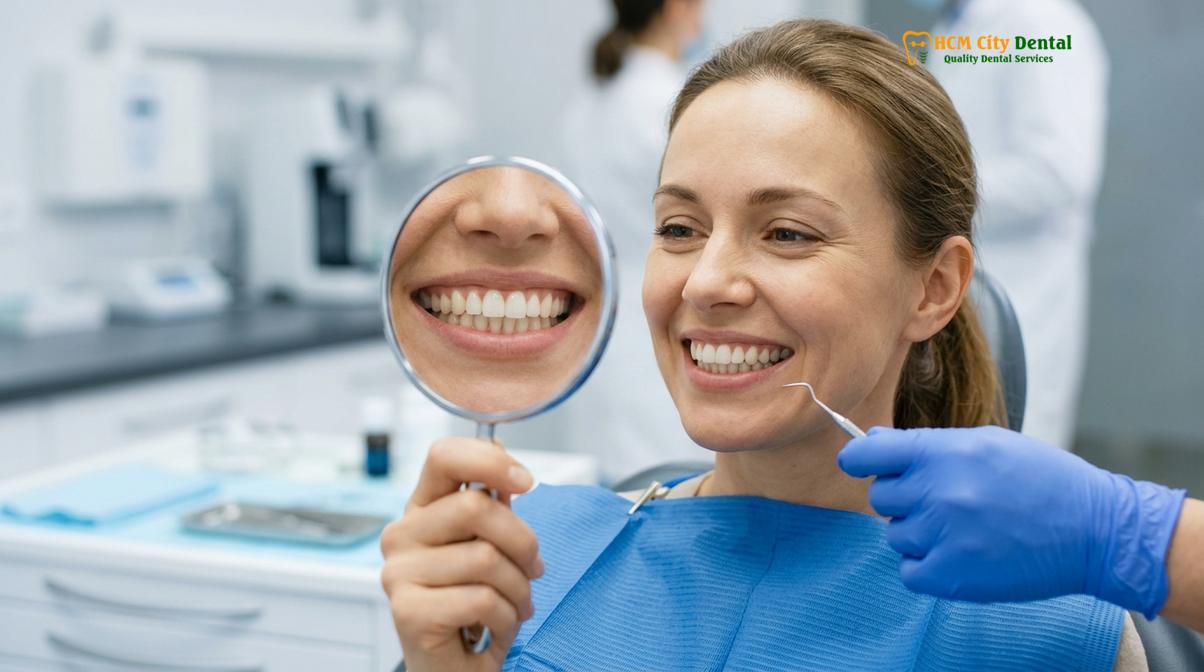
The concept of whitening teeth post braces is not merely about vanity; it is about finalizing the comprehensive rehabilitation of your smile. However, the transition from functional alignment to cosmetic perfection is not instantaneous. The mechanical process of removing the brackets and polishing away the residual composite resin adhesive inherently alters the microscopic surface of the enamel. Dr. Nguyen Van Cuong frequently advises patients that the immediate post-debonding phase is a period of vulnerability for the teeth. Rushing into a bleaching procedure without respecting the biological healing timeline can lead to severe complications, including intense pain and unsatisfactory, patchy results.
Understanding the science behind enamel recovery is the first step in achieving the flawless result you envision. By adhering to a structured clinical timeline, you ensure that the final polish of your orthodontic journey enhances your smile without compromising the long-term health and structural integrity of your teeth.
Why You Must Wait: The Enamel Stabilization Period (4-6 Weeks)
A mandatory 4 to 6-week waiting period allows natural salivary calcium and phosphate to remineralize the enamel, preventing severe sensitivity and uneven bleaching results.
The recommendation to delay whitening after braces is not an arbitrary guideline; it is deeply rooted in dental histology and the biomechanics of tooth structure. To comprehend why this waiting period is non-negotiable, one must understand exactly what happens to the tooth surface during the debonding process. When an orthodontist removes a bracket, they must also remove the strong composite resin that bonded the bracket to the tooth. This is typically achieved using specialized tungsten carbide burs and polishing discs.
The Microscopic Impact of Debonding
Despite the precision of modern dental instruments, the removal of adhesive inevitably removes a microscopic layer of the outermost enamel. This process temporarily strips away the acquired pellicle—a protective protein film derived from saliva—and exposes the underlying enamel prisms. In this state, the enamel is highly porous. The dentinal tubules, which are microscopic channels leading directly to the tooth’s nerve center (the pulp), become more susceptible to external stimuli. If a high-concentration hydrogen peroxide whitening gel is applied to this porous surface, the chemical penetrates too rapidly and deeply, triggering a sharp, shooting pain known as dentinal hypersensitivity [2].
Managing teeth sensitivity braces removal requires patience. The hydrodynamic theory of tooth sensitivity explains that fluid movement within these exposed tubules stimulates the nerve endings. Whitening agents, by their very nature, cause a temporary dehydration of the tooth structure, which exacerbates this fluid movement. Therefore, applying bleach to freshly debonded teeth is a recipe for profound discomfort.
Clinical Warning: Applying over-the-counter whitening strips or professional bleaching gels immediately after braces removal can cause acute pulpal inflammation (pulpitis) and severe, lingering pain. Always wait the prescribed 4 to 6 weeks to allow your enamel to naturally harden.
The Role of Salivary Remineralization
Fortunately, the human body possesses an extraordinary, built-in mechanism for repairing this microscopic damage: saliva. Saliva is supersaturated with calcium and phosphate ions. During the 4 to 6 weeks following braces removal, these ions continuously bathe the teeth, precipitating into the porous enamel and rebuilding its crystalline structure. This process, known as remineralization, effectively “plugs” the exposed dentinal tubules and restores the enamel’s natural density and defensive barrier [3].
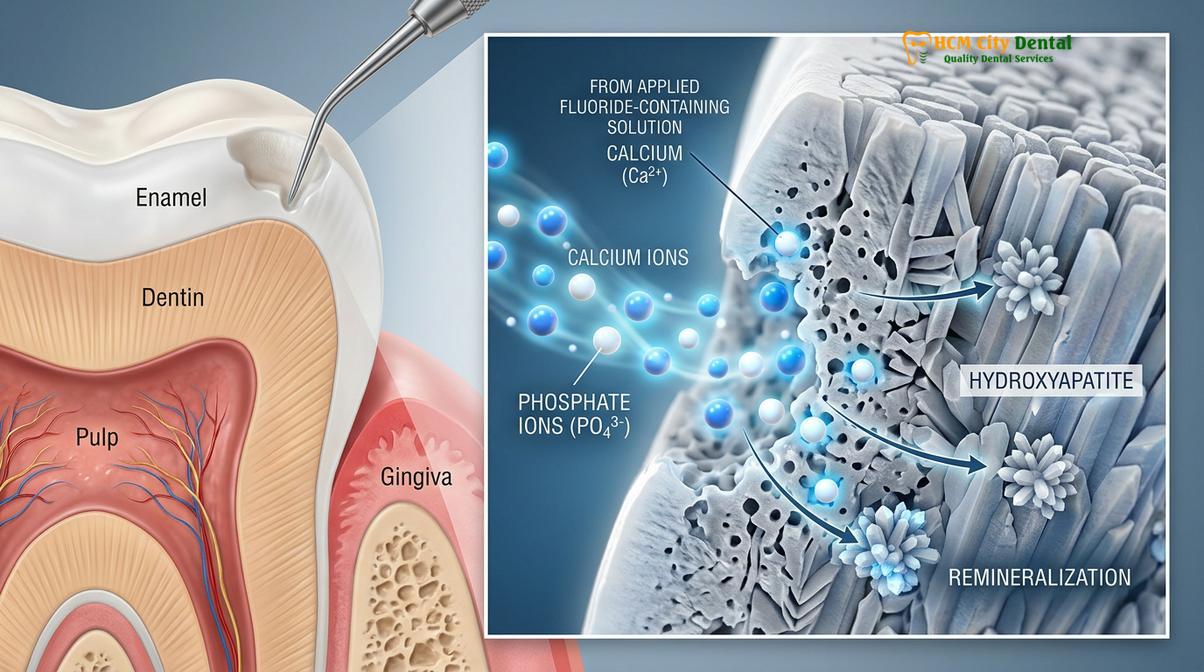
Furthermore, the gums (gingiva) often experience mild hypertrophy (swelling) and inflammation during orthodontic treatment due to the difficulty of flossing around wires. This gingivitis needs time to resolve. Whitening gels contain strong oxidizing agents that can cause chemical burns if they come into contact with inflamed, bleeding gums. The 4 to 6-week window allows the gingival tissues to shrink back to their healthy, tight contours, ensuring that the protective gingival barrier used during professional whitening can be applied effectively and safely.
“The post-orthodontic waiting period is not a delay in treatment; it is an active phase of biological healing. Salivary remineralization is the ultimate prerequisite for safe, painless, and aesthetically superior teeth whitening.”
White Spots (Decalcification): Managing Enamel Demineralization First
White spot lesions are areas of mineral loss that require targeted remineralization or resin infiltration therapies before any overall teeth whitening is attempted.
One of the most common and frustrating discoveries upon removing braces is the presence of chalky, opaque marks on the teeth, typically outlining where the brackets used to sit. These are known clinically as White Spot Lesions (WSLs). It is a widespread misconception that these spots are stains caused by the bracket glue. In reality, they are areas of enamel decalcification—the earliest stage of tooth decay.
The Pathogenesis of White Spot Lesions
During orthodontic treatment, if plaque is allowed to stagnate around the brackets, the cariogenic bacteria within the plaque metabolize dietary sugars and excrete lactic acid. This acid attacks the enamel, leaching out vital minerals (calcium and phosphate) and creating subsurface porosity while leaving the outermost surface layer relatively intact. Because this porous subsurface scatters light differently than healthy, dense enamel, it appears starkly white and opaque [4].
A critical error many patients make is assuming that whitening will blend these spots away. In fact, the opposite is true. Teeth whitening works by lightening the background color of the healthy enamel. Because the white spots are already structurally altered, they will also whiten, often at a faster rate than the surrounding tooth. The result is a heightened contrast, making the decalcification spots appear even more prominent and visually disruptive.
Clinical Protocols for Enamel Decalcification Spots Care
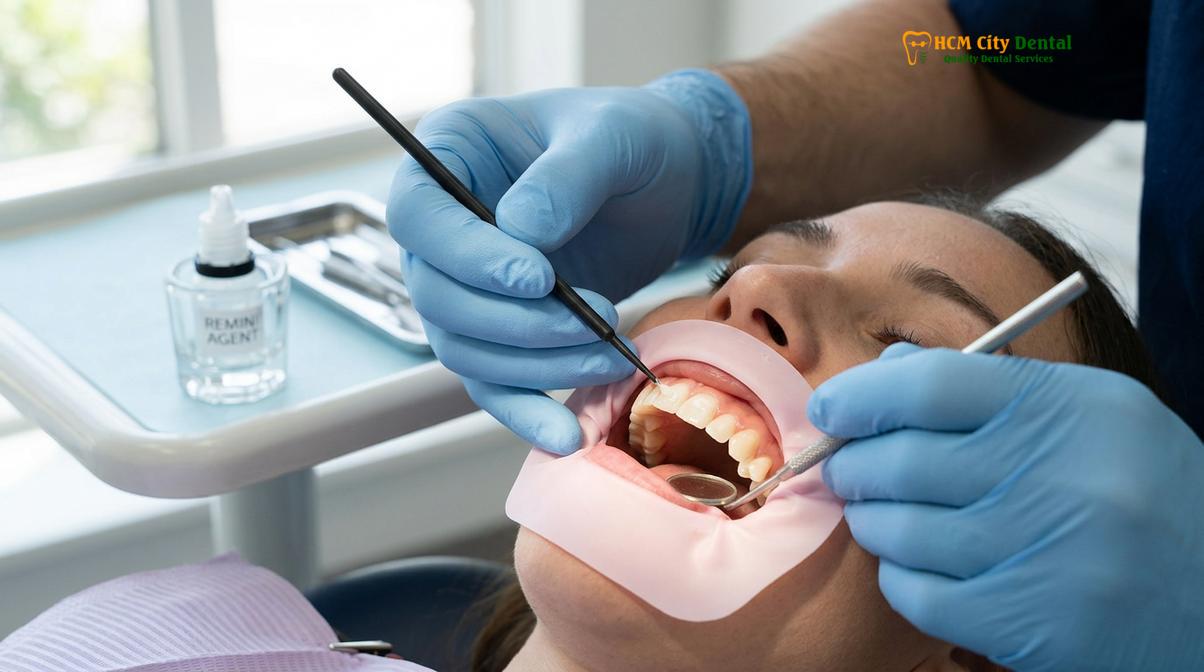
Proper enamel decalcification spots care must precede any cosmetic bleaching. At specialized clinics, the management of WSLs follows a conservative, step-wise approach:
- Enhanced Remineralization Therapy: The first line of defense involves the prescription of specialized topical pastes containing Casein Phosphopeptide-Amorphous Calcium Phosphate (CPP-ACP) or high-concentration prescription fluoride (e.g., 5000 ppm sodium fluoride). These agents drive minerals back into the porous lesions over several weeks, often reducing their opacity significantly.
- Microabrasion: If the lesions are shallow but persistent, a clinician may utilize a combination of mild hydrochloric acid and pumice to gently polish away the micro-thin layer of defective enamel, revealing the healthy structure beneath.
- Resin Infiltration (ICON Therapy): For deeper, stubborn white spots, resin infiltration is a revolutionary, minimally invasive treatment. The surface of the lesion is etched to open the pores, and a highly fluid, light-cured resin is drawn into the decalcified area via capillary action. This resin matches the refractive index of healthy enamel, effectively erasing the white spot without the need for drilling.
Only after these lesions have been stabilized and aesthetically managed should a patient proceed with overall teeth whitening. This phased approach ensures a uniform, monochromatic, and brilliant final result.
Zoom LED vs. Gentle Laser Whitening for Post-Braces Teeth
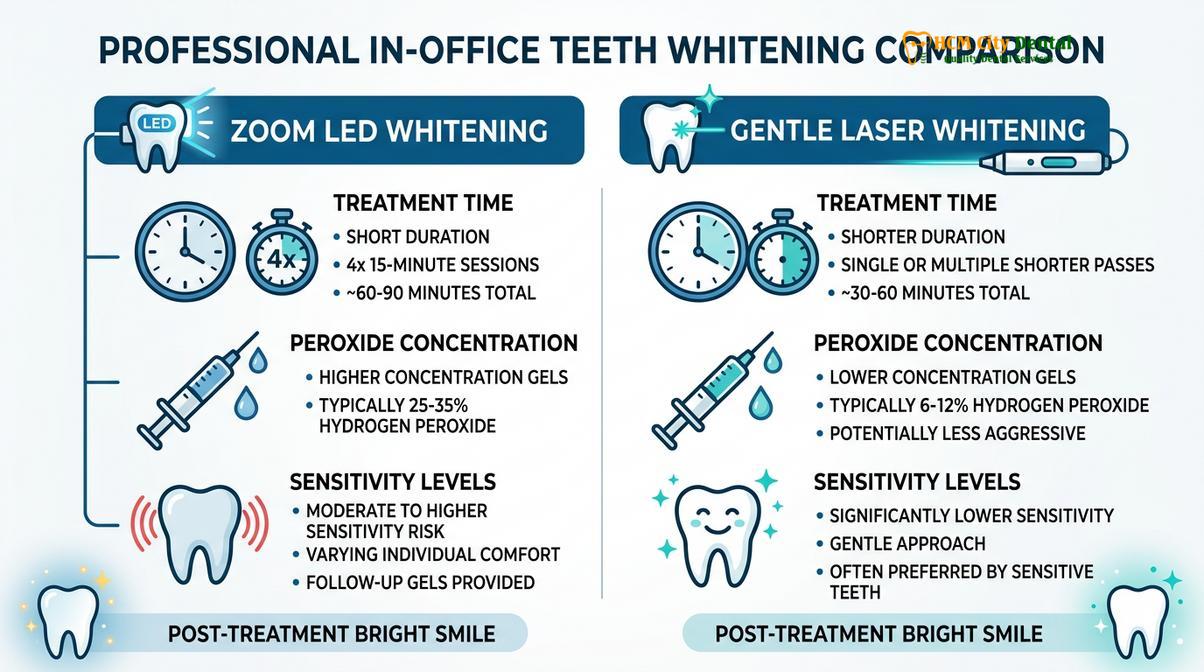
Zoom LED whitening offers rapid, comprehensive shade enhancement, while gentle laser whitening provides targeted activation with potentially lower thermal impact on sensitive post-orthodontic teeth.
Once the 4 to 6-week stabilization period has concluded and any decalcification has been addressed, the focus shifts to selecting the appropriate whitening modality. For patients who have recently completed orthodontic treatment, professional in-office whitening is strongly recommended over at-home kits. The precision of professional application ensures that the gums are protected and the bleaching agent is applied evenly, which is crucial for teeth that may still have minor surface irregularities from adhesive removal.
Two of the most prominent technologies utilized in modern cosmetic dentistry are Zoom LED whitening and Diode Laser whitening. Both methods rely on the application of a high-concentration hydrogen peroxide or carbamide peroxide gel (typically ranging from 25% to 40%), but they differ significantly in how they activate the bleaching agent.
Understanding the Activation Mechanisms
The core chemistry of teeth whitening involves the breakdown of peroxide into highly reactive free radicals (perhydroxyl anions). These radicals penetrate the enamel and dentin, where they attack and cleave the double carbon bonds of large, pigmented molecules (chromophores) that cause staining. By breaking these large molecules into smaller, colorless fragments, the tooth appears whiter [5].
Zoom LED Whitening: Post-orthodontic Zoom whitening utilizes a proprietary broad-spectrum LED (Light Emitting Diode) lamp. The Zoom gel contains a specific photo-catalyst (often iron-based) that reacts to the blue light emitted by the lamp. This reaction accelerates the breakdown of the peroxide, allowing for rapid, full-arch whitening in a single session. Zoom is highly effective for generalized, uniform staining and is a staple for patients seeking immediate, dramatic results.
Gentle Laser Whitening: Laser whitening, on the other hand, utilizes a focused beam of coherent light energy (usually a diode laser). The laser energy is absorbed by specific pigments within the whitening gel, creating localized photothermal energy that accelerates the chemical reaction. Because the laser is highly focused, the dentist can target specific teeth or specific areas of a tooth, which is particularly useful if certain teeth are darker than others post-braces. Furthermore, some clinical studies suggest that specific laser wavelengths produce less transient pulpal heating compared to broad-spectrum lamps, potentially reducing post-operative sensitivity for patients whose teeth are still recovering from orthodontic movement.
Comparative Analysis for Post-Orthodontic Patients
| Feature | Zoom LED Whitening | Gentle Laser Whitening |
|---|---|---|
| Activation Source | Broad-spectrum Blue LED Light | Focused Diode Laser Beam |
| Treatment Area | Full arch simultaneously | Targeted, tooth-by-tooth application |
| Speed of Procedure | Typically 3 to 4 fifteen-minute sessions | Variable, often faster per individual tooth |
| Sensitivity Profile | Moderate; requires careful isolation | Potentially lower thermal impact on pulp |
| Best Suited For | Uniform, generalized post-braces staining | Targeted stain removal, highly sensitive teeth |
Clinical Case Review: A 24-year-old patient visited HCMC Dental Clinic in Ho Chi Minh City seeking immediate whitening after 18 months of traditional braces. Upon examination, Dr. Nguyen Van Cuong identified mild gingival inflammation and early-stage white spot lesions on the maxillary incisors. The patient was placed on a 5-week remineralization protocol using CPP-ACP paste. Following the stabilization period, the patient underwent a customized gentle laser whitening session. The delayed, phased approach resulted in a brilliant, uniform shade improvement with zero reported post-operative sensitivity, highlighting the importance of clinical patience.
Choosing the right District 1 cosmetic dentist who understands the nuances of post-orthodontic enamel is vital. The decision between LED and laser activation should be based on a thorough clinical assessment of your enamel thickness, baseline sensitivity, and specific aesthetic goals.
Timeline Guide: From Bracket Removal to Your Brightest Smile
A structured timeline—from debonding day through the remineralization phase to the final whitening session—ensures optimal aesthetic outcomes without compromising dental health.
To navigate the transition from braces to a brilliantly white smile successfully, patients must adhere to a structured clinical timeline. This braces removal whitening timeline HCMC protocol is designed to maximize aesthetic results while strictly safeguarding the biological health of the teeth and gums. For patients who have undergone Orthodontics, understanding this step-by-step progression alleviates anxiety and sets realistic expectations.
Week 1: Debonding and Prophylaxis
The timeline begins on the day your braces are removed. The primary focus during this appointment is the safe removal of brackets and the meticulous polishing of residual adhesive. Following debonding, a comprehensive professional prophylaxis (dental cleaning) is performed. This step utilizes ultrasonic scalers and prophylactic paste to remove calculus and superficial extrinsic stains that have accumulated over the years. Patients are often surprised by how much brighter their teeth look simply from a thorough cleaning. At this stage, impressions or digital scans are also taken for your retainers. It is crucial to wear your retainers exactly as prescribed to prevent Orthodontics relapse.
Weeks 2 to 3: The Remineralization Phase
During the second and third weeks, the focus shifts entirely to biological recovery. Patients are instructed to maintain impeccable oral hygiene, utilizing soft-bristled toothbrushes and non-abrasive fluoride toothpastes. If white spot lesions were identified during week one, this is the period where prescribed remineralizing agents (like MI Paste) are applied daily. Patients may experience mild, transient sensitivity to cold foods or air during this phase; this is a normal part of the enamel’s recovery process. Dietary modifications are also recommended, specifically avoiding highly acidic foods that could hinder the remineralization process.
Weeks 4 to 6: Re-evaluation and Whitening Execution
Between the fourth and sixth week, a follow-up consultation is scheduled. The clinician will assess the gingival health, ensuring all inflammation has subsided, and evaluate the enamel’s density and sensitivity levels. If the teeth have stabilized and any decalcification has been successfully managed, the patient is cleared for professional whitening. Whether opting for Zoom LED or laser whitening, the procedure is performed under strict isolation protocols to protect the soft tissues. Following the in-office session, patients are placed on a “white diet” for 48 hours, avoiding any foods or beverages that could stain a white shirt (e.g., coffee, red wine, soy sauce), as the enamel pores remain slightly open immediately after bleaching.
“Adhering to a structured post-orthodontic timeline is the difference between a compromised, painful experience and a seamless transition to a flawless, confident smile.”
For patients who travel frequently or are Orthodontics patients managing their care internationally, coordinating this timeline with your travel schedule is essential. Similarly, understanding Orthodontics visit requirements can help you plan your final cosmetic appointments efficiently.
When to See a Doctor
While mild sensitivity is a normal part of the post-orthodontic recovery phase, certain symptoms warrant immediate professional evaluation. You should schedule an appointment with your dentist if you experience any of the following:
- Severe, Lingering Pain: If you experience sharp, shooting pain that lasts for several minutes after consuming hot or cold foods, this may indicate underlying pulpal inflammation rather than standard post-debonding sensitivity.
- Persistent Gingival Bleeding: Gums that remain swollen, red, and bleed easily when brushing more than two weeks after braces removal require clinical intervention to prevent periodontal complications.
- Pronounced White or Brown Spots: If you notice distinct, chalky white lesions or soft brown spots on your enamel that do not improve with standard hygiene, these areas of decalcification require targeted medical therapies like resin infiltration before any whitening is attempted.
- Uneven Retainer Fit: If your retainers feel excessively tight or cause pain, do not wait. Ill-fitting retainers can cause rapid shifting of the teeth, compromising your orthodontic results.
A personalized clinical examination is essential to differentiate between normal healing and conditions that require active treatment. Never attempt to self-diagnose or use over-the-counter bleaching products if you are experiencing abnormal dental discomfort.
Frequently Asked Questions
Can I get teeth whitening on the same day my braces are removed?
No, you should not get your teeth whitened on the same day your braces are removed. Immediate bleaching can cause severe dentinal hypersensitivity and uneven color distribution. A mandatory waiting period of 4 to 6 weeks is required to allow your enamel to remineralize and your gums to heal from the debonding process. Rushing this step compromises both your comfort and the aesthetic outcome.
Will whitening get rid of yellow bracket marks on my teeth?
Professional whitening can significantly reduce the appearance of yellow bracket marks caused by extrinsic staining. However, if the marks are due to structural enamel demineralization (white spot lesions), bleaching alone may exacerbate the contrast. Your dentist must evaluate the stains to determine if remineralization therapy or microabrasion is needed prior to applying any whitening agents.
Does teeth whitening hurt more after braces treatment?
Yes, teeth whitening can cause significantly more discomfort if performed immediately after braces treatment. The enamel is temporarily porous, and the underlying dentinal tubules are more exposed following the removal of orthodontic adhesive. Waiting the recommended 4 to 6 weeks allows saliva to harden the enamel, drastically reducing the risk of post-whitening sensitivity and ensuring a comfortable procedure.
Are over-the-counter whitening strips safe immediately after braces?
Over-the-counter whitening strips are not recommended immediately after braces removal. These generic strips do not adapt perfectly to the unique contours of your teeth, risking chemical burns to inflamed gums and uneven bleaching. Furthermore, the unregulated application of peroxide on freshly debonded enamel can trigger intense, prolonged tooth sensitivity that is difficult to manage at home.
How long do the results of post-braces professional whitening last?
The results of professional post-braces whitening typically last between 12 to 24 months, depending heavily on your dietary habits and oral hygiene. Consuming highly chromogenic foods like coffee, tea, or red wine will accelerate the recurrence of stains. Regular dental cleanings and occasional at-home touch-ups using custom trays can significantly extend the longevity of your brightened smile.
References
- Journal of Clinical Orthodontics. Enamel demineralization and remineralization following orthodontic treatment. (2021).
- American Journal of Orthodontics and Dentofacial Orthopedics. Management of white spot lesions post-debonding. (2020).
- Journal of Dentistry. Efficacy and sensitivity of in-office bleaching protocols on post-orthodontic enamel. (2019).
- International Journal of Dental Hygiene. Salivary pellicle formation and its role in enamel protection. (2022).
- Operative Dentistry. Resin infiltration versus microabrasion for post-orthodontic decalcification. (2018).