Comparing the Invisalign cost Vietnam vs USA reveals a stark contrast: American patients typically pay between $5,000 and $8,000, whereas the exact same authentic treatment in Vietnam ranges from $2,500 to $4,500. This price difference stems entirely from lower clinical overhead, not a reduction in material quality.
Clinical Summary:
The discrepancy between the Invisalign cost USA vs Vietnam is driven by macroeconomic factors, including clinic leasing, labor costs, and mandatory malpractice insurance premiums in North America. Clinically, the treatment remains identical: certified orthodontists in Ho Chi Minh City utilize the same iTero 3D scanners, ClinCheck software, and proprietary SmartTrack polymer aligners manufactured by Align Technology. For international patients, combining orthodontic care with dental tourism offers substantial financial savings without compromising the predictability, safety, or aesthetic outcomes of their malocclusion correction.
Key Takeaways:
- Authentic clear aligners used in Vietnam are manufactured in the exact same global facilities as those used in the United States.
- Comprehensive treatment in Ho Chi Minh City typically costs 40% to 60% less than comparable care in major US metropolitan areas.
- Digital treatment planning (ClinCheck) allows for precise, predictable tooth movements regardless of geographic location.
- International patients can often utilize out-of-network PPO dental insurance benefits by submitting standardized superbills.
- Virtual monitoring technologies enable overseas patients to progress through their aligner series with minimal return visits.
Why Invisalign is So Costly in North America
The high cost of clear aligners in the United States is primarily driven by exorbitant clinic overhead, mandatory malpractice insurance premiums, and multi-tiered laboratory shipping fees.
To understand the vast difference in the Invisalign cost USA vs Vietnam, patients must look beyond the physical plastic trays and examine the economics of modern dental practice. In North America, the clear aligner price USA is heavily inflated by the operational realities of running a specialized medical facility. Orthodontists in major cities face immense overhead costs, including premium commercial real estate leases, high salaries for registered dental hygienists and administrative staff, and substantial annual premiums for medical malpractice insurance. These fixed operational costs are inevitably passed down to the patient, forming the bulk of the comprehensive treatment fee[1].
Furthermore, the integration of advanced digital technology requires significant capital investment. Clinics must purchase and maintain expensive intraoral scanners, pay ongoing software licensing fees, and cover the laboratory costs charged directly by Align Technology. While these laboratory fees are relatively standardized globally, the markup applied by North American clinics to cover their extensive overhead results in a final price tag that can be prohibitive for many patients seeking aesthetic orthodontic correction.
“The physical materials and digital software utilized in modern clear aligner therapy account for only a fraction of the total patient fee; the majority of the cost in Western countries is directly attributable to clinical overhead and localized economic factors.”
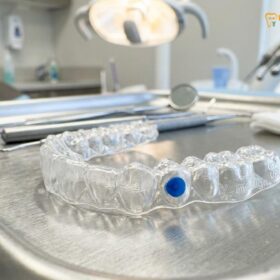
In contrast, the economic landscape in Southeast Asia allows for a much leaner operational model. Clinics in Vietnam benefit from significantly lower commercial real estate costs and highly competitive labor rates for skilled dental professionals. This reduced overhead enables certified providers to offer the exact same authentic treatment—using the identical proprietary SmartTrack polymer and ClinCheck software—at a fraction of the North American price. The quality of the medical care and the biomechanical precision of the aligners remain uncompromised, making comprehensive clear aligner therapy highly accessible for international patients.
Invisalign Pricing Breakdown: USA Cities vs Ho Chi Minh City
Patients traveling from major American metropolitan areas to Saigon can expect to save approximately 40% to 60% on their total orthodontic treatment fees.
When evaluating the financial viability of seeking orthodontic care abroad, a direct comparison of regional pricing is essential. The clear aligner price USA varies significantly depending on the state and the specific demographic of the clinic’s location. In high cost-of-living areas such as New York, Los Angeles, or San Francisco, comprehensive cases frequently exceed the upper end of the national average. Conversely, the American expat Saigon pricing model remains remarkably stable and transparent, offering a predictable fee structure for both local residents and international visitors.
The following table illustrates the estimated cost disparities for a comprehensive orthodontic case, highlighting the profound economic advantage of seeking treatment in Vietnam:
| Treatment Location | Estimated Cost (Mild/Lite Case) | Estimated Cost (Comprehensive Case) | Included Services |
|---|---|---|---|
| New York City, USA | $4,500 – $5,500 | $6,500 – $8,500+ | Scans, Aligners, Refinements, Retainers (often extra) |
| Los Angeles, USA | $4,000 – $5,000 | $6,000 – $8,000+ | Scans, Aligners, Refinements, Retainers (often extra) |
| Dallas, USA | $3,800 – $4,800 | $5,500 – $7,500 | Scans, Aligners, Refinements, Retainers (often extra) |
| Ho Chi Minh City, Vietnam | $1,800 – $2,500 | $3,500 – $4,500 | Scans, Aligners, Refinements, Vivera Retainers (often included) |
It is crucial to note that these figures represent the total clinical fee. In many US clinics, post-treatment retention—such as the fabrication of Vivera retainers or the bonding of a fixed lingual wire—is billed as a separate, additional expense. For patients exploring international retainer fabrication fees, the all-inclusive nature of many Vietnamese treatment packages provides further financial relief. The diagnostic phase, including panoramic radiographs, cephalometric imaging, and 3D intraoral scanning, is also frequently bundled into the total cost in Ho Chi Minh City, eliminating unexpected out-of-pocket expenses[2].
Go, Lite, and Comprehensive Package Prices at HCMC Dental
Treatment tiers are strictly determined by the clinical complexity of the malocclusion, dictating the number of aligner trays required to achieve optimal functional occlusion.
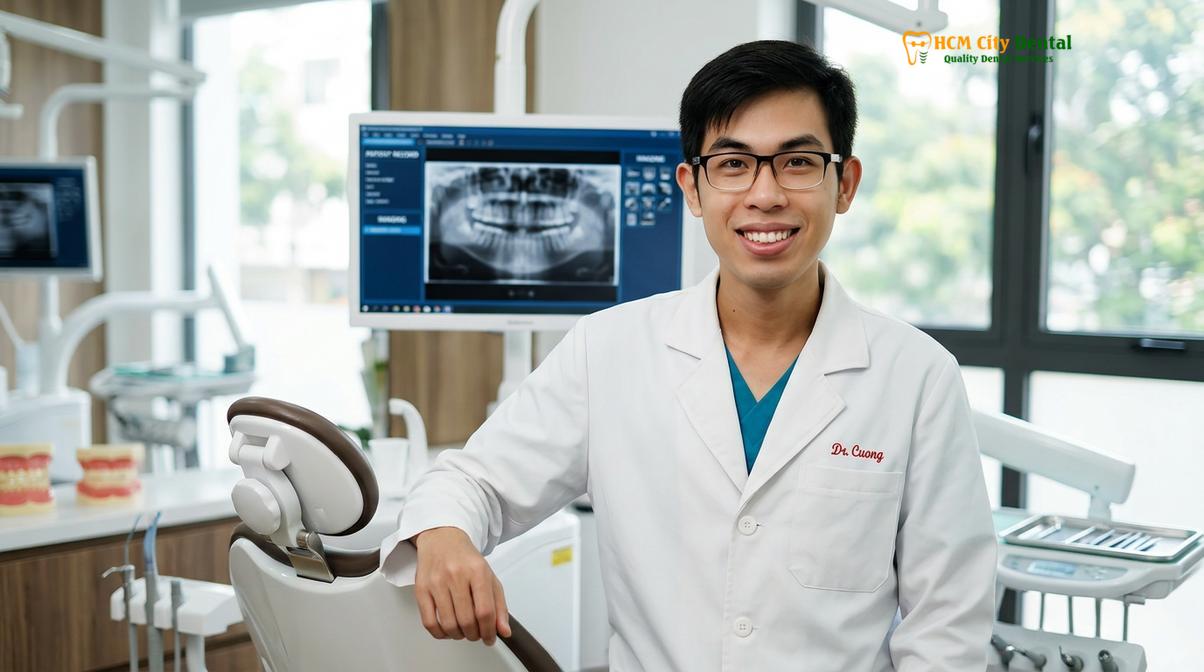
At HCMC Dental Clinic, the approach to orthodontic correction is highly individualized. Not every patient requires a comprehensive, multi-year treatment plan. Align Technology offers several distinct tiers of treatment, each designed to address specific clinical indications ranging from minor aesthetic relapses to severe skeletal discrepancies. Dr. Nguyen Van Cuong emphasizes that the selection of the appropriate package is based entirely on a thorough clinical examination, digital diagnostics, and the patient’s specific functional goals.
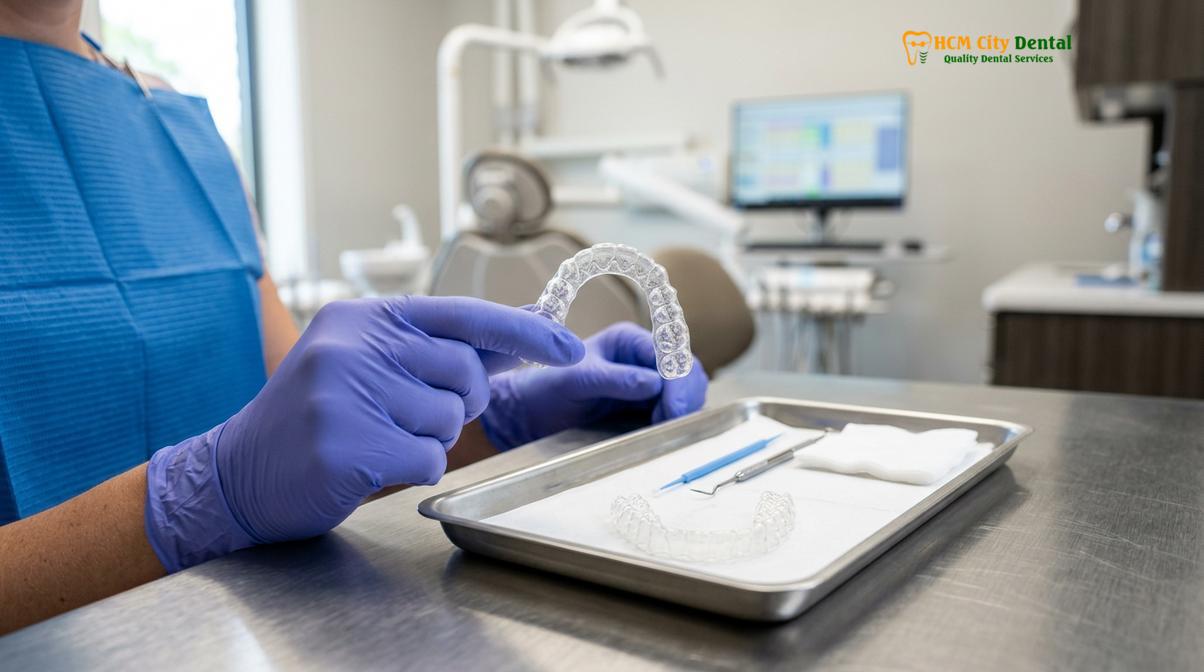
The Express or Go packages are typically indicated for very mild crowding or spacing, often utilized for patients who have experienced minor orthodontic relapse due to non-compliance with previous retention protocols. These cases usually involve fewer than 20 aligner stages and focus exclusively on the anterior teeth (the “social six”). Because the biomechanical movements are limited and the treatment duration is short, this tier represents the most cost-effective entry point into clear aligner therapy.
The Lite package is designed for moderate malocclusions, such as mild to moderate crowding, minor crossbites, or slight diastemas. This tier generally includes up to 14-26 aligner stages and typically allows for one phase of refinement scanning to ensure the final occlusion meets the digital projection. It is an excellent option for patients requiring more than cosmetic alignment but who do not possess severe bite discrepancies.
Clinical Case Review: Comprehensive Correction
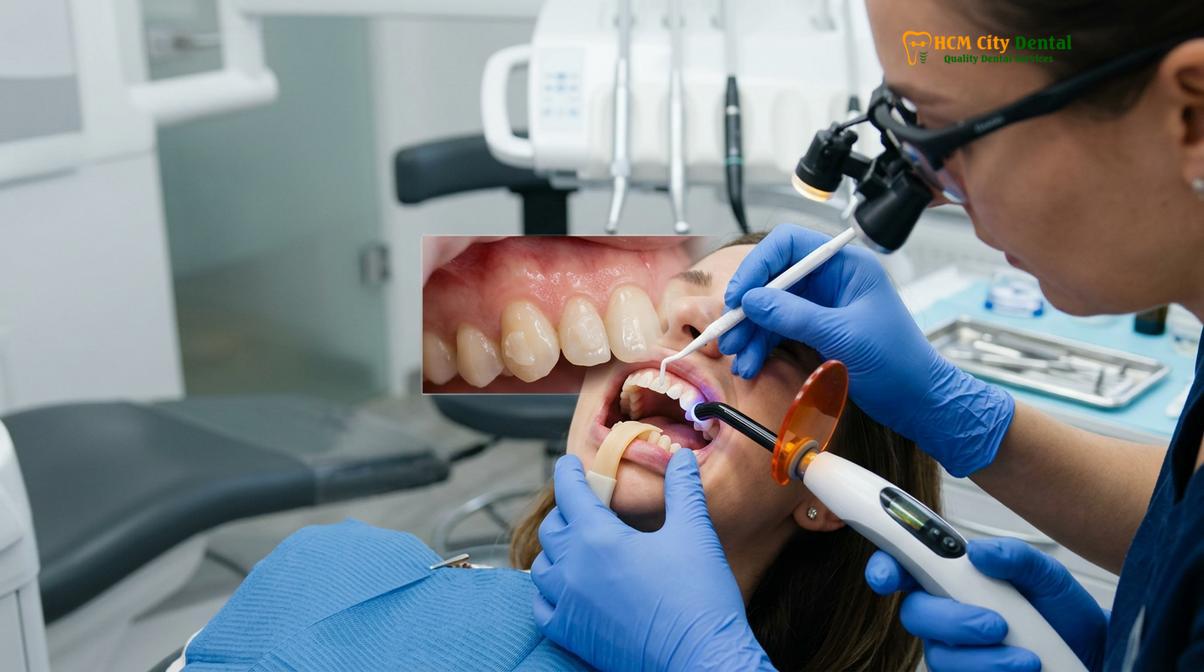
A 34-year-old patient presented to HCMC Dental Clinic with a Class II malocclusion, severe mandibular crowding, and a deep anterior overbite. After a detailed digital assessment, Dr. Nguyen Van Cuong prescribed a Comprehensive treatment plan. The protocol involved strategic interproximal reduction (IPR) to create arch space, the placement of optimized composite attachments for root control, and the use of Class II elastics. Over 18 months, the patient progressed through 42 aligner stages, achieving a stable, functional occlusion and a highly aesthetic smile, all at a fraction of the cost quoted in their home country.
The Comprehensive package is the gold standard for complex orthodontic cases. It is indicated for severe crowding, significant anteroposterior discrepancies (Class II or Class III malocclusions), deep bites, open bites, and cases requiring significant root torquing or translation. This tier provides an unlimited number of aligner trays within a specified treatment window (typically up to 5 years) and allows for multiple refinement phases. Despite being the most intensive option, the comprehensive Invisalign cost Vietnam vs USA remains drastically lower, making complex rehabilitations financially feasible for international patients[3].
Calculating Total Travel + Dental Savings for American Patients
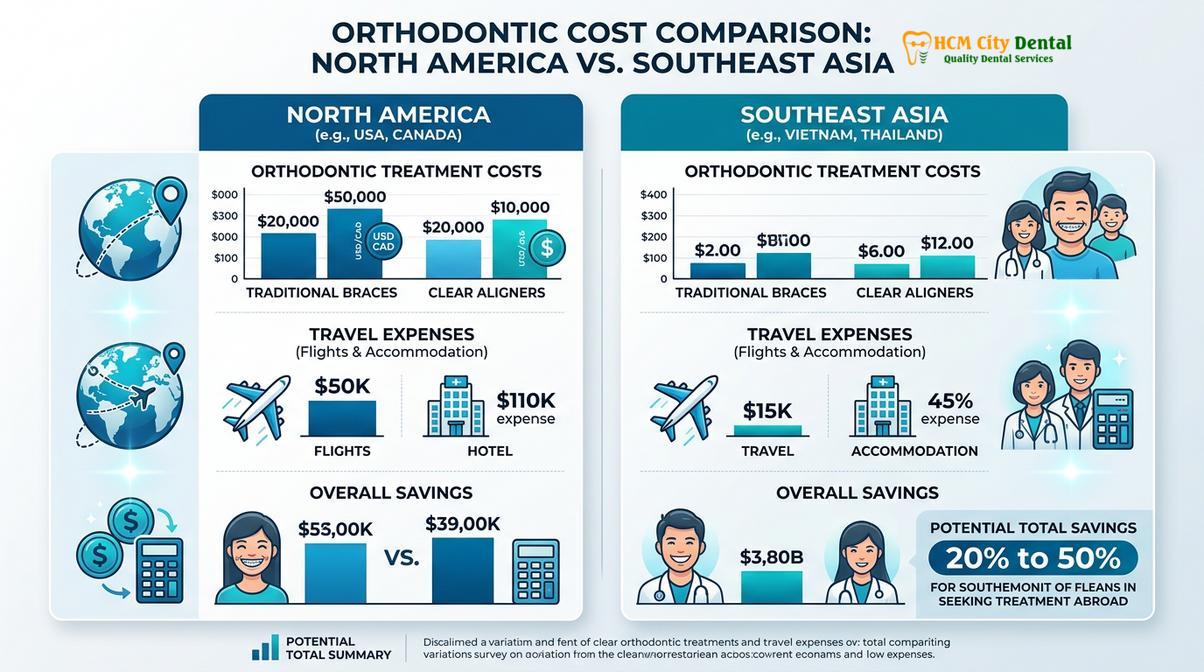
Even when factoring in international flights and premium accommodation, the net savings for comprehensive orthodontic cases often exceed several thousand dollars.
The concept of Vietnam dental travel has gained immense traction as patients realize that the cost of international logistics is easily offset by the profound savings on medical care. When calculating the true cost-benefit ratio, patients must consider the expenses associated with flights, accommodation, and local transportation. However, because orthodontic treatment requires a relatively short initial clinical chair time, patients can easily combine their medical appointments with a vacation in Southeast Asia.
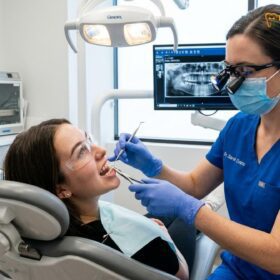
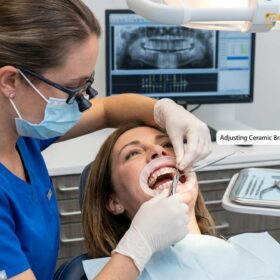
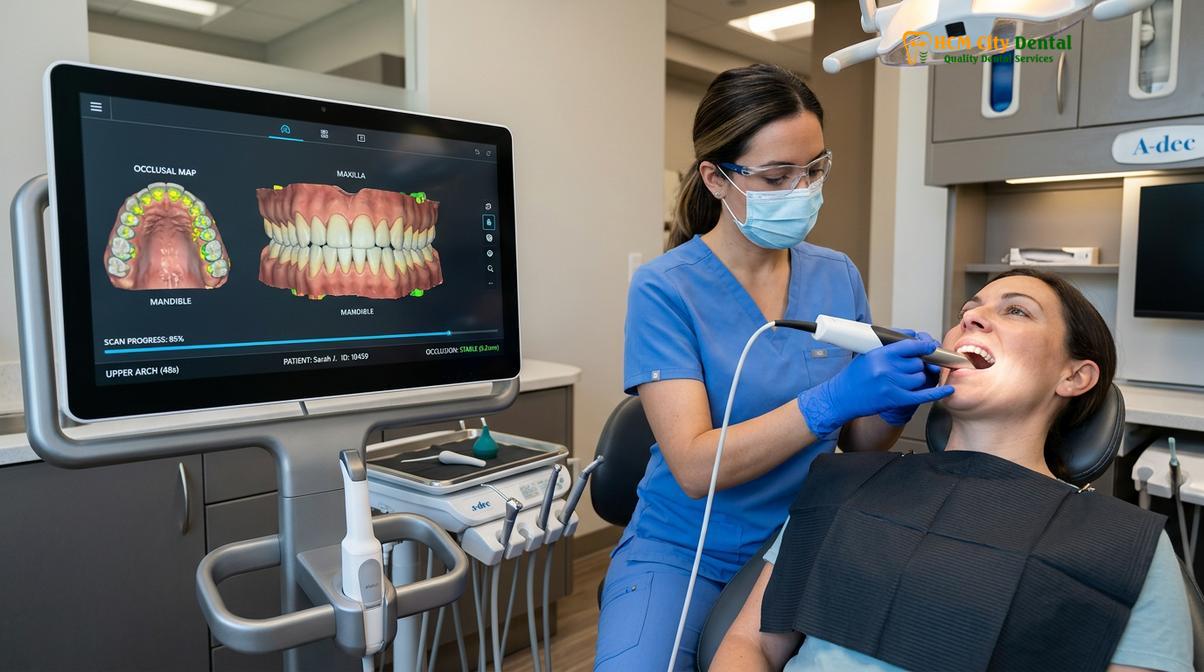
A typical workflow for an international patient involves an initial consultation where a District 1 cosmetic dentist performs a comprehensive examination, captures digital X-rays, and utilizes an iTero scanner to create a highly accurate 3D model of the dentition. This data is instantly transmitted to Align Technology to generate the ClinCheck treatment plan. Once the patient approves the digital projection, the aligners are manufactured and shipped to the clinic. The patient can either wait in Vietnam (typically 2-3 weeks) or return home and schedule a second brief visit to have the necessary composite attachments bonded to their teeth and receive their series of trays.
To maximize the value of their trip, many patients opt to undergo concurrent aesthetic or restorative procedures. For instance, pairing orthodontic alignment with a Philips Zoom whitening combo or replacing old amalgam restorations with composite resin can be completed during the waiting period for the aligners. Even with the addition of these supplementary treatments, the total expenditure rarely approaches the baseline clear aligner price USA.
Furthermore, advancements in virtual monitoring technology have revolutionized cross-border orthodontic care. Patients can use smartphone applications and specialized cheek retractors to submit weekly or bi-weekly intraoral scans to their Vietnamese orthodontist. This allows the clinical team to remotely track tooth movement, verify aligner seating, and authorize the patient to progress to the next tray without requiring physical return trips to the clinic. Should a patient lose a tray or require replacing a misplaced Vivera tray post-treatment, digital records ensure seamless fabrication and international shipping.
Expat Insurance Claims and Payment Processing in Vietnam
Many international dental insurance policies offer out-of-network reimbursement for orthodontic care completed overseas, provided the clinic supplies standardized diagnostic codes.
Navigating the financial logistics of international medical care requires an understanding of insurance reimbursement protocols. While clinics in Vietnam do not typically bill foreign insurance companies directly, many American PPO dental plans provide out-of-network benefits that can be applied to overseas treatment. This is particularly relevant for those utilizing American expat Saigon pricing, as the transparent fee structures simplify the claims process.
To facilitate reimbursement, the administrative team at HCMC Dental Clinic provides patients with a comprehensive “superbill.” This document includes the clinic’s credentials, the treating orthodontist’s information, an itemized list of clinical fees, and the corresponding Current Dental Terminology (CDT) codes (e.g., D8090 for comprehensive orthodontic treatment of the adult dentition). Patients submit this superbill, along with their pre-treatment and post-treatment digital records, directly to their insurance provider for processing[4].
Important Insurance Consideration: Always contact your dental insurance provider prior to commencing treatment abroad to verify your out-of-network orthodontic benefits, lifetime maximums, and any requirements for pre-authorization or specific diagnostic documentation.
Payment processing in Vietnam is highly accommodating to international patients. Major credit cards (Visa, MasterCard, American Express) are universally accepted at reputable clinics, though patients should be aware of potential foreign transaction fees imposed by their home banks. Some clinics also offer phased payment plans, allowing patients to pay a deposit during the initial scanning phase and the remaining balance upon the delivery of the aligners. This flexibility, combined with the inherently lower Invisalign cost USA vs Vietnam, significantly reduces the financial barrier to achieving a healthy, aligned smile.
When to Consult an Orthodontist for Clear Aligners
Determining candidacy for clear aligner therapy requires a comprehensive professional assessment; it is not a decision that can be made based solely on aesthetic desires. Patients should seek a consultation if they experience clinical signs of malocclusion, such as difficulty chewing, chronic jaw pain, uneven wear on the enamel, or persistent periodontal issues caused by crowded teeth that are difficult to clean. Dr. Cuong advises that while clear aligners are highly versatile, they are a medical device that must be prescribed and monitored by a qualified professional.
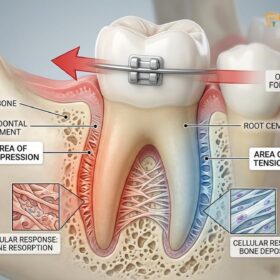
During the consultation, the orthodontist will evaluate the periodontal health, the integrity of the temporomandibular joint (TMJ), and the skeletal relationship of the maxilla and mandible. Contraindications for clear aligners may include severe skeletal discrepancies requiring orthognathic surgery, active periodontal disease, or insufficient clinical crown height for aligner retention. If a patient is deemed a suitable candidate, the digital planning phase will map out the precise biomechanical forces required to achieve the desired outcome safely and predictably[5].
“Orthodontic treatment is fundamentally a biomechanical intervention that alters the structural foundation of the oral cavity. Proper diagnostic imaging and expert clinical oversight are non-negotiable for ensuring long-term stability and periodontal health.”
For patients who have previously completed orthodontic treatment but have suffered relapse, clear aligners offer a discreet and efficient method for re-alignment. Following any corrective phase, strict adherence to a retention protocol is mandatory. Whether utilizing removable clear retainers or repairing a bonded lingual wire, maintaining the new occlusal relationship is critical to protecting the investment made in your dental health. Patients are encouraged to discuss their retention options and post-orthodontic retention expenses during their initial consultation to ensure a comprehensive understanding of the lifelong commitment to their smile.
If you are considering traveling for orthodontic care and wish to explore the benefits of the Invisalign cost Vietnam vs USA, contact the specialized team at HCMC Dental Clinic in Ho Chi Minh City to schedule a comprehensive digital assessment and begin your journey toward optimal oral health.
Frequently Asked Questions
Why is Invisalign so much cheaper in Vietnam?
The price difference is entirely due to lower operational overhead, reduced clinic leasing costs, and lower local labor rates in Vietnam. The actual SmartTrack aligner material, iTero digital scanning technology, and ClinCheck software used by certified providers remain exactly the same globally. Because the clinic’s fixed costs are significantly lower, they can offer the authentic treatment at a highly competitive rate without compromising clinical quality.
Is the Invisalign aligner plastic identical to what is used in the US?
Yes, all authentic Invisalign aligners are manufactured in the exact same centralized Align Technology facilities regardless of where the patient is treated. The proprietary SmartTrack polymer and the 3D-printed precision of the trays are identical whether you receive them in North America or Southeast Asia. The geographic location of your orthodontist only affects the clinical fee, not the physical product.
Can I use my US dental insurance in Saigon?
Many American PPO dental insurance plans offer out-of-network reimbursement for international orthodontic care. Patients must pay upfront at the clinic, after which the administrative team provides a detailed superbill with standard CDT codes and diagnostic records to submit for direct reimbursement. It is highly recommended to verify your specific out-of-network benefits and lifetime orthodontic maximums prior to traveling.
How many trips to Vietnam are required for full treatment?
Most international patients require at least two visits: an initial consultation for 3D scanning and treatment planning, followed by a second visit a few weeks later to bond composite attachments and receive the aligner trays. Subsequent monitoring can often be managed virtually using smartphone applications, allowing patients to progress through their treatment from their home country with minimal disruption.
What happens if I need a refinement scan but I am back in the US?
If mid-course corrections or final refinements are necessary, patients can either return to Vietnam or transfer their Invisalign case to a local US provider. Case transfers are facilitated through the Align Technology portal, though the receiving US orthodontist will charge their own clinical fees for the remainder of the treatment. Many patients find that returning to Vietnam for a brief refinement visit remains more cost-effective than transferring the case.
References
- American Journal of Orthodontics and Dentofacial Orthopedics. Clinical effectiveness of clear aligner therapy in complex malocclusions. (2021).
- Journal of Clinical Orthodontics. Global economic analysis of orthodontic overhead and patient fees. (2020).
- International Journal of Computerized Dentistry. Accuracy of intraoral scanners in full-arch digital impressions. (2022).
- Angle Orthodontist. Biomechanical properties of thermoplastic aligner materials during clinical use. (2019).
- Journal of Dental Education. Cross-border dental care: patient motivations and clinical outcomes. (2018).