Yes, you can close a teeth gap without braces using composite bonding, porcelain veneers, or clear aligners. The ideal clinical approach depends on the diastema’s width, your bite alignment, and aesthetic goals, offering effective alternatives to traditional metal brackets.
Clinical Summary:
Closing a diastema (teeth gap) without traditional metal braces is a highly predictable procedure in modern cosmetic dentistry. Patients seeking to resolve anterior spacing have three primary clinical pathways: direct composite resin bonding, indirect porcelain veneers, and clear aligner therapy. Bonding offers an immediate, single-visit solution by sculpting tooth-colored resin onto the enamel, making it ideal for minor gaps. Porcelain veneers provide a more durable, stain-resistant alternative that simultaneously corrects tooth shape, size, and discoloration. For patients with generalized spacing or bite misalignments, clear aligners offer a non-invasive orthodontic method to physically move the teeth into proper contact without altering the natural enamel structure. A comprehensive clinical evaluation, including a bite analysis and periodontal assessment, is essential to determine the most appropriate and long-lasting treatment modality for each individual patient.
Key Takeaways:
- Composite Bonding: A fast, single-visit procedure ideal for minor gaps under 2mm, requiring no enamel removal.
- Porcelain Veneers: A durable, stain-resistant option that closes gaps while completely transforming the smile’s color and shape.
- Clear Aligners: An invisible orthodontic alternative that physically moves teeth together, preserving natural tooth structure.
- Underlying Causes: Gaps can result from genetics, a prominent labial frenum, missing teeth, or periodontal shifting.
- Retention is Crucial: If gaps are closed via orthodontic movement, lifelong retention is required to prevent relapse.
Understanding Spacing Issues: Small Gaps vs. Large Diastema
Small gaps under 2mm are easily resolved with cosmetic bonding or veneers, whereas larger diastemas or generalized spacing often require clear aligners to prevent disproportionately wide teeth.
A gap between two teeth, clinically referred to as a diastema, most commonly occurs between the upper central incisors (the two front teeth). However, spacing issues can manifest anywhere in the dental arch. Understanding the etiology—the underlying cause—of the gap is the critical first step in determining how to close it effectively without traditional braces. Attempting to mask a gap without addressing its root cause can lead to aesthetic failures or structural complications over time[1].
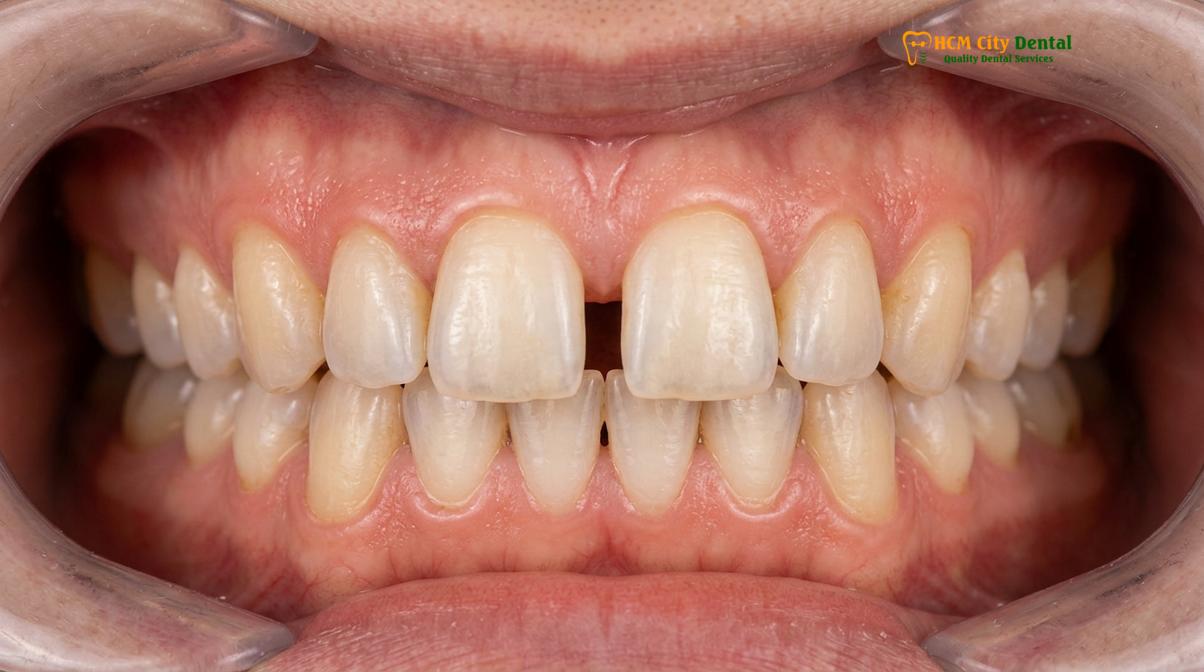
There are several anatomical and functional reasons why a diastema may develop. One of the most frequent causes is a discrepancy between the size of the jawbone and the size of the teeth. If a patient has microdontia (abnormally small teeth) housed within a standard-sized dental arch, generalized spacing will naturally occur. Another common anatomical factor is an oversized or low-attaching labial frenum. The frenum is the band of mucosal tissue extending from the inside of the upper lip to the gum tissue just above the two front teeth. If this tissue is excessively thick or attaches too low between the incisors, it acts as a physical wedge, preventing the teeth from naturally migrating together during childhood development.
Functional habits and pathological conditions also play a significant role in spacing. Childhood habits such as prolonged thumb sucking or a tongue-thrusting swallowing pattern exert continuous outward pressure on the anterior teeth, causing them to flare and separate. In adult patients, the sudden appearance of a gap is often a clinical red flag for periodontal disease. As the jawbone weakens and recedes due to chronic gum inflammation, the teeth lose their foundational support, allowing them to drift, flare, and create new spaces[2].
“Successful diastema closure requires more than just filling a space; it demands a comprehensive understanding of the patient’s occlusion, periodontal health, and facial proportions to ensure a harmonious and stable result.”
When evaluating a patient’s smile, measuring the exact width of the diastema is crucial. Small gaps are excellent candidates for restorative camouflage, such as bonding or veneers. However, if a gap exceeds 3mm, simply adding restorative material to the adjacent teeth can result in teeth that appear unnaturally wide and disproportionate to the patient’s face. In these cases of large diastemas, moving the teeth orthodontically is often the most biologically sound approach.
Porcelain Veneers: Rapid Gap Closure and Color Upgrade
Porcelain veneers provide a permanent, stain-resistant solution to close gaps while simultaneously correcting tooth shape, size, and discoloration in a matter of weeks.
For patients seeking a comprehensive smile transformation, porcelain veneers represent the gold standard in cosmetic dentistry. A veneer is an ultra-thin, custom-milled shell of ceramic material that is permanently bonded to the facial (front) surface of the tooth. When utilized as a gap fix, the ceramist designs the veneers to be slightly wider than the natural teeth, effectively bridging the empty space while maintaining ideal anatomical proportions.
The clinical workflow for porcelain veneers typically requires two to three appointments. During the initial preparation phase, the dentist carefully removes a microscopic layer of enamel—usually between 0.3mm and 0.5mm—from the front of the teeth. This minimal reduction is necessary to create space for the porcelain, ensuring the final restorations do not look bulky or unnatural. Once the teeth are prepared, highly accurate digital impressions are captured using an intraoral 3D scanner. These digital files are transmitted to a specialized dental laboratory, where master ceramists fabricate the custom veneers.
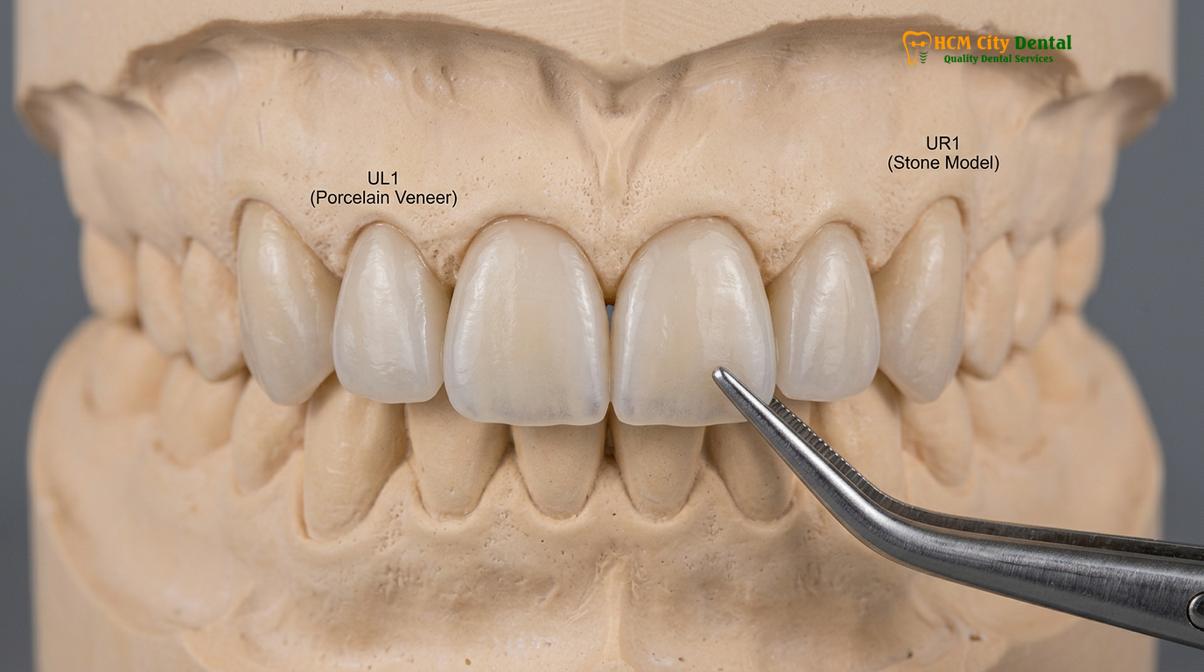
Modern dental ceramics, such as lithium disilicate and advanced feldspathic porcelain, offer unparalleled optical properties. They mimic the natural translucency, opalescence, and fluorescence of human enamel, ensuring that the restorations blend seamlessly with the surrounding dentition. Furthermore, unlike natural enamel or composite resin, high-quality dental porcelain is highly resistant to staining from coffee, tea, red wine, and tobacco, providing a long-lasting aesthetic result[3].
During the final delivery appointment, the dentist utilizes a meticulous adhesive protocol to bond the veneers to the teeth. The enamel is treated with a mild phosphoric acid etch, while the internal surface of the porcelain is treated with hydrofluoric acid and a silane coupling agent. A dual-cure or light-cure resin cement is then used to fuse the veneer to the tooth structure, creating a bond that is incredibly strong and capable of withstanding normal biting forces. This method not only closes the gap but also allows the patient to select a brighter, more uniform tooth shade, achieving a complete smile makeover.
Composite Resin Bonding: The 1-Visit Affordable Fix
Composite bonding is a non-invasive, single-visit procedure where tooth-colored resin is sculpted directly onto the teeth to close minor gaps seamlessly.
If you are looking for an immediate, conservative, and cost-effective method to close a small diastema, direct composite resin bonding is often the treatment of choice. Unlike porcelain veneers, which require laboratory fabrication and multiple visits, composite bonding is completed entirely chairside in a single appointment. This procedure is highly favored for its minimally invasive nature, as it typically requires zero removal of healthy tooth enamel.
The procedure begins with the careful isolation of the target teeth to prevent moisture contamination from saliva, which can compromise the adhesive bond. The dentist then applies a mild phosphoric acid gel to the enamel surfaces adjacent to the gap. This etching process creates microscopic porosities in the enamel, significantly increasing the surface area for mechanical retention. A liquid bonding agent is then applied and cured with a specialized ultraviolet (UV) or LED dental curing light.
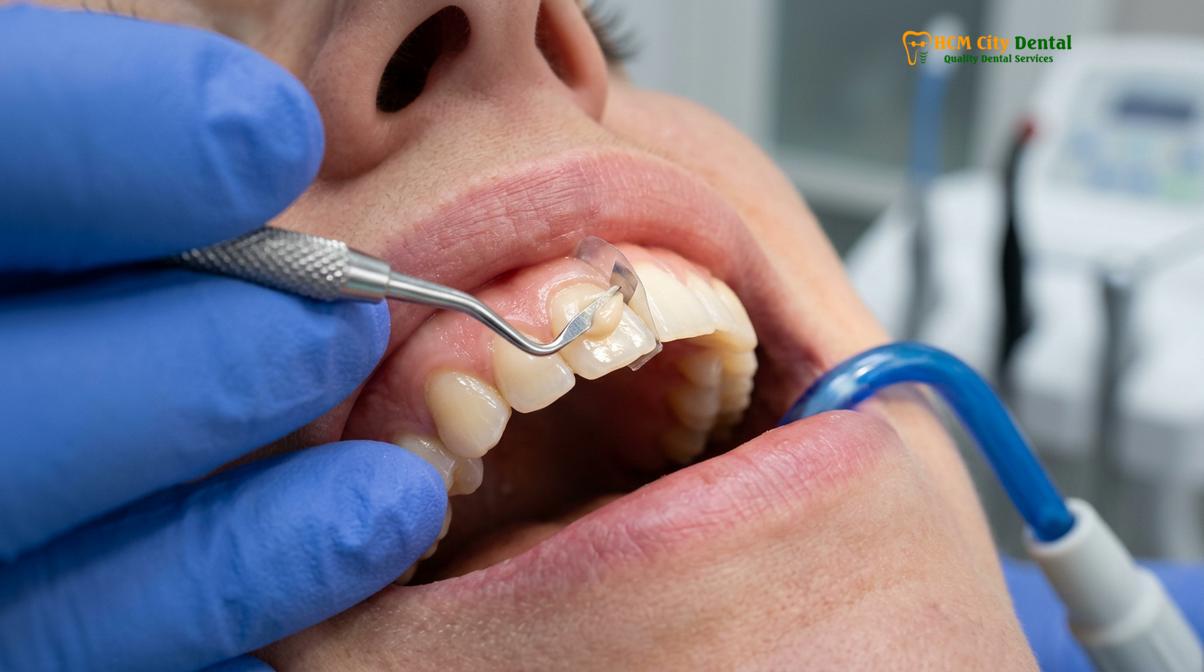
Once the adhesive layer is established, the dentist begins the artistic phase of the procedure. High-quality composite resin—a putty-like mixture of acrylic plastics and glass-like filler particles—is applied to the teeth in incremental layers. The dentist carefully sculpts the resin, widening the adjacent teeth symmetrically to close the gap. Advanced composite systems offer a variety of dentin and enamel shades, allowing the clinician to layer the material to replicate the natural depth and translucency of a real tooth[4].
Clinical Case Example: A 28-year-old patient visited HCMC Dental Clinic in Ho Chi Minh City presenting with a 1.5mm midline diastema that caused her to hide her smile in photographs. Because her overall bite was healthy and the gap was minor, the clinical team recommended direct composite bonding. Within a single 60-minute appointment, the gap was seamlessly closed using layered nano-hybrid composite resin, providing an immediate aesthetic enhancement without any need for local anesthesia or enamel drilling.
After the resin is sculpted to the ideal contour, it is hardened instantly with the curing light. The final and arguably most crucial step is the finishing and polishing phase. The dentist uses a series of fine-grit discs, rubber points, and polishing pastes to smooth the restoration, ensuring it feels completely natural against the lips and tongue. A high-gloss polish not only enhances the aesthetic integration of the bonding but also minimizes the accumulation of plaque and surface stains.
Clear Aligners: Non-Invasive Tooth Movement Alternatives
Clear aligners offer a discreet orthodontic method to physically move teeth together, closing gaps without altering the natural tooth structure or relying on metal brackets.
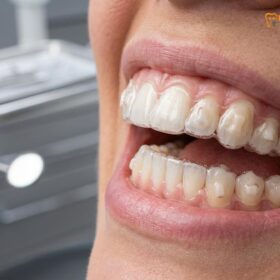
For patients who wish to close a diastema without adding artificial materials to their teeth, clear aligner therapy is the premier non-invasive solution. Closing spaces without braces has been revolutionized by systems that utilize a series of custom-fabricated, transparent plastic trays to apply controlled, continuous force to the teeth. This method is particularly advantageous for patients with multiple gaps, generalized spacing, or accompanying bite issues such as overjets or crossbites.
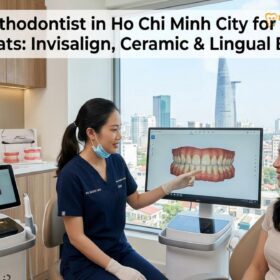
The clear aligner journey begins with a comprehensive digital assessment. Using an intraoral scanner, the dentist captures a highly precise 3D model of the patient’s current dental arches. Specialized software is then used to map out the exact trajectory of every tooth, calculating the precise movements required to close the spaces. This digital treatment plan allows the patient to visualize their final, gap-free smile before the treatment even begins.
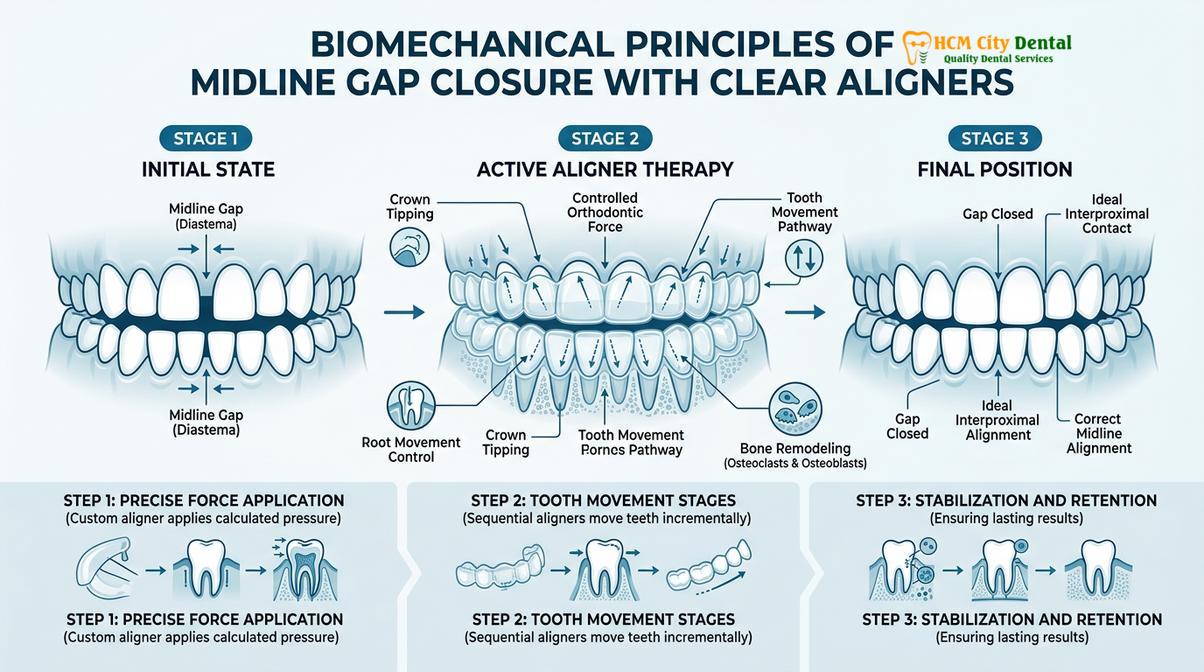
To facilitate complex tooth movements, the dentist may place small, tooth-colored composite bumps called “attachments” on specific teeth. These attachments act as microscopic handles, allowing the clear aligner trays to grip the teeth firmly and guide them into their new positions. The patient wears each set of aligners for approximately one to two weeks, for a minimum of 22 hours a day, removing them only to eat, drink, brush, and floss. Because the aligners are virtually invisible, this method is highly popular among adult professionals who wish to avoid the aesthetic disruption of traditional Orthodontics.
“The biological response of the periodontal ligament to the gentle, continuous forces applied by clear aligners allows for highly predictable space closure while maintaining optimal root health and patient comfort.”
It is crucial to understand that moving teeth is only half the battle; keeping them in their new positions is equally important. Spacing issues have a notoriously high rate of relapse, meaning the teeth will naturally try to drift back apart once the aligners are removed. Therefore, a strict retention protocol is mandatory. Patients must wear removable retainers at night, and in many cases, a permanent lingual retainer is recommended to ensure the gap remains permanently closed. If you ever experience issues with your retention hardware, understanding the process for repairing a broken fixed retainer or replacing a lost retainer is vital to protecting your orthodontic investment.
Comparison Matrix: Treatment Time, Lifespan, and Cost in Saigon
Choosing the right gap closure method requires balancing treatment duration, material longevity, and financial investment tailored to your specific clinical needs.
When evaluating your options for aesthetic gap closure, it is helpful to compare the three primary non-braces methods side-by-side. The right choice depends heavily on your budget, your timeline, and whether you are willing to alter your natural tooth structure.
| Treatment Method | Treatment Time | Expected Lifespan | Enamel Removal | Best Suited For |
|---|---|---|---|---|
| Composite Bonding | 1 Visit (30-60 mins) | 5 to 7 years | None (Non-invasive) | Small gaps (<2mm), budget-conscious patients, immediate results. |
| Porcelain Veneers | 2-3 Visits (2-3 weeks) | 10 to 15+ years | Minimal (0.3mm – 0.5mm) | Moderate gaps, patients desiring permanent color/shape changes. |
| Clear Aligners | 3 to 12+ months | Permanent (with retainers) | None (Orthodontic) | Large gaps, multiple spaces, bite misalignments, preserving natural teeth. |
Cost considerations also play a significant role. Composite bonding is generally the most affordable upfront option, making it highly accessible. Porcelain veneers require a higher initial investment due to the laboratory fabrication and premium ceramic materials, but their longevity often makes them cost-effective over a lifetime. Clear aligners represent a moderate to high investment, similar to traditional braces, but offer the benefit of preserving your natural teeth. For patients traveling or living abroad, comparing post-treatment maintenance costs is also useful, such as evaluating retainer costs in Vietnam compared to Korea, analyzing retainer pricing in Vietnam versus Japan, looking at the cost of retainers in Vietnam compared to Canada, or checking the retainer cost in Vietnam versus New Zealand to ensure long-term affordability.
When to See a Doctor for Diastema Closure
Clinical Warning: If a gap between your teeth appears suddenly or widens rapidly, it may indicate active periodontal disease or occlusal trauma. Cosmetic closure should never be attempted until the underlying infection or instability is medically resolved by a dental professional.
While many teeth gaps are purely cosmetic concerns, certain clinical presentations require professional medical evaluation before any aesthetic treatment is attempted. You should schedule a comprehensive examination with a qualified dental professional if you notice any red flags associated with your diastema. Bone loss reduces the foundational support of the teeth, causing them to flare and separate. In such cases, closing the gap cosmetically without treating the gum infection will lead to premature failure of the restoration and potential tooth loss. The Vietnam Odonto-Stomatology Association (VOSA) provides strict national clinical guidelines emphasizing that non-invasive gap closure must only proceed after periodontal health is fully stabilized[5].
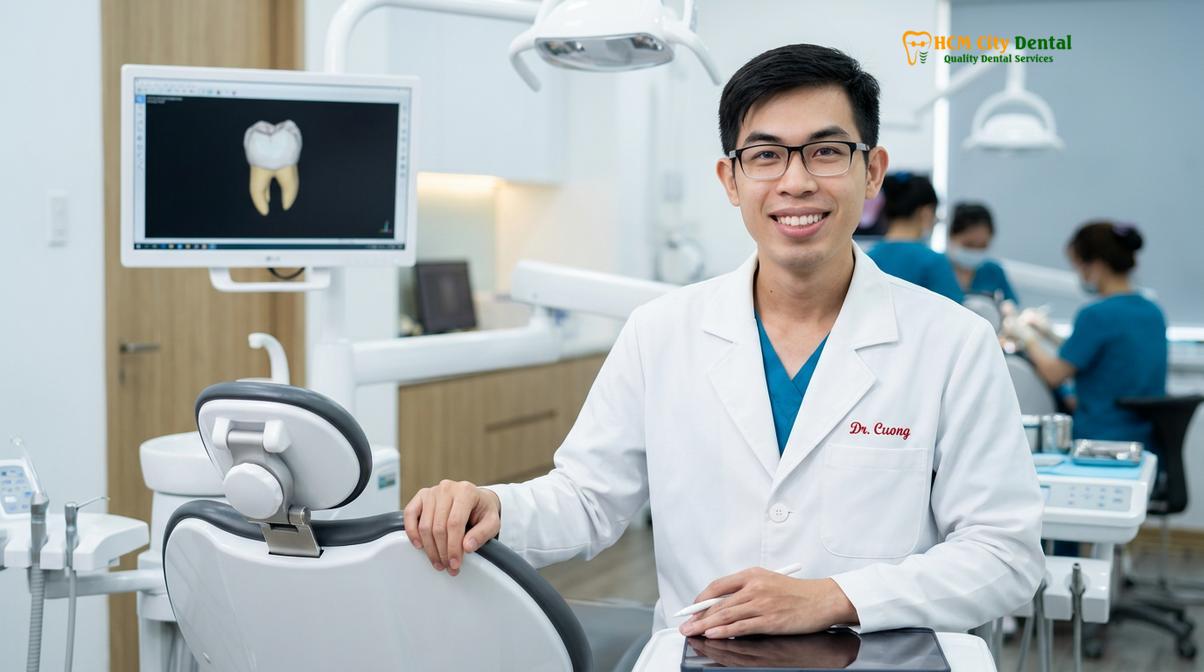
Dr. Nguyen Van Cuong, a leading cosmetic dentist at HCMC Dental Clinic in Saigon, emphasizes that a thorough clinical evaluation is mandatory before attempting any gap closure. Dr. Cuong routinely assesses patients for underlying periodontal instability or occlusal trauma that could compromise aesthetic restorations. His conservative approach ensures that whether you choose bonding, veneers, or aligners, the foundation of your smile remains healthy and structurally sound.
If you are considering non-invasive gap closure, schedule a consultation at HCMC Dental Clinic in Ho Chi Minh City to explore your options, including Orthodontics and restorative treatments tailored to your unique smile.
References
- Journal of the American Dental Association. Etiology and management of the maxillary midline diastema.
- Journal of Esthetic and Restorative Dentistry. Direct composite resin restorations for diastema closure: Clinical techniques.
- International Journal of Periodontics and Restorative Dentistry. The role of the labial frenum in midline spacing.
- American Journal of Orthodontics and Dentofacial Orthopedics. Clear aligner therapy for anterior spacing resolution.
- Vietnam Odonto-Stomatology Association (VOSA). National clinical guidelines on aesthetic restorative dentistry and non-invasive gap closure.
For pricing, booking, and a free clinical assessment, visit our Dental Braces & Orthodontics service page at HCMC Dental Clinic in Ho Chi Minh City.