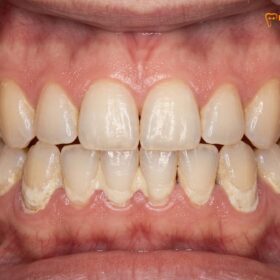
A same day dental cleaning tourist Saigon service provides international travelers with immediate, professional plaque and calculus removal without long wait times. This express treatment ensures optimal oral hygiene, prevents gingival inflammation, and fits seamlessly into a short travel itinerary in Ho Chi Minh City.
Clinical Summary:
For international visitors, securing a same day dental cleaning tourist Saigon appointment offers a clinically effective solution to maintain periodontal health while traveling. The procedure utilizes advanced ultrasonic scaling and professional prophylaxis to eradicate supragingival calculus and bacterial biofilm. HCMC Dental Clinic implements strict cross-infection controls and provides comprehensive diagnostic checkups alongside the cleaning. This streamlined clinical workflow accommodates tight travel schedules while delivering international-standard preventive care, complete with itemized medical invoices designed for seamless travel insurance reimbursement.
Key Takeaways:
- Ultrasonic scaling efficiently removes hardened calculus and bacterial biofilm in a single, time-optimized visit.
- Same-day appointments accommodate tight travel itineraries without compromising rigorous clinical standards.
- Strict Class B sterilization protocols ensure absolute safety against cross-contamination and infectious agents.
- Comprehensive periodontal probing and digital diagnostics are systematically included in the standard checkup.
- Itemized medical invoices with international dental codes facilitate seamless travel insurance claims for tourists.
The Rise of Quick Dental Cleanings for Saigon Travelers
The demand for quick dental cleanings among Saigon travelers stems from the combination of highly skilled English-speaking practitioners, advanced ultrasonic technology, and the convenience of immediate preventive care during short layovers or vacations.
In recent years, Ho Chi Minh City has emerged as a premier destination for medical and dental tourism. While many international patients travel for complex restorative procedures such as implants or full-mouth rehabilitations, there is a rapidly growing demographic of visitors seeking routine preventive care. The concept of tourist dental scaling has gained immense popularity due to the high standard of clinical care available at a fraction of the cost compared to Western nations. Travelers often find themselves with a few spare hours in their itinerary, making it an opportune moment to address their oral hygiene needs without the weeks-long waiting periods typical in their home countries.
From a clinical perspective, travel itself can precipitate acute oral health issues. Long-haul flights frequently cause systemic dehydration, which subsequently reduces salivary flow—a condition known as xerostomia. Saliva plays a critical role in buffering oral acids and mechanically washing away food debris. When salivary flow decreases, the oral environment becomes highly conducive to the rapid proliferation of cariogenic bacteria and the accelerated mineralization of plaque into calculus. Furthermore, travelers often experience significant dietary shifts, consuming higher amounts of fermentable carbohydrates and acidic beverages, which further exacerbates the risk of gingival inflammation and enamel demineralization[1].
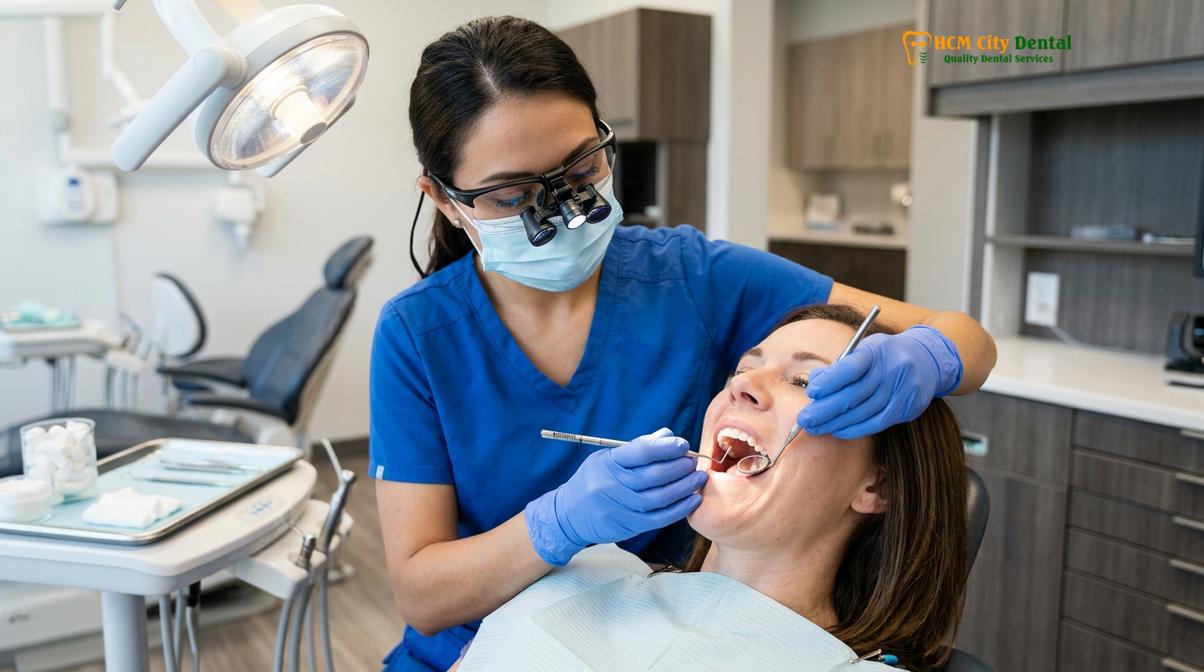
Dr. Nguyen Van Cuong, a leading specialist at HCMC Dental Clinic, frequently observes that international patients present with transient gingivitis directly correlated to their travel habits. “The disruption of normal oral hygiene routines, combined with travel-induced dehydration, often leads to localized gingival bleeding and halitosis,” notes Dr. Cuong. By accessing immediate preventive care, patients can halt the progression of these acute inflammatory responses before they develop into more severe periodontal conditions. The availability of high-quality, on-demand dental services ensures that tourists can maintain their oral health seamlessly while exploring Vietnam.
Moreover, the modern dental infrastructure in Ho Chi Minh City is specifically tailored to meet the expectations of international clientele. Clinics are equipped with state-of-the-art diagnostic imaging, ergonomic dental units, and utilize globally recognized dental materials. This commitment to excellence ensures that a routine prophylaxis performed in Saigon meets or exceeds the clinical standards established by international dental boards, providing travelers with both exceptional clinical outcomes and profound peace of mind.
Same-Day Checkup and Scaling: What is Included
A comprehensive same-day checkup and scaling includes a detailed oral examination, ultrasonic calculus removal, periodontal pocket measurement, and professional polishing to restore enamel smoothness and gingival health.
When a patient books a same day checkup clean, the appointment encompasses far more than a simple aesthetic polish. It is a rigorous, medically driven procedure designed to assess, diagnose, and treat the foundational structures of the oral cavity. The clinical workflow begins with a comprehensive extraoral and intraoral examination. The clinician evaluates the temporomandibular joint (TMJ), palpates the cervical lymph nodes for any signs of lymphadenopathy, and conducts a thorough oral cancer screening by examining the mucosal tissues, tongue, and floor of the mouth.
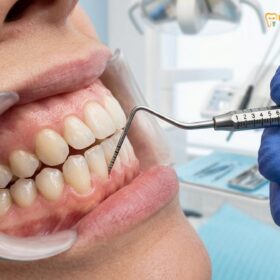
Following the soft tissue examination, the dentist performs detailed periodontal probing. Using a calibrated periodontal probe, the clinician measures the depth of the gingival sulcus around each tooth. Healthy sulcular depths typically range from 1 to 3 millimeters. Depths of 4 millimeters or greater indicate the presence of periodontal pockets, signifying attachment loss and underlying periodontal disease. This diagnostic step is crucial, as it dictates the specific type of scaling required—whether a standard supragingival prophylaxis is sufficient, or if deeper subgingival root planing is clinically indicated[2].
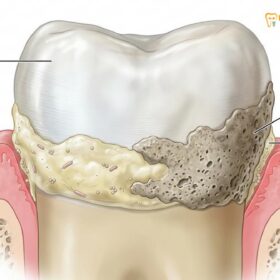
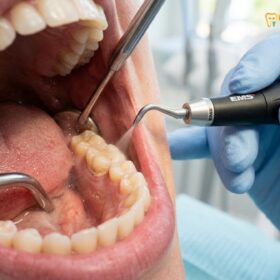
The core of the treatment involves the mechanical removal of calculus (tartar) and bacterial biofilm. Modern clinics utilize advanced ultrasonic scalers, which operate using either piezoelectric or magnetostrictive technology. These devices generate high-frequency vibrations (ranging from 25,000 to 30,000 cycles per second) that effectively shatter the crystalline structure of hardened calculus without damaging the underlying enamel or cementum. Simultaneously, the ultrasonic scaler emits a continuous stream of water coolant. This water serves a dual purpose: it prevents thermal damage to the tooth pulp by dissipating the heat generated by the vibrating tip, and it creates a phenomenon known as acoustic microstreaming and cavitation. The implosion of microscopic water bubbles disrupts the cell walls of anaerobic bacteria, effectively flushing them out of the periodontal pockets[3].
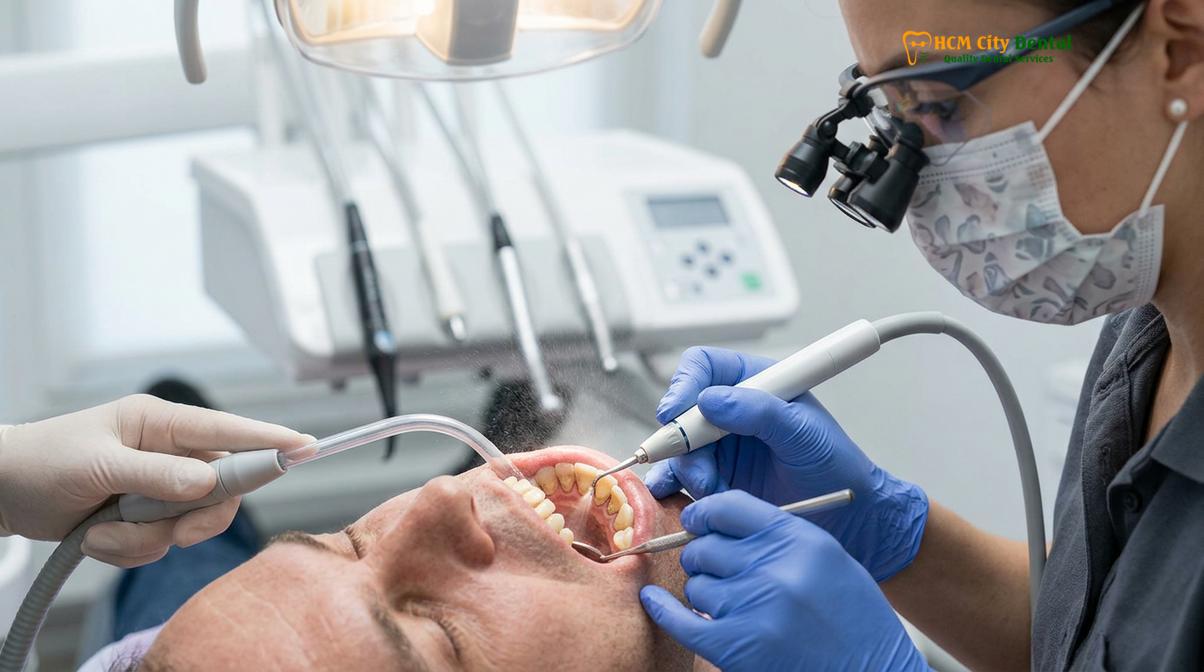
“The integration of ultrasonic scaling with acoustic cavitation not only provides superior mechanical debridement of calculus but also significantly reduces the bacterial load within the gingival sulcus, promoting rapid tissue healing and reducing inflammatory markers.”
After the ultrasonic debridement is complete, the clinician uses specialized hand instruments, such as curettes and scalers, to perform fine tactile scaling. This ensures that any residual microscopic calculus deposits, particularly in interproximal areas or along the cementoenamel junction (CEJ), are meticulously removed. The final step of the procedure is professional polishing. A slow-speed rotary handpiece equipped with a soft rubber cup is used to apply a fluoridated prophylaxis paste. These pastes come in varying grits (fine, medium, coarse) and are selected based on the extent of extrinsic staining caused by coffee, tea, or tobacco. Polishing not only removes these surface stains but also smooths the enamel surface, making it significantly more difficult for new plaque biofilm to adhere to the teeth.
| Clinical Parameter | Standard Prophylaxis (Supragingival) | Deep Scaling (Subgingival / Root Planing) |
|---|---|---|
| Target Area | Above the gumline (visible tooth structure) | Below the gumline (root surfaces) |
| Clinical Indication | Gingivitis, routine maintenance, healthy periodontium | Periodontitis, pocket depths >4mm, bone loss |
| Anesthesia Requirement | Rarely required | Local anesthesia typically required |
| Treatment Duration | 30 – 45 minutes (single visit) | 1 – 2 hours (often requires multiple visits) |
For patients requiring further restorative work, such as dental fillings for newly discovered cavities, the clinic can often accommodate these minor procedures within the same visit, ensuring that the patient’s travel schedule remains uninterrupted.
Booking Logistics: Walk-In Availability vs Online Reservations
While walk-in appointments are often accommodated through efficient clinical triage, securing an online reservation guarantees dedicated chair time and immediate access to an English-speaking dental professional upon arrival.
Navigating healthcare in a foreign country can be daunting, but the dental sector in Ho Chi Minh City has optimized its logistics to cater specifically to the needs of international visitors. For tourists seeking a Saigon walk-in dentist, many premium clinics in the central districts operate with a flexible scheduling matrix designed to absorb acute emergencies and spontaneous preventive visits. When a walk-in patient arrives, the clinical coordination team immediately initiates a triage protocol. This involves a rapid assessment of the patient’s chief complaint, a review of their medical history, and the allocation of the next available clinical operatory.
However, while walk-in availability is a significant advantage, relying solely on spontaneous visits carries inherent risks, particularly during peak tourist seasons or on weekends. Clinics may experience high patient volumes, leading to extended wait times in the reception area. To circumvent this, securing an online reservation prior to arrival is highly recommended. Modern dental facilities offer streamlined digital booking platforms, allowing patients to select their preferred date and time, communicate their specific needs, and even upload previous dental records or radiographs via secure portals.
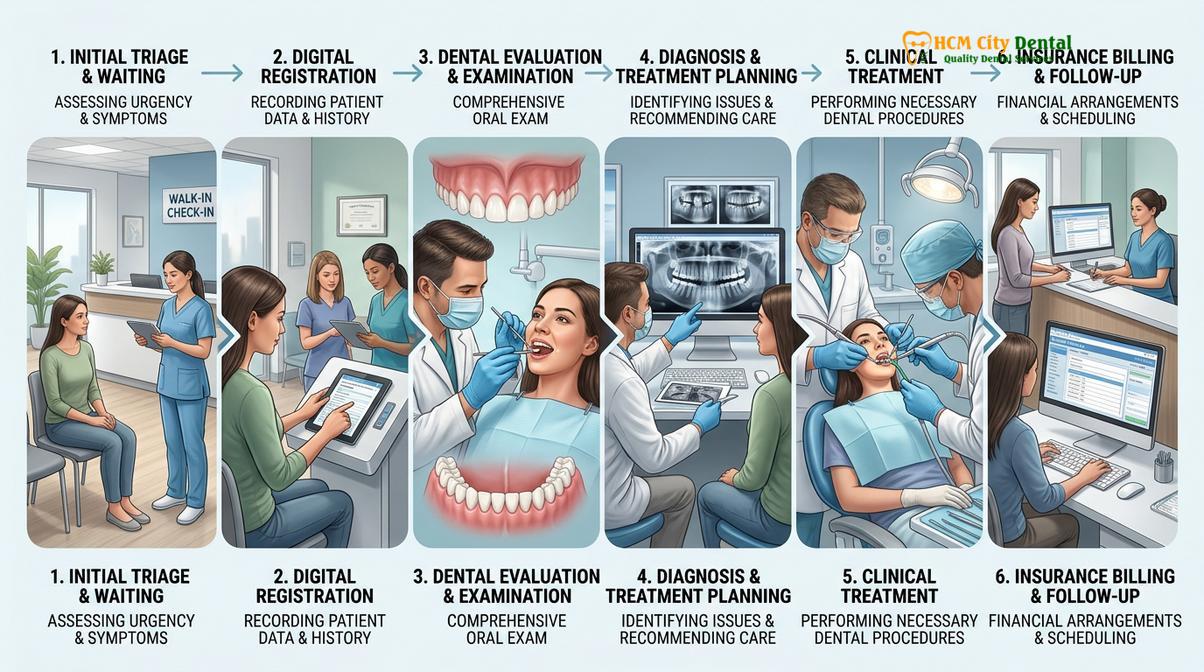
An online reservation ensures that the clinic allocates sufficient chair time for a comprehensive examination and treatment, rather than rushing the procedure to accommodate a crowded waiting room. Furthermore, pre-booking guarantees that the patient will be paired with a clinician who is fully fluent in English, eliminating any potential language barriers during the consultation. Clear communication is paramount in dentistry, particularly when discussing medical histories, potential allergies, and post-operative care instructions. By utilizing online booking systems, travelers can seamlessly integrate their dental care into their vacation itinerary, ensuring a stress-free and highly efficient clinical experience.
Safety, Sterilization, and English-Speaking Hygienists in District 1
Top-tier clinics in District 1 enforce rigorous Class B autoclave sterilization and employ fluent English-speaking hygienists to ensure flawless clinical safety and precise patient communication.
For international patients, the primary concern when seeking medical care abroad is the standard of infection control and clinical safety. Any reputable District 1 dental clinic adheres to stringent, internationally recognized sterilization protocols that mirror or exceed the guidelines set forth by the Centers for Disease Control and Prevention (CDC) and the World Health Organization (WHO). The foundation of these safety measures is the implementation of a centralized, unidirectional sterilization center within the clinic.
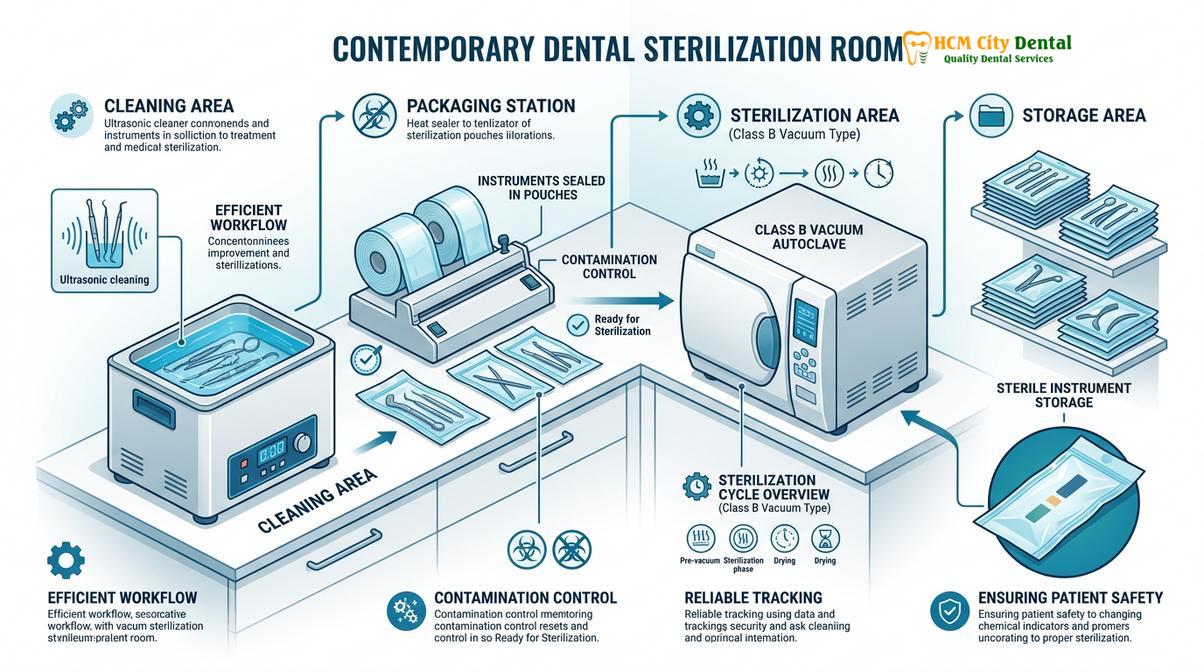
The sterilization workflow begins immediately after a procedure concludes. Contaminated instruments are transported to the sterilization room, where they undergo initial pre-cleaning in an ultrasonic bath filled with enzymatic detergents. This step breaks down bioburden, blood, and saliva at a microscopic level. Following the ultrasonic bath, the instruments are thoroughly rinsed, dried, and individually sealed in medical-grade sterilization pouches equipped with chemical indicator strips. These pouches are then subjected to sterilization in a Class B vacuum autoclave. Unlike standard autoclaves, Class B sterilizers utilize fractionated pre-vacuum technology to completely remove air from the chamber, allowing pressurized steam (typically at 134°C) to penetrate even the most complex, hollow instruments, such as dental handpieces[4].
Clinical Safety Warning: Never compromise on sterilization standards. The use of improperly sterilized dental instruments carries a severe risk of cross-contamination, including the transmission of bloodborne pathogens such as Hepatitis B, Hepatitis C, and HIV. Always ensure your chosen clinic utilizes sealed, autoclaved instrument pouches opened directly in front of you.
Dr. Nguyen Van Cuong emphasizes that clinical excellence is inextricably linked to patient safety. “At HCMC Dental Clinic, our infection control protocols are non-negotiable. Every patient deserves the absolute assurance that their treatment environment is sterile, safe, and meticulously managed,” he states. This commitment extends to the use of disposable barriers on all high-touch surfaces, single-use suction tips, and the rigorous disinfection of the dental chair between every patient.
Equally important to physical safety is the clarity of communication. Receiving treatment from an English dental hygienist or dentist ensures that patients fully understand their diagnosis and treatment options. Fluent communication allows the clinician to accurately record the patient’s medical history, including any systemic conditions, medications, or allergies that could contraindicate certain treatments. It also enables the practitioner to explain the nuances of the procedure, manage patient anxiety, and provide detailed, comprehensible post-operative instructions, thereby ensuring a safe and predictable clinical outcome.
Pricing and Payment: Cash, Cards, and Travel Insurance Invoices
Transparent pricing models allow tourists to pay via cash or international credit cards, while clinics provide standardized, itemized medical receipts necessary for successful travel insurance reimbursement.
One of the most compelling reasons travelers opt for an express teeth cleaning in Vietnam is the highly favorable cost-to-quality ratio. The pricing structure for dental procedures in Ho Chi Minh City is exceptionally transparent, with most premium clinics publishing their fee schedules openly. Patients can expect to pay significantly less for a comprehensive prophylaxis compared to the out-of-pocket costs in North America, Australia, or Europe, without any compromise on the quality of materials or the expertise of the clinicians.
Payment logistics are designed to be as frictionless as possible for international visitors. Clinics universally accept major international credit and debit cards (Visa, MasterCard, American Express) through secure point-of-sale terminals. For those who prefer to use local currency, cash payments in Vietnamese Dong (VND) are always accepted, and many clinics can provide estimated conversions for major foreign currencies to help patients understand the exact cost of their treatment.
Patient Experience: Seamless Insurance Claim
An Australian tourist visiting Ho Chi Minh City experienced sudden gingival discomfort and booked a same-day cleaning at HCMC Dental Clinic. Following a thorough ultrasonic scaling and examination, the total cost was settled via credit card. The clinic’s administrative team immediately provided a comprehensive, itemized invoice in English, complete with the treating dentist’s signature, the clinic’s official stamp, and the specific international CDT codes (e.g., D1110 for adult prophylaxis). Upon returning to Australia, the patient submitted these documents to their travel insurance provider and successfully received a full reimbursement within two weeks, highlighting the efficiency of standardized international billing.
For patients intending to claim the cost of their treatment through travel insurance or international health insurance policies, proper documentation is critical. Reputable clinics are well-versed in the administrative requirements of global insurance providers. They supply detailed medical reports and itemized invoices that include specific diagnostic codes, tooth numbers (using the FDI World Dental Federation notation or the Universal Numbering System), and a clear breakdown of the services rendered. This meticulous attention to administrative detail ensures that patients have all the necessary paperwork to facilitate a smooth and successful claims process upon returning to their home country.
When to See a Doctor: Clinical Considerations for Travelers
While routine cleanings are highly beneficial, travelers experiencing severe pain, spontaneous bleeding, or signs of acute infection must seek immediate comprehensive diagnostic evaluation rather than a simple prophylaxis.
It is crucial for patients to differentiate between the need for a routine preventive cleaning and the necessity for urgent medical intervention. A standard prophylaxis is designed to maintain a healthy periodontium and treat mild, reversible gingivitis. However, if a patient is experiencing symptoms such as spontaneous gingival bleeding, severe halitosis, purulent exudate (pus) from the gumline, or noticeable tooth mobility, these are clinical indicators of advanced periodontitis or an acute dental abscess.
In such cases, a simple supragingival cleaning is clinically insufficient and may even exacerbate the condition by masking underlying pathology. Patients presenting with these symptoms require a comprehensive diagnostic workup, including digital panoramic or periapical radiographs, to assess the extent of alveolar bone loss. Treatment for advanced periodontal disease involves deep subgingival scaling and root planing under local anesthesia, and potentially the administration of systemic or localized antibiotics[5].
“Routine prophylaxis is a preventive cornerstone, but it cannot reverse the structural damage caused by advanced periodontitis. Accurate clinical diagnosis is imperative to ensure that the treatment provided matches the severity of the underlying pathology.”
Travelers should also be aware of contraindications for certain dental procedures. Patients with a history of infective endocarditis, artificial heart valves, or recent major joint replacements may require prophylactic antibiotics prior to any dental scaling to prevent transient bacteremia from causing systemic complications. It is imperative that patients provide a complete and accurate medical history to their clinician before commencing any treatment. If you are unsure about your oral health status, scheduling a consultation for comprehensive general dentistry services at a reputable facility like HCMC Dental Clinic in Ho Chi Minh City is the safest and most effective course of action.
Frequently Asked Questions
How long does an express teeth cleaning take?
An express teeth cleaning typically takes between 30 to 45 minutes. This timeframe includes a comprehensive oral examination, ultrasonic scaling to remove calculus, and professional polishing to eliminate surface stains. The exact duration may vary slightly depending on the patient’s current level of oral hygiene and the amount of calculus buildup present. For patients who maintain regular dental visits, the procedure is swift and highly efficient.
Can I get a dental cleaning on Saturday or Sunday in Saigon?
Yes, many premium dental facilities in Ho Chi Minh City operate on weekends to accommodate travelers. It is highly recommended to contact the clinic in advance to secure a dedicated weekend time slot. Because weekends are popular for both local expatriates and tourists, pre-booking ensures that you will not experience extended wait times and that an English-speaking clinician is available for your appointment.
What if the dentist finds a cavity during the cleaning?
If a carious lesion is detected, the dentist will capture digital intraoral images and explain the clinical findings. Minor cavities can often be restored with composite fillings during the same appointment, depending on schedule availability. If the decay is extensive or requires more complex restorative work, the clinic will provide a detailed treatment plan and cost estimate, allowing you to decide whether to proceed with treatment in Vietnam or consult your local dentist upon returning home.
Is ultrasonic scaling painful for patients with sensitive teeth?
Ultrasonic scaling is generally well-tolerated, but patients with dentinal hypersensitivity may experience mild, transient discomfort. The clinician can adjust the frequency of the scaler or apply a topical desensitizing agent to ensure patient comfort. The water coolant used during the procedure also helps to soothe the tissues. If sensitivity is a known issue, informing the hygienist beforehand allows them to tailor the technique, ensuring a comfortable and pain-free experience.
Will a standard cleaning remove coffee and tobacco stains?
A standard prophylaxis effectively removes extrinsic stains caused by coffee, tea, and tobacco using specialized polishing pastes. However, intrinsic discoloration within the tooth structure requires professional chemical teeth whitening procedures. While scaling and polishing will significantly brighten your smile by removing surface debris and restoring the natural luster of the enamel, it will not change the fundamental shade of the teeth.
References
- Journal of Clinical Periodontology. Efficacy of ultrasonic scaling and root planing in periodontal therapy. (2021).
- American Dental Association (ADA). Infection control and sterilization protocols in modern dental practice. (2022).
- International Dental Journal. The impact of travel and dietary changes on acute gingival inflammation. (2020).
- Journal of Dental Hygiene. Comparative analysis of piezoelectric and magnetostrictive ultrasonic scalers. (2019).
- World Health Organization (WHO). Global guidelines for the prevention of cross-contamination in oral healthcare facilities. (2023).
For international travelers seeking reliable, high-quality preventive care, prioritizing your oral health has never been easier. To ensure your smile remains bright and healthy throughout your journey, contact our team at HCMC Dental Clinic to schedule your comprehensive evaluation and cleaning today.