A radiant, bright smile is often considered a universal symbol of health, vitality, and confidence. As cosmetic dentistry continues to advance, patients are presented with a multitude of options to enhance their dental aesthetics. Among these options, dentist take-home teeth whitening stands out as a highly predictable, safe, and effective professional cosmetic treatment. This method utilizes custom-fabricated thermoplastic trays and prescription-strength bleaching gels, offering a tailored approach that generic retail products simply cannot match. Unlike over-the-counter kits that often lead to uneven results and soft tissue irritation, this dentist-supervised method ensures precise gel application, minimizes gingival inflammation, and delivers long-lasting shade improvements entirely from the comfort and convenience of your own home.
The journey to a whiter smile involves more than just applying a gel to your teeth; it requires a comprehensive understanding of dental anatomy, the biochemistry of bleaching agents, and the importance of clinical supervision. By partnering with a dental professional, patients can navigate the whitening process safely, mitigating common side effects such as thermal sensitivity while maximizing the aesthetic outcome. This comprehensive guide explores the intricate clinical workflow, the underlying science of dental bleaching, and the essential maintenance protocols required to sustain a brilliantly white smile over time.
Clinical Summary:
Dentist-prescribed take-home whitening systems represent the gold standard for gradual, safe, and highly effective dental bleaching. By combining custom-fitted thermoplastic trays with professional-grade carbamide or hydrogen peroxide gels, patients can achieve superior aesthetic outcomes while significantly mitigating risks such as enamel degradation and chemical soft tissue burns. Clinical supervision ensures that the treatment protocol is meticulously tailored to individual enamel porosity, the presence of existing dental restorations, and specific sensitivity thresholds. This professional method provides a highly controlled oxidation process that systematically breaks down deep intrinsic stains without compromising the structural integrity of the tooth’s hydroxyapatite crystals, resulting in a naturally vibrant and enduring smile.
Key Takeaways:
- Custom-fitted thermoplastic trays prevent gel leakage, meticulously protecting delicate gum tissue from chemical irritation and burns.
- Professional dental kits utilize higher, safer, and more stable concentrations of active bleaching agents compared to generic retail products.
- The standard treatment protocol typically requires ten to fourteen days of consistent daily wear for optimal and uniform shade enhancement.
- Comprehensive pre-whitening dental cleanings are absolutely essential to remove calculus and biofilm, ensuring even gel penetration.
- Direct clinical supervision allows for the immediate and effective management of transient tooth sensitivity through customized protocols.
The Clinical Science Behind Dentist Take-Home Teeth Whitening
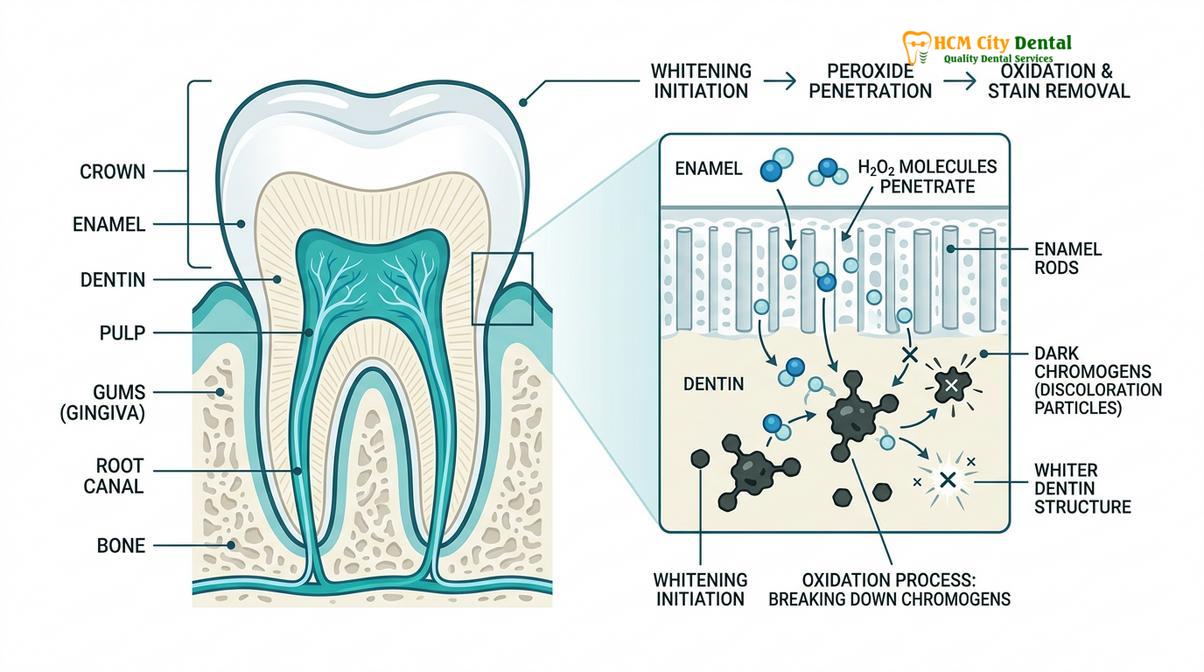
Professional take-home whitening relies on the complex oxidation of organic chromogens within the tooth structure. Active peroxide ingredients break down large, complex stain molecules into smaller, colorless compounds, effectively brightening both the enamel and the underlying dentin.
To truly appreciate the profound efficacy of a dentist take-home teeth whitening system, it is essential to understand the microscopic anatomy of the human tooth and the specific biochemical reactions that occur during the bleaching process. Human teeth are primarily composed of an outer layer of enamel, which is the hardest substance in the human body. This enamel is highly mineralized, consisting of tightly packed hydroxyapatite crystals arranged in microscopic structures known as enamel rods. Beneath this translucent enamel lies the dentin, a slightly softer, more porous, and naturally yellowish tissue that makes up the bulk of the tooth’s structure. Over time, the microscopic interprismatic spaces between the enamel rods accumulate organic pigments from daily dietary habits, including the consumption of coffee, tea, red wine, and tobacco. These deeply trapped pigmented molecules are known clinically as chromogens.
When a patient applies a professional bleaching gel via their custom-fabricated tray, the active ingredient initiates a highly specific chemical reaction. The most common active ingredients prescribed by dental professionals for at-home use are carbamide peroxide and hydrogen peroxide. Once the viscous gel contacts the tooth surface, it begins to break down. Carbamide peroxide, which is favored for its high stability and extended release profile during at-home use, breaks down into urea and hydrogen peroxide. The hydrogen peroxide then further dissociates into water and highly reactive oxygen free radicals [1].
These oxygen free radicals possess a low molecular weight, allowing them to easily penetrate the porous enamel and reach the underlying dentin where the majority of intrinsic staining resides. Once inside the tooth structure, these radicals aggressively attack the double carbon bonds of the dark, complex chromogen molecules. By cleaving these bonds, the large, heavily pigmented molecules are fragmented into much smaller, simpler, and lighter-colored molecules. This fundamental oxidation process alters the optical properties of the tooth. As the complex stains are neutralized, more light is able to reflect off and pass through the tooth surface, which the human eye ultimately perceives as a significantly whiter, brighter, and more youthful smile.
Professional Take-Home Kits vs. Over-the-Counter (OTC) Products
Dentist-dispensed kits utilize custom-molded trays and prescription-strength gels, offering vastly superior safety, precision, and clinical efficacy compared to generic, one-size-fits-all OTC strips or boil-and-bite trays.
The modern oral care market is heavily saturated with a vast array of over-the-counter whitening products, ranging from adhesive strips and paint-on pens to generic LED light kits. While these retail products may offer minor, superficial improvements in tooth shade, they fundamentally lack the precision, safety profile, and clinical efficacy of a professional take-home system prescribed and monitored by a licensed dentist.
The most critical distinction between professional and OTC systems lies in the delivery mechanism. OTC products typically rely on one-size-fits-all strips or generic, bulky trays. Because human dental arches are highly unique—varying wildly in size, shape, and alignment—these generic applicators cannot adapt perfectly to the intricate contours of individual teeth. This lack of precise adaptation inevitably leads to uneven whitening, often leaving darker areas near the gumline or between crowded teeth. Furthermore, when a generic tray does not fit snugly, natural saliva easily seeps in and washes away the active bleaching agent, severely diluting its effectiveness. More concerningly, the excess, uncontained gel often leaks onto the soft gingival tissues, causing painful chemical burns, tissue sloughing, and severe discomfort [2].
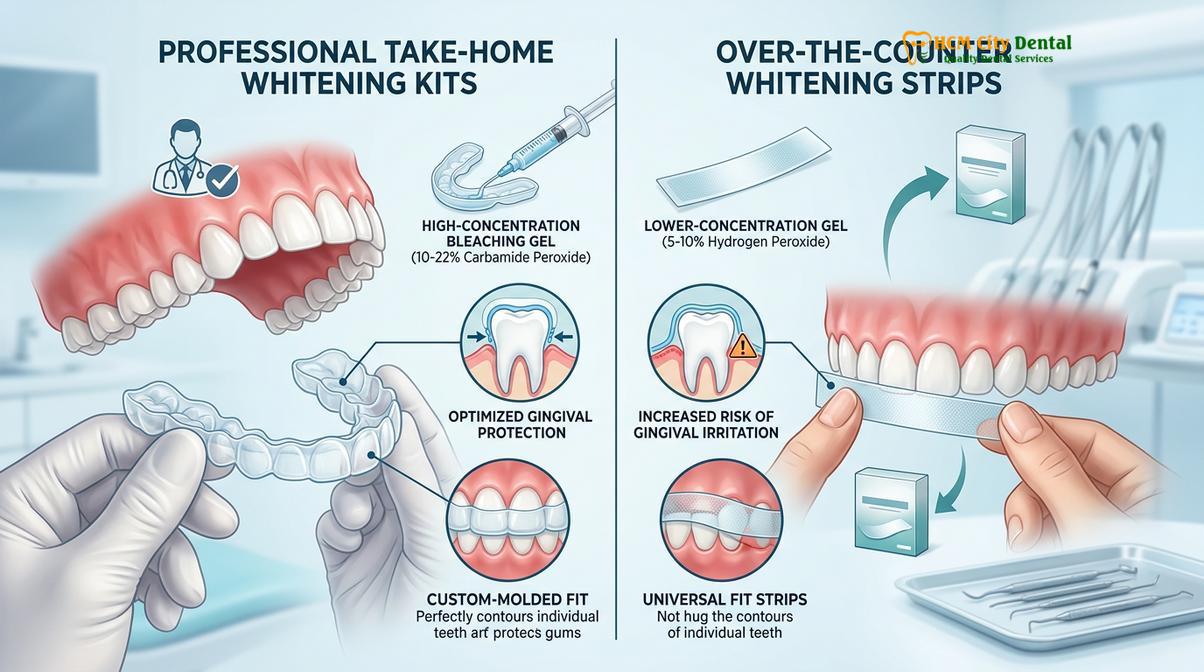
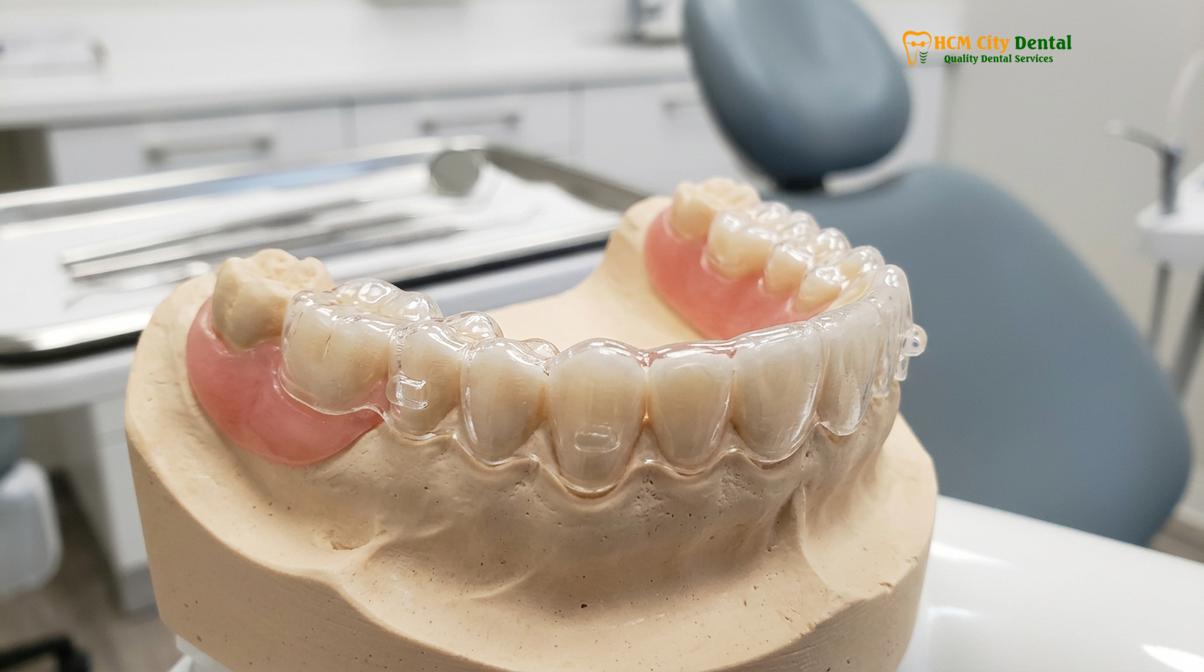
In stark contrast, during your visit to a professional facility, precise digital intraoral scans or highly accurate physical impressions of your teeth are taken. The resulting custom trays are vacuum-formed in a dental laboratory to hug every single curve, groove, and contour of your specific dental anatomy. Dentists also design microscopic spaces, known as reservoirs, on the facial surfaces of the tray. These reservoirs hold the exact, optimal amount of gel needed directly against the tooth surface while the meticulously trimmed edges of the tray seal tightly at the scalloped gumline to prevent any chemical leakage.
| Clinical Feature | Dentist Take-Home Whitening | Over-the-Counter (OTC) Kits |
|---|---|---|
| Applicator Fit | Custom-molded to exact individual dental anatomy | Generic, one-size-fits-all or bulky boil-and-bite |
| Gel Concentration | Prescription-strength (typically 10%-22% Carbamide Peroxide) | Low concentration (often <3% Hydrogen Peroxide) |
| Gingival Protection | Excellent; sealed scalloped margins prevent gel leakage | Poor; high risk of gel leaking onto soft tissues |
| Result Longevity | Long-lasting (months to years with proper maintenance) | Short-term (superficial results often fade quickly) |
| Clinical Supervision | Closely monitored by a licensed dental professional | None; entirely self-administered with no oversight |
The Step-by-Step Clinical Workflow
The professional clinical process involves a comprehensive oral examination, precise digital or physical impressions for tray fabrication, and a detailed instructional session to ensure safe, effective at-home application.
Embarking on a professional teeth whitening journey requires a highly structured and meticulous clinical workflow to ensure both patient safety and optimal aesthetic outcomes. The process is highly personalized, beginning long before the bleaching gel ever touches your teeth. This systematic approach guarantees that the treatment is appropriate for your specific oral health status.
Phase 1: Comprehensive Clinical Assessment and Shade Matching
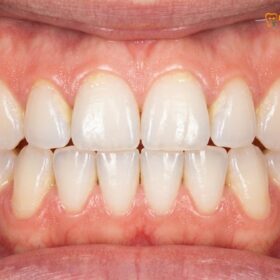
The very first step is a thorough, comprehensive oral examination. A dentist must carefully evaluate the health of your teeth and gums to determine if you are a suitable candidate for vital tooth bleaching. Active periodontal disease, untreated dental caries (cavities), leaking restorations, and exposed tooth roots are strict contraindications for whitening. If peroxide gel penetrates these compromised areas, it can cause severe, excruciating pain or irreversible pulpal damage. Additionally, the dentist will map out any existing restorations, such as composite resin fillings, porcelain crowns, or veneers. It is crucial to understand that these artificial materials will not change color during the bleaching process. The clinical team will also use a standardized shade guide (such as the VITA classical guide) and clinical photography to record your baseline tooth color, allowing for accurate tracking of your progress.
Phase 2: Prophylaxis and Biofilm Removal
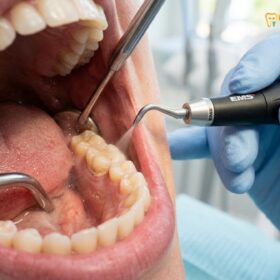
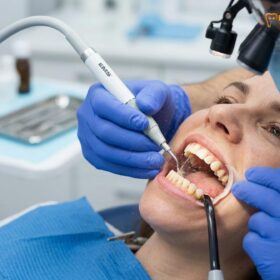
Before taking impressions or beginning the whitening treatment, the teeth must be immaculately clean. Plaque, tartar (calculus), and extrinsic surface stains act as physical barriers, preventing the whitening gel from penetrating the enamel evenly. Clinical studies consistently confirm that a thorough prophylaxis session is absolutely vital for achieving a uniform, brilliant result, as it removes the sticky biofilm layer that impedes peroxide absorption [5]. For patients seeking a complete aesthetic and hygienic overhaul, exploring comprehensive options like the [Dental Care Package Cleaning Whitening Filling Combo | HCMC Dental] is highly recommended to ensure the oral cavity is perfectly prepped for bleaching.
Phase 3: Impressions and Laboratory Tray Fabrication
Once the teeth are confirmed to be clean and healthy, the dentist will take precise impressions of your upper and lower dental arches. Modern, technologically advanced clinics often utilize intraoral 3D scanners, which provide a highly accurate and comfortable experience without the need for messy impression materials. These digital or physical impressions are used to create exact replica models of your teeth. In the dental laboratory, a skilled technician applies a light-cured block-out resin to the facial surfaces of the models to create the gel reservoirs. Then, using a specialized vacuum-forming machine, a thin, clear, flexible thermoplastic sheet is heated and tightly adapted over your models. Finally, the technician meticulously trims the edges of the tray to follow your unique scalloped gumline, ensuring maximum comfort and gingival protection.
Phase 4: Dispensing, Fitting, and Patient Education
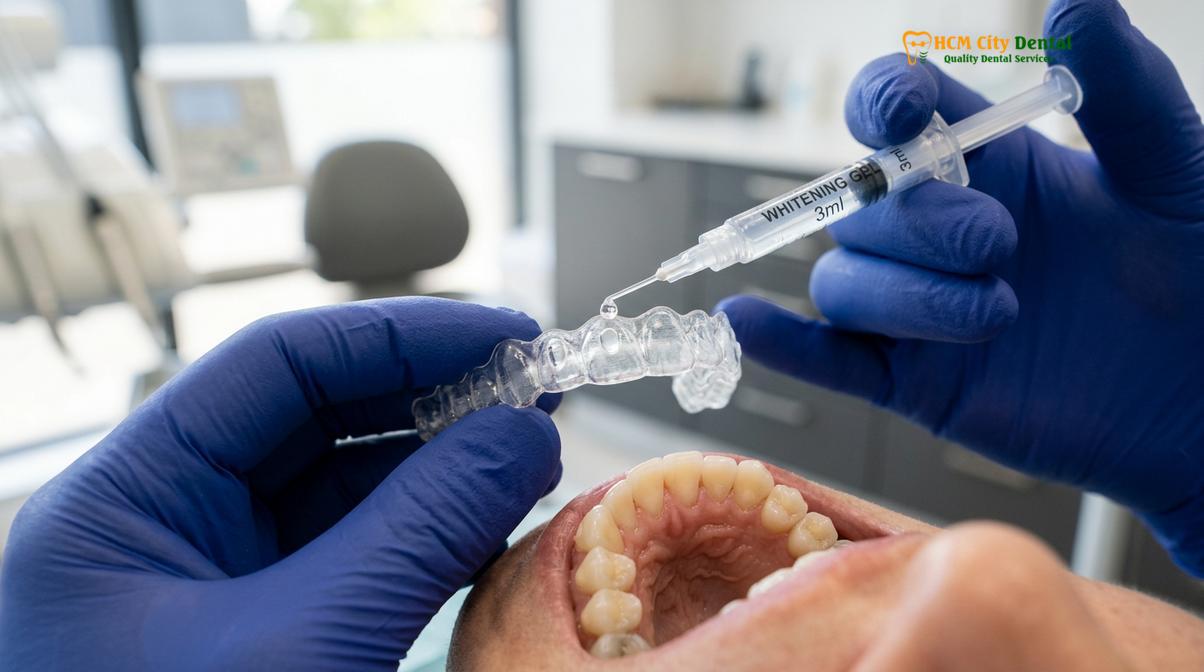
When you return to the clinic to pick up your custom trays, the clinical team will conduct a precise fitting to ensure they seat comfortably without impinging on the gums. The dentist or hygienist will then demonstrate exactly how to load the trays. They will emphasize that only a very small, teardrop-sized amount of gel is needed in the center of the facial surface of each tooth compartment.
“Patient compliance and proper gel application are the absolute cornerstones of successful take-home whitening. Overfilling the custom tray not only wastes the prescription gel but significantly increases the risk of transient gingival inflammation and chemical burns.”
Managing Sensitivity and Protecting Gingival Health
Transient thermal sensitivity is a common, expected side effect of dental bleaching, but it can be highly effectively managed through customized gel concentrations, desensitizing agents, and modified wear protocols.
While dentist take-home teeth whitening is exceptionally safe when properly supervised, the most frequently reported side effect is transient tooth sensitivity. This sensitivity is typically triggered by cold temperatures and is a normal, temporary physiological response to the active bleaching process. According to the widely accepted hydrodynamic theory of tooth sensitivity, the peroxide gel temporarily removes the microscopic protein plugs that naturally seal the dentinal tubules. This removal allows for increased fluid movement within the tubules, which in turn stimulates the delicate nerve endings located within the dental pulp [3].
Fortunately, your dentist has multiple, highly effective strategies to mitigate this discomfort and ensure a pleasant whitening experience. If you have a known history of sensitive teeth, your dentist may proactively prescribe a lower concentration of carbamide peroxide (such as 10%), which releases the active oxygen much more slowly and gently. To further combat sensitivity, dentists routinely recommend brushing with a specialized desensitizing toothpaste containing potassium nitrate for at least two weeks prior to starting the whitening regimen. Potassium nitrate works by penetrating the enamel and depolarizing the nerve synapses, effectively calming the nerve and preventing it from transmitting pain signals. In some cases, amorphous calcium phosphate (ACP) is also incorporated into the whitening gel itself to promote rapid remineralization and reduce post-operative sensitivity.
Contraindications and When to Consult a Dental Professional
Carefully monitoring your oral health during the whitening process is crucial. Recognizing the signs of adverse reactions ensures that any potential complications are addressed promptly by a qualified dental professional.
Although professional take-home whitening is generally very safe, it is not suitable for everyone, and patients must remain vigilant during their treatment. There are specific contraindications where bleaching should be avoided or delayed. Pregnant or lactating women are generally advised to postpone elective whitening treatments due to a lack of extensive safety data in these populations. Additionally, patients with severe fluorosis or deep, dark tetracycline stains may require alternative cosmetic treatments, such as porcelain veneers, as these types of intrinsic stains are notoriously resistant to standard peroxide bleaching.
The Vietnam Odonto-Stomatology Association (VOSA) strongly emphasizes the critical importance of professional oversight to prevent such complications during vital tooth bleaching procedures, noting that self-administered, unregulated bleaching carries significantly higher risks of irreversible damage [6].
“According to established clinical guidelines, any persistent gingival irritation, tissue ulceration, or sharp thermal pain lasting more than 48 hours warrants immediate clinical evaluation to prevent irreversible pulpal damage and ensure patient safety.”
Maximizing Longevity: Maintenance and Oral Hygiene
Maintaining a brilliantly bright smile requires strict adherence to a white diet during the active bleaching phase, rigorous daily oral hygiene, and periodic professional touch-ups using your custom trays.
Achieving a brilliant, white smile is a highly rewarding experience, but maintaining that pristine shade requires a dedicated commitment to proper oral hygiene and specific lifestyle modifications. Immediately following a whitening session, the enamel remains slightly porous and is highly susceptible to absorbing new stains. Therefore, during the active treatment phase and for a strict 48-hour window after completion, patients must adhere to a “white diet.” This means completely avoiding highly pigmented foods and beverages, including coffee, black tea, red wine, dark berries, soy sauce, and tomato-based sauces. Smoking or using any tobacco products during this period will severely compromise the final aesthetic result.
Routine professional maintenance is also absolutely critical for longevity. Regular visits to the clinic for [Family Dental Cleaning Package Thao Dien: Clinical Care Guide] ensure that newly formed surface stains and calculus are removed before they can deeply penetrate the tooth structure. Furthermore, addressing overall oral health, such as understanding how [Can a Professional Dental Cleaning Fix Bad Breath? Clinical Guide] relates to a clean mouth, keeps your smile fresh. For patients seeking the most comfortable, thorough, and technologically advanced maintenance, [Guided Biofilm Therapy EMS: Advanced Clinical Dental Cleaning] offers a superior, minimally invasive method for keeping the newly whitened enamel pristine without scratching the surface [4].
Dr. Nguyen Van Cuong, a leading specialist in the field, emphasizes that highly personalized care is the absolute foundation of successful cosmetic dentistry. He routinely evaluates patients meticulously to ensure their enamel is healthy enough for bleaching, carefully tailoring the gel concentration and wear protocols to minimize sensitivity while maximizing the final aesthetic results. By integrating professional treatments like [Teeth Whitening tại HCMC Dental Clinic] into a broader, comprehensive oral health strategy, patients can achieve a radiant, confident smile safely and effectively under expert guidance.
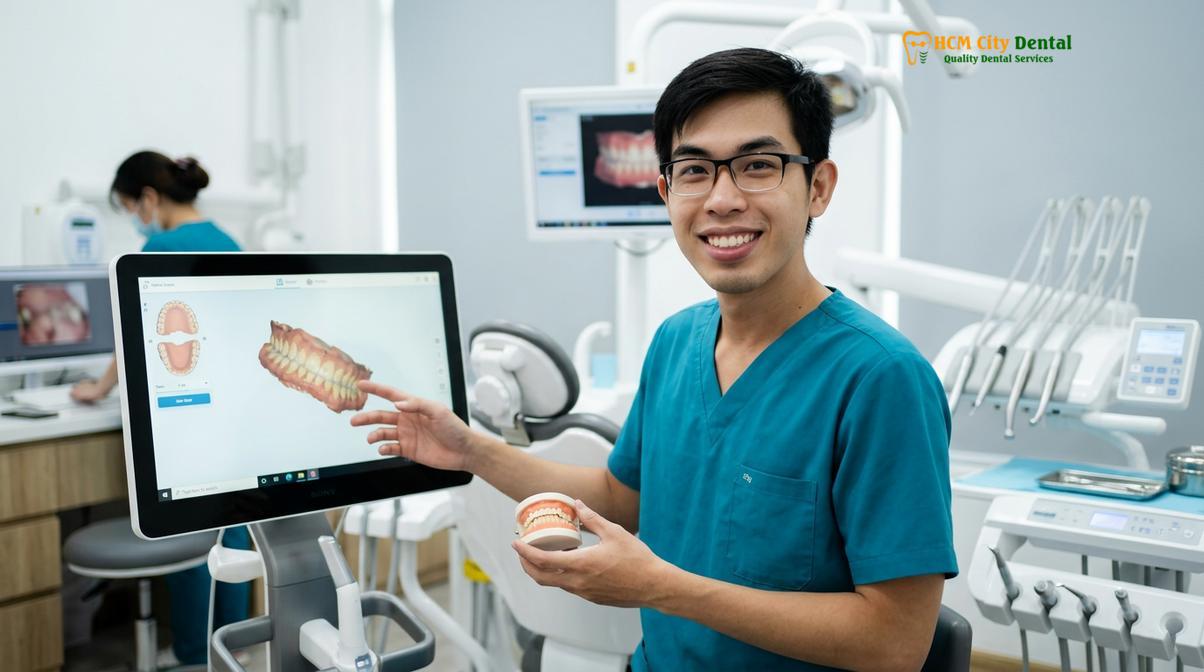
If you are considering enhancing your smile with a safe, highly predictable, and professional approach, do not rely on generic retail products. Contact HCMC Dental Clinic in Ho Chi Minh City today to schedule your comprehensive cosmetic consultation. Our expert clinical team will evaluate your unique dental needs and help you discover the transformative benefits of a customized take-home whitening system designed specifically for you.
References
- Journal of the American Dental Association. Efficacy and safety of at-home bleaching utilizing custom trays. (2021).
- Clinical Oral Investigations. Comparative analysis of carbamide peroxide vs hydrogen peroxide in dental bleaching. (2020).
- Operative Dentistry. Management of tooth sensitivity during vital tooth bleaching. (2019).
- Journal of Esthetic and Restorative Dentistry. Long-term color stability following professional take-home whitening. (2022).
- International Journal of Dentistry. The role of pre-whitening prophylaxis in optimizing bleaching outcomes. (2018).
- Vietnam Odonto-Stomatology Association (VOSA). Clinical guidelines on the safe application of vital tooth bleaching agents. (2021).