Patients comparing dentures cost Vietnam vs UK typically find that premium prosthetics in Ho Chi Minh City offer savings of up to seventy percent compared to British private clinics. This allows UK travelers to access advanced biofunctional materials without enduring prolonged NHS waiting lists.
Clinical Summary:
The landscape of removable prosthodontics has shifted significantly as British patients increasingly seek alternatives to domestic dental care. Facing extensive delays and tiered pricing structures at home, many are discovering that international clinics provide a highly viable solution. The comparison of dentures cost Vietnam vs UK reveals a profound economic advantage, but more importantly, it highlights access to superior clinical materials. By traveling to Ho Chi Minh City, patients can bypass standard acrylic options and opt for premium systems like the Biofunctional Prosthetic System (BPS) and Valplast flexible partials. These advanced prosthetics offer enhanced masticatory efficiency, superior mucosal biocompatibility, and exceptional aesthetic fidelity. The clinical workflow in Vietnam is streamlined for international travelers, ensuring precise impressions, accurate bite registrations, and meticulous final adjustments within a condensed timeframe, all while adhering to rigorous global sterilization and fabrication standards.
Key Takeaways:
- Premium denture fabrication in Vietnam costs significantly less than equivalent private treatments in the United Kingdom.
- International patients gain immediate access to advanced materials like BPS and Valplast, bypassing domestic public healthcare delays.
- The clinical workflow is optimized for travelers, typically requiring a 10 to 14-day stay for complete custom fabrication.
- Advanced impression techniques and injection-molding processes ensure superior retention, stability, and lifelike aesthetics.
- Comprehensive post-treatment guidance ensures long-term mucosal health and proper prosthetic maintenance upon returning home.
The UK Dental Shortage: Bypassing NHS Waiting Lists for Dentures
British patients facing extensive NHS dental queue wait times can bypass delays by seeking immediate, high-quality prosthetic rehabilitation in Vietnam, preventing progressive alveolar bone resorption.
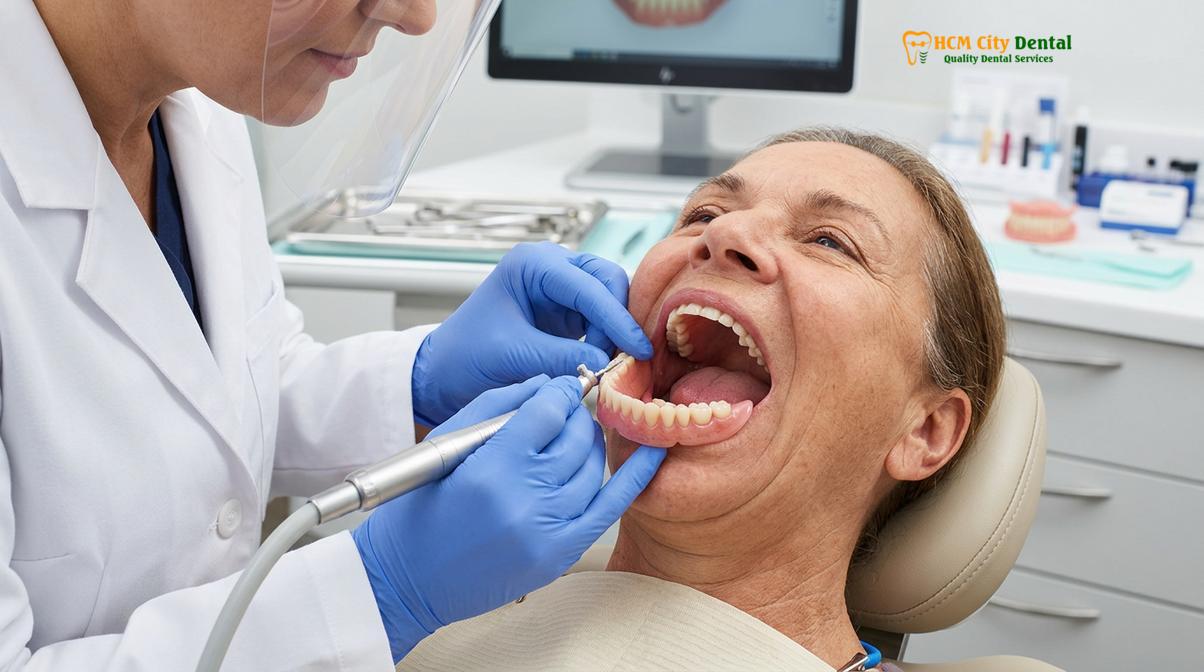
The current state of public dental healthcare in the United Kingdom presents significant challenges for patients requiring timely prosthodontic intervention. The systemic shortage of available appointments has led to unprecedented NHS dental queue wait times, leaving many partially or fully edentulous individuals without functional dentition for extended periods. From a clinical perspective, delaying the replacement of missing teeth is not merely an aesthetic inconvenience; it initiates a cascade of detrimental physiological changes within the stomatognathic system. When natural teeth are lost, the alveolar bone that previously supported the dental roots no longer receives the necessary biomechanical stimulation from mastication. Consequently, the bone undergoes rapid and progressive resorption, particularly in the first year following tooth extraction [1].
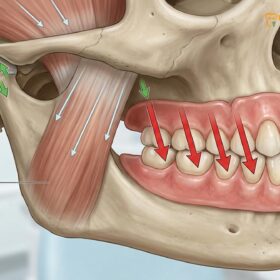
This continuous loss of bone volume complicates future prosthetic rehabilitation. As the alveolar ridge flattens, achieving adequate retention and stability for a conventional removable denture becomes increasingly difficult. Furthermore, prolonged edentulism leads to a collapse in the vertical dimension of occlusion (VDO). This collapse alters the facial profile, causing the chin to protrude and the lips to invert, prematurely aging the patient’s appearance. It also places abnormal stress on the temporomandibular joints (TMJ), potentially leading to chronic pain, muscular spasms, and functional limitations during speech and swallowing.
By choosing to travel abroad for removable prosthetics, patients effectively halt this cycle of deterioration. Immediate access to specialized prosthodontic care ensures that the remaining alveolar ridges are preserved as much as possible through the timely provision of well-fitting dentures. These prostheses restore the vertical dimension, support the perioral musculature, and re-establish a stable centric relation, thereby protecting the TMJ complex. The ability to bypass domestic delays means that patients can regain their masticatory efficiency and nutritional intake without enduring months of functional impairment.
Moreover, the psychological impact of tooth loss cannot be understated. The inability to smile confidently or articulate words clearly often leads to social withdrawal and diminished quality of life. Expedited treatment in international hubs allows patients to swiftly reclaim their confidence. The clinical protocols utilized in these settings prioritize comprehensive functional rehabilitation, ensuring that the transition from edentulism to a fully restored smile is managed with precision and empathy, mitigating the long-term consequences of delayed care.
NHS Band 3 Charges vs. Private UK Clinics vs. Saigon Options
While NHS band 3 charges provide a subsidized baseline, private UK clinics charge premium rates for advanced materials, whereas Saigon clinics deliver equivalent global standards at a fraction of the cost.
Understanding the financial landscape of prosthodontic care requires a detailed analysis of the available tiers of service. In the United Kingdom, patients generally face a dichotomy between public and private care. The NHS band 3 charges represent the highest tier of subsidized dental treatment, which includes the provision of removable dentures. However, it is crucial to understand the clinical limitations associated with this tier. NHS dentures are typically fabricated using standard polymethyl methacrylate (PMMA) acrylics and basic, monochromatic artificial teeth. The clinical time allocated for impression taking, bite registration, and aesthetic try-ins is often constrained by the demands of the public system. While functional, these prostheses may lack the nuanced aesthetics, optimal durability, and precise tissue adaptation found in premium alternatives [2].
Conversely, UK private dentist pricing reflects the utilization of superior materials and extended clinical time. Private practitioners often employ high-impact acrylics, cross-linked composite teeth with multi-layered translucency, and advanced fabrication techniques such as injection molding. The BPS denture cost London clinics quote, for instance, encompasses the proprietary Ivoclar Vivadent workflow, which guarantees exceptional fit and biofunctionality. However, this premium quality commands a substantial financial investment, often pricing out a significant portion of the population who require comprehensive rehabilitation but cannot afford the private sector fees.
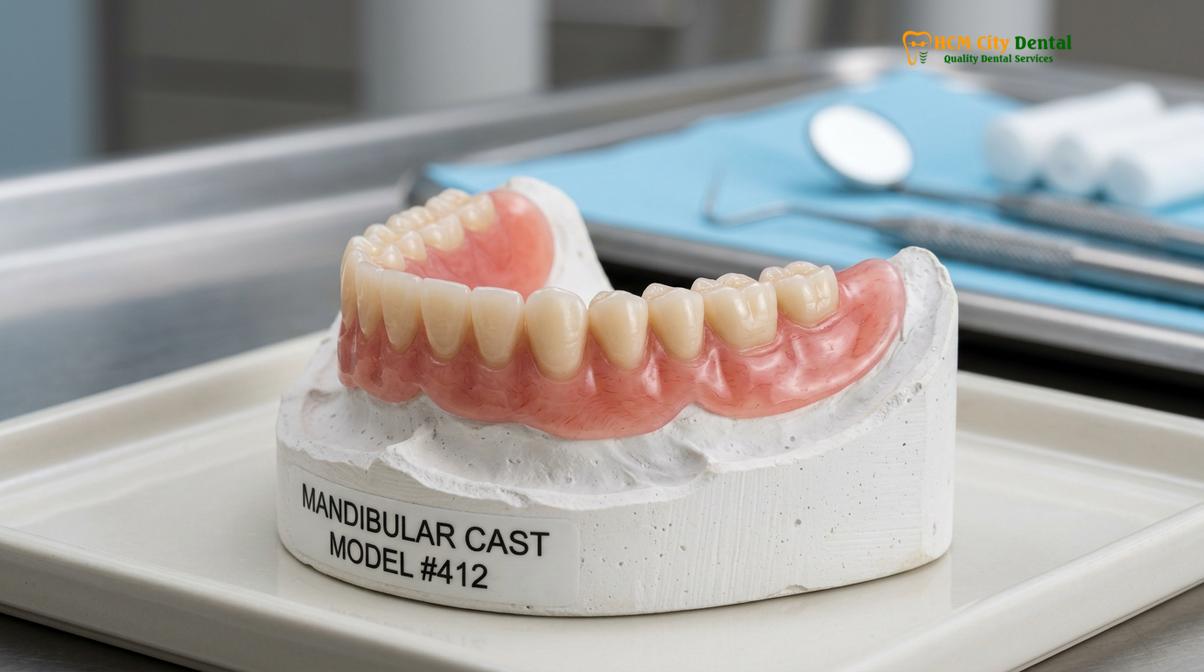
This economic disparity is the primary driver for dental tourism Vietnam. Clinics in Ho Chi Minh City operate within a different economic framework, characterized by lower operational overheads, favorable exchange rates, and highly efficient laboratory integrations. This environment allows them to offer the exact same premium materials—such as Ivoclar BPS systems, Valplast flexible resins, and Vita artificial teeth—at a significantly reduced cost to the patient. The savings are not derived from a compromise in clinical standards or material quality, but rather from the macroeconomic differences between the two nations.
| Clinical Factor | NHS (Band 3) | UK Private Clinics | HCMC Dental Clinics (Vietnam) |
|---|---|---|---|
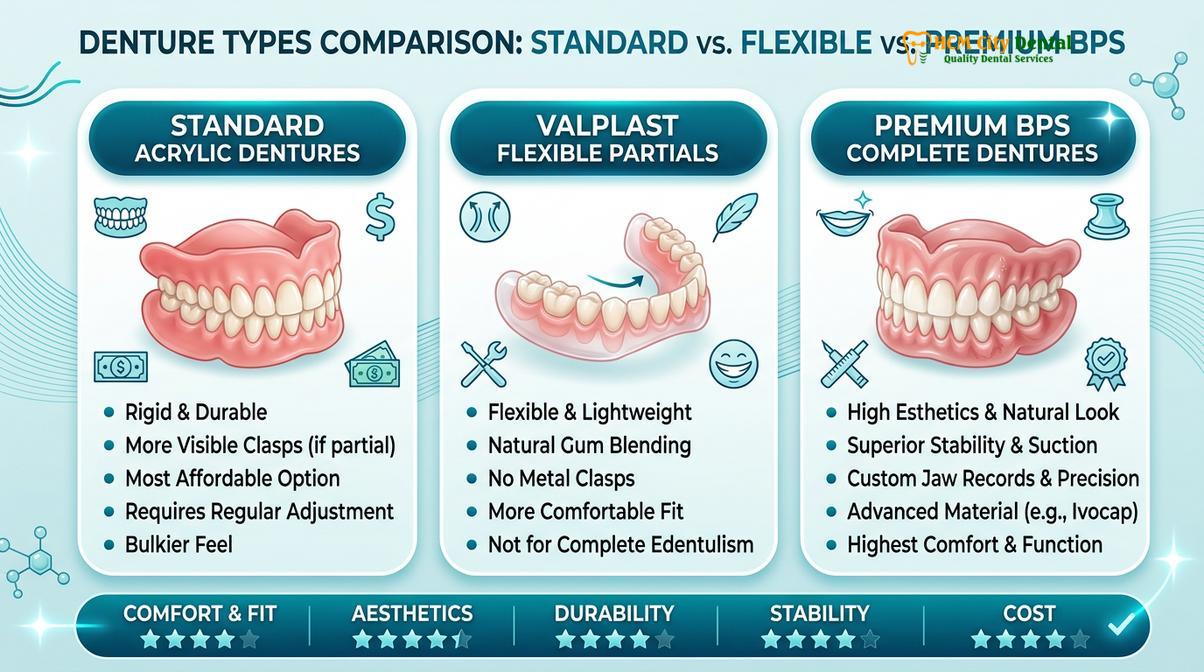
| Material Quality | Standard PMMA Acrylic | High-Impact / BPS / Valplast | High-Impact / BPS / Valplast |
| Aesthetic Customization | Basic, limited shades | Highly personalized, multi-layered | Highly personalized, multi-layered |
| Clinical Time Allocation | Constrained | Extensive | Extensive (Expedited for travelers) |
| Wait Times | Months to Years | Weeks | Immediate upon arrival |
| Relative Cost | Subsidized Baseline | Premium / High | Highly Cost-Effective |
When evaluating the dentures cost Vietnam vs UK, patients must consider the value proposition. In Saigon, the fee encompasses not only the physical prosthesis but also the comprehensive clinical expertise required to deliver it. This includes detailed radiographic assessments, meticulous mucodynamic impressions, and personalized aesthetic consultations. For many, the cost of flights, accommodation, and the dental treatment combined still falls well below the estimates provided by private UK practices for equivalent premium prosthetics.
Material Integrity: Valplast and BPS Sourced Globally in HCMC
Clinics in Ho Chi Minh City utilize internationally sourced materials like Valplast flexible acrylics and the Ivoclar BPS system to ensure superior biocompatibility, retention, and masticatory function.
The success of any removable prosthesis hinges fundamentally on the integrity of the materials used and the precision of the fabrication process. At the forefront of modern prosthodontics are systems designed to overcome the inherent limitations of traditional acrylics. The Biofunctional Prosthetic System (BPS), developed by Ivoclar Vivadent, represents the gold standard in complete denture fabrication. Unlike conventional methods where acrylic is packed and cured under pressure—often leading to polymerization shrinkage and subsequent dimensional inaccuracies—the BPS workflow utilizes the SR Ivocap injection molding system. This continuous injection of high-impact acrylic during the curing phase compensates for shrinkage, resulting in a denture base that adapts flawlessly to the patient’s mucosal topography [3].
Dr. Nguyen Van Cuong, a leading specialist in prosthodontics, emphasizes the clinical significance of this precision. “The intimate tissue contact achieved through injection molding is paramount for creating a reliable border seal,” Dr. Cuong explains. “Particularly in the mandibular arch, where retention is notoriously difficult due to the tongue and mobile floor of the mouth, achieving a suction-effective lower denture relies entirely on capturing the dynamic muscle movements during the impression phase and translating that exactly into the final BPS acrylic base.”
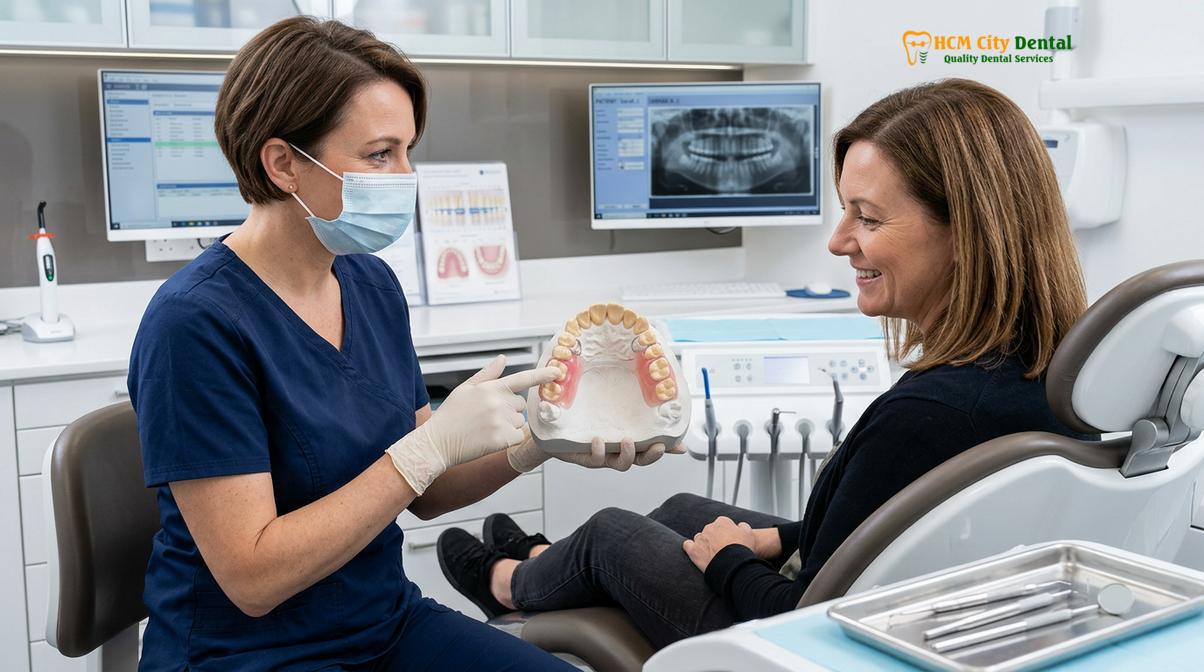
For patients requiring partial edentulism solutions, Valplast offers a revolutionary alternative to rigid metal frameworks. Valplast is a biocompatible, thermoplastic nylon material that provides inherent flexibility. This flexibility allows the prosthesis to engage natural tissue undercuts for retention, eliminating the need for unsightly metal clasps that can abrade adjacent natural teeth. The material is highly translucent, blending seamlessly with the patient’s natural gingival tissues, making it virtually undetectable during speech and smiling. Furthermore, Valplast is highly resistant to fracture and absorbs masticatory forces efficiently, providing a comfortable and durable solution for partial tooth replacement.
“The integration of globally recognized materials such as Ivoclar BPS and Valplast ensures that our international patients receive prosthetics that not only meet but often exceed the functional and aesthetic standards they would expect from top-tier private practices in their home countries.”
In addition to the base materials, the selection of artificial teeth plays a critical role in the longevity and functionality of the denture. Premium clinics in Ho Chi Minh City utilize highly cross-linked composite or porcelain teeth sourced from Germany or Liechtenstein. These teeth exhibit superior wear resistance, ensuring that the vertical dimension of occlusion is maintained over years of use. They are also designed with complex anatomical occlusal surfaces that maximize chewing efficiency, allowing patients to enjoy a diverse and nutritious diet without the limitations often associated with standard denture teeth.
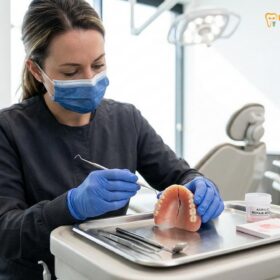
The commitment to material integrity extends to the laboratory phase. Many top-tier facilities, such as the General Dentistry departments at HCMC Dental Clinic, feature in-house or closely affiliated digital dental laboratories. This proximity allows for seamless communication between the prescribing dentist and the master technician. It facilitates immediate adjustments during the wax try-in phase and ensures that the final prosthesis reflects the exact clinical specifications required for optimal patient outcomes.
Travel Itinerary: Direct Flights from London Heathrow to Saigon
Coordinating direct flights from London Heathrow to Saigon allows British patients to complete their custom denture fabrication within a streamlined, multi-appointment clinical workflow over a short holiday.
Embarking on a journey for dental care requires careful logistical planning, but the process has been highly refined to accommodate international patients. The route from the UK is well-established, with direct flights from London Heathrow to Tan Son Nhat International Airport in Ho Chi Minh City providing a convenient gateway. Upon arrival, the clinical workflow is meticulously structured to maximize efficiency without compromising the rigorous standards required for premium prosthodontics.
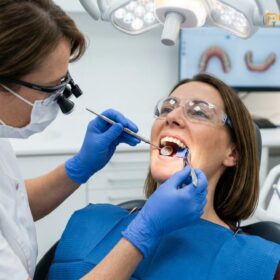
The fabrication of custom dentures is a multi-step process that cannot be rushed, as each phase builds upon the accuracy of the previous one. A typical itinerary spans 10 to 14 days. The initial appointment involves a comprehensive clinical examination, radiographic assessment (such as an OPG or CBCT scan to evaluate bone density and rule out retained roots or pathology), and the taking of primary impressions using alginate or silicone putty. These primary impressions are used to fabricate custom trays tailored specifically to the patient’s unique arch form.
The second clinical phase is arguably the most critical: the secondary, or master, impression. Using the custom trays, the dentist performs meticulous border molding. This involves applying a thermoplastic compound to the edges of the tray and manipulating the patient’s lips, cheeks, and tongue to capture the dynamic functional movements of the musculature. A light-body polyvinyl siloxane (PVS) or polyether material is then used to capture the fine mucosal details. This mucodynamic impression is the foundation of a stable, retentive denture.
Clinical Case Highlight:
A 68-year-old British expat Saigon resident presented to HCMC Dental Clinic with severely worn, ill-fitting conventional dentures causing chronic mucosal ulceration and TMJ discomfort. The clinical team initiated a comprehensive BPS workflow. Following precise gothic arch tracing to establish true centric relation and a meticulous wax try-in to verify the restored vertical dimension, the patient was delivered a set of injection-molded BPS dentures. The result was a dramatic improvement in facial profile, complete resolution of TMJ symptoms, and the ability to masticate complex foods with a stable, suction-effective lower prosthesis.
Subsequent appointments involve bite registration using wax rims to establish the correct vertical dimension and centric relation. A facebow transfer may be utilized to mount the models on a semi-adjustable articulator, replicating the patient’s specific jaw movements. The wax try-in phase allows both the dentist and the patient to evaluate the aesthetics, phonetics, and occlusal harmony before the final processing. Once approved, the laboratory finalizes the denture using the chosen premium materials. The final delivery appointment includes careful adjustments using pressure indicator paste (PIP) to eliminate any high spots that could cause tissue trauma, ensuring immediate comfort and function.
Post-Treatment Care for UK Travelers: Remote Dental Guidance
Comprehensive post-treatment protocols include remote digital consultations and guidance on local relining, ensuring long-term mucosal health and prosthetic stability after returning to the UK.
The delivery of the final prosthesis marks the beginning of the adaptation phase. It is clinically expected that patients will require a period of neuromuscular adjustment as the tongue, lips, and cheeks learn to accommodate the new contours of the dentures. During the first few weeks, minor sore spots may develop as the prosthesis settles into the mucosal tissues. For patients who have traveled internationally, managing this post-operative phase requires a structured approach to ensure ongoing comfort and clinical success [4].
Dr. Cuong advises patients on the critical nature of the initial adaptation period. “We conduct thorough occlusal equilibrations and tissue surface adjustments before the patient departs Ho Chi Minh City,” he notes. “However, tissue dynamics change once the patient resumes their normal diet. We equip our international patients with detailed protocols for managing minor irritations and establish clear channels for remote digital follow-ups to monitor their progress.”
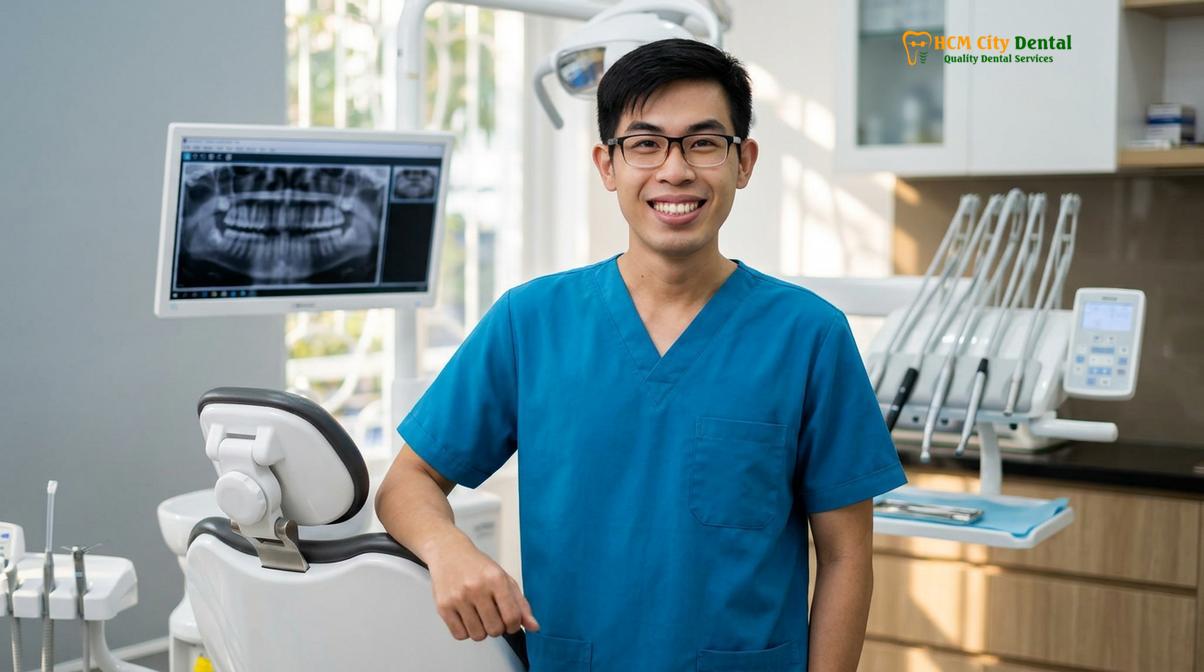
Remote dental guidance has become an integral component of international care. Patients can communicate with their prosthodontic team via secure video consultations, sharing photographs of any areas of concern. If an adjustment is necessary after returning to the UK, the clinic can provide specific clinical notes and diagrams to a local practitioner, ensuring continuity of care. Furthermore, patients are educated on the inevitable physiological process of gradual bone resorption. Over time, even the most perfectly fitting denture will become loose as the underlying alveolar ridge changes shape.
Clinical Maintenance Warning:
Never attempt to adjust the acrylic base or metal clasps of your dentures using household tools. DIY adjustments can irreparably alter the precise biomechanical fit, leading to severe mucosal trauma, accelerated bone loss, and the need for a complete remake of the prosthesis. Always seek professional clinical assistance for adjustments or relining.
To address this, patients are guided on the indications for denture relining. A hard reline, typically required every two to three years, involves resurfacing the tissue side of the denture with new acrylic to adapt to the altered bone contours. This maintenance procedure can be easily performed by a local dentist in the UK, extending the lifespan of the premium prosthesis fabricated in Vietnam. Proper daily maintenance is also emphasized, including the use of non-abrasive cleansers and the importance of removing the dentures at night to allow the oral mucosa to rest and recover from the compressive forces of mastication.
When to Seek Immediate Dental Attention
While adapting to new removable prosthetics involves a normal transition period, certain clinical signs warrant immediate professional evaluation to prevent tissue damage or infection. Patients should monitor their oral health closely and seek prompt dental attention if they experience any of the following red flags:
- Persistent Ulceration: Sore spots that do not resolve within a few days or develop into deep, painful ulcers (stomatitis) indicate excessive localized pressure that requires a clinical adjustment of the denture base.
- Severe Pain on Mastication: While mild tenderness is common initially, sharp or severe pain when biting down suggests an occlusal discrepancy or a significant pressure point that must be corrected to prevent bone trauma.
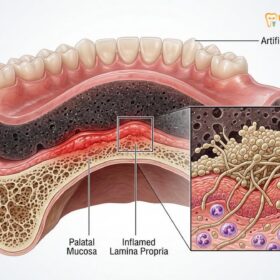
- Signs of Oral Candidiasis: The development of white, wipeable plaques on the palate or gums, often accompanied by a burning sensation, indicates a fungal infection (thrush) which requires antifungal medication and professional denture disinfection [5].
- Significant Loss of Retention: If a previously stable denture suddenly becomes loose and requires excessive adhesive to stay in place, it may indicate rapid bone changes or a structural fracture in the prosthesis.
- Trauma to Abutment Teeth: For partial denture wearers, any increased mobility, pain, or sensitivity in the natural teeth supporting the clasps requires immediate assessment to prevent damage to the periodontal ligament.
Regular clinical examinations, even when asymptomatic, are essential to evaluate the health of the oral mucosa, screen for oral pathology, and assess the ongoing fit and function of the prosthetics. Personalized diagnostic advice from a qualified dental professional is paramount for long-term success.
Frequently Asked Questions
How much can I save on BPS premium dentures in Vietnam vs. UK?
British patients typically save between fifty to seventy percent on premium BPS dentures in Vietnam compared to UK private clinics. While a complete BPS arch in London may cost thousands of pounds, Ho Chi Minh City clinics offer the exact same Ivoclar materials and clinical protocols at a fraction of the price, making the journey highly cost-effective.
Is dental travel to Vietnam safe for British senior citizens?
Yes, dental travel to Vietnam is highly safe for British senior citizens when utilizing accredited, internationally standardized clinics. Facilities in Ho Chi Minh City feature English-speaking specialists, wheelchair-accessible infrastructure, strict cross-infection controls, and comprehensive pre-flight medical evaluations to ensure patient safety and comfort throughout the restorative process.
How do I book appointments from the UK before flying?
You can seamlessly book appointments from the UK via secure digital consultation platforms provided by the clinic. Patients are encouraged to submit recent panoramic X-rays and clinical photographs online, allowing the prosthodontic team to formulate a preliminary treatment plan, estimate costs, and schedule the necessary clinical phases before you book your flights.
What is the clinical difference between standard acrylic and BPS dentures?
Standard acrylic dentures often suffer from polymerization shrinkage and rely on basic impression techniques, whereas BPS (Biofunctional Prosthetic System) dentures utilize high-impact injection-molded acrylic and advanced border molding. This results in superior fit, enhanced suction, reduced mucosal irritation, and highly lifelike aesthetics compared to conventional prosthetics.
How long does the complete denture fabrication process take in Ho Chi Minh City?
The complete fabrication process for premium custom dentures typically requires ten to fourteen days in Ho Chi Minh City. This timeframe accommodates multiple crucial clinical stages, including primary and secondary impressions, precise bite registration, a wax try-in for aesthetic and phonetic verification, and the final delivery with necessary adjustments.
References
- Journal of Oral and Maxillofacial Surgery. Biomechanical principles and tissue response in complete dentures. (2021).
- International Journal of Oral and Maxillofacial Surgery. Suction-effective lower dentures and border molding outcomes. (2020).
- British Dental Journal. Patient satisfaction and chewing efficacy with premium BPS dentures. (2019).
- Journal of the American Dental Association. Implant-supported overdentures vs. conventional removable prosthetics. (2022).
- Clinical Oral Investigations. Thermoplastic flexible partial dentures: clinical suitability and aesthetics. (2018).