An implant-supported overdenture is an advanced removable dental prosthesis anchored securely to the jawbone using titanium implants, offering superior stability compared to conventional resting dentures. This treatment restores optimal chewing function, eliminates embarrassing prosthesis slippage, and actively preserves the underlying bone architecture for patients experiencing extensive tooth loss.
Clinical Summary:
An implant-supported overdenture represents a critical paradigm shift in prosthodontics, transitioning patients from entirely tissue-borne appliances to implant-retained solutions. By integrating titanium fixtures into the alveolar ridge, the prosthesis gains mechanical retention through specialized attachments, such as locators or milled bars. This structural integration significantly enhances masticatory efficiency, allowing patients to generate bite forces closely mimicking natural dentition. Furthermore, the mechanical stimulation provided by the implants mitigates the progressive bone resorption typically accelerated by traditional dentures. Clinical workflows involve comprehensive 3D radiographic planning, precise surgical placement, and meticulous prosthetic calibration to ensure optimal anterior-posterior spread, occlusal harmony, and long-term peri-implant health.
Key Takeaways:
- Implant overdentures utilize 2 to 4 titanium fixtures to securely anchor a removable prosthesis, preventing unwanted movement during speech and mastication.
- Attachment systems, including locators and custom-milled bars, offer customizable retention levels tailored to the patient’s manual dexterity and bite force.
- The presence of implants within the jawbone provides essential mechanical stimulation, effectively halting the progressive bone loss associated with missing teeth.
- Mini implants serve as a minimally invasive alternative for patients with severe bone resorption who are contraindicated for extensive bone grafting procedures.
- While highly stable, overdentures remain removable, allowing for superior daily hygiene access compared to fixed full-arch bridges.
What is an Implant Overdenture? The Snap-On Teeth Solution
Implant overdentures combine the affordability of removable prosthetics with the structural stability of osseointegrated implants, utilizing a specialized snap-on mechanism to secure the teeth firmly in place.
For decades, complete edentulism (the loss of all natural teeth) was managed exclusively with traditional resting dentures. While these appliances provide basic aesthetic restoration, they rely entirely on the underlying soft tissue and the anatomical shape of the residual ridge for support. Over time, the lack of tooth roots causes the jawbone to resorb, leading to a flattening of the ridge. This anatomical degradation results in a loose, unstable prosthesis that severely compromises a patient’s ability to chew, speak, and socialize with confidence.
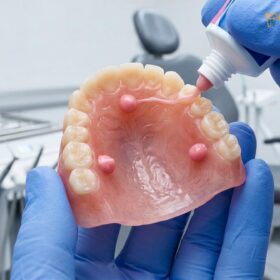
The advent of the implant-supported overdenture revolutionized this standard of care. By surgically placing a select number of titanium implant fixtures into the dense bone of the anterior maxilla or mandible, prosthodontists can create a rigid foundation. The overdenture is then fabricated with specialized female housings embedded within its acrylic base. These housings engage with male abutments protruding from the implants, creating what is commonly referred to as snap-on dentures.
This biomechanical shift from a purely tissue-borne appliance to an implant-retained, tissue-supported prosthesis yields profound clinical benefits. Masticatory efficiency—the ability to grind and pulverize food—increases dramatically. While a traditional denture wearer may only exert 15% to 20% of the bite force of natural teeth, a patient with an implant overdenture can often achieve 60% to 70% of normal occlusal force[1]. Furthermore, the elimination of the bulky acrylic palate in upper overdentures restores the patient’s ability to taste food fully and perceive temperature variations, significantly enhancing their overall quality of life.
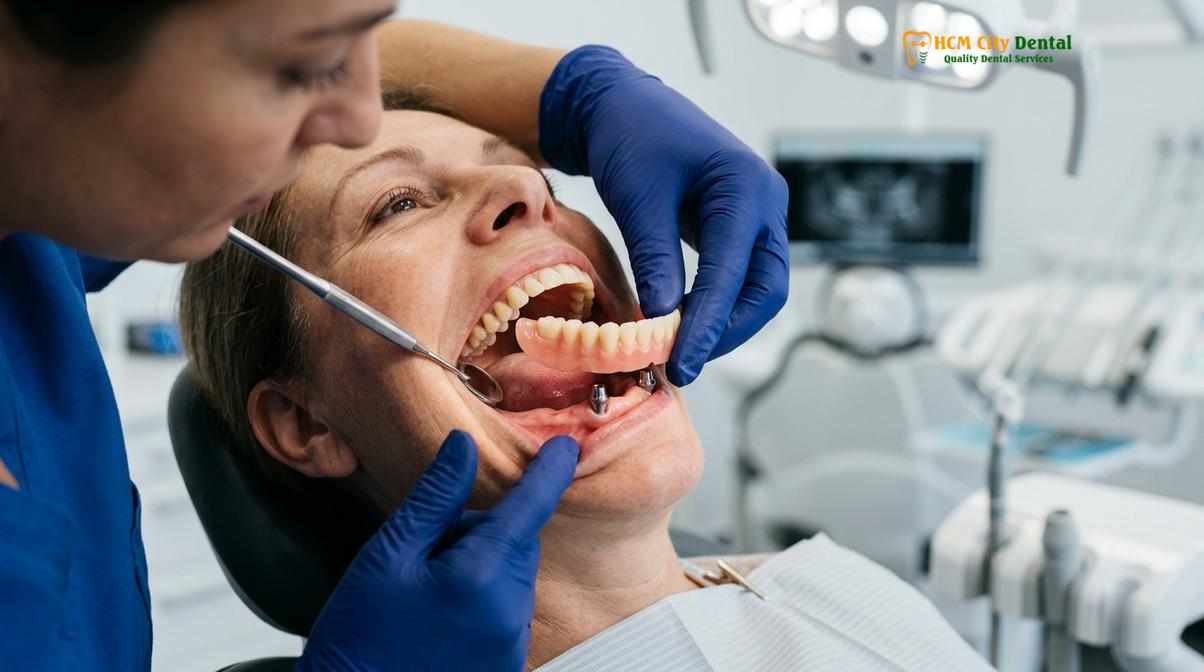
Locator Attachments: How Snap-On Male and Female Parts Work
The locator attachment system utilizes a resilient male nylon matrix inside the denture housing that snaps onto a titanium female abutment threaded into the implant, providing customizable retention.
The success of an implant overdenture relies heavily on the precision of its attachment mechanism. The most widely utilized mechanism globally is the locator attachment system. This highly engineered system is favored for its low vertical profile, which is crucial when the restorative space between the upper and lower jaws is limited. The system consists of two primary components: the titanium abutment (which is torqued directly into the osseointegrated implant) and the denture housing (a metal cap processed into the custom denture base).
Inside the metal housing sits a replaceable nylon retention insert. These inserts are the functional heart of the snap-on mechanism. They are color-coded based on their retention strength—ranging from extra-light retention (often blue or grey) to heavy retention (clear or pink). This allows the prosthodontist to customize the “snap” based on the patient’s manual dexterity. For instance, an elderly patient with arthritis may require lighter retention to remove the prosthesis easily for cleaning, whereas a younger patient with strong musculature may prefer maximum retention.
One of the most significant clinical advantages of the locator system is its dual-retention design. The nylon insert engages both the outer margin and the inner recess of the titanium abutment, providing exceptional stability against lateral dislodging forces. Furthermore, the system features a pivoting technology that allows the denture housing to rotate slightly over the abutment without losing retention. This resilience acts as a shock absorber, distributing masticatory forces evenly across the soft tissue and protecting the rigid implants from excessive sheer stress[2].
“The locator system’s ability to accommodate up to 40 degrees of divergence between implants makes it an invaluable tool in cases where anatomical limitations prevent perfectly parallel implant placement. It provides a forgiving, yet highly retentive solution for complex edentulous ridges.”
Bar-Retained Overdentures: Distributing Forces on Splinted Implants
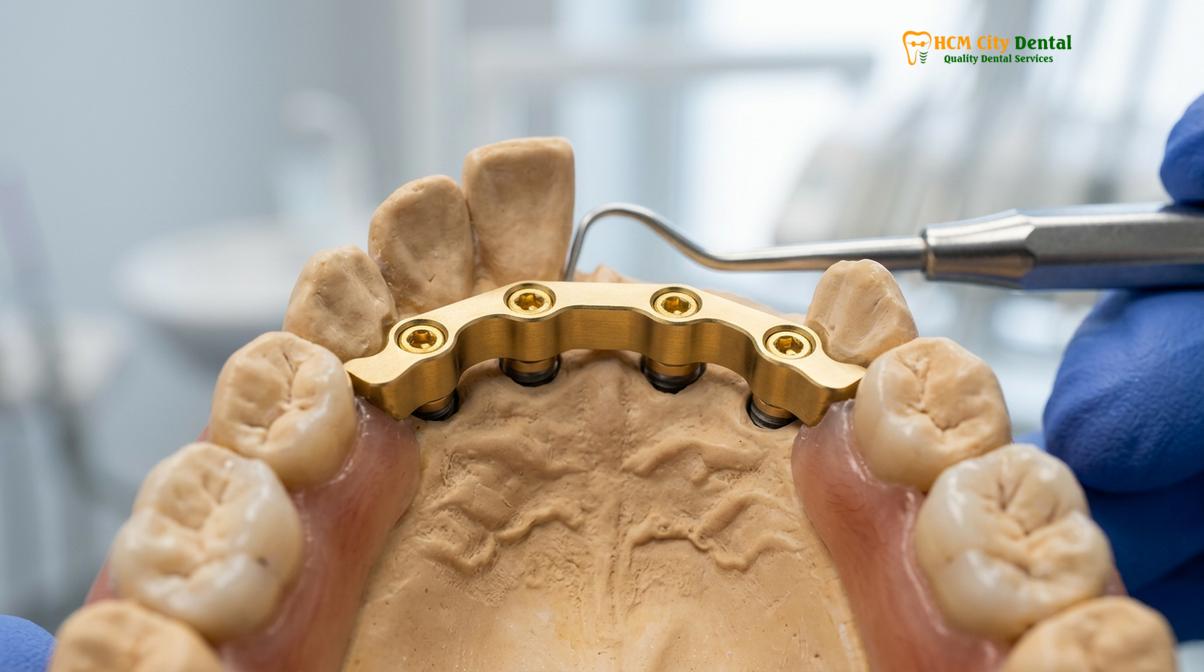
Bar-retained systems connect multiple implants with a custom-milled titanium framework, providing rigid splinting that evenly distributes occlusal forces across the entire dental arch.
While standalone locator attachments are excellent for many patients, certain clinical scenarios demand a more robust biomechanical foundation. In cases where the patient exhibits heavy bruxism (teeth grinding), possesses exceptionally soft bone (Type III or IV), or requires maximum prosthesis stability, an implant bar framework is often the treatment of choice. Instead of individual attachments protruding from each implant, a custom-fabricated titanium bar is rigidly screwed into the implants, splinting them together into a single, unified superstructure.
This splinting effect is biomechanically superior in specific ways. When a patient bites down on a bar-retained overdenture, the occlusal load is not concentrated on a single implant; rather, it is distributed evenly across the entire framework. This cross-arch stabilization significantly reduces micromovement at the bone-to-implant interface, which is particularly beneficial in the softer bone of the upper jaw (maxilla).
The overdenture itself is fabricated with specialized clips—often made of gold alloy, titanium, or resilient plastic—embedded within the acrylic base. When the patient inserts the prosthesis, these clips snap securely over the bar. Depending on the design, such as a Hader bar or a Dolder bar, the system can allow for slight rotational movement (tissue-supported) or be entirely rigid (implant-supported).
Dr. Nguyen Van Cuong, a leading prosthodontic specialist at HCMC Dental Clinic, frequently evaluates the anterior-posterior spread (the distance between the most anterior and most posterior implants) to determine if a bar framework is necessary to prevent the prosthesis from rocking during function.
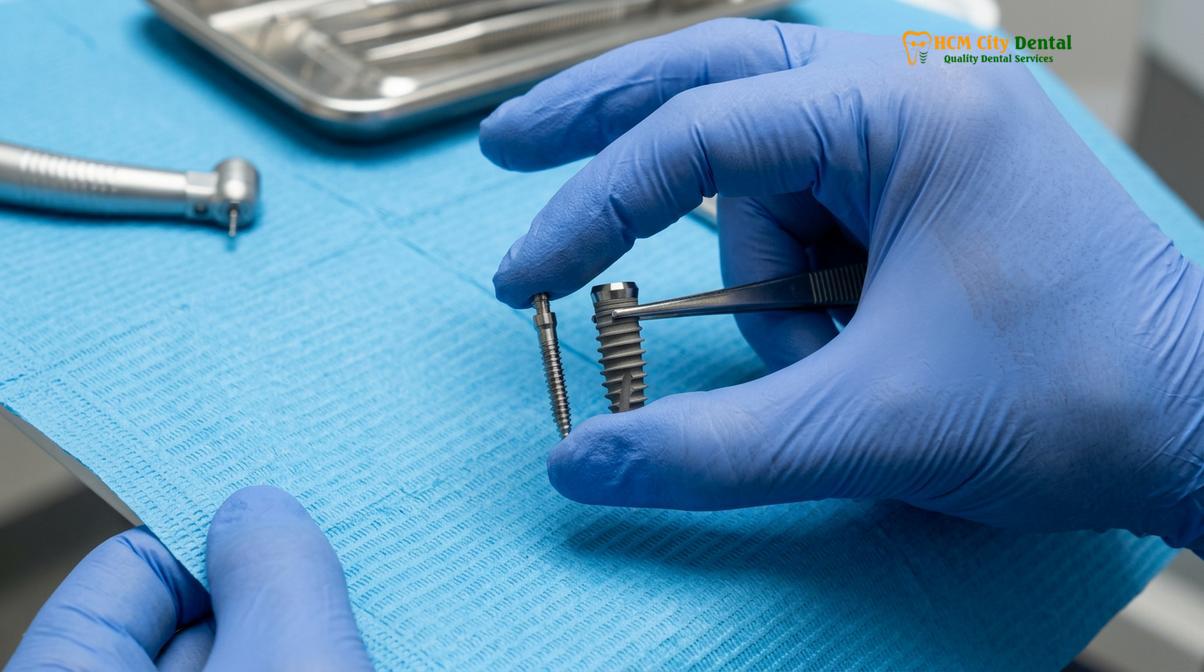
Mini Implants vs. Standard Implants: Options for Narrow Ridges
While standard implants offer maximum surface area for osseointegration, mini dental implants provide a minimally invasive alternative for patients with severe bone resorption who cannot undergo grafting.
The anatomical reality of long-term tooth loss is severe atrophy of the alveolar ridge. As the bone shrinks horizontally, the ridge becomes knife-edged, making the placement of standard-diameter implants (typically 3.5mm to 4.5mm wide) impossible without extensive, costly, and time-consuming bone grafting procedures. For patients who are medically compromised or seeking a more immediate solution, mini dental implants (MDIs) offer a highly effective alternative.
Mini implants are ultra-narrow titanium fixtures, usually ranging from 1.8mm to 2.9mm in diameter. Because of their slender profile, they can be placed into very narrow ridges that would otherwise be deemed unsuitable for standard implant therapy. The surgical protocol for MDIs is often flapless, meaning the surgeon does not need to make large incisions to expose the bone. Instead, the implants are placed directly through the gum tissue, resulting in significantly less post-operative swelling, minimal discomfort, and a much faster healing trajectory[3].
While standard implants utilize a two-piece design (the implant body and a separate abutment), mini implants are typically manufactured as a single solid piece with an O-ball head protruding into the oral cavity. The overdenture is fitted with corresponding O-ring housings that snap onto these ball heads.
| Clinical Parameter | Standard Implants (>3.5mm) | Mini Dental Implants (<3.0mm) |
|---|---|---|
| Bone Requirement | Requires adequate width and height; grafting often needed. | Can be placed in narrow, resorbed ridges without grafting. |
| Surgical Approach | Typically requires a mucoperiosteal flap and sutures. | Often flapless, minimally invasive, no sutures required. |
| Healing Protocol | 3 to 6 months of osseointegration before loading. | Immediate loading is often possible if torque is sufficient. |
| Prosthetic Versatility | Supports locators, bars, and fixed All-on-4 bridges. | Primarily restricted to O-ball tissue-supported overdentures. |
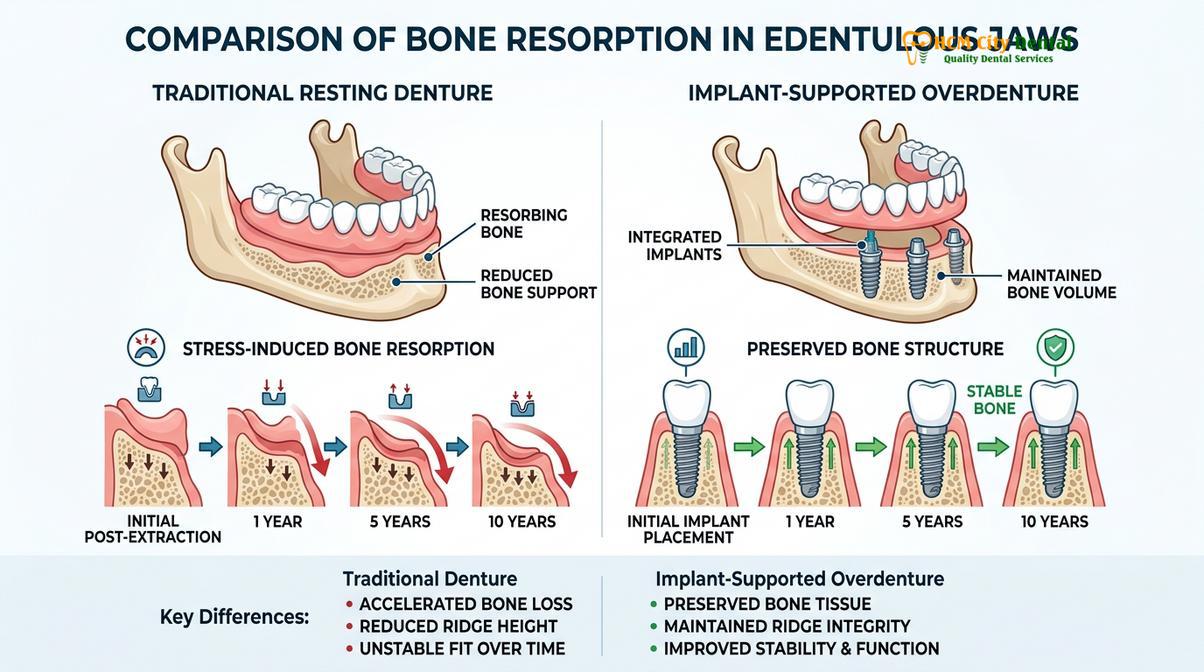
Bone Preservation Benefits: Halting Bone Loss in Its Tracks
By transmitting chewing forces directly into the skeletal structure, implant overdentures stimulate osteoblastic activity, effectively preventing the progressive jawbone atrophy associated with traditional dentures.
To understand the most profound medical benefit of an implant-supported overdenture, one must understand the physiological principle known as Wolff’s Law. This law states that bone remodels and strengthens in response to the mechanical loads placed upon it. In a healthy mouth, the roots of natural teeth transmit the forces of chewing directly into the surrounding alveolar bone. This constant stimulation signals the body to maintain bone density and volume through continuous osteoblastic (bone-building) activity.
When teeth are extracted, this vital mechanical stimulation ceases. The body, sensing that the bone is no longer needed to support teeth, begins to resorb the calcium and minerals, leading to rapid jawbone atrophy. Traditional resting dentures actually accelerate this destructive process. As the hard acrylic base rubs against the gum tissue during mastication, it creates compressive forces that restrict blood flow to the periosteum, further accelerating bone loss—a condition often referred to as anterior hyperfunction syndrome.
By integrating Dental Implants into the jaw, prosthodontists effectively replace the missing tooth roots. The implants act as conduits, transferring occlusal forces directly into the skeletal structure. This restores the necessary mechanical stimulation, promoting excellent jaw bone retention and preserving the patient’s facial structure[4]. Without this intervention, severe bone loss eventually leads to a collapsed facial profile, deep perioral wrinkles, and a prematurely aged appearance.
Clinical Warning: Patients wearing traditional lower dentures for more than 5 to 10 years often experience such severe mandibular resorption that the mental nerve becomes exposed on the ridge crest. This can cause sharp, shooting pain during chewing. Transitioning to an implant-supported system early is critical to preventing irreversible anatomical degradation.
Who is a Candidate? Minimum Bone Volume and Healing Protocols
Ideal candidates require adequate vertical and horizontal bone volume to house the implants, alongside a healthy systemic profile to ensure predictable osseointegration during the healing phase.
Determining candidacy for an implant-supported overdenture requires a comprehensive diagnostic workup. At HCMC Dental Clinic, the standard of care begins with a Cone Beam Computed Tomography (CBCT) scan. This 3D imaging allows the surgical team to evaluate the exact height, width, and density of the available bone, as well as map out vital anatomical landmarks such as the inferior alveolar nerve in the lower jaw and the maxillary sinus cavities in the upper jaw.
Beyond bone volume, the quality of the overlying soft tissue is paramount. A successful overdenture requires a sufficient band of attached, keratinized gingiva surrounding the implant abutments. This tough, fibrous tissue acts as a biological seal, preventing bacteria from migrating down the implant threads and causing peri-implantitis. If the patient lacks keratinized tissue, a minor soft tissue graft may be performed prior to or during the implant placement surgery.
Systemic health also plays a crucial role in candidacy. While age is rarely a contraindication, conditions that impair wound healing—such as uncontrolled diabetes mellitus, active periodontal disease, or a history of intravenous bisphosphonate therapy—must be carefully managed. Smoking is a significant risk factor that constricts blood vessels and drastically increases the risk of implant failure during the critical osseointegration phase.
Clinical Case Review: A 68-year-old patient presented to HCMC Dental Clinic in Ho Chi Minh City with a severely loose lower denture and chronic masticatory pain. A CBCT scan revealed moderate bone resorption but sufficient basal bone in the anterior mandible. Dr. Cuong placed two standard titanium implants in the canine regions. After a 3-month osseointegration period, locator abutments were torqued into place, and the patient’s denture was retrofitted. The patient reported an immediate cessation of pain and a return to a normal, unrestricted diet.
Overdenture vs. All-on-4: Comfort, Access, and Price Comparisons
While All-on-4 provides a fixed, non-removable bridge, overdentures offer easier hygiene access, require less vertical bone reduction, and present a more accessible financial investment.
When exploring full-arch restoration, patients frequently compare the implant-supported overdenture to the All-on-4 fixed hybrid prosthesis. Both treatments utilize implants to restore function, but their structural designs and daily maintenance protocols differ significantly.
An All-on-4 prosthesis is permanently screwed into the implants and can only be removed by a dentist. While this provides the psychological benefit of having “permanent” teeth, it requires meticulous oral hygiene. Patients must use water flossers and specialized interdental brushes to clean underneath the fixed bridge. In contrast, an overdenture is removable. The patient simply snaps it out at night, allowing for direct, unobstructed brushing of the implant abutments and the gum tissue. For elderly patients or those with compromised motor skills, this ease of access is a massive clinical advantage.
Aesthetically, overdentures excel in providing facial support. The acrylic flange of the overdenture extends into the buccal vestibule, physically plumping the lips and cheeks to smooth out wrinkles. Fixed bridges often lack this extensive flange, which can sometimes result in a less supported upper lip profile in patients with severe bone loss.
Financially, the overdenture cost Saigon clinics offer is generally much lower than a fixed All-on-4 system. Overdentures typically require fewer implants (often 2 to 4 per arch compared to 4 to 6), utilize less expensive prosthetic materials, and do not require the extensive bone reduction surgery often necessary to create restorative space for a fixed hybrid bridge[5].
“The choice between a fixed bridge and a removable overdenture should never be based solely on price. We must evaluate the patient’s lip support requirements, their ability to maintain complex oral hygiene, and the available restorative space. An overdenture is often the superior medical choice for patients with extensive hard and soft tissue loss.”
When to See a Doctor: Clinical Considerations
Patients experiencing chronic denture sores, severe lack of retention, or difficulty chewing should seek a prosthodontic evaluation to determine if implant stabilization is medically appropriate.
Living with ill-fitting dentures is not merely an inconvenience; it is a progressive medical issue that compromises nutritional intake and psychological well-being. You should schedule a clinical consultation if you experience any of the following red flags:
- Chronic Ulcerations: Persistent sore spots or bleeding gums caused by the friction of a sliding denture base.
- Use of Adhesives: Relying on messy denture pastes or powders multiple times a day just to keep the prosthesis in the mouth during normal speech.
- Dietary Restrictions: An inability to chew fibrous meats, raw vegetables, or nuts, leading to a soft-food diet and potential gastrointestinal distress.
- Phonetic Issues: Clicking sounds, slurred speech, or the fear of the denture falling out while laughing or coughing.
- Facial Changes: Noticeable deepening of the nasolabial folds or a “sunken in” appearance around the mouth, indicating rapid bone loss.
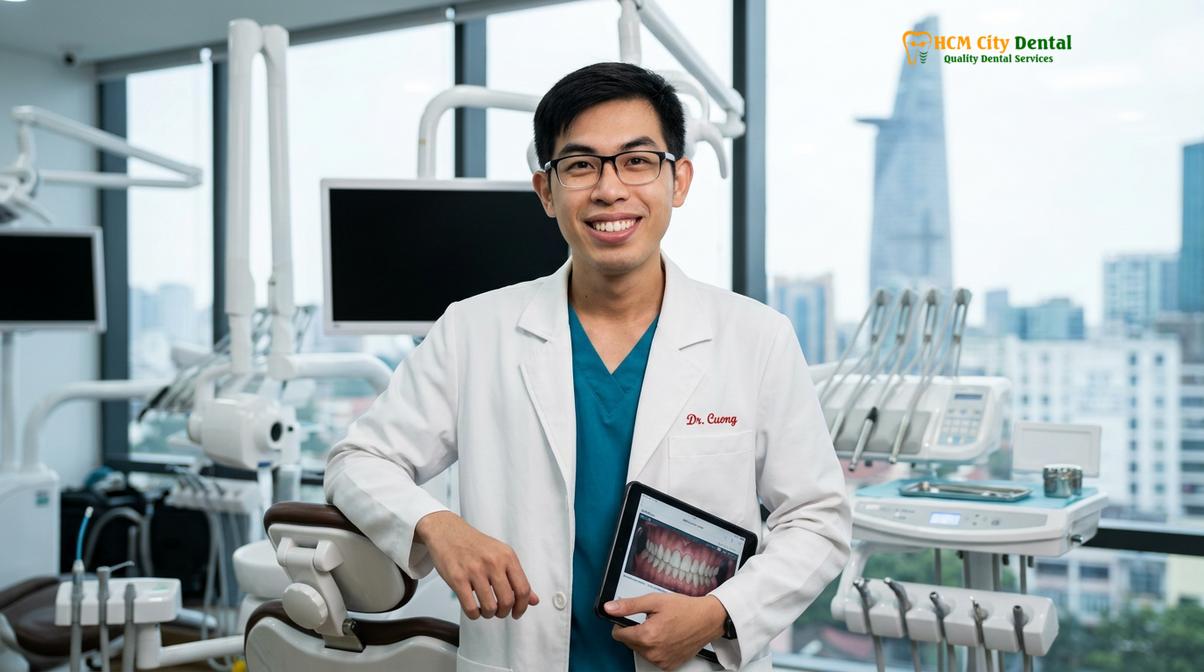
According to Dr. Cuong’s clinical protocols in Ho Chi Minh City, early intervention is key. The longer a patient waits to transition to an implant-supported system, the more bone is lost, potentially necessitating complex grafting procedures in the future. A thorough evaluation will determine the safest and most predictable path to restoring your oral function.
Frequently Asked Questions
How many implants are needed for a lower snap-on overdenture?
A minimum of two implants is required to stabilize a lower snap-on overdenture effectively. However, placing three to four implants provides superior anterior-posterior stability, reduces tissue compression on the posterior ridges, and minimizes the rocking motion during heavy mastication. The exact number depends on your bone density and bite force.
Can I use my existing denture and convert it to snap on implants?
Yes, an existing denture can often be retrofitted if it is made of high-quality acrylic and fits your current tissue architecture well. The clinical team will hollow out specific areas of the base to pick up the attachment housings intraorally. However, if the denture is heavily worn or poorly aligned, fabricating a new prosthesis is highly recommended.
Do locator caps wear out, and how often must they be replaced?
Yes, the nylon locator caps are designed to wear out over time to protect the titanium implants from excessive stress. Depending on your bite force and insertion habits, these retention inserts typically require replacement every 12 to 18 months. The replacement process is quick, inexpensive, and performed chairside.
Is the surgical placement of overdenture implants painful?
The surgical placement is highly manageable and typically performed under local anesthesia, rendering the procedure virtually painless. Post-operative discomfort is generally mild, comparable to a simple tooth extraction, and easily controlled with standard over-the-counter analgesics. Most patients resume normal activities within 24 to 48 hours.
How do I clean and maintain my implant-supported overdenture?
You must remove the overdenture daily to brush the interior attachments and the exterior acrylic teeth with a non-abrasive cleaner. Additionally, the intraoral abutments must be gently brushed with a soft-bristle toothbrush to prevent peri-implant mucositis and plaque accumulation. Routine professional cleanings every six months are also mandatory.
References
- Journal of Prosthetic Dentistry. Biomechanics of implant-retained overdentures and mucosal resilience. (2021).
- International Journal of Oral & Maxillofacial Implants. Locator vs bar attachments in edentulous mandibles: A clinical review. (2020).
- Clinical Implant Dentistry and Related Research. Mini dental implants for overdenture retention in narrow ridges. (2019).
- Journal of Periodontology. Alveolar bone preservation following implant placement in edentulous arches. (2022).
- Journal of the American Dental Association. Patient satisfaction: All-on-4 fixed prosthetics versus removable overdentures. (2018).