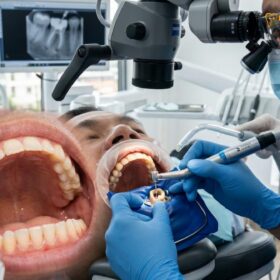
A virtually painless root canal in Saigon utilizes advanced local anesthetics, computer-controlled delivery systems, and modern sedation to minimize discomfort during endodontic therapy [2]. By neutralizing nerve signals before treatment begins, patients experience a calm, highly controlled procedure designed to save their natural tooth without the anxiety traditionally associated with dental care.
Clinical Summary:
Endodontic therapy has evolved from a historically uncomfortable procedure into a highly refined, comfortable clinical workflow. Modern protocols integrate profound local anesthesia, computerized delivery mechanisms, and varying levels of sedation—from laughing gas nitrous oxide to conscious IV sedation. This multi-modal approach ensures a comprehensive neural blockade of the inflamed dental pulp, allowing endodontists to clean, shape, and seal the root canal system without triggering nociceptive pain pathways. Post-operative management relies on preemptive analgesics to control tissue response, ensuring a smooth recovery.
Key Takeaways:
- Modern root canals are designed to be highly comfortable due to advanced anesthetics and computerized delivery systems.
- Articaine offers superior bone penetration compared to traditional Lidocaine, ensuring profound numbing even in dense mandibular bone.
- Computer-controlled local anesthesia regulates fluid pressure, minimizing the tissue-tearing sting associated with traditional injections.
- IV sedation root canal therapy is available for patients presenting with severe dental anxiety, hyperactive gag reflexes, or complex multi-rooted anatomy.
- Post-operative discomfort is typically mild, transient, and managed effectively with a preemptive analgesic protocol.
Debunking the Myth: Why Modern Root Canals Are Pain-Free
Contemporary endodontics relies on precise neural blockades, advanced rotary instrumentation, and a deep understanding of pulp pathophysiology to ensure the mitigation of procedural pain.
For decades, the mere mention of endodontic therapy has evoked significant anxiety among patients. This historical stigma stems from an era before the advent of highly effective local anesthetics and precision endodontic technology. Today, the reality of endodontic treatment is vastly different. The procedure itself is not the cause of pain; rather, it is the definitive treatment for the excruciating pain caused by an infected or inflamed dental pulp. Understanding the pathophysiology of dental pain is crucial to understanding why modern treatments are so effective at managing it.
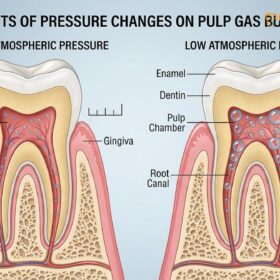
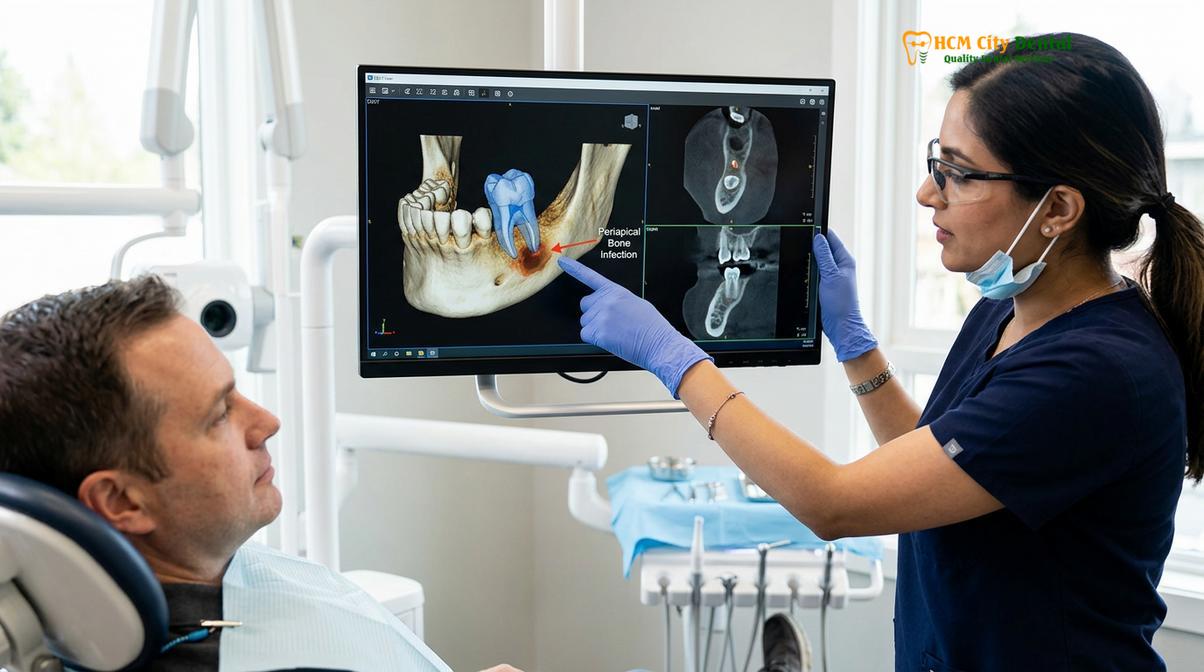
The dental pulp, located in the innermost chamber of the tooth, is a highly vascularized and innervated tissue. When bacteria from deep decay penetrate the pulp chamber, the resulting inflammatory response causes a massive release of inflammatory mediators. Because the pulp is encased in rigid dentin walls, this inflammation leads to a rapid increase in intrapulpal pressure, compressing the nerve fibers and resulting in severe, spontaneous pain.
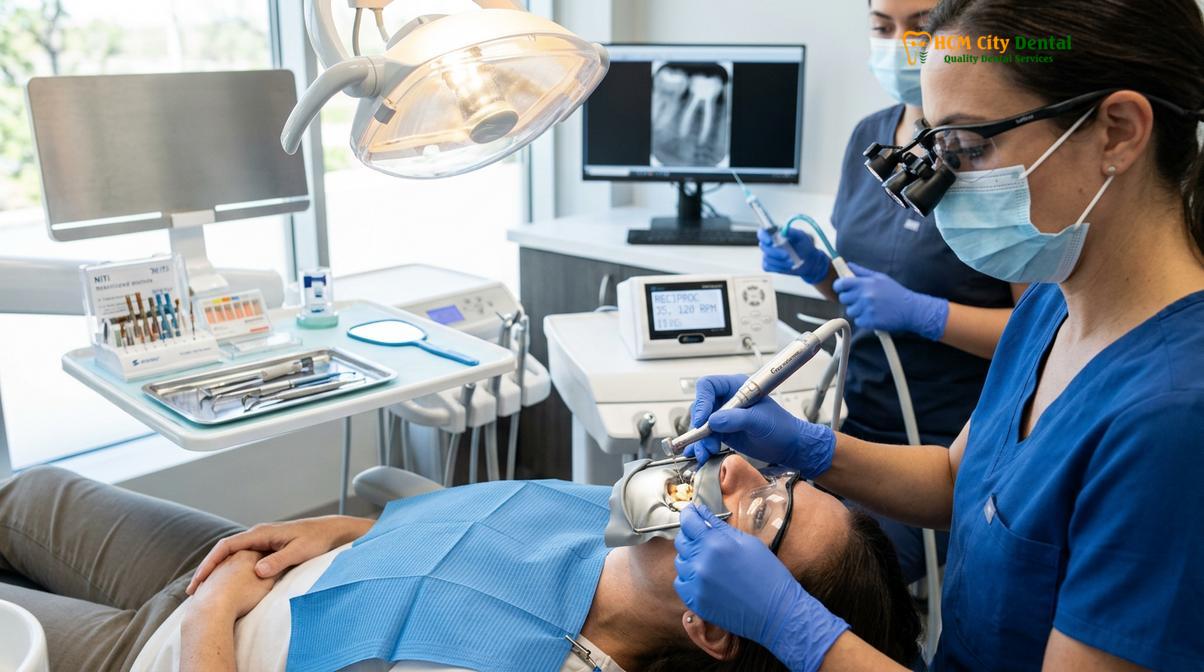
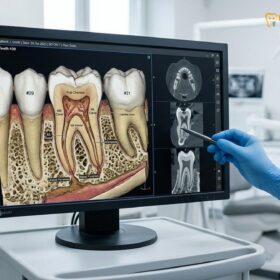
Modern endodontics intercepts this pain pathway through highly targeted pharmacological interventions. By utilizing advanced local anesthetics that effectively block the voltage-gated sodium channels on the nerve membrane, the transmission of action potentials from the tooth to the central nervous system is halted. Furthermore, the transition from manual stainless-steel files to highly flexible nickel-titanium (NiTi) rotary instruments has revolutionized the mechanical aspect of the procedure. Rotary endodontics allows for faster, smoother, and more precise cleaning and shaping of the root canal system, significantly reducing chair time and minimizing mechanical trauma to the surrounding periapical tissues.
“The greatest advancement in modern endodontics is not just our ability to save severely compromised teeth, but our ability to do so while keeping the patient in a state of physiological and psychological comfort. Procedural pain is no longer an accepted clinical norm; it is a highly manageable variable.”
Advanced Local Anesthetic Agents: Articaine vs. Lidocaine Efficacy
Articaine’s unique molecular structure allows for superior lipid solubility and bone penetration, making it highly effective for achieving profound endodontic anesthesia.
The cornerstone of a comfortable root canal lies in the selection and administration of the appropriate local anesthetic agent. For many years, Lidocaine has been the gold standard in dentistry. However, the management of severe endodontic pain often requires an anesthetic with enhanced tissue penetration capabilities. Articaine is unique among dental anesthetics because it contains a thiophene ring, which grants it exceptional lipid solubility. This allows Articaine to diffuse across the nerve sheath much more rapidly and extensively than Lidocaine, resulting in a faster onset of action and a deeper state of anesthesia [1].
Clinically, the superiority of Articaine is most evident when treating mandibular molars. The lower jaw is characterized by thick, dense cortical bone, which historically made it difficult for local anesthetics to reach the apices of the tooth roots. Articaine’s enhanced diffusion properties allow it to penetrate the dense mandibular cortical plate effectively, often achieving profound pulpal anesthesia without relying solely on traditional nerve blocks.
Furthermore, the presence of severe inflammation—often termed a “hot tooth”—creates an acidic environment in the surrounding tissues. Local anesthetics are weak bases, and in a low pH environment, a larger proportion of the anesthetic molecules become ionized and cannot cross the lipid-rich nerve membrane. To counteract this phenomenon and manage irreversible pulpitis effectively, modern clinical protocols utilize specialized buffering techniques and supplemental intraligamentary injections to ensure profound numbness even in the presence of acute infection [3].
| Anesthetic Agent | Primary Clinical Advantage | Bone Penetration | Ideal Endodontic Use Case |
|---|---|---|---|
| Lidocaine (2%) | Gold standard safety profile, widely tolerated. | Moderate | Standard maxillary infiltrations and routine nerve blocks. |
| Articaine (4%) | High lipid solubility due to thiophene ring. | Excellent | Dense mandibular bone and highly inflamed “hot teeth”. |
| Mepivacaine (3%) | Effective without the use of epinephrine. | Moderate | Patients with cardiovascular contraindications to vasoconstrictors. |
Painless Injection Techniques: Topical Gels and Computer-Controlled Delivery (The Wand)
Computerized local anesthesia regulates the flow rate of the anesthetic solution, preventing tissue tearing and neutralizing the primary cause of injection discomfort.
Even with the most advanced anesthetic agents, the method of delivery plays a critical role in the patient’s perception of pain. To address needle phobia, modern endodontic practices employ a multi-step approach to injection that aims to eliminate the sensation of the needle entering the tissue. The first step is the application of a high-concentration topical anesthetic gel, which numbs the superficial layers of the oral mucosa.
However, the primary cause of discomfort during a dental injection is the pressure and volume of the anesthetic fluid being forced into the confined spaces of the oral tissues. When anesthetic is delivered too rapidly, it causes microscopic tearing of the tissue fibers. Computer-controlled local anesthetic delivery systems, commonly known as The Wand, provide a revolutionary advantage by actively monitoring tissue resistance and dynamically adjusting the flow rate [2].
These computerized systems deliver the anesthetic at a constant, mathematically calculated rate that falls below the patient’s pain threshold. Because the fluid is introduced so slowly and steadily, the tissues have time to expand and absorb the solution without tearing. This precision not only enhances patient comfort during the procedure but also allows for site-specific injections that numb a single tooth without causing collateral numbness to the lips or face.
Nitrous Oxide (Laughing Gas): Conscious Relaxation for Mild Anxiety
Nitrous oxide provides rapid, titratable anxiolysis and mild analgesia, allowing patients to remain conscious, responsive, and deeply relaxed throughout the procedure.
While profound local anesthesia eliminates physiological pain, it does not necessarily address the psychological anxiety that many patients experience. For patients with mild to moderate dental phobia or an overactive gag reflex, laughing gas nitrous oxide serves as an exceptionally effective adjunct to local anesthesia.
Nitrous oxide is a colorless, sweet-smelling gas administered via a comfortable nasal hood, always mixed with pure oxygen. It induces a state of calm and provides a mild analgesic effect by stimulating the release of endogenous opioids. One of the most significant clinical advantages of nitrous oxide is its rapid onset and offset. Within minutes of inhalation, patients typically experience a profound feeling of euphoria and detachment from the clinical environment, yet remain fully conscious and able to respond to verbal commands.
The administration is highly titratable, meaning the dentist can adjust the concentration minute-by-minute based on the patient’s real-time response. Once the procedure is complete, the patient is placed on 100% oxygen, which rapidly flushes the nitrous oxide from the system. Patients recover their full cognitive and motor functions immediately, allowing them to drive themselves home without any lingering impairment.
Conscious IV Sedation: Sleep Through Your Entire Root Canal
Intravenous sedation induces a state of deep relaxation and amnesia, ideal for severe dental phobia, hyperactive gag reflexes, or complex endodontic cases.
For patients who experience severe, debilitating dental anxiety, or for those undergoing complex, lengthy endodontic procedures, local anesthesia and nitrous oxide may not provide sufficient comfort. In these clinical scenarios, an IV sedation root canal offers the highest level of anxiety management available in an outpatient setting. Intravenous sedation allows the patient to enter a state of deep, medically induced relaxation, essentially “sleeping” through the procedure while maintaining their own airway.
The pharmacological agents used in IV sedation are administered directly into the bloodstream, providing an almost instantaneous onset of action. These medications result in profound anxiolysis, muscle relaxation, and anterograde amnesia. This amnesic effect means that the patient will have little to no memory of the sights, sounds, or sensations of the root canal procedure, perceiving a lengthy appointment as having lasted only a few minutes [4].
Clinical Case Review: Complex Molar Endodontics under IV Sedation
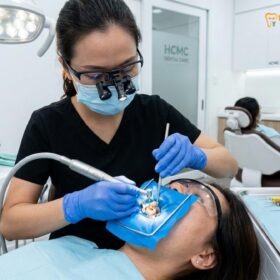
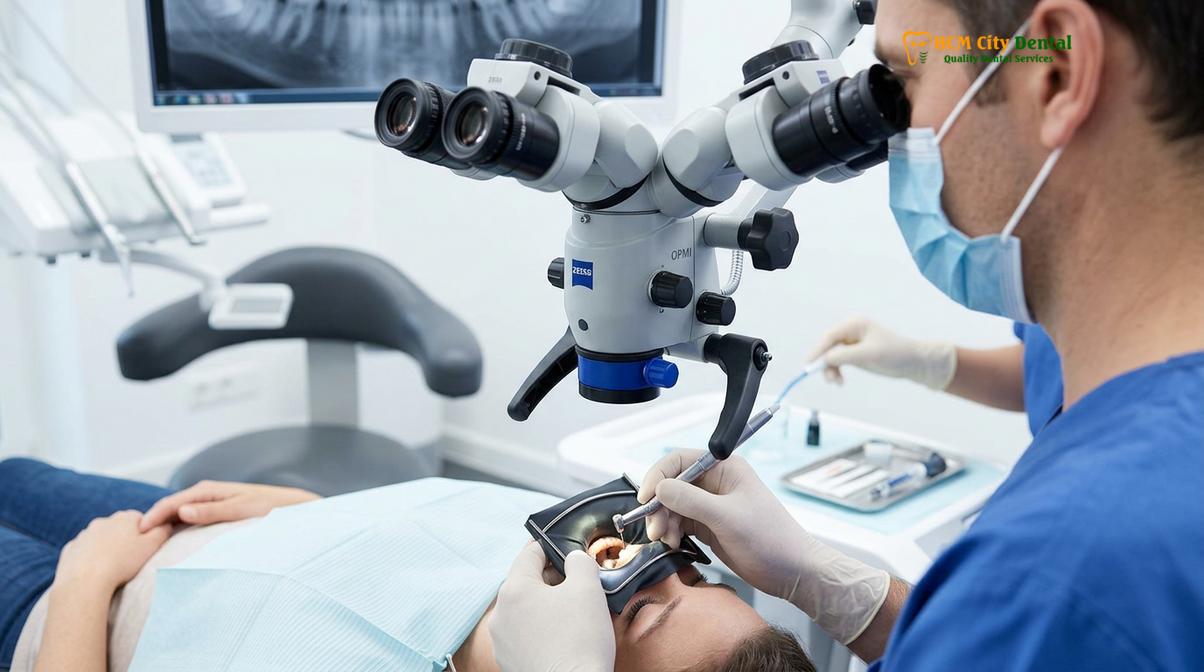
A patient presented to HCMC Dental Clinic in Ho Chi Minh City with severe irreversible pulpitis in a lower second molar. The patient exhibited extreme dental phobia, making traditional treatment highly challenging. The clinical team recommended an IV sedation protocol. Under the continuous monitoring of a certified dental anesthesiologist, the patient entered a state of deep, comfortable sedation. Profound local anesthesia was administered comfortably, and the complex anatomy was cleaned and shaped using rotary instruments and a dental operating microscope. The patient awoke comfortably, reporting no memory of the procedure, demonstrating the efficacy of IV sedation for high-anxiety cases at our facility.
Post-Procedure Pain Management: Clinical Meds Protocol
Proper post-operative management and adherence to clinical guidelines ensure a smooth recovery and minimize the risk of secondary complications.
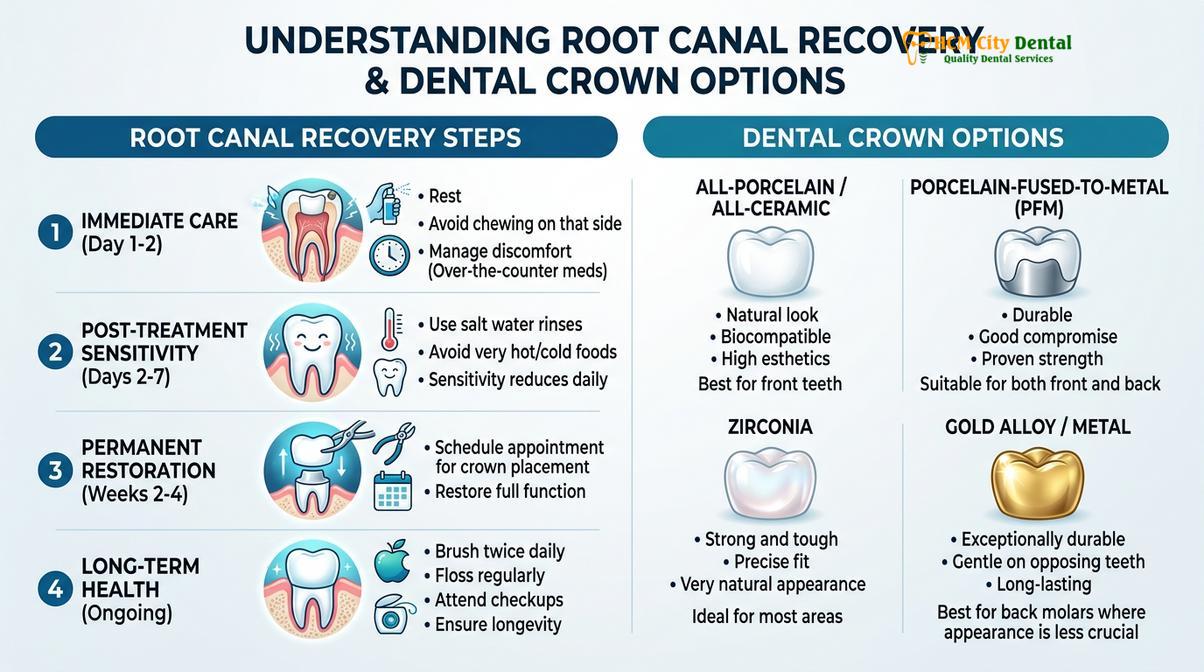
Following a comfortable root canal, it is normal to experience mild tissue tenderness for a few days as the periapical tissues heal from the previous infection. This transient discomfort is highly manageable. Modern post-operative protocols rely heavily on preemptive analgesia—administering non-steroidal anti-inflammatory drugs (NSAIDs) before the local anesthesia wears off to prevent the onset of the inflammatory pain cycle [5].
“Effective pain management does not end when the patient leaves the chair. A proactive approach to post-operative inflammation control is essential for a truly seamless endodontic experience and predictable tissue healing.”
When to Seek Immediate Medical Attention
While recovery is typically smooth, patients must monitor their healing process closely. According to the Vietnam Ministry of Health (MOH) national guidelines on endodontic care, patients should be aware of specific warning signs that indicate a potential complication or secondary flare-up requiring prompt professional intervention [6].
Important Clinical Notice:
Please contact your endodontist immediately if you experience any of the following symptoms after your root canal therapy:
- Rapid or progressive facial swelling that extends to the eye or neck.
- A sudden spike in body temperature or fever.
- Severe, throbbing pain that does not respond to prescribed analgesic medications.
- Difficulty swallowing or restricted jaw opening (trismus).
Meet Your Endodontic Specialist
Expertise and compassionate care are the foundations of a successful, anxiety-free endodontic treatment experience.
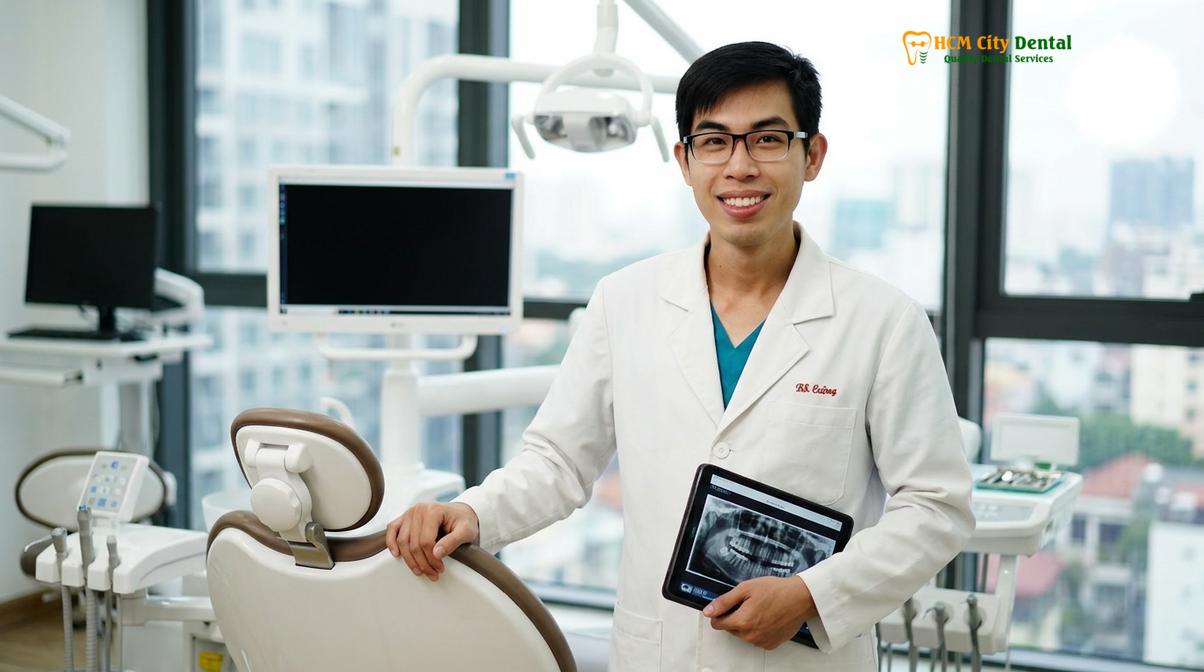
Dr. Nguyen Van Cuong is dedicated to transforming the patient perception of root canal therapy. By integrating advanced microscopic techniques with comprehensive sedation protocols, he ensures that every procedure is performed with the highest level of precision and patient comfort. His commitment to continuing education and modern pain management strategies allows patients to preserve their natural smiles without fear or discomfort.
References
- Journal of Endodontics. Efficacy of Articaine versus Lidocaine in Endodontic Anesthesia.
- International Endodontic Journal. Computer-controlled local anesthetic delivery systems in dentistry.
- Journal of the American Dental Association. Management of irreversible pulpitis and the ‘hot tooth’ phenomenon.
- Clinical Oral Investigations. Conscious sedation protocols in complex endodontic therapy.
- British Dental Journal. Preemptive analgesia and post-endodontic pain management strategies.
- Vietnam Ministry of Health (MOH). National Guidelines on Endodontic Treatment and Pain Management.
If you are experiencing severe tooth pain or have been told you need endodontic therapy, do not let fear delay your treatment. Contact HCMC Dental Clinic, Ho Chi Minh City today to schedule a consultation and learn more about experiencing a comfortable, highly controlled Root Canal tại HCMC Dental Clinic.