Clinical Summary:
Temporomandibular joint (TMJ) disorders require precise diagnostic imaging and custom orthotic fabrication to prevent chronic facial pain and joint degradation. In the UK, patients frequently face prolonged NHS wait times or exorbitant private fees for specialized maxillofacial care. Conversely, seeking treatment at HCMC Dental Clinic in Ho Chi Minh City provides immediate access to advanced digital articulation, custom Michigan splints, and comprehensive bite adjustments. This modern clinical approach not only alleviates chronic jaw pain through evidence-based protocols but also significantly reduces out-of-pocket expenses for international patients seeking high-quality dental tourism.
Key Takeaways:
- \t
- Private UK TMJ treatments often exceed thousands of pounds, whereas Vietnam offers equivalent clinical care for 60-75% less.
- NHS wait times for specialist jaw assessments can span several months, delaying crucial pain relief and risking joint damage.
- Modern clinics in Ho Chi Minh City utilize advanced CBCT imaging and 3D intraoral scanning for precise splint fabrication.
- Custom orthotics, such as Michigan splints and NTI devices, are milled using internationally recognized, biocompatible dental acrylics.
- Combining dental care with travel allows patients to recover in a stress-free environment, which actively benefits muscle relaxation.
\t
\t
\t
\t
NHS TMJ Waiting Lists vs. High Harley Street Private Specialist Fees
The management of temporomandibular disorders (TMD) in the United Kingdom presents a significant logistical and financial challenge for patients suffering from chronic facial pain. The public healthcare system, while comprehensive in its scope, is currently experiencing unprecedented strain. Consequently, the standard NHS jaw guard wait can extend from several months to over a year, depending on the specific regional trust and the availability of maxillofacial specialists. During this prolonged waiting period, patients are often left to manage their symptoms with over-the-counter analgesics and soft diets, which do little to address the underlying biomechanical dysfunction of the temporomandibular joint[1].
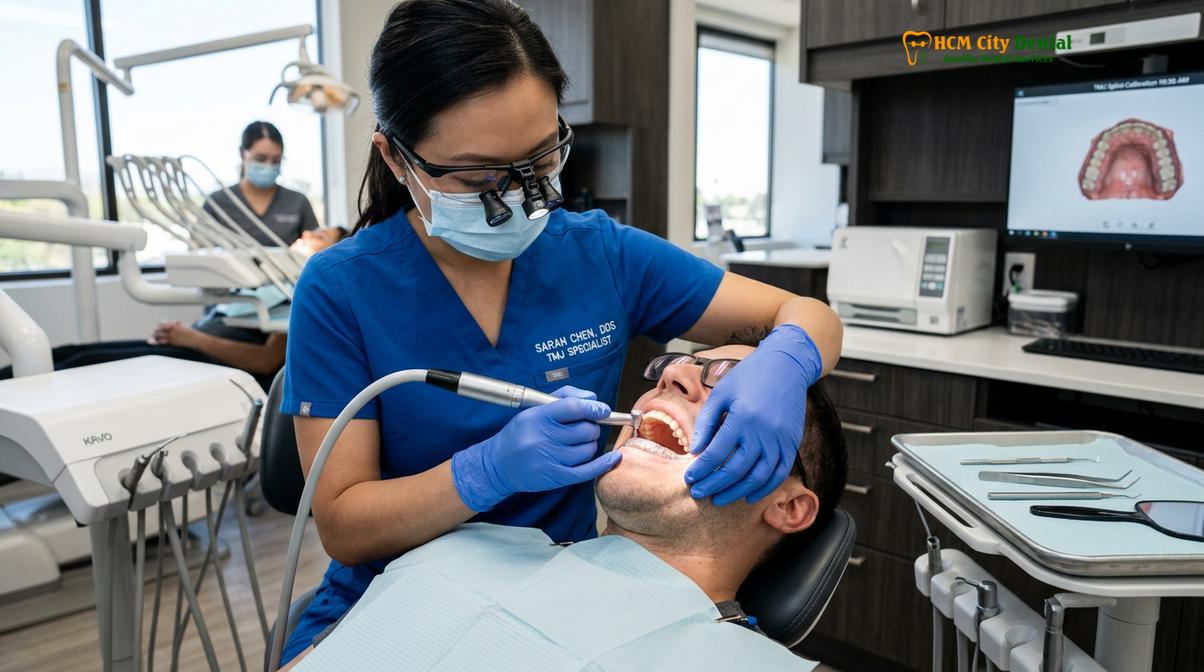
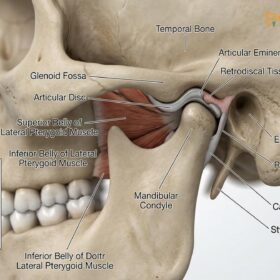
When conservative management fails or when the pain becomes debilitating, many patients turn to the private sector. However, the financial barrier to entry is substantial. Consulting a harley street TMJ specialist often incurs initial assessment fees ranging from £250 to £400, simply to secure a diagnosis. This fee does not include the necessary diagnostic imaging, such as Cone Beam Computed Tomography (CBCT) or Magnetic Resonance Imaging (MRI), which are critical for evaluating the articular disc and the bony structures of the condyle. The cumulative cost of diagnostics in the UK private sector can quickly escalate, making comprehensive care inaccessible for many individuals.Furthermore, the fabrication of a private splint London clinics offer—such as a stabilization splint or a Michigan splint—adds a significant financial burden. These custom orthotics are meticulously designed to provide mutually protected occlusion and decompress the joint space. While highly effective, the laboratory fees and the specialist’s time for precise calibration drive the cost into the thousands. This stark reality forces many patients to endure chronic pain or seek alternative solutions abroad, where the exact same clinical protocols are available without the inflated overhead costs associated with central London real estate and private medical premiums.
“Dr. Nguyen Van Cuong notes that chronic TMJ pain requires immediate clinical intervention to prevent irreversible articular disc damage, making long wait times a significant risk factor for developing permanent degenerative joint disease.”
In contrast, international dental centers have streamlined the diagnostic and treatment pathways. By integrating advanced imaging, digital scanning, and in-house CAD/CAM milling, these facilities eliminate the delays inherent in fragmented healthcare systems. Patients seeking comprehensive TMJ therapy can undergo a full clinical evaluation, receive a definitive diagnosis, and have a custom orthotic fabricated within a matter of days, effectively halting the progression of the disorder and providing rapid symptomatic relief.
Cost Comparison Table: UK Private Orthotics vs. HCMC Dental Packages
Understanding the precise financial differences between domestic private care and international dental tourism is crucial for patients planning their treatment journey. The cost disparity is not a reflection of compromised quality, but rather the result of differing economic environments, lower operational overheads, and optimized clinical workflows. In Vietnam, the integration of digital dentistry allows for the rapid and cost-effective production of high-end orthotics that meet or exceed international standards[2].
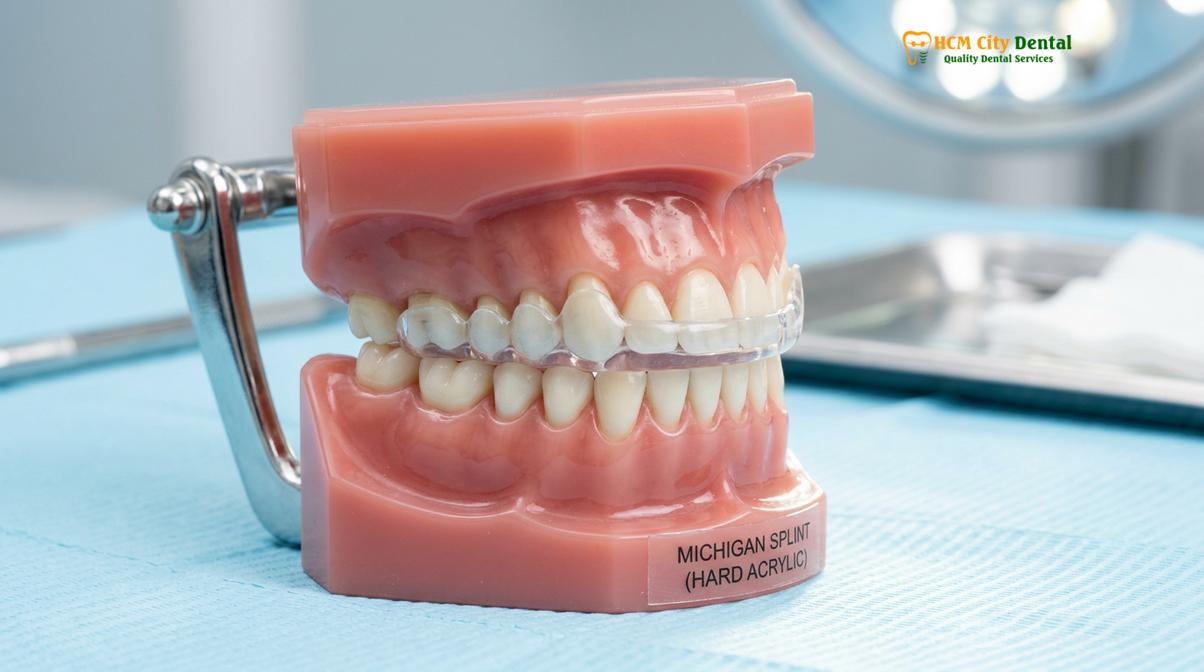
The following table illustrates the estimated cost differences for standard TMJ diagnostic and therapeutic procedures between private clinics in the UK and specialized dental centers in Vietnam. These figures highlight the substantial savings available to international patients, even when factoring in the cost of travel and accommodation.
| Treatment Modality | UK Private Cost (Estimated) | HCMC Dental Clinic Cost (Estimated) |
|---|---|---|
| Specialist Consultation & CBCT Scan | £200 – £400 | £30 – £50 |
| Custom Hard Acrylic Michigan Splint | £600 – £1,200 | £150 – £300 |
| Neuromodulator (Botox) for Masseter Hypertrophy | £350 – £600 | £150 – £250 |
| Comprehensive Computerized Bite Adjustment | £400 – £800 | £100 – £200 |
| NTI-tss Device Fabrication | £500 – £900 | £120 – £250 |
Beyond the standard stabilization splints, many patients require specialized NTI devices to manage severe clenching and tension headaches. The NTI-tss (Nociceptive Trigeminal Inhibition Tension Suppression System) is a small anterior splint designed to prevent the posterior teeth from occluding, thereby significantly reducing the contraction intensity of the masseter and temporalis muscles. In the UK, the proprietary nature of this device and the specialized training required for its fitting result in high clinical fees. In Vietnam, the same authentic devices are provided at a fraction of the cost.Additionally, pharmacological interventions play a vital role in managing muscular TMD. The use of neuromodulator injections for jaw pain has become a gold standard for treating masseter hypertrophy and refractory bruxism. By temporarily inhibiting the release of acetylcholine at the neuromuscular junction, these injections force the hyperactive muscles to relax, breaking the cycle of pain and spasm. The cost of these injectables in London is often prohibitive for ongoing maintenance, whereas clinics in Ho Chi Minh City offer sustainable pricing for long-term management.
Custom Digital Smile Scan and Articulation Standard in HCMC
The cornerstone of effective TMJ treatment lies in the precise capture of the patient’s occlusal dynamics. Traditional methods involving messy alginate or PVS impressions are rapidly being replaced by digital workflows. At premier facilities like HCMC Dental Clinic, the diagnostic process begins with a high-resolution Cone Beam Computed Tomography (CBCT) scan. This three-dimensional imaging allows the clinician to evaluate the condylar position within the glenoid fossa, assess the integrity of the cortical bone, and identify any signs of osteoarthritic degeneration or structural asymmetry.
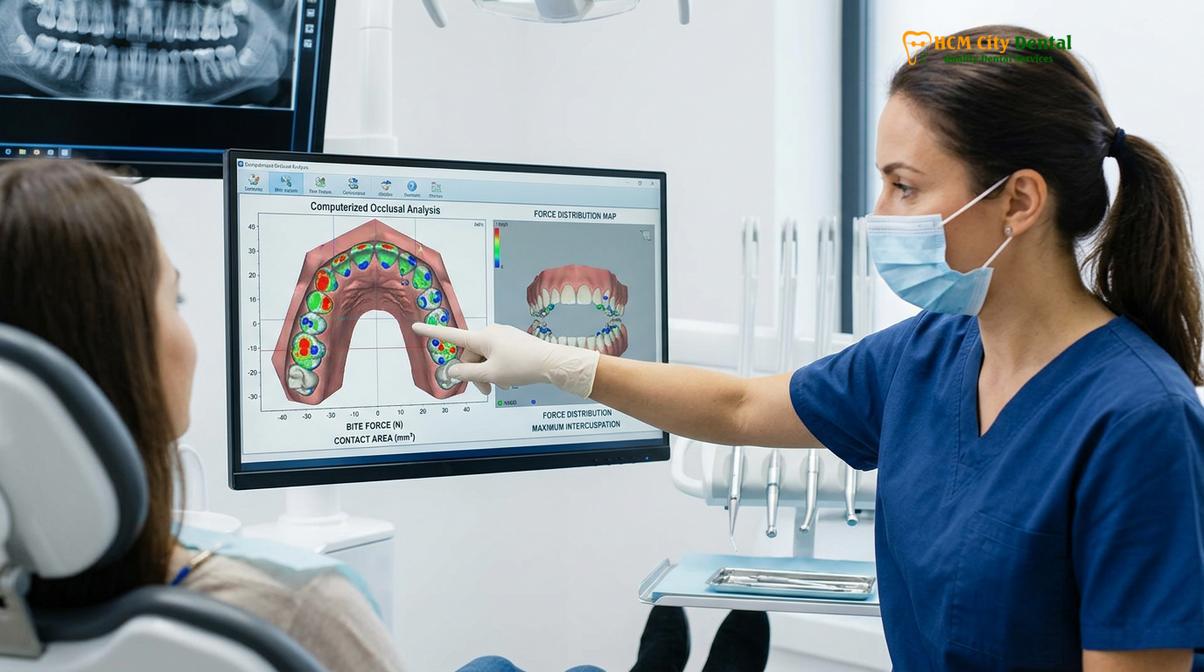
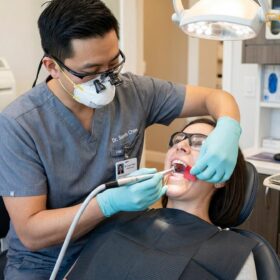
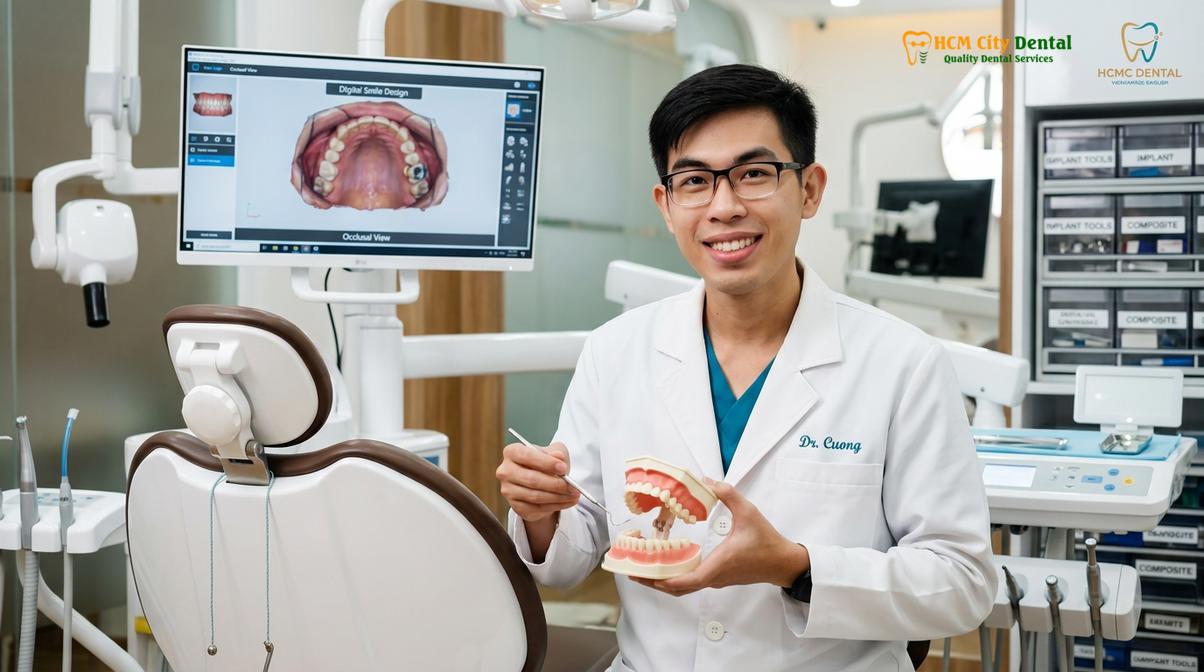
Following the radiological assessment, a digital intraoral scanner (such as an iTero or Trios system) is used to capture a micron-precise 3D model of the patient’s dentition. This digital impression is far superior to traditional molds, as it eliminates the risk of material distortion and provides a highly accurate representation of the static and dynamic bite. The digital file is then imported into specialized CAD (Computer-Aided Design) software, where the clinician can virtually design the orthotic device, carefully programming the precise amount of anterior guidance and posterior disclusion required to unload the temporomandibular joint[3].Once the design is finalized, the splint is milled from a solid block of biocompatible, high-density PMMA (polymethyl methacrylate) using a 5-axis CAM (Computer-Aided Manufacturing) milling machine. This subtractive manufacturing process ensures that the resulting splint is incredibly durable, non-porous, and perfectly adapted to the patient’s teeth. Understanding the clinical differences between occlusal splints and standard guards is vital; while a soft over-the-counter guard can actually exacerbate muscle activity by encouraging chewing, a rigid, digitally milled splint provides a stable platform that promotes muscle relaxation and joint stabilization.The final, and perhaps most critical, step in the workflow is the clinical delivery and calibration of the splint. Even the most accurately milled device requires meticulous occlusal equilibration in the patient’s mouth. Using articulating paper and, in advanced cases, computerized occlusal analysis systems like T-Scan, the dentist fine-tunes the splint to ensure that all occlusal contacts are perfectly balanced. This prevents any premature interferences that could trigger muscle spasms or deflect the mandible into a pathological position.
Combining Holiday Travel in Vietnam with Medical TMJ Relief
Temporomandibular disorders are frequently exacerbated by psychological stress, anxiety, and poor sleep architecture. The sympathetic nervous system’s “fight or flight” response directly influences muscle tonus, leading to nocturnal bruxism and diurnal clenching. Therefore, the environment in which a patient receives treatment and recovers plays a significant role in the overall efficacy of the therapy. Combining medical care with a holiday in Vietnam offers a unique therapeutic advantage: it removes the patient from their daily stressors and places them in a relaxing, culturally rich environment conducive to healing.
Ho Chi Minh City serves as an ideal hub for this dual-purpose travel. The city boasts a robust infrastructure of international-standard medical facilities alongside world-class hospitality. Patients can attend their clinical appointments, undergo their digital scans, and then spend the intervening days exploring the city’s culinary scene, visiting historical landmarks, or relaxing in luxury accommodations that cost a fraction of equivalent European hotels. This holistic approach to recovery actively aids in down-regulating the nervous system, which is a critical component of managing chronic pain syndromes.
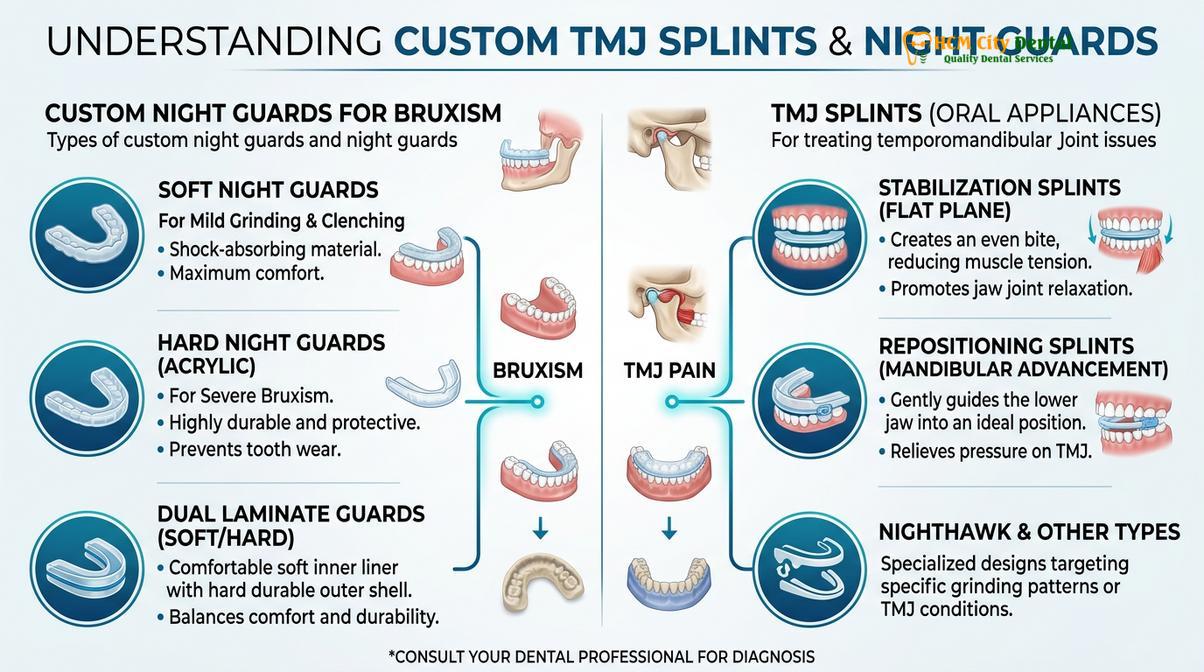
For patients requiring specific types of appliances, the speed of the digital laboratory is a major asset. Whether the clinical indication calls for rigid acrylic nightguards to manage heavy bruxism or specialized interceptive appliances for managing nocturnal grinding in younger patients, the turnaround time is optimized for travel schedules. This efficiency ensures that international visitors do not have to extend their stay unnecessarily, making the entire process highly convenient and predictable.
When to See a Doctor for TMJ Disorders
While mild, transient jaw clicking or occasional morning stiffness can often be managed with self-care techniques such as warm compresses and soft diets, certain clinical signs indicate a more severe underlying pathology that requires immediate professional evaluation. Delaying treatment in the presence of these red flags can lead to irreversible damage to the articular disc, chronic osteoarthritis of the joint, and permanent alterations to the patient’s facial structure and bite alignment.
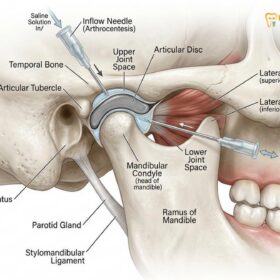
The progression of TMD is often insidious. What begins as a painless click can evolve into a painful catching sensation, indicating that the articular disc is struggling to reduce (return to its normal position) during jaw movement. If the disc becomes permanently displaced without reduction, the patient will experience a significant limitation in mouth opening, severely impacting their ability to eat, speak, and maintain proper oral hygiene. In such advanced cases, conservative splint therapy may need to be supplemented with minimally invasive surgical interventions, such as arthrocentesis, to flush inflammatory mediators from the joint space and restore mobility[4].
“According to Dr. Nguyen Van Cuong, patients should never ignore painless clicking if it suddenly transitions into a painful catching sensation or restricted movement, as this indicates acute disc displacement requiring prompt clinical imaging and stabilization.”
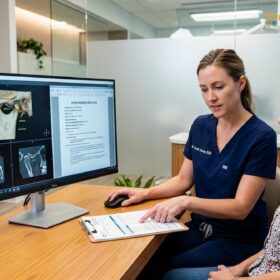
Furthermore, chronic bruxism associated with TMD can lead to severe dental attrition, fracturing of restorations, and periodontal trauma. A comprehensive clinical examination is essential to differentiate between primary joint pathology and secondary muscular pain caused by occlusal interferences. Only through a meticulous diagnostic process, including CBCT imaging and detailed muscle palpation, can a clinician formulate an effective, personalized treatment plan that addresses the root cause of the disorder rather than merely masking the symptoms[5].For international patients considering their options, taking the first step involves gathering existing dental records and reaching out for a preliminary remote consultation. By leveraging the expertise available at modern facilities like HCMC Dental Clinic, patients can secure a definitive diagnosis and access world-class, digitally fabricated orthotics without the prohibitive costs or agonizing wait times experienced in their home countries.
Frequently Asked Questions
How long is the NHS wait time for a custom jaw splint?
The NHS wait time for a specialist TMJ assessment and custom jaw splint can range from several months to over a year depending on regional trust capacity. Due to high demand and limited maxillofacial resources, non-emergency temporomandibular disorders are often placed on routine waiting lists. Patients experiencing severe pain or restricted jaw movement frequently seek private alternatives or travel abroad to bypass these extensive delays and prevent further joint deterioration.
What is the private cost of a Michigan splint in London?
A custom-fabricated Michigan splint in a private London clinic typically costs between £600 and £1,200, excluding initial consultation and advanced imaging fees. When factoring in the required CBCT scans, specialist assessments, and follow-up adjustment appointments, the total treatment plan can easily exceed £1,500. This high price point drives many patients to explore international options where identical digital fabrication standards are available for a fraction of the cost.
How do I book an appointment from the UK?
Booking an appointment from the UK is a streamlined process that begins with an online consultation and the digital submission of your dental records or previous X-rays. International patient coordinators at clinics in Ho Chi Minh City will review your case, provide a preliminary treatment plan, and assist with scheduling your visits to align with your travel itinerary. This ensures that your custom orthotics are fabricated efficiently during your stay.
Are the materials used in Vietnam the same as in the UK?
Yes, reputable dental centers in Vietnam utilize the exact same internationally certified dental acrylics and digital milling blocks as top-tier clinics in the UK. Materials from global brands are processed using advanced CAD/CAM technology to ensure maximum durability, biocompatibility, and precise fit. The cost savings stem entirely from lower operational and laboratory overheads, not from any compromise in material quality or clinical safety standards.
Can Botox be used alongside a night guard for TMJ?
Neuromodulator injections can be highly effective when used in conjunction with a custom night guard to manage severe bruxism and temporomandibular joint pain. While the splint protects the teeth from mechanical wear and helps decompress the joint space, the injections specifically target and relax the hyperactive masseter and temporalis muscles. This dual-modality approach provides comprehensive relief for patients suffering from chronic, muscle-tension-related jaw disorders.
References
- \t
- Journal of the American Dental Association. Occlusal splint therapy for temporomandibular disorders: a clinical review. (2020).
- Journal of Oral Rehabilitation. Efficacy of Michigan repositioning splints in TMD patients. (2019).
- Journal of Prosthetic Dentistry. Computerized occlusal analysis and bite mapping in TMJ therapy. (2021).
- Clinical Oral Investigations. Masseter Botox injections for chronic jaw pain and bruxism. (2018).
- International Journal of Oral and Maxillofacial Surgery. TMJ arthrocentesis and hyaluronic acid injections. (2022).
\t
\t
\t
\t