The cost of a custom stabilisation splint for TMD, custom-fitted at specialized clinics in District 1, Ho Chi Minh City, typically ranges from $200 to $800 in Vietnam, compared to $1,000 to $3,000 internationally. This therapeutic device decompresses the temporomandibular joint, relaxes hyperactive jaw muscles, and requires precise clinical calibration for effective, long-term pain relief.
Clinical Summary:
A stabilization splint is a rigid, custom-fabricated acrylic appliance designed to provide a flat occlusal surface, allowing the mandible to rest in a physiologically neutral position. Unlike over-the-counter night guards, this therapeutic device actively reduces muscle spasms and joint loading by eliminating bite interferences. The overall stabilisation splint TMD cost reflects not just the physical appliance, but the comprehensive diagnostic imaging, laboratory fabrication, and meticulous clinical adjustments required to achieve optimal neuromuscular balance. When properly calibrated by a dental professional, this reversible therapy serves as the cornerstone of conservative temporomandibular joint management.
Key Takeaways:
- Custom stabilization splints actively decompress the temporomandibular joint (TMJ) by providing orthopedic stability.
- A flat-plane design prevents teeth from locking together, effectively relaxing hyperactive facial muscles.
- Fabrication requires precise digital impressions, centric relation bite registration, and high-grade bio-acrylics.
- The total treatment cost encompasses diagnostic imaging, the physical appliance, and multiple clinical calibration visits.
- Seeking comprehensive TMD management in Ho Chi Minh City offers significant cost advantages for international patients without compromising clinical quality.
| Splint Type | HCMC Dental Cost | Primary Clinical Goal |
|---|---|---|
| Michigan Stabilization Splint | from $100 USD (2,500,000 VND) | Bite balancing & muscle deprogramming |
| Anterior Repositioning Splint | from $150 USD (3,750,000 VND) | Disc displacement & joint decompression |
The Role of a Flat-Plane Stabilization Splint in TMD Therapy
A flat-plane stabilization splint acts as a therapeutic orthotic, creating an ideal occlusal surface that allows the lower jaw to find its most relaxed, neutral posture without interference from the natural bite.
Temporomandibular disorders (TMD) encompass a complex group of musculoskeletal and neuromuscular conditions involving the temporomandibular joint (TMJ), the masticatory muscles, and all associated structures. When a patient presents with chronic jaw pain, restricted mouth opening, or joint noises such as clicking and popping, the primary clinical objective is to reduce the biomechanical load on the joint and soothe the inflamed surrounding tissues. The most universally accepted conservative treatment for achieving this is the implementation of a flat-plane splint, often referred to as a Michigan splint or a stabilization appliance[1].
To understand the therapeutic role of this device, one must first understand the relationship between the teeth, the jaw muscles, and the TMJ. In a healthy masticatory system, the teeth fit together seamlessly (maximum intercuspation) while the jaw joints simultaneously rest in their most stable, unstrained position (centric relation). However, in many patients suffering from TMD, there is a discrepancy between where the teeth want to bite and where the jaw joints want to rest. This discrepancy forces the powerful jaw muscles to constantly work overtime to hold the jaw in a compromised position, leading to chronic fatigue, spasms, and pain.
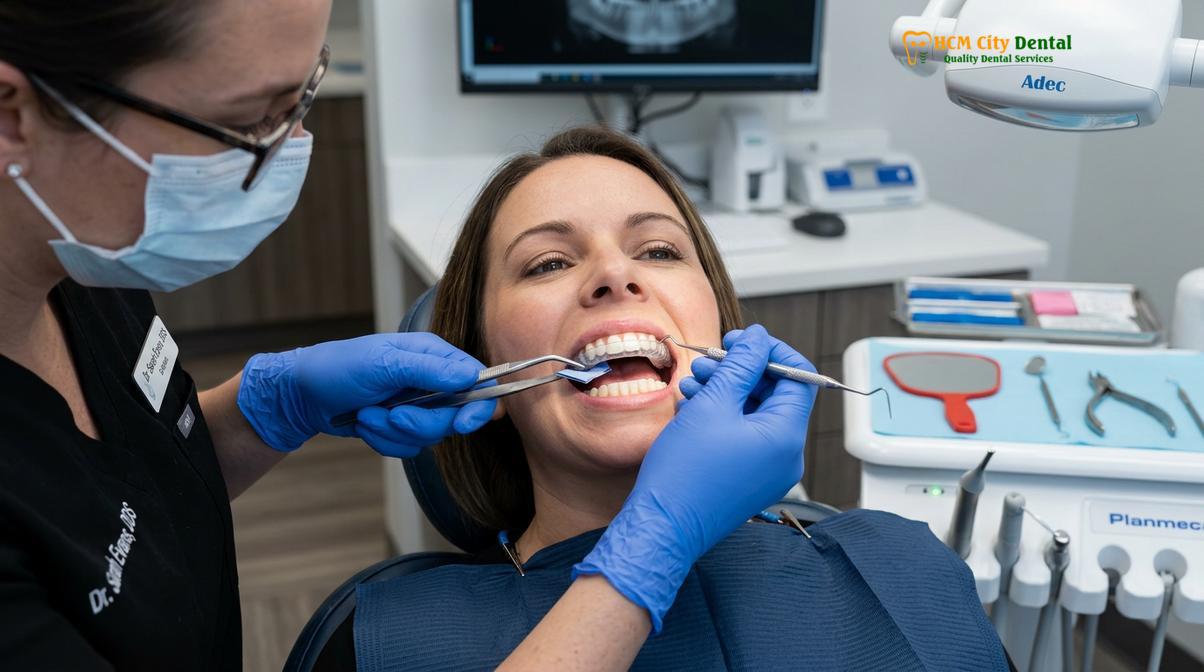
A flat-plane splint intervenes by temporarily masking the patient’s natural bite. By covering the occlusal (biting) surfaces of either the upper or lower teeth with a smooth, hard acrylic surface, the splint removes all the interlocking cusps and grooves that dictate the jaw’s habitual closure path. Without these dental interferences, the proprioceptive feedback to the brain is altered. The central nervous system stops receiving the signal to brace the jaw in its strained position, allowing the lateral pterygoid and masseter muscles to finally relax. As Dr. Nguyen Van Cuong frequently explains during consultations, the splint does not force the jaw into a new position; rather, it provides a permissive environment that allows the jaw to naturally seat itself into a physiologically healthy posture.
Furthermore, the stabilization splint plays a crucial role in joint decompression. Many TMD patients suffer from internal derangement, where the cartilaginous disc that cushions the TMJ becomes displaced or compressed. By slightly increasing the vertical dimension of the bite, the splint creates a micro-space within the joint capsule. This decompression reduces the friction between the condyle (the ball of the jaw joint) and the articular eminence (the socket), allowing inflamed retrodiscal tissues to heal and synovial fluid to properly lubricate the joint space. This foundational approach is a core component of comprehensive TMJ treatment protocols.
Why Flat Occlusal Surfaces Relieve Spasmed Muscles
By eliminating the interlocking cusps of the upper and lower teeth, a flat occlusal surface prevents the jaw from being forced into strained positions, thereby breaking the cycle of chronic muscle spasms.
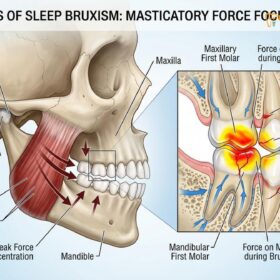
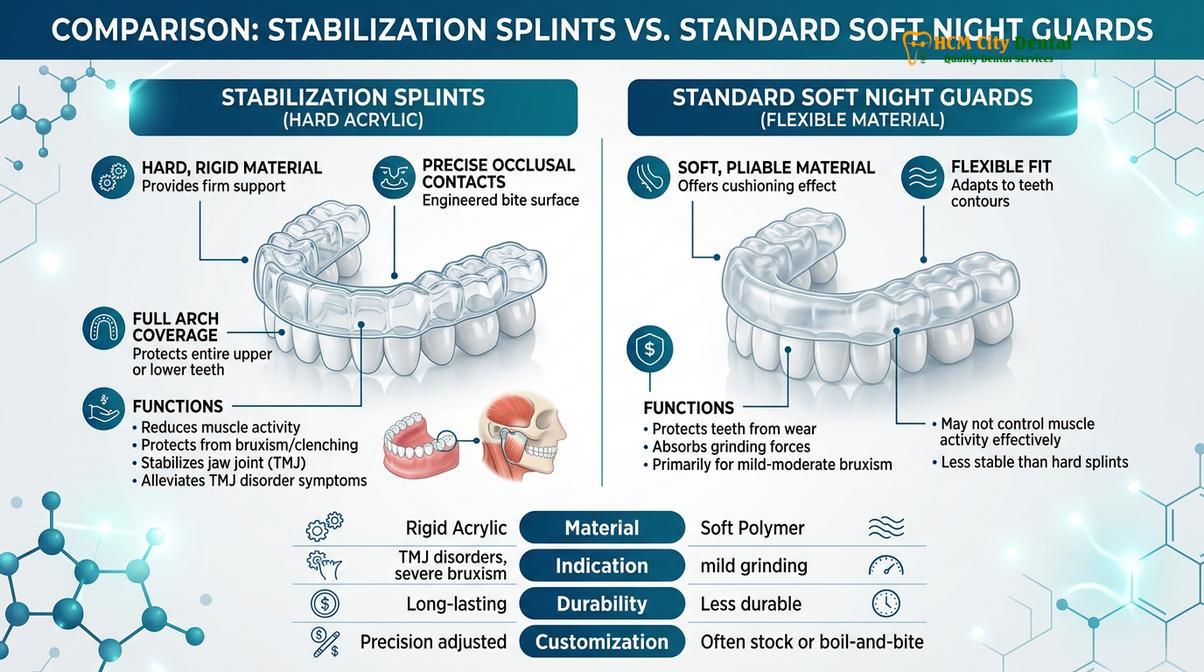
The human masticatory system is capable of generating immense force, primarily driven by the masseter and temporalis muscles. When a patient engages in parafunctional habits such as bruxism (teeth grinding) or clenching, these muscles are subjected to extreme, sustained contraction. Over time, this hyperactivity leads to the accumulation of lactic acid and other metabolic waste products within the muscle tissue, resulting in myofascial pain, trigger points, and tension headaches. Soft, over-the-counter mouthguards often exacerbate this issue; their rubbery texture can actually stimulate the chewing reflex, causing the patient to clench harder, much like chewing on a piece of tough gum.
In stark contrast, a custom-fabricated flat-plane splint is made of rigid, hard acrylic. The clinical efficacy of this rigidity cannot be overstated. When the opposing teeth contact the hard, perfectly flat surface of the splint, the periodontal ligaments (the sensory receptors surrounding the roots of the teeth) send an immediate inhibitory signal to the brain. This signal effectively down-regulates the motor neurons controlling the jaw muscles, significantly reducing the intensity of clenching forces. This neurological feedback loop is essential for patients seeking relief from teeth grinding headaches and morning migraines[2].
“The therapeutic value of a stabilization splint lies not in its ability to protect the teeth, but in its capacity to erase pathological muscle engrams. By providing a frictionless occlusal table, we allow the neuromuscular system to reset, breaking the destructive cycle of chronic masticatory hyperactivity.”
The design of the flat occlusal surface is meticulously engineered to provide specific functional guidance. When the patient closes their mouth, all the posterior teeth must contact the splint simultaneously and with equal force. This even distribution of pressure prevents any single tooth or joint from bearing an excessive load. Furthermore, when the patient moves their jaw side-to-side (lateral excursions) or forward (protrusive movements), the splint is designed to provide “canine guidance” or “anterior guidance.” This means that only the front teeth or canines touch the splint during these movements, causing the back teeth to instantly separate (disclude). This immediate posterior disclusion is a powerful trigger that shuts down the elevator muscles (masseter and temporalis), providing profound relief for patients struggling with daytime bruxism and jaw clenching.
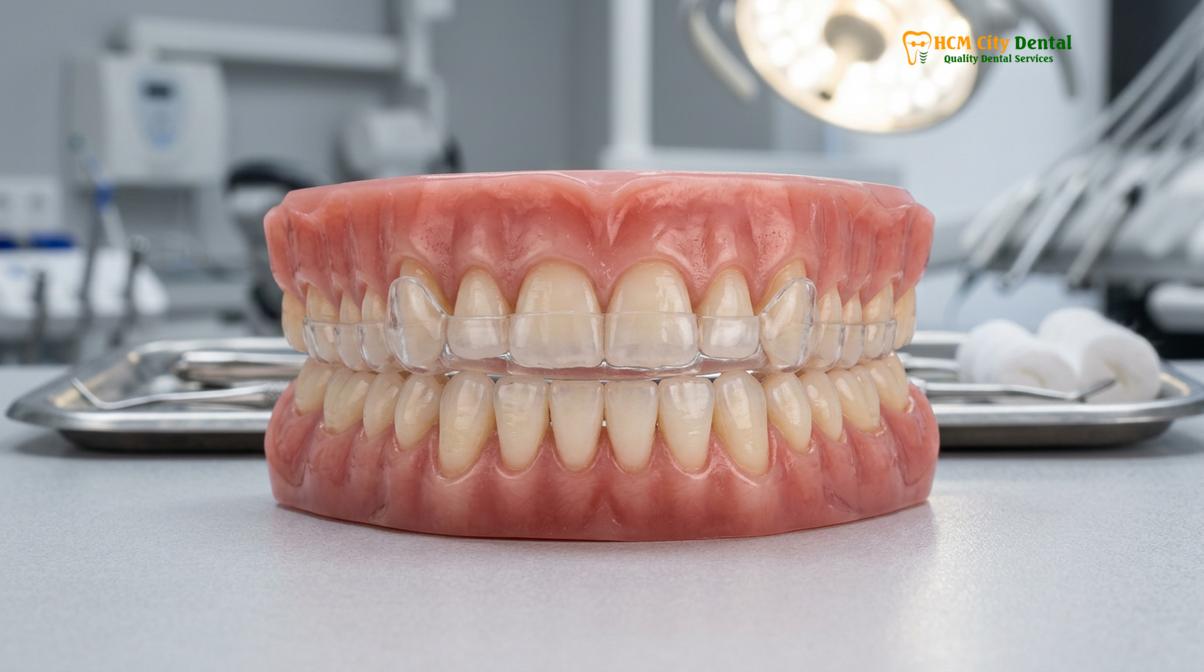
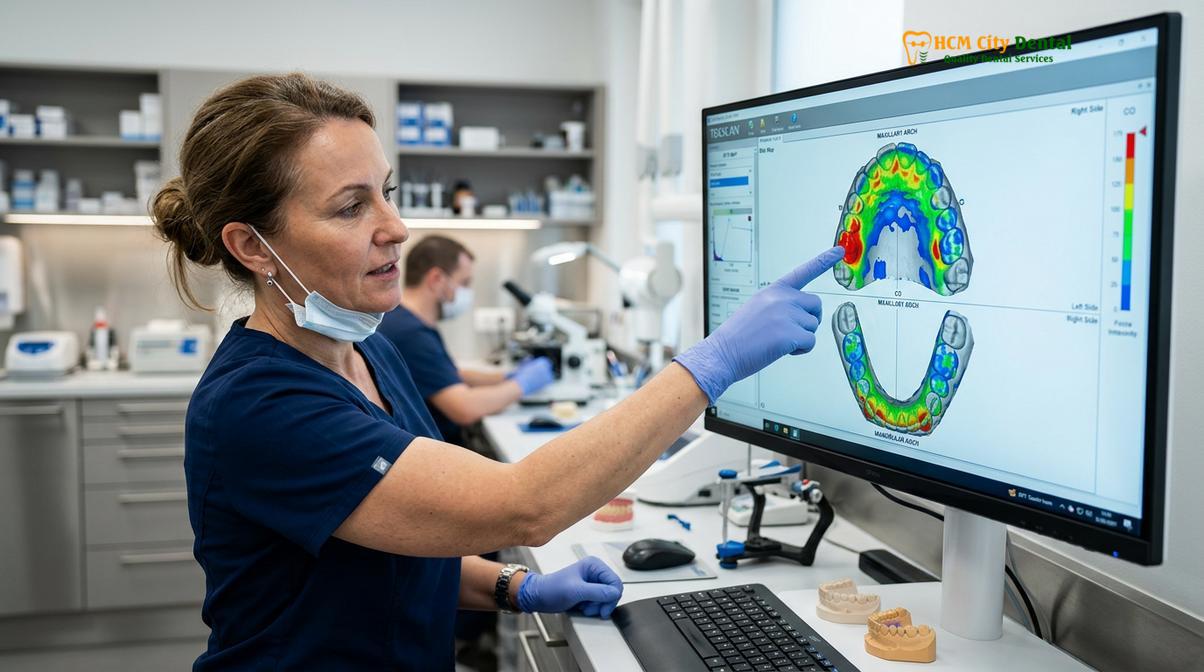
Achieving this level of precision requires a deep understanding of gnathology and occlusal dynamics. The flat surface is not merely “flat” in a generic sense; it is a highly calibrated plane that harmonizes with the unique anatomical angulation of the patient’s TMJ. If the splint is even a fraction of a millimeter off-balance, it can introduce new interferences, potentially worsening the muscle spasms. Therefore, the clinical adjustment phase is just as critical as the fabrication phase, requiring the expertise of a clinician well-versed in neuromuscular dentistry.
Custom Laboratory Fabrication: Sourcing Bio-Acrylics in HCMC
Fabricating a durable, precise splint requires advanced digital scanning, specialized dental laboratories, and biocompatible hard acrylics that can withstand extreme occlusal forces without deforming.
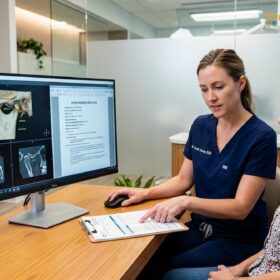
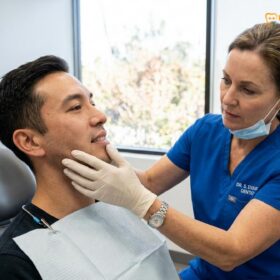
The journey to creating an effective stabilization splint begins long before the physical appliance is delivered. It starts with a comprehensive diagnostic workup. At a modern facility like HCMC Dental Clinic, this process typically involves a Cone Beam Computed Tomography (CBCT) scan to evaluate the bony architecture of the TMJ, followed by a detailed clinical examination of the facial muscles and cervical spine. Once the diagnosis of TMD is confirmed and a splint is deemed appropriate, the fabrication process commences.
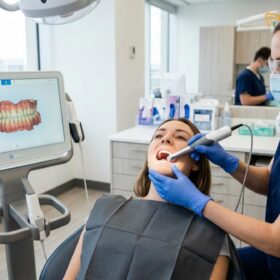
Historically, taking impressions for a splint involved messy, uncomfortable alginate or polyvinyl siloxane putty. Today, the standard of care involves high-resolution intraoral digital scanners. These scanners capture the exact micro-anatomy of the teeth and gingival tissues in a matter of minutes, creating a highly accurate 3D digital model. Equally important is the capture of the “bite registration.” The dentist must carefully manipulate the patient’s jaw into centric relation—the most relaxed, superior-anterior position of the condyles within the joint sockets—and record this exact spatial relationship digitally[3].
Clinical Case Study: Neuromuscular Rehabilitation
A 34-year-old expatriate visited HCMC Dental Clinic in Ho Chi Minh City presenting with severe restricted mouth opening (trismus) and chronic facial pain. Digital diagnostics revealed severe muscle contracture secondary to nocturnal bruxism. A custom hard-acrylic stabilization splint was fabricated by a specialized dental laboratory in Saigon. After three weeks of nightly wear and two precise occlusal equilibration sessions, the patient’s maximum incisal opening improved from 22mm to 45mm, and the myofascial pain was entirely resolved.
The digital files are then transmitted to a specialized dental laboratory. The choice of a high-quality dental laboratory in Saigon is paramount to the success of the treatment. The technicians utilize Computer-Aided Design (CAD) software to virtually design the splint, ensuring the precise thickness required to decompress the joint while maintaining the necessary flat-plane parameters. The appliance is then either 3D printed using biocompatible resins or, more commonly for maximum durability, milled from a solid puck of polymethyl methacrylate (PMMA) using Computer-Aided Manufacturing (CAM) technology.
The use of high-grade bio-acrylics is non-negotiable. The material must be completely biocompatible, non-porous to prevent bacterial accumulation, and exceptionally rigid. Patients with severe bruxism damage can exert hundreds of pounds of force per square inch; a substandard material will quickly wear down, crack, or warp, rendering the therapeutic flat plane useless. The milled PMMA splints provided by top-tier laboratories offer superior strength, a highly polished surface that is comfortable against the tongue and cheeks, and excellent dimensional stability over time.
Cost Analysis: Stabilization Splint Prices in Vietnam vs. USA & Australia
The total investment in a stabilization splint encompasses diagnostic imaging, laboratory fees, and clinical calibration, with clinics in Vietnam offering these comprehensive services at a fraction of Western prices.
When patients inquire about the stabilisation splint TMD cost, it is crucial to understand that they are not merely purchasing a piece of plastic; they are investing in a comprehensive medical therapy. The muscle-relaxing guard price reflects the culmination of diagnostic expertise, advanced technology, laboratory craftsmanship, and ongoing clinical management. A generic, boil-and-bite mouthguard from a pharmacy may cost $20, but it offers zero therapeutic value for TMD and can often cause irreversible harm to the bite.
In Western countries such as the United States and Australia, the financial barrier to proper TMD treatment can be significant. The initial consultation and CBCT imaging alone can cost several hundred dollars. The laboratory fees for a custom-milled PMMA splint, combined with the dentist’s chair time for the initial delivery and subsequent adjustment appointments, frequently push the total cost well over $1,500, sometimes reaching up to $3,000 in specialized orofacial pain clinics. Because TMD treatments are often categorized under medical rather than dental insurance, many patients find themselves bearing the entire cost out-of-pocket.
Conversely, Vietnam has emerged as a premier destination for high-quality, cost-effective dental care. The overhead costs for operating a state-of-the-art clinic and partnering with a premium dental laboratory in Saigon are substantially lower than in Western nations. However, the technology used—such as 3Shape scanners, CBCT machines, and CAD/CAM milling units—is identical to that found in top clinics globally. This allows facilities like HCMC Dental Clinic to offer the exact same standard of care at a highly accessible price point.
| Treatment Component | Estimated Cost (USA/Australia) | Estimated Cost (Vietnam) | Clinical Purpose |
|---|---|---|---|
| Diagnostic Consultation & CBCT Scan | $250 – $500 | $50 – $100 | Evaluate joint architecture and rule out pathology. |
| Digital Impressions & Bite Registration | $150 – $300 | Included in splint fee | Capture exact dental anatomy and centric relation. |
| Custom PMMA Splint Fabrication (Lab Fee) | $600 – $1,500 | $200 – $400 | Create the rigid, flat-plane therapeutic appliance. |
| Delivery & Occlusal Equilibration | $200 – $500 | Included in splint fee | Calibrate the splint to ensure even bite distribution. |
| Total Estimated Investment | $1,200 – $2,800+ | $250 – $500 | Comprehensive neuromuscular rehabilitation. |
It is important to note that the initial delivery of the splint is only the beginning of the therapy. As the hyperactive muscles begin to relax and the inflammation in the TMJ subsides, the patient’s jaw will naturally shift into a new, healthier position. This means that the way the teeth contact the splint will change over the first few weeks of wear. Therefore, follow-up appointments are mandatory to re-equilibrate (adjust) the splint to this new jaw posture. In Vietnam, these crucial adjustment visits are often included in the initial comprehensive fee, ensuring that patients receive the ongoing care necessary to manage conditions like teeth grinding in sleep effectively[4].
When to See a Doctor for TMJ Pain
While a stabilization splint is a highly effective conservative treatment, TMJ pain can sometimes be indicative of more severe underlying pathology. It is critical to differentiate between transient muscle fatigue and structural joint damage. Patients should seek immediate evaluation from a qualified dental professional or an oral and maxillofacial specialist if they experience any of the following red flag symptoms.
Important Clinical Warning:
Never attempt to treat chronic jaw pain, restricted opening, or joint locking with over-the-counter, boil-and-bite mouthguards. These soft appliances cannot provide the necessary orthopedic support and frequently exacerbate muscle spasms and joint compression. If your jaw becomes locked in either an open or closed position, seek immediate emergency dental or medical care.
You should schedule a clinical consultation if you experience severe, sharp pain in the jaw joint that radiates to the ear, neck, or temples, particularly if this pain is accompanied by a sudden change in how your upper and lower teeth fit together. A sudden bite shift can indicate that the articular disc within the TMJ has become permanently displaced or that there is significant fluid accumulation (effusion) within the joint space. Furthermore, if you hear loud, grating sounds (crepitus) when opening or closing your mouth—which sounds like crunching gravel—this may indicate degenerative joint disease or osteoarthritis, requiring advanced imaging and potentially different therapeutic interventions.
“Proper diagnosis dictates proper treatment. A splint is a powerful tool, but it is not a panacea for all facial pain. We must first rule out neuropathic conditions, systemic inflammatory diseases, and severe internal derangements before initiating occlusal appliance therapy.”
Dr. Cuong emphasizes that early intervention is key to preventing irreversible joint damage. If you are experiencing chronic bruxism symptoms and signs, such as flattened tooth surfaces, receding gums, or unexplained tooth sensitivity, a comprehensive evaluation is necessary. The goal of treatment at HCMC Dental Clinic is not just to manage the pain, but to identify and address the root cause of the dysfunction, ensuring long-term oral health and neuromuscular stability. For complex cases, a multidisciplinary approach involving physical therapy, stress management, and advanced restorative dentistry under the umbrella of General Dentistry may be required to achieve optimal results[5].
Frequently Asked Questions
How much does a custom stabilization splint cost in Saigon?
A custom stabilization splint in Saigon typically costs between $200 and $400, depending on the diagnostic imaging required and the complexity of the clinical adjustments. This comprehensive fee generally includes the initial consultation, 3D scanning, laboratory fabrication using high-grade bio-acrylics, and the critical follow-up appointments necessary to calibrate the appliance to your specific neuromuscular bite. This represents a significant saving compared to Western prices, without any compromise in material quality or clinical expertise.
How does the dentist adjust a flat-plane splint?
The dentist adjusts a flat-plane splint by using specialized articulating paper to mark exactly where the opposing teeth contact the acrylic surface. The goal is to ensure simultaneous, even contact across all posterior teeth while providing smooth guidance for the canine teeth during lateral movements. The clinician will carefully grind away high spots using an acrylic bur until the jaw can move freely without any restrictive interferences, ensuring the muscles can fully relax.
Is it comfortable to wear a hard stabilization splint?
Yes, a properly adjusted hard stabilization splint is highly comfortable, as it is custom-milled to fit the exact contours of your teeth without applying orthodontic pressure. While it may feel slightly bulky for the first few nights and cause a temporary increase in salivary flow, the immediate reduction in muscle tension and joint pain typically outweighs any initial foreign-body sensation. Most patients find they sleep much more soundly once they adapt to the appliance.
Can a stabilization splint permanently change my bite?
A true stabilization splint is designed to be a reversible therapy and should not permanently alter your natural dental occlusion if worn as directed. Its primary function is to provide a temporary, ideal resting surface for the jaw muscles to decompress. However, prolonged use without routine clinical supervision can occasionally lead to minor shifting of the teeth, which is why regular dental check-ups and splint adjustments are mandatory during the course of your therapy.
How long do I need to wear a TMD splint?
The duration of TMD splint therapy varies widely based on the severity of the joint dysfunction and muscle hyperactivity, typically ranging from three months to over a year. Many patients wear the splint nightly during periods of high stress to prevent bruxism flare-ups, while others may be instructed to wear it during the day initially to break severe muscle spasm cycles. Your dentist will provide a personalized wear schedule based on your specific clinical presentation and symptom resolution.
References
- Journal of the American Dental Association. Occlusal splint therapy for temporomandibular disorders: a clinical review. (2020).
- Journal of Oral Rehabilitation. Efficacy of Michigan repositioning splints in TMD patients. (2019).
- Journal of Prosthetic Dentistry. Computerized occlusal analysis and bite mapping in TMJ therapy. (2021).
- Clinical Oral Investigations. Masseter Botox injections for chronic jaw pain and bruxism. (2018).
- International Journal of Oral and Maxillofacial Surgery. TMJ arthrocentesis and hyaluronic acid injections. (2022).