The cost of a gum graft in Vietnam typically ranges from a fraction of Western prices while maintaining world-class clinical standards. Patients can expect highly specialized periodontal microsurgery utilizing advanced tissue regeneration protocols, making it a highly cost-effective solution for treating severe gingival recession and protecting vulnerable tooth roots.
Clinical Summary:
Gum grafting in Vietnam offers a medically sound, cost-efficient alternative to exorbitant Western dental fees. By leveraging advanced microsurgical techniques, autogenous tissue harvesting, and modern allograft materials, periodontal specialists can successfully restore gingival margins and halt progressive recession. The overall financial investment depends heavily on the anatomical severity of the recession, the number of teeth involved, and the specific biological grafting material selected. However, by choosing a reputable facility, international patients can access premium, evidence-based periodontal care that consistently remains highly competitive on a global scale.
Key Takeaways:
- Vietnamese periodontal clinics offer premium soft tissue grafting procedures at significantly reduced global rates.
- Total costs vary based on the clinical choice between autogenous tissue (palate) and synthetic/donor matrices.
- Comprehensive treatment plans must include pre-surgical scaling, the graft itself, and mandatory post-operative monitoring.
- Advanced biological modifiers like PRF (Platelet-Rich Fibrin) are routinely integrated to accelerate tissue revascularization.
- International patients benefit from stringent cross-infection controls and highly trained, English-speaking specialists.
Why Gum Grafting is a Highly Cost-Variable Procedure
The financial investment required for gingival grafting fluctuates based on the anatomical severity of the recession, the surgical technique employed, and the specific biological materials required for optimal tissue integration.
Understanding the economics of periodontal plastic surgery requires a deep dive into the biological complexities of the human periodontium. Gum grafting is not a standardized, one-size-fits-all commodity; it is a highly customized microsurgical intervention designed to halt disease progression, protect vulnerable root surfaces, and restore aesthetic harmony to the smile. The variability in pricing stems directly from the clinical reality that no two cases of gingival recession are anatomically identical. When evaluating the receding gums surgery cost, patients must recognize that the fee reflects the surgical difficulty and the predictability of the desired outcome.
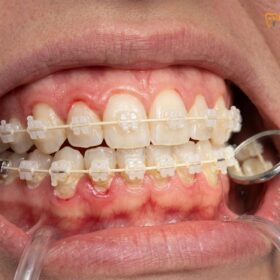
Periodontists classify gingival recession using specific diagnostic criteria, most notably the Miller Classification system, which directly impacts the surgical approach and subsequent costs [1]. A Miller Class I or II recession—where the tissue loss has not extended past the mucogingival junction and there is no interdental bone loss—presents a highly predictable scenario for complete root coverage. These cases often require less invasive techniques, shorter surgical times, and consequently, incur lower fees. Conversely, Miller Class III and IV recessions involve significant interproximal bone loss and severe tissue destruction. Achieving root coverage in these advanced scenarios is biologically demanding, requiring complex surgical flap designs, advanced suturing techniques, and sometimes multiple staged procedures, which naturally increases the overall cost.
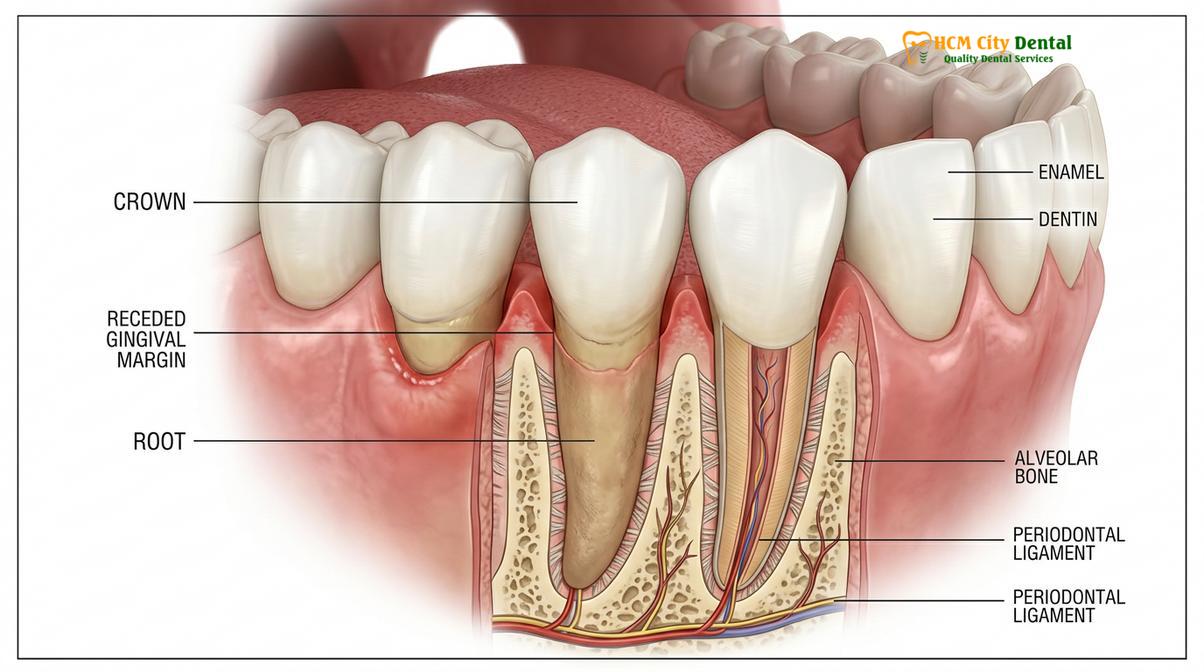
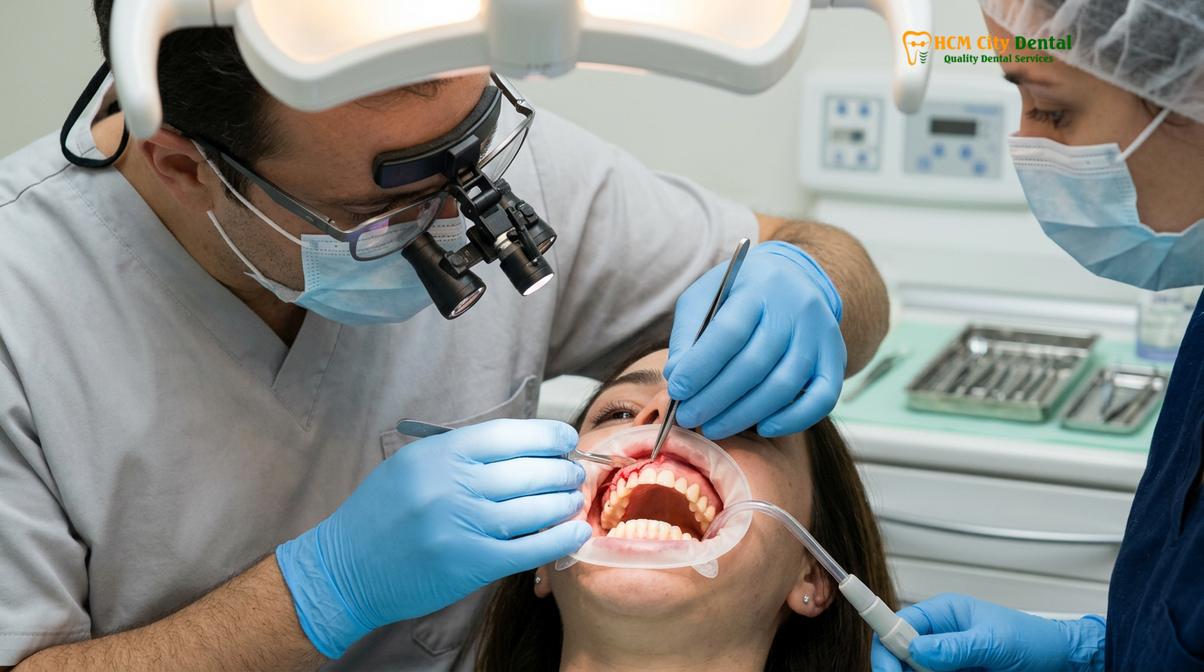
Furthermore, the surgical methodology itself dictates the required resources. Traditional macroscopic surgery, while effective, is increasingly being replaced by periodontal microsurgery. Microsurgery utilizes high-powered magnification loupes or surgical microscopes, allowing the clinician to use micro-blades and ultra-fine sutures. This meticulous approach minimizes tissue trauma, accelerates healing, and improves the aesthetic blending of the graft. However, the specialized equipment, extended chair time, and advanced training required to perform microsurgery contribute to a higher baseline fee compared to standard macroscopic techniques [2]. Therefore, the cost is a direct reflection of the precision and clinical sophistication applied to the patient’s unique anatomical deficit.
Gum Graft Surgery Cost in the USA, Canada, and UK
In Western healthcare systems, periodontal surgery carries a premium price tag driven by high clinical overhead, specialized surgical fees, and limited coverage by standard dental insurance policies.
To fully appreciate the value proposition of seeking periodontal treatment internationally, one must analyze the financial landscape of dental care in North America and Europe. In the United States, Canada, and the United Kingdom, periodontal plastic surgery is widely regarded as a premium specialty service. The fees associated with these procedures are heavily influenced by the exorbitant overhead costs required to operate a modern dental practice in these regions. Factors such as commercial real estate leases, specialized malpractice insurance, staff salaries, and the continuous procurement of advanced surgical equipment create a high baseline cost that is inevitably passed on to the patient.
Moreover, the role of dental insurance in Western countries often complicates the financial burden for the patient. Many standard dental insurance policies categorize soft tissue grafting as an “elective” or “cosmetic” procedure, particularly if the primary complaint is aesthetic rather than functional. Even when deemed medically necessary to treat severe dentin hypersensitivity or progressive attachment loss, insurance plans typically impose strict annual maximums, high deductibles, and co-pay percentages that leave the patient responsible for a substantial out-of-pocket expense.
“The out-of-pocket financial burden for specialized periodontal procedures in North America often forces patients to delay necessary interventions, inadvertently allowing localized recession to progress into severe attachment loss and eventual tooth mobility.”
This economic reality drives many individuals to explore cross-border healthcare options. The disparity in pricing is not a reflection of inferior materials or outdated techniques abroad; rather, it is a manifestation of differing macroeconomic environments. By stepping outside the constraints of Western healthcare economics, patients can access the exact same biological materials and surgical expertise without the inflated overhead costs, making comprehensive periodontal rehabilitation accessible rather than prohibitive.
Premium Gum Grafting Fees in Ho Chi Minh City
Ho Chi Minh City provides top-tier periodontal microsurgery at highly competitive rates, utilizing the exact same advanced surgical protocols and imported biomaterials found in leading international clinics.
Vietnam has rapidly emerged as a premier destination for advanced dental care, with Ho Chi Minh City (Saigon) at the epicenter of this medical evolution. The gingival grafting price in this region is exceptionally competitive, yet the clinical standards rival—and often exceed—those found in traditional Western hubs. At facilities like HCMC Dental Clinic, Ho Chi Minh City, the focus is on delivering uncompromising clinical excellence through the integration of global best practices, state-of-the-art technology, and highly specialized surgical talent.
The cost structure in Ho Chi Minh City is transparent and directly correlated to the clinical value provided. Patients are not paying for inflated administrative overhead; they are investing in the tangible elements of their surgery: the surgeon’s expertise, the quality of the biomaterials, and the safety of the clinical environment. The success of a soft tissue graft relies heavily on meticulous pre-operative planning and the precise execution of tissue management protocols. This level of care requires dedicated time and advanced instrumentation, which is reflected in the clinic’s premium, yet accessible, fee schedule.
To provide a clear understanding of the financial expectations, the following table outlines the general cost variables associated with different grafting protocols. Please note that these are structural estimates, and a personalized clinical examination is required for an exact quotation.
| Procedure Type | Clinical Indication | Relative Cost Impact |
|---|---|---|
| Free Gingival Graft (FGG) | Increasing keratinized tissue width; lower aesthetic demands. | Baseline Cost (Autogenous tissue, single surgical site preparation) |
| Connective Tissue Graft (CTG) | Gold standard for root coverage; high aesthetic demands. | Moderate Cost (Requires complex palatal harvesting and microsuturing) |
| Allograft (Acellular Dermal Matrix) | Treating multiple adjacent teeth without a palatal donor site. | Higher Cost (Includes the premium price of imported synthetic/donor matrix) |
| PRF Integration | Accelerating soft tissue healing and revascularization. | Marginal Add-on (Requires specialized centrifugation equipment) |
When evaluating these fees, it is crucial to consider the comprehensive nature of the care provided. Premium clinics in Saigon do not cut corners on sterilization, utilizing Class B autoclaves and strict single-use protocols to ensure absolute patient safety. Furthermore, the integration of advanced diagnostic tools, such as CBCT imaging and digital intraoral scanning, ensures that every surgical intervention is planned with microscopic precision, maximizing the predictability of the outcome and safeguarding the patient’s investment.
Comparing Autograft vs Donor/Synthetic Tissue Costs
The choice of grafting material—whether harvested directly from the patient’s palate or sourced from an acellular dermal matrix—significantly dictates both the surgical workflow and the final procedure cost.
One of the most significant factors influencing the connective tissue graft cost in Vietnam is the source of the grafting material. The biological mechanism of tissue integration, revascularization, and maturation varies depending on whether the surgeon utilizes an autograft (tissue from the patient’s own body) or an allograft (processed donor tissue). Each approach carries distinct clinical advantages, surgical requirements, and financial implications [3].
Autogenous grafts, specifically the Free Gingival Graft (FGG) and the Subepithelial Connective Tissue Graft (CTG), are considered the gold standard in periodontal plastic surgery. Because the tissue is harvested directly from the patient’s palate, it possesses the ideal cellular composition and vascular architecture to integrate seamlessly with the recipient site. The FGG is primarily used to increase the zone of attached, keratinized gingiva, preventing further recession. The CTG, harvested from beneath the palatal surface, provides superior aesthetic blending and is the preferred method for covering exposed roots. From a cost perspective, autografts eliminate the need to purchase expensive biomaterials. However, they require the surgeon to manage two distinct surgical sites, increasing the surgical time and the technical complexity of the procedure [4].
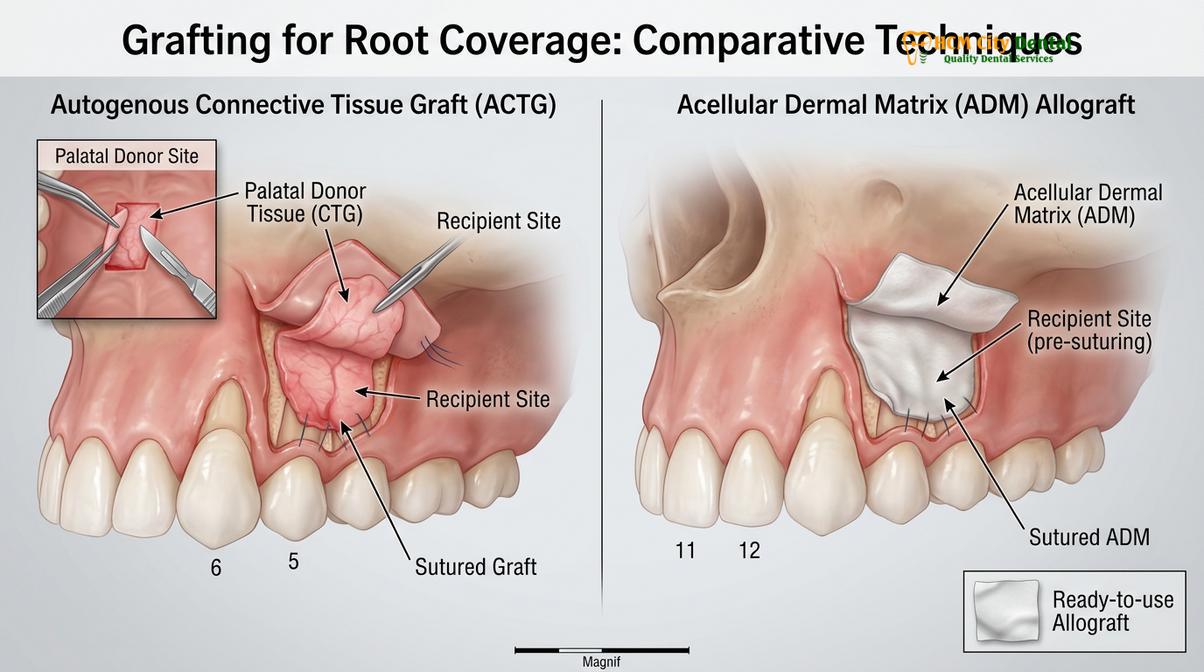
Conversely, allografts, such as Acellular Dermal Matrix (ADM), offer a compelling alternative, particularly when treating generalized recession across multiple teeth. ADM is derived from human donor tissue that has been rigorously processed to remove all cellular components, leaving behind a sterile, structurally intact collagen matrix. The primary clinical advantage of an allograft is the elimination of the palatal harvesting site, which significantly reduces post-operative discomfort and surgical morbidity. However, the extensive processing, sterilization, and importation of these advanced biomaterials make them inherently expensive, which directly increases the overall cost of the surgery.
Clinical Case Overview: A 42-year-old patient presented to HCMC Dental Clinic, Ho Chi Minh City, with severe, generalized recession across the upper anterior sextant, causing acute thermal sensitivity. To avoid a massive palatal harvesting wound, the surgical team opted for a tunneling technique utilizing an imported Acellular Dermal Matrix. While the material cost was higher than an autograft, the ability to treat six teeth simultaneously in a single, minimally invasive session provided exceptional clinical value and a rapid, comfortable recovery.
The decision between an autograft and an allograft is never based solely on cost; it is a clinical determination made by the periodontist based on the patient’s anatomical phenotype, the volume of tissue required, and the aesthetic demands of the case.
Total Budget Planning: Procedure, Meds, and Recovery Visits
A comprehensive financial plan for periodontal surgery must account for pre-operative diagnostics, the primary surgical intervention, and all necessary post-operative medications and follow-up care.
When calculating the total financial commitment for periodontal plastic surgery, patients must look beyond the primary surgical fee. A comprehensive treatment plan encompasses several phases of care, each contributing to the final cost. Initial consultations, diagnostic imaging (such as CBCT scans), and pre-surgical General Dentistry procedures like scaling are foundational steps that ensure a sterile surgical environment before any incisions are made.
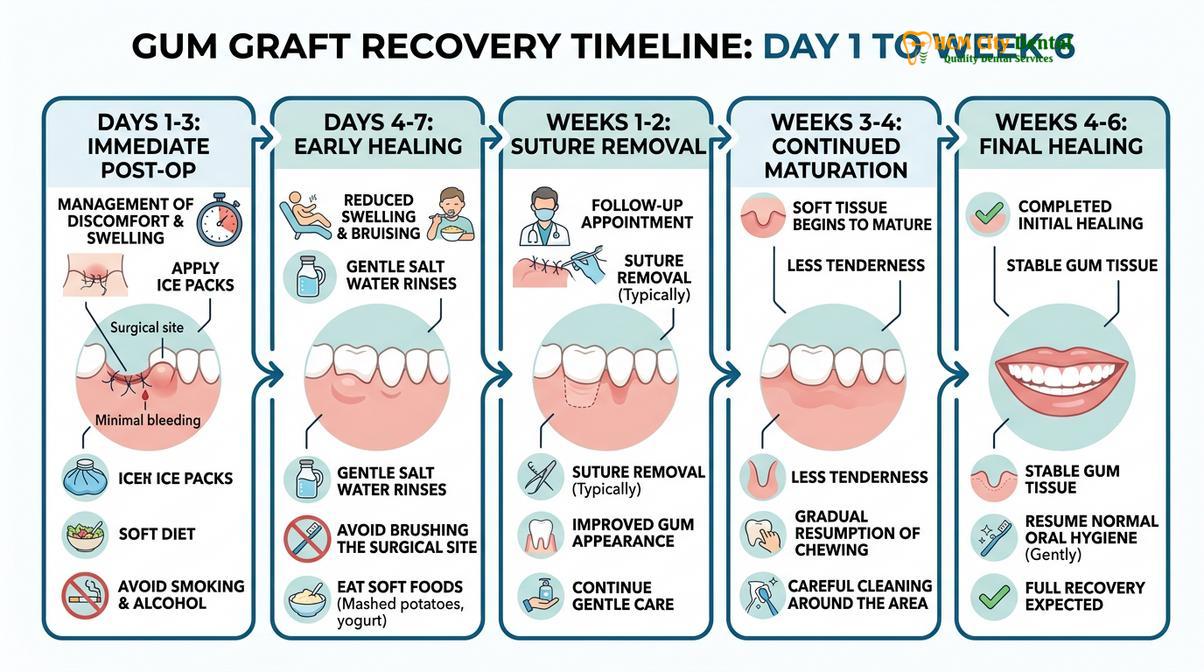
Post-operative expenses also play a crucial role in the overall budget. Patients should account for prescribed medications, including specialized antimicrobial rinses and analgesics, which are vital for infection control and comfort during the initial healing phase. Additionally, mandatory follow-up visits for suture removal and tissue evaluation are critical to monitor revascularization. While many premium clinics bundle these immediate follow-ups into the surgical fee, long-term periodontal maintenance remains a separate, ongoing investment to protect the newly grafted tissue.
Clinical Warning: Delaying treatment for severe gingival recession can lead to irreversible alveolar bone loss and eventual tooth mobility. Prompt evaluation by a periodontal specialist is strongly advised to prevent the need for more invasive reconstructive surgeries.
When to Consult a Periodontist for Receding Gums
Early intervention is critical in periodontal management; identifying the warning signs of gingival recession allows for more conservative, cost-effective treatments before complex grafting becomes mandatory.
Patients often wonder when it is medically necessary to seek professional intervention for receding gums. According to international periodontal guidelines, any noticeable apical shift of the gingival margin that exposes the root surface warrants a clinical evaluation [5]. This is particularly urgent if the recession is accompanied by persistent dentin hypersensitivity to hot or cold stimuli, as the exposed root lacks the protective enamel layer and is highly susceptible to rapid decay. Furthermore, local guidelines established by the Vietnam Odonto-Stomatology Association emphasize the importance of early soft tissue management to prevent irreversible alveolar bone loss [6].
Before a graft can be performed, the underlying cause of the recession must be addressed. If the tissue loss is driven by active periodontal disease, patients will typically require foundational therapies such as deep cleaning teeth (scaling and root planing) to eliminate subgingival calculus and bacterial biofilms. Additionally, if a patient notices swollen gums around a tooth, it is a clear indicator of localized inflammation that must be resolved prior to any regenerative surgery. In cases where deep pockets persist, gum flap surgery or advanced laser gum treatment may be necessary to stabilize the foundation before soft tissue grafting can be successfully attempted.
Why Expats and Dental Tourists Choose Saigon for Grafts
International patients consistently select Saigon for periodontal surgery due to the seamless combination of elite surgical expertise, state-of-the-art clinical facilities, and highly favorable exchange rates.
The influx of international patients seeking affordable gum grafting abroad is a testament to the elevated standard of care available in Vietnam. Expatriates living in Southeast Asia and dental tourists traveling from afar recognize that Ho Chi Minh City offers a unique convergence of medical excellence and economic efficiency. The appeal extends far beyond the initial cost savings; it is rooted in the comprehensive, patient-centric approach adopted by leading Vietnamese dental institutions.
Dr. Nguyen Van Cuong, a leading periodontal specialist, emphasizes that successful soft tissue grafting requires meticulous pre-operative planning and precise execution. Dr. Cuong notes that integrating advanced microsurgical techniques significantly reduces patient discomfort while maximizing the predictability of root coverage, ensuring that international patients receive care that meets the highest global standards.
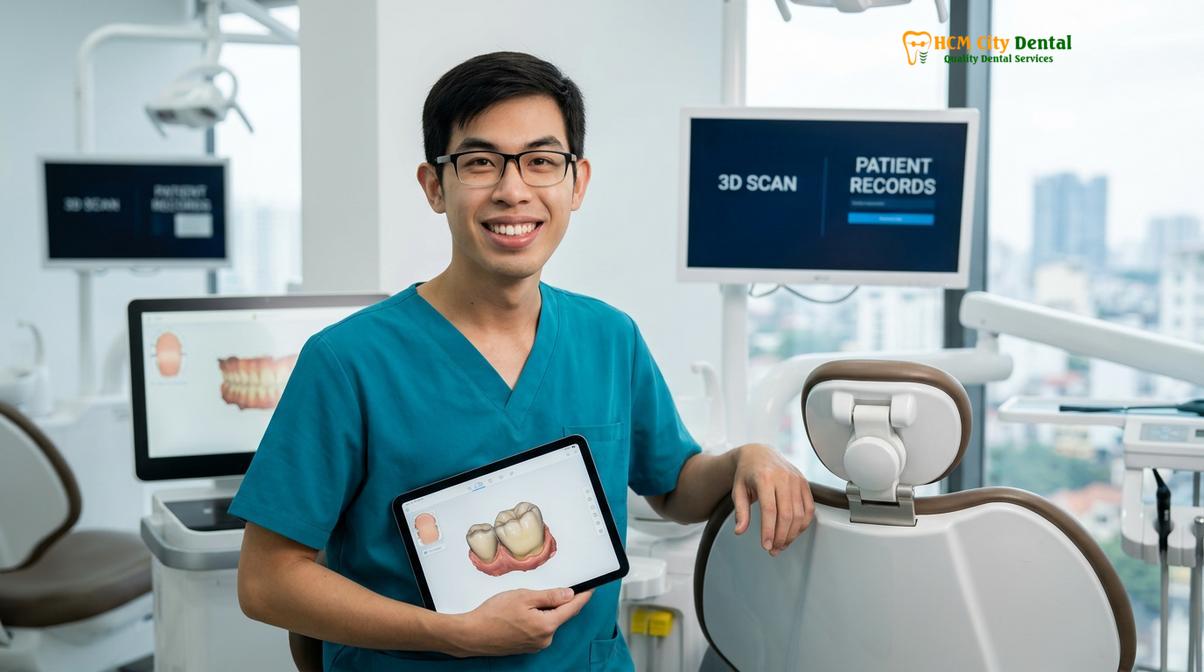
“Investing in expert periodontal microsurgery not only restores the structural integrity of the gingival margin but also provides a critical defense against progressive alveolar bone resorption and premature tooth loss.”
For those considering traveling for periodontal care, the logistical process is highly streamlined. Reputable clinics offer dedicated international patient coordinators who assist with treatment planning, scheduling, and post-operative care instructions. By choosing a specialized facility, patients can confidently undergo complex soft tissue regeneration, knowing they are receiving world-class treatment at a fraction of the cost they would incur in their home countries. If you are experiencing the symptoms of gingival recession, contact HCMC Dental Clinic in Ho Chi Minh City today to schedule a comprehensive periodontal evaluation and discover how affordable expert care can be.
References
- Journal of Periodontology. Predictability of root coverage utilizing autogenous connective tissue grafts. (2021).
- International Journal of Periodontics & Restorative Dentistry. Microsurgical approaches to periodontal plastic surgery. (2020).
- Clinical Oral Investigations. Comparative analysis of acellular dermal matrix versus connective tissue grafts. (2019).
- Journal of Clinical Periodontology. Healing dynamics of free gingival grafts: a histological review. (2022).
- American Academy of Periodontology. Guidelines for the management of mucogingival conditions and gingival recession. (2018).
- Vietnam Odonto-Stomatology Association (VOSA). National clinical guidelines on periodontal microsurgery and soft tissue management. (2023).
For pricing, booking, and a free clinical assessment, visit our Gum Disease Treatment service page at HCMC Dental Clinic in Ho Chi Minh City.